


The best bucket list bike rides should feel like a true adventure, the kind that fuel countless stories you’ll be proudly retelling for years to come.
These are the rides that go way beyond the everyday: think remarkable landscapes, authentic local moments and the unrivalled sense of achievement that only comes with conquering a huge cycling goal.
If this is the kind of experience you’re looking for, you’re in the right place!
In this article, we interview Abbi Naylor, the Head of Expeditions at Rat Race. Since 2004, Rat Race have designed adventure challenges that are tough and inspiring yet doable, with a focus on fun rather than a total “sufferfest”. Here, Abi shares three inspiring cross-continent routes for your wish list:
- Trans Africa – Namibia, Botswana, South Africa, Eswatini (3,000 kilometres);
- Trans Andean – Chile and Argentina (1,700 kilometres); and
- Tierra del Fuego – Chilean Patagonia (800 kilometres).
Abi has ridden both the Trans Andean and Africa routes and was instrumental in creating them, so she is really well placed to share her insights on them. While she hasn’t tackled the Tierra del Fuego route yet, it is on her wishlist!
Read on to discover some of the best long-distance bike rides in the world!
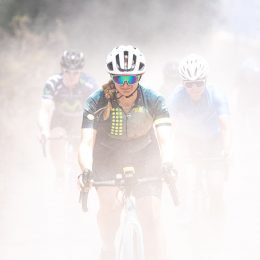
Abbi Naylor is Rat Race’s Head of Expeditions. She has more than 10 years of exploring under her belt, including cycling across Africa, South America and being the first woman to have cycled across 'The Empty Quarter' desert on the Arabian Peninsula, on a fat bike. As part of her role at Rat Race, she leads small group trips around the world. Abbi also recced the Trans Andean in 2022 and has been the trip leader on several Trans Andes events since then!

We have one overriding rule at Epic Road Rides: would we suggest this to our friends? This means we don’t work with every brand that wants to work with us. We may not have personally used or been on a trip with every brand we collaborate with, but after many years in the industry, our team knows a lot of people, and we only say yes to the brands we would be happy to use ourselves or that we’d share with a friend.
Contents of this article
There’s a lot of information in this article, so we have broken it up into sections. Here’s a brief summary:
- Part 1: Overview
- Part 2: The bucket list rides
- Part 3: Practicalities
- Part 4: Tips
- Part 5: More about Rat Race
Sponsor Message
Considering a bucket list bike ride?
Rat Race has run bike tours since 2022. They enable riders to complete an extraordinary adventure in remarkable locations around the world.
Find out more details, including availability and prices, on the Rat Race website.
Exclusive offer for Epic Road Rides readers: Claim 10% off* this Rat Race adventure when you book any of Rat Race's Trans Andean, Trans Africa or Tierra del Fuego trips directly with them before 31st December 2026. Discount applies to the entry fee only, not any extras and cannot be applied to an existing entry. *T&Cs apply.
Got a question for Abbi Naylor from Rat Race?
Fill out this form and we will pass it to Rat Race who aim to reply (within 24 hours wherever they can!)
Part 1: Why are these bucket list tours?


What makes them so special?
The adventurous nature of destinations like Chile, Argentina, Namibia and Botswana are clearly big draws.
But there is also something very tangible about drawing a line on a map and making it into an epic journey. When you say “we’re going to cross a continent” then it really starts to make sense as a real bucket list undertaking, backed with a real sense of mission.
I would also say that the way in which Rat Race runs its events is notably different to many other cycling outfits. We are an adventure company and the essence of that lives and breathes through the trips we run, the places we run them and the way we operate them. Find out more below.
How did you pick the destinations?
We look to the fringes of the map, and we go for overtly adventurous places.
There are plenty of great and iconic rides in Europe and North America. However, we aren’t interested in reinventing the wheel (no pun intended).
Instead, we prefer to blaze our own trail with massive trips that others are just not offering. Find out more below.
How did you design the cycling routes?
We go and ride them. It starts with the maps and online research, and we establish relationships with local specialists who know their countries inside out. They may not be cyclists, but they can tell us about security, local permissions and customs and all manner of other key details that are so important when going to far-flung spots.
For Trans Africa, we first drove the route across the four countries to make sure it was ready and safe for it to be test ridden. We then band together a group of what we call our “test pilots” – a group of Ratracers who are keen to trial the route and who know it’s not the finished article. And then we ride off into the unknown.
From there, we hone the route and offer it out to the riding public!
What kind of cyclists are the routes suitable for?
Those with a sense of adventure.
There is a high level of service and practical support within the formats, plus slick logistics and pro staff. But you need to know that these rides are not luxury trips. You will need to be comfortable roughing it in local lodges, hostels or even under canvas. Every trip includes a big mix of accommodation, depending on the destination. More on this below.
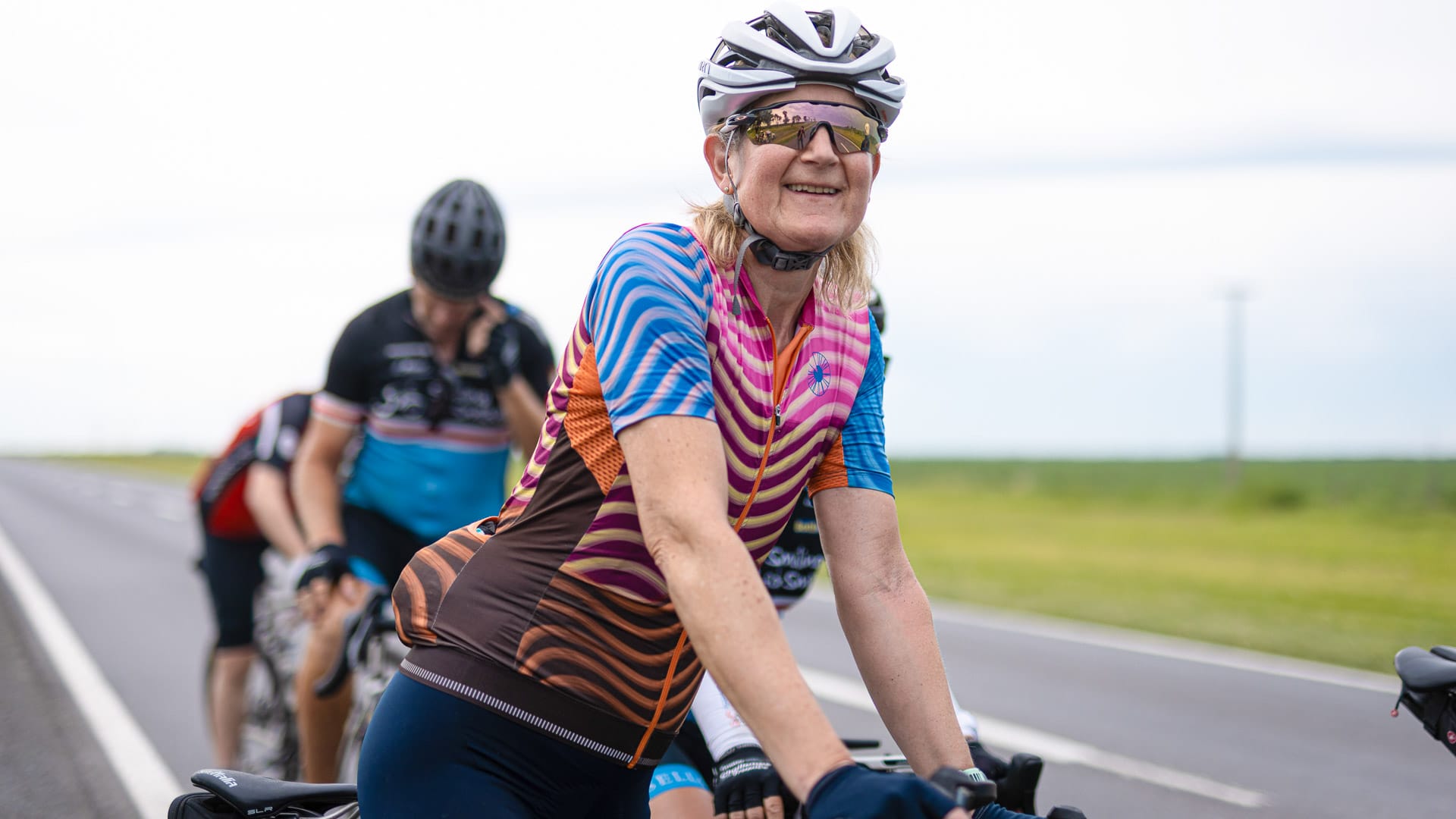
We aren’t about celebrating the fastest person; we’re about celebrating every person who turns up ready to take on one of these incredible cycling challenges. The group dynamics are relaxed and non-competitive, allowing cyclists from all backgrounds and all fitness levels to take part and tackle the adventure their way.
Part 2: Please share your three best bucket list bike rides
I’ve ridden the Trans Andean and Africa routes, and they are incredible. I haven’t yet taken on the Tierra del Fuego route myself, but with the Rat Race team behind its design, it delivers every bit of the challenge and spectacle you’d expect. I hope to tick it off someday!
They’re set out below from longest to shortest, so you can find the best option to suit the level of challenge you are looking for.
1. Trans Africa coast to coast, Namibia, Botswana, South Africa, Eswatini
Best for: cycling through Africa on an epic coast-to-coast odyssey


Key statistics
3,000 kilometres
17,200 metres of elevation gain
Start/ finish
Start: Henies Bay, Namibia
Finish: Sodwana Bay
Surfaces/ terrain
Approximately 50% gravel and 50% asphalt roads
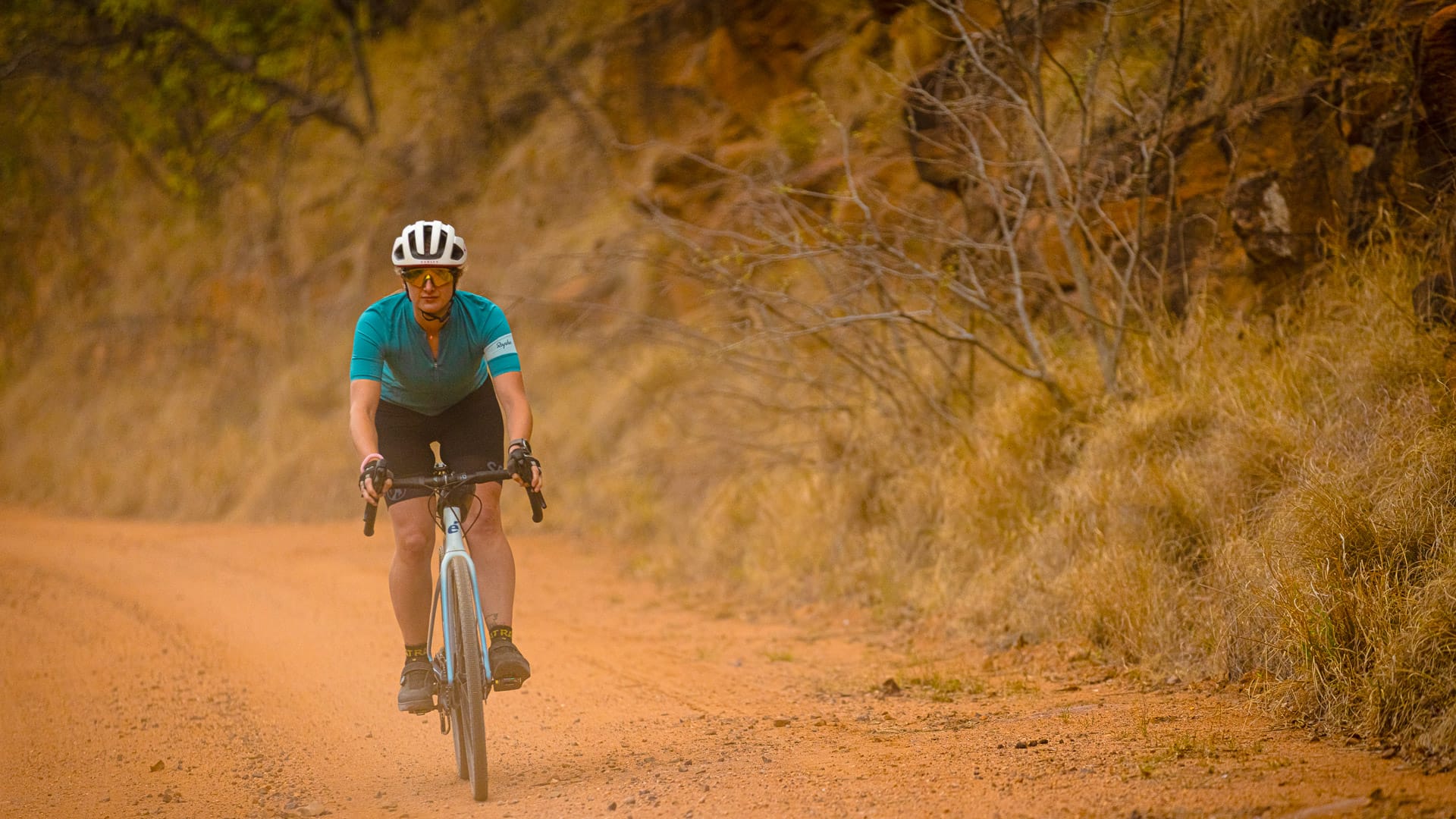
The Trans Africa route provides a myriad of terrains and road types. It is moderate to challenging in places and suits cyclists who are experienced at gravel cycling.
Each of the four countries provides different terrain challenges.
- Namibia has gravel and sand roads that can be corrugated, which some cyclists can find difficult to navigate.
- Botswana is mainly on road and is very flat; the mileage is longer these days, and this creates its own challenges.
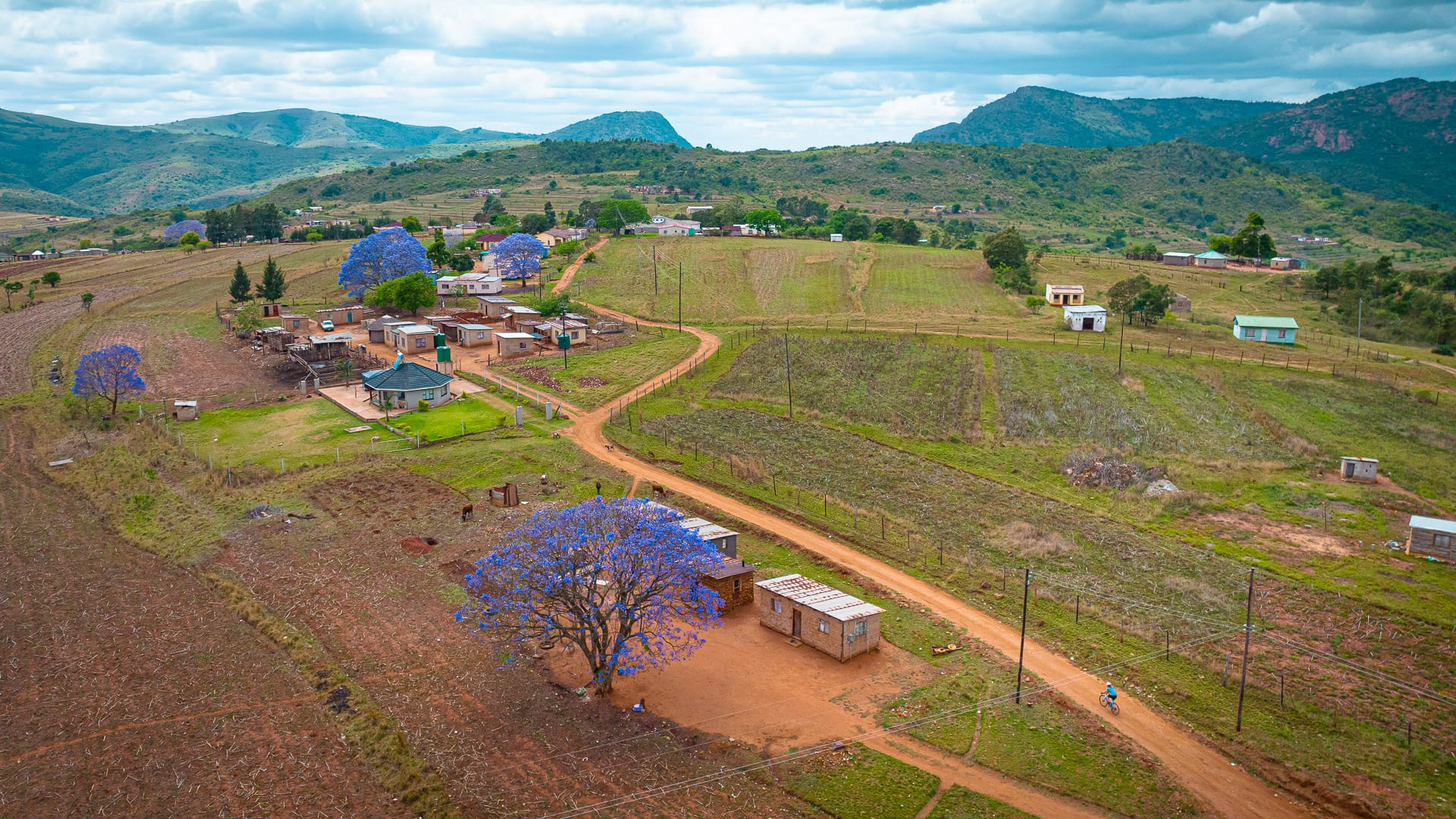
- In contrast, South Africa and Eswatini are hilly and very rough in places.
When to cycle
June is the best time of year to ride this route.
Duration
26 days/25 nights
Overview
Conquer a continent on this epic coast-to-coast journey across four incredible African countries: Namibia, Botswana, South Africa and Eswatini.
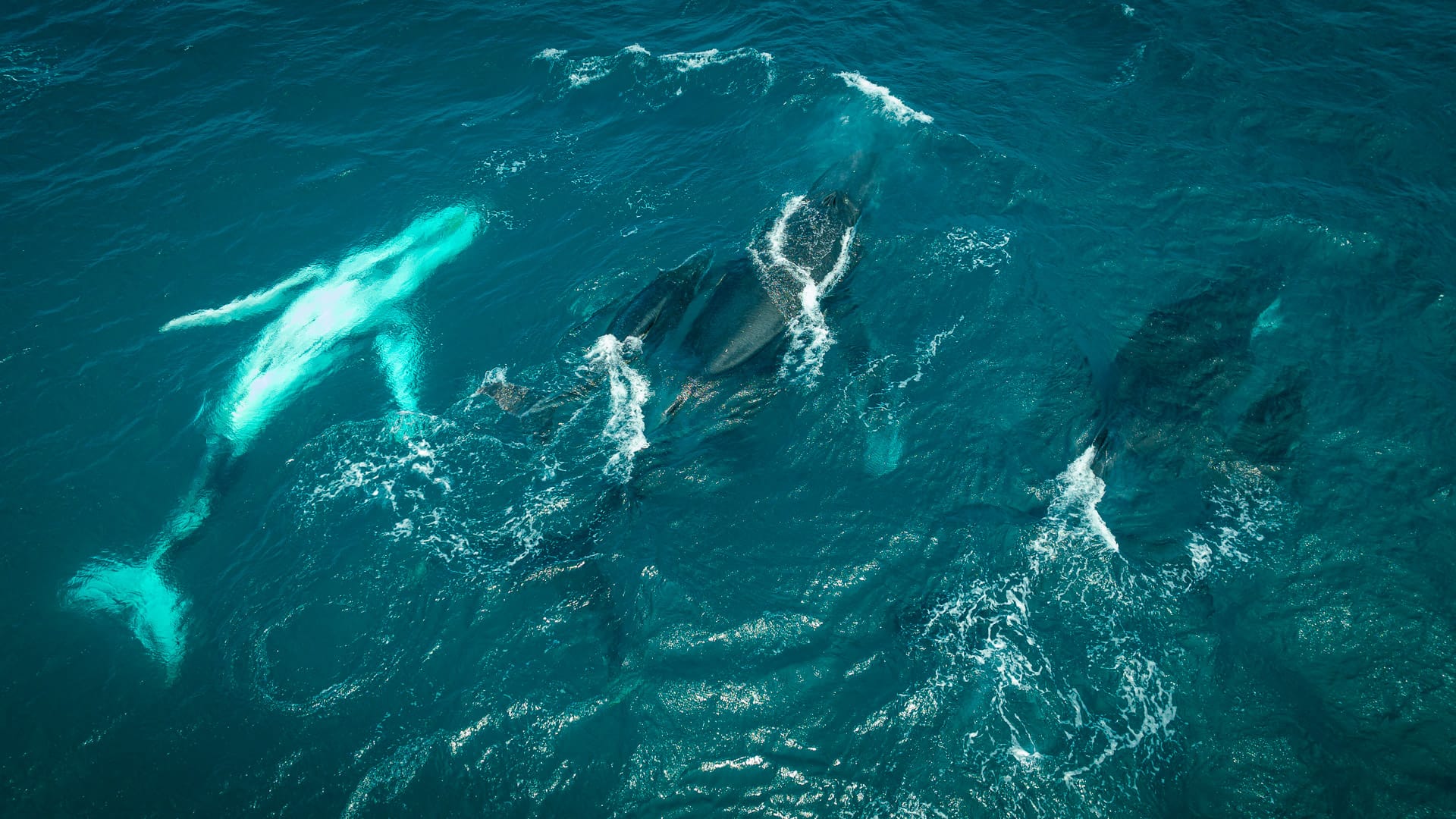
Gravel tracks and asphalt roads weave through archetypal African landscapes, where mountains, savanna and desert sit alongside wildlife-abundant national parks and game reserves.
You’ll start with six days and roughly 750 kilometres of Namibian gravel riding through bush country and vast, empty horizons. You then roll into Botswana for a welcome spell of smoother asphalt, with time in the lush, grassy Okavango Delta and then some long, steady days along the Kalahari Highway.
Climbing awaits in South Africa and Eswatini, where you’ll encounter big views, punchy hills and more wildlife-rich game reserves. The route ends back in South Africa and on the Indian Ocean.
What are the highlights?
- The sense of achievement at crossing a continent on your bike.
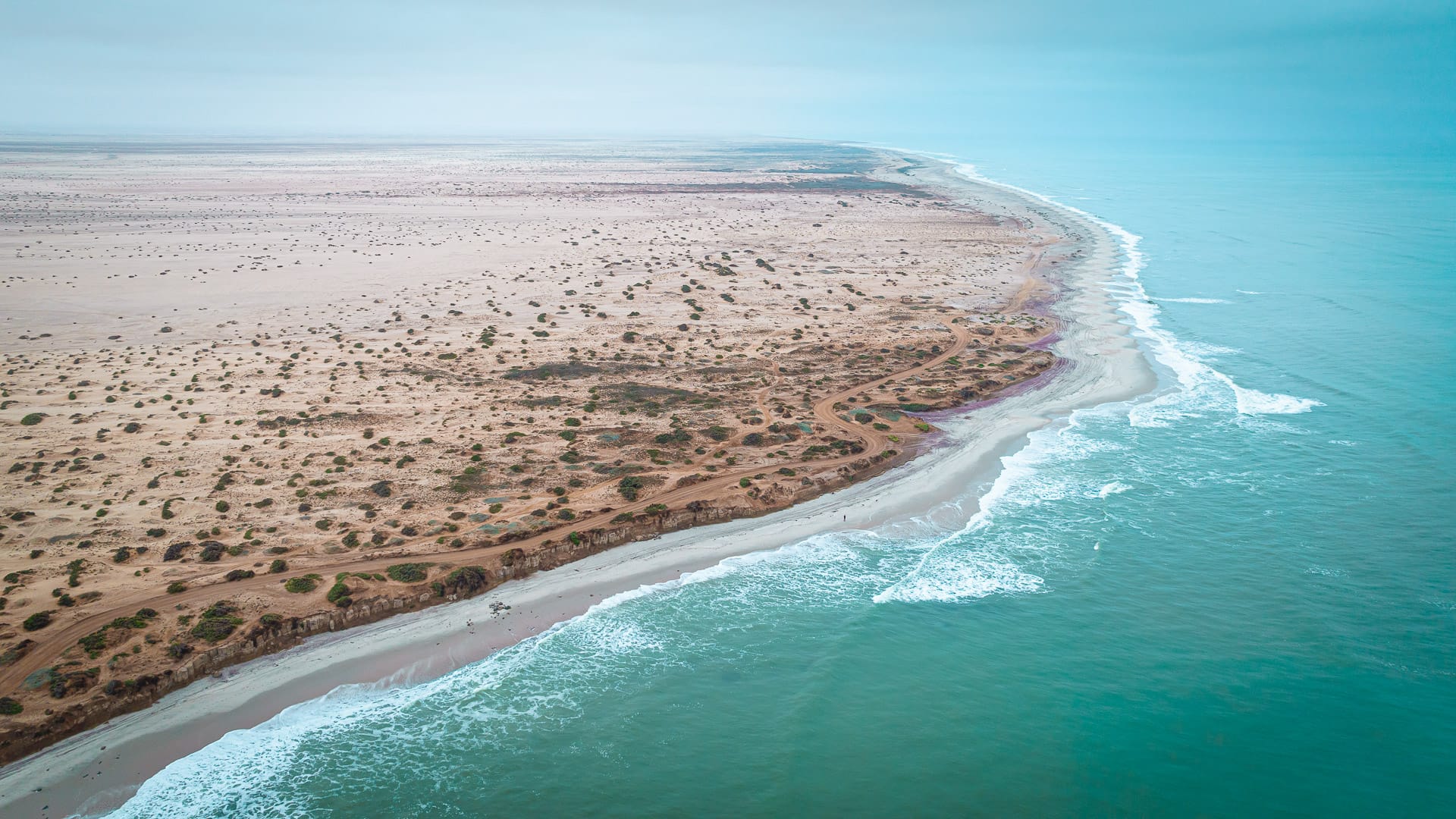
- A memorable start on Namibia’s iconic Skeleton Coast, beside surf blasted beaches, shipwrecks and desert dunes. This stark, otherworldly shoreline sets the tone for a truly wild adventure.
- A well-earned rest day in the Okavango Delta in Botswana. This is a great opportunity to enjoy wildlife watching on the world-famous inland delta, before the next big push.
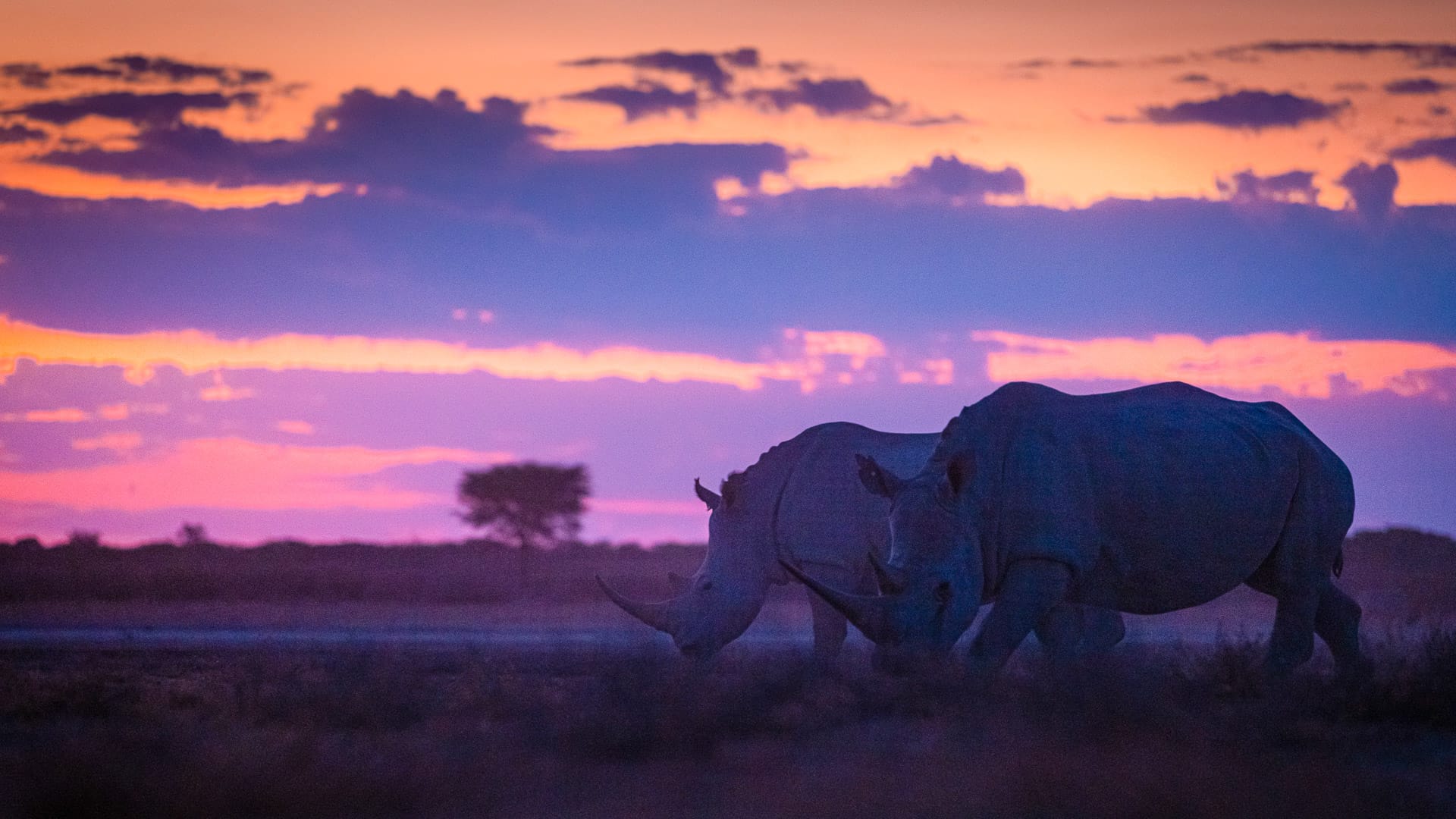
- Spotting the ‘big 5’ from the saddle offers many ‘pinch me’ moments. You’ll ride through reserves teeming with extraordinary wildlife, including elephants, giraffe and buffalo. Be aware! Our local on-the-ground operator has decades of experience in this area, and your safety is well looked after!
- Camping at the Karma Rhino Sanctuary in Botswana offers you the opportunity to enjoy a special sunset game drive and swap stories with riders around a campfire.
- Witnessing beautiful sunsets and sunrises will keep you motivated each day and provide plenty of special memories.
Where will you stay?
The accommodation varies from modern hotels in bigger towns to more rustic options deeper in the bush, such as safari lodges, campsites or simple B&B-style stays in friendly villages. Find out more below.
What will you eat?
Each day you will enjoy a breakfast and main meal, as well as several pit stops to keep you well-fuelled and hydrated. Find out more below.
Be aware! Africa’s cuisine can be meat-led. But we work hard to offer vegetarian and vegan options when there’s demand. Some local delicacies you can expect include:
- Authentic BBQ dishes served with fresh local vegetables.
- Hearty, warming pasta dishes prepared on the go to refuel you after long days in the saddle.
- Tailored meals for all dietary requirements, ensuring vegetarian, vegan and other needs are fully catered for.
More information
- Head to Rat Race’s website for more details about the Trans Africa adventure, including availability and prices.
2. Trans Andean coast to coast, Chile and Argentina
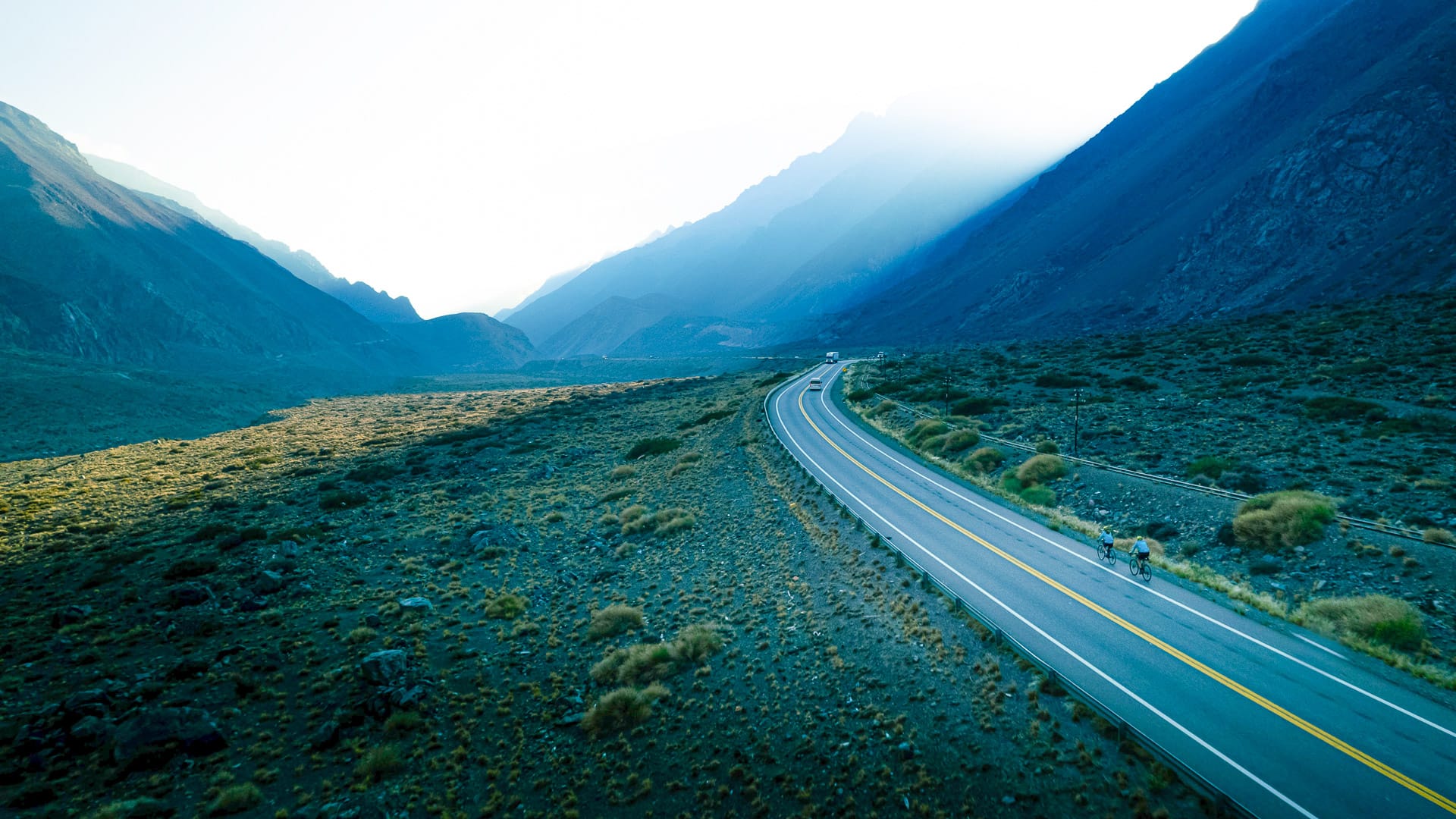
Best for: a dramatic coast-to-coast journey that serves up high altitude drama in the Andes Mountains
Key statistics
1,700 kilometres
9,894 metres of elevation gain
Start/ finish
Start: Near Valparaiso, Chile
Finish: Buenos Aires, Argentina
Surfaces/ terrain
Approximately 90% paved with asphalt roads and 10% on gravel tracks.
Days one and two over the Andes take place mostly on roads that are largely traffic-free. However, you will encounter some slow-moving traffic on the unpaved ascent over the Andes on day two. The surface mix is roughly:
- Day one: 90% road / 10% gravel.
- Day two: 75% road / 25% gravel.
Be aware! On the gravel climb of Paso Los Libertadores (Cristo Redentor Pass) on the Chile and Argentina border; you’ll need to swap your road tyres for gravel tyres on this section.
This is a journey of two distinct halves. The first section includes considerable elevation in the mountains. This is followed by a very lengthy downhill and flatter terrain, punctuated by smaller climbs.
When to cycle
February, during summer in the Southern Hemisphere
Duration
13 days/12 nights
Overview
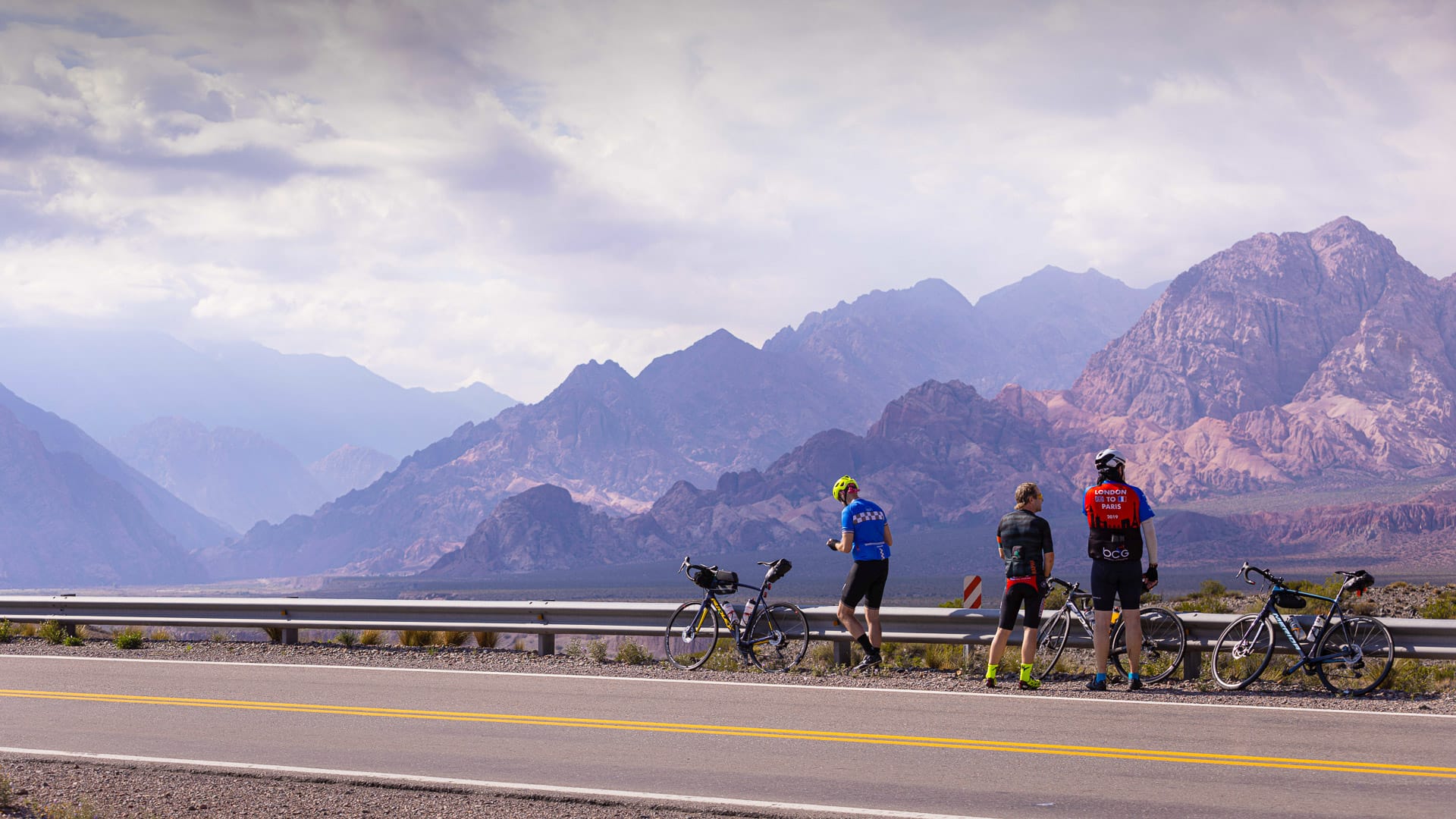
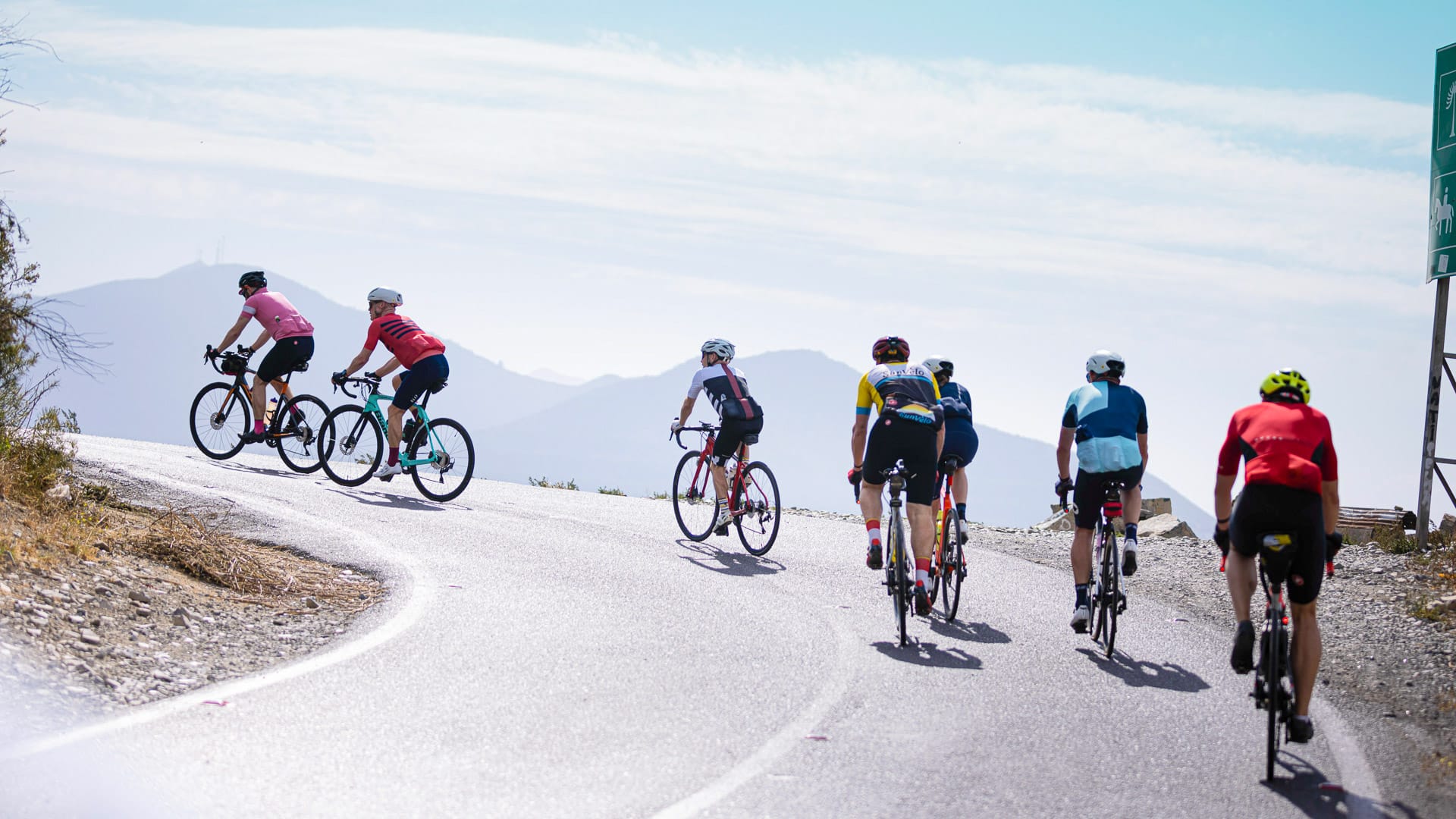
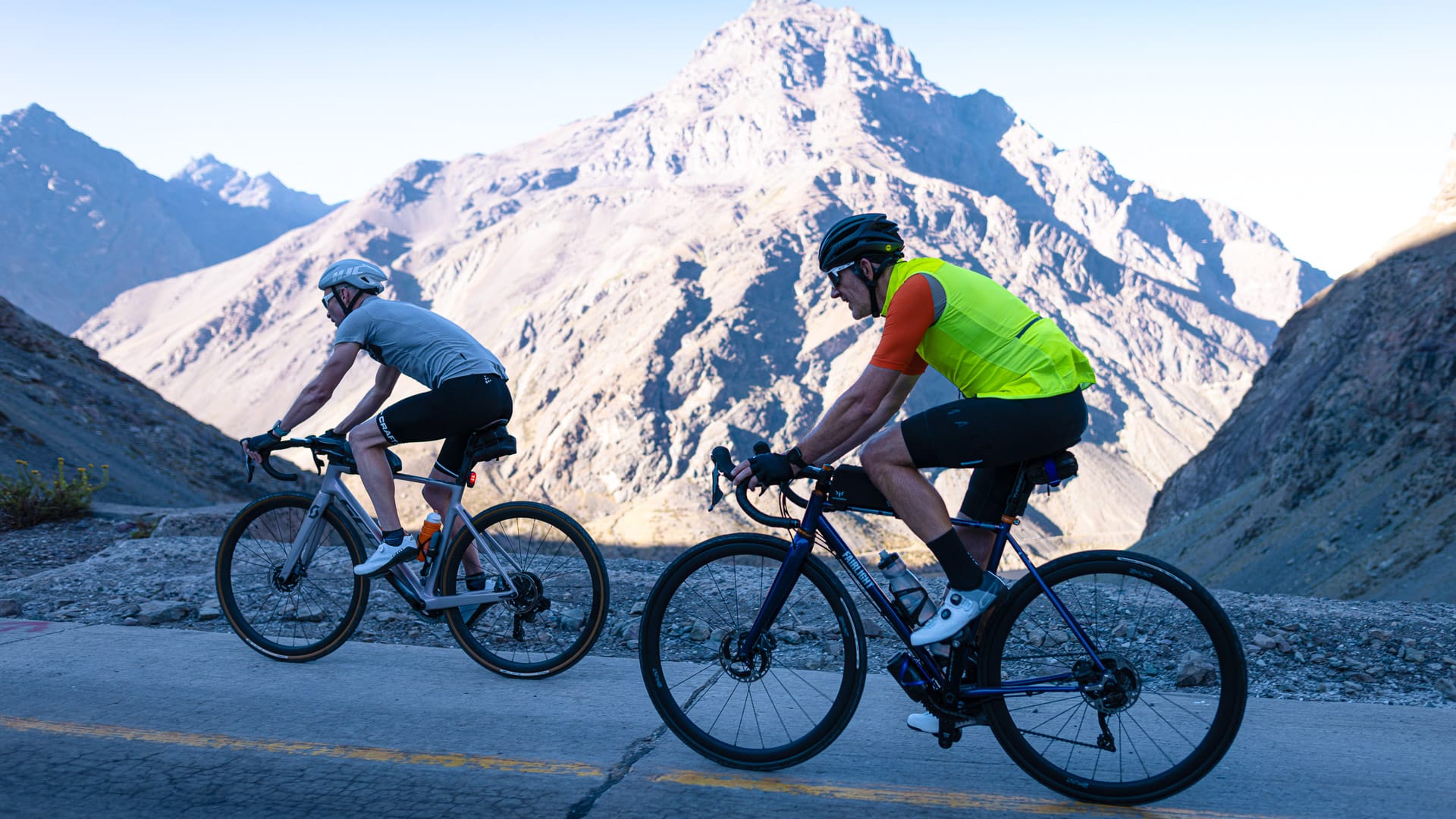
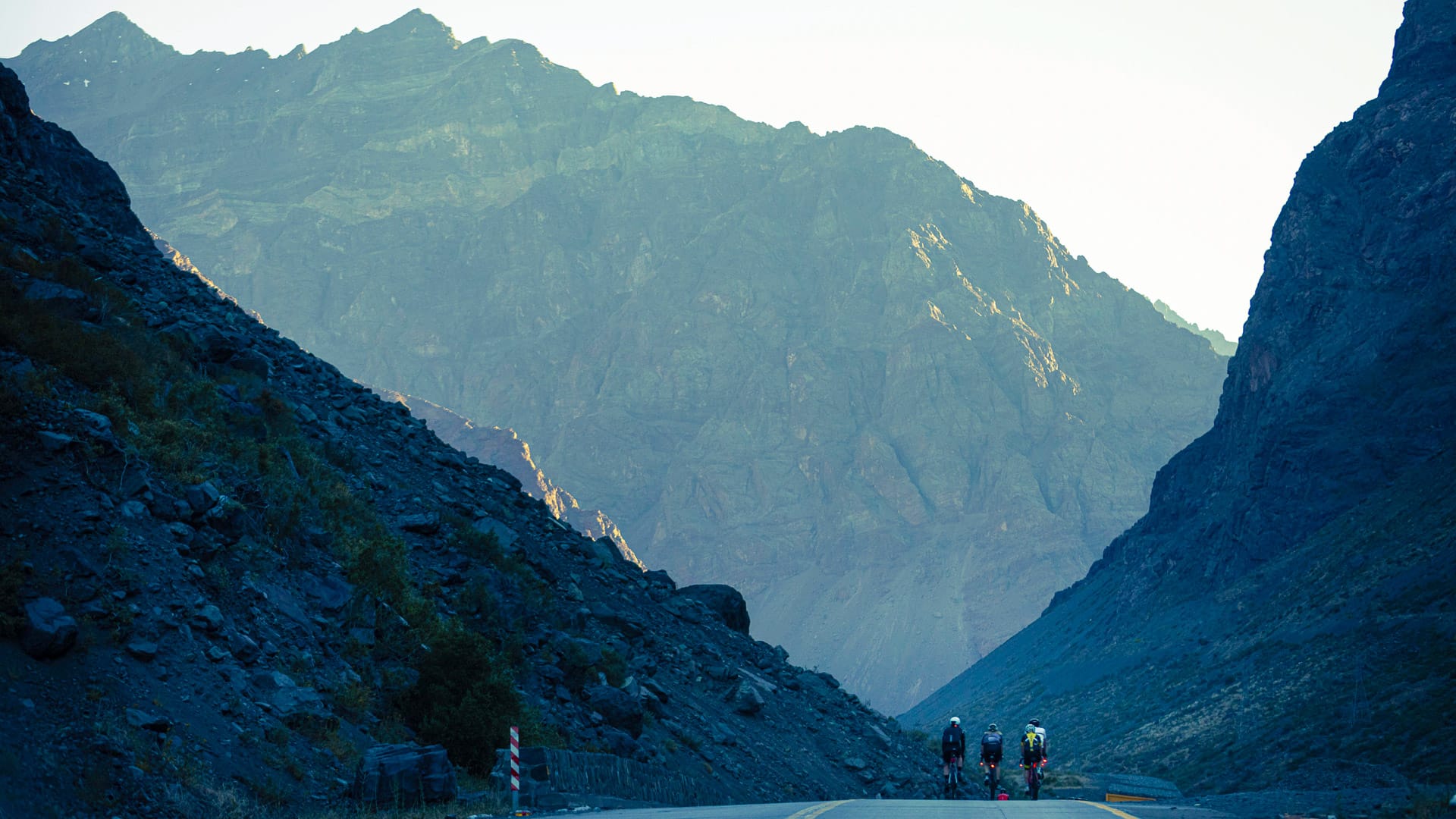
We ride west to east so the big Andean crossing comes early: you can expect two unforgettable (and challenging) days from the Pacific Ocean, near the UNESCO-listed Valparaíso, climbing up to around 3,832 metres in the Andes Mountains. Your reward is a glorious two-day descent into Argentina!
This section of the route includes switchback passes, high-altitude vistas and a front-row look at Aconcagua, the highest peak in the Americas.
Beyond the border, the route opens onto the Argentine steppe and the Pampas. This is where you’ll encounter long, ruler-straight miles, vineyard country and the chance to meet gauchos along the way.
The journey concludes on an Argentinian beach about an hour south of Buenos Aires, where you can dip your tyres in the Atlantic Ocean and enjoy a well-earned celebratory BBQ with your fellow riders!
What are the highlights?
- The unique satisfaction of crossing South America by bike, riding from the Pacific all the way to the Atlantic.
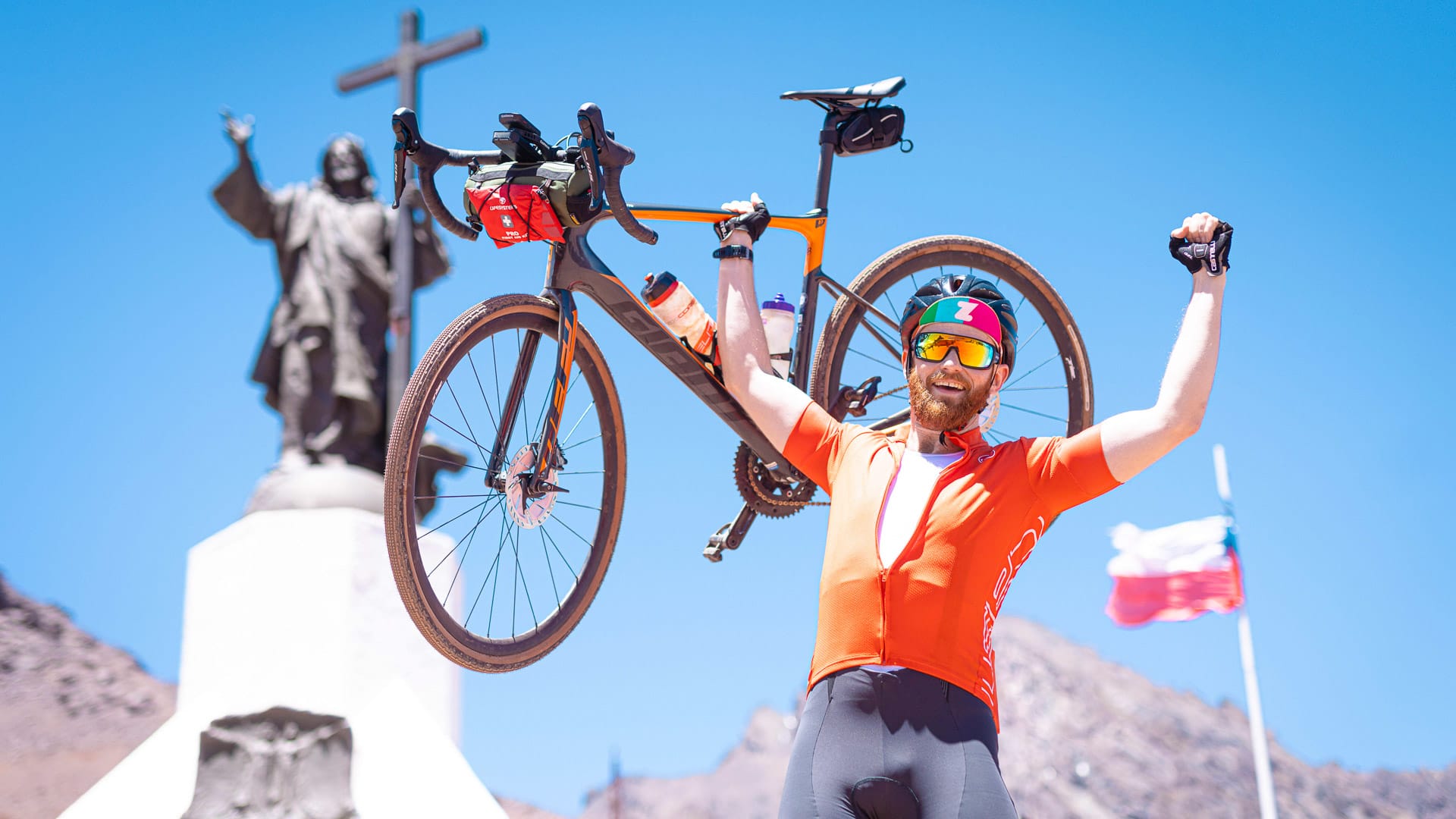
- Climbing from sea level to high altitude in roughly a day and a half, topping out near the Cristo Redentor statue for a true summit-day memory.
- A 171 kilometre mostly-downhill “recovery” stage into Argentina’s wine capital – expect big views, vines and a well-earned exhale!
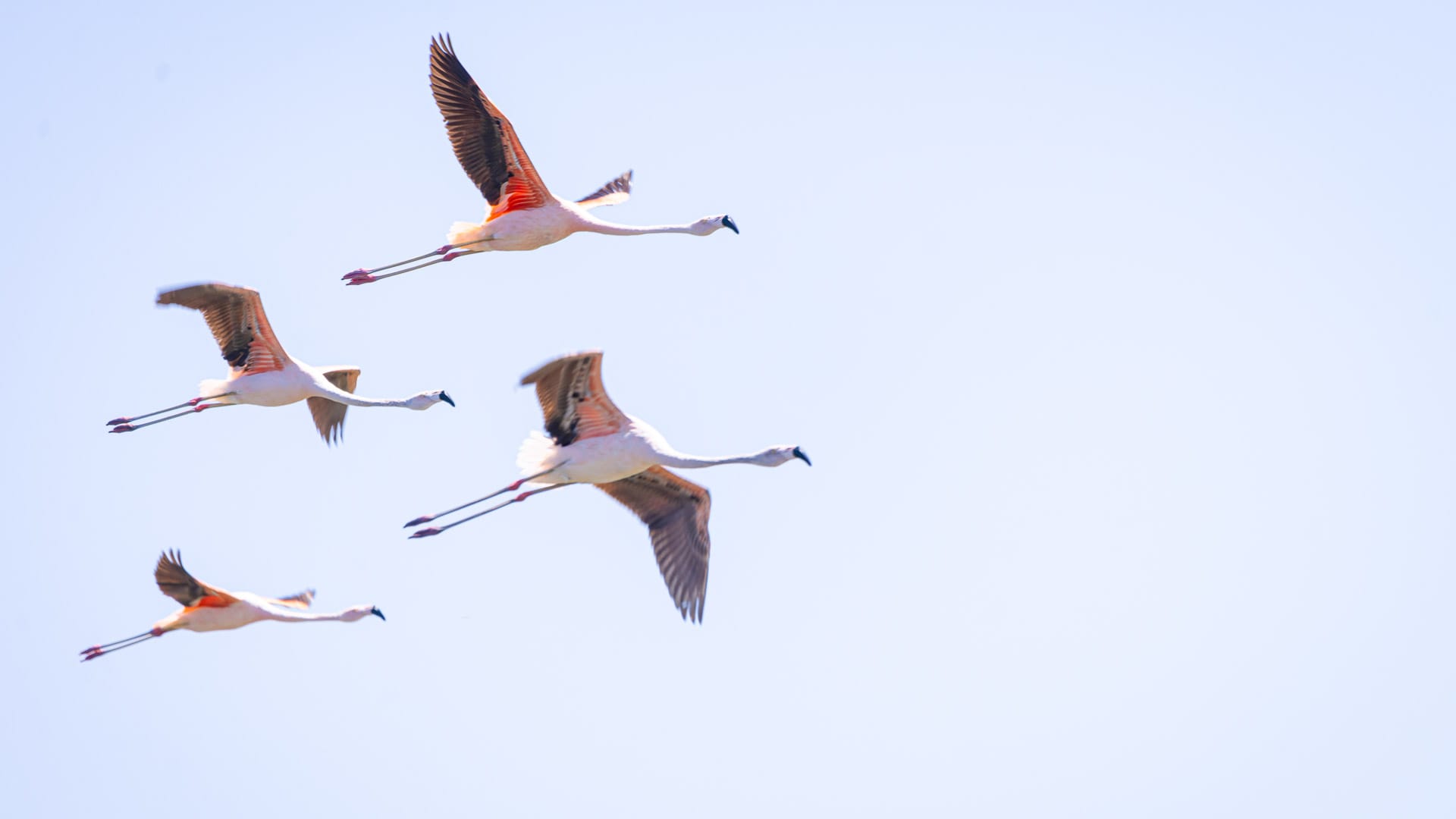
- Wildlife spotting opportunities, including the chance to spot condors, guanaco, capybaras from the saddle.
- Cycling across the vast Argentine Pampas, a largely agricultural landscape home to many ranches and cattle.
Where will you stay?
As with all Rat Race trips, accommodation varies along the route to suit the terrain and the day’s ride. More on this below.
You can always count on the essentials, a proper bed and hot shower, whether you’re in a lovely, comfortable hotel in a larger town or tucked away in something more characterful out in the mountains!
In the high Andes, expect mountain hostels and stays in historic buildings that you won’t find on standard tourist routes, often with shared dorms and plenty of atmosphere. These simpler stops are all part of the adventure: they’re typically run by locals and offer plenty of memories you’ll talk about long after you’ve rolled into the finish.
What will you eat?
Each day you will enjoy a breakfast and main meal, as well as several pit stops to keep you well-fuelled and hydrated. Find out more below.
Some of the delicious local flavours you will experience include:
- Empanadas (sweet or savoury pastries)
- Asado (slow-cooked meats over a BBQ)
- Argentinian steak
- Superb regional wines, including world-renowned Malbec from Mendoza, which you’ll cycle through.
More information
- Guide to cycling the Trans Andean, for an in-depth interview with Rat Race.
- Rat Race’s website for more details about the Trans Andean adventure, including availability and prices.
3. Tierra del Fuego, Chilean Patagonia
Best for: a gravel bike adventure through wild landscapes to the end of the world


Key statistics
800 kilometres
6,330 metres
Start/ finish
Start: Punta Arenas
Finish: The official end of the RN3 road, close to Ushuaia
Surfaces/ terrain
The terrain varies from easy to challenging. If the weather is against you, challenging can become very challenging! The journey begins with a warm-up day: a 70-kilometre loop from Porvenir, with the first 35 kilometres on asphalt before leading onto your first stretch of gravel. From there, the linear journey begins, and the remainder of the route is 80–90% gravel.
Generally, it’s an ideal gravel surface; rough enough to keep things interesting but with no major challenges. There are a few rougher washboard sections which require you to pay a little more attention to the terrain. If the wind is against you in combination with navigating a patch of tough ground, this is enough to give even the best of riders a good test of their balance skills. Choosing a tyre with good width can make the ride more comfortable and forgiving.
The route is almost entirely traffic-free. When we trialled the event on our test pilot adventure, entire days passed by without any vehicles passing us. Isla Grande of Tierra del Fuego has a low population, and the mass is centred around the larger towns of Ushuaia and Rio Grande. Away from these hubs, there is little traffic on the short asphalt stretches and virtually no traffic at all on the gravel roads, except perhaps the odd ranchero. One of the best things about this event is that days may go by where the only people you see are your fellow riders, the support vehicles and finally the welcoming hosts waiting for you at the end of a great day’s riding with a good, hot meal.
When to cycle
January, during summer in the Southern Hemisphere
Duration
12 days/ 11 nights
Our view
This “end of the world” ride starts in Punta Arenas, Patagonia’s lively gateway.
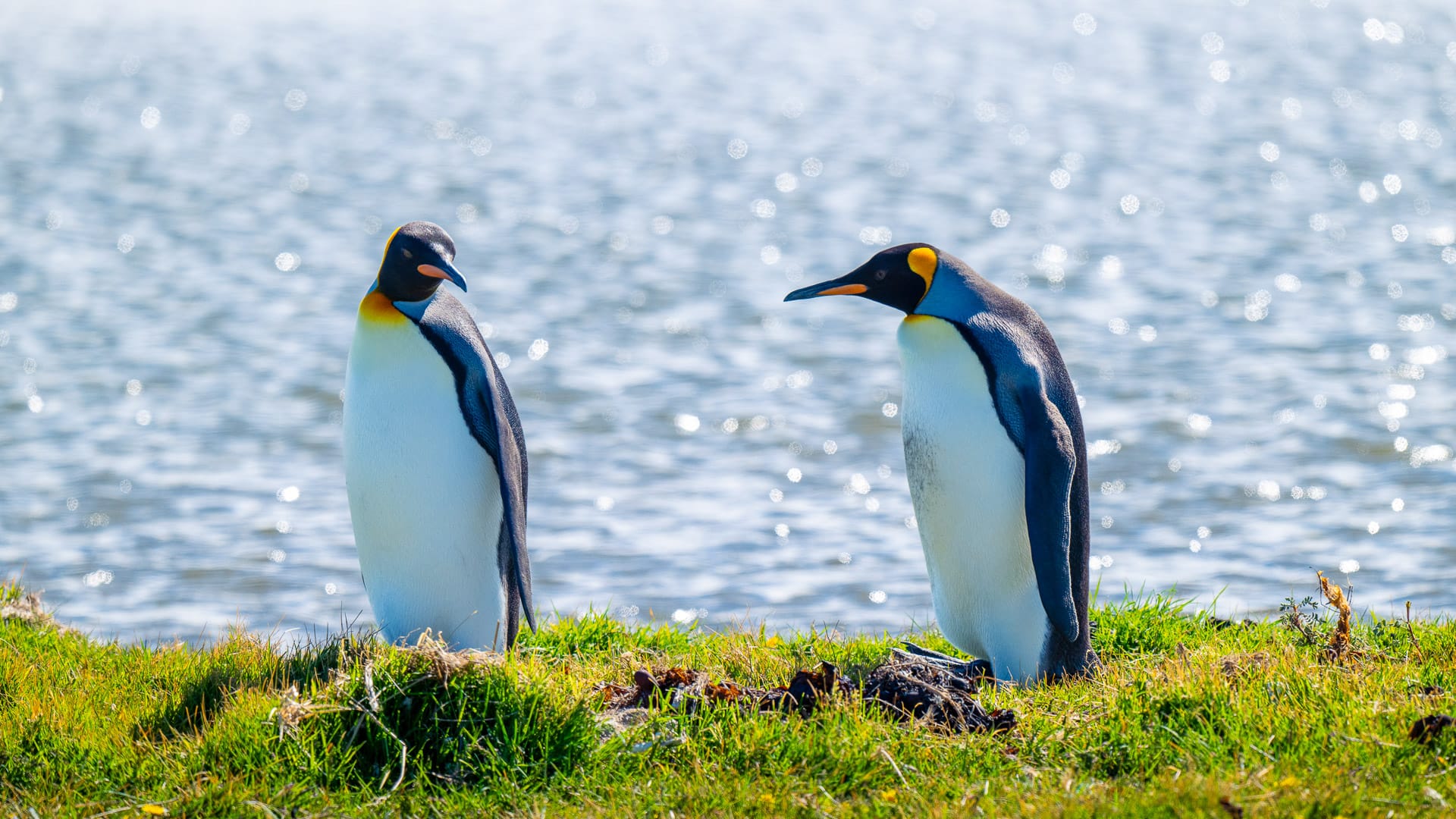
Setting off from Magellan’s statue, you head to the ferry and cross the Strait of Magellan to Porvenir. From there it’s classic Tierra del Fuego: quiet gravel and big skies, with coastal stretches, rolling valleys and the chance to see king penguins.
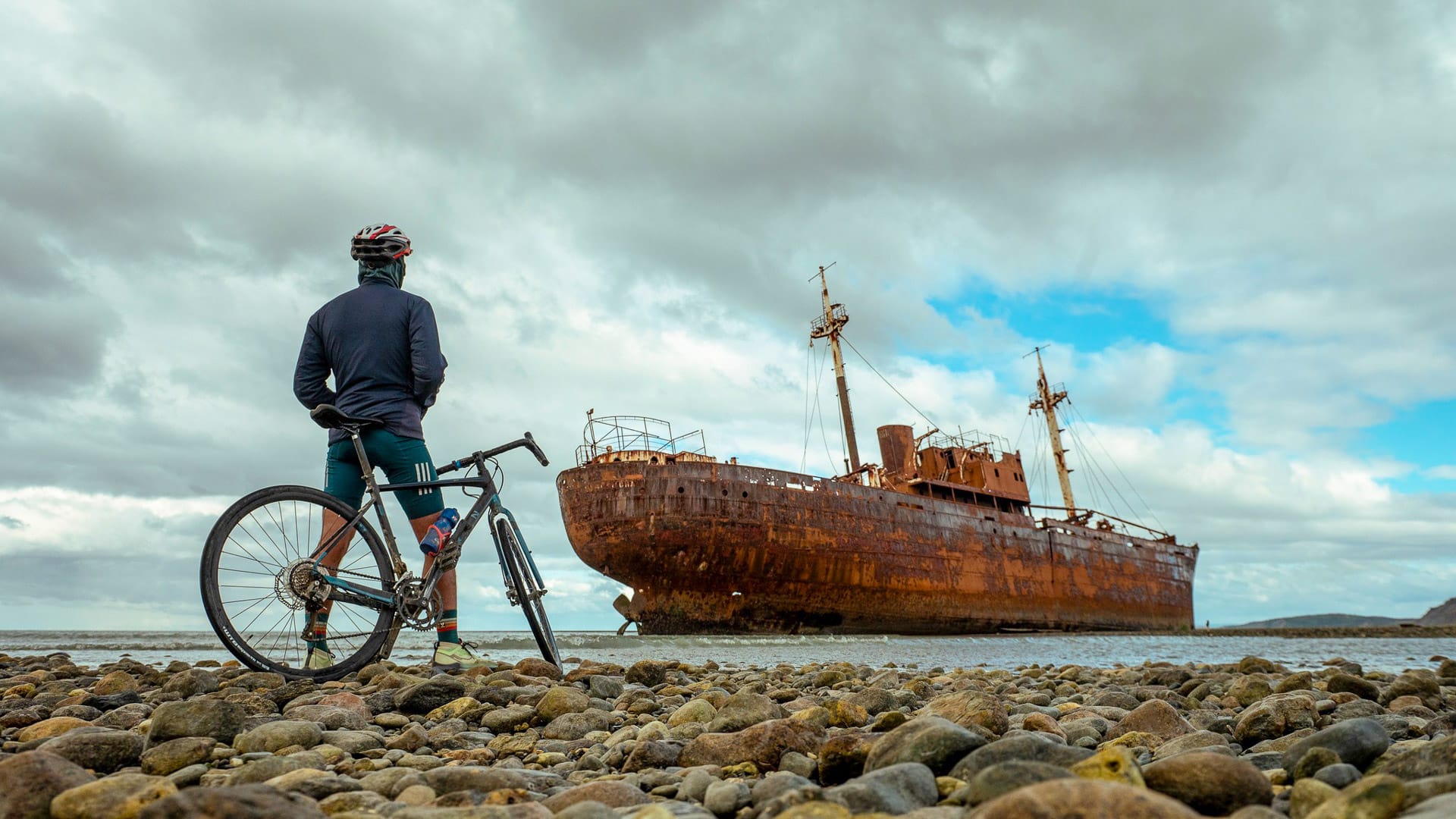
The route weaves along remote backroads to the Argentine border and Río Grande. It continues via the beautiful Estancia Carmen, then swings to the photogenic Desdemona shipwreck.
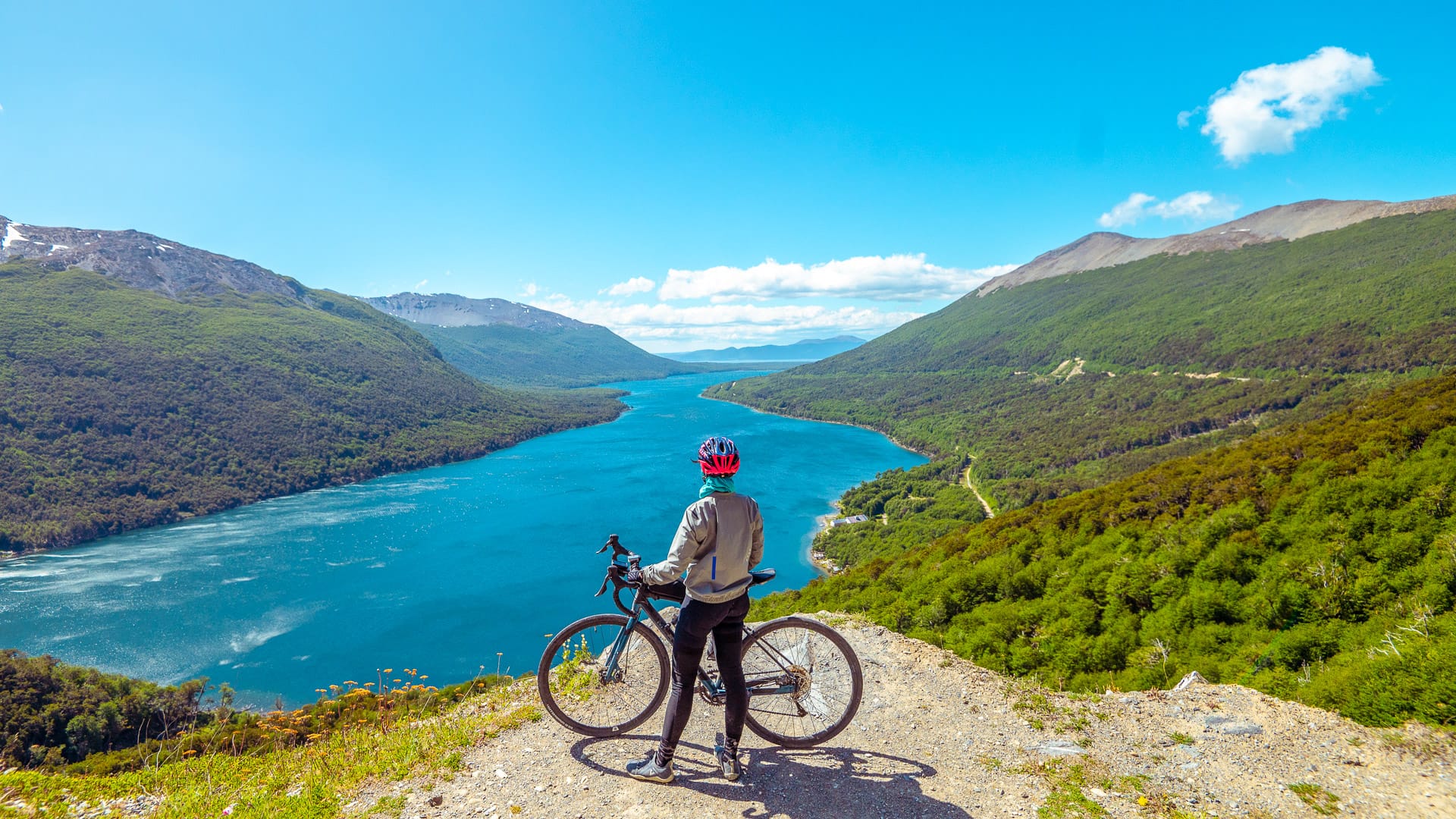
Turning south on RN3, you skirt the glacial Lago Fagnano before the final test over Paso Garibaldi, where big views and a sweeping descent to Ushuaia await.
A short victory ride reaches the literal end of the road for medals, photos and a well-earned toast!
What are the highlights?
- The beautiful scenery includes unspoiled green valleys, beautiful woodlands, vast lakes and epic mountain backdrops.
- The riding is fun and varied, with subtle changes in surface to keep things interesting and hills that are short enough not to burst the lungs but long enough to offer a satisfying challenge, followed by epic descents.
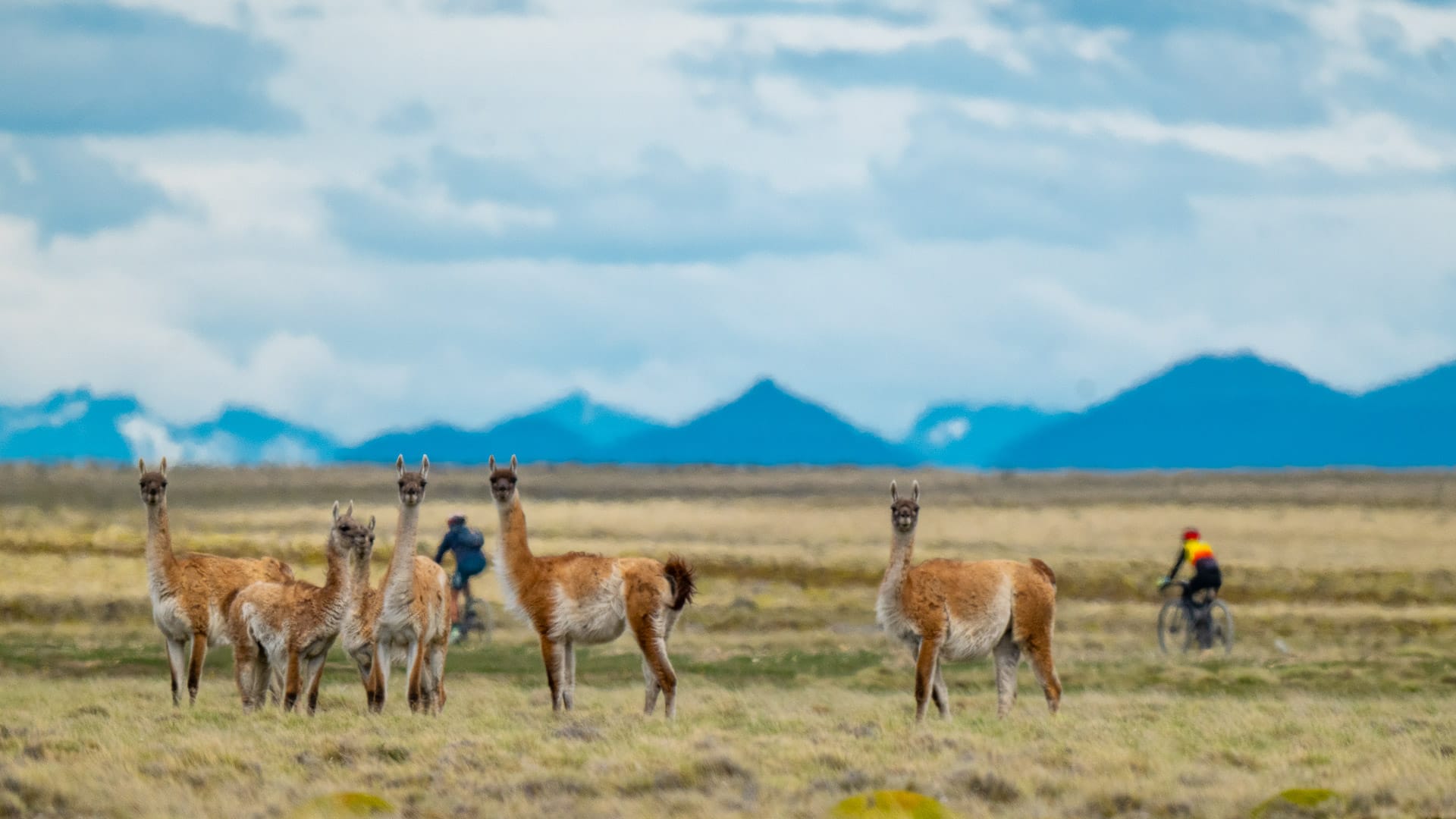
- The wildlife is a constant delight, from riding out to see penguins to pedalling alongside guanacos.
- You really get to own the road, thanks to a lack of traffic and excellent visibility, so you can enjoy plenty of space without squeezing into the verge.
- The descents are a highlight, with so many long, flowing stretches where you can let loose safely.
- Fascinating sights include the Desdemona shipwreck and old gold rush machinery.
- Crossing borders into a new country from Chile into Argentina on day four offers a fun sense of journey and adventure.
- Riding to the end of the world; there aren’t many places you get to do that!
Where will you stay?
As with all Rat Race trips, accommodation varies along the route to suit the terrain and the day’s ride. More on this below.
You can expect a mix of authentic, homely estancia accommodation, some exciting rural camping, and a selection of hotels and lodges. The rural nature of the route means that part of the adventure is embracing these remote, characterful places, each offering a warm welcome after a day on the bike.
What will you eat?
Each day you will enjoy a breakfast and main meal, as well as several pit stops to keep you well-fuelled and hydrated. Find out more below.
Some of the delicious local flavours you will experience include:
- Locally sourced empanadas are enjoyed at pit stops during the day
- Pastel de choclo, a traditional South American corn and beef pie
- Rice and beans is often a staple evening dish after a day’s riding
- Grilled vegetables and meats, served with fresh cornbread
- Expedition meals in some rural locations ensure you get all the calories you need
More information
- Head to Rat Race’s website for more details about the Tierra del Fuego adventure, including availability and prices.
Sponsor Message
Considering a bucket list bike ride?
Rat Race has run bike tours since 2022. They enable riders to complete an extraordinary adventure in remarkable locations around the world.
Find out more details, including availability and prices, on the Rat Race website.
Exclusive offer for Epic Road Rides readers: Claim 10% off* this Rat Race adventure when you book any of Rat Race's Trans Andean, Trans Africa or Tierra del Fuego trips directly with them before 31st December 2026. Discount applies to the entry fee only, not any extras and cannot be applied to an existing entry. *T&Cs apply.
Got a question for Abbi Naylor from Rat Race?
Fill out this form and we will pass it to Rat Race who aim to reply (within 24 hours wherever they can!)
Part 3: How do the tours work in practice?
What sort of accommodation can you expect?
You’ll bed down in carefully chosen places that are picked for their location on the day’s route. In larger towns, that typically means modern hotels with hot showers and hearty breakfasts; out in the sticks, it could be dorm-style hostels, basic campsites or family-run B&Bs.
Be aware! Standards do vary with location. Some nights might feel quite plush; others are a lot more rustic. However, everything is picked for practicality, security and a solid night’s sleep.
Top tip! Don’t be put off by simpler, shared stays. Past riders often say these rural overnights are the most memorable and offer a rare, authentic glimpse of the places you’re pedalling through.
What food and drink are provided?
A travelling kitchen crew handles breakfast and dinner, serving rider-friendly, hearty dishes with hot options on some days and plenty of good coffee. In certain locations, hotels may provide breakfast, but many stages of the route are rural and not set up for this, which is why the dedicated catering crew travels with you throughout.
On the bike, you’ll hit pit stops a minimum of three times per riding day. These fixed points, run by the mobile support team, keep you topped up with water (so you can refill bottles), salty snacks (such as crisps and peanuts), savoury bites including fresh local foods around lunchtime, fruit (such as oranges, bananas, melon, watermelon) and sweet treats.
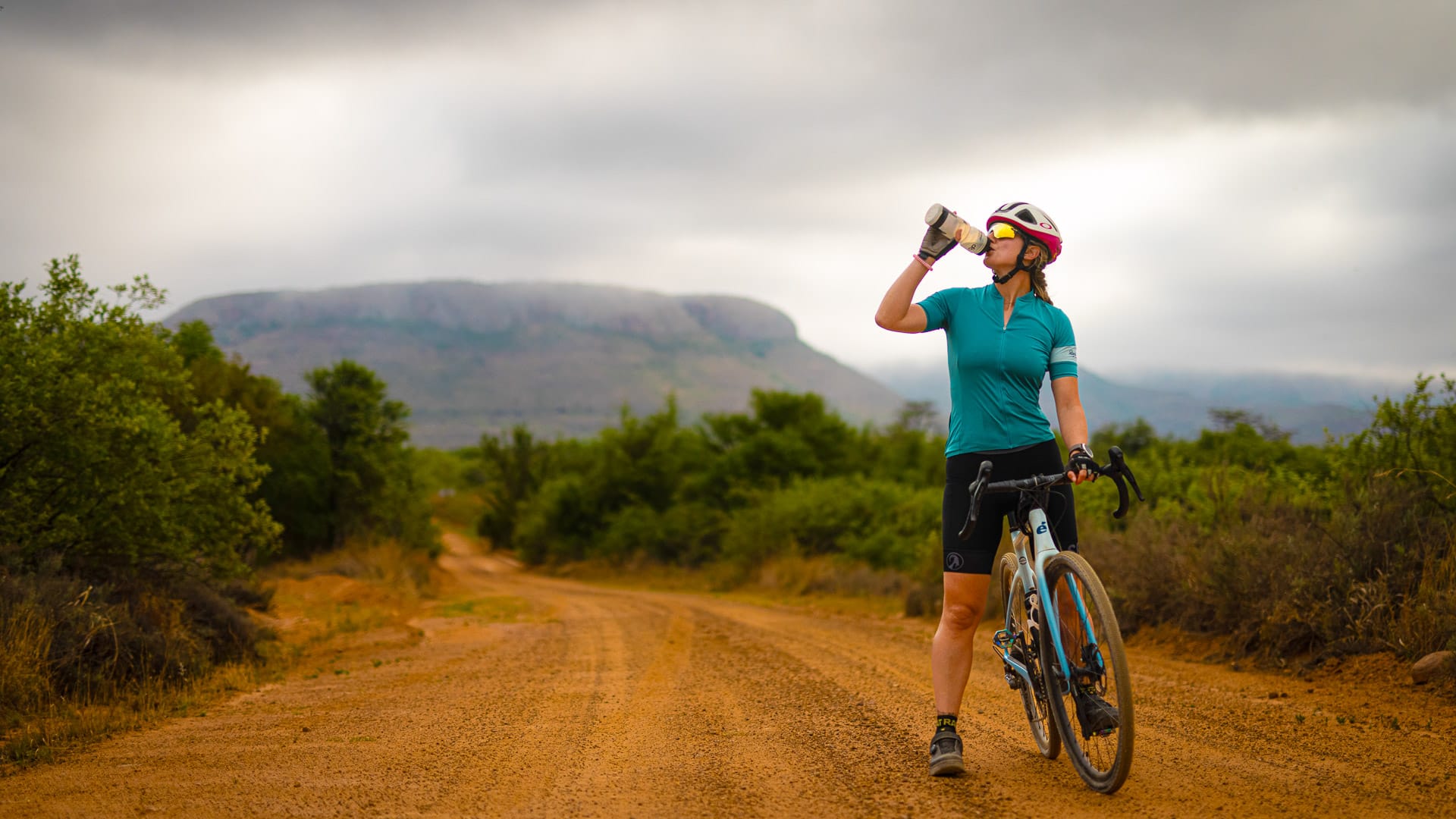
Hydrating on a remote Trans Africa dirt road (photo credit: Rat Race)
How will you navigate?
You’ll receive daily GPX files for every stage. Load them onto your own bike computer (Garmin, Wahoo or similar) and follow the track and turn-by-turn prompts. It’s straightforward, rider-led navigation.
Can you hire bikes?
For Rat Race bike tours, you need to bring your own bike. There’s no hire fleet on the route, so it’s you and your trusty bike from start to finish.
Top tip! Turn up with a well-serviced setup you know inside out. Make sure you have fresh tyres, good brake pads and a sensible gear range.
However, you do not need to be a professional mechanic to join us. You just need to be comfortable with the basics, such as fixing a puncture or adjusting your chain. Our support crew will handle anything more serious.
What is the best bike for this kind of adventure?
Trans Africa
You will need a good gravel bike for this adventure. The route features a full spectrum of gravel terrain, from smooth hardpack to rougher jeep tracks, plus long stretches of desert road in Africa. Although Botswana brings some smoother, more forgiving surfaces, this is fundamentally a gravel-designed ride, and you should be prepared to tackle all four recognised gravel categories.
The route and daily distances have been designed with the terrain in mind. Where the gravel category is more demanding, the riding distances are shorter. Be aware! Your training should include practice on gravel routes as well as consecutive, multiday rides.
Top tip! You also need to have tubeless tyres for the duration of the route. Even though the route is nearly 50/50 gravel and asphalt surfaces, it is best to have a tyre that is suitably set up for both. Pathfinder Pro 2Bliss Ready 700×47 tubeless worked well in our test pilot.
Trans Andean
A road bike is best. But participants should take two sets of tyres. On day two, participants change from a road tyre to a gravel tyre to go up and over the Cristo Redentor pass (the border of Chile and Argentina). The bike tyres for this section need to be gravel tyres and the widest fit possible for the chosen bike being brought.
Top tip! It is wise for the participants to seek support from a friendly bike shop to make sure the gravel tyres fit the bike with enough clearance for smooth wheel rotation. At the end of day two, participants will switch back to their road tyres for the rest of the trip.
Tierra del Fuego
This is a gravel biking route, so a gravel bike will be needed with gravel tyres throughout. You could consider Panaracer Gravel Kings or Pirelli Cinturo Gravel tyres!
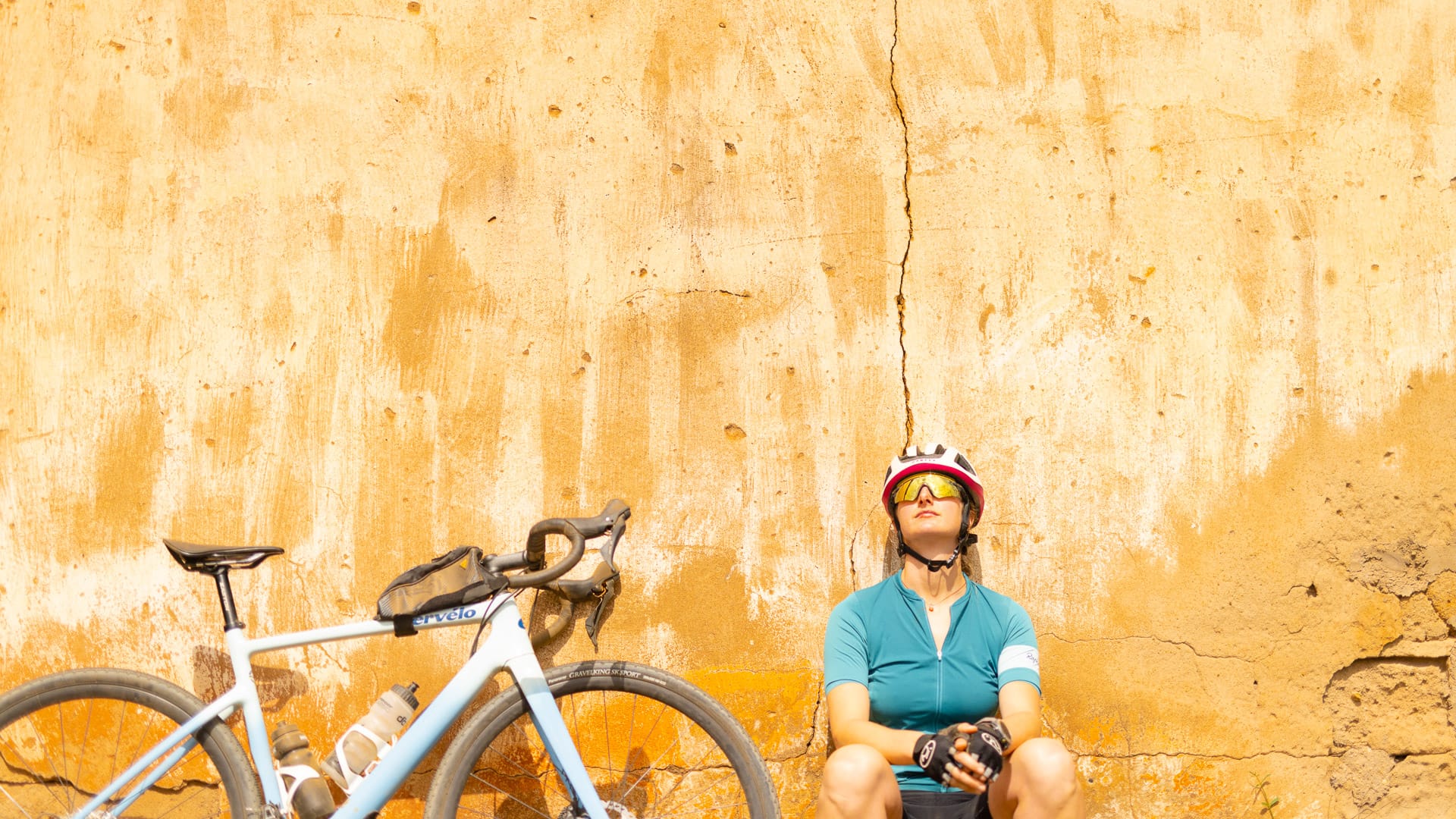
A rider enjoying a rest against the sunlit wall on the Trans Africa route (photo credit: Rat Race)
Part 4: Please share your tips for tackling this kind of bike challenge?
Do you need to do any training?
Although you don’t need to be an elite rider, you need to be comfortable being in the saddle for long back-to-back days.
You’ll be cycling for up to 10 hours per day on multiple terrains. We also suggest training on gravel routes, and that you are comfortable on mixed terrain.
Each of the routes featured takes place on varied terrain, with some challenging sections of climbing. You will get the most out of it if you are fit, well prepared and confident on your bike.
Top tip! During the bike tour, pace yourself and remember this isn’t a race: consistency and staying injury-free beat all-out speed!
Looking for more information about training for long-distance cycling? Don’t miss this in-depth guide.
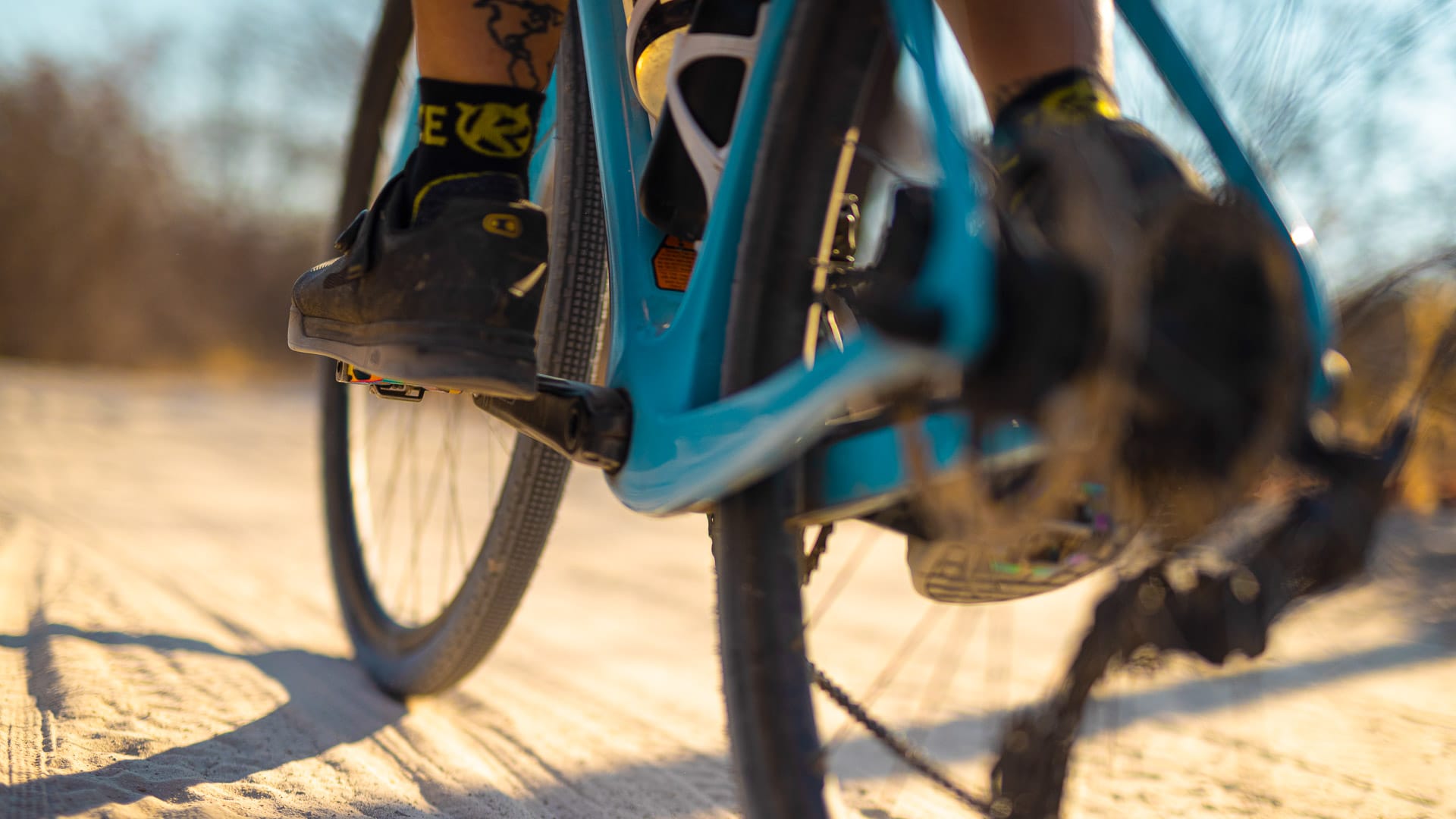
Kicking up dust while riding the Trans Africa route (photo credit: Rat Race)
What do you need to pack?
Breathable cycling kit, padded shorts, and a properly comfy saddle will help you stay comfortable during long, consecutive days in the saddle!
You’ll also want to pack some good sun protection, as well as lightweight, reliable rain protection.
Be aware! In the Andes, thunderstorms are common. Whilst it is unlikely you will ever be cold (even on the big mountain day), do expect to get wet from time to time. That said, it can get cooler in the evening and early mornings when riding. This is why we have gloves in our kit list for cyclists. Thermal layers are also needed – you can see this on our kit list on the website.
You only need both gravel and road tyres for the Trans Andean tour. The other trips do not require multiple tyre setups.
Looking for more information about what to pack? Don’t miss this in-depth guide.
How can you mentally prepare?
The scale of the journeys can feel a bit overwhelming, especially when you consider some of the daily distances and the fact that they are back-to-back for 10+ days non-stop.
Top tip! Break it down into chunks in your mind and take each day as it comes. Take in the views, enjoy the camaraderie of the group and feel the wind in your wheels. When else do you get to cross a continent on a bike? This is it.
Remember that this is an adventure and embrace it as such!
Sponsor Message
Considering a bucket list bike ride?
Rat Race has run bike tours since 2022. They enable riders to complete an extraordinary adventure in remarkable locations around the world.
Find out more details, including availability and prices, on the Rat Race website.
Exclusive offer for Epic Road Rides readers: Claim 10% off* this Rat Race adventure when you book any of Rat Race's Trans Andean, Trans Africa or Tierra del Fuego trips directly with them before 31st December 2026. Discount applies to the entry fee only, not any extras and cannot be applied to an existing entry. *T&Cs apply.
Got a question for Abbi Naylor from Rat Race?
Fill out this form and we will pass it to Rat Race who aim to reply (within 24 hours wherever they can!)
Part 5: Where can people find out more about Rat Race?
Rat Race has designed and delivered unique bike ride challenges since 2004, but we began running this style of long-distance cycling challenge in 2022. These aren’t traditional bike tours; they’re big, bucket-list adventure events designed to feel like major challenges rather than relaxed rides. Our inspiring cycling expeditions sit alongside a wider portfolio of adventure challenges.
At the time of writing this article, we have run 500+ events for over a million participants worldwide, and you’ll often find staff, including the founder, working start lines and scouting new ideas. While many of our events feature substantial cycling as part of the challenge, only a portion are dedicated bike-only adventures. Trans Andean has welcomed around 250 riders since it launched in 2022, and we continue to run hundreds of adventure events worldwide each year for thousands of participants.
Extraordinary adventures for everyday people
We are an adventure-first company: we dream up original routes, test them in the field and run them with an upbeat, safety-led crew.
The aim is simple; we want to provide extraordinary adventures for everyday people, with completion and camaraderie front and centre.
The destination matters just as much as the challenge!
Our must-ride bike tours
Whilst we offer many challenges around the world, this article focuses on three great bike rides that with think every rider should have on their wish list:
- Trans Africa adventure in Namibia, Botswana, South Africa and Eswatini. More details here.
- Trans Andean adventure in Chile and Argentina. More details here.
- Tierra del Fuego in Chile and Argentina. More details here.
What’s included
- Bespoke route and logistics: one-off concepts in remarkable places, created and recced by the Rat Race team.
- Full support: there are 15 experienced crew on each tour; this includes pro mechanics and professional medical cover. The staff-to-rider ratio is approximately 1:4, ensuring plenty of support throughout the adventure.
- Accommodation & meals: a hand-picked mix of accommodation suited to the route, with hearty food and rider-friendly options
- Navigation & tech: GPX files, tracker allocation and pre-ride briefings/workshops.
- Community & culture: riding with a group of 40 like-minded cyclists, iconic start lines, off-the-beaten-track highlights and local food experiences.
- Flexible payments: all adventures can be split into 0% interest monthly payments, and the majority of participants choose to use a payment plan.
Come and join us!
We’d love to have you join the adventure!
Find out more and get in touch –
- Trans Africa – next departure 1 June 2027
- Trans Andean – next departure 3 February 2027
- Tierra del Fuego – next departure 15 January 2027

Riding through classic Trans Africa landscapes (photo credit: Rat Race)
What’s next?
A huge thanks to Abbi Naylor for sharing her detailed insights into Rat Race’s inspiring bucket list bike trips!
Have you ridden one of these tours before? Perhaps you have taken on another epic adventure that should be on our wish list! Let us know in the comments below.
Looking for more epic bike rides? Don’t miss:
- Best long-distance bike rides, for more challenging bike rides
- Guide to Chile’s Lake District, for an overview of cycling in this region
- Guide to Carretera Austral, for more cycling in Patagonia
- Guide to cycling in Uruguay, for more cycling in South America
- Guide to cycling in Ethiopia, for an extraordinary cycling destination in Africa.
- Guide to Namibia, for more cycling in Africa
- Guide to South Africa, for cycling tours in South Africa
- Guide to ultra cycling, for an epic endurance challenge
Got a question for Rat Race?
Fill out this form and we will pass it to Rat Race who aim to reply (within 24 hours wherever they can!)
Got a question for Abbi?
Fill out this form and we will send it to Abbi. We aim to get you an answer within 24 hours where possible!Abbi Naylor is Rat Race’s Head of Expeditions. She has more than 10 years of exploring under her belt, including cycling across Africa, South America and being the first woman to have cycled across 'The Empty Quarter' desert on the Arabian Peninsula, on a fat bike. As part of her role at Rat Race, she leads small group trips around the world. Abbi also recced the Trans Andean in 2022 and has been the trip leader on several Trans Andes events since then!
First Published: 18 December 2025
The contents of this website are provided for general information purposes only. It is not intended to amount to advice and you should not rely on it. You should carry out your own due diligence and risk assessments and take professional advice. Views expressed by interviewees or other users of this website do not necessarily represent our views. We make no representations, warranties or guarantees, whether express or implied, that the content on our website is accurate, complete or up to date. If you use any information or content on this website, download from, or otherwise obtain content or services through our website, it is entirely at your own discretion and risk. Epic Road Rides Ltd disclaims all liability and responsibility arising from any reliance placed on the information and content on this website. Find out more here.
Sponsor Message
Considering cycling in South America?
Rat Race has run bike tours in Chile and Argentina since 2022.
Their Trans Andean adventure offers a coast-to-coast journey fit for your bucket list!
Find out more details, including availability and prices, on the Rat Race website.
Exclusive offer for Epic Road Rides readers: Claim 10% off* this Rat Race adventure when you book any of their Trans Andean, Trans Africa or Tierra del Fuego trips with them directly before 31st December 2026. Discount applies to the entry fee only, not any extras. *T&Cs apply.
Comments