
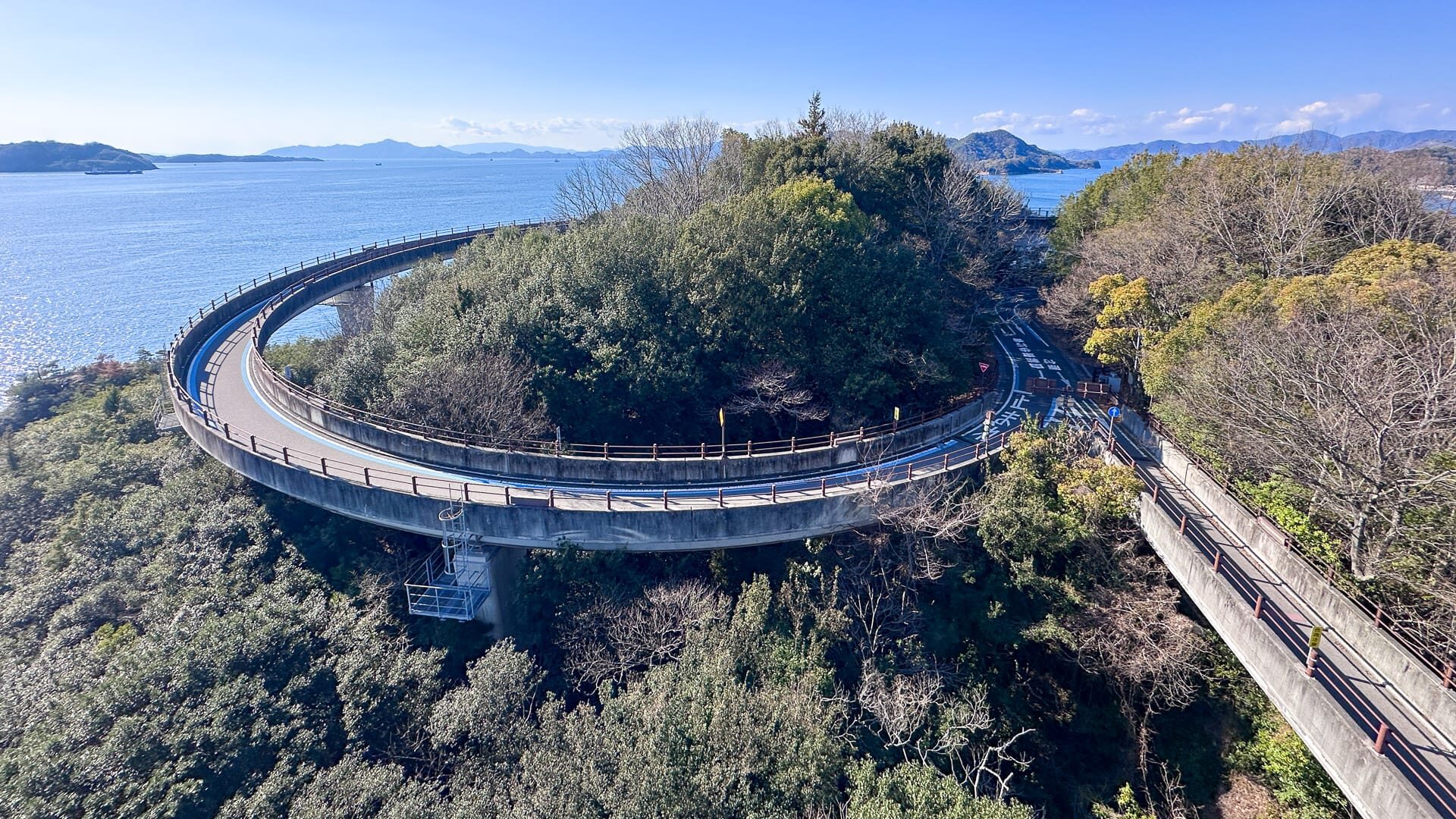
Japan has some fantastic cycling routes, from mountain roads and lakeside circuits to coastal journeys linking islands and fishing villages.
For cyclists planning a trip, Japan’s National Cycle Routes are a useful starting point. These government-designated routes are recognised for their riding conditions, signage, visitor facilities and support for cyclists.
Six new routes were added in July 2026, bringing the total to 12 (source). They include journeys around Mount Fuji, through Niigata’s snow country and along the Pacific coast of Fukushima.
In this guide, we introduce all 12 National Cycle Routes, what makes each one worth exploring and a few things to consider when planning your ride.
The only one of these that we’ve ridden ourselves is the Shimanami Kaido (check out our guide here), but we’d love to ride the rest!
If you’ve ridden any of these, we’d love to hear! Add a comment below.

Clare Dewey is a cyclist with a passion for travel. She set up epicroadrides.com in 2018 to help make it easy for cyclists to explore the world by bike. Today her mission is still inspiring cyclists to discover new places on two wheels - and doing what she can to make sure they have the best possible time while they're there. Clare has visited 50+ destinations around the world, many of them by bike.
Want to connect with Clare? Find her over on LinkedIn.
Always check current travel information and advice. For visitors from the UK, the UK government travel information pages are here.
The original six National Cycle Routes
1. Shimanami Kaido, Setouchi Inland Sea
The Shimanami Kaido is one of my favourite routes. Its approximately 70 kilometres course links Onomichi with Sunrise Itoyama near Imabari, crossing islands in the Seto Inland Sea.
Check out this introduction to the Shimanami Kaido and you can also read our detailed Shimanami Kaido itinerary for route information, maps, accommodation and practical tips.
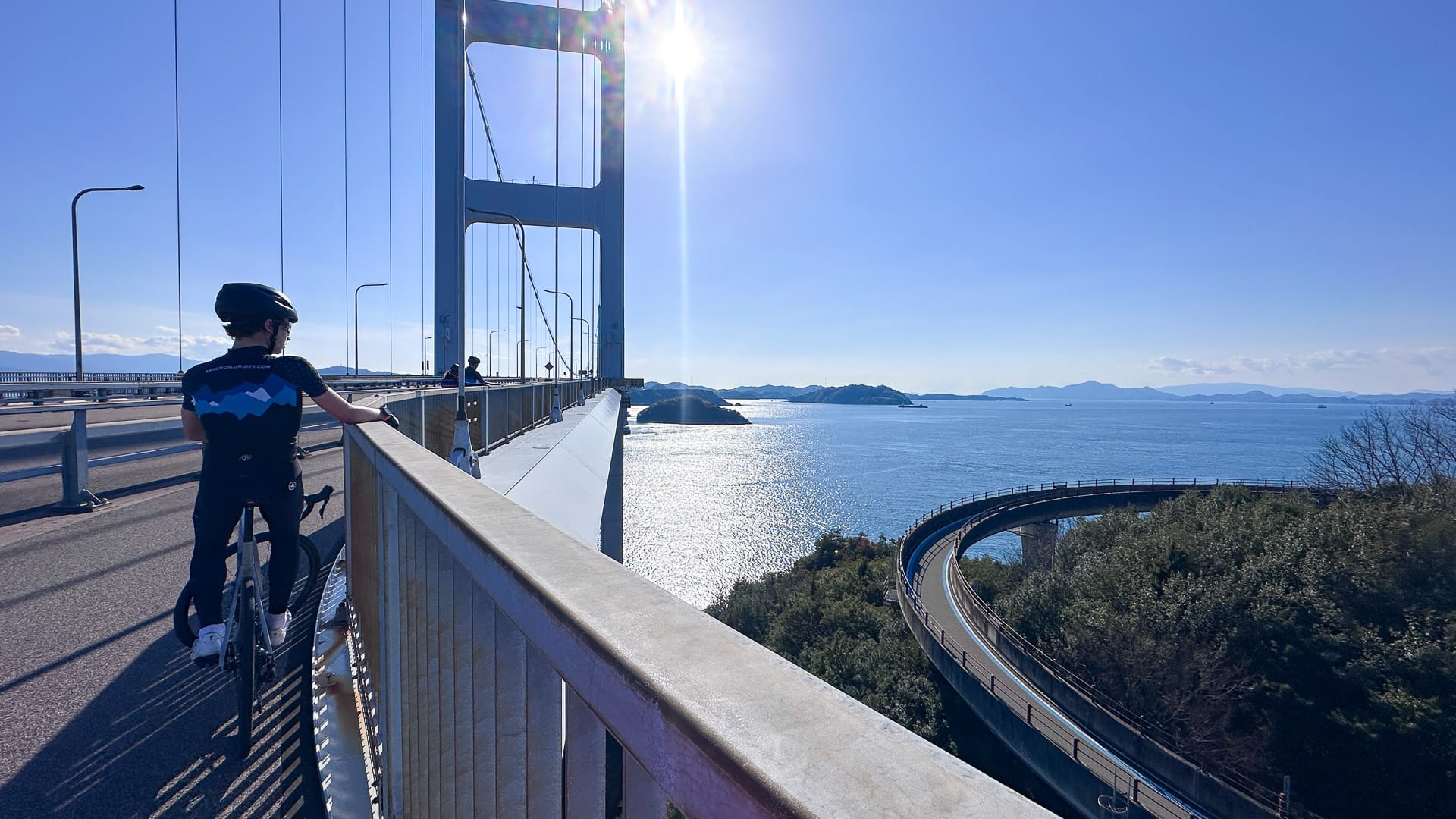
Looking down to route onto Kurushima Kaikyo Bridges
2. Tsukuba-Kasumigaura Ring-Ring Road, Ibaraki
For riders looking for gentler terrain, the Tsukuba-Kasumigaura Ring-Ring Road combines a former railway corridor with roads around Lake Kasumigaura. The designated route totals approximately180km.
The former railway section runs between Iwase and Tsuchiura, with views towards Mount Tsukuba and rest stops at former stations. Around the lake, the landscape opens out into water, rice fields and lotus fields.
You can choose a shorter section rather than completing the whole route. The railway corridor is particularly useful for riders who want a largely level outing.
3. Biwaichi, Shiga
Biwaichi circles Lake Biwa, Japan’s largest lake. The designated route is approximately 193km, often rounded to 200km, and is generally ridden anticlockwise.
The lake is the constant companion, but there are plenty of reasons to stop. Towns, shrines and historic sites around its shores give you opportunities to combine cycling with sightseeing, including a visit to Hikone Castle.
Allowing two or three days gives you more time to explore. Shorter alternatives circle either the northern or southern part of the lake, using Lake Biwa Bridge to divide the journey.
4. Tokapuchi 400, Hokkaido
Tokapuchi 400 is a 403km route through the Tokachi region of eastern Hokkaido. It forms a figure of eight centred on Obihiro, combining mountain riding in the north with agricultural plains further south.
The northern section takes you into Tokachi’s mountain landscapes, while the southern riding opens out across agricultural plains towards the Hidaka Mountains. Farm restaurants and local produce add interest between riding days.
This is an option for a longer cycling holiday. Choose your stages carefully: the mountain sections and the open plains offer quite different riding experiences.
5. Toyama Bay Cycling Route, Toyama
The Toyama Bay Cycling Route follows the coast for approximately 102km between Himi and Asahi. With relatively little climbing, it offers an alternative to Japan’s more demanding mountain routes.
The main attraction is the bay itself, with coastal views throughout the journey and opportunities to stop for locally caught seafood.
Ride the full route if the distance suits you, or choose a shorter coastal section. As the start and finish are in different places, plan your return journey alongside your riding.
6. Pacific Cycling Road, Chiba to Wakayama
At approximately 1,487km, the Pacific Cycling Road is on a different scale from the other routes here. It stretches from Choshi in Chiba Prefecture to Kada Port in Wakayama, passing through Kanagawa, Shizuoka, Aichi and Mie along the way.
The route offers a framework for a substantial cycling journey, but you can also select individual sections. Highlights along or near the route include the Shonan coast, the Lake Hamana area and Cape Irago.
For most visitors, choosing one stretch will make it easier to balance riding with sightseeing. Plan daily distances, accommodation and onward transport around the section you select.
Six National Cycle Routes added in 2026
7. Mount Fuji region: Fuji-ichi
For cyclists who want to see Mount Fuji from different angles, Fuji-ichi makes a complete circuit of its foothills through Yamanashi and Shizuoka prefectures. The designated route covers approximately 163km.
Along the way, you’ll ride through the pastureland of the Asagiri Highlands and the Fuji Five Lakes area, with opportunities for views across the water towards the mountain. This is a demanding distance for a single day, so consider splitting the circuit if you want more time for sightseeing.
The official Fuji-ichi route guide includes shorter sections and route files to help you plan.
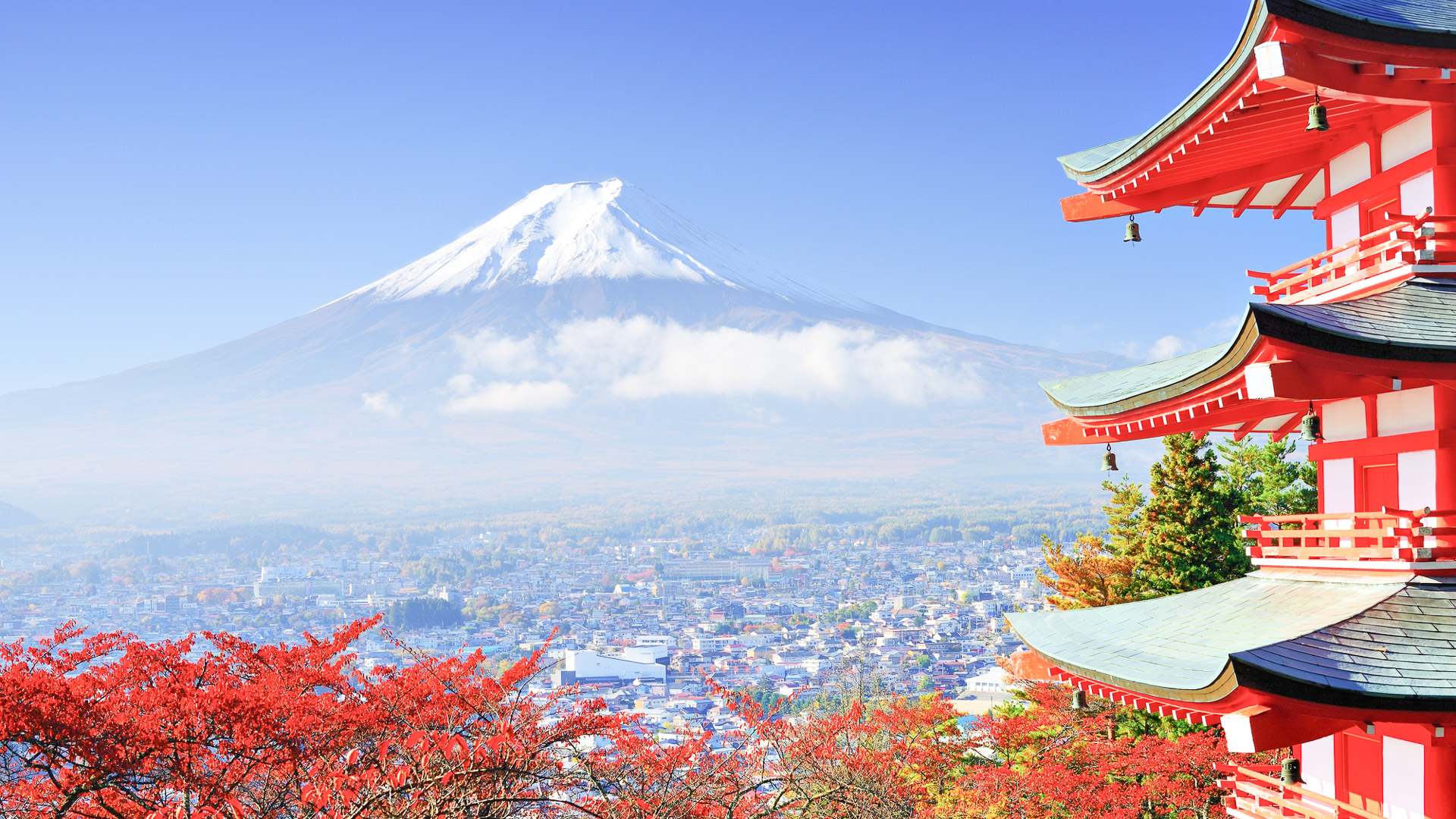
Mt. Fuji from afar
8. Niigata’s snow country: Yukiguni Uonuma Golden Cycle Route
Rice fields, mountain views and hot spring towns are the draw on this 193km route through the Uonuma area. It covers parts of Yuzawa, Minamiuonuma and Uonuma, a region shaped by heavy winter snowfall.
There’s plenty to enjoy off the bike too, from meals featuring locally grown Koshihikari rice to the old streets of Shiozawa and the hot springs of Echigo-Yuzawa.
The riding differs between sections. You can explore agricultural valleys or choose more demanding climbing around the Saguri River dam. Use the official route descriptions to select stages that suit your fitness and the time available.
9. Fukushima’s Pacific coast: Fukushima Hamadori Cycle Route
The Fukushima Hamadori Cycle Route runs for approximately 179km between Iwaki and Shinchi. It combines Pacific coastal scenery with opportunities to learn about the region’s recovery following the 2011 earthquake, tsunami and nuclear disaster.
Highlights include the coastline around Matsukawaura lagoon and Iwaki’s coastal cycling roads. The wider route network also offers a mountain-side alternative to the principal coastal route for riders looking for more climbing.
Follow the published cycling route carefully. Some surrounding roads remain subject to restrictions, and the official guide identifies narrow tunnels and junctions that need particular care. Check the route information and current access notices before setting out.
10. Ishikawa: Ishikawa Satoyama-Satoumi Cycling Route
For a longer cycling holiday, the Ishikawa Satoyama-Satoumi Cycling Route brings together coastal and riverside riding across a published network totalling 517km.
Depending on your chosen section, you can follow the Sea of Japan coast, ride beside the Tedori River or look towards the mountains around Hakusan. Choose individual sections or build a longer itinerary around your preferred distances and overnight stops.
Parts of Noto are still recovering from the 2024 earthquake and floods (source). Recovery work means some roads may have construction traffic, diversions or surface damage, so check current conditions before riding. Check the prefecture’s cycling maps, road conditions and available support facilities before finalising your route.
11. Tottori’s Sea of Japan coast: Tottori Uminami Road
Tottori Uminami Road follows the coast between JR Higashihama Station and JR Sakaiminato Station. The official route is 152km long, with approximately 1,086m of climbing. The official cycling map rates the route three stars for difficulty.
The appeal goes beyond the riding. You can stop at the Tottori Sand Dunes, explore the manga-inspired sculptures along Mizuki Shigeru Road and plan a soak at one of the region’s hot spring resorts. Around Yumigahama, the route follows a coastline of sandy beaches and pine trees.
Splitting the journey into shorter days gives you more time for these stops. Find the route file and highlights in the official Tottori Uminami Road guide.
12. Amakusa, Kumamoto: Ama-ichi
Ama-ichi offers another option for cyclists drawn to island scenery. The designated route covers approximately 152km through the Amakusa region, linking Uki with Amakusa in western Kyushu.
The route runs from Misumi Station towards Ushibuka Port, crossing bridges and following roads through a landscape of islands, bays and coastal hills. The wider region is also known for its Christian heritage, giving you opportunities to combine cycling with cultural stops.
Despite its island-circuit name, the published route has different start and finish points. Plan your onward transport alongside your riding days, using the official Ama-ichi information and cycling maps.
Which Japan cycle touring routes should you choose?
Not sure which route to go for? I’d start by thinking about the kind of riding you enjoy most, whether that’s taking your time along the coast, tackling some climbs or spending a few days exploring somewhere new.
Here are a few ideas to help you decide:
- If you prefer gentler riding: Take a look at the Tsukuba-Kasumigaura Ring-Ring Road, particularly the former railway section, or the relatively flat Toyama Bay Cycling Route.
- If you love being by the water: The Shimanami Kaido is a great choice for island hopping, while Biwaichi takes you around Lake Biwa, with plenty of places to stop and explore.
- If mountains are more your thing: Fuji-ichi takes you around the foothills of Mount Fuji, while Tokapuchi 400 offers a mix of mountain scenery and wide-open countryside in Hokkaido.
- If you’d like to explore Japan’s coast: Tottori Uminami Road follows the Sea of Japan, while Fukushima Hamadori offers a journey along the Pacific coast. Ama-ichi is also worth considering if you like the idea of cycling between islands.
- If you’re planning a longer adventure: The Pacific Cycling Road is the longest of the 12 routes, but you could also explore sections of the Ishikawa Satoyama-Satoumi Cycling Route or Niigata’s Yukiguni Uonuma Golden Cycle Route.
And remember, you don’t have to complete a whole route! Choosing a shorter section might give you more time to enjoy the places you pass through, rather than spending all day in the saddle.
Whichever route catches your eye, it’s worth checking the official maps, elevation profiles and current route conditions before making your plans.
What’s next?
Japan’s National Cycle Routes range from manageable day rides to journeys covering several hundred kilometres. You don’t necessarily need to complete an entire route to enjoy it.
Before planning your cycling holiday, consider how much distance you want to cover each day, where you’ll stay and how you’ll reach the route’s start and finish points.
Remember that National Cycle Route status does not mean every section is traffic-free. Some use public roads, while mountain and coastal conditions can also affect when and where you can ride.
For further inspiration, don’t miss our other guides for cycling in Japan:
- Cycling in Japan guide, for some of Japan’s best cycling regions and routes, with local insights.
- Planning a bike tour in Japan, for practical tips on bike hire, transport, luggage and other things to know before travelling.
- Shimanami Kaido cycling guide, for detailed route information, maps, accommodation and practical tips.
- Our three-day Shimanami Kaido bike tour, for a first-hand itinerary, GPX routes and tips from our 2026 trip.
- Cycling Japan with Rindo, for our first-hand review of a six-day self-guided cycling holiday exploring Nikko and the surrounding region.
- Self-guided cycling tours in Japan, for ideas on where to ride and what to consider when booking a self-guided holiday.
Please support Epic Road Rides
A huge amount of time and effort goes into the article you’ve just read, all with the aim of helping you!
If you found what you’ve read useful, I’d really appreciate it if you dropped something in the tip jar here.
It’s a way you can say thank you and help us carry on creating top quality content with no annoying ads and no pay wall.
Looking for an organised cycling trip?
If you want someone to help you plan and book your cycling holiday, fill out this form. We aren’t a tour operator/agent but we work with lots of people who are and will do our best to put you in touch with someone that can help (within 24 hours where possible)!Clare Dewey is a cyclist with a passion for travel. She set up epicroadrides.com in 2018 to help make it easy for cyclists to explore the world by bike. Today her mission is still inspiring cyclists to discover new places on two wheels - and doing what she can to make sure they have the best possible time while they're there. Clare has visited 50+ destinations around the world, many of them by bike.
Want to connect with Clare? Find her over on LinkedIn.
First Published: 21 October 2026
The contents of this website are provided for general information purposes only. It is not intended to amount to advice and you should not rely on it. You should carry out your own due diligence and risk assessments and take professional advice. Views expressed by interviewees or other users of this website do not necessarily represent our views. We make no representations, warranties or guarantees, whether express or implied, that the content on our website is accurate, complete or up to date. If you use any information or content on this website, download from, or otherwise obtain content or services through our website, it is entirely at your own discretion and risk. Epic Road Rides Ltd disclaims all liability and responsibility arising from any reliance placed on the information and content on this website. Find out more here.
Comments