
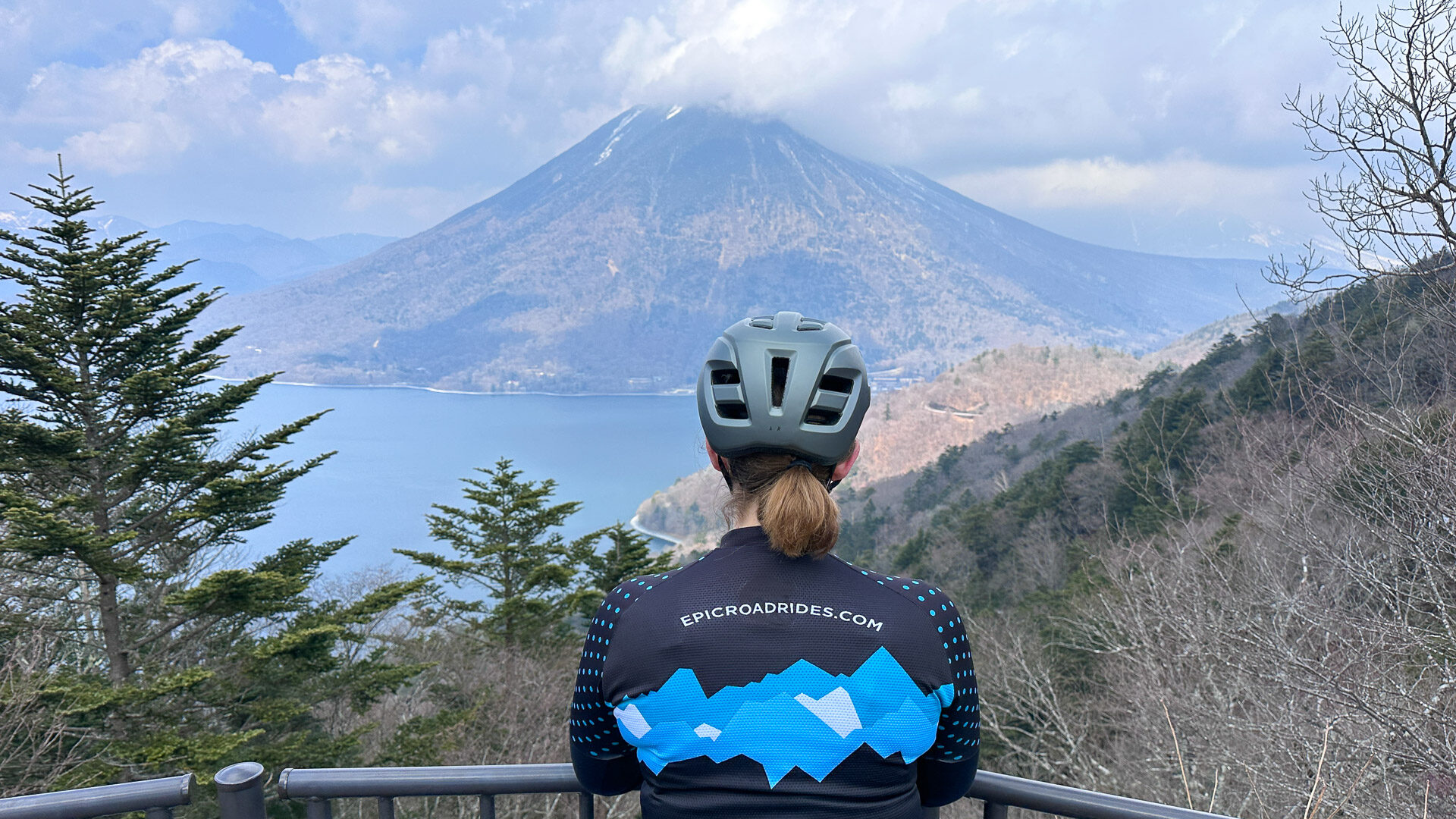

I’d been wanting to visit Japan ever since I watched the film Lost in Translation in my twenties. There was something about the country – the neon haze, the oddness, the beauty – that stayed with me. Japan seemed fascinating, disorientating and compelling all at once.
That curiosity only intensified when I worked with Rob and the team at Rindo Bike Tour Japan (Rindo, for short) on our guide to cycling in Japan. The more I learned, the more the country sounded almost impossibly appealing: networks of pristinely maintained roads, bullet trains, beautiful landscapes, extraordinary food and a cycling experience unlike anywhere else.
But planning a bike tour of Japan for four people feels difficult when you don’t speak Japanese and you’re limited on time.
So when Rindo suggested a press trip, I didn’t need asking twice.
Rindo offer a very tailored approach to self-guided cycling tours; the trip they created for us was based on their Nikko, Kiryu and Akagi self-guided itinerary but tweaked to add in some cultural stops. Our group comprised four cyclists: two very strong riders and two less strong riders, all up for a challenge and experiencing authentic, rural Japan.
Here’s how we got on.

Clare Dewey is a cyclist with a passion for travel. She set up epicroadrides.com in 2018 to help make it easy for cyclists to explore the world by bike. Today her mission is still inspiring cyclists to discover new places on two wheels - and doing what she can to make sure they have the best possible time while they're there. Clare has visited 50+ destinations around the world, many of them by bike.
Want to connect with Clare? Find her over on LinkedIn.

We love to introduce our community to cycling businesses, destinations and ideas that we think are genuinely interesting. Rindo Bike Tour Japan caught our attention because of its focus on cycling in Japan, which felt like a natural fit for Epic Road Rides and our readers. We were therefore pleased to work with the Rindo Bike Tour Japan team on this article.
Rindo Bike Tour Japan paid for this advertisement feature. Our decision to collaborate reflects our view that the brand is relevant to our readers; it is not a formal approval, audit or guarantee of its services. Unless we expressly say otherwise, we have not personally taken the trip described or independently verified information supplied by Rindo Bike Tour Japan.
As with any travel purchase, please check the latest trip details, terms and customer protections directly with Rindo Bike Tour Japan before booking. Any booking is made with Rindo Bike Tour Japan, not Epic Road Rides.
Always check current travel information and advice. For visitors from the UK, the UK government travel information pages are here.
Overview of our trip with Rindo Bike Tour Japan
Length: 6 days, 5 nights in March/April 2026
Location: Nikko region in the Kita Kanto area, including Nikko, Ashikaga, Kiryu, in Gunma and Tochigi Prefectures, a couple of hours train ride north of Tokyo.
Distance: 332 kilometres
Climbing: 5,241 metres
Format: Self-guided tour
Accommodation: We stayed in traditional ryokans; two nights in two of the ryokans, one night in the final one. Rindo have asked us not to share the names of these ryokans, as they are key to their business and increased visitor numbers would adversely affect their ability to use the accommodation for their guests. Honestly, I was a bit skeptical about this request before I visited. Having been, I totally understand their concern and my lips are sealed!
Guests: 2 adults, 2 children (10 and 13, both experienced youth race-level cyclists)






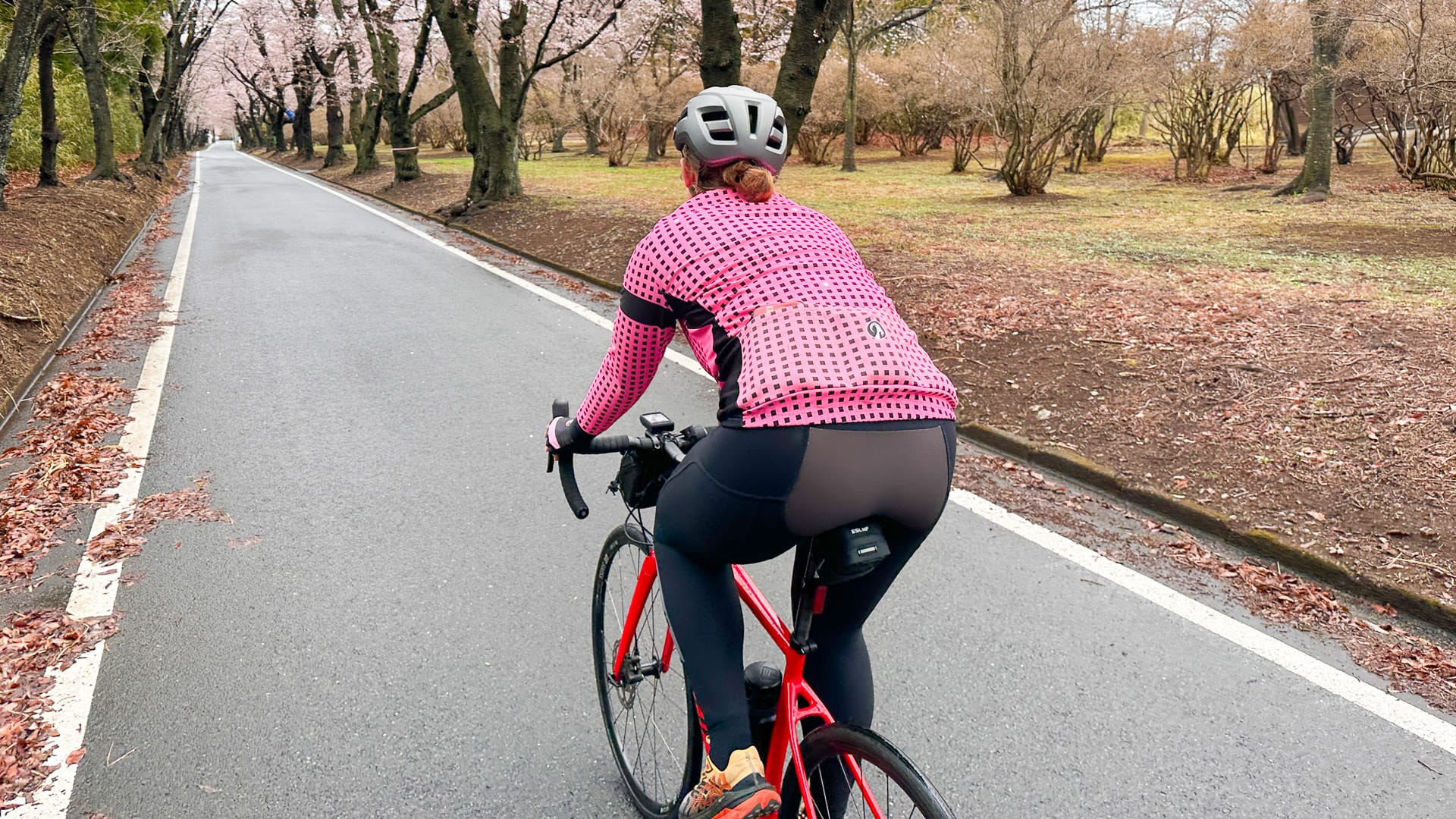

What did we love about our trip with Rindo?
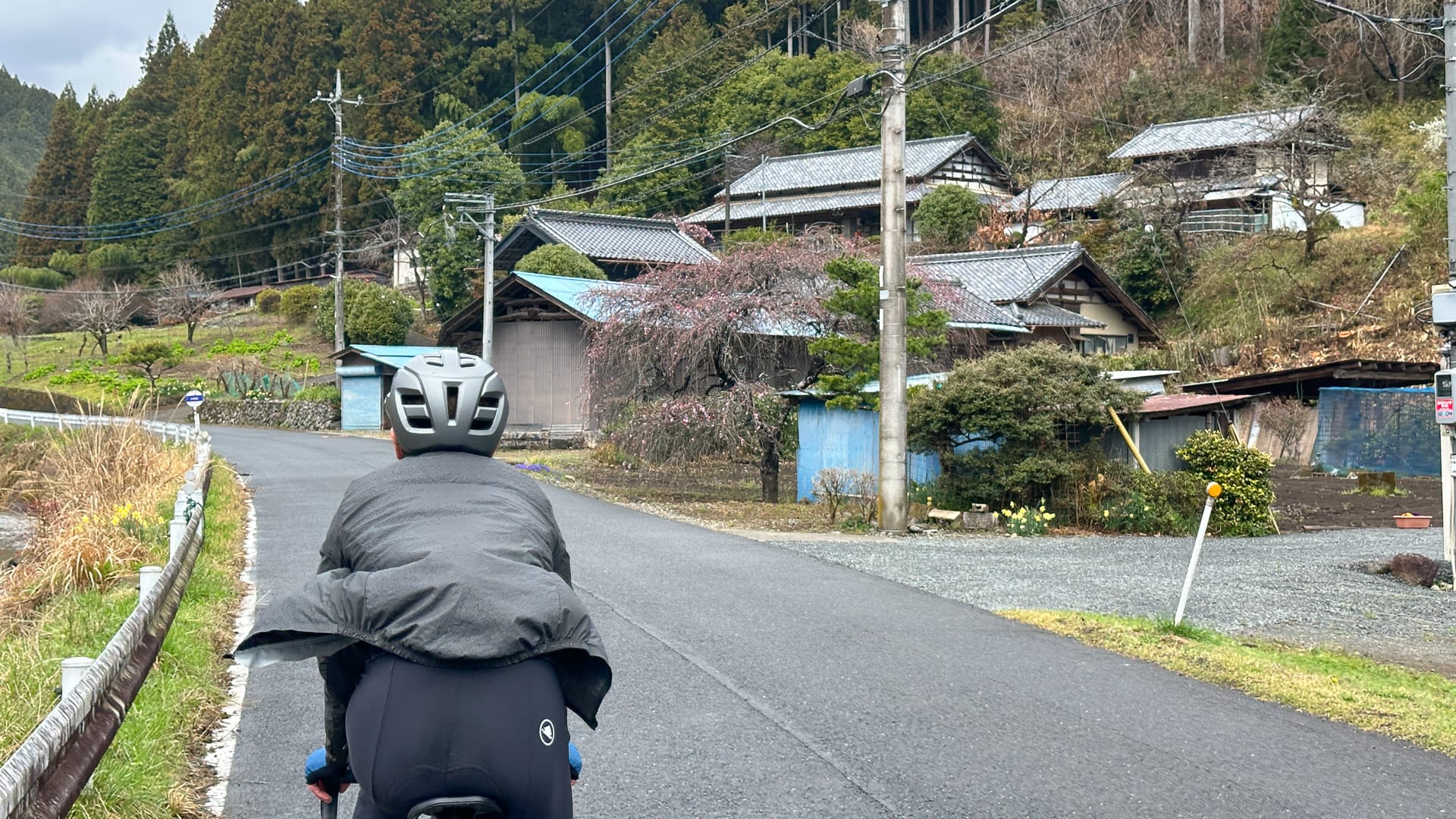
Our trip with Rindo gave us the confidence and means to explore a little-known part of Japan, far from the tourists. It gave us a truly authentic insight into Japan. The way Rindo create their trips offers a bridge between visitors such as us and the real, raw Japan that most people don’t get to see.
When so much of tourism, even cycling tourism, feels superficial and involves carbon copy trips, this felt like a rare privilege.
Here are the things we loved the most about cycling with Rindo:
The riding
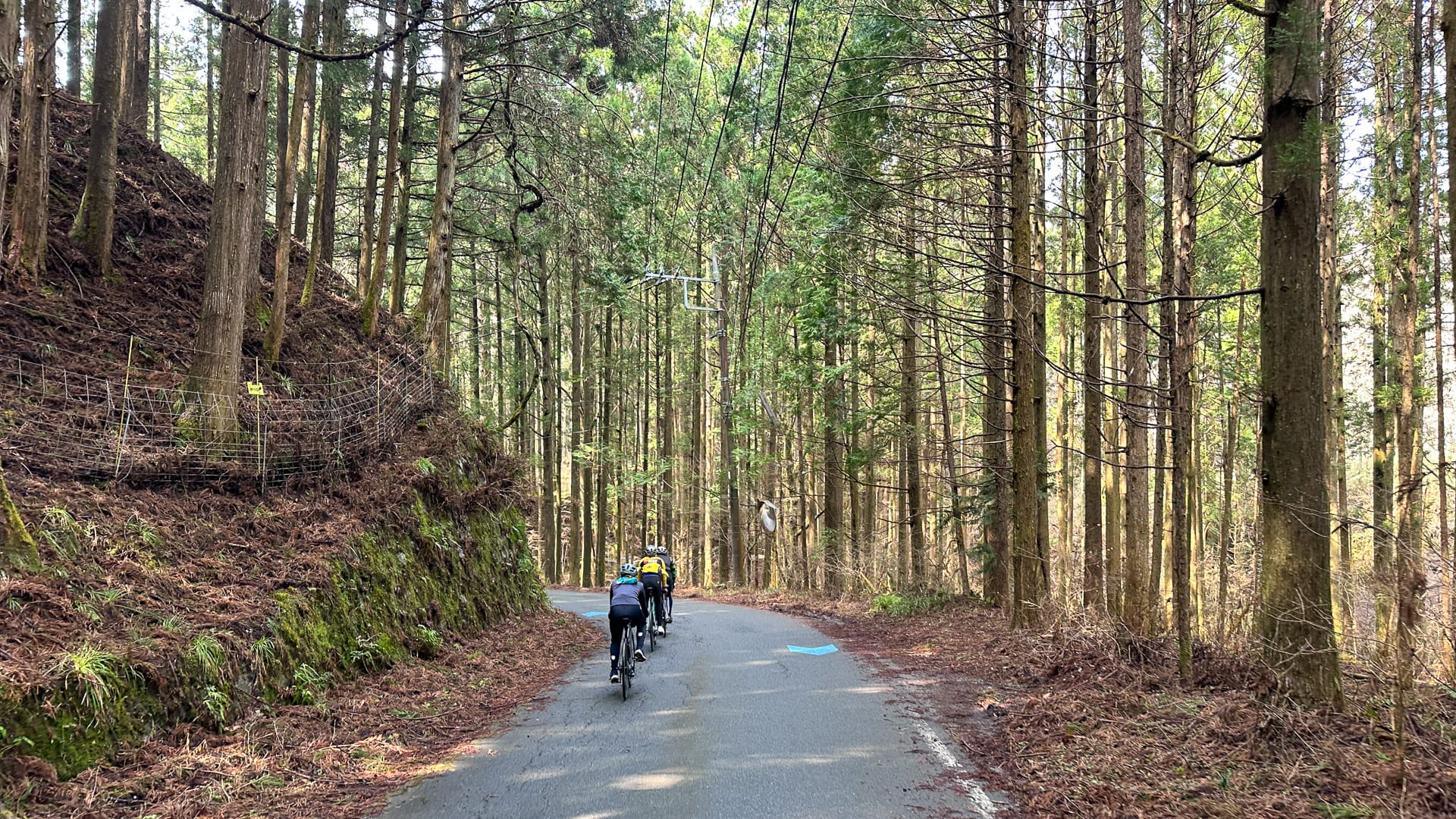
Riding no name singletrack, moss-centred roads, through still, calm forest with nothing but birdsong and the ever-present rushing of a Japanese mountain stream. This was not a city-to-city tour, this was a tour where we felt immersed in the Japanese countryside – and it’s very different to the depiction I saw in Lost in Translation all those years ago!
These routes also felt much more local and untouched than the coastal rides around the Setouchi Sea, where we passed fishing harbours, citrus orchards and crossed dramatic suspension bridges. More details on our Shimanami Kaido bike tour article.
Experiencing Japan
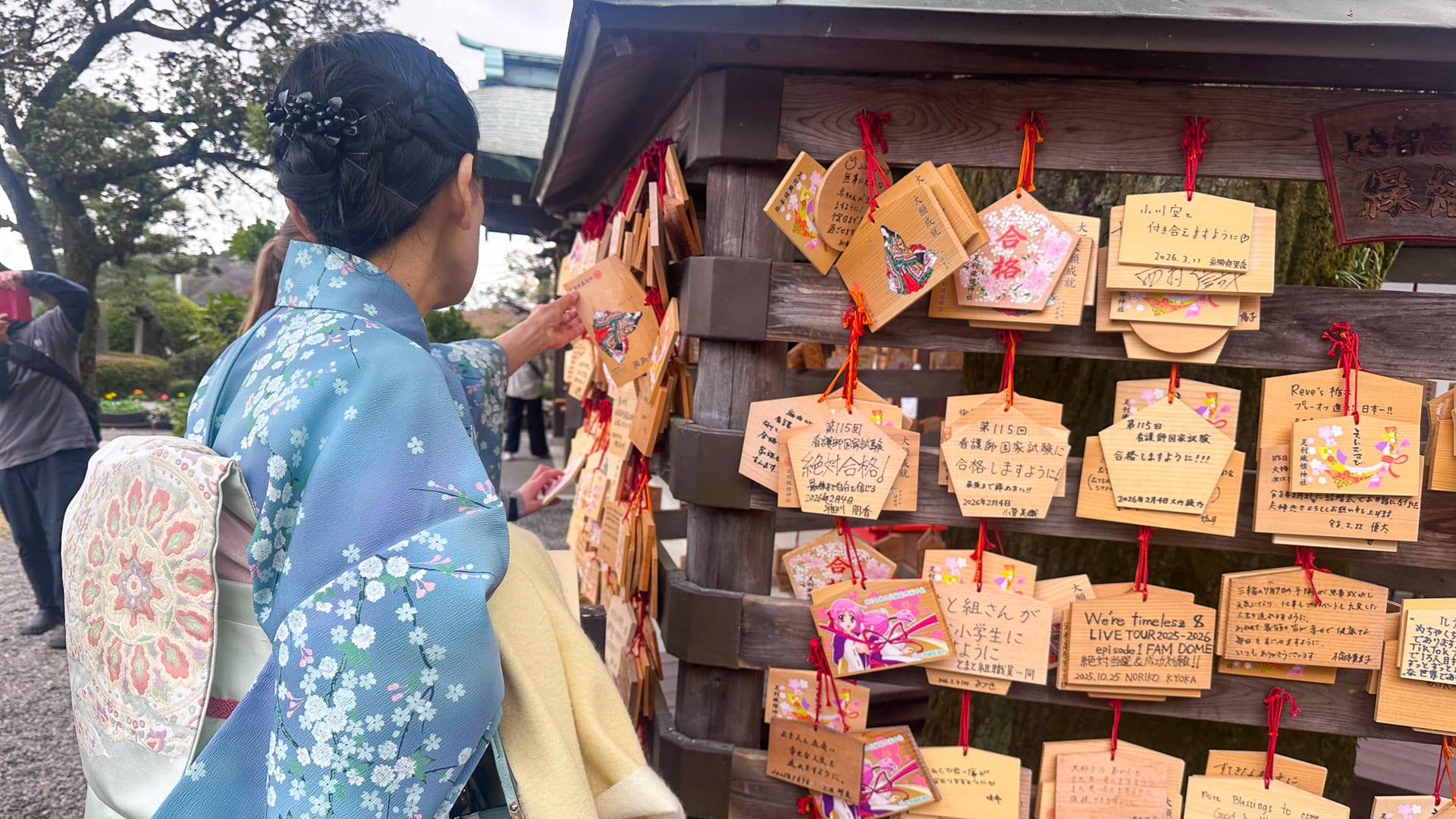
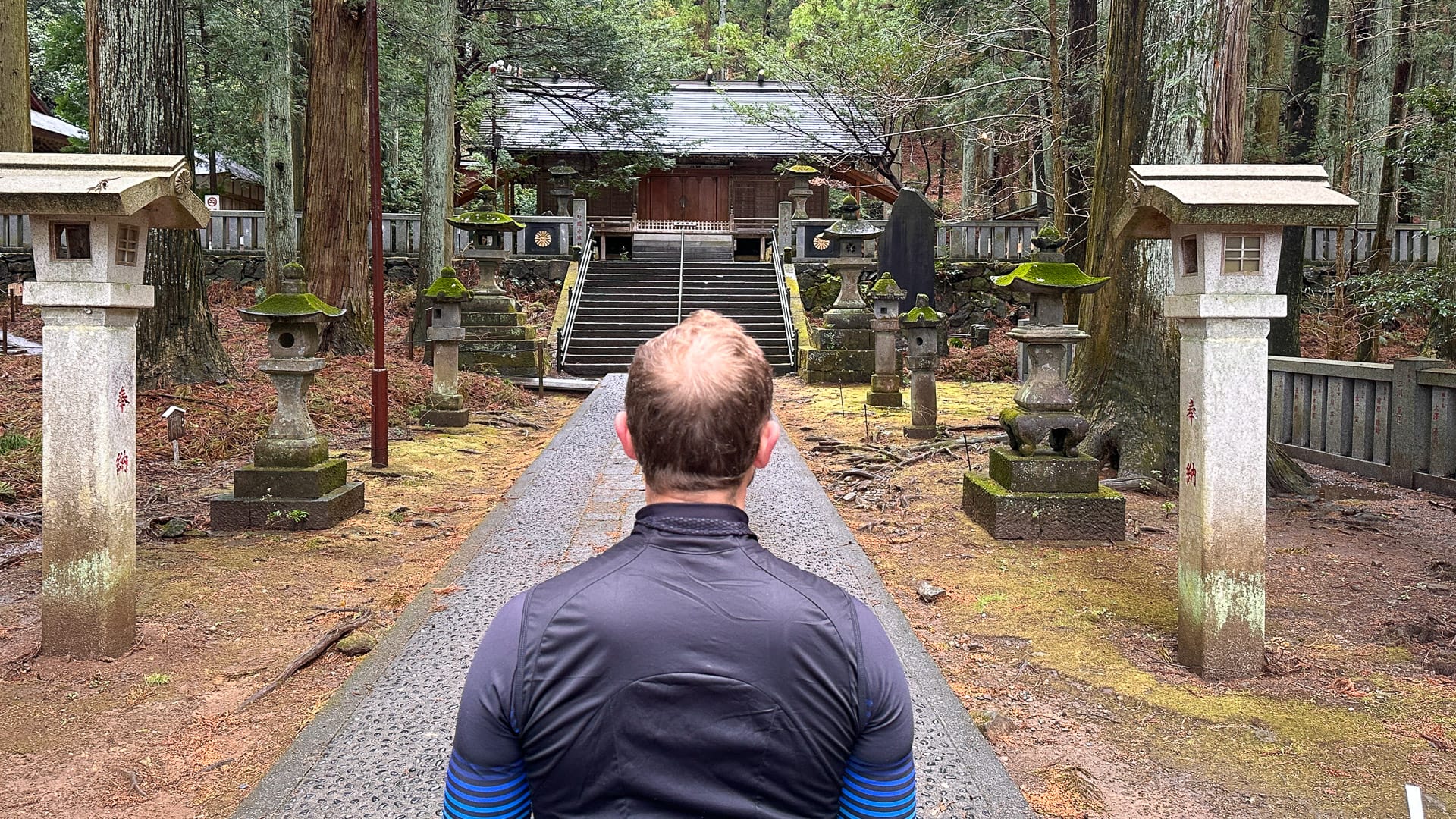
There were some special moments on this trip that will stick with us. They were the unexpected, quiet moments that you don’t plan for. They were the times we felt we experienced religion and culture in practice: alone in the orange pre-dusk light, in pine forests surrounding an ancient shrine; witnessing a Buddhist ceremony, complete with chanting and conch shells, on a random Monday afternoon by the roadside; taking part in the rituals of sakura season.
It feels to me that everything in Japan has meaning. A lot is sacred. It’s a deeply complex and intriguing culture with a highly intricate degree of tradition and custom, far removed from the futuristic cities and neon lights many people associate with the country. We saw and felt more of this during our six days than during the rest of the time we spent in cities and more touristy parts of the country. It was incredible.
Traditional accommodation
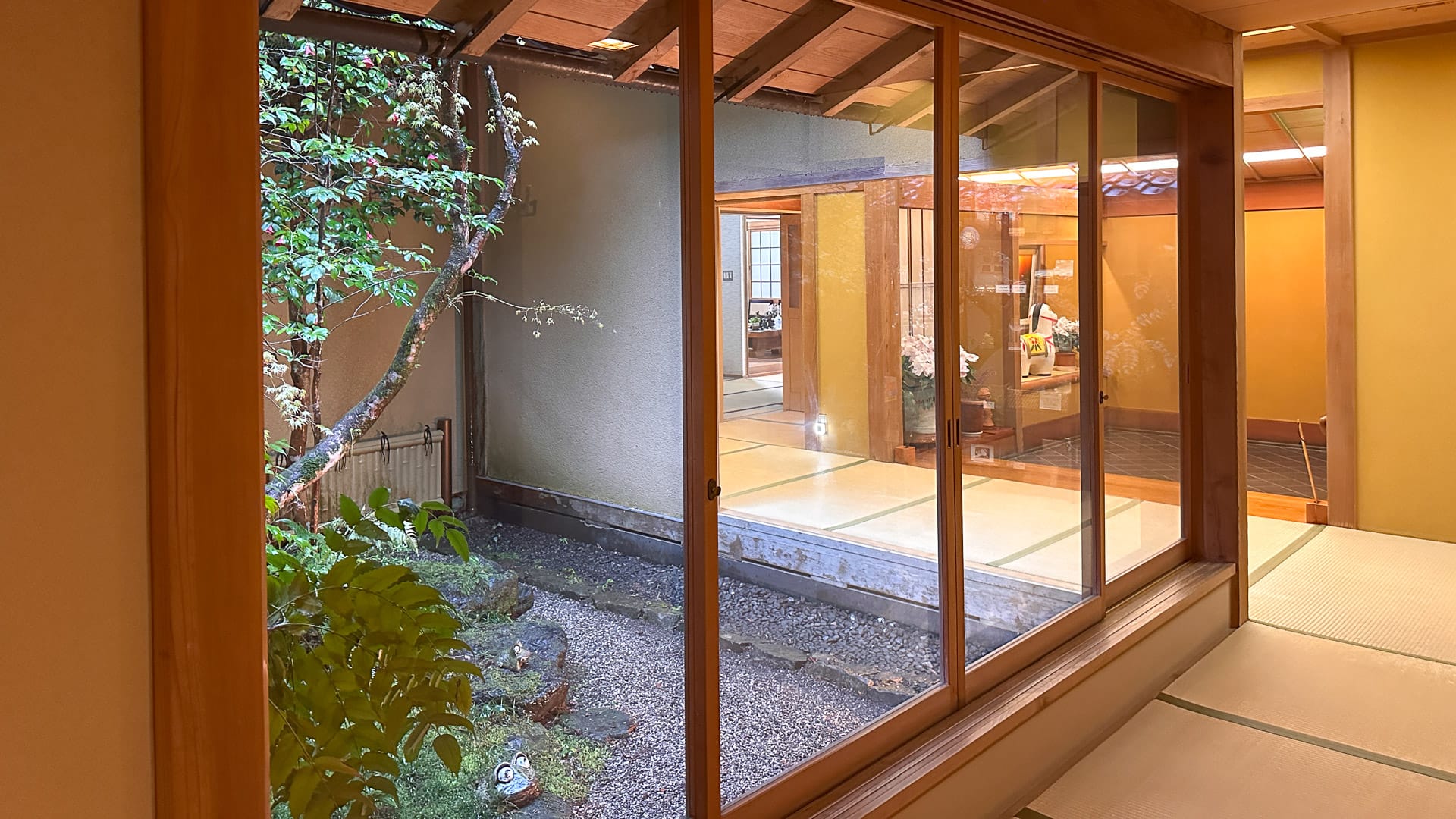
We loved the deeply traditional hotels we stayed at, places that we never would have found ourselves. Each one felt a million miles from corporate chain, and we loved the kind, smiling service, even if there was little in the way of conversation due to language barriers.
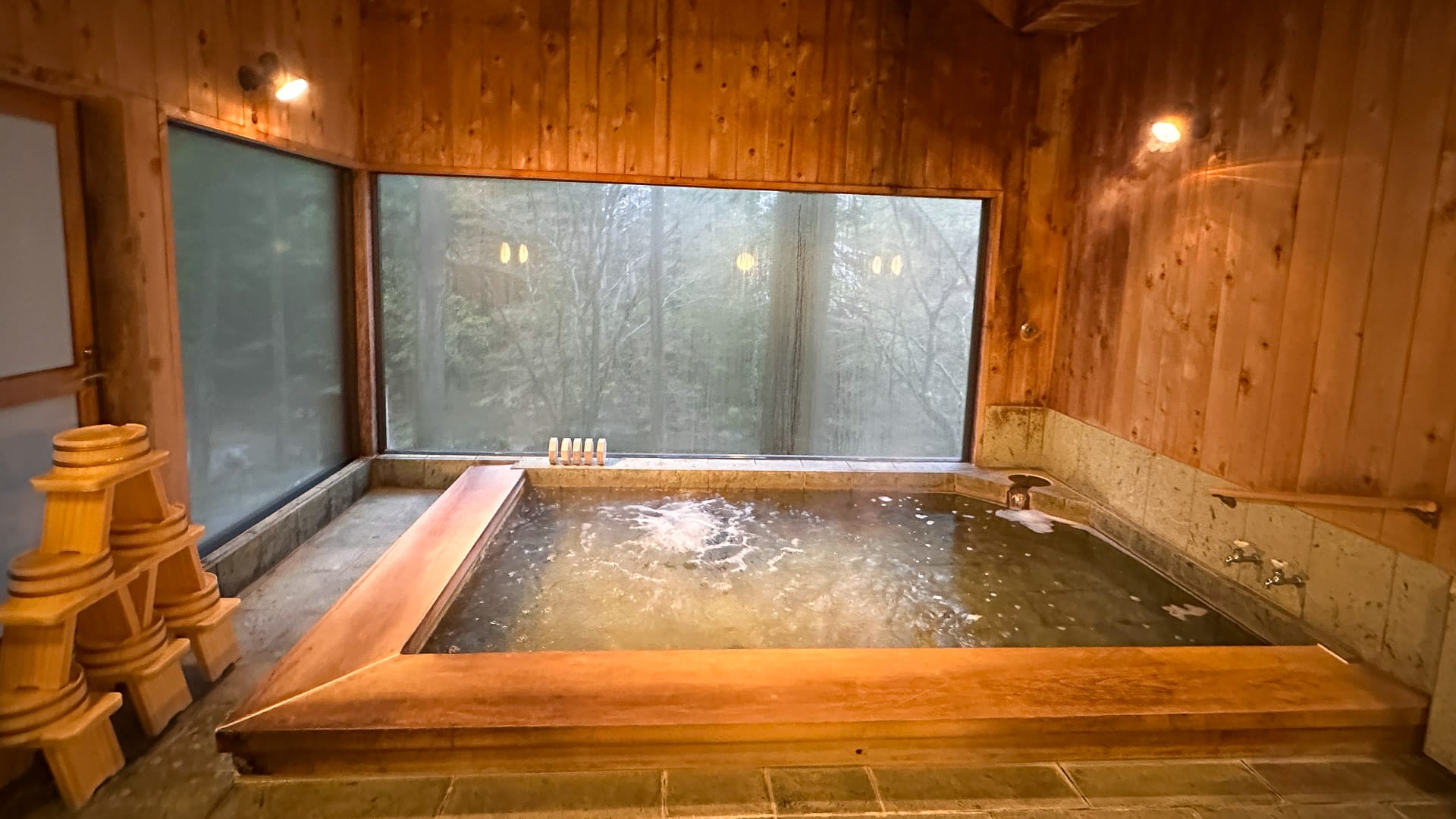
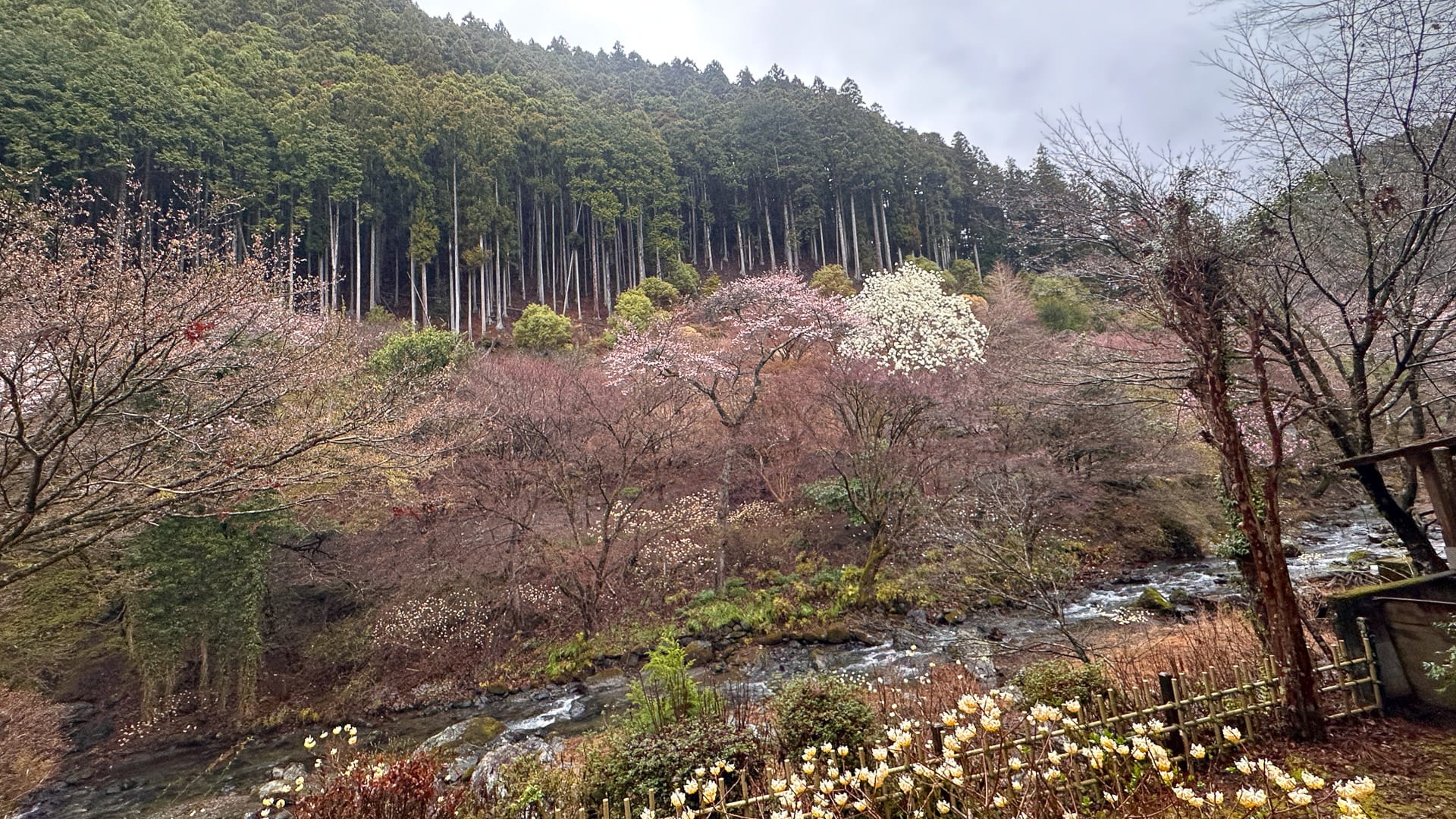
The highlight was our final night, where we stayed in a quiet, owner run ryokan with just seven rooms (we were the only guests). The ryokan was located way up a winding forest road, with pine forests blanketing the valley sides and drifting into magnolia, cherry and chysantha blossoms alongside a babbling waterfall.
We loved finishing a ride, with legs burning, heading to the onsen, soaking aching muscles in the thermal waters, then dressing in a comfy, traditional yukata gowns (supplied by the hotel) for dinner.
Authentic food
Each night, we were served kaiseki: a multi-course seasonal feast of small, beautifully composed dishes designed to celebrate freshness, balance and the time of year. There might be sashimi, grilled fish, delicate soups and other impeccably presented plates, each arriving like a small work of art. It was a memorable experience, though not an entirely gentle one for unfamiliar palates; some of the flavours were unlike anything we had tasted before. Black soybean natto or pickled and spicy cod roe anyone?
Breakfast was cut from the same cloth. Sashimi and smoked fish are not what we would normally choose to start the day. It took a little while for us to adjust, but it certainly felt like an authentic introduction to Japanese food culture.
Meeting Japanese people
From the formal kaiseki dinners to the simple lunches in humble udon shops, from helpful servers in 7-Eleven stores to the group of grandmothers we met near Mt Agaki, the trip allowed us to meet people in a way you often don’t when travelling in a larger group or without a bike.
Despite the language barriers, I felt a warmth and kindness from people we met, who seemed intrigued to find a group of four lycra clad tourists in their village and keen to help. The sense of mutual interest and respect felt palpable.
Great bikes
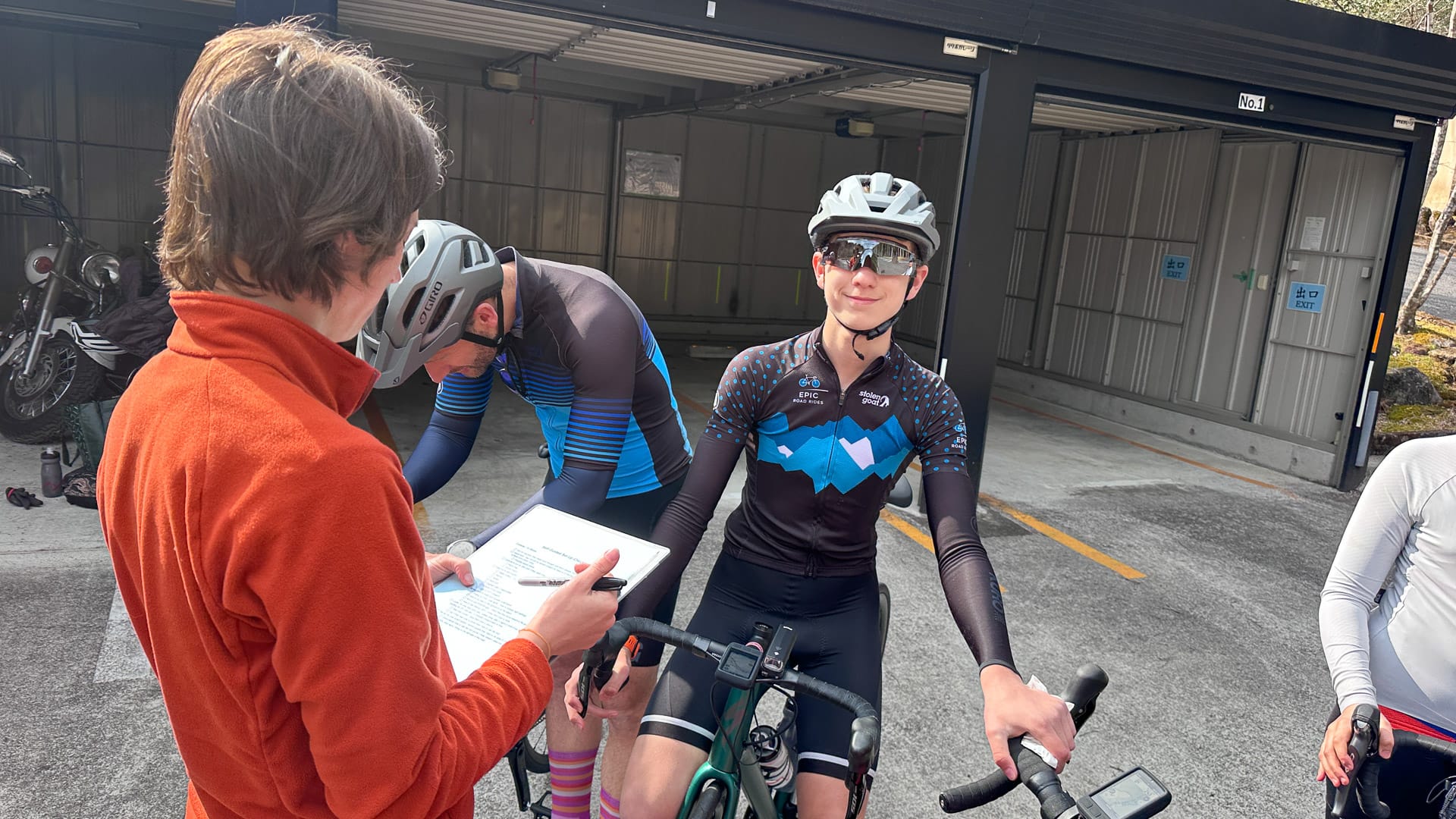
The bikes Rindo provided us were all in excellent condition: two Specialized Vado e- road bikes and two Specialized Aethos regular road bikes. They came set up with Wahoo ELMNT ROAM bike computers and a nice-looking bike bag, plus the usual puncture repair kit you’d expect. A branded cycling jersey and buff (of a quality you’d actually want to wear again at home!) was also a nice touch.
Excellent support
I’d also say that the self-guided tour format offered by Rindo provided a level of service I haven’t experienced before with a self-guided format: the team met us at the train station, took time and care on our bike set up and were ever-present on the WhatsApp group. They checked in with us regularly and offered transfers on the odd day we encountered heavy rain. They were also on hand for questions, from route related questions to restaurant recommendations and reservations. When we had the odd bike issue like a shifter issue we couldn’t fix, they were swift to assist.
This level of service goes far beyond the kind of self-guided support I’ve experienced previously. It’s fair to say that kind of experience comes with a price tag, but credit goes to the RIndo Bike Tour Japan for executing their service so well.
Cherry blossom
Sakura season is undeniably beautiful, but it can also be unpredictable. The bloom shifts from year to year, so even a carefully timed visit can miss the moment. You’re also not guaranteed sunshine and warm temperatures at this time of year.
Had we not been tied to the school holidays, I might have been tempted to choose a slightly quieter time to visit – partly for the flight prices, but also to avoid some of the cherry-blossom chasing crowds we encountered in places like Kyoto and Tokyo.
In many ways, later spring appeals just as much: milder temperatures, fewer people and landscapes newly vivid with fresh green growth. Equally, I can imagine autumn being a magnificent time to ride, with the wooded rindo roads glowing in rich shades of red, gold and amber.

At the G7 Nikko sign at Lake Chuzenji
Is a self-guided bike tour with Rindo for you?
It’s worth asking yourself this question, because in truth, this kind of trip is not for everyone.
- You need to be happy navigating using a GPS device.
- The vast majority of people you’ll meet won’t speak English. This means you need to be confident relying on Google Translate (and energetic pointing/body language) if you don’t speak Japanese.
- Rindo set you up on your bike on day 1 and are there if you need them, but make sure you’re happy fixing a flat tyre, or make minor adjustments such as to saddle height, since you don’t have anyone riding with you.
- Rindo offer a wonderful range of rides for each day of your route, and will happily suggest the best route to pick, based on your riding level and interests. Just don’t over-estimate how demanding you want your ride to be that day, as you’ll be riding unsupported (though of course the team is there in case of breakdown).
- We didn’t see many bike paths in the Kita Kanto region, but nearly all the roads we were on were low traffic, or with a decent hard shoulder.
- If you stay in a ryokan that provides breakfast and dinner, you need to be prepared to try food you’re unlikely to have eaten before. Western options aren’t available and you’ll be eating a set menu. For us, this was a big part of what made the trip special, but if you aren’t willing to embrace the traditional Japanese cuisine, you will miss out on part of the experience.
- More generally, staying in these traditional ryokans requires a level of respect for local customs. Japanese people prize calm and quiet and the rules of the onsen are taken seriously. If you don’t want to flex to the local way of doing things, there may be better places to stay.
- Be aware that a bike tour in rural Japan can be tricky if you are a strict vegetarian (let alone a vegan!). I am a pescatarian and Rindo did a great job of making arrangements ahead of time. Dietary restrictions are an area it could definitely be difficult to navigate in Japan without this kind of support!


Compare guided versus self guided with Rindo
Guided
I haven’t experienced one of Rindo’s guided bike tours, but I’ve worked with Rob, the founder of the company for many years and I am confident that if any of the things above are concerns, most would be solved by opting for one of Rindo’s guided trip.
On these, you’ll always have someone on hand to assist, guide and explain. Organised food stops will mean you don’t need to rely on Google Translate so much and a travelling mechanic will mean there’s no concern if you have issues with the bike.
Self-guided
For us self-guided worked brilliantly because we were riding as a family unit, we are pretty experienced and like to go at our own pace.
Rindo’s version of self-guided also offered an unusually high level of support that might not be necessary in countries that are more accessible, but works really well in Japan. Being met from the train, being offered cultural stops and transfers for riders and bikes when the rain poured down, was perfect for us.
For me one of the downsides of a self-guided trip can be that you don’t get much feeling for the culture and authentic customs of a place; these things tend to pass over you. So it’s unusual that this wasn’t the case on Rindo’s trip. I think this was for a few reasons:
- their GPS routes are very helpful at including great suggestions for places to stop and eat;
- the premium ryokan experience allowed us to try out the onsens and the kaiseki menus pushed our food boundaries in a way we wouldn’t have experienced if left to our own devices; and
- Rindo are happy to incorporate cultural stops into their self-guided itineraries – you can find a list on this page of their website (i.e. these weren’t a “special exception” they offered us).
Yes, it was a self-guided trip but it incorporated many of the advantages of a guided trip that let us really experience Japan.


Our itinerary with Rindo
As mentioned, Rindo pride themselves on tailoring their trips to their clients. They also have a fantastic library of cycling routes available. This means that even once you’ve picked an itinerary, there are multiple route choices available each day so even if the weather doesn’t play ball or someone isn’t feeling up for the ride you selected at home, you’ll have options.
Here are the cycling routes we rode to give you a sample. Note that the routes don’t start and finish at the hotels we stayed at.
Day 1: Nikko loop
Warm up ride, punctuated by tall cedar trees and quiet shrines
Distance: 35.6 kilometres
Elevation gain: 563 metres
GPX DownloadTerms of use reminder
Route notes
We weren’t able to arrive in Nikko until mid afternoon, but we were met at the station by Elena from Rindo. She took us to the hotel and got us set up on our bikes, ably supported by her team mate, Taka.
We headed out on our bikes; this is a nice warm up ride, that took us south down to Nikko, looping through agricultural land and forest, past homes and peaceful shrines where we were the only visitors.
A short off-road section saw us cycling along the Nikko Kaido Cedar Avenue, registered by Guinness World Records as the world’s longest avenue of trees. More than 50,000 trees were planted, of which around 12,000 remain, over a period of 20 years starting in 1625. Cedar trees were chosen due to the ancient belief that the gods descend from the heavens down to earth through this species of tree. It was lovely to ride through, but we found the fallen pine needles and leaves had made the road a little too boggy for road bikes; the road was always there to bail out onto.
We crossed the Daiya River and then headed north again up a relatively busy road (but with decent hard shoulder) before turning off and escaping onto tiny single track rindo roads that weaved through dense forest, never far from the sound of tinkling water.
Tips
- The rindo roads are typically covered by a canopy of trees; this means they don’t get tons of sun and, even when it’s not riding, can be damp and strewn with tree debris. Care is needed on the winding descents.
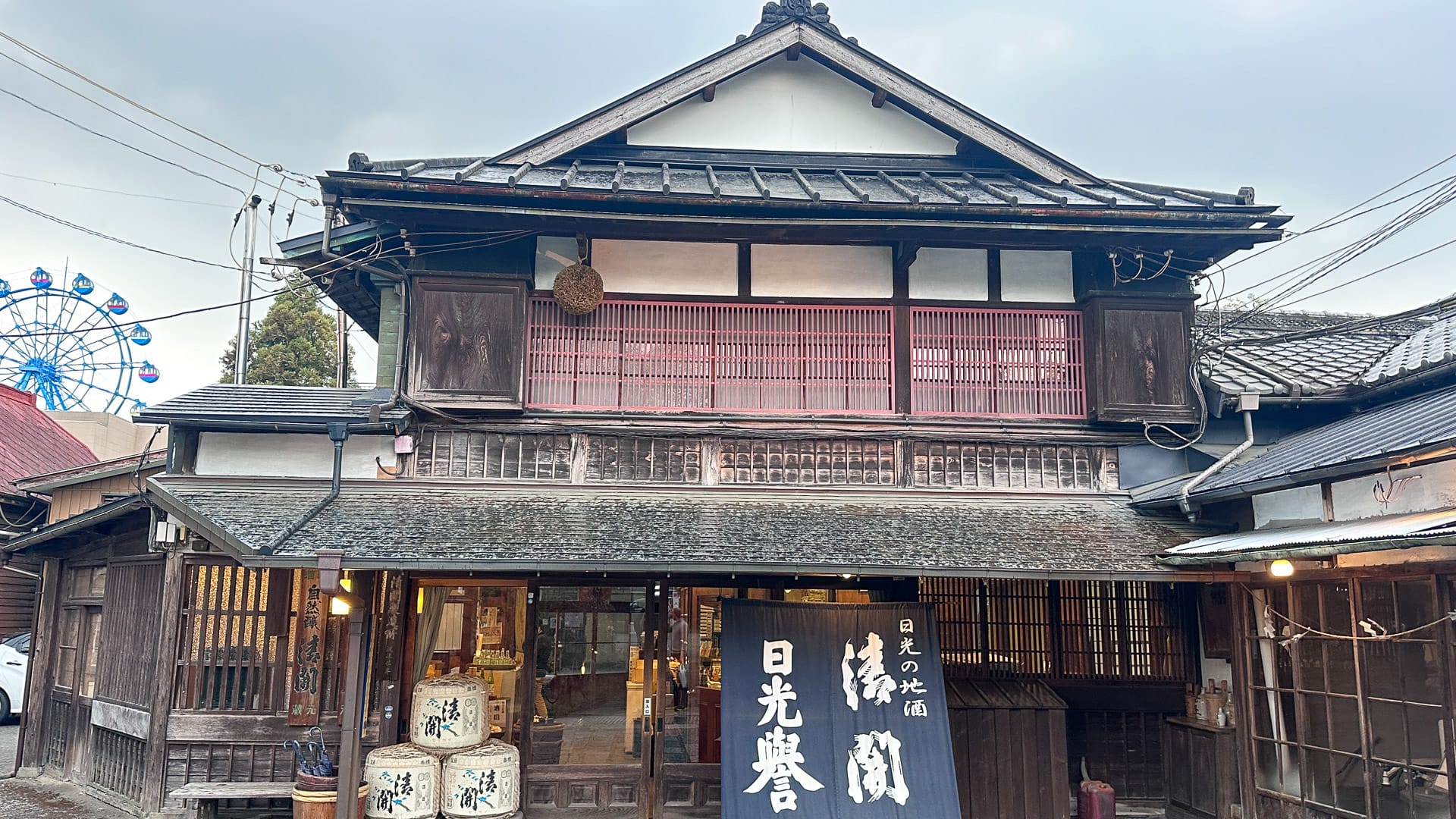
- The Watanabe Sake Brewery is close to the route. I love a bit of history and culture on a bike trip, and I loved the short tour Rindo booked us with Mr Watanabe, the 7th generation owner of Watanabe Sake Brewery. A jovial soul, he shared his passion for the history of sake as well as the process of making it.
- Nikko is popular with day trippers from Tokyo, and this means that you won’t have it to yourself especially at busy times like cherry blossom season. Book your train a few weeks in advance especially if you want to arrive in the morning or at weekends.


Day 2: Lake Chuzenji loop
A day of climbing, descending and spectacular views
Distance: 55.4 kilometres
Elevation gain: 1,020 metres
GPX DownloadTerms of use reminder
Route notes
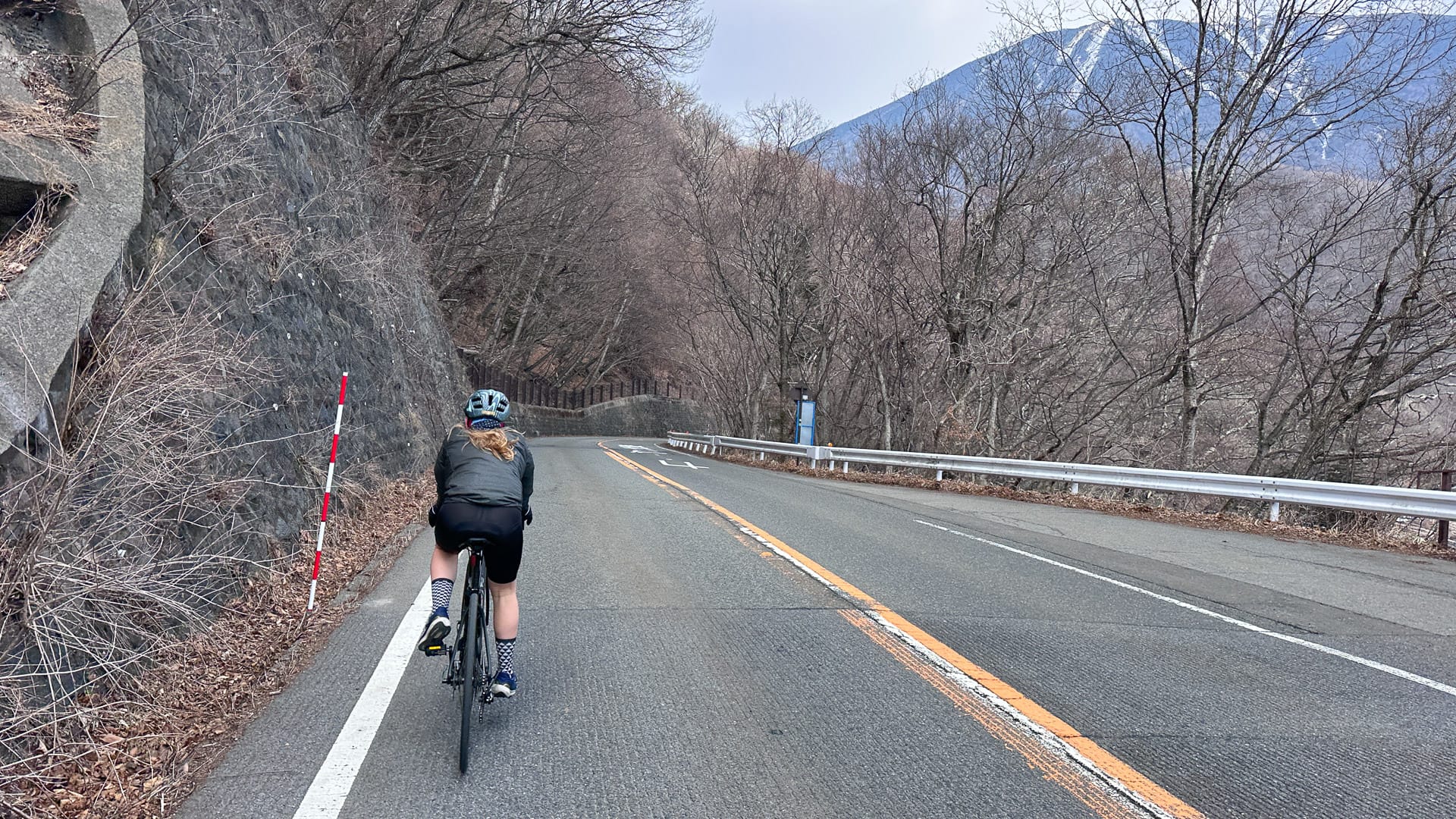
The climbing begins almost immediately; this route is in essence a long climb, followed by a tour around the lake, followed by a long descent.
The ride takes you out through villages and fields to the Irohazaka climb, an iconic series of switchbacks that leads you into the highlands.
The wonderful thing about this climb is that both the road up and the road down are one way but spread over two lanes. This means that there’s plenty of room for cars to pass cyclists with lots of room.
Lake Chuzenji is a dramatic spot within Nikko National Park, surrounded by towering mountains. It’s no surprise it’s a popular local attraction and a gaggle of little shops and local restaurants gather around the lakeside.
From the lake, you can decide whether to descend back home or keep riding.
To the observatory
We opted to head on up the switchbacks on a singletrack road, to Lake Chuzenji Observation Deck, where we enjoyed a gobsmacker of a view down over Lake Chuzenji and towards Mt Nantai.
Note: this isn’t marked on the GPS route above, but it’s easy to find, just take a look at the wiggly road to the southeast of Lake Chuzenji.
To the Ryuzu Falls
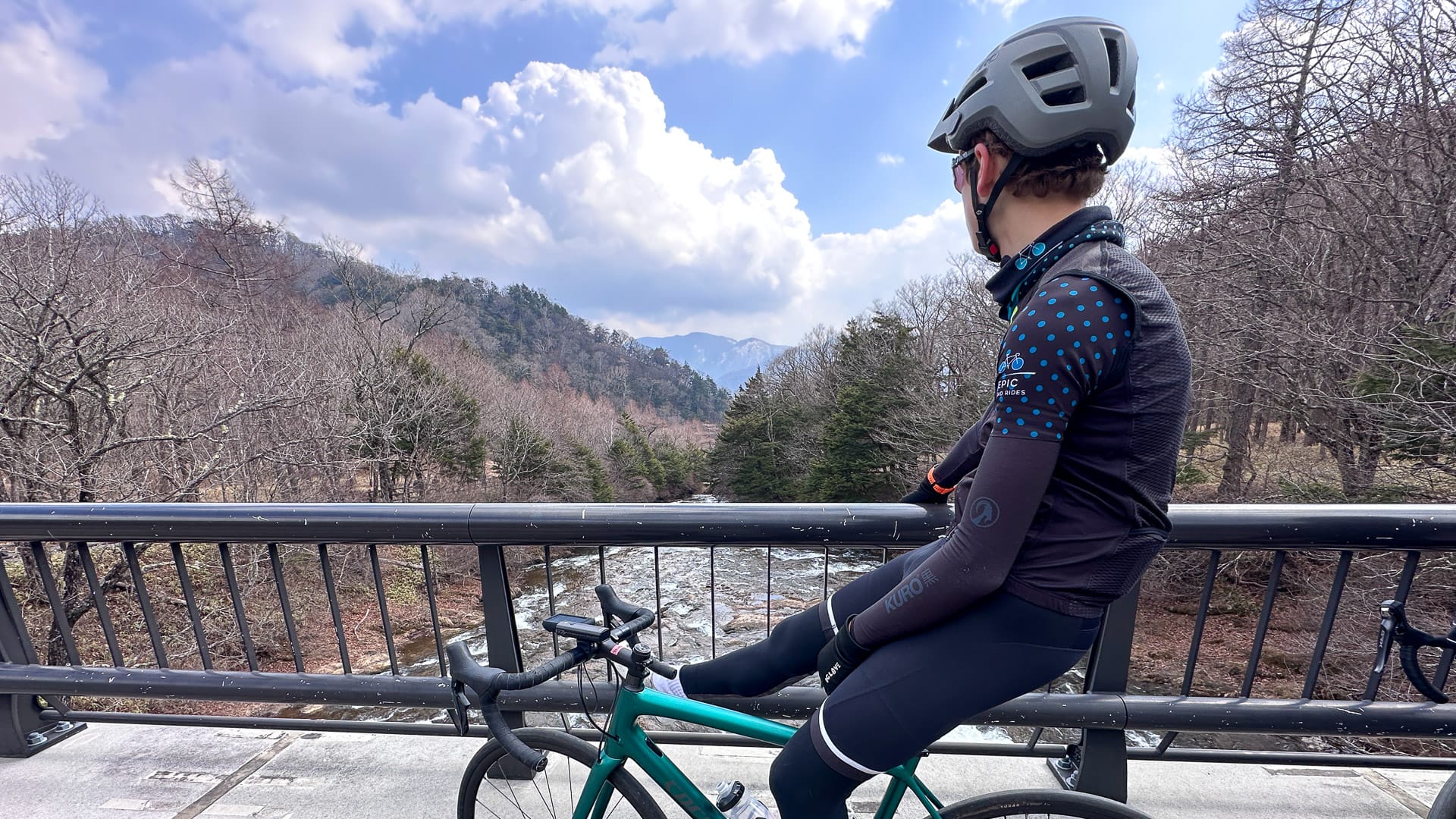
Back at the lake, you continue around the lakeside, through forest and past grand old homes built between 1870 and 1940 for ambassadors and dignitaries. Then it’s up a few switchbacks to the Ryuzu Falls. You come to the car park for the Falls first, but if you ignore that and continue to the road bridge, you find two distinct views of the Ryuzu Falls – to the north is a narrow valley with white water frothing down it; to the south are more gently cascading falls.
To Lake Yu
We turned around at the Ryuzu Falls, but if you’ve got more juice in your legs, continue on to the Yutak Falls observation deck for the 70m high Yudaki Cascades waterfall.
Tips
- Lake Chuzenji sits at around 1,300 metres above sea level and the observatory sits at around 1,800 metres, so it can get pretty cold. Dress accordingly.
- Note there is quite a long tunnel on the way up the climb. It’s lit but remember to switch on your lights!
- While in Nikko, you can’t miss the UNESCO-listed Toshogu Shrine complex, famous for its ornate carvings, rich history, and surrounding cedar forest. Take your time wandering through the intricate gates, halls, and moss-covered stone paths. We stumbled upon a prayer ceremony inside one of the pavilions, led by a priest whose chanting cut through the quiet morning with startling force. Rhythmic, powerful and deeply controlled, it gave the ritual an energy that felt urgent rather than serene. It felt like a small window into a living tradition continuing on its own terms.



Day 3: Nikko to (near) Ashikaga
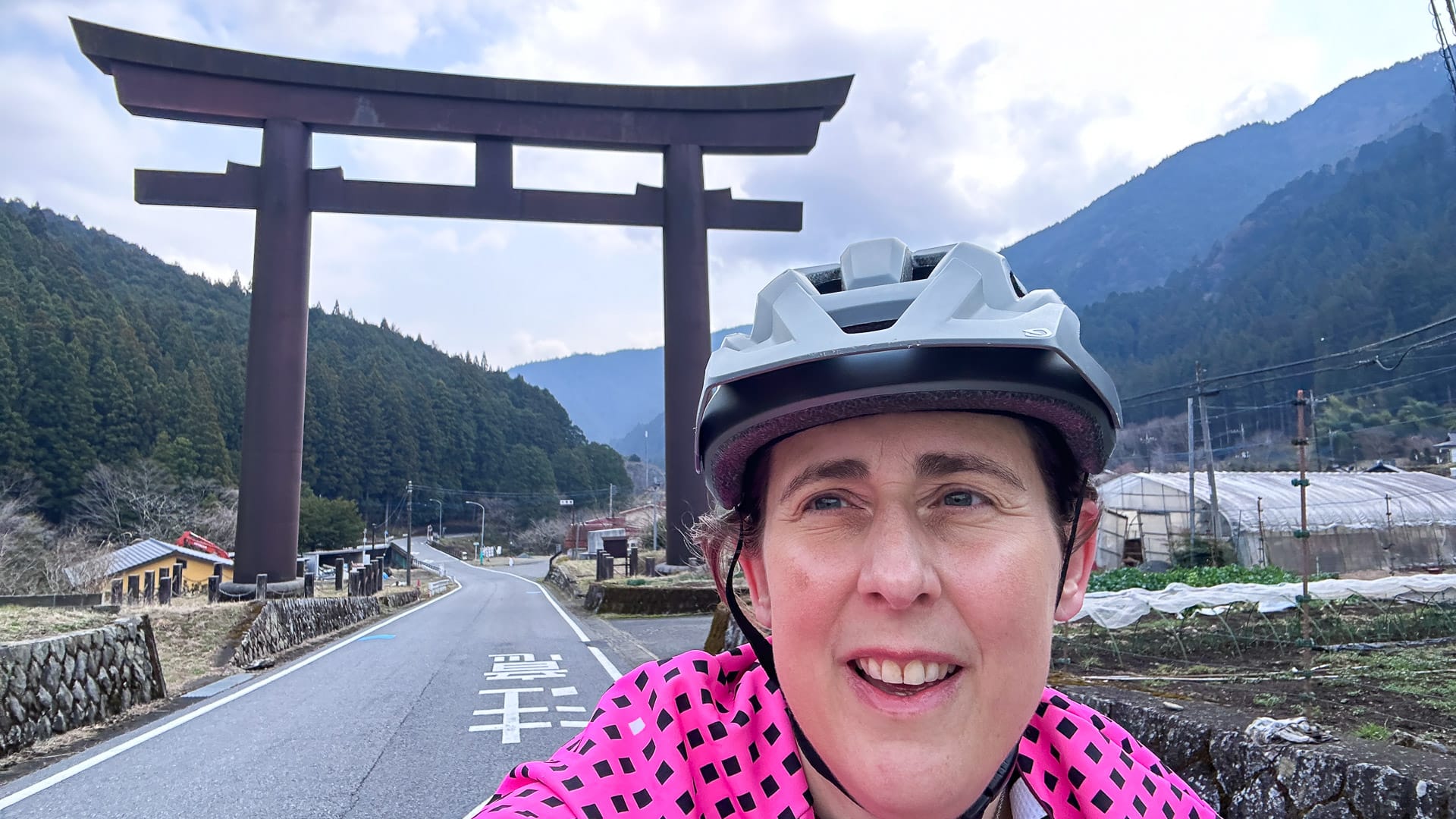
A day of wide valley roads and steep, narrow forested climbs that take you from the highlands of Nikko down to Ashikaga. The Furumine Shrine is a highlight.
Distance: 96 kilometres
Elevation gain: 1,203 metres
GPX DownloadTerms of use reminder
Route notes
Nikko to Furumine Shrine
From Nikko, the route heads broadly downhill, though not without enough short, sharp ramps to keep you on your toes, as it winds deep into the Mae-Nikko Forest. It is a peaceful, rural-feeling ride, with long sections of forest and others tracing waterways through quiet countryside.
The day’s principal climb is the 8.4-kilometre ascent to Furumine Shrine. At an average gradient of around 4.5%, it is steady rather than ridiculous, although the steeper sections near the top verge on brutal.
The Shrine is known for its many tengu, long-nosed guardian figures believed to protect visitors. The Shrine has a deeply calm, authentically Japanese, ritual-like atmosphere. When we visited, there were barely any other people there, which only heightened the sense of tranquillity. There is also a water garden to explore, though it was closed during our visit. A few shops and vending machines just outside the Shrine make this a sensible place to stop for lunch.
Furumine Shrine to Ashikaga
We chose not to eat at the Furumine Shrine, which turned out to be slightly optimistic. Not long afterwards, we found ourselves diverting off-route, to Kamihinata in search of food. We settled on one of the local convenience stores, 7-Eleven, with the added bonus of excellent custard-filled choux buns from Hana patisserie (worth a stop if you pass!).
Back on the route, a short tunnel led us onto narrow forest roads, where startled deer scattered into the trees and the climbing resumed in earnest. For some distance, the road skirted a vast mine below. Then, just as we neared the top of the climb, an air-raid-like siren sounded, followed by an explosion that shook the ground beneath us. It was a somewhat startling reminder that this is a very active working landscape.
Tips
- The tunnel on this route was lit, but be aware that when riding in tunnels, vehicles can sound quite intimidating. Remember to remove your sunglasses and take lights!
- Plan your lunch stop carefully; there’s a lot of rural riding on this route and while you’ll find vending machines, have a careful think about where to eat.



Day 4: Ashikaga loop
Quiet forest roads and a dose of culture and history in Ashikaga
Distance: 64 kilometres
Elevation gain: 487 metres
GPX DownloadTerms of use reminder
Route notes
The ride began with a steady climb through the outskirts of Ashikaga. After leaving Route 201, we pedalled through small villages on smooth roads that climbed gradually north up the valley, before turning onto a narrow forest road that rose in a series of hairpins for the day’s main ascent. At the top, a short lit tunnel led us through to the descent: more sweeping hairpins on a broader road, this time dropping us back down the hillside towards Ashikaga.
Lunch was at Mahler’s Parlor, where a compact four-dish menu still managed to include a pasta option.
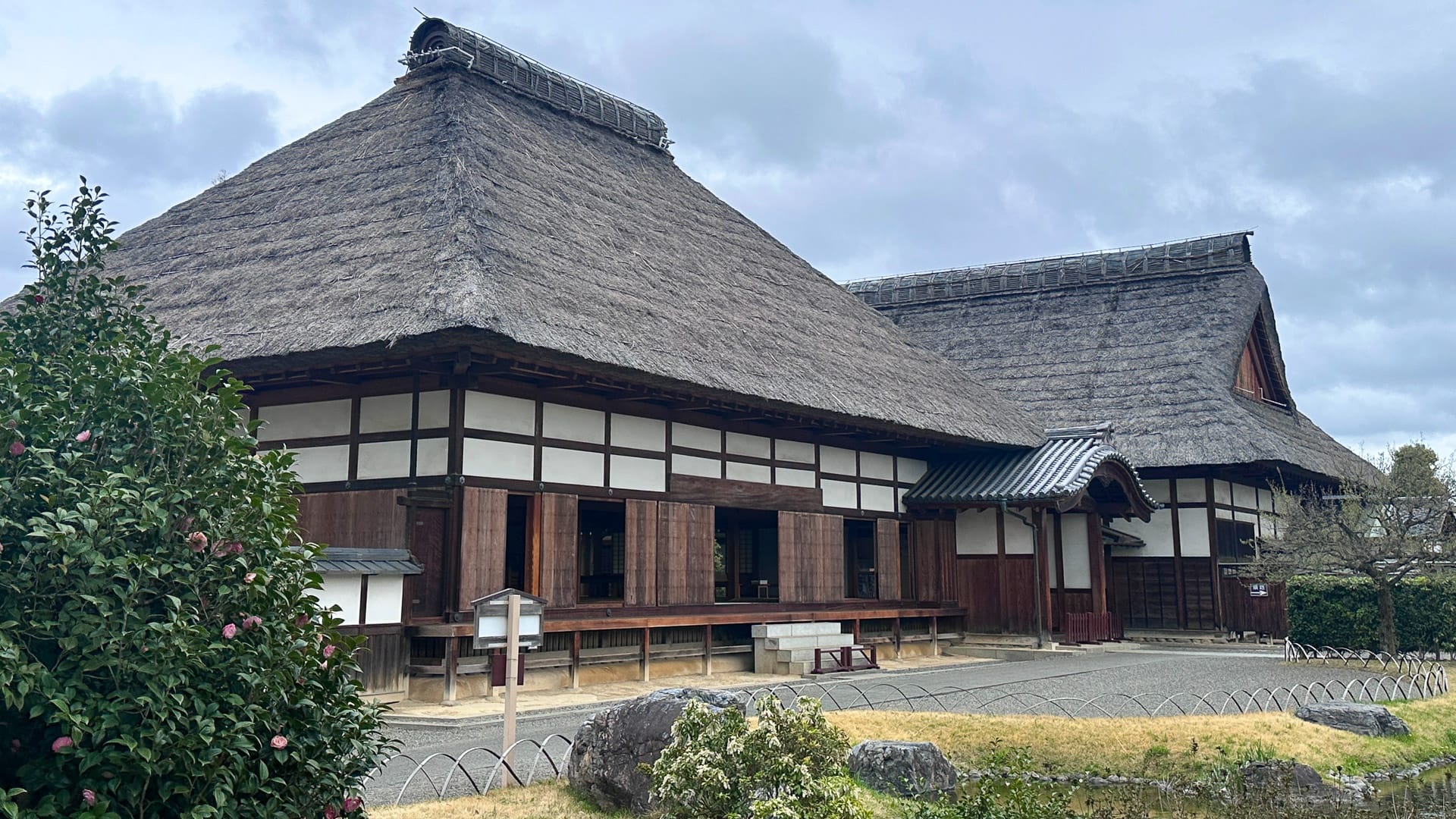
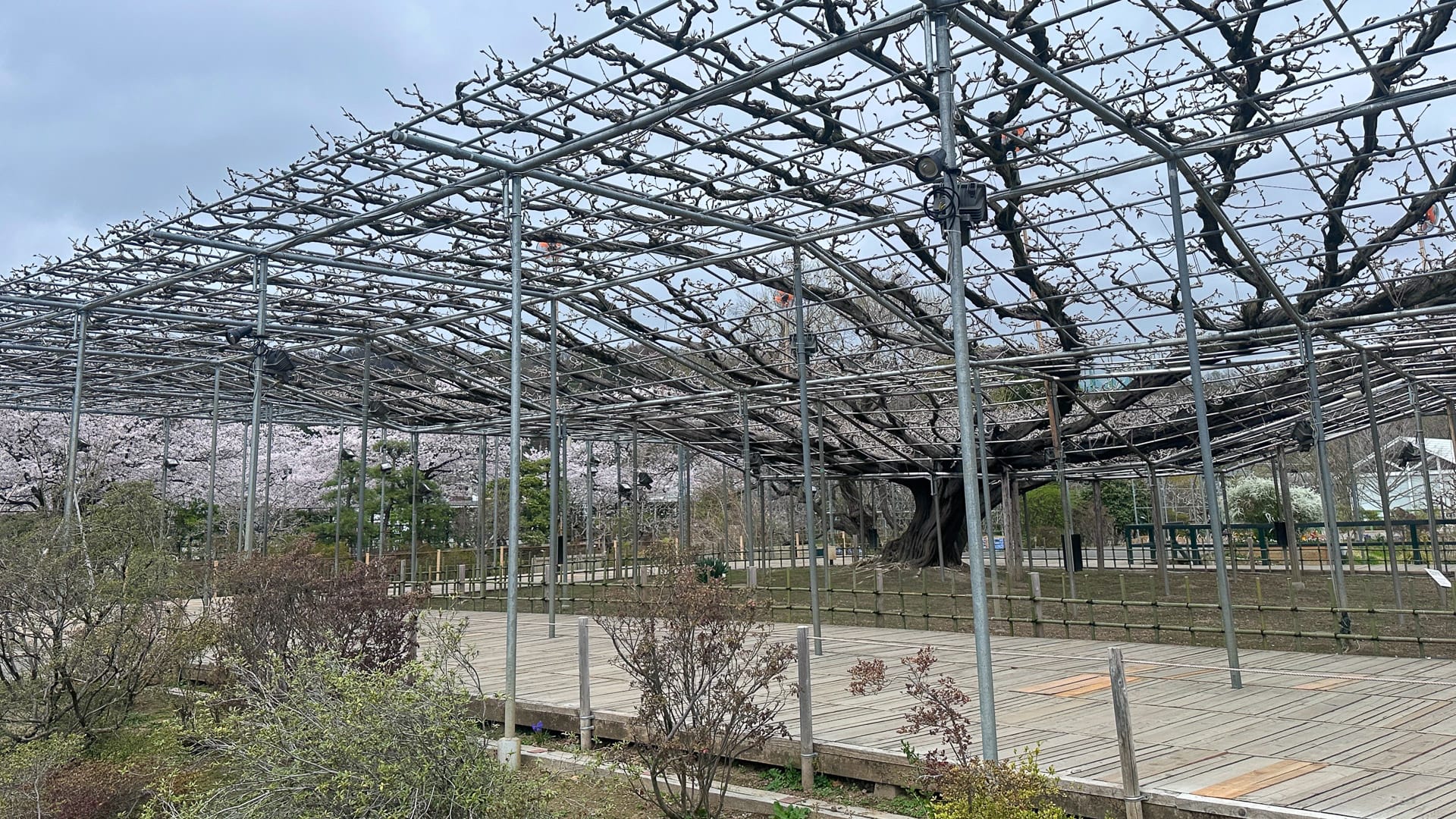
With the weather worsening, we cut the ride short and took up Rindo’s alternative sightseeing tour of Ashikaga instead. Rindo guides, Kate and Masashi, showed us around Bannaji Temple, a beautiful Buddhist temple built by Minamoto no Yoshiyasu, a powerful samurai and first generation of the Ashikaga family, from the 1100s onwards. We also took in Ashikaga Gakkō, widely regarded as Japan’s oldest school; and Orihime Shrine, a striking vermilion-lacquered shrine dedicated to the god of love. We capped the cultural extravaganza off with the excellent Ashikaga Flower Park, famed for its wisteria displays in April and May, but also a joy in cherry blossom season.
It was a pleasure to explore the city in the company of two thoughtful and generous Ashikaga locals, and to hear more about the history and ancient cultures of this under-touristed city.


Day 5: Ashikaga to Lake Umeda
Deep valleys, rushing rivers and narrow forest roads, plus a silk museum
Distance: 39.5 kilometres
Elevation gain: 670 metres
GPX DownloadTerms of use reminder
Route notes
Ashikaga to Kiryu
With three main climbs to tackle, there was a certain sense of foreboding from the outset – heightened, briefly, by an earthquake alert that flashed up on our phones. The locals seemed entirely unfazed, so we carried on riding and, in the end, felt nothing at all. It turned out the earthquake was far to the east.
After a final push through the forest, the road tipped down towards Kiryu.
Kiryu highlights
In Kiryu, we spent time at the Yukari Silk Museum, one of the day’s highlights, learning about the city’s long association with silk production. We loved the way the museum charts the evolution of the machinery, and even better, visitors can try some of the machines for themselves. Who knew that a single silkworm cocoon can yield more than 900 metres of thread?!
Lunch was at Garment District, where we were treated to an excellent western-style meal, complete with truly memorable pancakes and French toast – a welcome change for anyone beginning to crave a break from raw fish.
Kiryu to Lake Umeda
By the time we emerged, the rain was hammering down, and Rindo came to the rescue with the offer of a transfer up the valley to our hotel. This is not the kind of flexibility you would necessarily expect from a standard self-guided tour operator, but it says a great deal about the level of care that Rindo brings to the experience.
Tip
The road from Kiryu along Lake Umeda, and the river flowing into it, was so pretty. It would have been an idyllic, winding ride through the forest alongside the river with its moss-clad boulders, white water and, at the time we were there, clumps of bright yellow chysantha blossoms. Beyond the ryokan, the road continues and with hardly any traffic, so there would be scope to continue on for those with the energy.



Day 6: Mt Akagi
A testing climb up Mt Akagi, with caldera views and an incredible descent
Distance: 41.8 kilometres
Elevation gain: 1,298 metres
GPX DownloadTerms of use reminder
Route notes
Mt Akagi wasn’t on the door step of our hotel near Lake Umeda, but we were keen to ride this prized climb, so Rindo transferred us over to the start.
Miyosawa Akagi Shrine to summit
We left the stillness of Akagi Miyozawa Shrine, an atmospheric, pine-lined shrine at the foot of Mount Akagi, known for its sixteenth-century wooden gate and ancient cedar, and headed onto Route 16: an old, winding single-track road that climbed into dense forest.
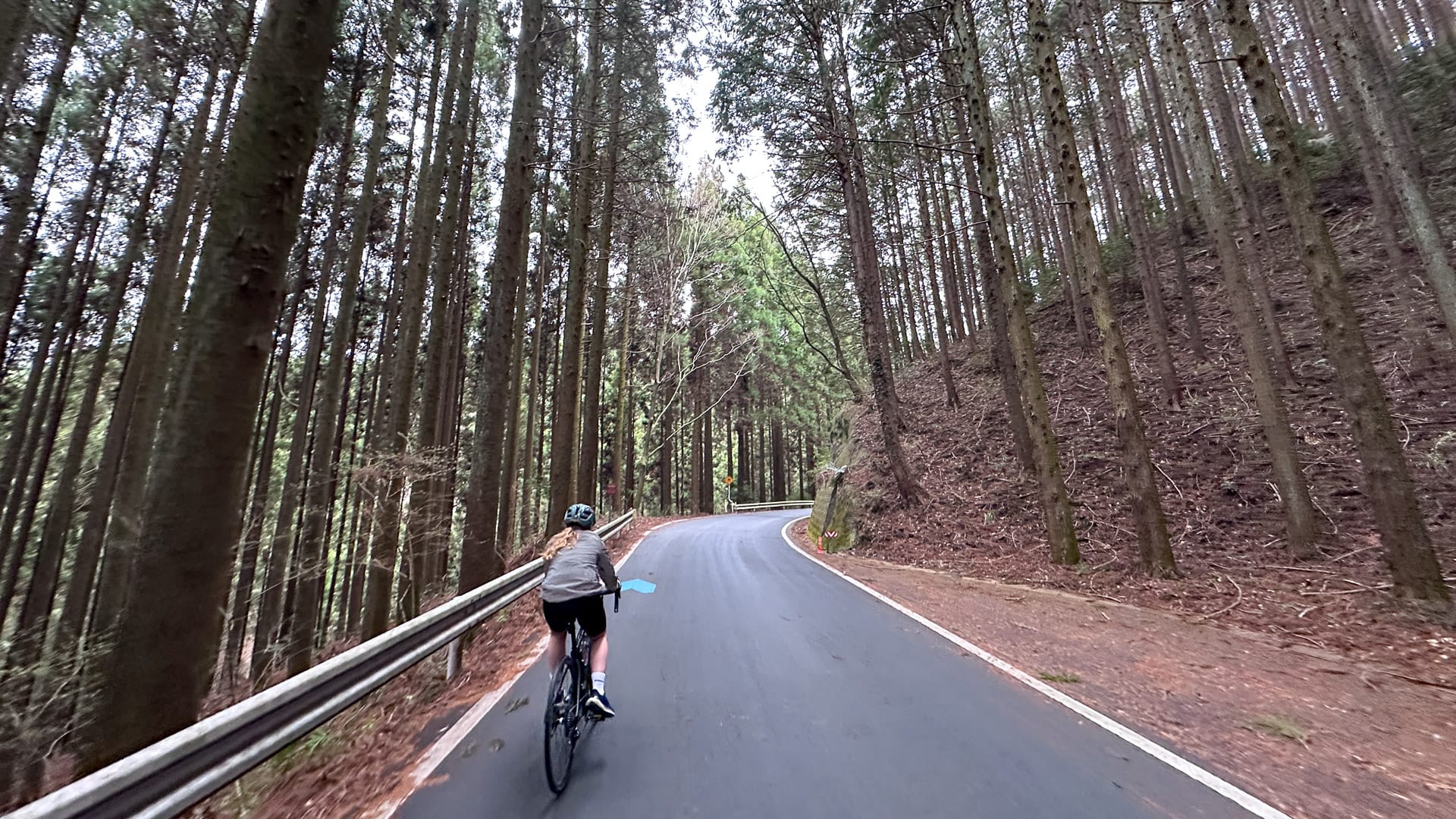
This road is one for the mountain goats: a 13 kilometre squiggling line, with no less than 100 switchbacks to the summit! At around 11 kilometres, the road levels out into a section of false flat and a short descent before a final kick up to the summit of the Haccho Pass at over 1,500m above sea level. From Torii Pass, the views are spectacular, with the land dropping away in sweeping folds towards the Kanto Plain below.
A little further on, the road reaches Lake Onuma, the main caldera lake of Mt Akagi, where a small cluster of weather-beaten buildings sits by the shore. The eye is drawn immediately to the vermilion bridge leading across to Akagi Shrine on Kotorigajima, its bright red lacquer standing out vividly against the dark blue water and the forested slopes beyond.
The descent
The main descent is an incredible 15 kilometres long! We found the asphalt was great quality and there was barely a car on the road. There are some bumps designed to slow cars down but fortunately the way they are designed means they are barely noticeable on a bike. Be aware – you can build up some serious speed!
Even after you turn right off the main climb, the descent keeps going – barring a few small kick ups, you’re descending through farms (which you often smell before you see!) and agricultural properties all the way into Kiryu. The views are spectacular and you also get glimpses of the behemoth you’ve just ridden as it dominates the skyline.
We finished the ride at Cafe 1203; run by their club sandwiches, espresso and homemade ginger ale provided the perfect finish to a great ride.
Our final stop was the station, just five minutes away by car, and the train to Tokyo.
Tips
- It’s best to ride this loop the way we did it. Descending the well-maintained two lane road is a lot more fun than trying to descend the narrow climb we rode up.
- Cyclists from around Japan know of Mount Akagi for the Annual Hill Climb Race held each September up the main Route 4 road.
- The morning started cold and grey for us; we couldn’t see the summit and the top was significantly cold and windswept. Wrap up warm and pack good quality gloves; they are essential for the descent.


Final thoughts
Can you ride in Japan without support? Of course!
But would you have as good as an experience? I think it’s unlikely.
Yes, a tour frees you from logistical hassle, gives you route confidence and back up, but the real joy of the Rindo tour was the perspective it gave us on Japan, the experiences and the memories we wouldn’t otherwise have found or gathered. It was the tiny rindo roads snaking up a forgotten hillside, it was the cosy ryokans, the steaming onsens, the little stops at Buddhist shrines and udon shops. It was the insights into Japan that delighted, fascinated and intrigued.
So would I like to ride in Japan again? Yes please!
And would I recommend Rindo to a friend? I certainly would.
Find out more about Rindo Bike Tour Japan’s trips on their website.
Convinced you to ride in Japan? Here are some more articles and guides that will help you!
- Cycling Japan, our central hub page for the country
- Self guided cycling tours in Japan: what you need to know before you book
- Planning a bike tour in Japan, 14 thing you need to know
- Shimanami Kaido cycling route, for tips on riding Japan’s most famous cycling route
- Shimanami Kaido cycling route FAQs, with answers to common questions before you ride (coming soon!)
- Shimanami Kaido cycling route, for tips on riding Japan’s most famous cycling route
- 8 of the best cycling holiday destinations in the world 2026 for more inspiration
- Cycling holidays in Autumn: the best places to cycle September + October
Got a question for Clare?
Fill out this form and we will send it to Clare. We aim to get you an answer within 24 hours where possible!Clare Dewey is a cyclist with a passion for travel. She set up epicroadrides.com in 2018 to help make it easy for cyclists to explore the world by bike. Today her mission is still inspiring cyclists to discover new places on two wheels - and doing what she can to make sure they have the best possible time while they're there. Clare has visited 50+ destinations around the world, many of them by bike.
Want to connect with Clare? Find her over on LinkedIn.
First Published: 01 May 2026
The contents of this website are provided for general information purposes only. It is not intended to amount to advice and you should not rely on it. You should carry out your own due diligence and risk assessments and take professional advice. Views expressed by interviewees or other users of this website do not necessarily represent our views. We make no representations, warranties or guarantees, whether express or implied, that the content on our website is accurate, complete or up to date. If you use any information or content on this website, download from, or otherwise obtain content or services through our website, it is entirely at your own discretion and risk. Epic Road Rides Ltd disclaims all liability and responsibility arising from any reliance placed on the information and content on this website. Find out more here.
Sponsor Message
Want help organising your Japan cycling tour?
We’ve been delivering self-guided cycling holidays since 2017 and would love to help you plan yours.
Get in touch and let's discuss the best holiday for you.
Head over to our website or get in touch so we can start helping you cycle in Japan.
Got a question for Rindo Bike Tour Japan?
Fill out this form and we will pass it to Rindo Bike Tour Japan who aim to reply (within 24 hours wherever they can!)
Can we hire e-bikes from you for 2 weeks and do a self guided itinerary with you – starting around 15th or 16th of August this year?
Hi Mandy, we’ve been in touch by email. Best wishes, Clare