
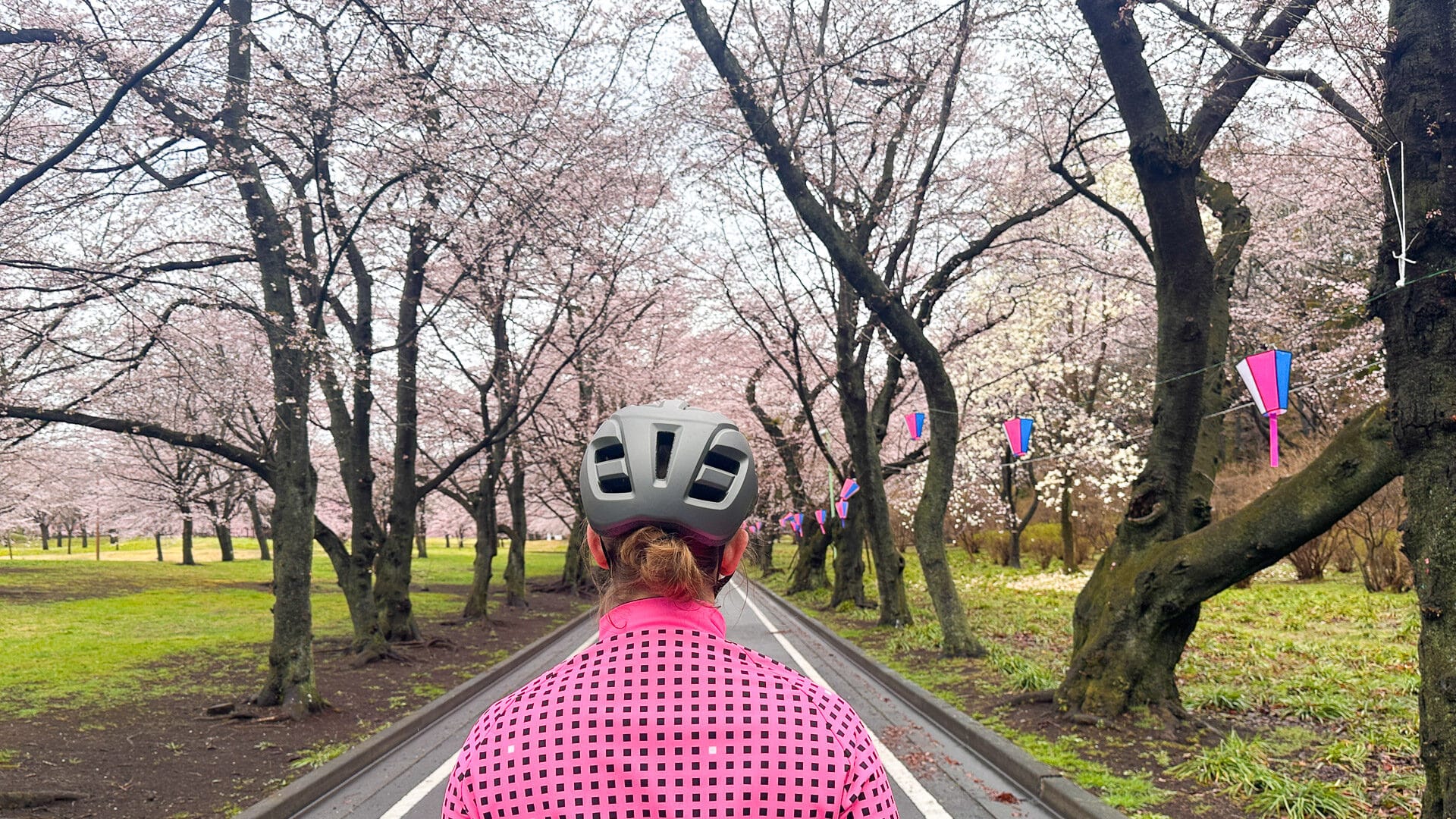
Cycling in Japan is a special experience. The country boasts an intricate web of (typically) well-surfaced and orderly roads, drivers are usually considerate, and daily life has a quiet rhythm that you notice straight away.
However, Japanese culture and food can feel very different to what you might be used to at home. This is a huge part of the charm, but it’s good to be prepared.
The key is not only route planning. It is understanding how to move through the country respectfully and with as little friction as possible. The more prepared you are, the easier it becomes to enjoy the riding, the food, the scenery and the sense of discovery that makes a bike trip here feel so memorable.
We visited Japan in March 2026. Here are my top tips to help you have an amazing time.
Want to find out where we rode and get the lowdown? Read the rest of our articles on cycling in Japan, including our in-depth destination guide, 6-day itinerary and guide to planning a bike tour on the Shimanami Kaido cycling route.

Clare Dewey is a cyclist with a passion for travel. She set up epicroadrides.com in 2018 to help make it easy for cyclists to explore the world by bike. Today her mission is still inspiring cyclists to discover new places on two wheels - and doing what she can to make sure they have the best possible time while they're there. Clare has visited 50+ destinations around the world, many of them by bike.
Want to connect with Clare? Find her over on LinkedIn.
Always check current travel information and advice. For visitors from the UK, the UK government travel information pages are here.
1. Respect and quiet matter
One of the most useful things to understand before a cycling trip in Japan is the value placed on quiet. In practical terms, that means keeping noise to a minimum and showing patience around other road users. If you come up behind pedestrians, do not assume you should ring your bell to move them aside. It is usually better to slow down, wait for space and pass calmly when it feels natural.
This quieter, more patient approach tends to fit local expectations well, especially when riding on shared spaces such as a bike path, cultural sites or sacred trails.
This may feel odd if you are used to a more assertive cycling culture. In Japan, a calm approach often goes a long way. Riding quietly, speaking softly and avoiding unnecessary fuss usually makes everyday interactions feel easier.
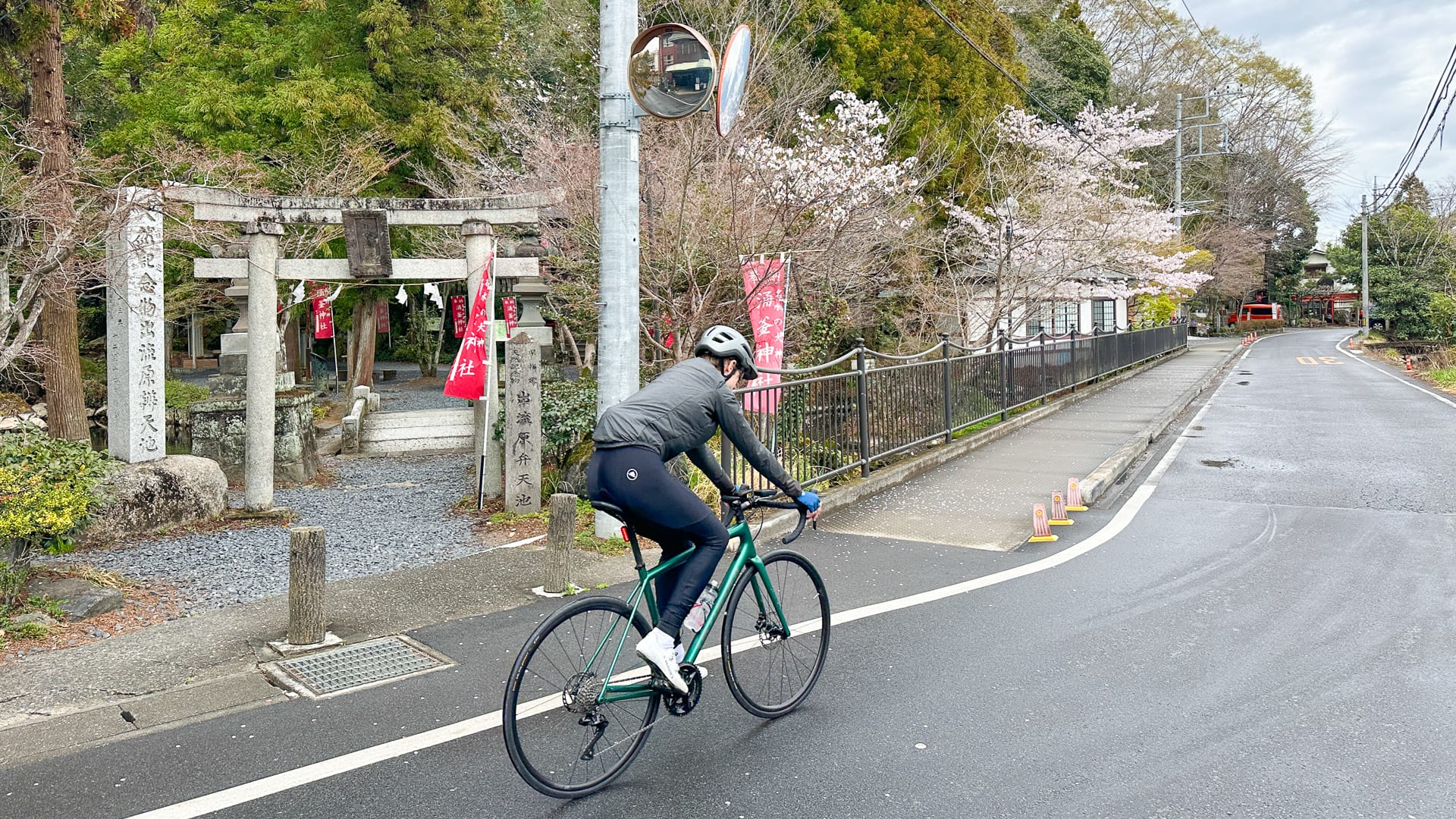
Passing a traditional shrine on a quiet road between Nikko and Ashikaga
2. Think carefully about bringing your own bike
Many riders instinctively want to bring their own bike, and sometimes that will be the right choice. But in Japan, it is worth thinking through the practicalities before committing to that plan – how much riding will you do? Is it easier to hire? Will you be able to get decent bike hire?
Train travel can be one of the main sticking points. On the Tokaido, Sanyo and Kyushu Shinkansen, baggage measuring more than 160 centimetres in total dimensions and up to 250 centimetres requires a reserved seat with oversized baggage space. Anything above 250 centimetres is not allowed on board. That is a strong reason to think carefully before assuming a standard bike case will be easy to manage.
However, bikes can often be sent within Japan using delivery services, and many railway companies also allow bicycles on trains only if the front wheel is removed and the whole bike is placed in a special bag (more on that below).
For some riders, bringing their own bike will still be worth it, but in Japan it is not automatically the easiest solution.
If you’re joining a guided tour, check what bikes the tour operator provides. Many offer high-quality rental bikes, which can be a simpler option than bringing your own. On our bike trip with Rindo Bike Tour Japan, we used their high quality Specialized bikes (more details in this article). On the Shimanami Kaido, we hired from Giant (more details in this article).
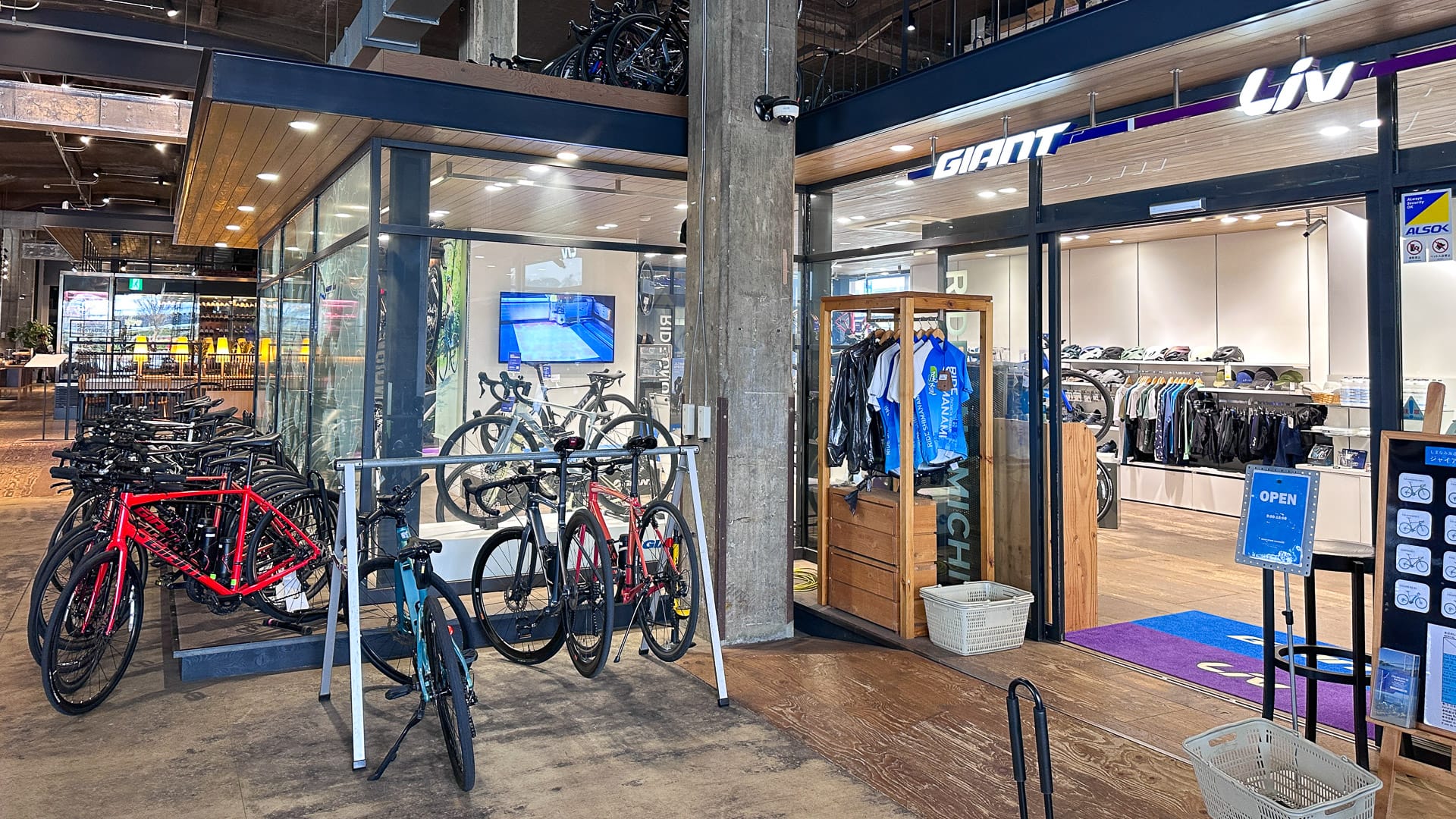
Giant bike rental in Onomichi (conveniently located inside Hotel U2 complex, where we stayed)
3. If you do bring your own bike, learn about rinkō bags
If you decide to bring your bike to Japan, a very Japan-specific tip is to understand rinkō. This is the practice of partially dismantling your bike, putting it in a dedicated bag and carrying it as luggage on public transport. It can make train travel much more manageable if your itinerary mixes riding with rail travel.
In practical terms, a rinkō bag can be far easier than trying to wrestle a large bike box through stations, gates and platforms or work out the logistics of luggage transfer. It also fits much better with the way many Japanese rail operators expect bikes to be carried.
4. Pack light
I am terrible at packing light, but Japan definitely rewards a lighter approach to packing.
You’re likely to find yourself using bullet trains, staying in compact hotels or inns, and moving between places more often than expected. A smaller load makes station transfers easier, reduces the hassle of stairs and platforms, and leaves more room for the things you really need on the bike. Packing only your most essential, top-quality gear also helps keep things simple and reliable on the road.
We found that many hotels we stayed in had laundry facilities, which also helps reduce the amount of kit you need.
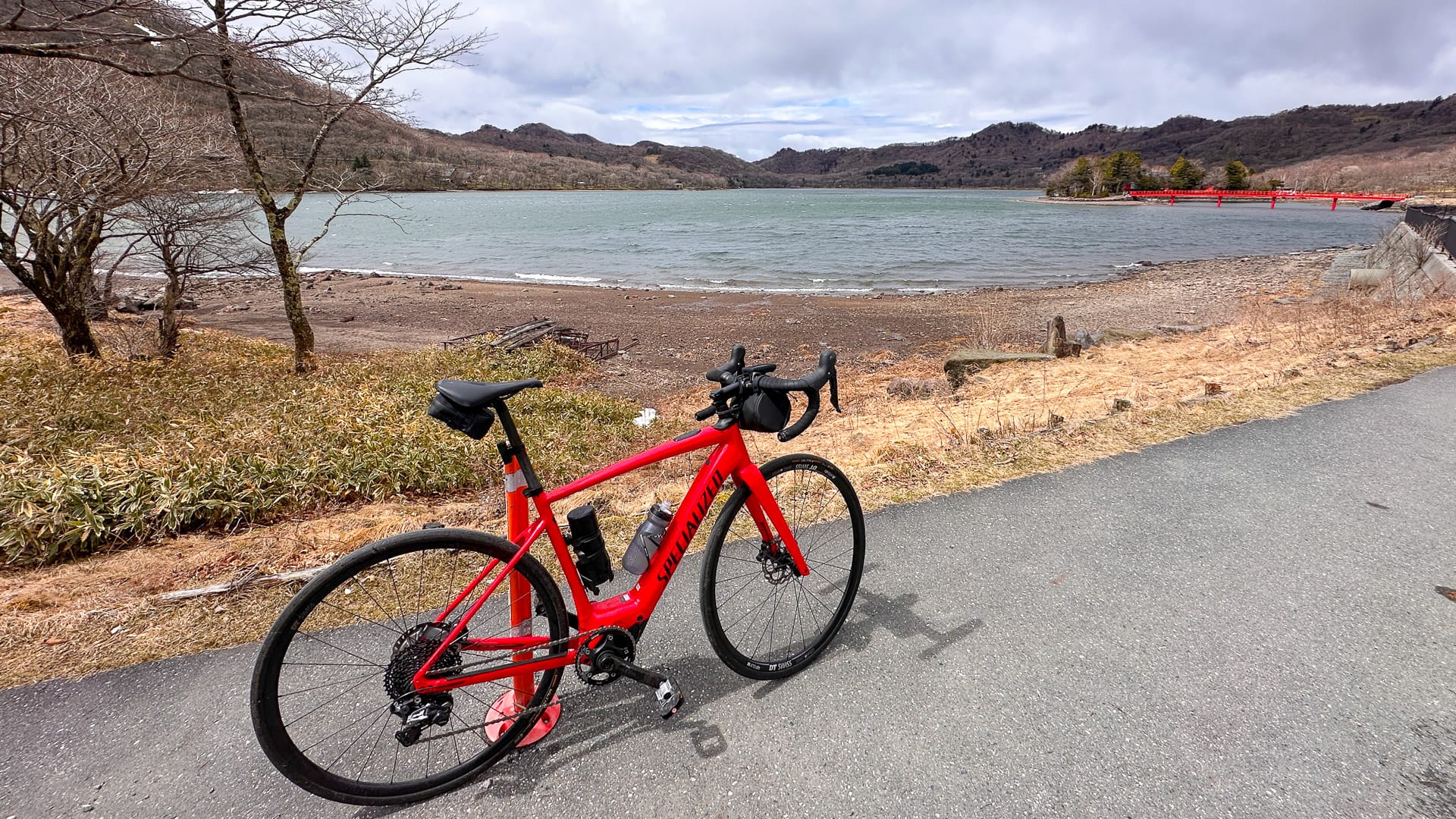
Lake stop near Mount Akagi
5. You won’t go hungry…
Japan’s convenience stores are especially useful for riders. 7-Eleven, Family Mart and Lawson are widespread. Many are open all day and night, and they sell a broad range of meals, snacks and drinks. You’ll find them regularly along most cycling routes. There might be a bit of guessing when it comes to precise flavours, but Google Translate will help you! We developed a particularly soft spot for the fluffy pork buns. They also have microwaves and hot water in the shops, so you can even get a hot meal; amazing.
Convenience stores such as 7-Eleven often provide access to international ATMs, which can be a real help when you need more cash in smaller towns.
Japan is also home to over 5 million vending machines (source). Even in the middle of the countryside, you find them dotted along the road side! We found these were mostly full of drinks rather than snacks, but they’re great if you run low on energy and need a quick, sugary, pick me up. Some machines even vend both hot and cold drinks from the same machine.
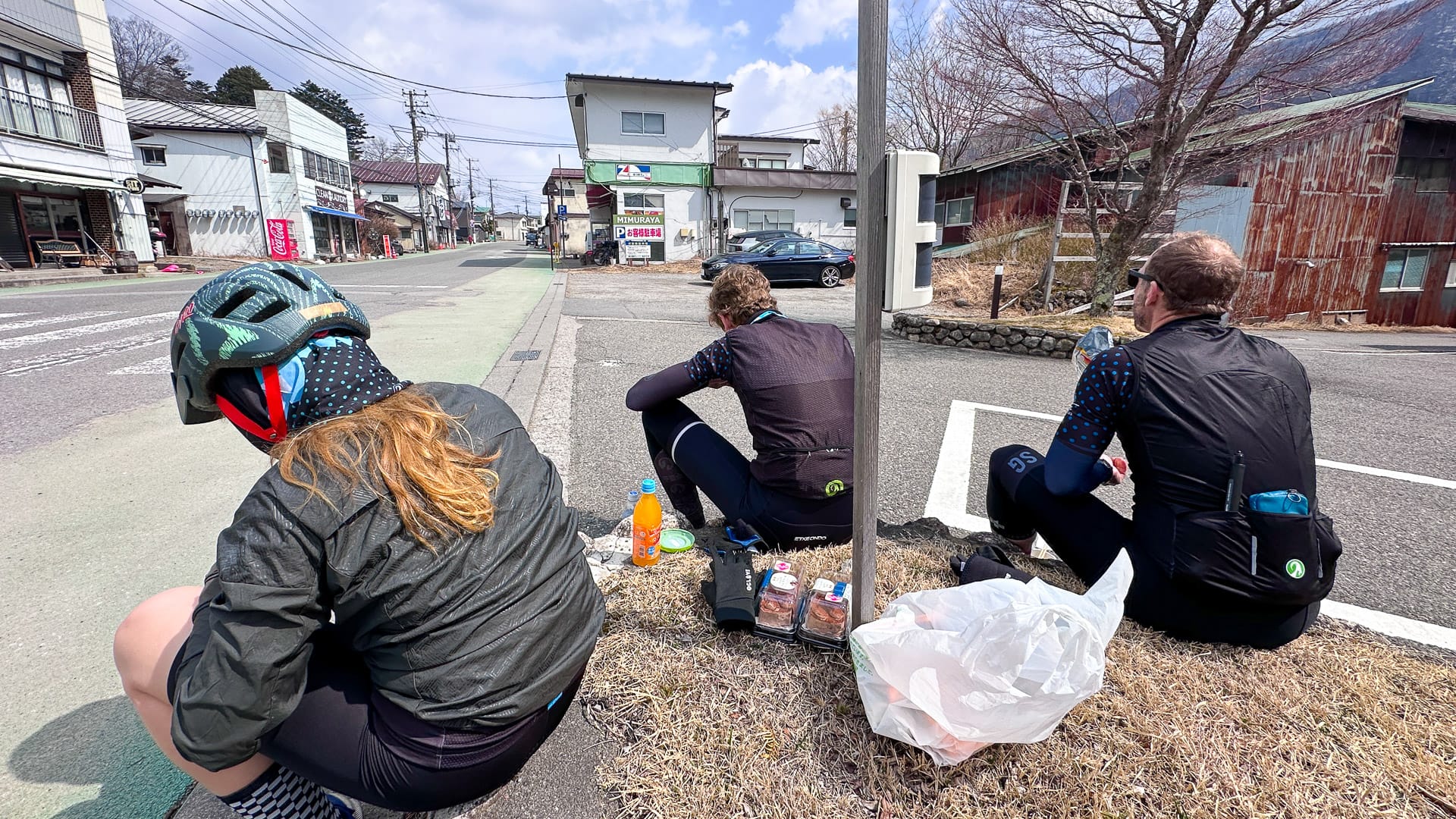
Snack stop on the Nikko Lake Chuzenji cycling loop
6. …unless perhaps you’re vegan!
Vegetarians and vegans are not brilliantly catered for in Japan as it’s not common amongst locals. The main issue is that fish broth (dashi) gets hidden in many sauces and soups.
In large, futuristic cities like Tokyo and Kyoto, you should be able to find plenty of foods, but cycling in rural areas will be trickier. Book ahead with hotels and make sure you have your translation app on hand to check ingredients.
The good news is that tofu is widely available, miso is in many dishes and rice and noodles are common bases for dishes. You’ll still get a strong sense of local flavour and food culture, even if choices are slightly limited.
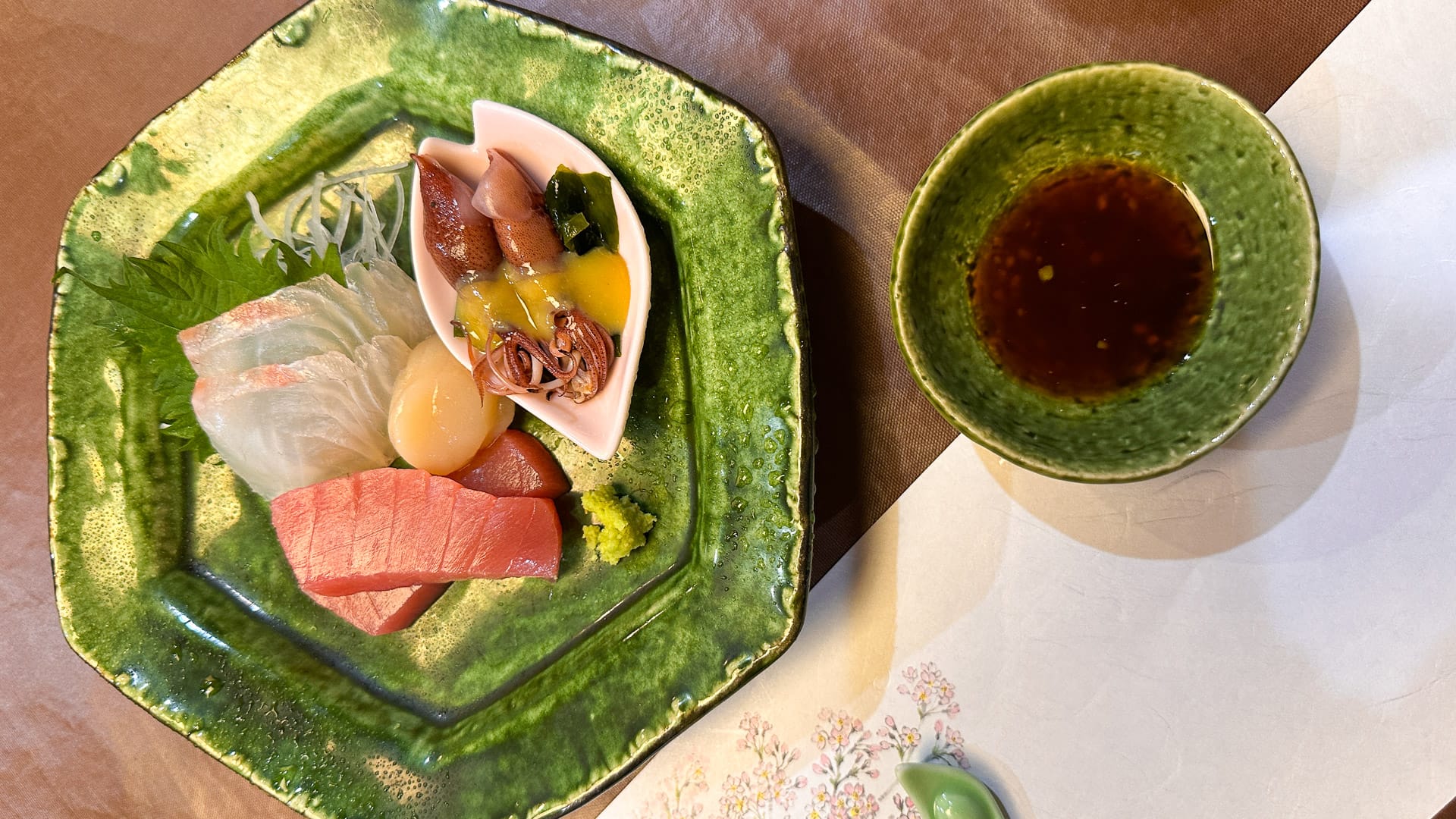
Some of the food we ate in Ashikaga
7. Be ready to carry your rubbish
One small surprise was the lack of public bins. Japan has relatively few public rubbish bins, and travellers are often expected to carry their rubbish with them until they can dispose of it properly, whether that is at a hotel, a station or a suitable convenience store.
For riders, a small zip bag for wrappers, empty bottles or snack packaging can be surprisingly useful. It is a tiny thing, but it can make a day on the bike much tidier and easier.
8. Carry cash and bring a coin purse
Japan is famous for its technological strengths, but on the ground we found it still felt surprisingly cash focused. A considerable number of ATMs do not accept cards issued outside Japan, and we found that cash was essential for smaller businesses and everyday purchases.
It is also worth carrying coins, not just notes. Small payments come up often, and a simple coin purse makes vending machines, convenience stores and quick local purchases much easier to manage.
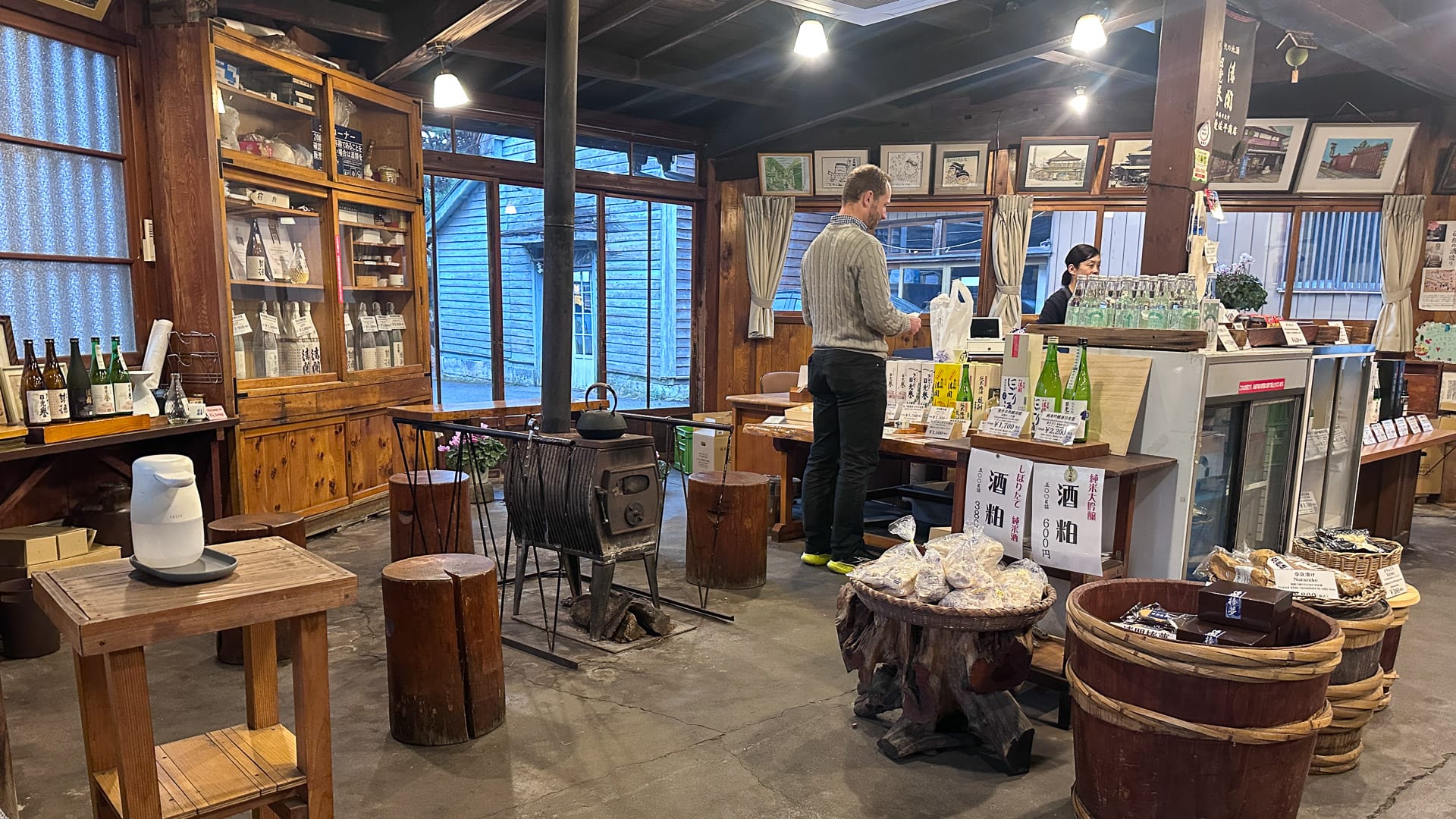
Inside the Watanabe sake brewery
9. Prepare for language barriers
In large cities and major tourist centres, you may find some English support. In particular, it was a relief to find that train station names are written using the English alphabet as well as Japanese characters.
In the countryside of the Kita-Kanto region, north of Tokyo, we found that barely anyone spoke English. But we didn’t find it was a monumental problem. It just means you should make sure you have mobile data so you can use Google Translate when needed. You could also try downloading useful phrases in advance – and it’s a good idea to save accommodation details, route notes and booking confirmations on your phone in case you don’t have data at a critical moment.
Body language helps too. A smile, a pause and a respectful tone can smooth over a surprising amount! If you prefer a smoother experience, riding with a local guide can make communication and logistics much easier (more on our experience with Rindo Bike Tour Japan, here).
10. Learn a few social basics
Japan’s social customs are intricate, but fortunately the Japanese are forgiving of foreigners. That said, there are some basics you should know and try and incorporate in your interactions.
For example, bowing is more common than handshakes, especially in more formal situations. Tipping is generally not expected, so there is usually no need to add extra for service.
You should also be ready to remove your shoes indoors in certain places. Traditional accommodation (including onsen ryokans), some restaurants and other indoor spaces may expect this.
You do not need to get every detail perfect, but a little awareness helps you fit in more naturally and keep locals and tourists on the same side.
11. Try an onsen
After a day on the bike, an onsen can feel like one of the highlights of a trip. We found the warm water, quiet atmosphere and sense of ritual was deeply relaxing, especially after a long ride. Experiencing natural hot spring baths is a key part of a bike tour in Japan.
It helps to know what to expect: onsen bathing is done without clothes and segregated into men and women’s onsens. When you visit an onsen, the usual routine is simple once you know what to expect. First, leave your shoes at the entrance if required, then head to the changing area and undress fully, as people normally bathe naked. Take only a small towel with you. Before getting into the water, wash yourself thoroughly at the shower stations using the stool, shower and soap provided. This part matters, as the baths are for soaking, not washing. Once you are clean, step into the bath quietly and relax. Keep your towel out of the water, speak softly and take your time. Afterwards, dry off a little before returning to the changing room so you do not drip everywhere.
Tattoos can be an issue, with some onsens asking guests to cover them and others reserving the right to refuse entry if tattoos are visible. Policies vary, so if you have a tattoo, it is worth checking ahead rather than assuming.
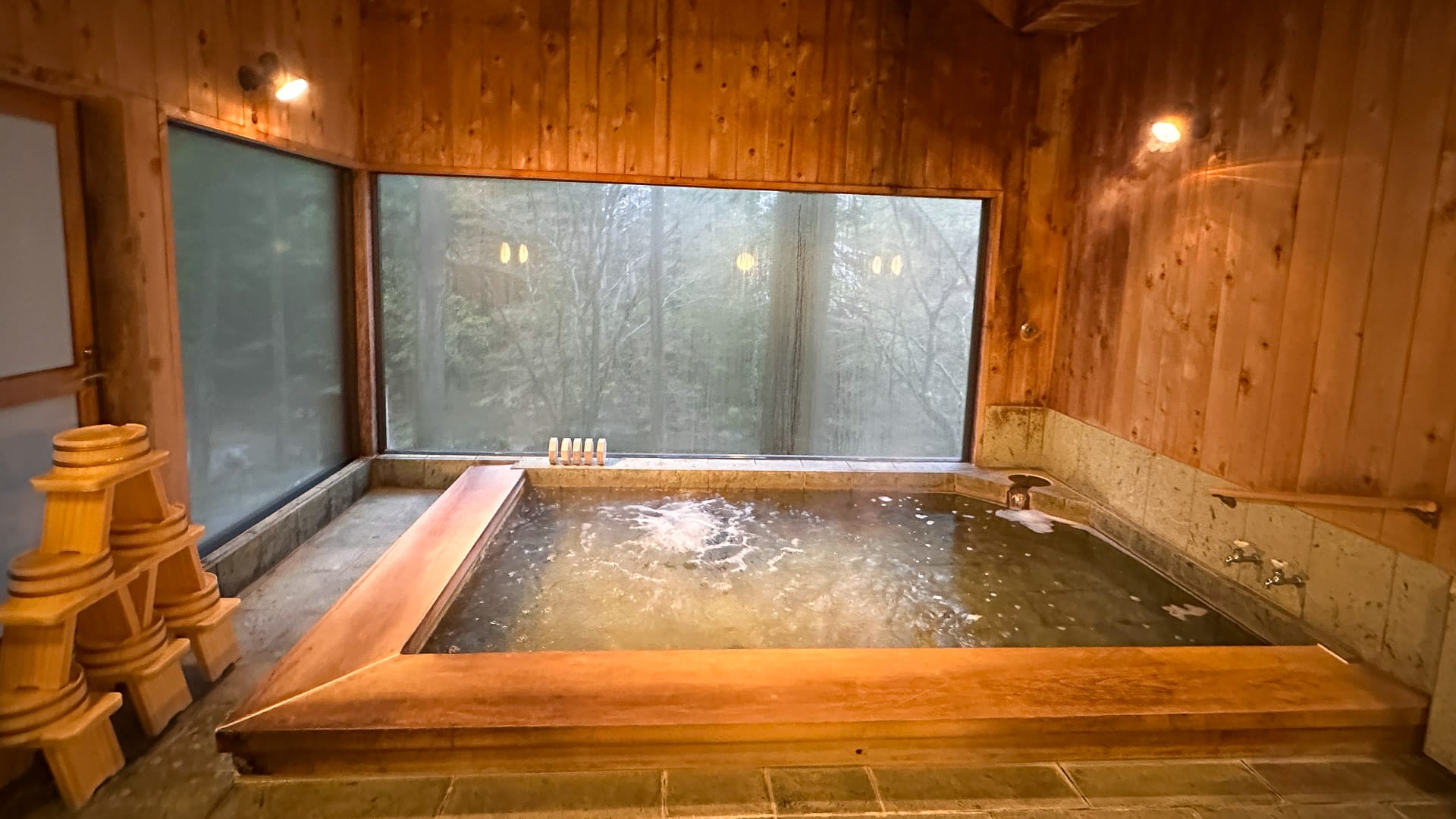
Traditional onsens are a big part of the experience
12. Know the rules of the road
Before you start riding, make sure you understand the basics of road behaviour in Japan.
The starting point is that you ride on the left. It is also worth learning the Japanese stop sign so it stands out immediately when you see it – and you do actually need to stop at these.
There are quite a few rules to know and do familiarise yourself with these – the police here do issue fines for non compliance (source).
In better news, we found drivers respectful and patient, and the overall road culture can feel considerate. Even so, it is still important to stay alert, especially in unfamiliar places.
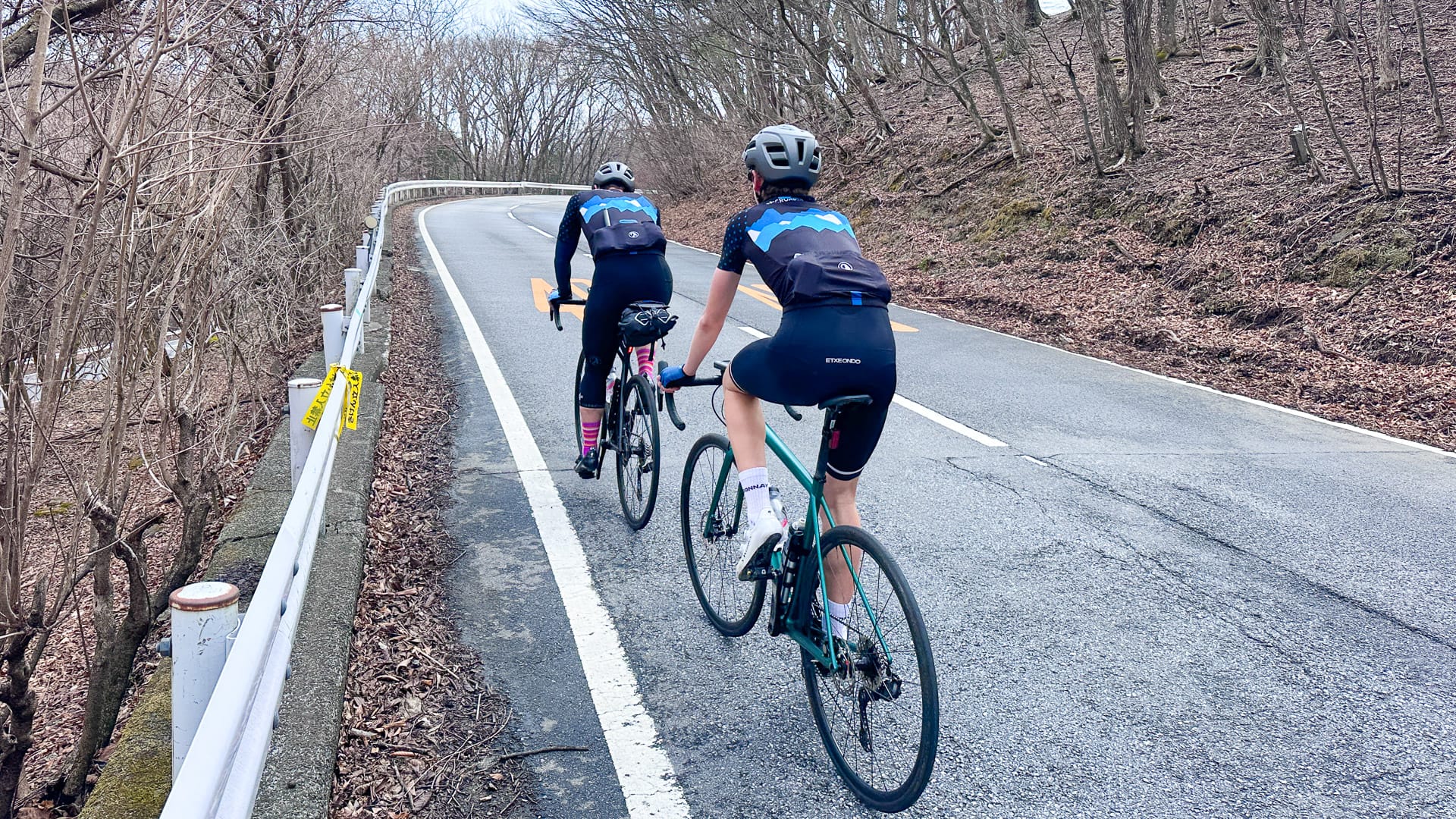
Climb to Lake Chuzenji, near Nikko
13. Remote forest roads need extra care
If your cycling route includes remote rindō forest roads, expect a more variable surface and a less polished cycling experience. These roads can be wonderful to ride, with a real sense of getting away from it all, but they are not always neat or predictable. They don’t get lots of traffic and so don’t expect them to be swept or for the asphalt to be uniformly perfect.
Debris such as leaves, twigs and small branches can be common, especially after bad weather or in quieter areas. That does not mean you should avoid these roads. It just means you should approach them with the right expectations and stay cautious on descents.
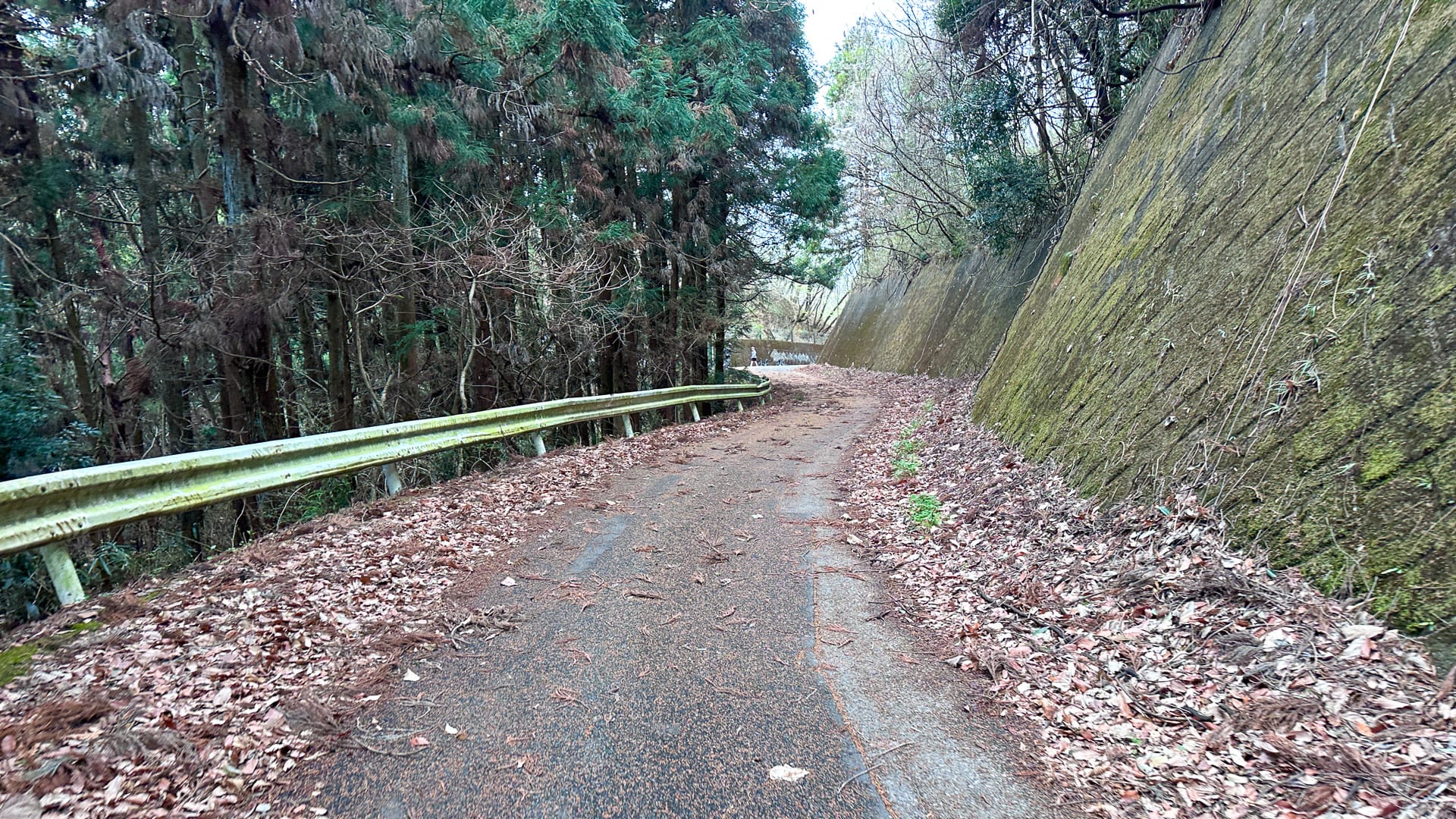
Rindo roads aren’t always perfectly swept
14. Be a little more self-sufficient than usual
You’ll find a cycling trip in Japan will be easier if you are able to solve small problems yourself – and if you are heading into rural areas, basic bike mechanic skills are especially useful. At the very least, you should be comfortable fixing a puncture and making minor adjustments.
As with a trip anywhere, the key thing is to reduce reliance on bike shops when you may be far from one. In Japan the added nuance is that the language barrier is also likely to make technical help harder to access quickly. A little mechanical confidence brings more freedom and makes it easier to keep the trip moving.
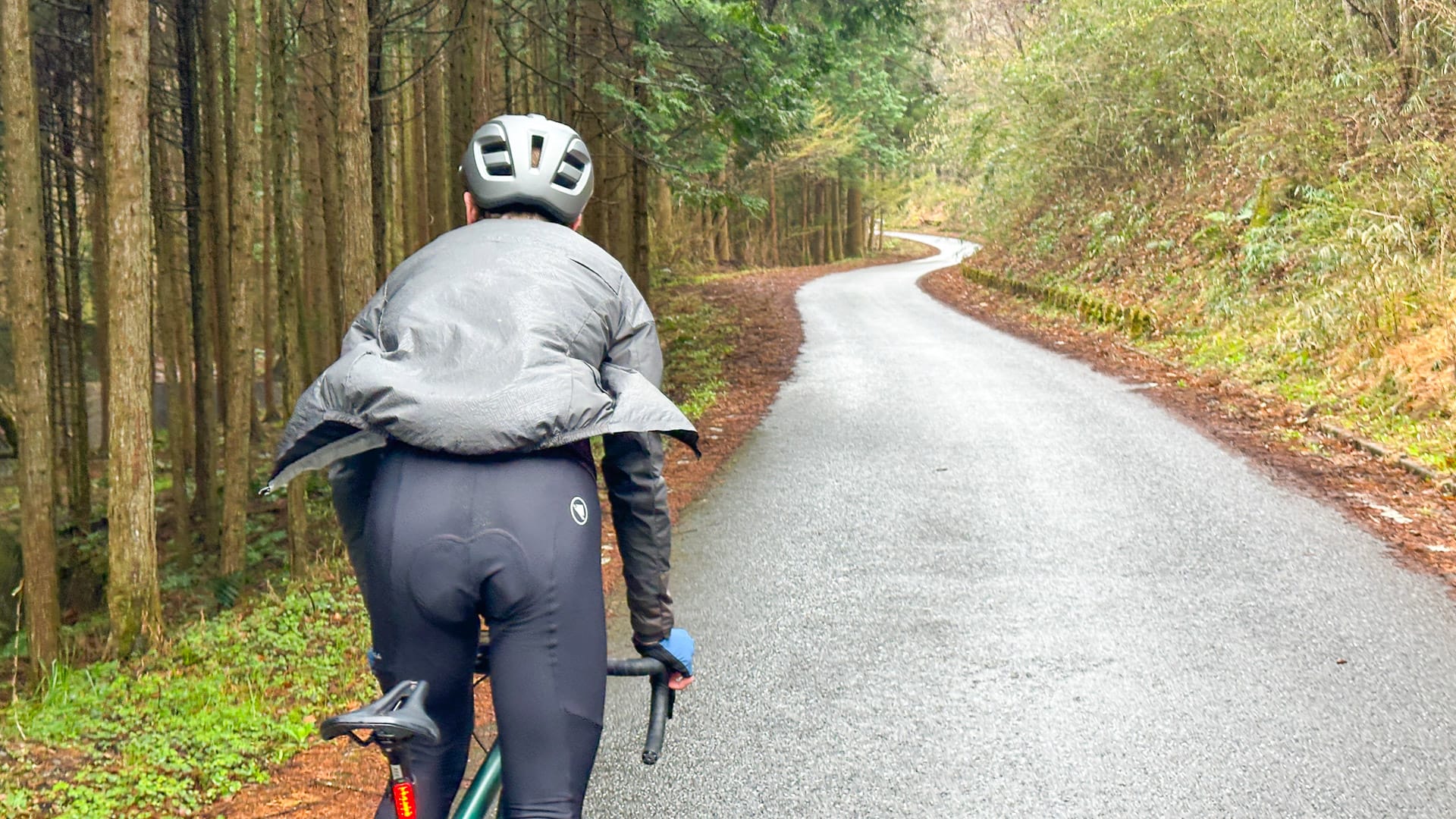
Scenic loop ride in Ashikaga
Final thoughts
We loved bike touring in Japan. The roads, landscapes, food and local experiences can make even an ordinary day feel memorable.
The key is to arrive with the right expectations. Travel light. Carry cash and a few coins. Be ready for limited English. Learn the road basics. Ride patiently and quietly. Know how trains handle bikes and oversized baggage. Bring enough mechanical confidence to handle the simple things. Do that, and many parts of the trip become much easier.
Whether you’re riding the Shimanami Kaido, exploring the Japanese Alps, visiting Mount Fuji or planning a self guided cycling tour itinerary through Nikko National Park, preparation makes all the difference.
Want to read more about cycling in Japan?
Check out these Epic Road Rides guides to help plan your adventure:
- Cycling Japan, our central hub page for the country
- Self guided cycling tours in Japan: what you need to know before you book
- Planning a Shimanami Kaido bike tour, for tips on riding Japan’s Setouchi Sea region
- Shimanami Kaido cycling route FAQs, with answers to common questions before you ride
- Shimanami Kaido cycling route, for tips on riding Japan’s most famous cycling route
- 8 of the best cycling holiday destinations in the world 2026 for more inspiration
- Northern Vietnam, for more inspiration in East Asia
- Cycling holidays in Autumn, for the best places to cycle September + October
- 22 best cycling documentaries (that every serious cyclist should watch)
Let us know in the comments if you’ve got tips to add or questions about planning your Japan cycling holiday. Read on and plan your next cycling adventure!
Please support Epic Road Rides
A huge amount of time and effort goes into the article you’ve just read, all with the aim of helping you!
If you found what you’ve read useful, I’d really appreciate it if you dropped something in the tip jar here.
It’s a way you can say thank you and help us carry on creating top quality content with no annoying ads and no pay wall.
Got a question for Clare?
Fill out this form and we will send it to Clare. We aim to get you an answer within 24 hours where possible!Clare Dewey is a cyclist with a passion for travel. She set up epicroadrides.com in 2018 to help make it easy for cyclists to explore the world by bike. Today her mission is still inspiring cyclists to discover new places on two wheels - and doing what she can to make sure they have the best possible time while they're there. Clare has visited 50+ destinations around the world, many of them by bike.
Want to connect with Clare? Find her over on LinkedIn.
First Published: 05 May 2026
The contents of this website are provided for general information purposes only. It is not intended to amount to advice and you should not rely on it. You should carry out your own due diligence and risk assessments and take professional advice. Views expressed by interviewees or other users of this website do not necessarily represent our views. We make no representations, warranties or guarantees, whether express or implied, that the content on our website is accurate, complete or up to date. If you use any information or content on this website, download from, or otherwise obtain content or services through our website, it is entirely at your own discretion and risk. Epic Road Rides Ltd disclaims all liability and responsibility arising from any reliance placed on the information and content on this website. Find out more here.
Comments