
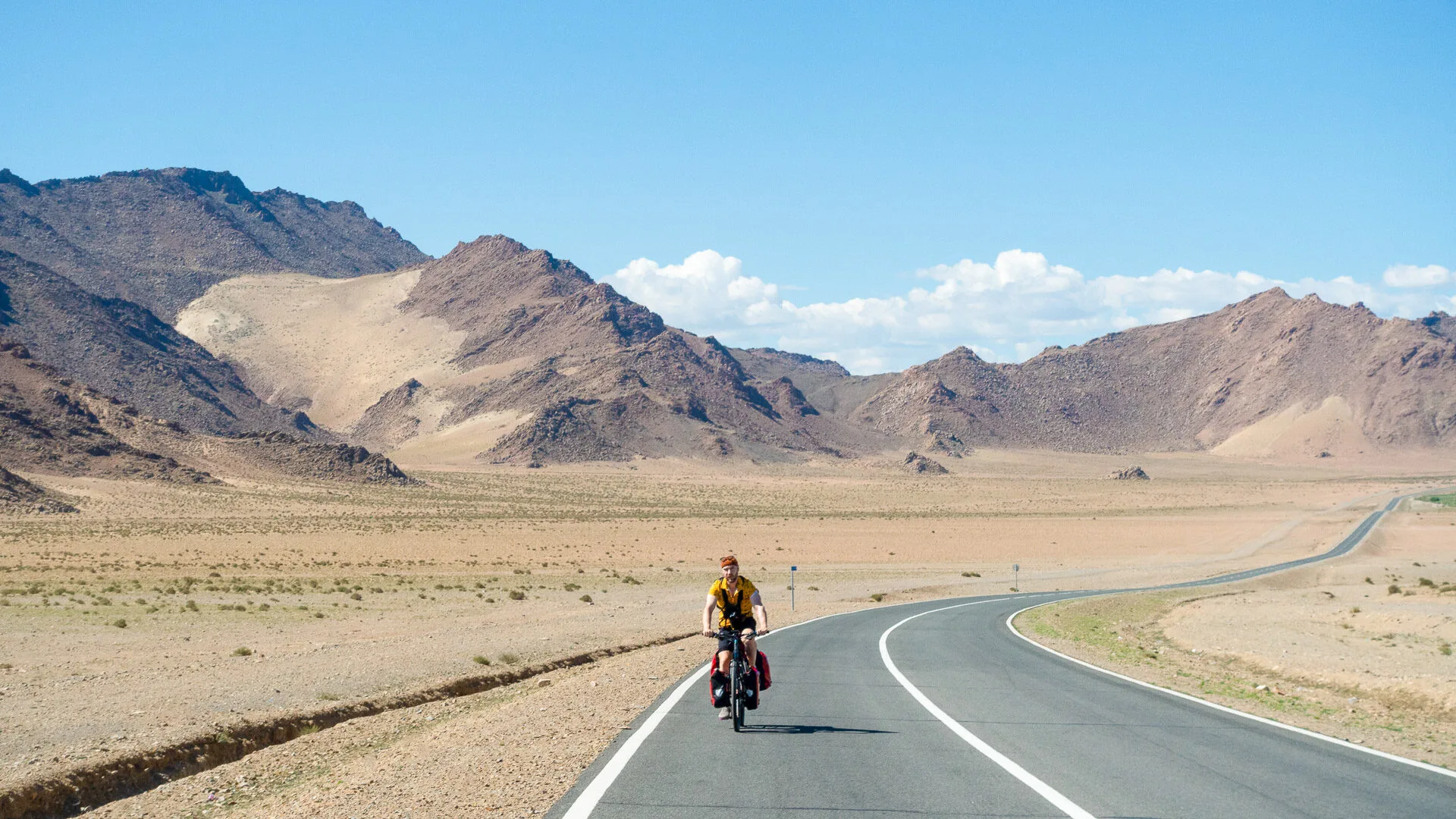
Knowing what to eat and drink when cycling long distances can make the difference between finishing strongly and running out of energy. Any cyclist with an endurance goal needs to understand the basics of endurance cycling nutrition and more specifically, what to eat and drink before, during and after cycling long distances.
Dealing with the dreaded “bonk” or an upset stomach are not something any cyclist wants to face – and they’re usually caused by poor nutritional planning and fuelling.
Epic Road Rides’ community manager Bas Kragt helped shape this article. Among other long-distance cycling achievements, he has completed multiple series of brevets, including 200, 300, 400 and 600 kilometre rides, several Super Randonnées of 600 kilometres with more than 10,000 metres of climbing, and Paris-Brest-Paris, a 1,200 kilometre randonnée, in 2019. He also used to organise Korea Randonneurs and is the founder of Mongolia Randonneurs.
Bas Kragt is a passionate advocate for cycling in South Korea. Originally from the Netherlands - a country where cycling is part of everyday life - he has been based in and around Busan since 2017, exploring the country’s varied terrain on two wheels.
He plays an active role in South Korea’s cycling community, helping to organise events with the Korean Audax Federation (Korea Randonneurs). He also founded Routes Busan, a platform aimed at improving cycling safety and quality in the region, and supports visiting cyclists and expats through the Korea Cycling Community Facebook group.
With his deep local knowledge and enthusiasm for every aspect of the cycling world, Bas is passionate about helping others experience South Korea’s incredible cycling potential – from quiet coastal roads to challenging mountain climbs.
You might also recognise Bas from our social media community, as Bas supports Epic Road Rides with this.
(Photo credit: Garett L. Smith)
Always check current travel information and advice. For visitors from the UK, the UK government travel information pages are here.
How to create your own long distance cycling nutrition strategy?
What is a long-distance ride (for these purposes)?
If you’re cycling for less than 60-90 minutes, endurance nutrition is not something you need to put too much thought too.
However, once you start cycling upwards of a couple of hours, picking the right things to eat and drink on the bike come into play.
For some, a long distance ride might be three hours. For others it might be upwards of five hours. Either way, if you’re riding for these kinds of periods, it’s important to plan and make sure you’re eating the best food for endurance cycling.
Why you need a cycling nutrition strategy?
If you don’t take on board enough food and drink to fuel yourself properly throughout a long ride, it’s unlikely you’ll achieve optimal performance. You’ll probably run out of energy at some stage (commonly known amongst cyclists as hitting the wall or bonking) and may not even get to finish your ride.
Your body stores carbohydrate as glycogen in the muscles and liver. During long or hard rides, these stores can run low unless you top them up with carbohydrate. Much like a car, your body only has a certain amount of energy stored in the form of glycogen. Without regular topping up of these stores, you will be left pedalling through what feels like treacle, exhausted and completely out of energy.
Along with achieving your nutritional goals for a long day in the saddle, making sure you are drinking enough is incredibly important. Hydration is also crucial. British Cycling describes hydration as “core to any nutrition strategy” and notes that riders are more susceptible to suffering in the heat when dehydrated. Not drinking enough can also make recovery take longer and leave you feeling unwell.
While you’re unlikely to stray into the latter territory, even if you’re mildly-to-moderately dehydrated when you ride, you might notice symptoms such as a dry mouth or losing the ability to concentrate properly.
Include key nutrients
Endurance cycling food should focus on carbohydrates as the primary source of energy for cyclists. This means things like sweet potato, pasta, porridge and rice.
Protein and fats are the two other macronutrients to consider. Protein-rich foods include eggs, dairy, lean meat, fish, beans, lentils, tofu and tempeh. Healthy fats include nuts, seeds, olive oil, avocado and oily fish. A little bit of protein can assist with muscle repair and fats are a great way to get calories in. However, proteins and fats should not be the sole focus when out on the bike because they digest more slowly than carbohydrate.
Of course, water is also vital.
Most people use a combination of regular, non-cycling specific food, plus cycling specific bars, gels and drinks. We will get into exactly which products to eat and drink while cycling long distances later in this article.
Plan and practise
What makes fuelling so tricky is what works for one person is likely not going to work for another. This makes it important to plan out and practise your nutritional strategy in advance.
What to eat (and drink) before the ride?
The aim before a long ride is to start well fuelled, well hydrated and comfortable. Avoid experimenting with unfamiliar foods on the day of an important ride.
Best food to eat before cycling
Evening before
The idea is to increase the amount of glycogen stored in your muscles and liver to ensure you’re starting the ride with a full tank of energy.
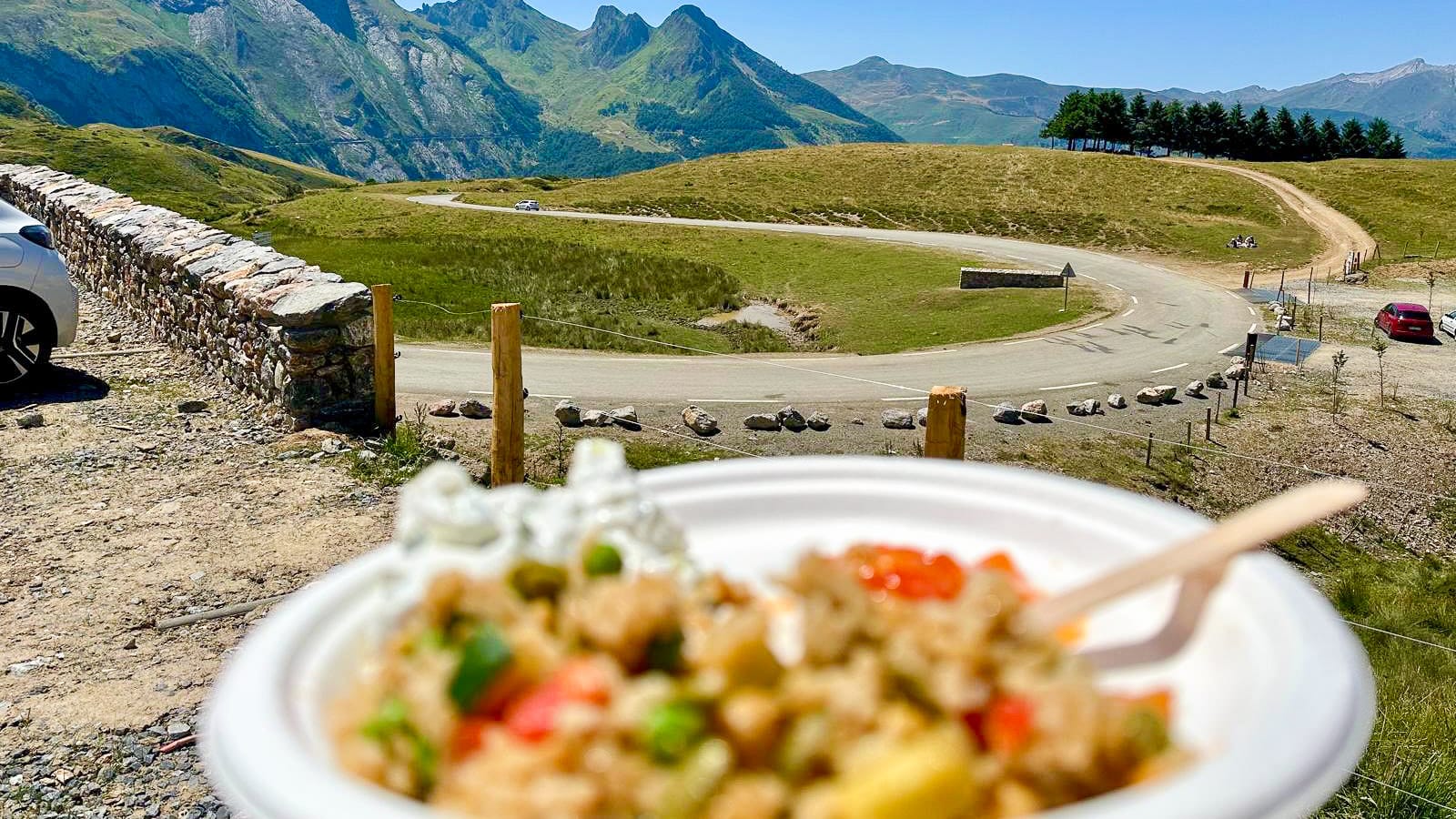
Perceived wisdom is to eat a generous portion of slow-burn, high glycaemic index carbohydrates like pasta, quinoa, wholegrain rice or sweet potato the evening before your ride. Vegetables like broccoli and carrots and lean protein are also good.
You could also consider carbs like rice pudding, cereals and toast – but don’t go mad and over-eat! Stick with the kinds of foods and volumes your body is used to.
Morning meal
On the day of the ride, starting with natural, solid food with long-lasting energy benefits is a good bet. A bowl of porridge or bagels with poached eggs are two of the best foods for cycling energy and provide a great way to kickstart your morning.
Some other good options for foods to eat before cycling could include a banana or peanut butter on wholewheat bread. These foods are digested pretty quickly and will provide long-lasting energy.
Caffeine can help some riders feel more alert and may reduce perceived effort. If you normally drink coffee, it can be part of your pre-ride routine. Just don’t drink it too close to the start of your ride as it’s also a diuretic.
This article has tons more tips on snacks for cycling.
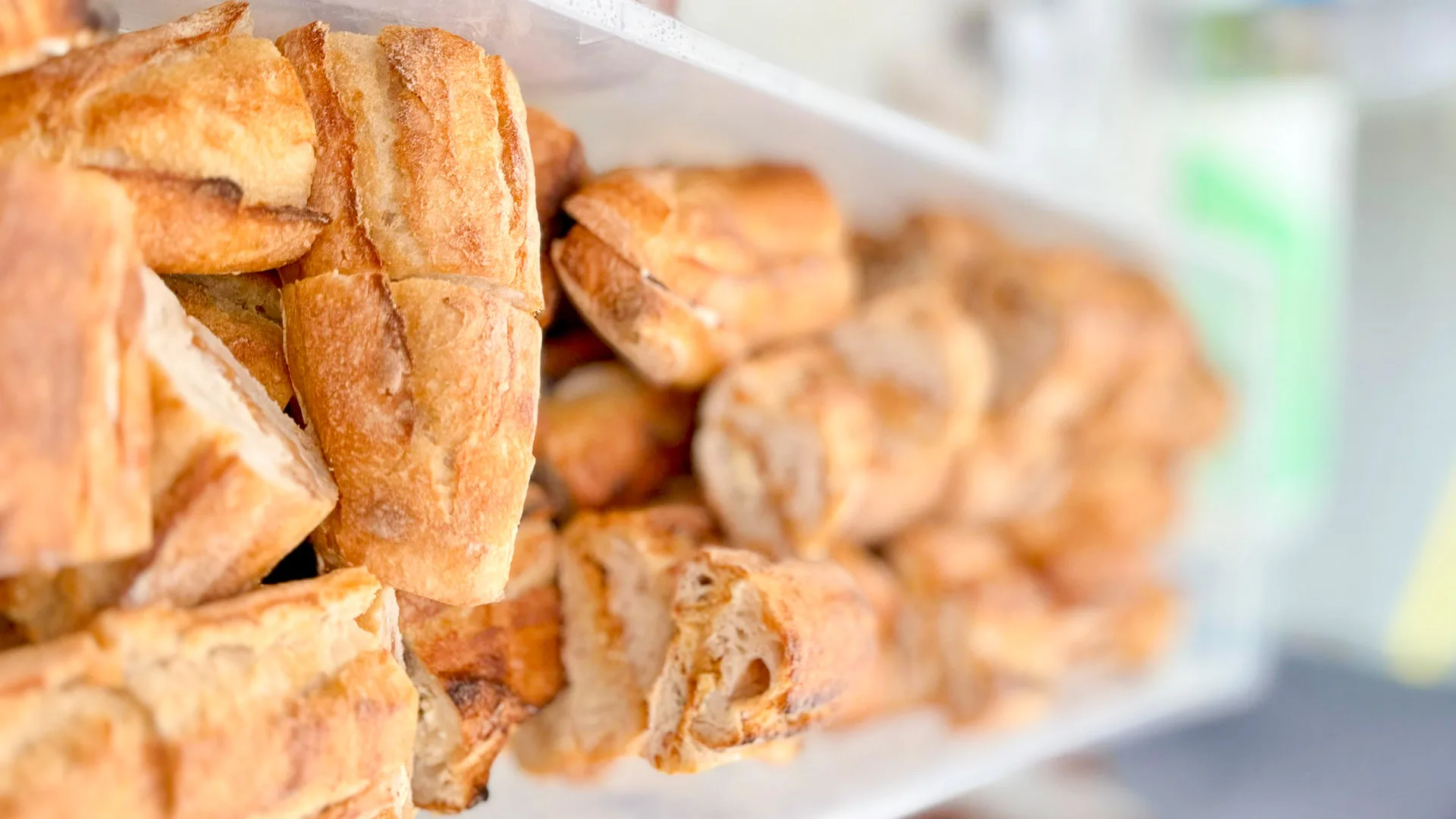
Baguette sandwiches (photo credit: Kate Norris)
Best drinks before cycling
It’s important to be fully hydrated in the days before the big ride. If you’re feeling thirsty it may mean you’re already dehydrated.
However, think in the range of 500-750ml of water over the course of the morning before the ride starts, not drinking litres and litres of fluids. Otherwise you’ll probably still be in the toilets when you should be at the starting line!
Best time to eat and drink before cycling
Aiming to eat your last ‘big’ meal two to three hours before your ride gives plenty of time for the food to digest and not cause any gastrointestinal distress out on the ride.
What to eat (and drink) during the ride?
It’s interesting to know that cyclists can burn anywhere from 2,000 to 7,000 calories per day (it all depends on things like your height, weight and metabolic rate and how much you’re putting into the ride). In any event, it’s quite a lot of calories to replace!
As a rule of thumb, you’re looking at around 600 calories per hour of average-intensity cycling for an average-build male cyclist or around 500 calories for an average-build female cyclist. This cycling calories calculator might be useful. It can give a rough estimate of energy expenditure, but it should not be treated as an exact fuelling target. Most cyclists will not replace every calorie they burn while riding.
However, rather than looking at how many calories to eat per hour cycling, most cyclists concentrate on grams of carbohydrate.
Best food to eat while cycling
60g of carbohydrate per hour is a good rule of thumb to have in mind when deciding on how much to eat for a ride longer than 90 minutes. Some people may need even more than this (up to 90g+, particularly for hard efforts) and some may find this too much, so finding that sweet spot is essential. During training rides consuming different amounts of carbs to work out what works best for you.
Food fatigue or food boredom (i.e. not having the energy or inclination to eat because you’ve eaten so much!) can be a big problem when it comes to eating enough calories, particularly on very long rides. If you think this might be an issue for you, you could always start with a few non-bar options like small sandwiches, flapjacks or dried fruit.
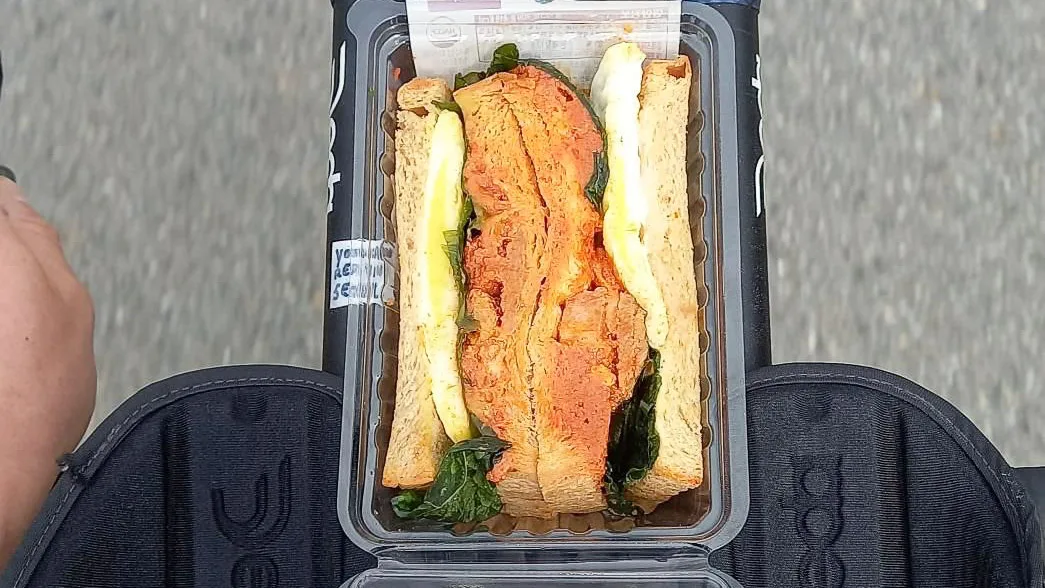
Sandwich secured to the handlebars
Best time to eat during your ride
The best foods for long bike rides are different at different stages of the ride.
First half of your ride
Climbing onto the saddle and clipping into the pedals for a long day such as a 100-mile ride, you ideally want the first half of your ride to be predominantly fuelled by slower releasing forms of carbohydrates to help maintain glycogen storage levels at an even level.
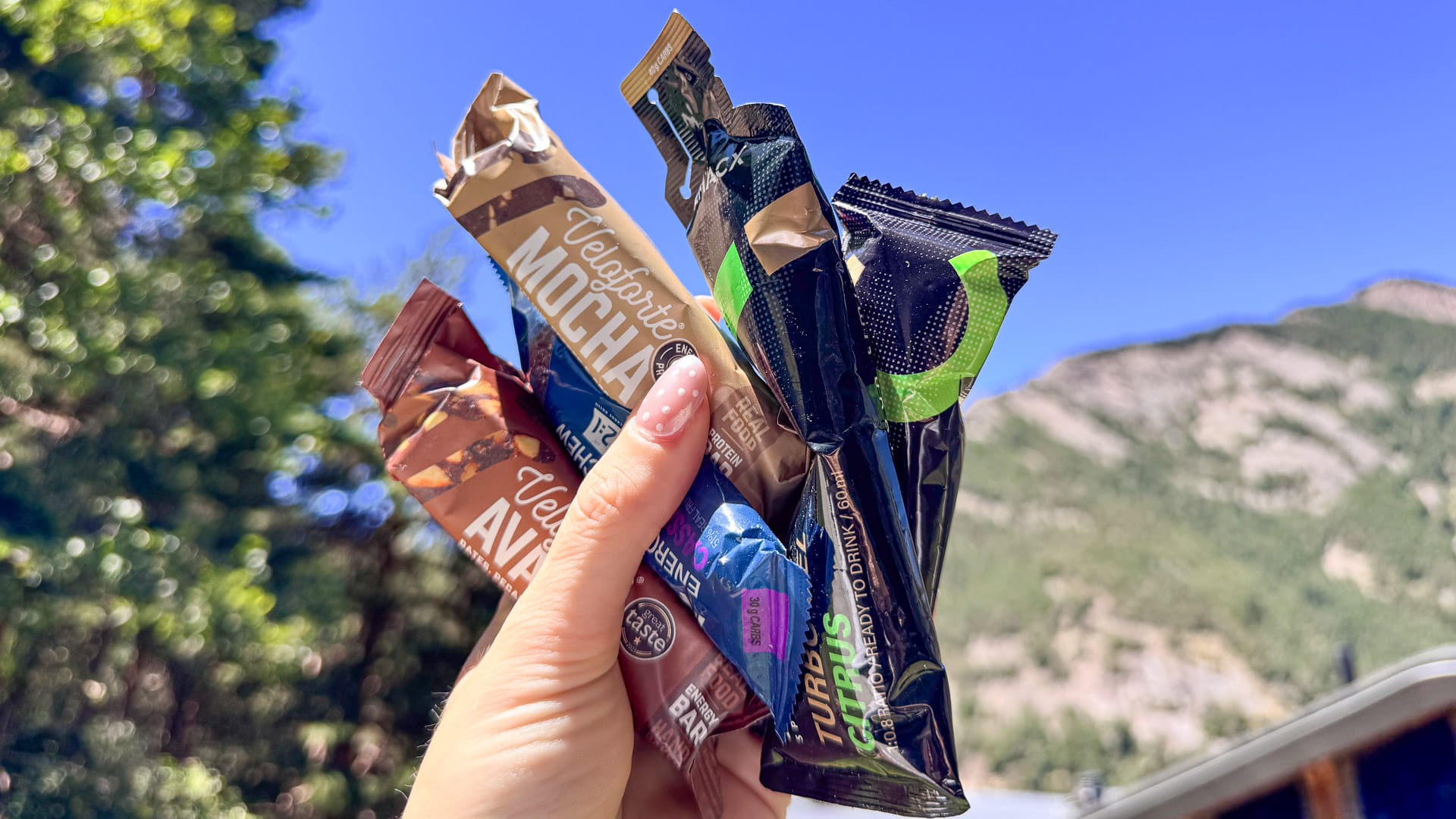
Cycling specific nutrition bars are a great source of fuel during these first few hours of exercise. They can be an excellent source of carbohydrates, making them the perfect cycling nutrition.
Halfway through your ride
From the halfway point on your ride, as energy reserves start to dwindle, you can start to think about opting for slightly faster digesting forms of carbohydrates and digestible cycling snacks.
If gels are not your thing, then consider energy chews, which can be excellent sources for a boost of energy. They should also contain electrolytes to keep your balance making them the perfect long bike ride nutrition option.
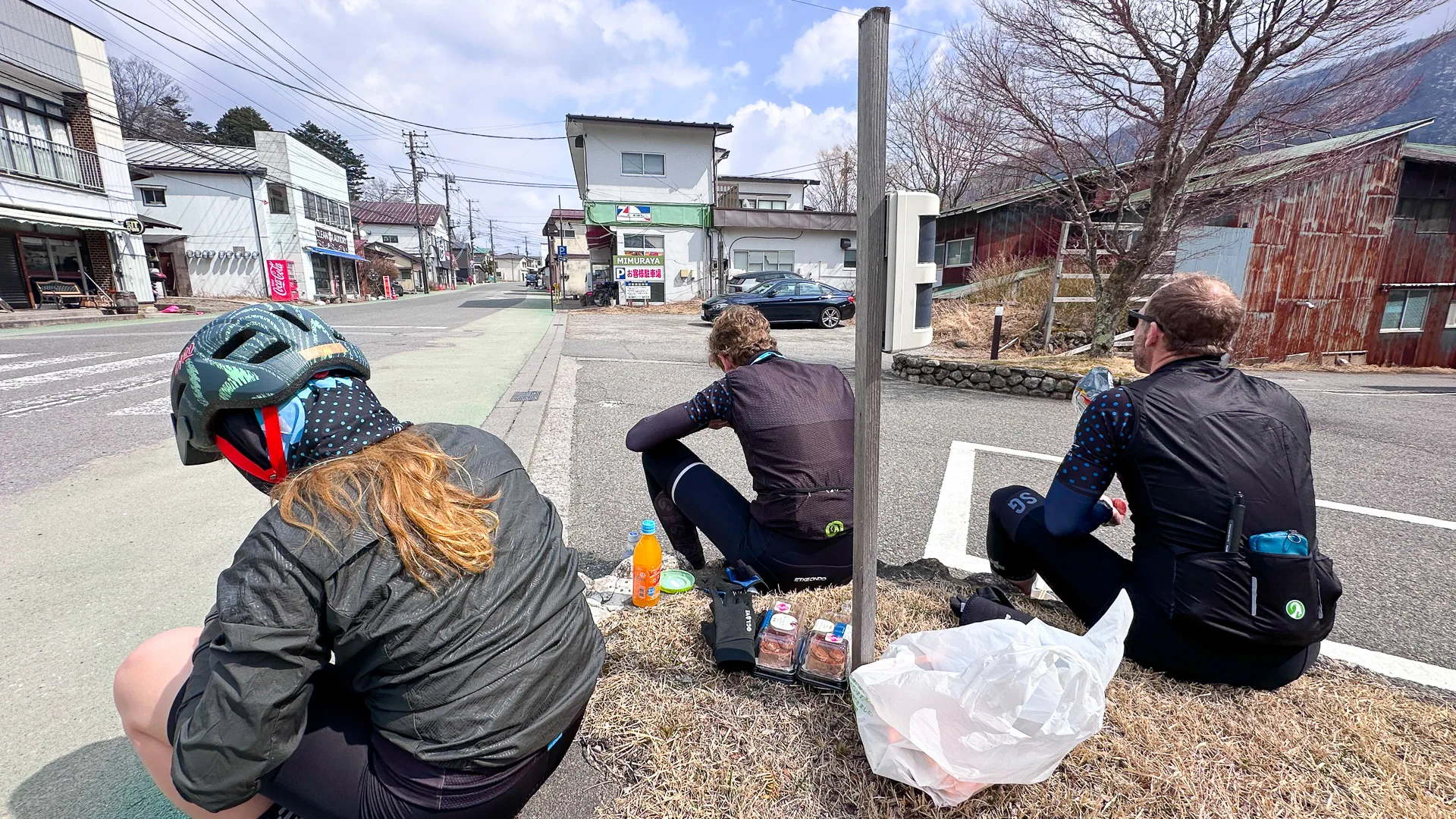
Cyclist enjoying a snack during a bike tour in Japan
Best drinks while cycling
It’s essential to make sure you maintain a good balance of fluids and your electrolyte levels are also kept in check, especially during the summer months when it is hotter. It can be useful to calculate your sweat rate to make sure you replace that water and the electrolytes in it too.
A lot of people steer clear of electrolyte powders as often drinks that are touted as the best energy drinks for long distance cycling contain many artificial ingredients.
Consider drinks designed for long distance cyclists with more natural ingredients instead.
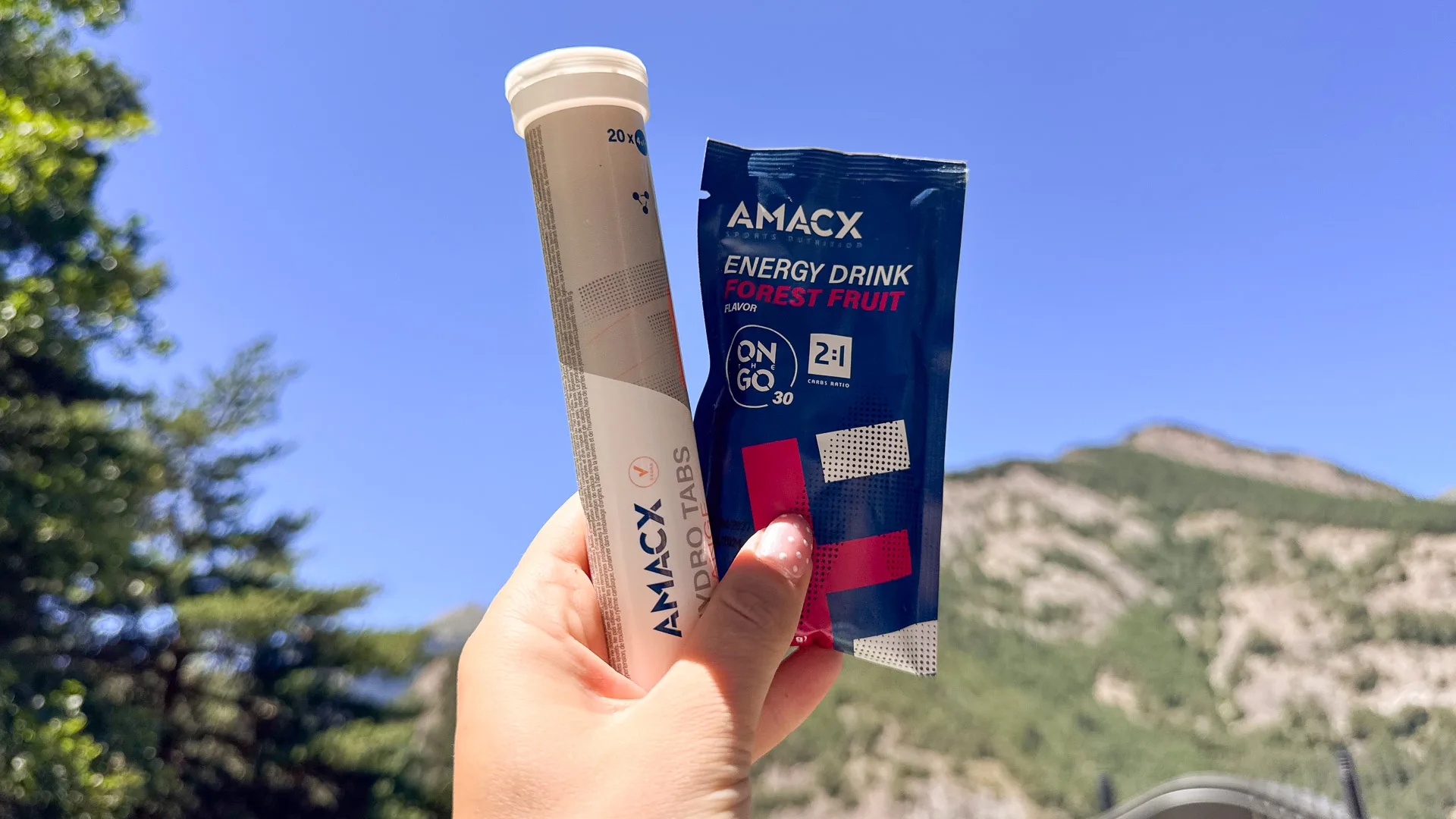
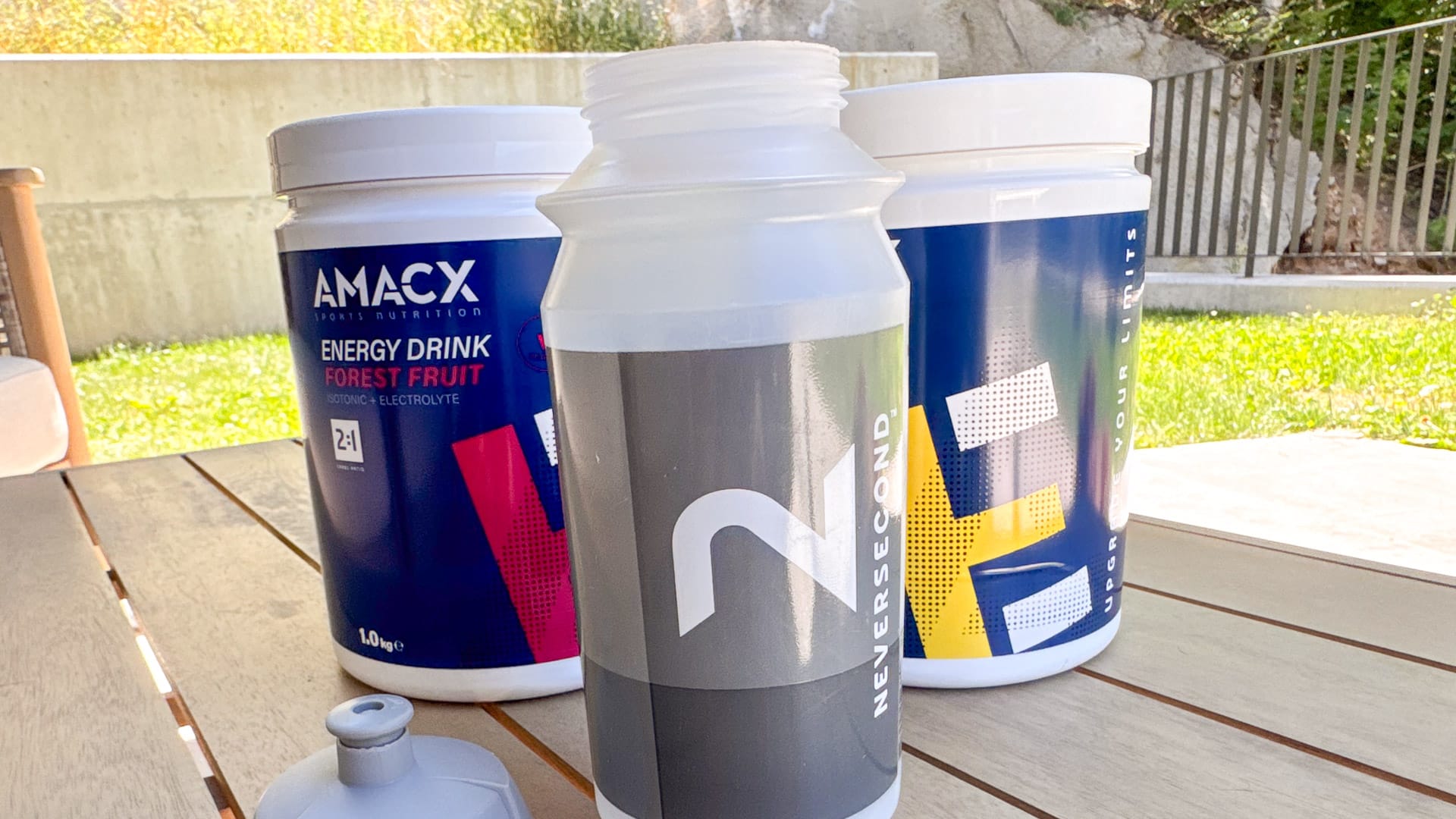
Hydro tabs and energy drink for cycling hydration
Best time to drink during your ride
Little and often is key when it comes to hydration and fluid replenishment; taking regular small sips every 10 to 15 minutes is a great starting point with the aim of consuming around 500 ml of fluids per hour.
The exact amount to aim for will vary from person to person again and even can vary depending on the weather conditions. Some key signs to monitor your hydration status include making sure your urine is a pale straw colour and you are not thirsty as this a telltale sign of dehydration.
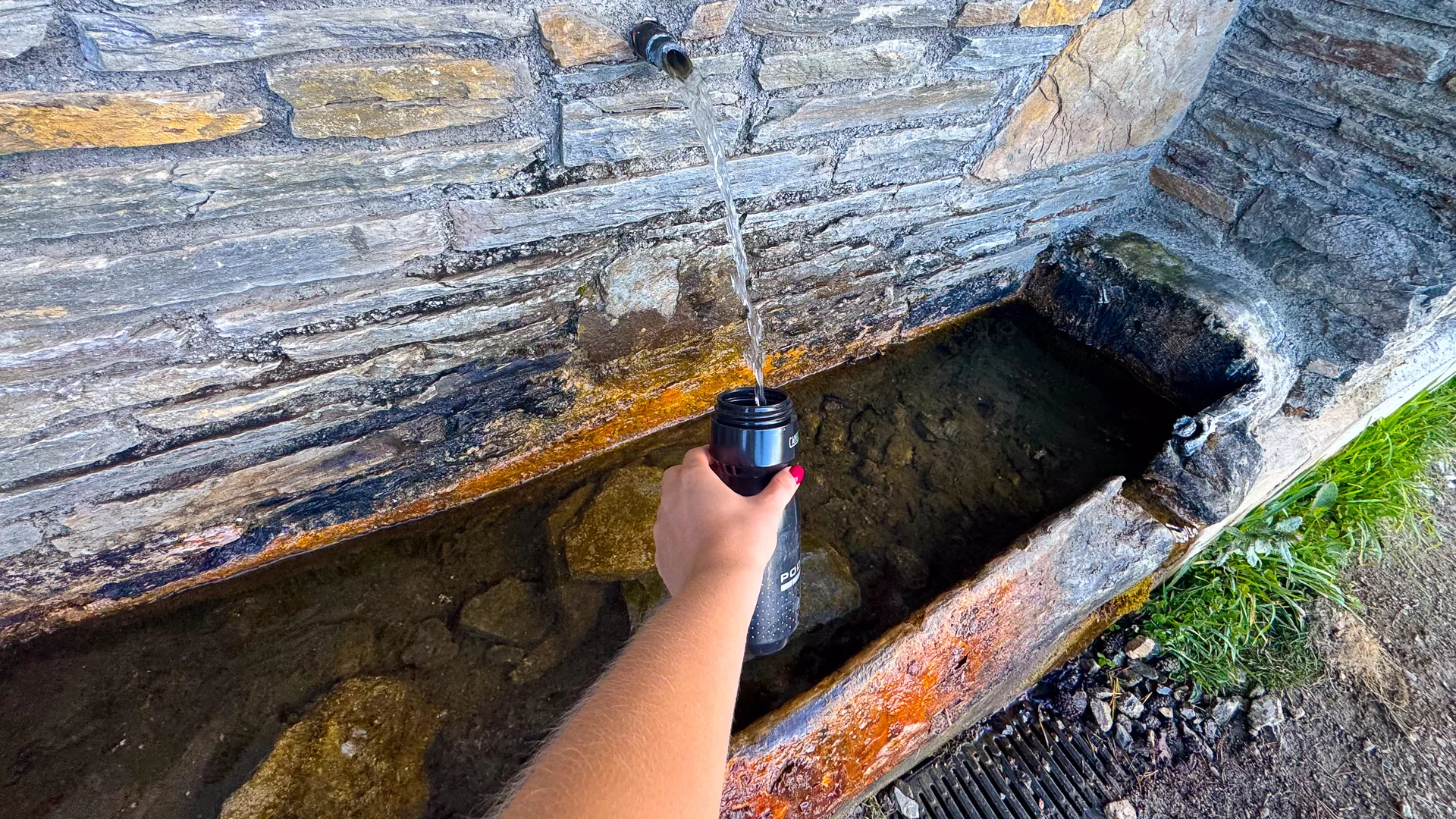
Water fountain
What to eat (and drink) after a long bike ride?
The hard work is done; you can sit back and enjoy telling everyone your stories from the day’s adventure. But getting back out of that seat and waking up the next morning is going to be a struggle if you do not recover properly.
What to eat and drink immediately after the ride
Protein is key for optimal muscle recovery and avoiding muscle soreness. Pair protein with carbohydrates to help replenish those depleted glycogen stores in the body and you have the perfect combination.
As a result, protein bars are a great method of recovery food. The fact they are pre portioned makes them an incredibly convenient post-cycling snack, especially when the last thing you want to be doing is cooking yourself a huge meal.
Do check the amount of protein in your bar. For example look for a carb: protein ratio of 3:1.
After lots of sweet drinks throughout the day, another sports drink might not be what you feel like. However, recovery drinks such as protein shakes are a great cycling recovery supplement and are another alternative for those who prefer to mix their rehydration with their recovery.
Post-ride meals
A few hours later aim to eat a well-balanced, nutrient dense evening meal to replenish all of those burned calories across the day.
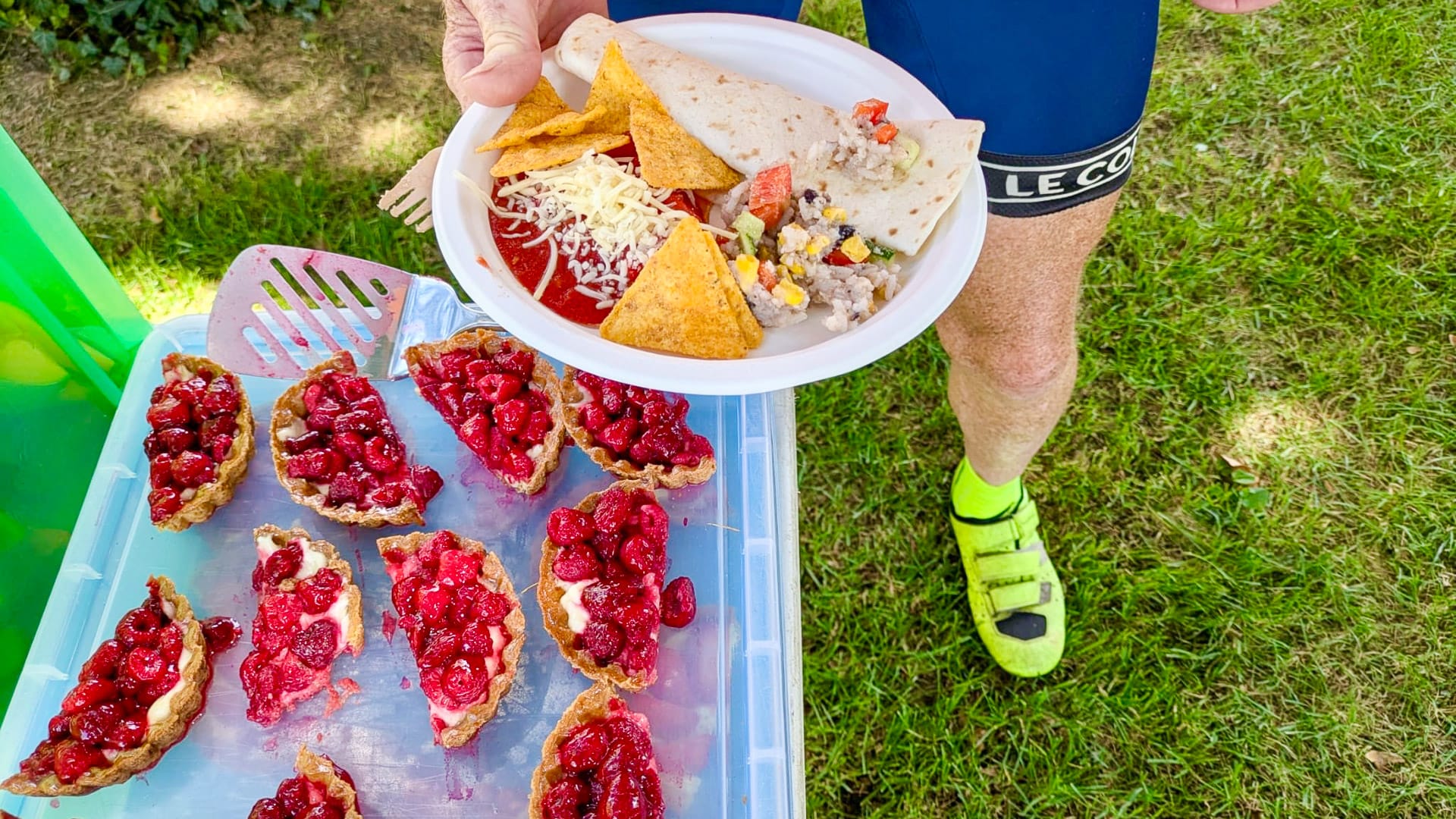
A lean protein such as a chicken breast or tofu tossed into a stir fry could be an excellent choice. Other great recovery foods include hummus, sweet potato, berries, nuts and healthy smoothies.
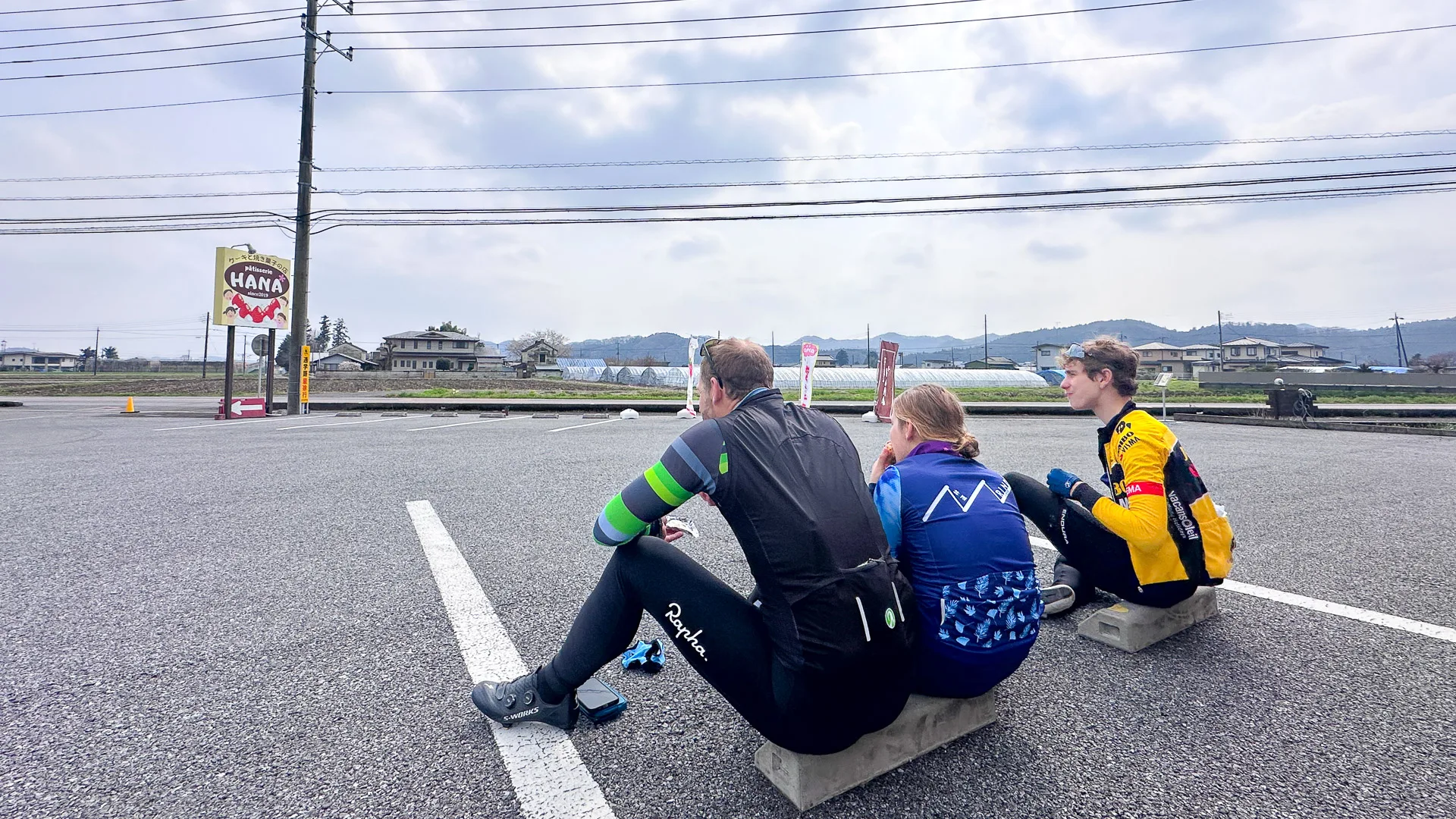
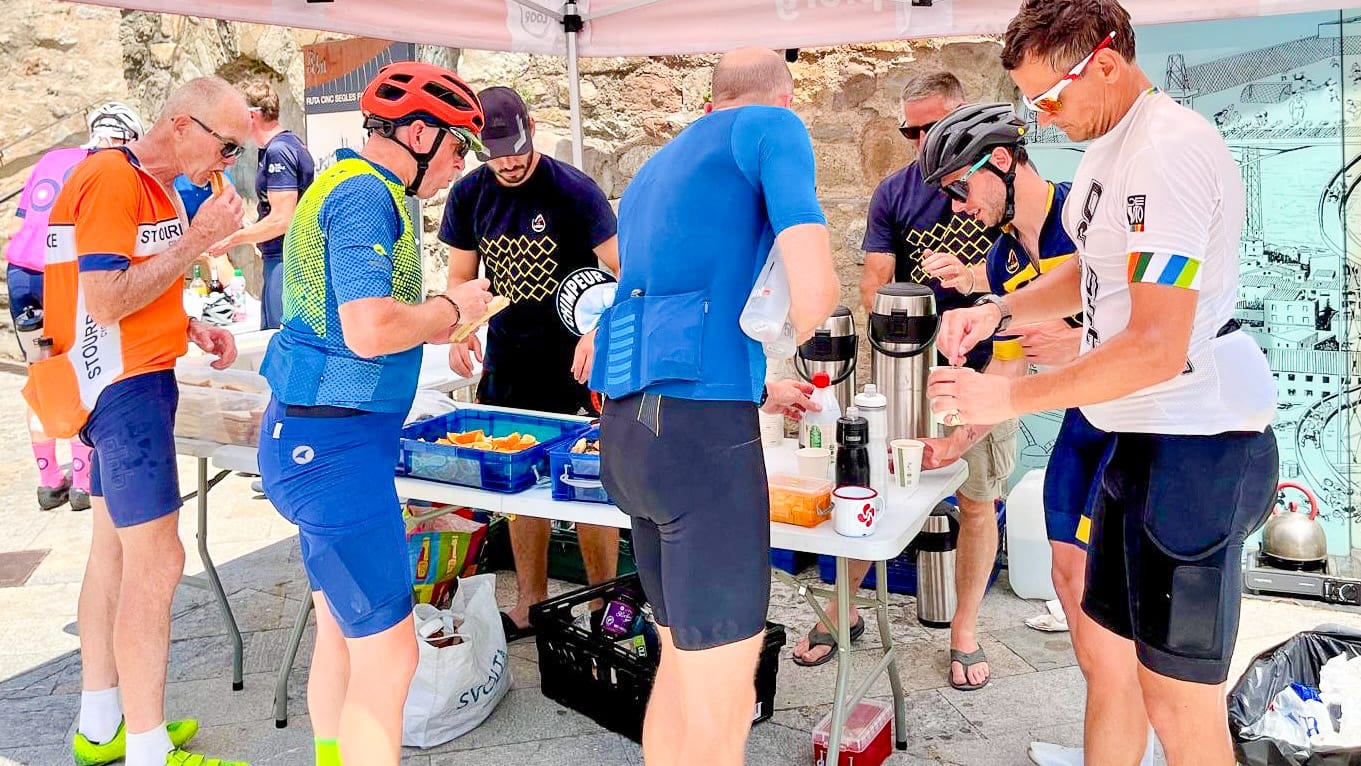
Cyclists refuelling after a long ride in Japan
Final tips
Lay it out
It can be helpful to lay out the energy foods and drinks you are planning to take with you and split them up into the hours of the ride. This helps to identify if you have enough fuel and if you have enough variety of flavours.
Splitting your rear pockets down into the hours of each ride and putting your nutritional products into these pockets for each hour helps to easily keep track of how much you’re eating.
Portion out the bars
Opening the bars and chopping them in half before you leave home can be a great tip for those who struggle to eat lots in one go. It also takes the guesswork out of how many grams of carbs you have consumed if you go by the rough rule of thumb that every half is the equivalent to approximately 20g of carbs.
Don’t forget energy from hydration
Bear in mind that, assuming you don’t just drink plain water, you can consume some of your carbohydrates through drinks.
Carbohydrate drinks can count towards your hourly fuelling target. This can be helpful if you find it hard to chew or swallow solid food later in a ride.
Set a reminder
Once you’ve decided which products to pack for your long ride, the next thing is to make sure you remember to eat or drink them in order to keep those energy levels up!
It can be helpful to set a reminder on your GPS head unit or watch to prompt you to eat and drink every 15 to 20 minutes.
Conclusion
The “right” fuelling is very much an individual thing, and the likelihood is you are not going to nail it on your first long distance ride. However, armed with the tips outlined here, you are (hopefully!) not going to go far wrong.
The key thing to work out is how many grams of carbohydrates an hour you need to aim for; using the benchmark of 60g per hour is a great starting point.
Also be sure to carefully consider your choices of nutrition products, saving the faster releasing options such as chews and gels for the latter half of the ride.
Just remember, little and often is key for both eating and drinking especially when cycling long distances.
What’s next?
A big thank you to Bas Kragt for sharing his thoughts on the best food and drinks for an endurance ride and planning your endurance cycling nutritional strategy.
Looking for more long-distance cycling inspiration? Don’t miss:
- Training for long distance cycling: training plans, tips + more
- How to prepare for long distance cycling: tips, training, what to eat + more
- How to get into ultra cycling: an insider’s guide to ultra endurance cycling
- Cycling endurance training: how to train for ultra cycling
- 6 best snacks for cyclists (for before, during + after your ride)
- 7 of the best ultra cycling events
Are you an endurance athlete with thoughts you want to share on eating and drinking when cycling long distances? Share them in the comments below!
Please support Epic Road Rides
A huge amount of time and effort goes into the article you’ve just read, all with the aim of helping you!
If you found what you’ve read useful, I’d really appreciate it if you dropped something in the tip jar here.
It’s a way you can say thank you and help us carry on creating top quality content with no annoying ads and no pay wall.
Got a question for Bas?
Fill out this form and we will send it to Bas. We aim to get you an answer within 24 hours where possible!Bas Kragt is a passionate advocate for cycling in South Korea. Originally from the Netherlands - a country where cycling is part of everyday life - he has been based in and around Busan since 2017, exploring the country’s varied terrain on two wheels.
He plays an active role in South Korea’s cycling community, helping to organise events with the Korean Audax Federation (Korea Randonneurs). He also founded Routes Busan, a platform aimed at improving cycling safety and quality in the region, and supports visiting cyclists and expats through the Korea Cycling Community Facebook group.
With his deep local knowledge and enthusiasm for every aspect of the cycling world, Bas is passionate about helping others experience South Korea’s incredible cycling potential – from quiet coastal roads to challenging mountain climbs.
You might also recognise Bas from our social media community, as Bas supports Epic Road Rides with this.
(Photo credit: Garett L. Smith)
Last Reviewed: 01 July 2026
First Published: 28 June 2023
The contents of this website are provided for general information purposes only. It is not intended to amount to advice and you should not rely on it. You should carry out your own due diligence and risk assessments and take professional advice. Views expressed by interviewees or other users of this website do not necessarily represent our views. We make no representations, warranties or guarantees, whether express or implied, that the content on our website is accurate, complete or up to date. If you use any information or content on this website, download from, or otherwise obtain content or services through our website, it is entirely at your own discretion and risk. Epic Road Rides Ltd disclaims all liability and responsibility arising from any reliance placed on the information and content on this website. Find out more here.
Great tips on fueling for long-distance cycling! It’s crucial to have a solid nutrition strategy to avoid bonking and keep your energy up. I love that the article covers pre-ride, during, and post-ride nutrition. I’ll definitely be trying some of these tips to improve my endurance on longer rides!