
Ultra cycling events reward good judgment as much as good legs. Choosing the wrong event can mean avoidable stress, poor pacing, and a rough learning curve. Choosing the right one can feel like a proper adventure, whether you’re drawn to gravel bikepacking routes or a classic road-focused challenge.
Community Contributor Geneviève Healey has plenty of perspective to help you navigate the options. She’s an experienced ultra cyclist who logs around 10,000 kilometres a year and has taken on events worldwide.
In this guide, she shares insights on three of her favourite ultra cycling events: BikingMan Corsica, Race Across Québec, and Desertus Bikus. She also shares four famous ultra cycling events on her wish list: Tour Divide, North Cape 4000, Log Driver’s Waltz and Across Andes – plus what she’s learned preparing for Bright Midnight 2026, a 1,100-kilometre self-supported mixed-terrain bikepacking challenge in Norway.
Read on to discover Geneviève’s top ultra cycling events (including those on her wishlist!), what makes each one worth doing, and practical tips to help you pick the right challenge for you.
Want to learn more about the basics of ultra cycling? Don’t miss Geneviève’s helpful beginner’s guide. Or if you already have an ultra cycling event booked and are looking for some training tips for endurance cycling, we think you’ll find this article useful.

Geneviève is a passionate cyclist from Québec City, Eastern Canada.
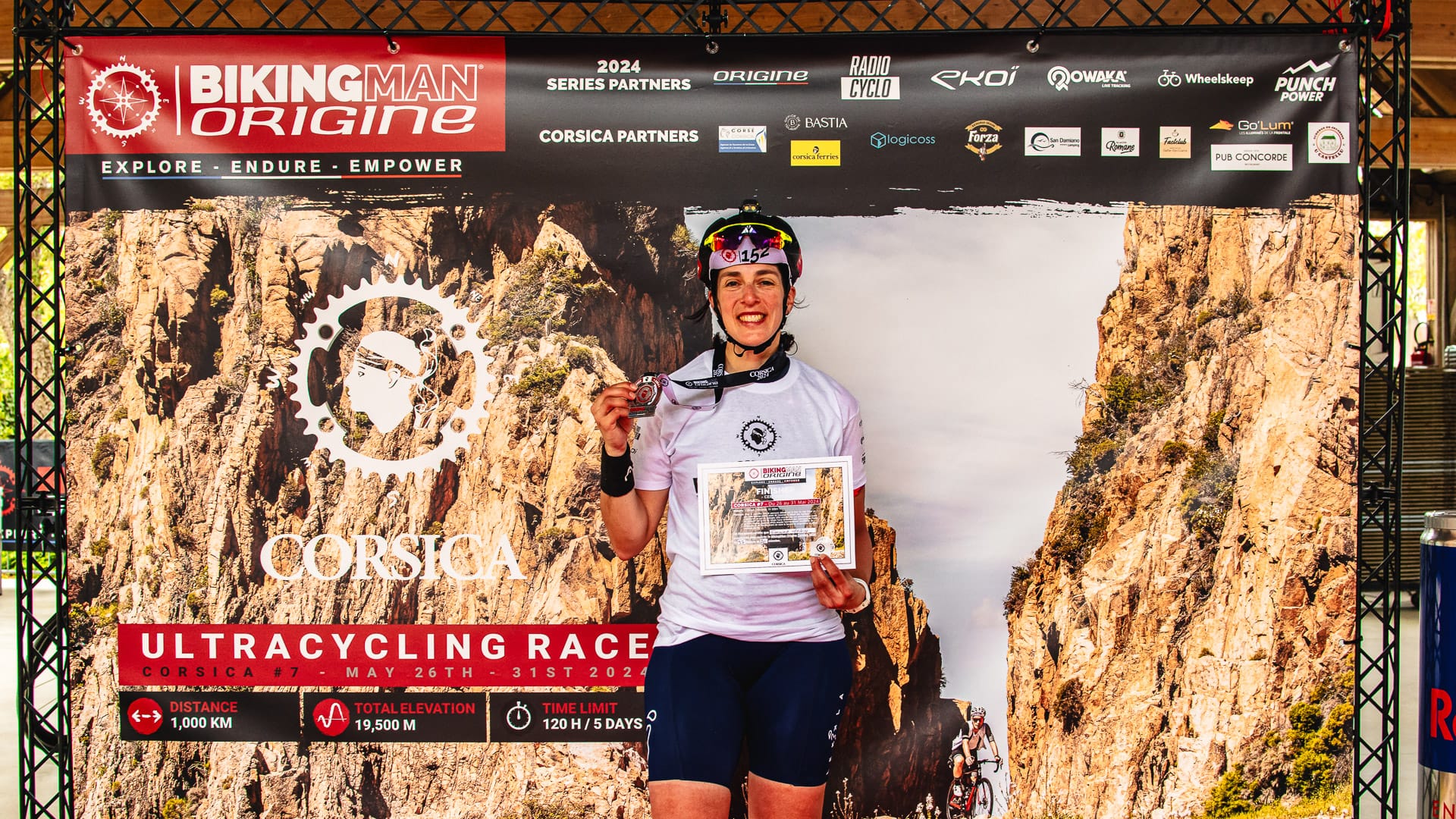
She loves to travel by bike and thrives on long hours in the saddle, having participated in several ultra cycling events around the world, including in Canada, Portugal and France. Most recently she completed the BikingMan Corsica race and has also taken part in Race Across Québec, a 500 kilometre road cycling event that was held in the Laurentian's, just north of Montreal.
Alongside regularly found riding around Québec City, Geneviève contributes to Vélo Mag and Nature-Humaine. She also runs a personal blog, PinteuseBlogueuse, which highlights cycling routes that connect local microbreweries and artisanal food shops!
Always check current travel information and advice. For visitors from the UK, the UK government travel information pages are here.
Part 1: Geneviève’s favourite ultra cycling events
1. BikingMan Corsica, France (May)
Best for riding through some of Europe’s most striking scenery
Key statistics
1,000 kilometres
18,000 metres of elevation gain
Start/ end
Bastia, France
What you loved about it
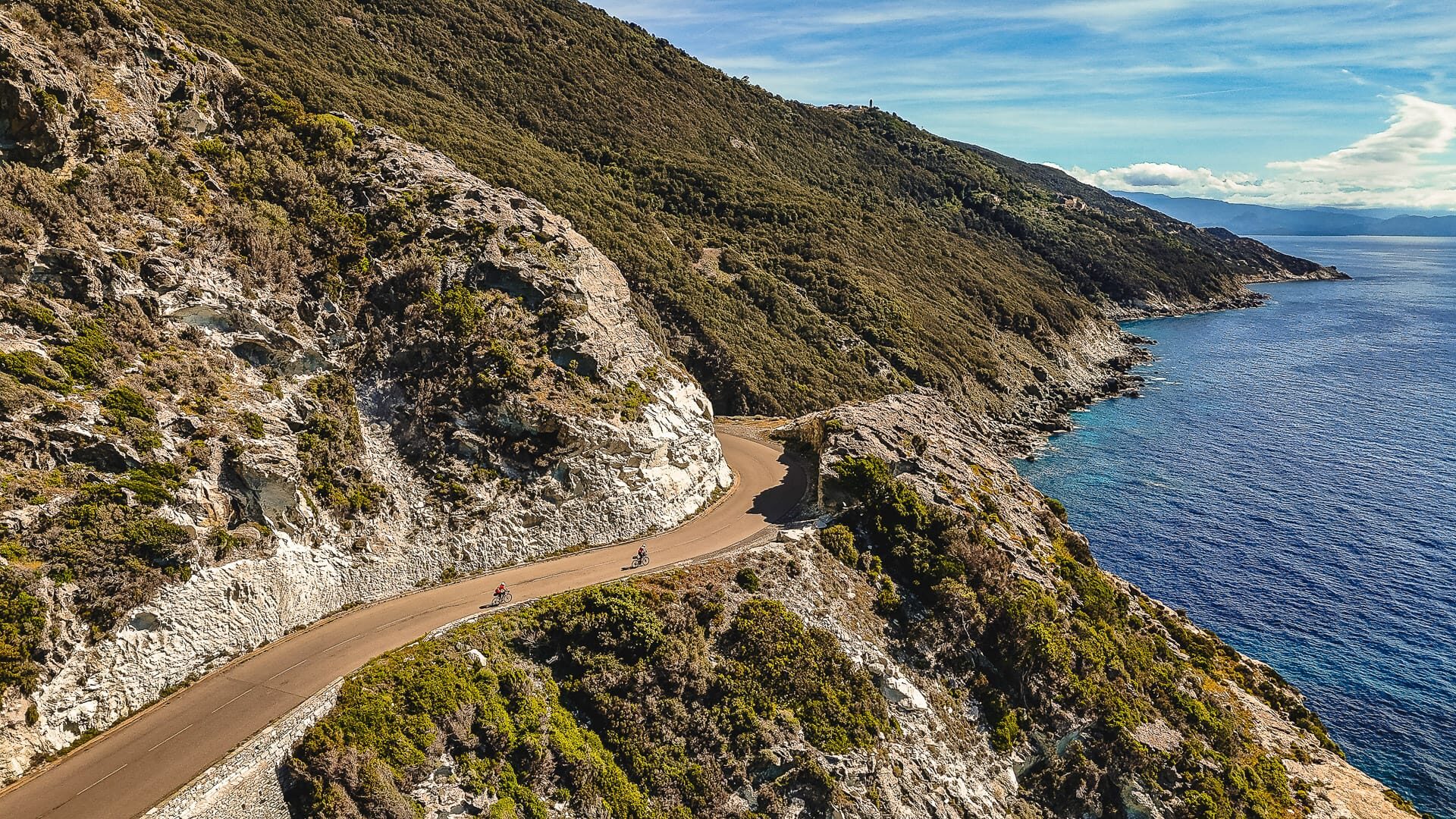
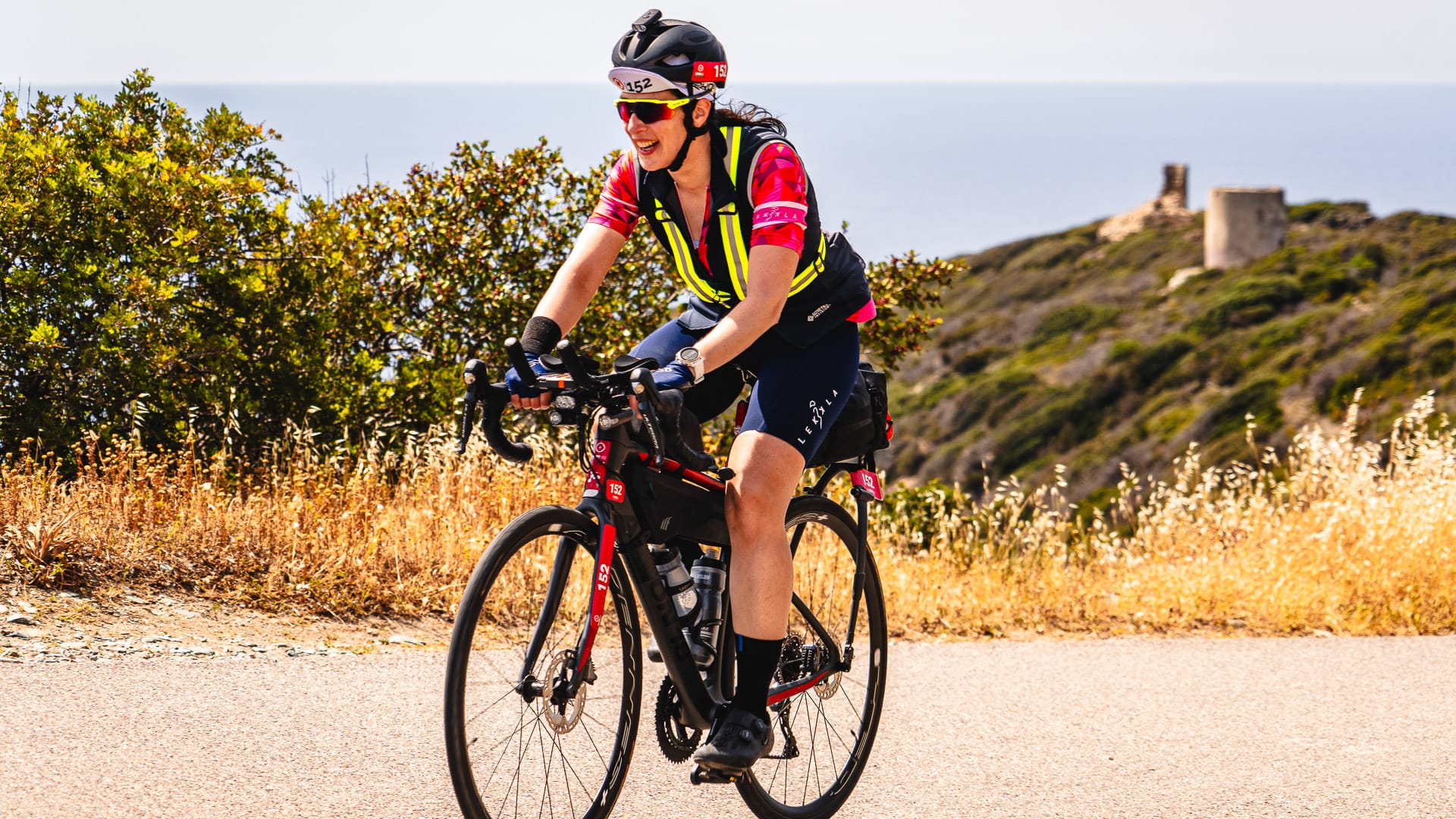
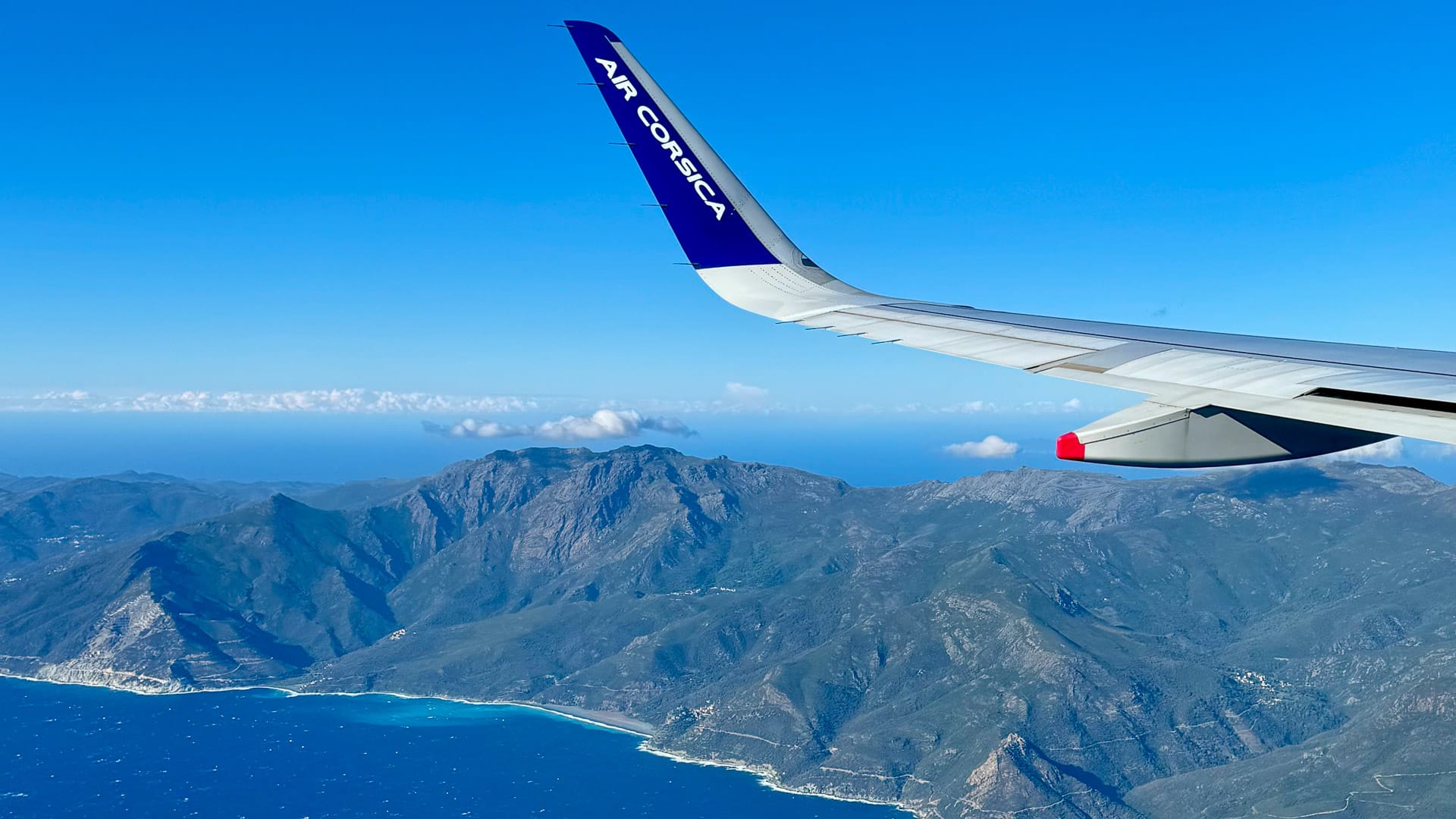
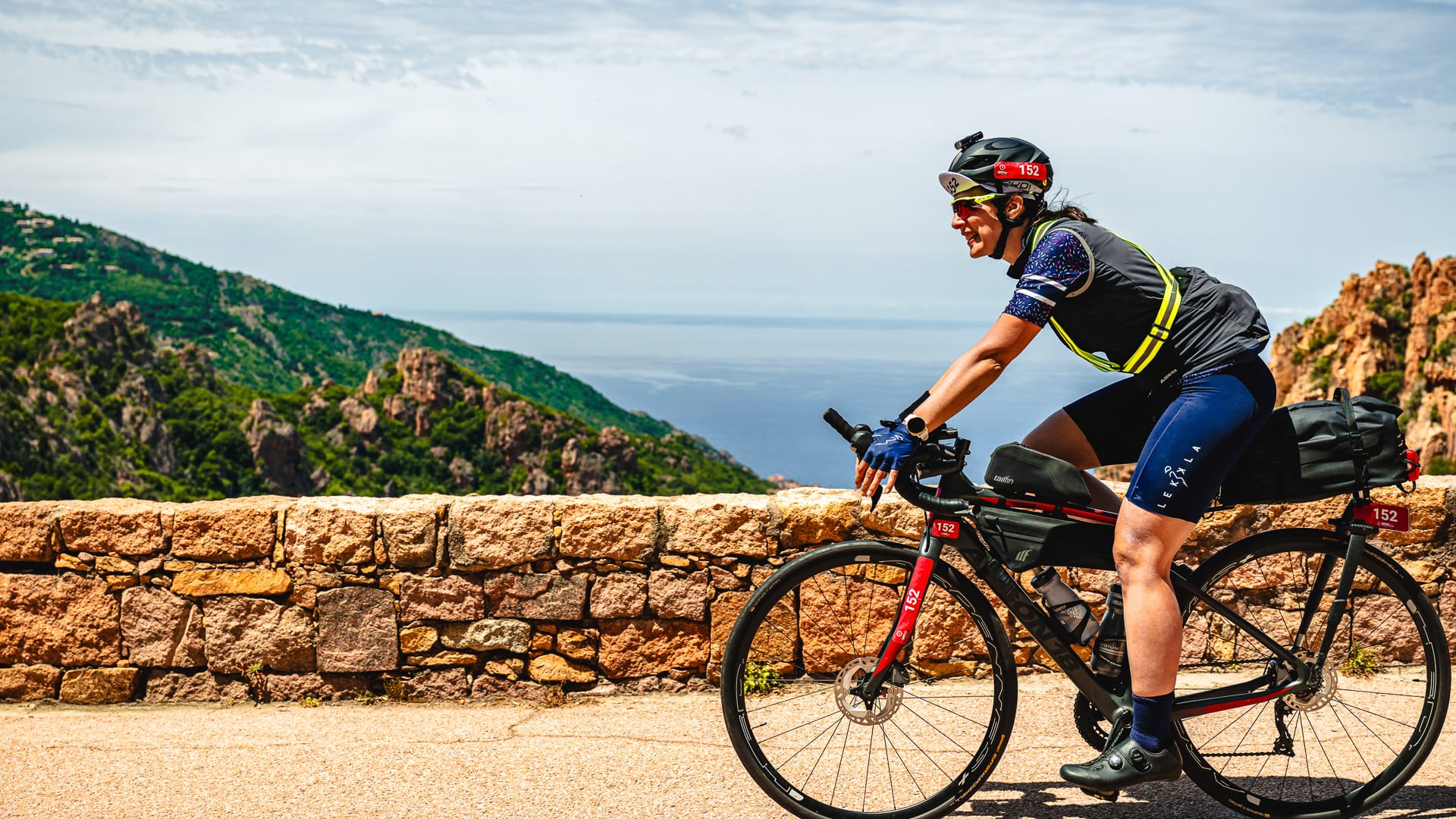
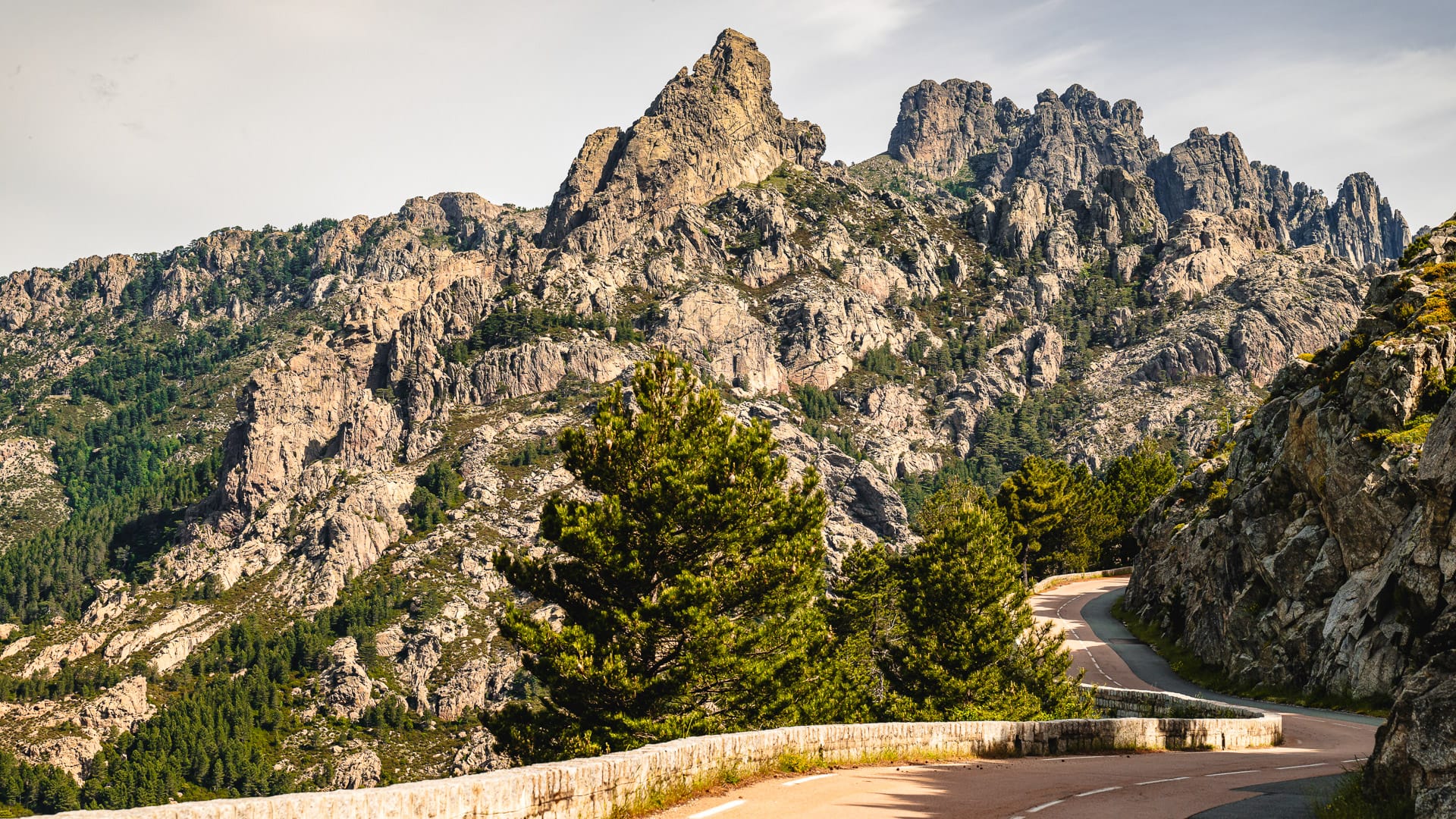
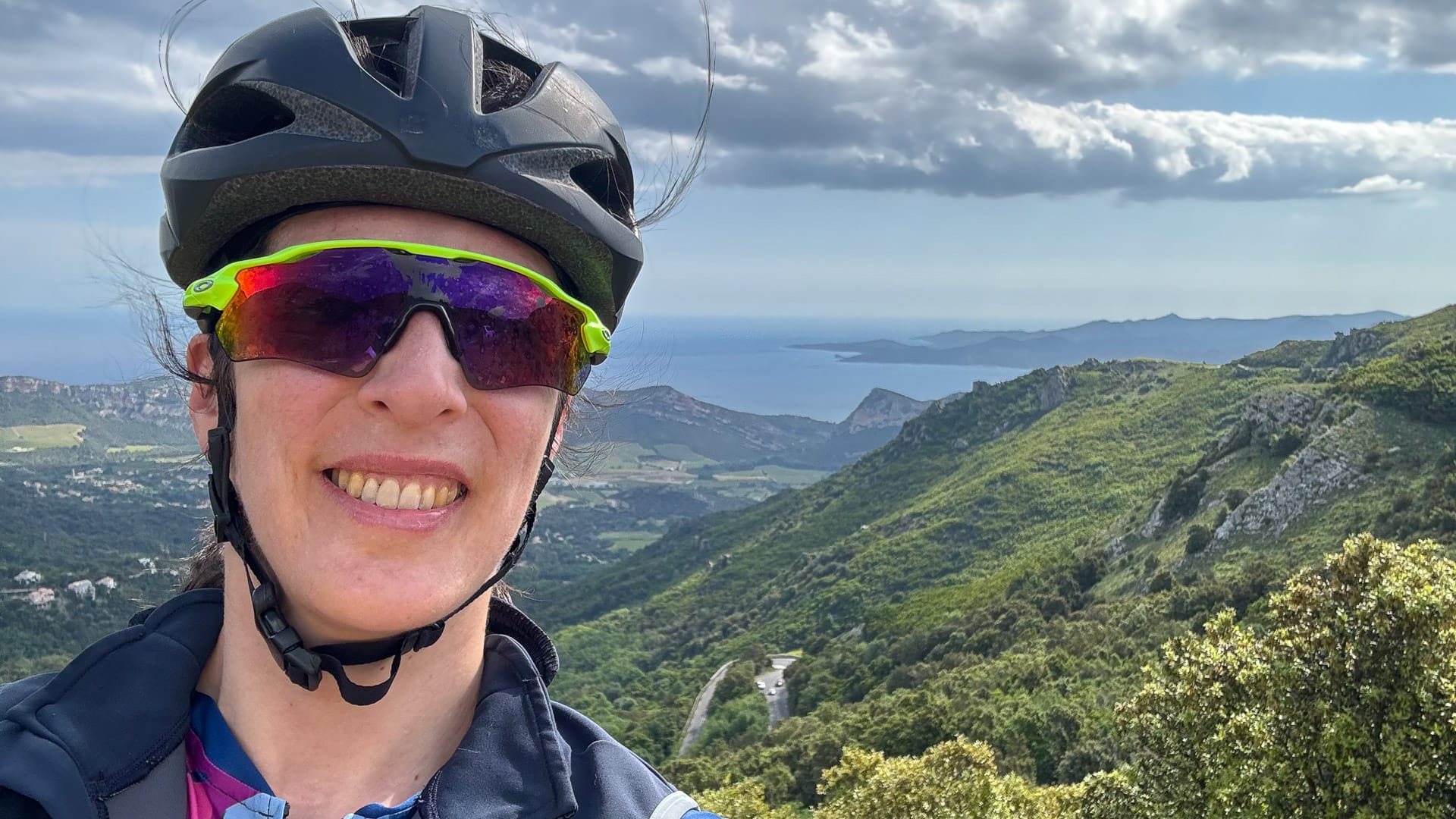
I rode BikingMan Corsica in 2024, mainly drawn by its reputation as one of the most beautiful ultra cycling routes in Europe. And it truly earns it. The landscapes are the main reward here.
Corsica is called the Island of Beauty for a reason, and riding across it feels immersive and timeless. Even when fatigue sets in, the scenery keeps pulling you forward. It is an event that reminds you why you ride long distances in the first place, not just to finish, but to experience a place slowly and fully. As part of the BikingMan series, it captures what draws many riders to ultra-endurance cycling and the appeal of big, self-managed bike races.
Tips
- Look up often; the scenery is part of the experience.
- Pack light to make climbing more enjoyable.
- Pace conservatively from the outset; the island sets its own rhythm.
- Before you go, decide your bike type early (road, all-road, or gravel) because Corsica’s surfaces can influence tyre choice and comfort, especially on rougher gravel sections. Since the event is entirely on paved roads, I opted for an endurance road bike with climbing-friendly gearing and 32 mm tyres to better absorb road imperfections.
2. Race Across Québec, Canada (August)
Best for an ultra cycling event with lots of distance options to suit your fitness
Key statistics
200 kilometres, 300 kilometres, 500 kilometres, 1,000 kilometres, and a new 2,500 kilometre distance announced for 2026
10,000 metres of elevation gain for the 1,000 kilometre route
Start/ end
Eastern Quebec, Canada (though this is subject to change)
What you loved about it
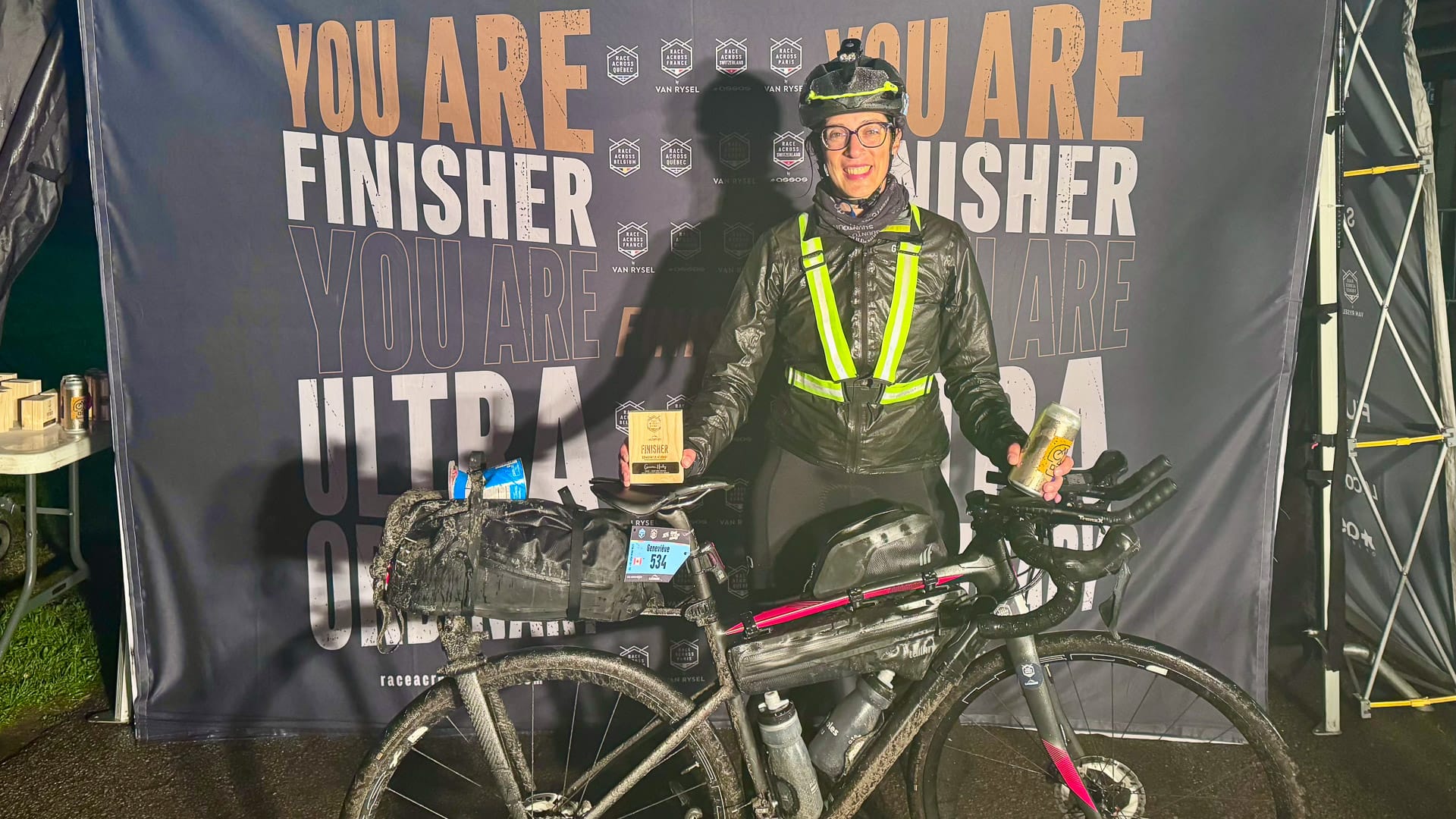
I rode the first edition of the Race Across Québec in 2024. What makes this ultra-distance cycling race stand out is how it turns familiar roads into a true ultra cycling challenge.
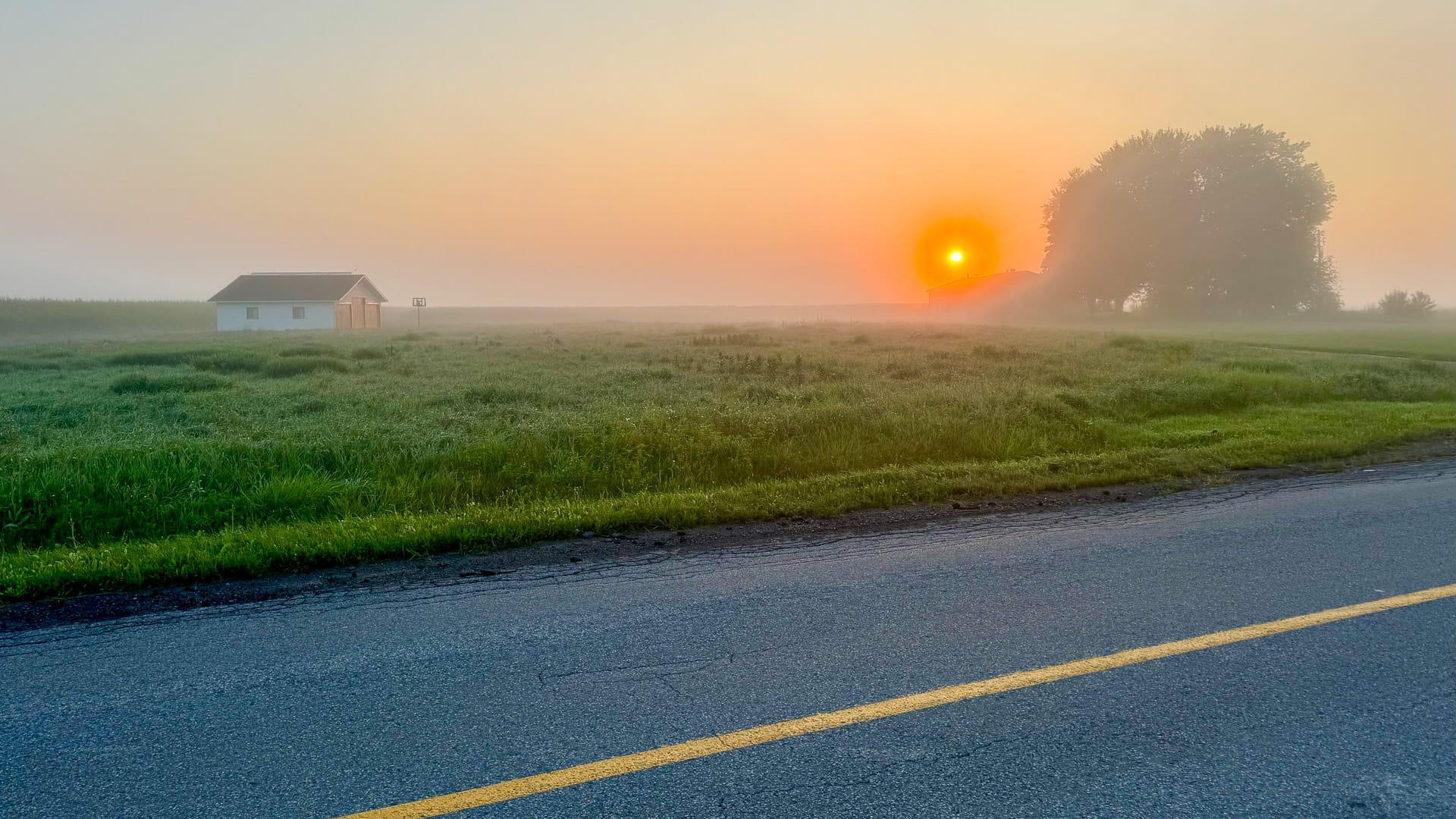
Unlike many European events, there are no long mountain passes here. Climbs are shorter, often steeper, and repeated constantly, which requires frequent changes in rhythm. You rarely settle into a long, steady effort, and fatigue accumulates quietly over time.
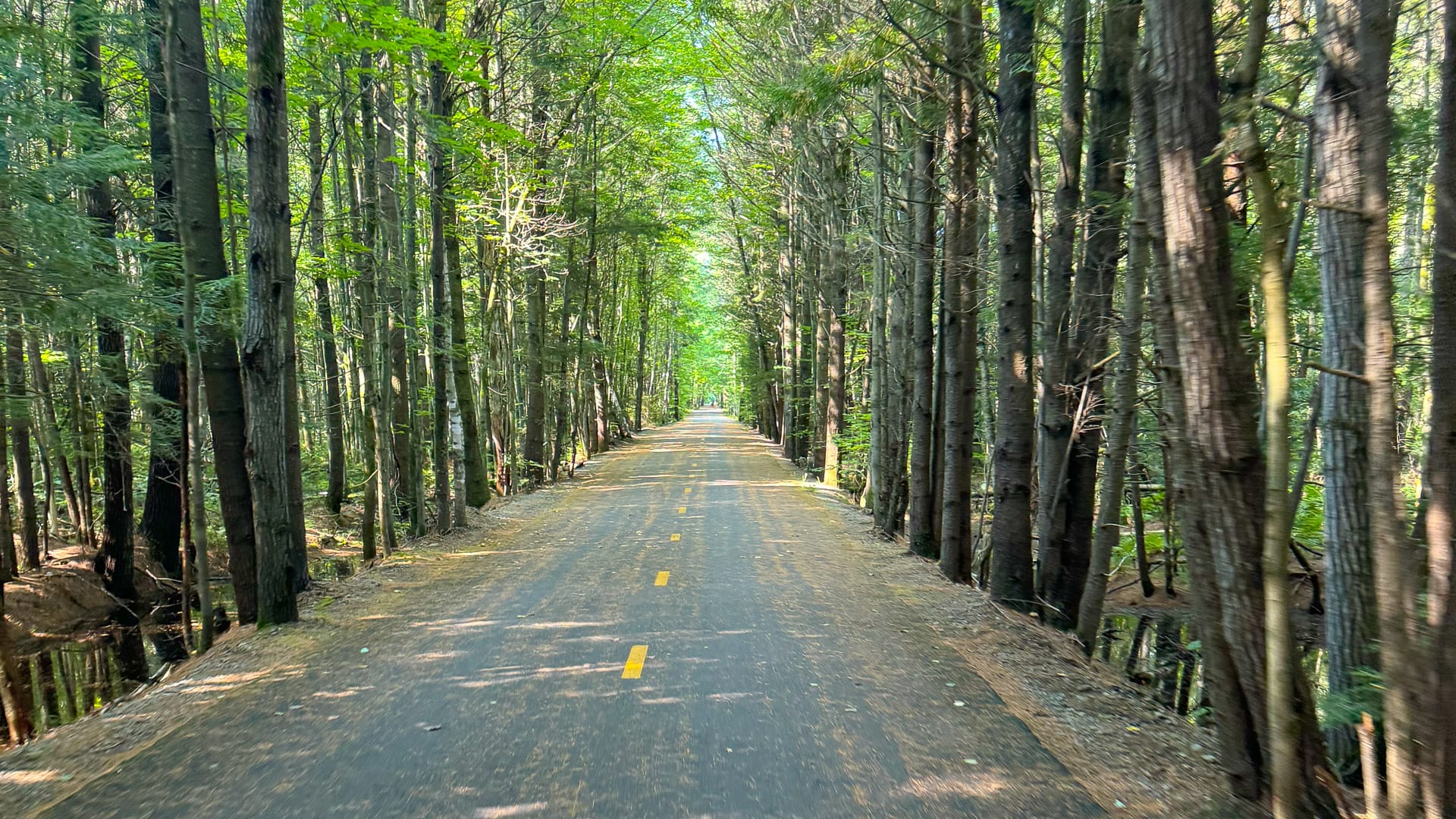
I loved how the landscapes felt both local and expansive, moving through forests, rivers, and small towns. With the addition of a 2,500 kilometre distance in 2026, Race Across Québec is clearly growing as one of the most compelling bike races, while maintaining a strong and distinctive Québec identity. You feel this in the character of the places you pass through, with many lakes and forests, and vast green spaces and waterways that define Québec.
Tips
- Train for repeated short and steep climbs.
- Expect constant changes in pace.
- Plan sleep carefully; fatigue builds faster than expected.
3. Desertus Bikus, Spain (April)
Best for ultra cyclists looking for more autonomy and flexibility
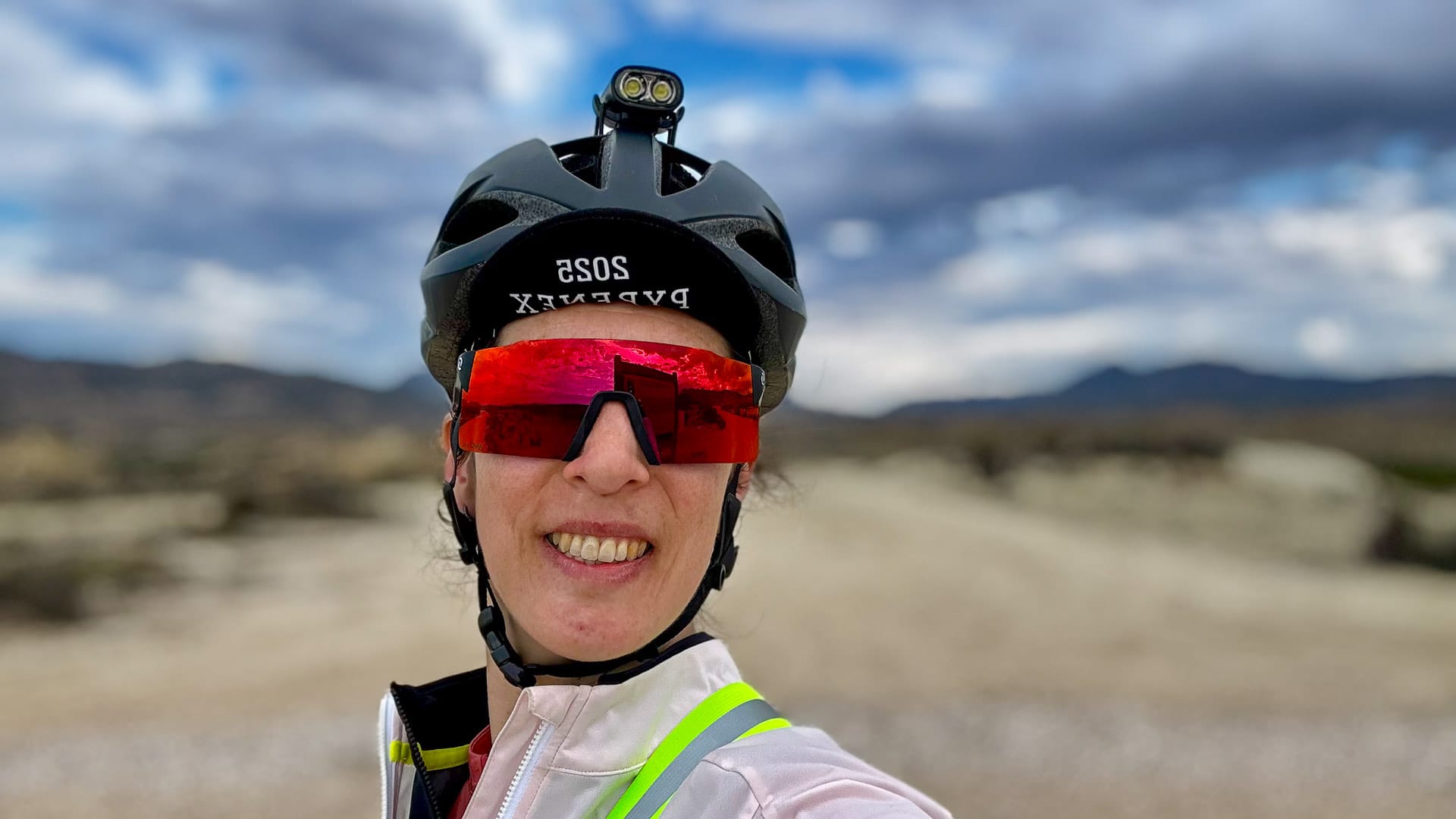
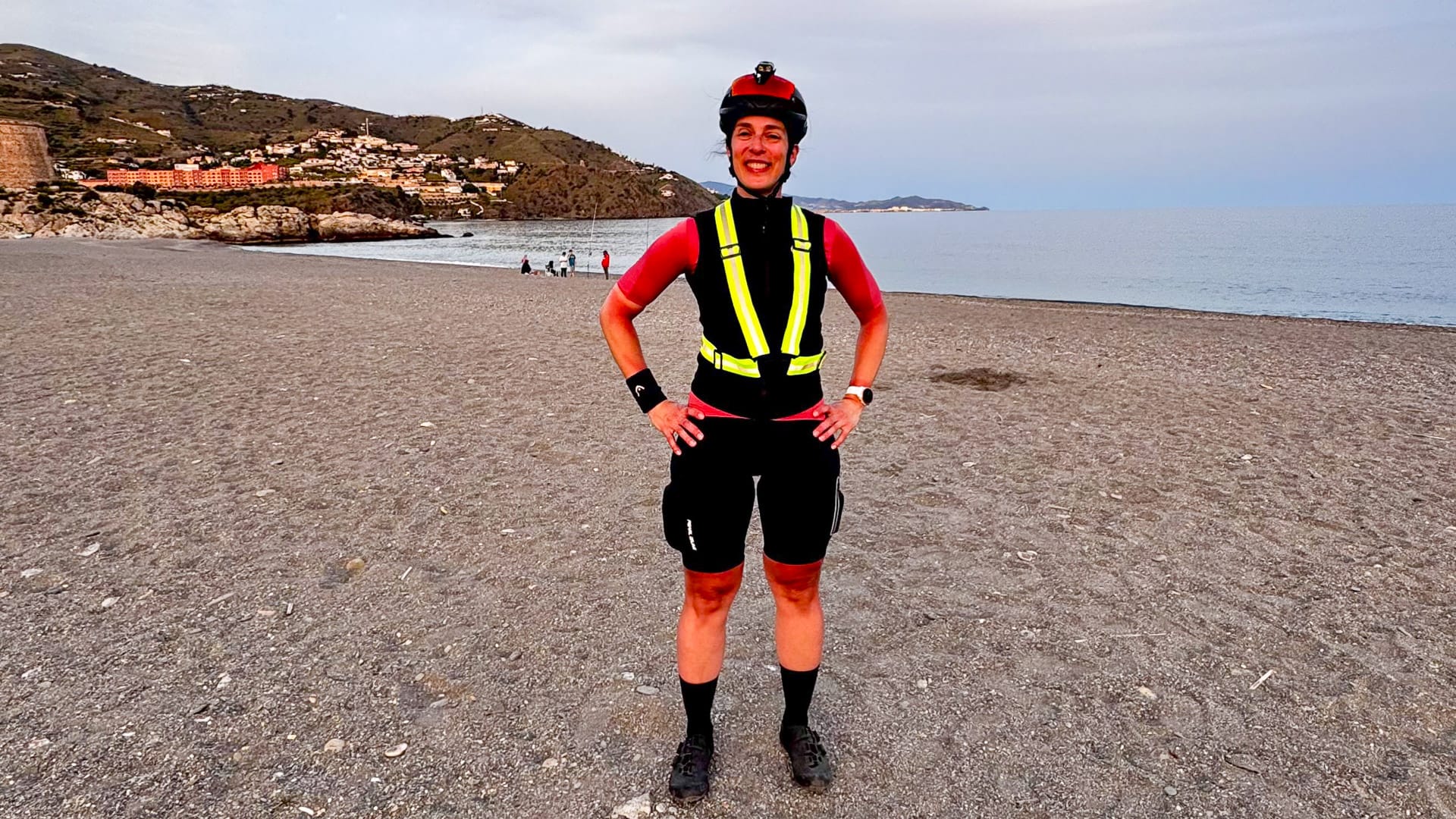
Key statistics
1,400 kilometres
15,000 metres of elevation gain
Start/ end
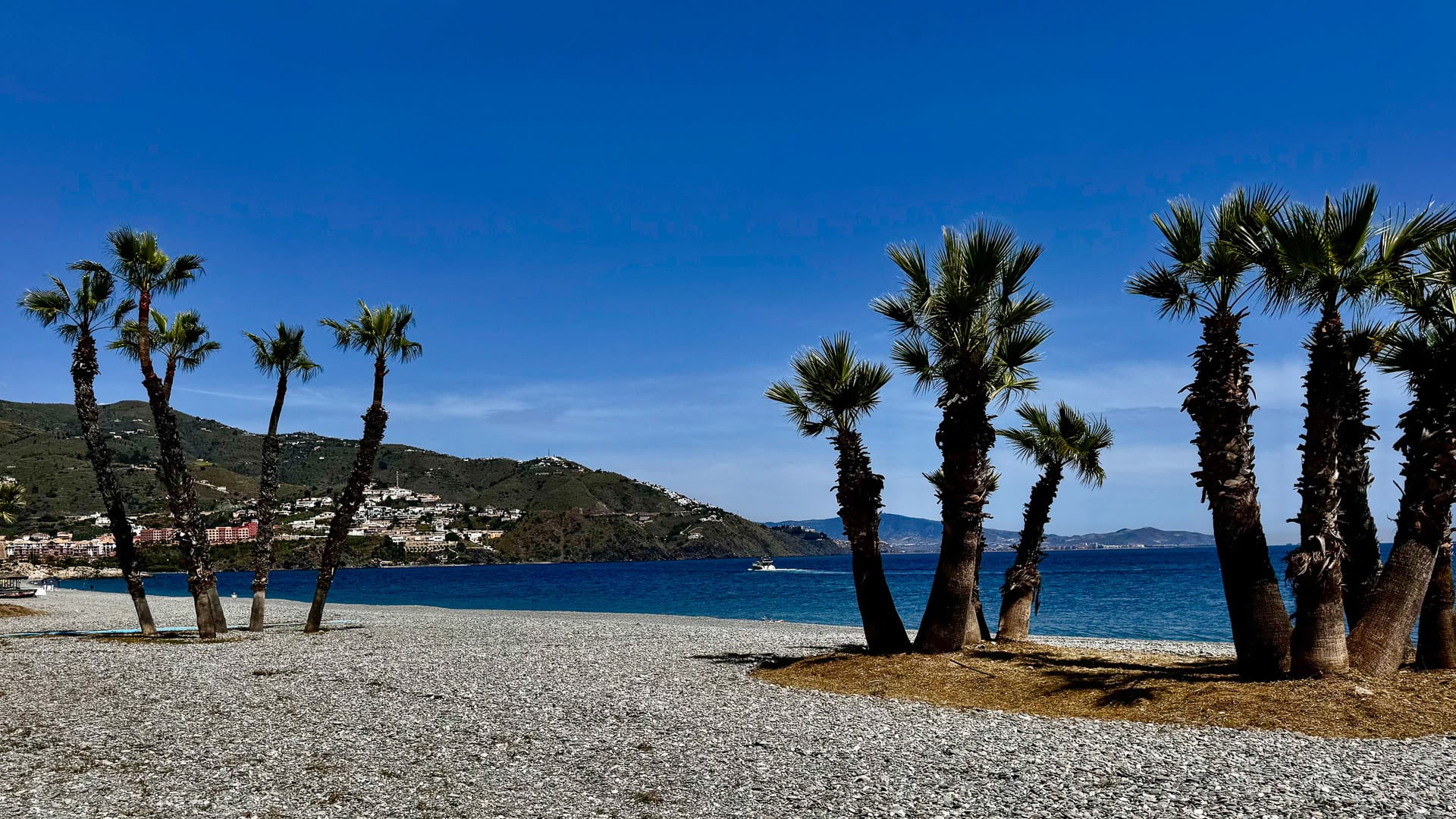
Hasparren, France / Almuñécar, Spain (though these have changed in previous editions)
What you loved about it
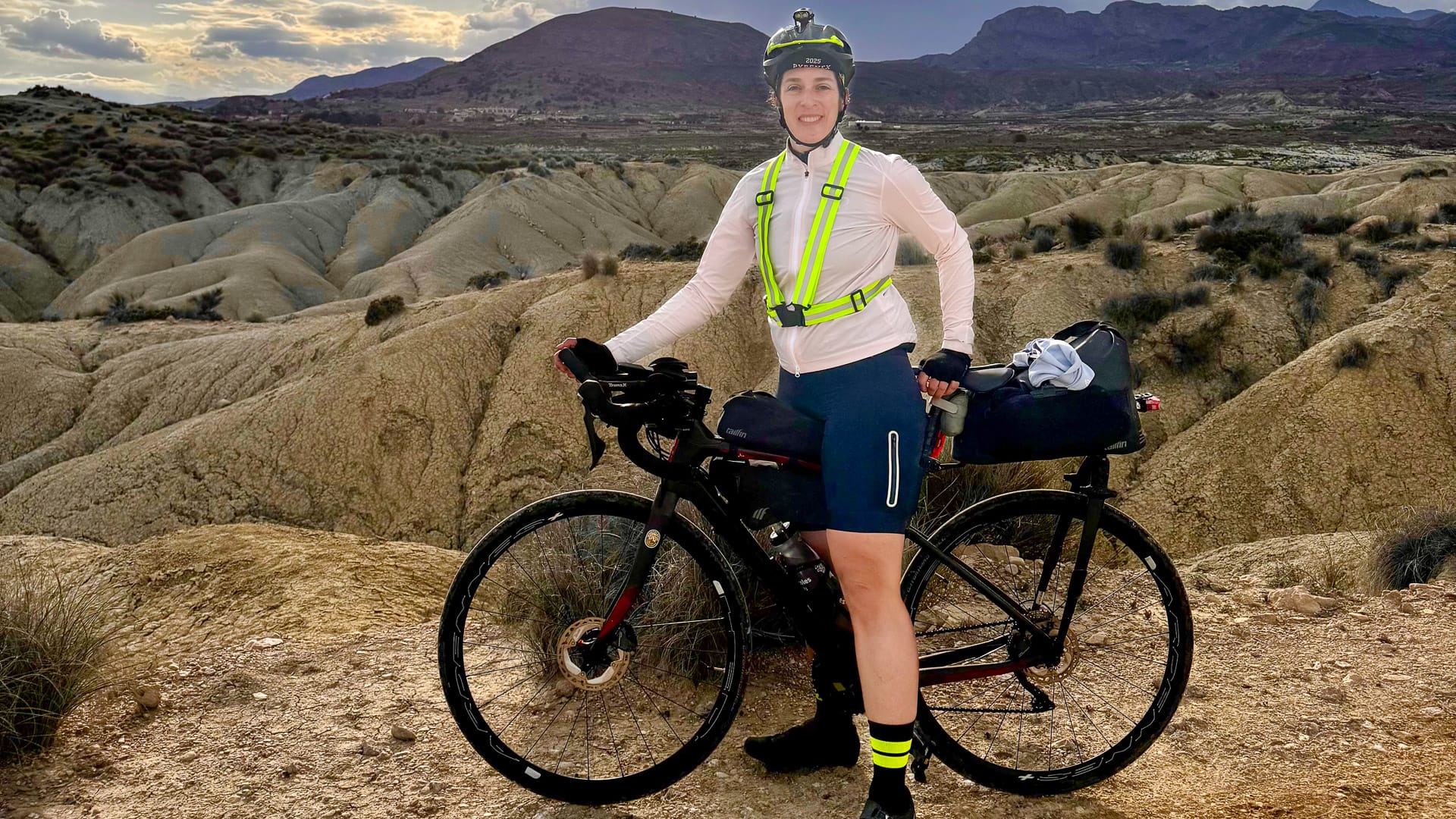
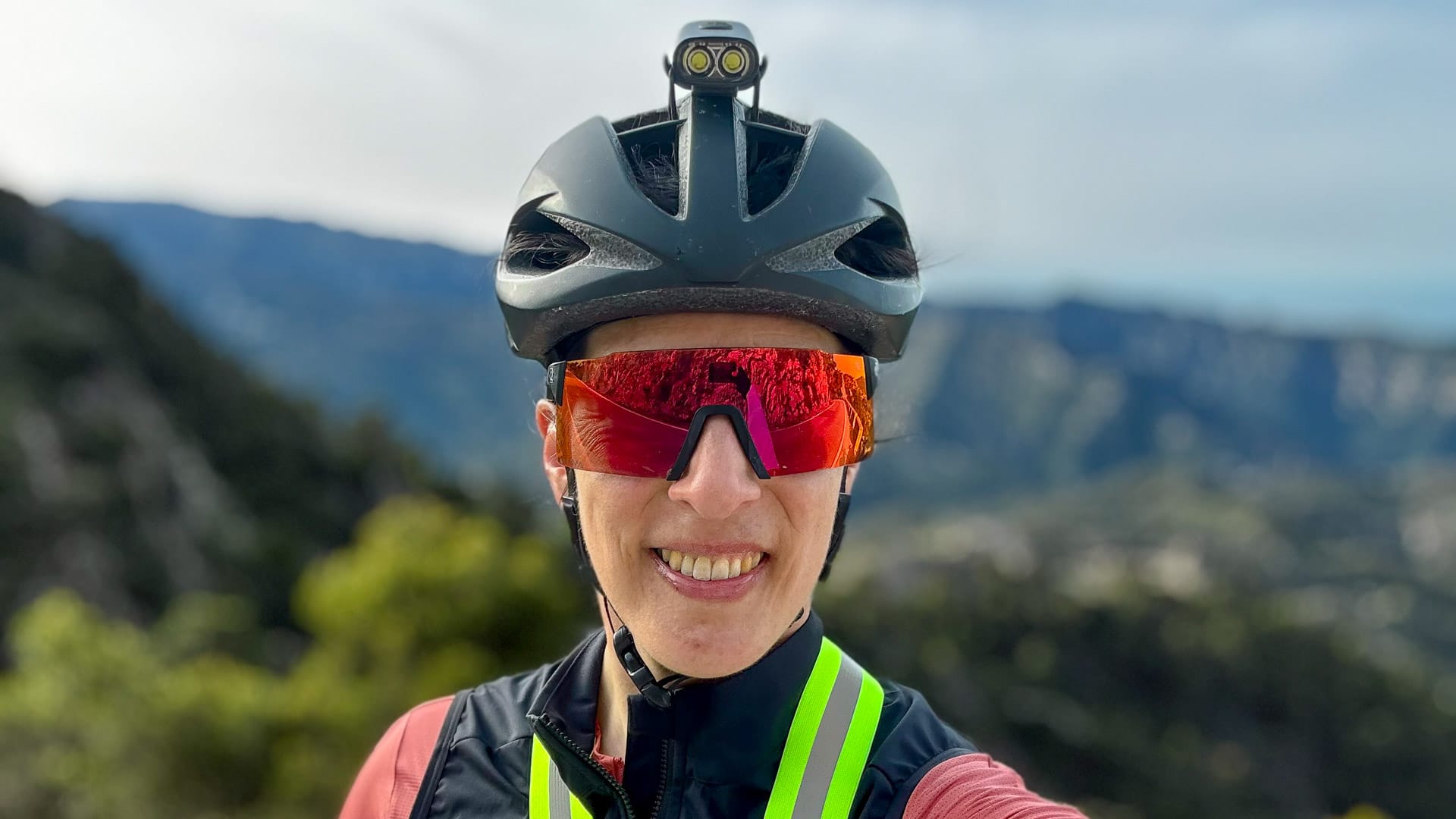
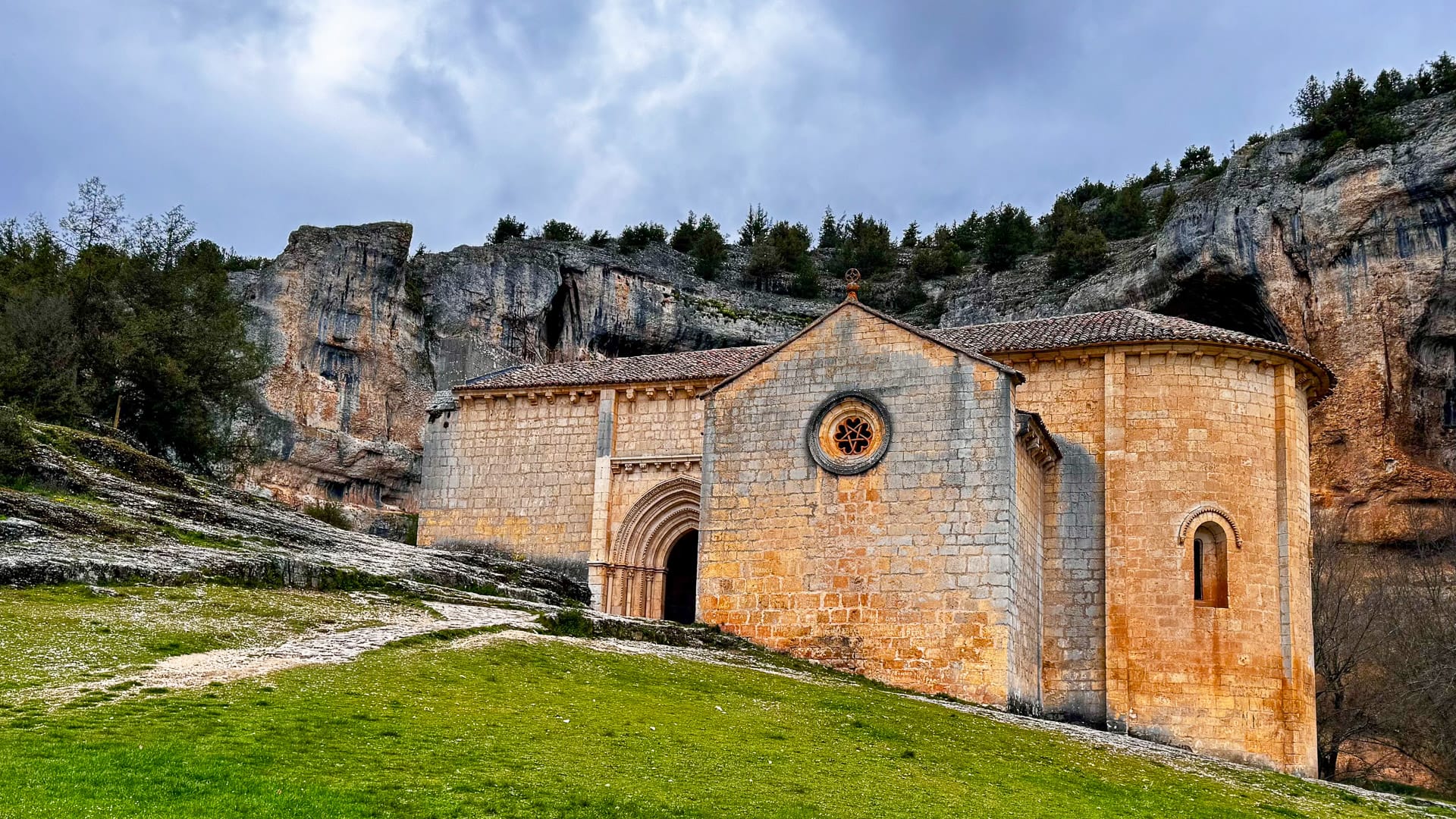
I rode Desertus Bikus in 2025, and what truly sets it apart is its format. No route is provided. Riders must design their own itinerary between mandatory checkpoints, choosing roads and terrain themselves. This adds a strong strategic element and often leads to long periods of solitude, as riders spread across different routes. The experience becomes deeply introspective, requiring constant decision making and self trust.
Combined with vast landscapes and unpredictable conditions, Desertus Bikus feels as much like a mental journey as a physical one. It’s a striking example of ultra distance cycling, built around independence and decision-making rather than the usual dynamics of bike races.
Tips
- Expect long stretches of solitude.
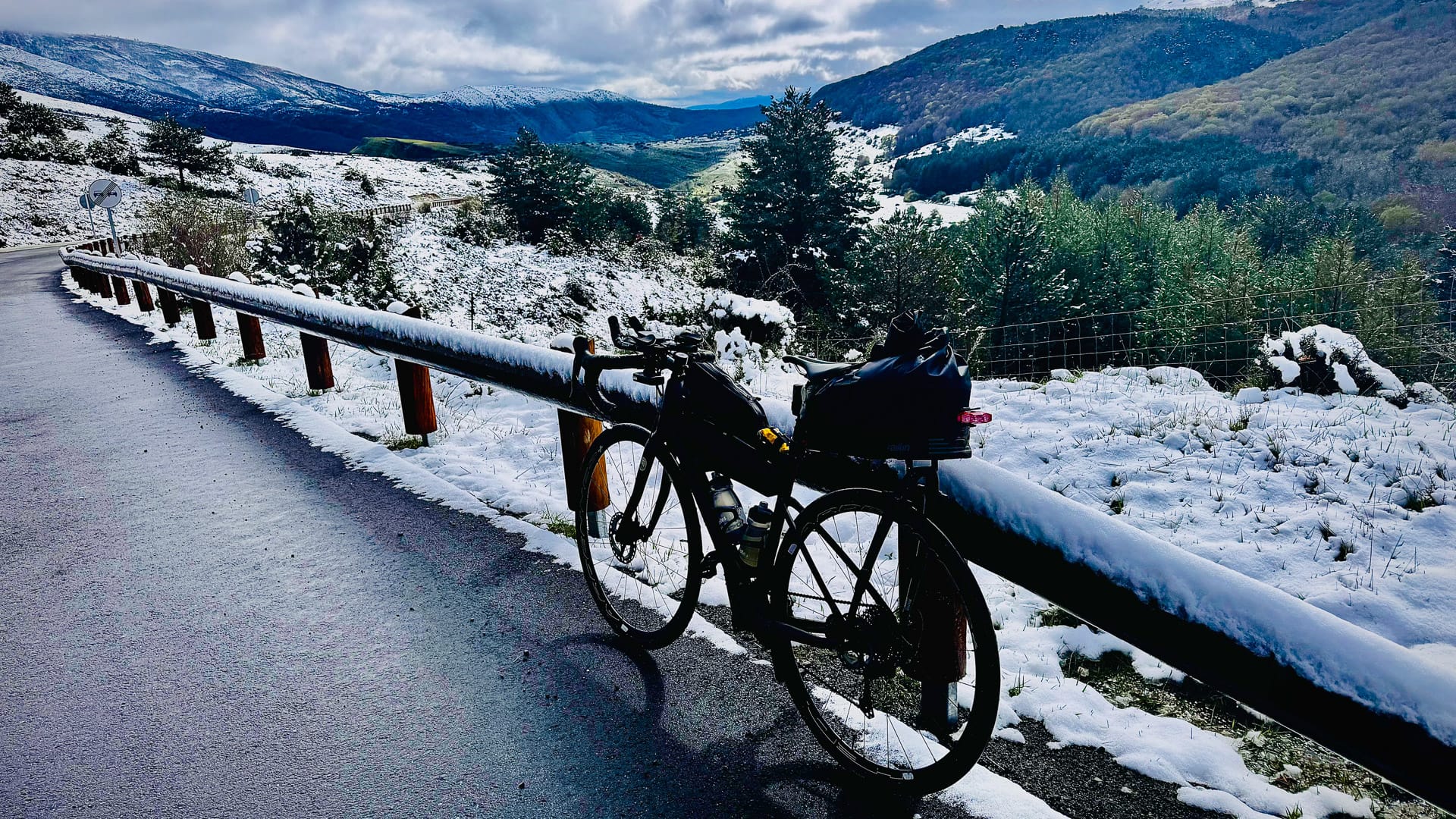
- Train for extreme temperature swings, including cold and snow at altitude.
- Dust is unavoidable, so protect your drivetrain and electronics.
Part 2: Famous ultra cycling races for the wish list
4. Tour Divide, Canada and USA (June)
Best for an informal ultra cycling event without the sense of competition
Key statistics
4,400 kilometres
60,000 metres of elevation gain
Start/ end
Banff (Alberta), Canada/ Antelope Wells (New Mexico), USA
What riders can expect
The Tour Divide is the reference point of off-road ultra cycling. It follows the Great Divide Mountain Bike Route from Banff to the Mexican border and is based on a grand départ format.
While a date is suggested each year so riders can gather and start together, participation remains fully open. Anyone can ride the route at any time, since the course is publicly available as a GPS track. With no entry fee and no formal organisation, the emphasis is on self-reliance, logistics, and long-term consistency rather than competition. It is less about racing others and more about managing yourself over weeks of riding.
It’s one of those bike races where the “result” matters less than how you manage yourself. It has shaped the global conversation around ultra endurance cycling, and it’s a clear cousin of iconic ultra events like the Transcontinental Race, which also built its reputation around autonomy, strategy, and long-form suffering.
5. North Cape 4000, Europe (July)
Best for a self-supported journey to the Arctic Circle
Key statistics
4,000 kilometres
30,000 metres of elevation gain
Start/ end
Rovereto, Italy/ North Cape, Norway
What riders can expect
North Cape 4000 is intentionally not a race. Riders are not allowed to finish before a set minimum time, which prevents any competitive approach. There is also a maximum time limit, but the emphasis is clearly on the journey rather than speed. This framework encourages sustainable pacing, proper rest, and deeper immersion in the route.
Crossing multiple countries (eight in total, including Italy, Austria, Germany, Poland and Sweden) and climates, often under the midnight sun, the event feels closer to a long expedition than a competition. It is well-suited to riders who value experience, autonomy, and consistency over performance.
6. Log Driver’s Waltz, Canada (August)
Best for beginners to ultra cycling events
Key statistics
800 kilometres
15,000 metres of elevation gain
Start/ end
Almonte (Ontario), Canada
What riders can expect
Log Driver’s Waltz is a Canadian bikepacking route rooted in history and landscape, passing through the Ottawa Valley and Outaouais regions in Eastern Canada.
Riders can expect quiet gravel roads, remote sections, and steady climbing. What makes it appealing is its accessibility, and its grand départ format. It offers real challenge without overwhelming scale, making it a strong option for riders stepping into longer self supported adventures.
Top tip! If you’re new to ultra distance cycling, this is the type of event that can function as a realistic stepping stone: a serious mileage challenge, but without the “deep-end” pressure of the longest ultra-distance cycling race formats.
7. Across Andes, Chile (November)
Best for a high altitude ultra cycling endurance event
Key statistics
800 to 1,100 kilometres
20,000 metres of elevation gain
Start/ end
Pucón, Chile
What riders can expect
Across the Andes takes riders deep into the dramatic Andes Mountains of Chile.
Long climbs, high altitude, and rapidly changing weather define the experience on this route. What makes it special is the combination of elevation and remoteness. Preparation and acclimatisation are essential. It is an ultra endurance cycling event that rewards respect for terrain as much as physical fitness.
Part 3: What are your top tips for choosing the right ultra cycling challenge?
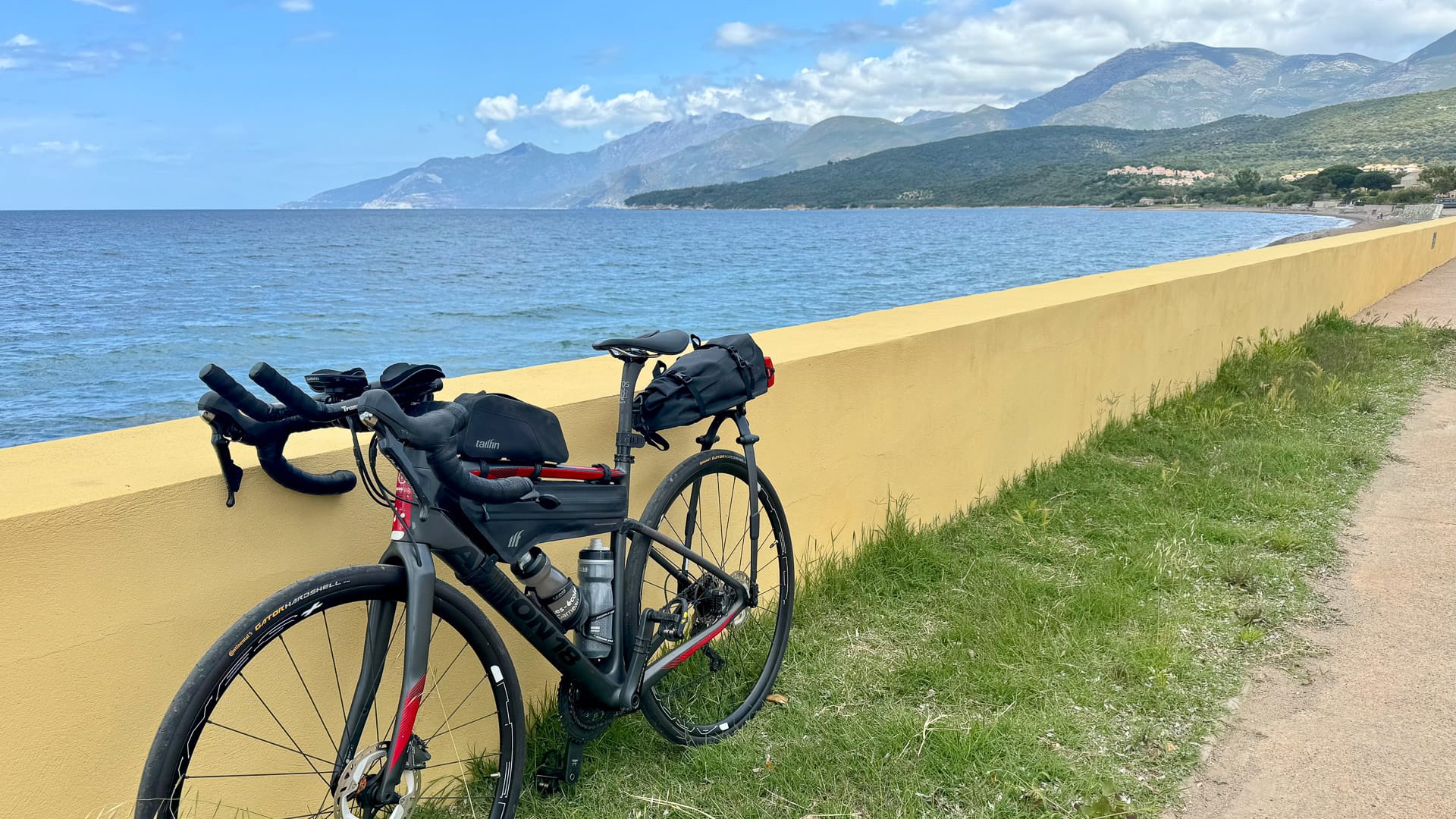
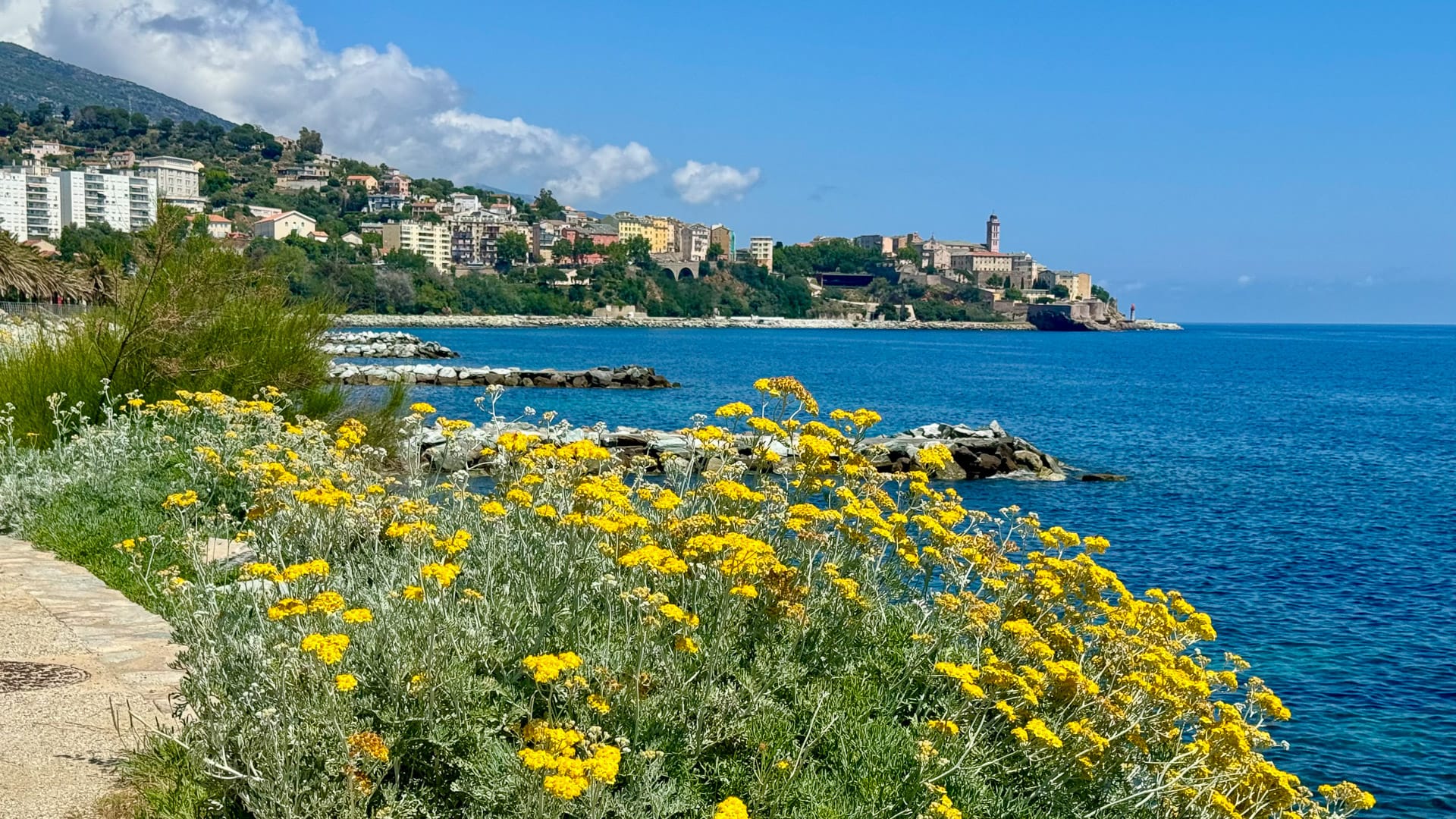
SaintFlorent view in Corsica (photo credit: Geneviève Healey)
Look for local events
Choosing the right ultra cycling event often starts closer to home than you might think.
Opting for a local or regional event can significantly reduce logistical stress, such as flying with a bike, disassembly, transport risks, and added costs. These elements can quickly become an extra mental load before the race (and training for it) even begins.
For example, in the United Kingdom, you could build experience through events like Chase The Sun, Dunwich Dynamo, Norfolk 360, Norfolk 500 Bikepacking, Headstock 500 Bikepacking, or routes such as the Yorkshire Divide Headwaters Trail, and even bigger point-to-point ambitions like Land’s End to John o’Groats (or John o’Groats to Land’s End) and The Wild West Country.
Be realistic
It is also essential to choose a distance that realistically matches your current training and available time.
Knowing the terrain is just as important.
A flat-looking profile can hide repeated short climbs or rough surfaces that change the nature of the effort entirely.
Be curious
Follow previous editions through dot watching platforms, read race reports, and don’t hesitate to ask questions on social media.
Ultra cycling communities are generally generous with information. Looking at past finishers on Strava can provide valuable insight into pacing, sleep strategies, and daily distances.
Finally, exploring previous routes on GPS platforms can help you understand what kind of challenge you are truly signing up for, long before you clip in.
What’s next?
A huge thanks to Geneviève for sharing such thoughtful insight into what makes great ultra endurance cycling events, and how to choose one that fits your experience, time and appetite for adventure.
Have you taken part in an ultra cycling event before, or are you planning your first? We’d love to hear what you’re considering. Leave us a comment below.
Looking for more inspiration? Don’t miss:
-
- How to get into ultra cycling: an insider’s guide to ultra endurance cycling
- How to train for an ultra cycling endurance event
- Guide to the Midnight Sun Randonne
- Ride the Tour de France route: Q&A with Le Loop
- Our pick of the best cycling challenges in Europe
- Guide to Gran Fondos/ Sportives
- Guide to gravel cycling for beginners: what you need to know
Please support Epic Road Rides
A huge amount of time and effort goes into the article you’ve just read, all with the aim of helping you!
If you found what you’ve read useful, I’d really appreciate it if you dropped something in the tip jar here.
It’s a way you can say thank you and help us carry on creating top quality content with no annoying ads and no pay wall.
Looking for an organised cycling trip?
If you want someone to help you plan and book your cycling holiday, fill out this form. We aren’t a tour operator/agent but we work with lots of people who are and will do our best to put you in touch with someone that can help (within 24 hours where possible)!Geneviève is a passionate cyclist from Québec City, Eastern Canada.
She loves to travel by bike and thrives on long hours in the saddle, having participated in several ultra cycling events around the world, including in Canada, Portugal and France. Most recently she completed the BikingMan Corsica race and has also taken part in Race Across Québec, a 500 kilometre road cycling event that was held in the Laurentian's, just north of Montreal.
Alongside regularly found riding around Québec City, Geneviève contributes to Vélo Mag and Nature-Humaine. She also runs a personal blog, PinteuseBlogueuse, which highlights cycling routes that connect local microbreweries and artisanal food shops!
First Published: 10 April 2026
The contents of this website are provided for general information purposes only. It is not intended to amount to advice and you should not rely on it. You should carry out your own due diligence and risk assessments and take professional advice. Views expressed by interviewees or other users of this website do not necessarily represent our views. We make no representations, warranties or guarantees, whether express or implied, that the content on our website is accurate, complete or up to date. If you use any information or content on this website, download from, or otherwise obtain content or services through our website, it is entirely at your own discretion and risk. Epic Road Rides Ltd disclaims all liability and responsibility arising from any reliance placed on the information and content on this website. Find out more here.
Comments