
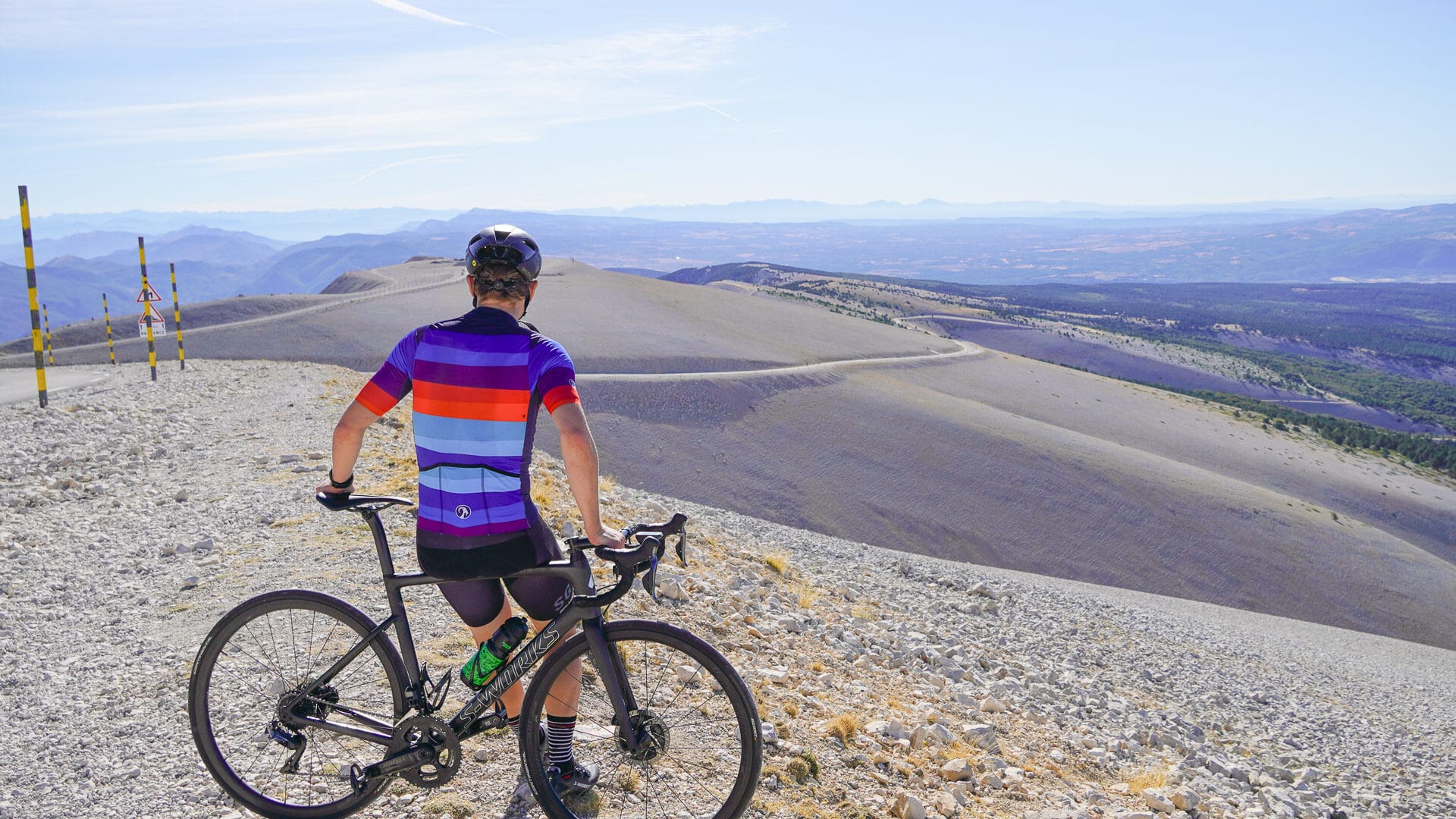
Cycling Mont Ventoux, France is top of many people’s must-do list of rides. It’s a giant of a mountain that’s steeped in cycling legend.
Part of its impact comes from the way it rises so prominently above the surrounding Provençal countryside. Add in its long Tour de France history, exposed upper slopes and notorious weather, and it’s easy to see why Ventoux has such a hold over cyclists.
If you’re wondering where to base yourself for a Mont Ventoux cycling holiday, we’d suggest either:
- one of the villages at the base of Mont Ventoux, if Ventoux is the main focus of your trip; or
- the Luberon, Provence for a more all-round holiday experience.
There are a number of small, charming towns and villages near the base of Mont Ventoux (Mont Ventoux rises to 1,910 metres and its three principal road approaches start in Bédoin, Malaucène and Sault.). Many have a strong cycling pedigree and some live and breathe cycling during the summer months; more details below.
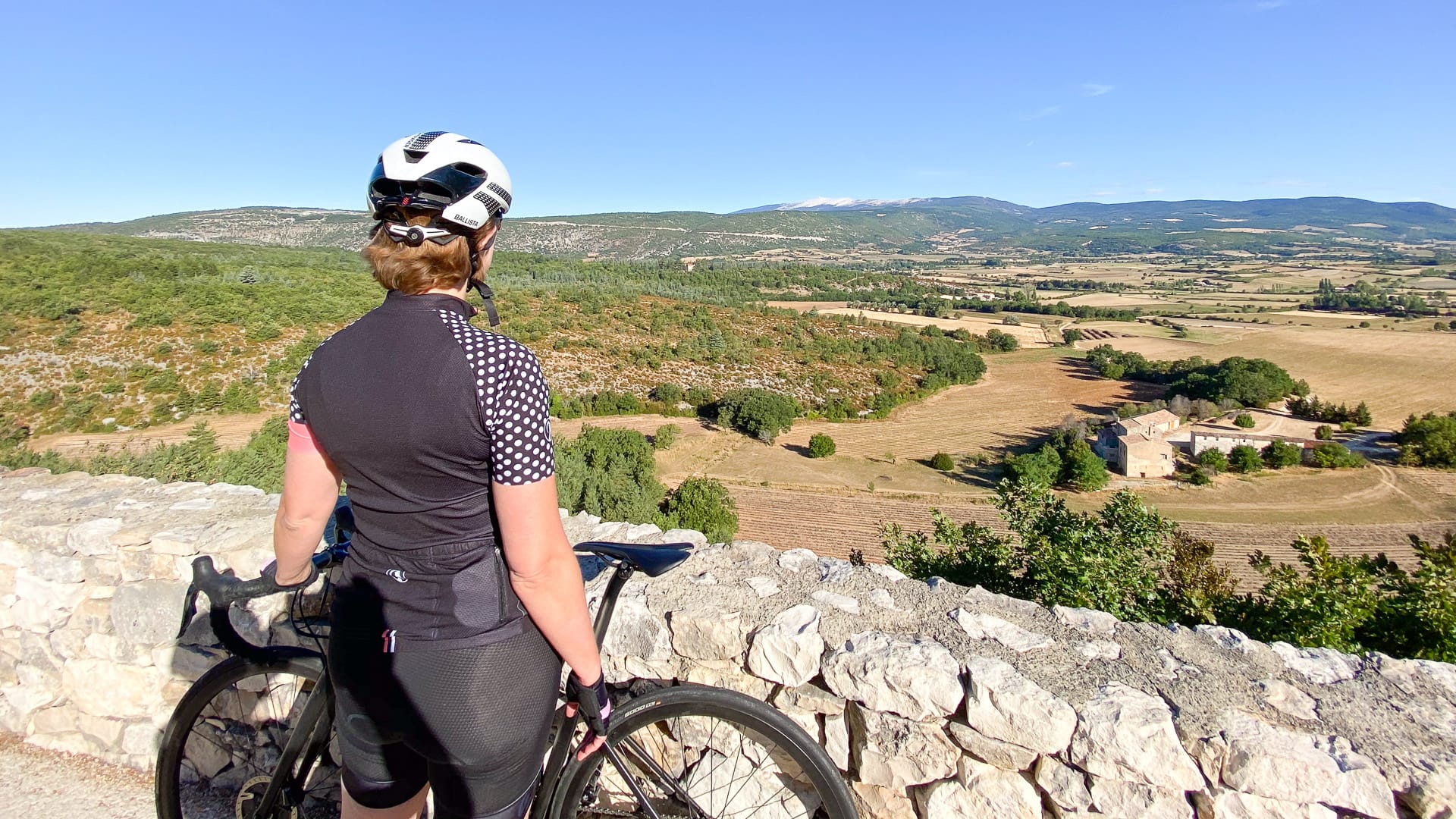
Alternatively, base yourself in the Luberon. We think it’s one of the best places to cycle in France. It offers fabulous riding on quiet roads to ancient perched villages, abbeys, castles, lavender fields and vineyards. There are routes to suit a wide range of cyclists, from gentle valley rides to rolling roads through the hills. And, for those targeting Mont Ventoux, it’s just around the corner. And, for those targeting Mont Ventoux, it’s just around the corner.
Want to cycle Mont Ventoux?
In this guide, you’ll find detailed information on the three paved routes up Ventoux as well as some awesome rides in the Luberon.
- Bédoin: Best for the classic Mont Ventoux experience
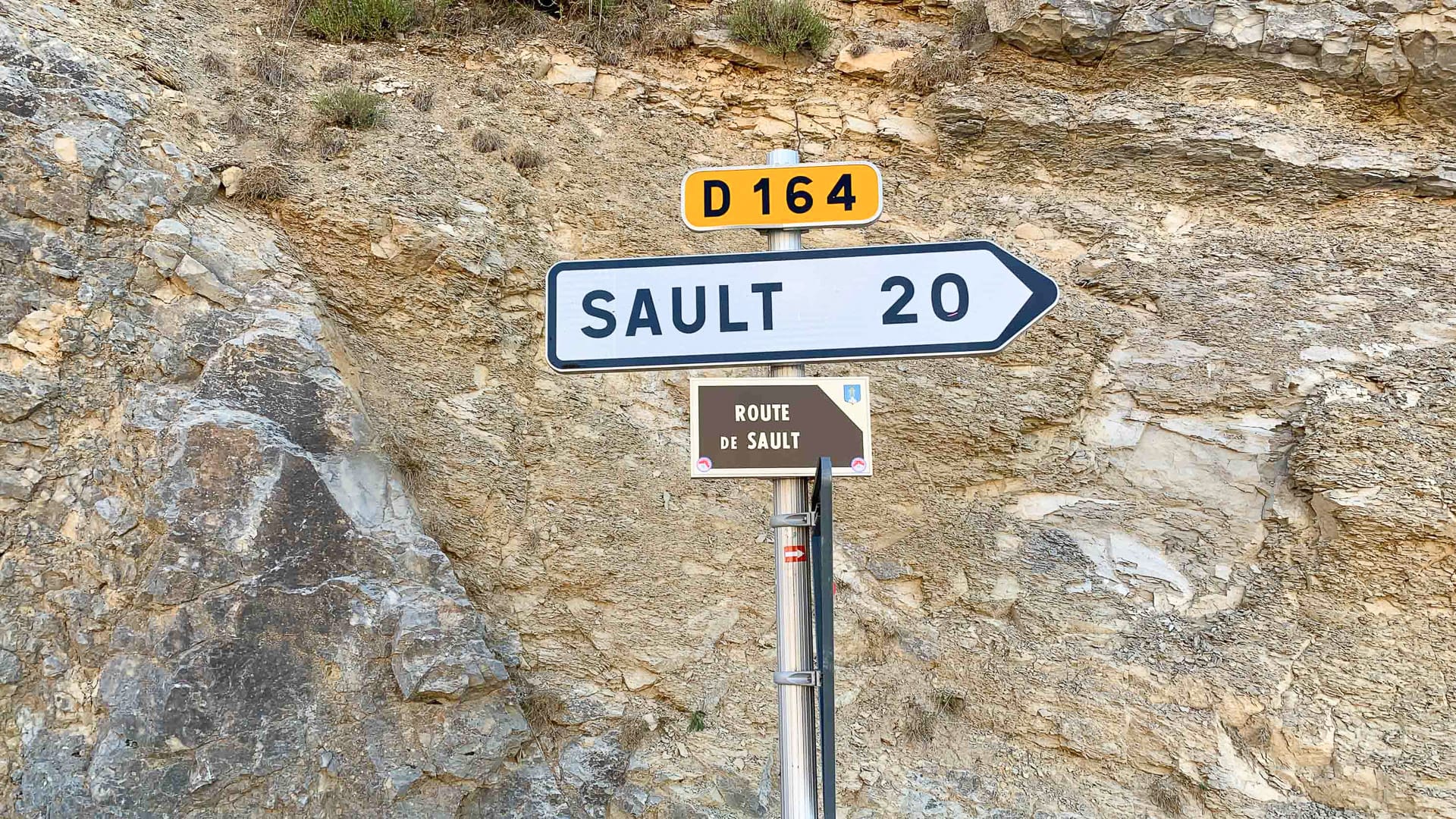
- Sault: Best for a gentler climb with more respite
- Malaucène: Best for a serious alternative to Bédoin
Read on for all you need to plan your next cycling adventure.
For more leisurely cycling options in Provence, take a look at this article on bike and barge tours in France.
How about gravel cycling Mont Ventoux? Don’t miss this in-depth guide for further information.

Clare Dewey is a cyclist with a passion for travel. She set up epicroadrides.com in 2018 to help make it easy for cyclists to explore the world by bike. Today her mission is still inspiring cyclists to discover new places on two wheels - and doing what she can to make sure they have the best possible time while they're there. Clare has visited 50+ destinations around the world, many of them by bike.
Want to connect with Clare? Find her over on LinkedIn.
Always check current travel information and advice. For visitors from the UK, the UK government travel information pages are here.
Routes: Cycling Mont Ventoux and beyond
Mont Ventoux routes
For many cyclists visiting the Luberon and Provence, it’s all about the Mont Ventoux climb.
The Giant of Provence, the Bald Mountain, the Lonely Mountain. Whatever you choose to call it, it towers above the Provençal countryside and is one of the world’s most iconic rides. It’s a big part of Tour de France history, books have been written about it and its exposed summit and unpredictable weather have helped make it a legendary cycling challenge. British cyclist Tom Simpson also died on the mountain during the 1967 Tour de France.
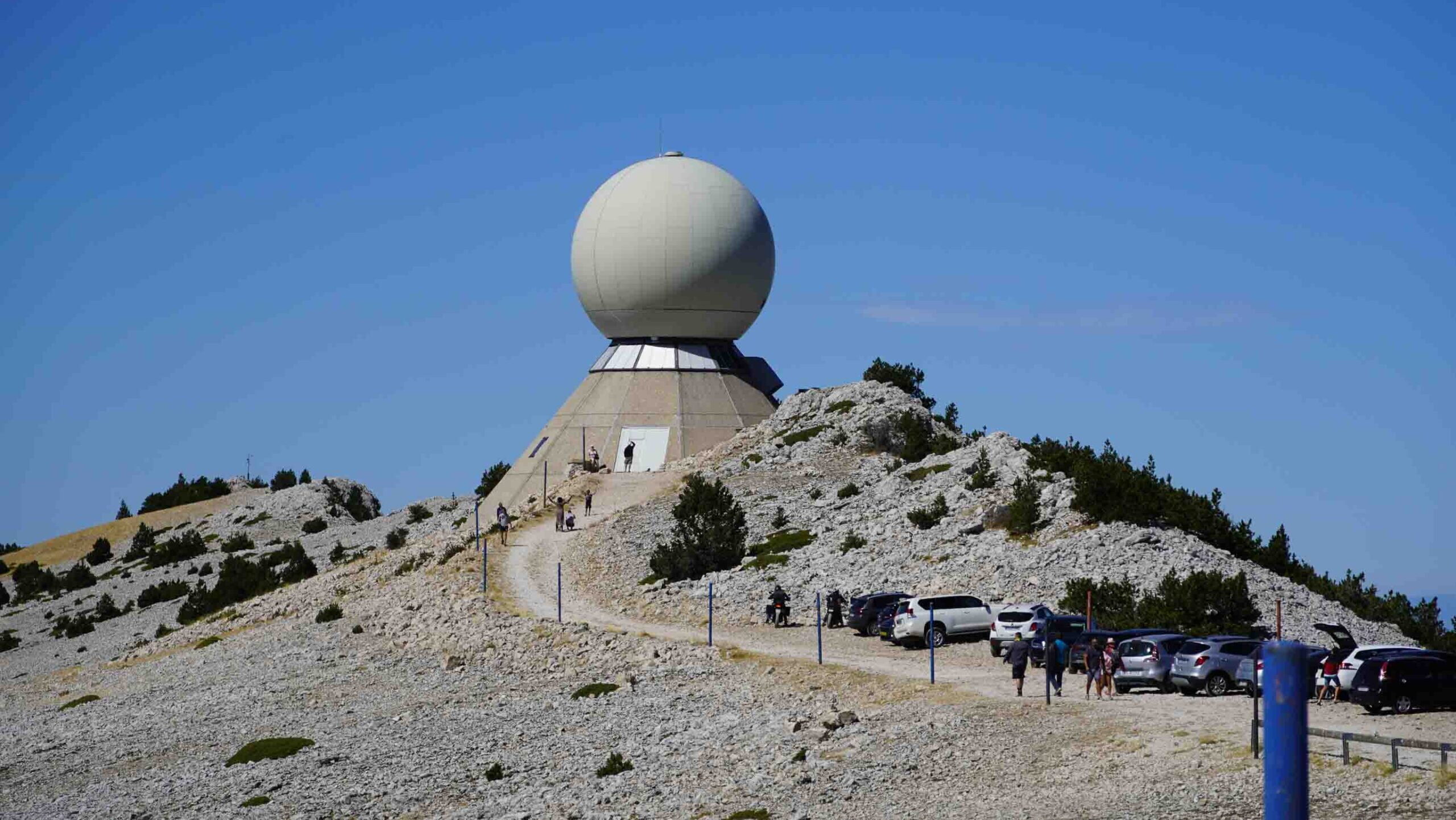
The mountain also changes character dramatically as you climb. Depending on your approach, you can go from enclosed forest to the bare, exposed upper slopes around Chalet Reynard, where the summit tower sits in view above you and the wind can become a much bigger factor.
If you’re a serious road cyclist, it’s a ride you may feel a particular need to complete, at least once in your life.
There are three different Mont Ventoux cycle routes: check out our three guides below. They include Ventoux route maps, gradient profiles and GPX downloads
Rides


Which side of Ventoux should you ride?
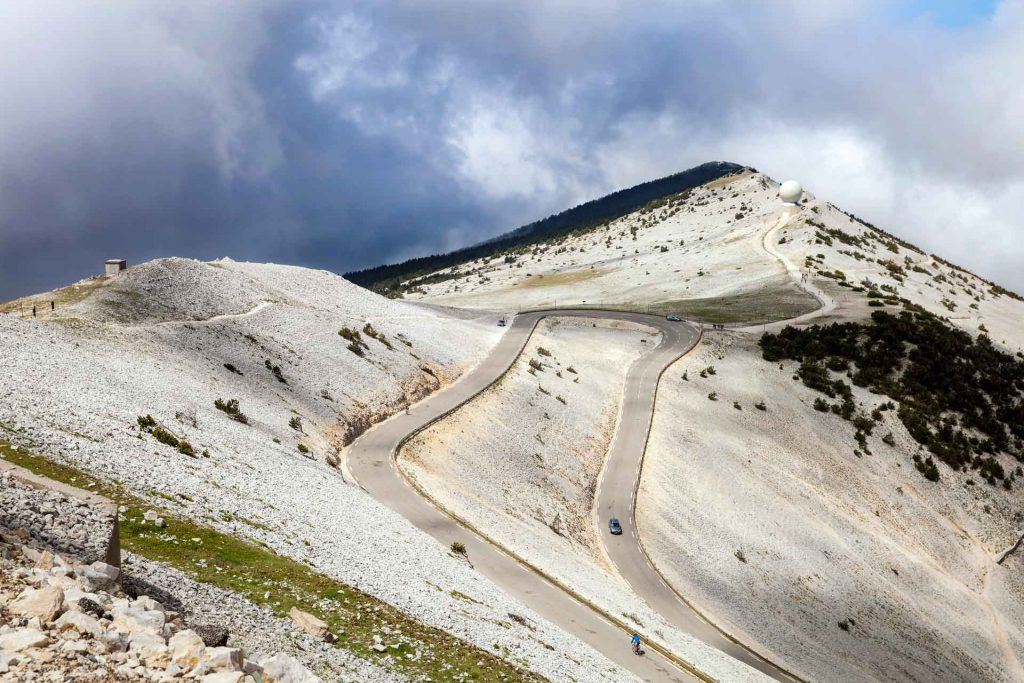
If you’re trying to decide which of Ventoux’s three sides to ride up, all three have their merits. Bédoin is the classic, Sault is the gentler option and Malaucène offers another serious way to tackle the mountain.
Bédoin: the classic Mont Ventoux climb
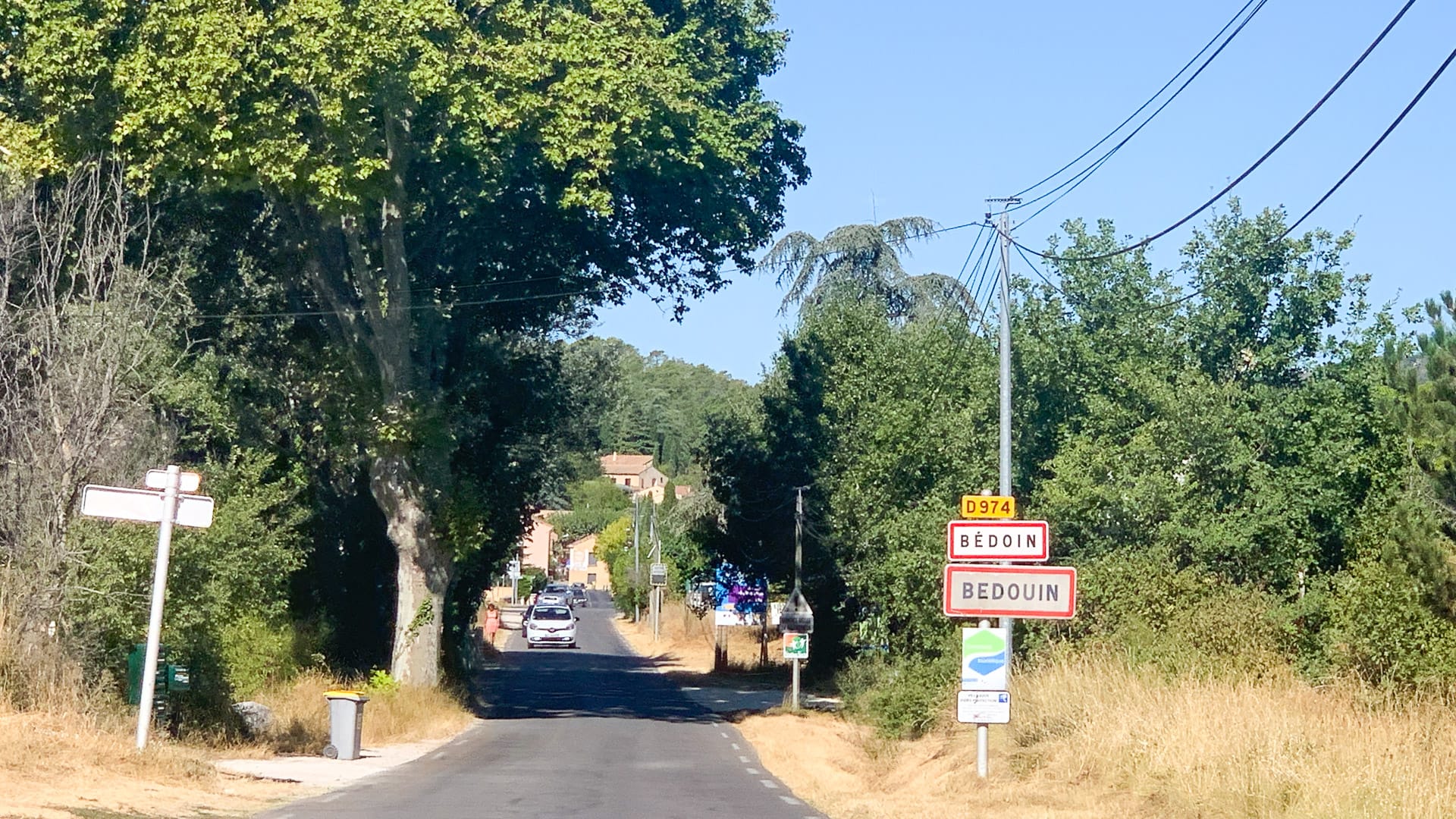
Bédoin is the liveliest of the three villages at the base of Mont Ventoux and the route from here is the most famous. If you’re into ticking iconic climbs off your list, this is probably the side you’ll want to ride first.
One of the interesting things about the Bédoin climb is how much its character changes as you go. The initial kilometres out of the village are relatively gentle, but once the road turns into the forest, the serious climbing begins.
From here, you spend roughly 10 kilometres among the trees. The road is largely sheltered from the wind and can feel unusually quiet and enclosed. The gradients are much tougher too, often sitting around 10%, with switchback after switchback through the forest.
We found this section particularly demanding mentally. Many of the bends start to look remarkably similar and, because you’re still well below the exposed summit, it can feel as though there is an enormous amount of mountain left to climb.
My tip is to break Ventoux into sections rather than thinking about the summit from the bottom. Settle into a sustainable pace through the forest and concentrate first on reaching Chalet Reynard. Spending too much energy here can make the final kilometres much harder than they need to be.
Chalet Reynard is where the character of the climb changes again. Chalet Reynard is an old mountain refuge and one of Ventoux’s best-known cycling landmarks, sitting just before the road emerges onto the bare upper slopes. There’s food and drink available and plenty of cycling memorabilia, and it can also be a useful place to stop if the weather turns while you’re descending.
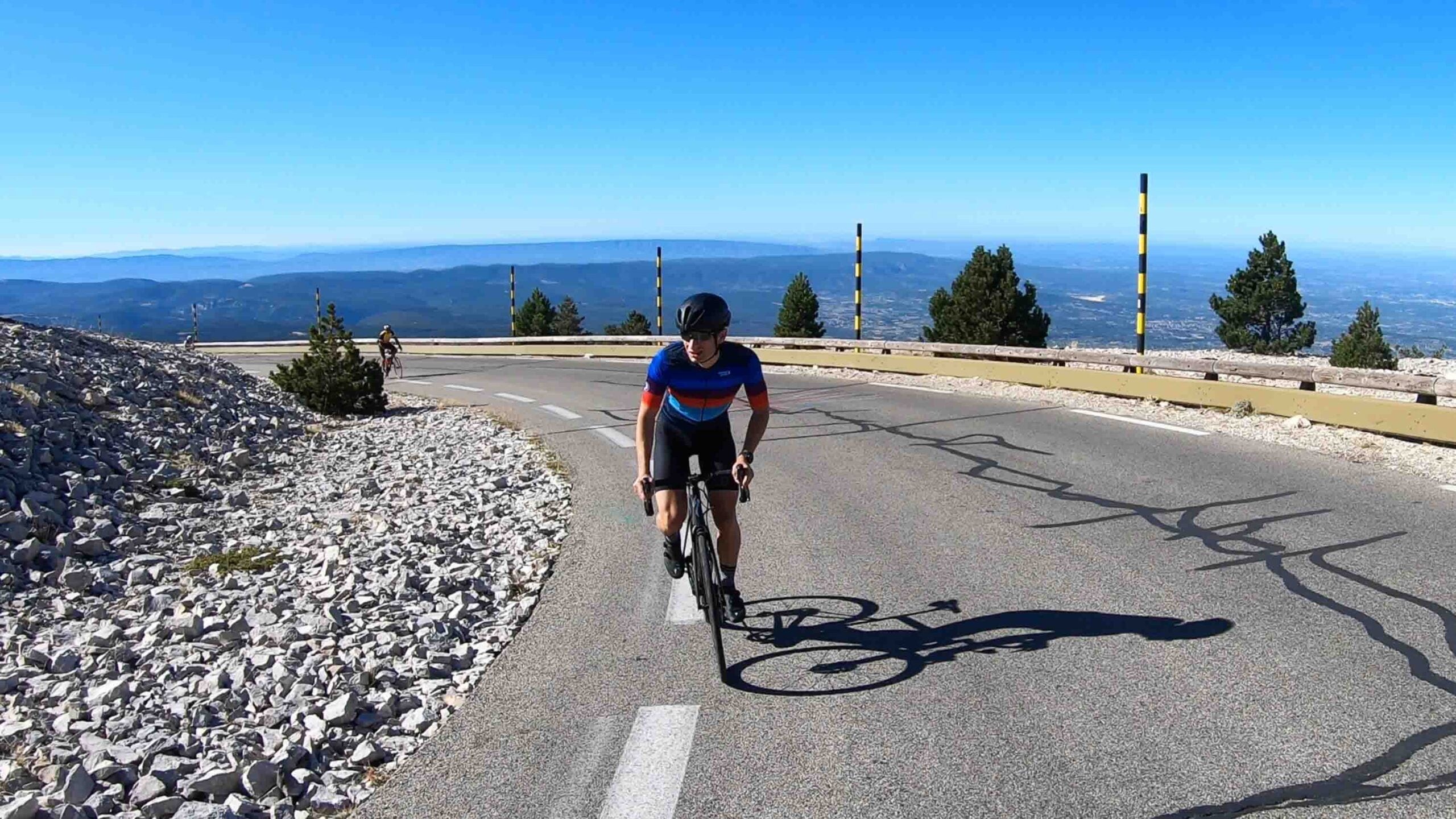
Above Chalet Reynard, the trees disappear and the classic images of Ventoux begin: pale, exposed slopes, roadside marker poles and the summit tower above you. You can see the tower for much of the final part of the climb, which is both motivating and slightly torturous. It can seem to stay the same distance away as the road continues around another bend, before the summit eventually arrives surprisingly quickly.
This exposed section is also where the wind can transform the ride. Conditions can be relatively calm in the forest before becoming much tougher above Chalet Reynard, so don’t assume the weather at the bottom tells you what is happening near the summit.
Sault: the gentler way up Ventoux
Of the three villages, Sault is the least frequented and arguably the most appealing spot in our opinion. It generally feels quieter and less focused on cycling tourism than Bédoin, which may appeal if you’d prefer a lower-key base. It also makes a great springboard from which to explore the cycling in the Drôme.
My favourite climb up Ventoux is the Sault climb – and not just because that is the ‘easy’ side! It is a little longer than the Bédoin route but considerably gentler overall, with an average gradient of around 5%.
There is still plenty of climbing and another long section through the forest. However, the gradient eases for a couple of kilometres in places, giving you some genuine respite. With favourable conditions, these easier sections can even feel relatively quick.
The Sault and Bédoin routes meet at Chalet Reynard. From that point, the distinction between the ‘easy’ and ‘hard’ sides disappears, as everyone tackles the same exposed final kilometres to the summit.
If you have a chance to ride the Gorges de la Nesque and then do the climb from Sault, we think the two work particularly well together. The steady climb through the gorge gives you a great introduction before the longer ride towards Sault and the final push up Ventoux. It also sets you in really good stead to take on the more challenging climbs from Bédoin and Malaucène.
Malaucène: another serious Ventoux challenge
The Malaucène route is much closer to Bédoin in terms of the scale of the challenge, with a similar overall distance and a substantial amount of climbing.
It doesn’t have quite the same status as the classic Bédoin ascent, but don’t mistake that for an easier ride. There are some demanding gradients and relatively little opportunity to switch off, making it another major day on the bike.
If you want the full Ventoux experience but don’t necessarily need to follow the most famous route, Malaucène is well worth considering. It is also one of the three ascents you’ll need to complete if you decide to take on the Cinglés du Ventoux challenge.
Where should you base yourself?
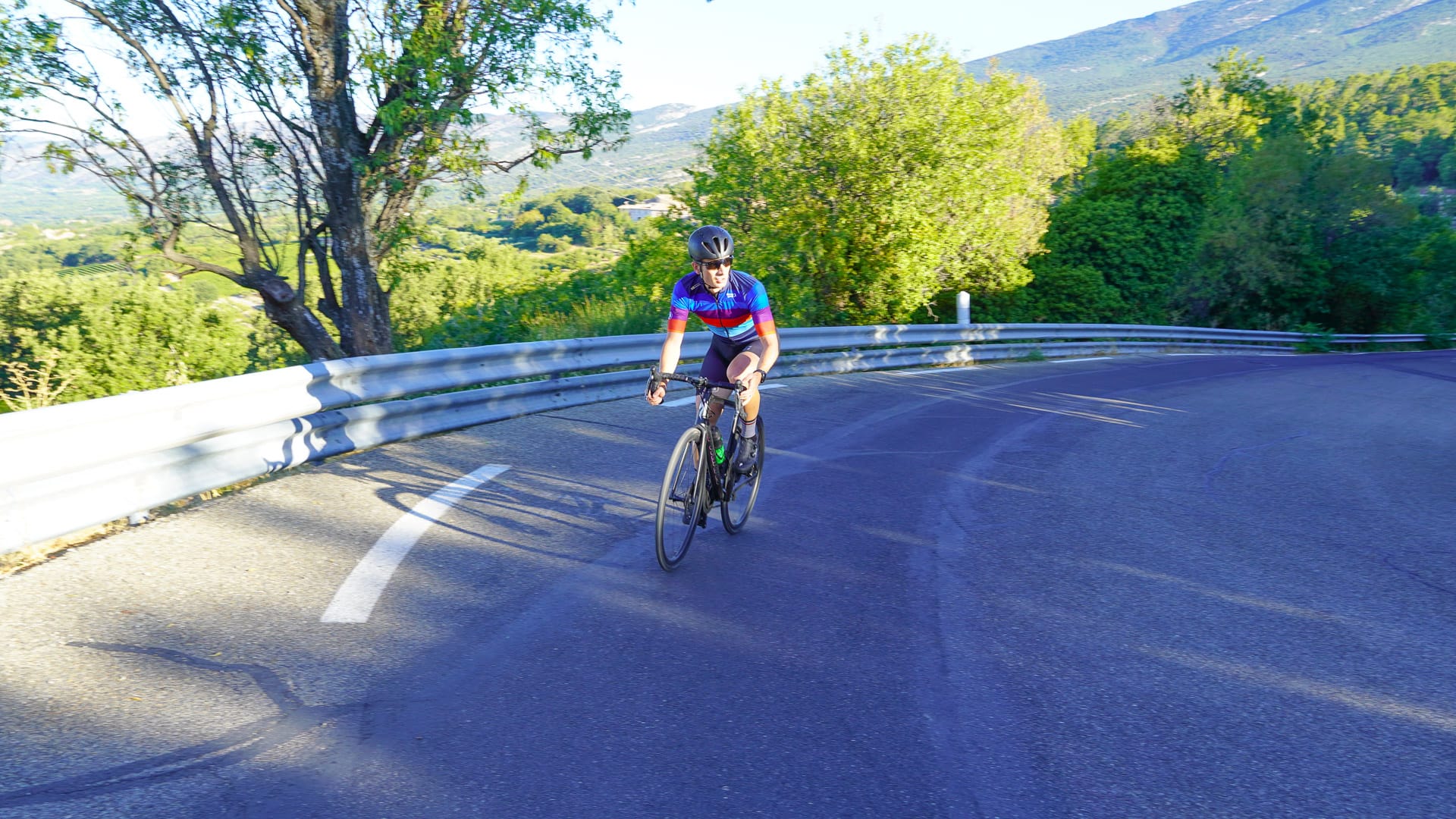
Bédoin is the obvious choice if Ventoux is the main focus of your trip. It has a strong cycling scene and puts you right at the foot of the classic ascent.
Sault offers a quieter alternative and works particularly well if you want to combine Ventoux with the Gorges de la Nesque or explore further into the Drôme.
Some of the outlying villages around Bédoin are also worth considering as bases as they’re quieter and less touristy. For example, Mormoiron and Villes-sur-Auzon are particularly well positioned as they are a good springboard to the Luberon, Gorges del la Nesque and yet within easy reach of Bédoin.
For a longer Provence cycling holiday, consider somewhere such as Mazan or the wider Luberon. That gives you a bigger choice of rides and means your whole trip doesn’t have to revolve around Ventoux.
If once up Mont Ventoux isn’t enough…
If you think you’ve got what it takes, here are some more Mont Ventoux challenges – in ascending order of craziness:
- Granfondo Mont Ventoux. In 2026, the event’s Granfondo route covered 135 kilometres with 3,200 metres of climbing. Riders could also choose a 106-kilometre Mediofondo route with 2,600 metres of climbing or an 80-kilometre Piccolofondo route with 2,135 metres of climbing.
- Les Cinglés du Ventoux. You’ll need to cycle all three routes (up and down) in a day, in whichever order you like. If you complete this, you’ll be riding 137 kilometres with 4,400 meters of vertical gain.
- Bicinglette – double the Cingles! It requires six ascents and six descents within 24 hours.
- There’s also a traditional proof-of-passage element to the challenge. Riders can carry a card and collect stamps as they complete the different sides of the mountain. Stamps are available from participating cafés and shops in Bédoin, Malaucène and Sault.
Are you a member of the Club des Cingles du Mont Ventoux? Let us know in the comments below if you have attempted any of these Mont Ventoux cycling challenges – or if you plan to. We’d love to hear from you.
More info
Don’t miss our Q&A on the Cinglés du Ventoux, with lots of firsthand tips and suggestions for how to conquer it.
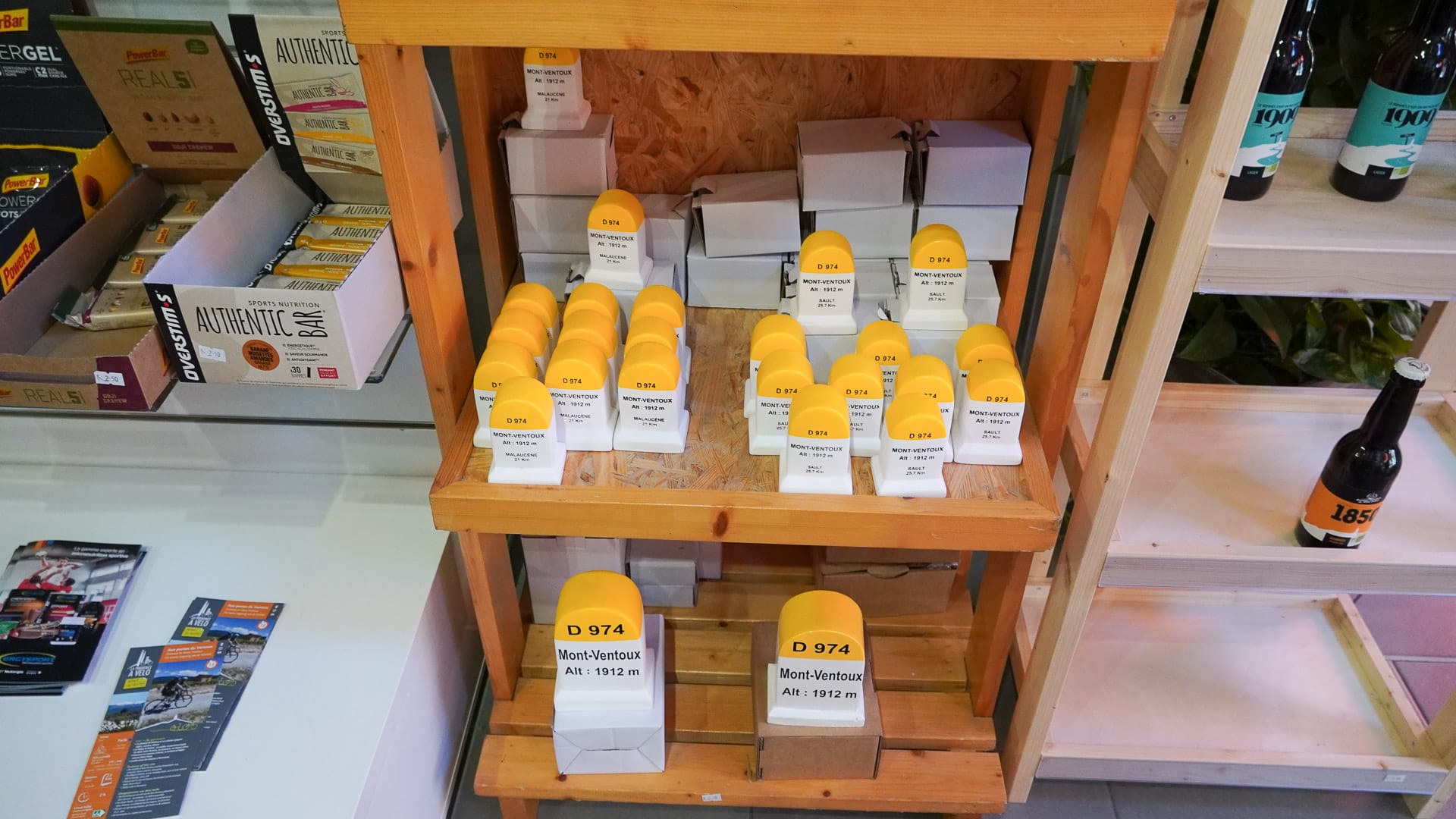
Souvenirs on display
Other top rides in the Luberon, Provence
There is another side to cycling in Provence, far away from Mont Ventoux: the less famous, easier going rides through bucolic countryside. The region is a wonderful place to cycle even if you (or someone you’re travelling with) doesn’t want to cycle Mont Ventoux itself. Creamy stone pool villas dot the countryside, there are markets to explore, superb restaurants in quiet villages, excellent little known wine producers, swimming lakes and bike paths for the kids too.
If you only do the Mont Ventoux you are only scratching the surface of what this area has to offer. From the Dentelles to the Drôme region on the north side of the mountain this area merits a prolonged stay for any avid cyclist. By all means tick off the Bédoin climb so it is in your palmares but then take some time to explore further afield.
There’s another practical reason not to build your entire trip around one ride. If the wind is too strong for Ventoux, having routes such as the Gorges de la Nesque and rides through the Luberon ready to go means you can simply move Ventoux to another day rather than losing a day of riding.
Two of our favourite Provence cycling routes are below.
1. Highlights of the Northern Luberon
Distance: 65.9 kilometres
Elevation gain 1,185 metres
If you’ve only got time for one ride in the Luberon, make it this one; the showcase for Luberon cycling.
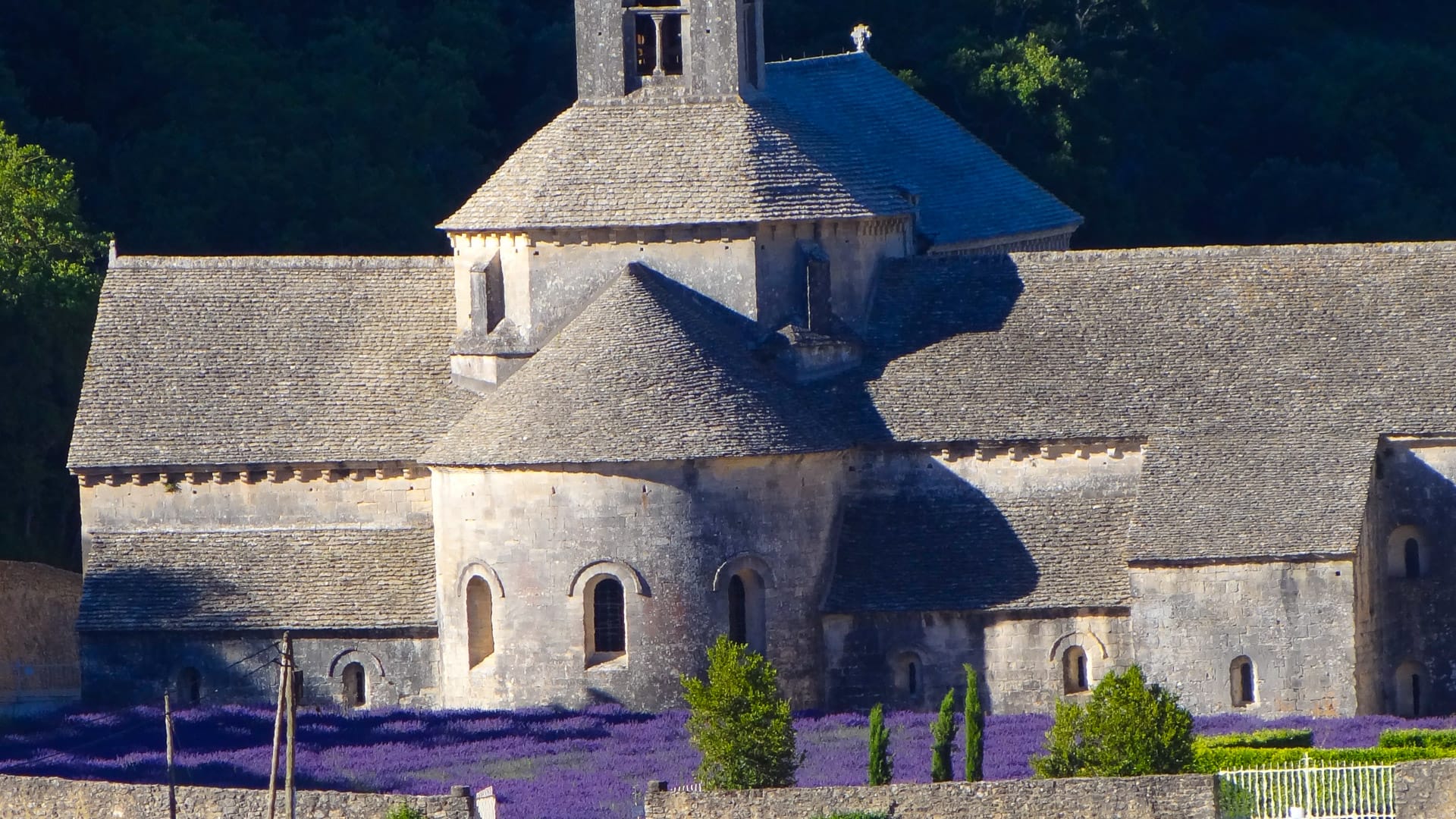
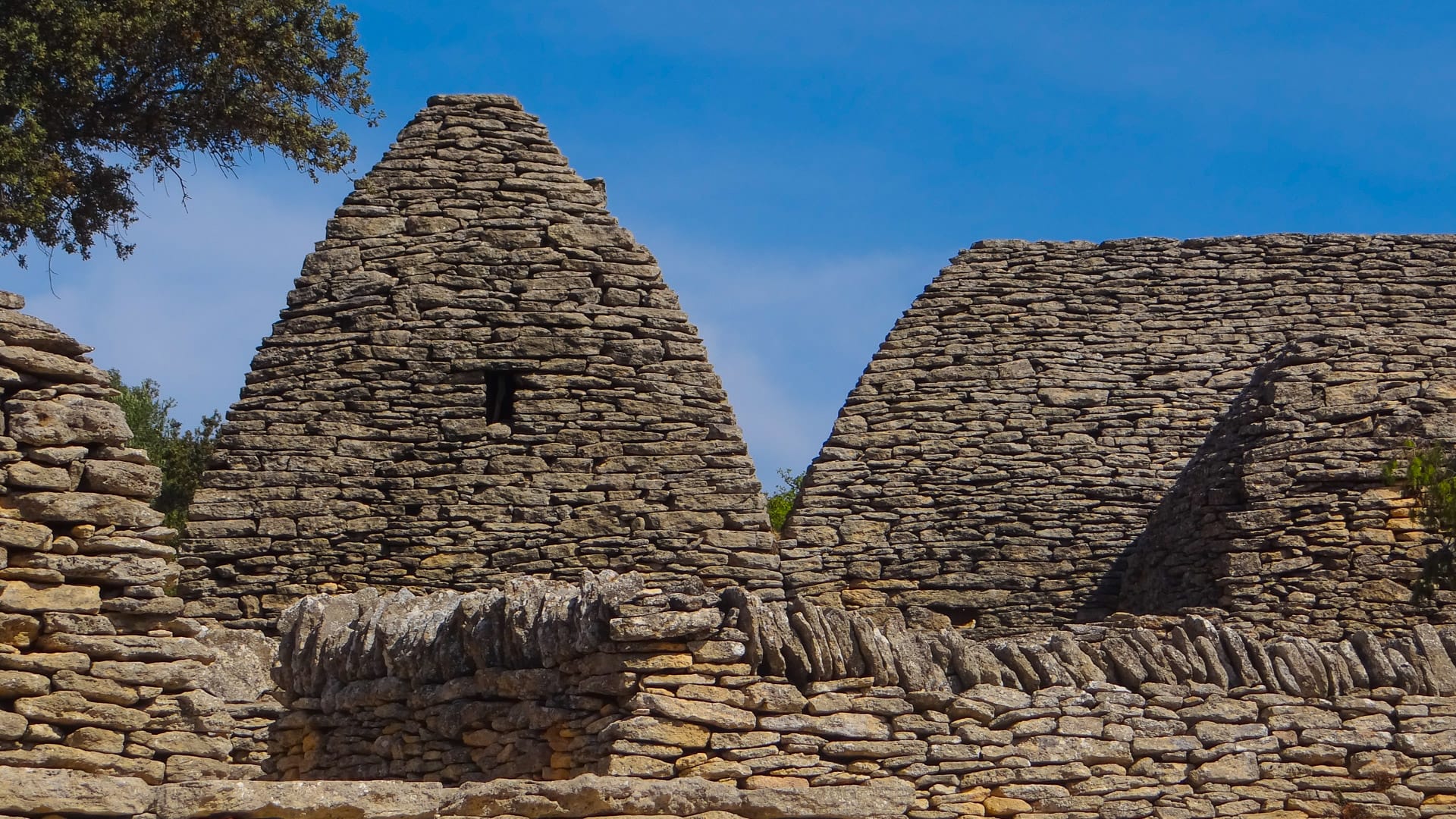
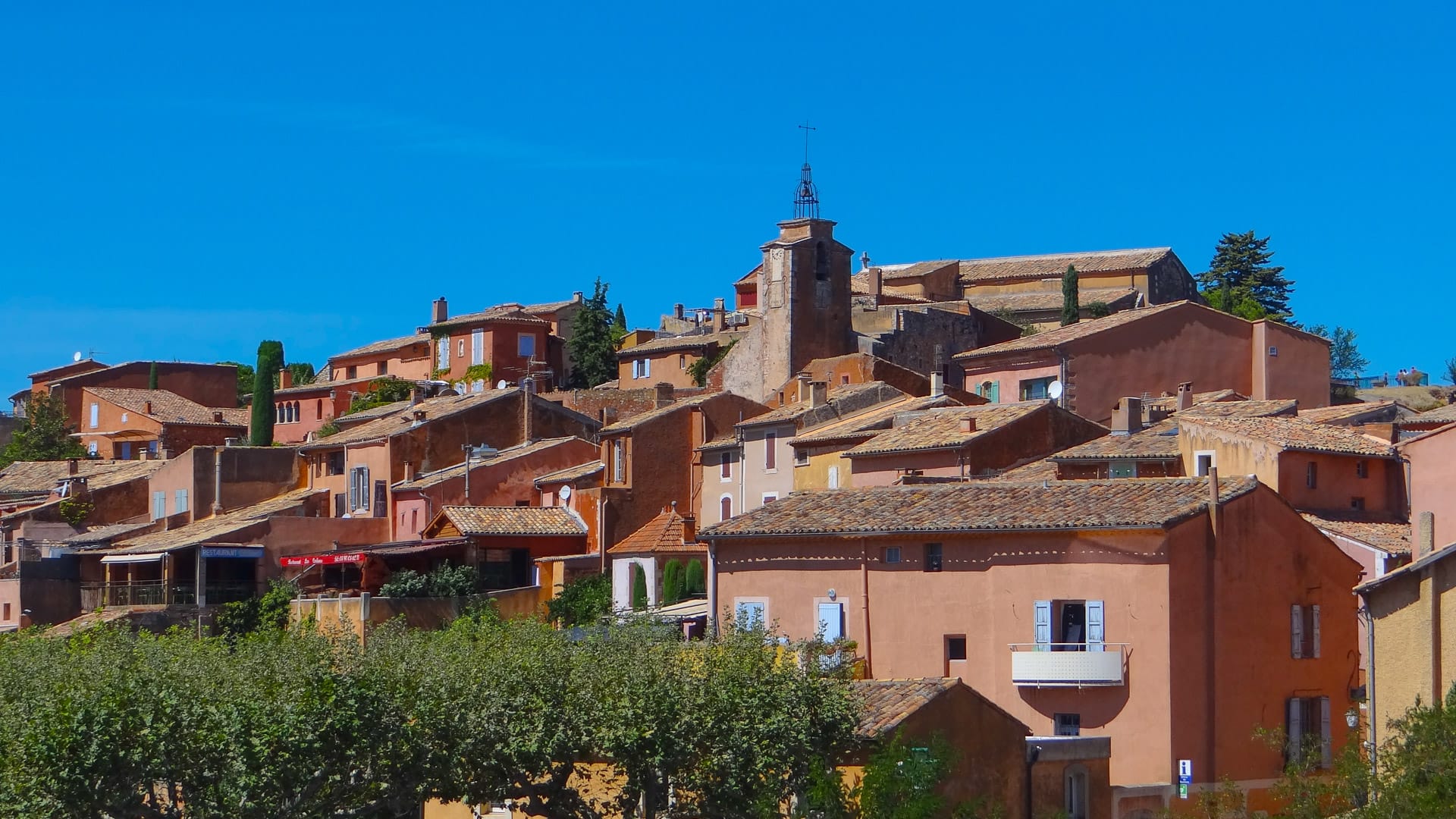
The route takes you past lavender fields, perched villages and some of the region’s most iconic sites, including Chateau de Lacoste, Abbey de Sénanque, Village des Bories and Le Sentier des Ocres in Roussillon.
The real difficulty will be resisting the urge to stop all the time to take photos and visit these amazing places.
Tip: If you’re looking for a longer ride, tack on the 38 kilometres perched village ride.
2. Highlights Of The Southern Luberon
GPX DownloadTerms of use reminder
Distance: 58.6 kilometres
Elevation gain: 838 metres
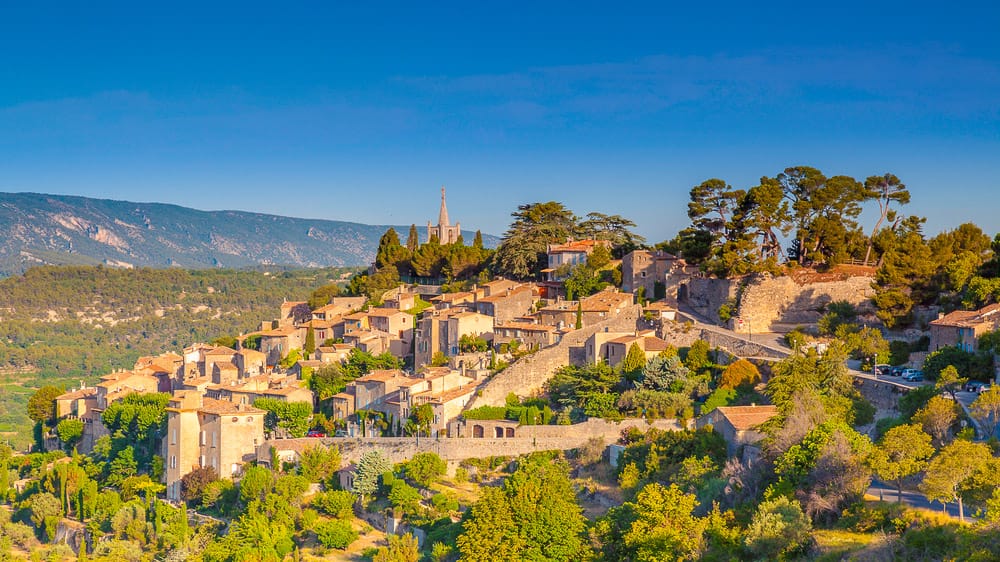
This fabulous loop gives you a taste of the Luberon on the south side of the Luberon Mountains.
The ride starts with the unforgettable twisting and turning descent of the D943 gorge road, surrounded by immense grey stone walls.
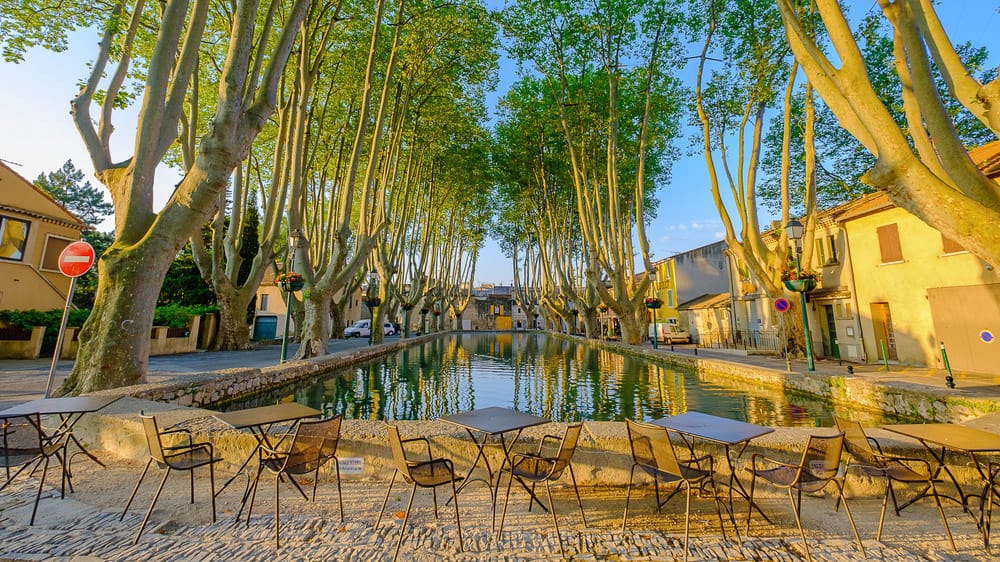
Once you’re out of the gorge, the riding is more mellow through vineyards, past castles and through ancient villages. The small lake surrounded by 200-year-old plane trees at Cucuron is a particular highlight.
If you’ve got time, we’d also recommend a stop in beautiful Lourmarin.

3. Gorges de la Nesque
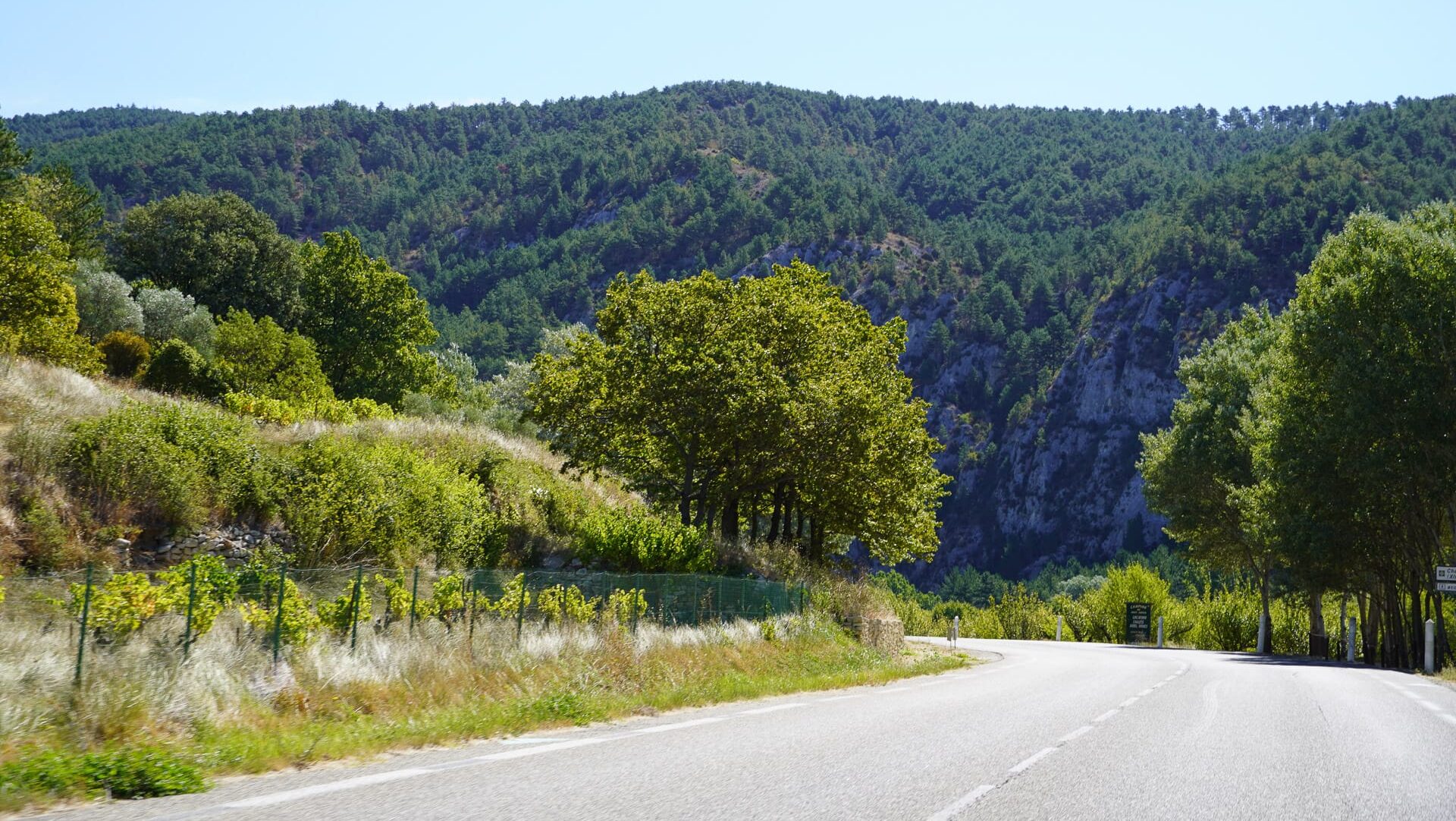
The Gorges de la Nesque is one of the most memorable cycling routes in France. The road follows the course of the Nesque river on its meandering course. For much of the route you’re high above the river on a balcony road that hugs the cliff face and takes you through roughly hewn tunnels, carved into the limestone rockface.
The 20-kilometre climb really begins from the small village of Villes-sur-Auzon; but it’s an unaggressive kind of a climb at just a 2.3% average.
That relatively gentle gradient is one of the things we like about it. Unlike Ventoux, it is a climb where there is usually enough breathing room to look around and enjoy the gorge rather than spending the entire ride concentrating on your effort. The balcony roads, broad bends and views down towards the gorge make it feel very different to the mountain above.
The road is quite exposed in places, though. On hot days there is relatively little escape from the sun, while windy weather can also make itself felt, so carry enough water and check the conditions before setting out.
The viewpoint at Castellaras Belvedere is not to be missed (as long as you’ve got a head for heights!). From the viewpoint you look all the way down into the bottom of the gorge. Absolutely stunning.
Traffic can be lighter than on the main roads around Mont Ventoux, but this remains a public road rather than a traffic-free cycling route. Check for roadworks, closures and local restrictions before setting out. It also makes a fantastic warm up for those wanting to ride Mont Ventoux, which looms overhead.
If you’re climbing Ventoux from Sault, and have the legs for it, combining the two works particularly well. The Gorges de la Nesque gives you a steady introduction before the longer climb towards Sault and the final push from Chalet Reynard to the summit.
4. Tour of Ventoux
This is a great route that will give you get a great sense of what the region has to offer. You can ride it in either direction but we prefer to ride from Mormoiron in the direction of Sault so that we incorporate the steady climb up the Gorges de la Nesque first. From Sault you then go into the Drôme region and have a chance to ride through Montbrun les Bains which is very deserving of its status of being one of the ‘Plus Beaux Village de France (Most Beautiful Villages of France).
The riding on the ‘back side’ of the mountain is marked by an absence of traffic and some stunning landscapes – all the time whilst seeing Mont Ventoux from different angles. You complete the circuit by riding through Malaucène, over the smaller version of the Col de la Madeleine to Bédoin and then back to Mormoiron.
Signposted cycling routes in Provence
For those that don’t like following a Garmin, there are a range of excellent signposted routes:
- V863 – Autour du Luberon: a 240 kilometres route around the Luberon massif, signposted in both directions. Map and GPX here.
- Les Ocres à vélo: a 68 kilometres signposted circuit through the Luberon’s ochre landscapes. Connecting routes allow cyclists to shorten it and create loops from around 15 kilometres. Map and GPX here.
- Many more route ideas here.
Family rides around the Luberon, Provence
Here are some ideas for Provence cycling holidays with kids:
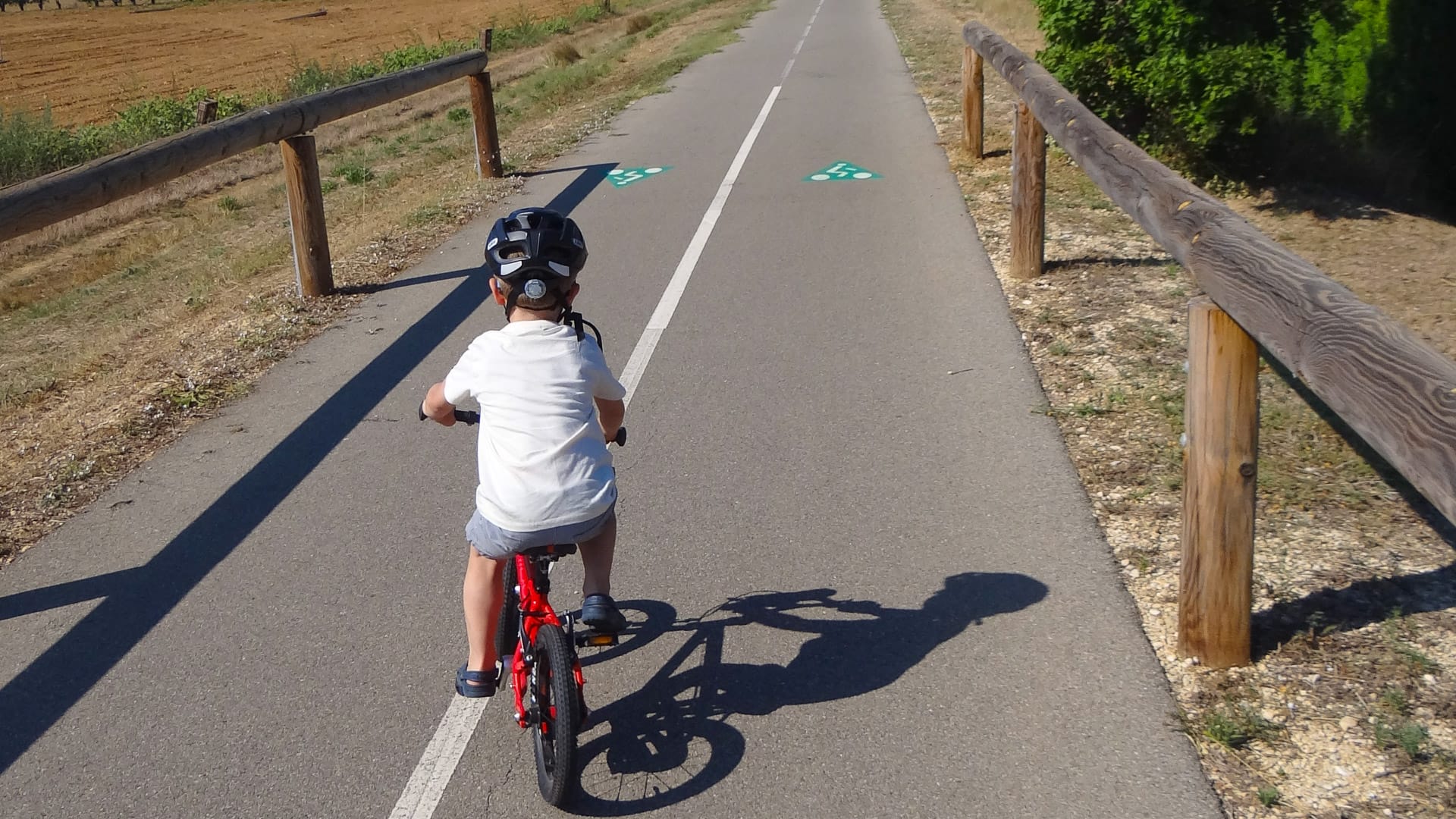
Veloroute – Voie Verte du Calavon
A superb bike path runs for approximately 45 kilometres through the Calavon valley. It’s almost flat, with around 190m of elevation gain over the whole route. and much is well away from the road. Much of it is well away from the road, although cyclists should still expect some sections on or beside public roads.
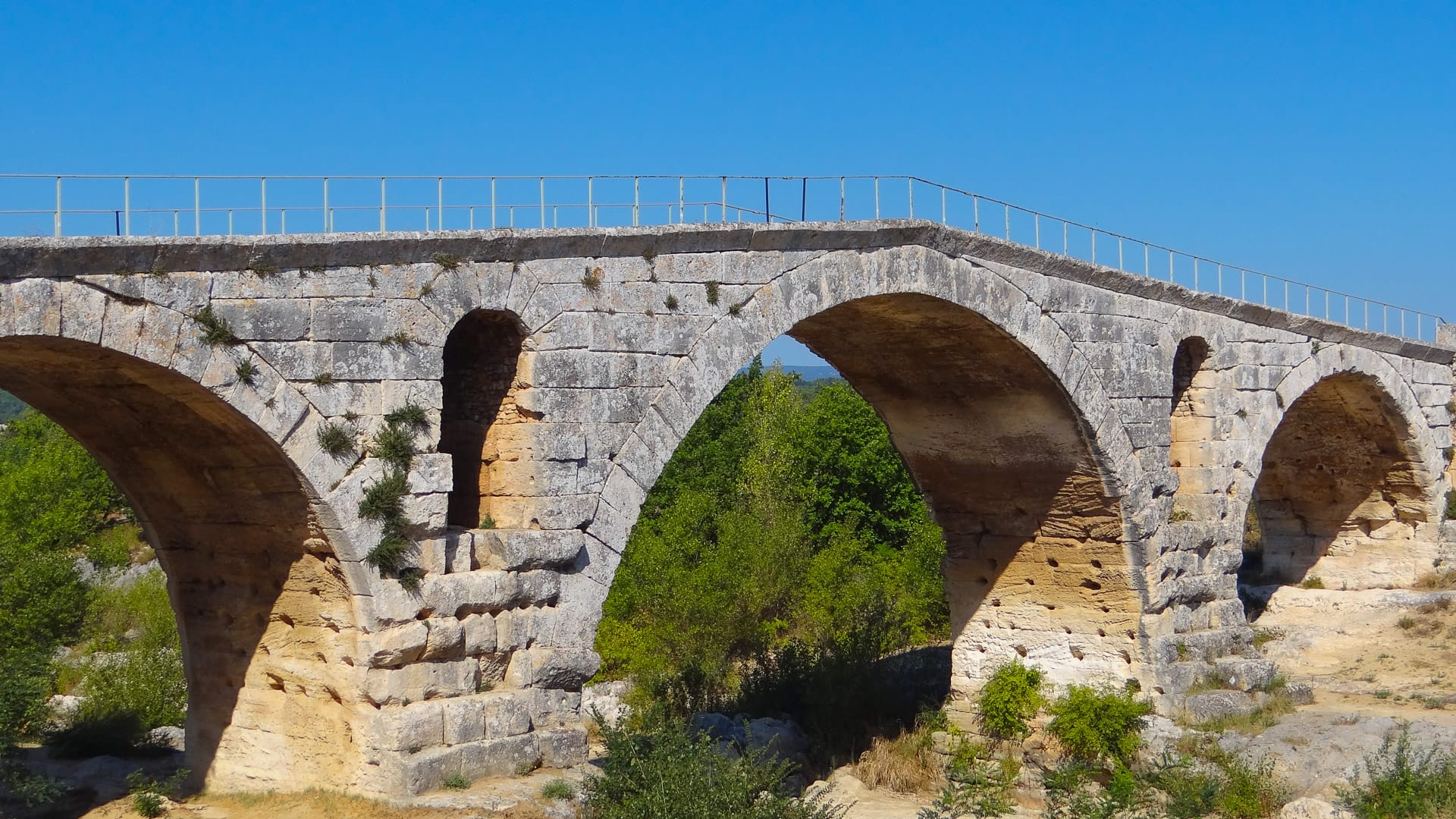
One of the highlights is passing the Pont Julian Roman bridge.

Perched villages loop
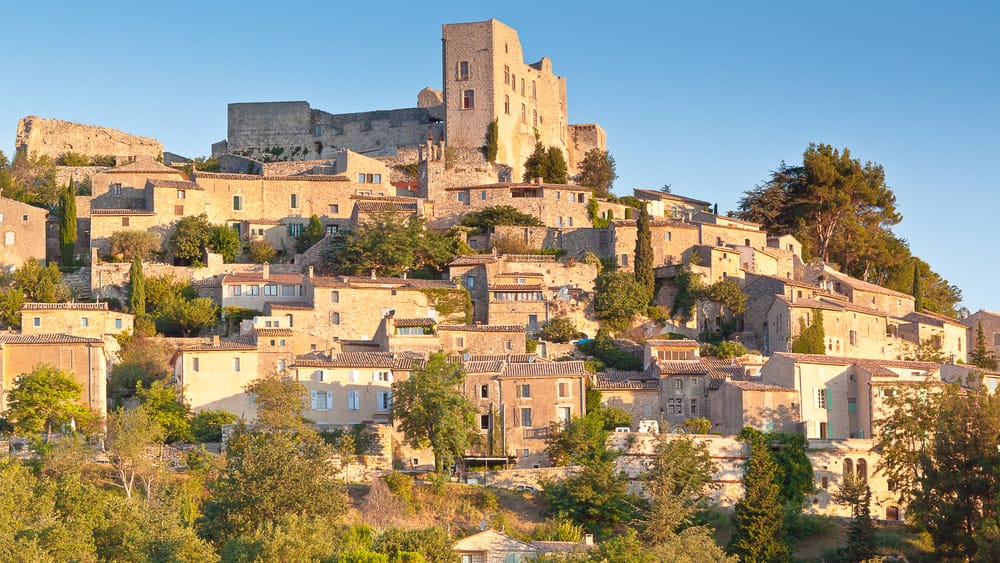
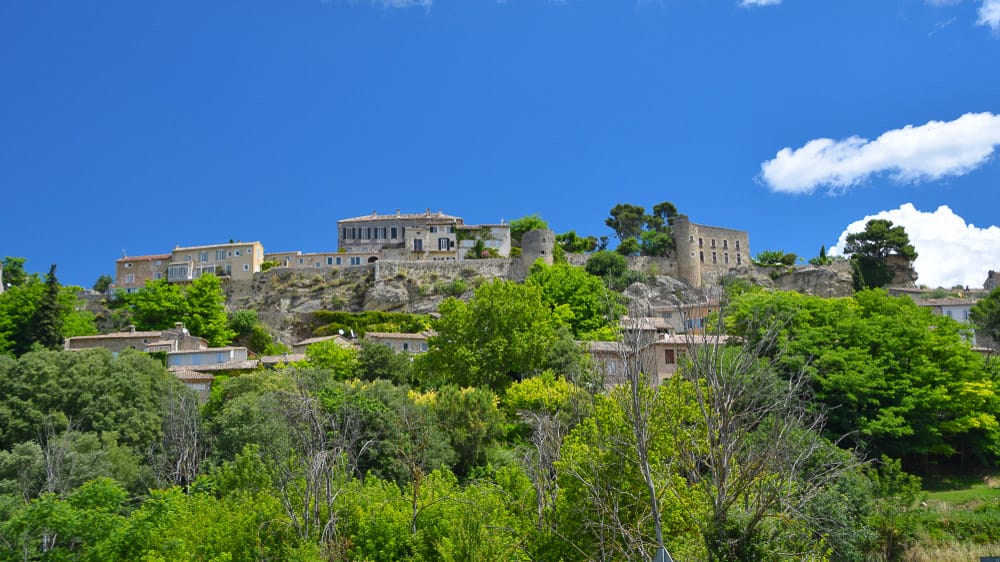
This 38-kilometre loop takes in some of the Luberon’s most attractive perched villages:
- Lacoste with its wonderful castle and panoramas over the Luberon.
- Menerbes, one of the Luberon’s most famous perched villages.
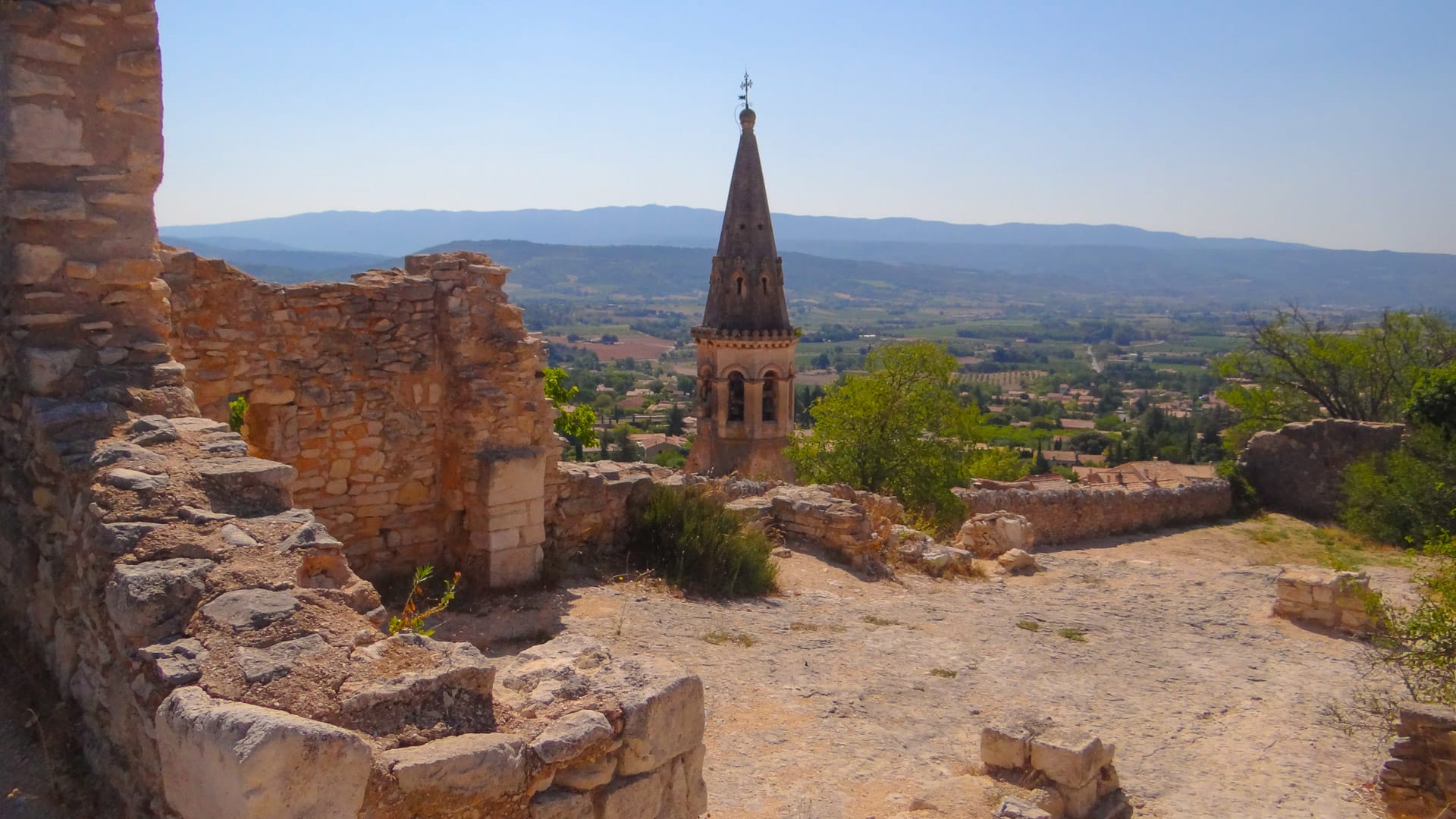
- Oppède le Vieux, this once abandoned terraced village is one of our favourite finds. An old gateway leads from the main square to the upper village – be prepared for countless steps and unforgettable views from the church at the top. You’ll need to leave your bikes at the bottom.
Tip: with 634 metres climbing, this route is only suitable for older children that are keen cyclists.

Provence cycle tours
We know several operators in this region, so if you’re looking for support, fill in this enquiry box and we will try and connect you.
Other options
If you’d like some help with organising your trip to Provence, check out our article on the best Provence bike tour operators.
You might also be interested in our tips for how to pick the best bike tour company for your needs and the different kind of French cycling holidays out there.
Where to stay
We’ve prepared this detailed article on the best places to stay and accommodation for cyclists near Ventoux. Here you’ll find our tips for deciding between staying at the foot of Ventoux versus the villages around Ventoux versus the Luberon. We also share suggestions for specific cycling-friendly accommodation.


Bike hire
Below are some companies that may also be able to help with bike rental for Mont Ventoux and the wider Luberon/Provence region.
Prices, services and bike brands often change. Please let us know if anything is incorrect.
Mont Ventoux bike hire
If you’re looking for Mont Ventoux bike hire, the following places all have a good range of bikes to offer and are in the shadow of the mountain.
Bédoin bike hire
La Route du Ventoux/France Bike Rentals – 57 Route du Mont-Ventoux 84410 Bédoin // +33 (0)4 90 67 07 40 – La Route du Ventoux is also known as France Bike Rentals as the owners of La Route du Ventoux are part owners of France Bike Rentals, a company which rents and delivers bikes all over France.
Bedoin Location – 20 Rte de Malaucène, 84410 Bédoin // +33490659453
Malaucène bike hire
Ventoux Bikes – 1, Avenue de Verdun, 84340 Malaucène // +33 (0)9 62 30 25 73
Sault bike hire
Albion Cycles – Route de Saint Trinit, 84390 Sault // +33 (0)4 90 64 09 32
Luberon bike hire
There are lots of places to rent bikes in the Luberon and Provence and we’ve listed some below.
Rent Bike Luberon – 2, Rue Marceau, 84 480 Bonnieux // +33 (0)7 78 68 34 94
Sun e bike – 1 Avenue Clovis Hugues, 84480 Bonnieux // +33 (0)4 90 74 09 96 – You need to contact them about road bike hire since they primarily rent electric bikes.
Cycling Center Coquillade – Coquillade Village, Le, Rte du Perrotet, 84400 Gargas // +33 6 78 71 03 54
– The cycle centre is part of the Coquillade Hotel. We contacted the hotel to check it is possible to hire bikes if you are not a guest and they told us: “You can hire our bikes if you do not stay at the hotel. However, the bike always must return in the evening at the Rental Shop.”
Mondovelo Pertuis By Vélo Luberon – ZAC Saint Martin, 84120 Pertuis // +33 (0)4 90 09 17 33
Luberon Biking Roussillon – Conservatoire des Ocres D104 84220 Roussillon // +33 6 43 57 58 89
Ventoux bike hire tips:
- Book your bike in advance, particularly in peak season when Ventoux bike rental can get super busy.
- Remember to bring your own pedals, shoes and helmet. This packing list may help!
- Check which way around your brakes are set before you ride away (i.e. whether the front brakes are on the right hand (as is usual in the UK) or on the left (as is usual elsewhere in Europe).
- If you’re travelling to Provence by train, hiring locally is particularly worth considering. Taking a bike box through Paris and between stations can make an otherwise straightforward rail journey considerably more awkward.
- There are some very high-quality hire bikes available in the Ventoux and wider Provence area, so compare the cost and hassle of transporting your own bike with hiring once you arrive. If you do want to take your own bike on the train, check the relevant operator’s current bike-booking and carriage rules well before travelling.
Undecided on whether to hire a bike or bring your own? Read this.
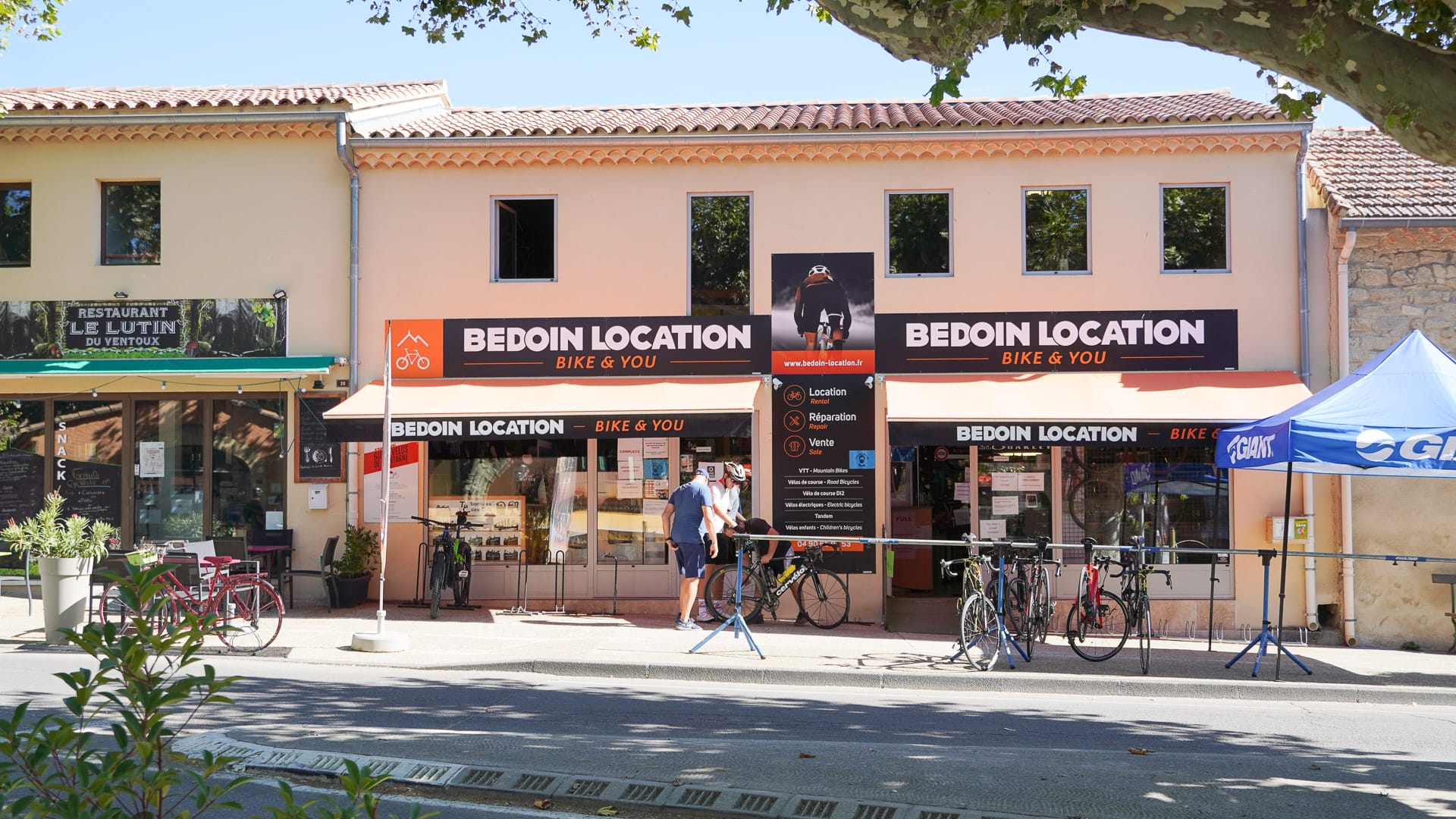
Exterior of Bédoin Location
When to go
Our favourite time to visit the Luberon and Ventoux is June when it’s hot, without being ridiculous, the lavender fields look and smell amazing, and the roads aren’t inundated with families on school holidays. That said, we’ve visited in July and (contrary to what most people say!) preferred it to September simply due to the lavender fields being in flower and the reliably hot days.
It comes down to your priorities.
If climbing Ventoux itself is one of the main reasons for your trip, consider going late May through to September. Earlier in spring can work, but you have a greater chance of snow, difficult conditions or the upper roads still being closed.
The weather on Ventoux is changeable whatever the time of year and the Mistral may well be blowing hard – even in high summer.
The Mistral is something to take seriously rather than just another line in the forecast. It blows through Provence at different times of year and conditions at the top of Ventoux can be very different from those on the plains below.
Earlier in the year, strong spells of Mistral can persist for several days and spring winds can be fierce. In summer, windy spells can be shorter and more localised, although there are no guarantees. Even during the main cycling season, you can arrive on a day when the upper mountain is simply not a sensible place to ride.
For that reason, when we’re planning a Ventoux day, we pay particular attention to the wind rather than looking only at temperature or rain. Check the forecast for the upper mountain and especially the section above Chalet Reynard.
If the wind is too strong, change your plans. The exposed upper road can be closed for safety reasons and there is little point forcing an attempt when you have excellent riding elsewhere in Provence. Keeping a couple of alternative routes in reserve gives you the flexibility to wait for a better Ventoux window.
In 2026, the southern approaches from Bédoin and Sault reopened on 17 April, while the northern road above Mont Serein reopened on 13 May. Always check current official access information rather than relying solely on usual seasonal dates. Always check the current official access information rather than relying solely on usual seasonal dates.
If you want to cycle Ventoux, check the Mont Ventoux weather forecast and official road-access information before you set out.
Hopefully, this chart will help you decide.
| January | Ventoux climb closed. |
| February | |
| March | |
| April |
Ventoux may be closed, depending on weather and which route you want to ride.
|
| May |
May still be a bit of snow at the top of Ventoux and unlikely to see the lavender fields in bloom. But tourist numbers should be low, and the heat shouldn’t be too intense.
|
| June |
Warm days for cycling, without the intense heat of July/August, fewer tourists and, in late June, the lavender fields should be in bloom.
|
| July |
School holidays in France, UK (from mid-July) and US; Le Festival d’Avignon makes the area particularly busy; and it could be very hot. But you should see lavender and sunflowers in full bloom.
|
| August |
School holidays in France, UK and US; intense heat will make Ventoux hard work. But you should see lavender and sunflowers (lavender is generally harvested from mid-July to late August).
|
| September |
Can get some heavy rain/thunderstorms and the lavender will have been harvested but generally a good combination of lower temperature and fewer tourists. Great for foodies: markets packed with ripe produce, e.g. Cavaillon melons.
|
| October |
Earlier on in October, you may well have good temperatures and clear roads for climbing Ventoux. Towards the middle and end of the month, the road may be shut depending on weather and route.
|
| November |
Ventoux may well be closed, depending on weather and which route you want to ride.
|
| December |
Ventoux climb closed.
|
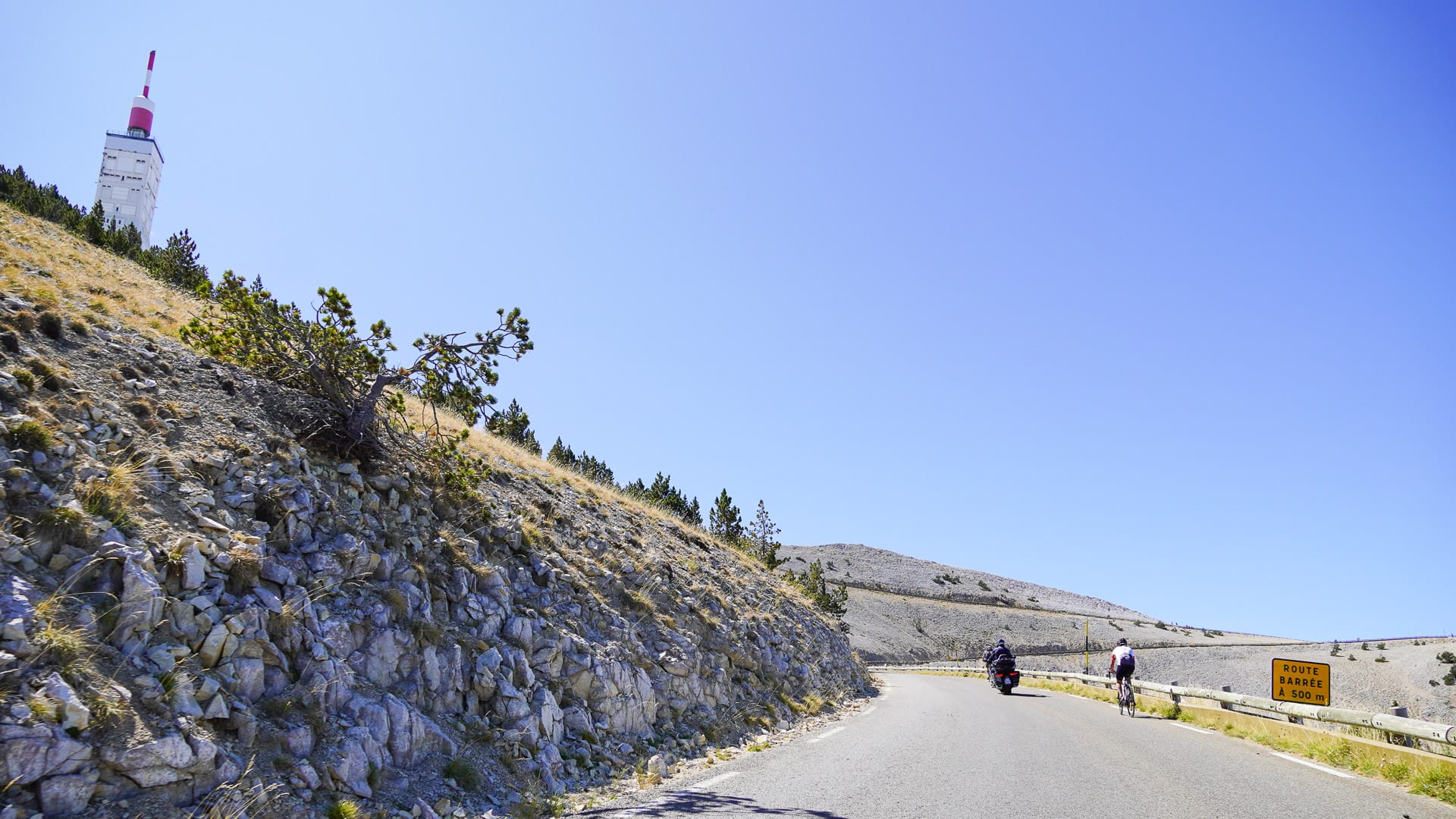
Cycling in Beaumont-du-Ventoux
Getting to (and around) Provence
Getting to Ventoux
By plane
The most convenient airport gateway for riding Mont Ventoux is Marseille Provence Airport.
It is possible to travel from Marseille Provence Airport to the Ventoux region using a combination of airport shuttle, bus and train services. Official local guidance includes travelling via Aix-en-Provence or taking the train from Vitrolles Airport to Avignon before continuing to Carpentras.
Carpentras has rail connections with central Avignon and Avignon TGV, while regional buses also connect it with Avignon, Aix-en-Provence, Marseille, Cavaillon and other locations.
However, travelling onwards to Bédoin, Malaucène, Sault or a smaller Luberon village can still be complicated, particularly with a bike box. A taxi, pre-arranged transfer or rental car may therefore be useful for the final part of the journey.
By train
If you’re travelling from London or the southeast of England, train travel is also worth considering. You can take the Eurostar to Paris and continue south towards Avignon by TGV. It is still a substantial travel day, but it can be an appealing alternative to flying to Marseille and then transferring onwards.
Bear in mind that this journey generally involves crossing Paris between Gare du Nord and Gare de Lyon. With normal luggage that is manageable; with a large bike box it becomes considerably less convenient. This is one reason hiring a bike in Provence can work particularly well for a rail-based trip.
Getting around
Having a rental car is a good option for getting around. It gives options for family, shopping, dining, rest days, a support vehicle, recce-ing new routes and non-cycling friends/partners. This article has info on bike racks for hired cars and more.
Tips
Train for the length of Ventoux
Ventoux requires more than being comfortable on short, steep climbs. From Bédoin, you’re looking at more than 20 kilometres of almost continuous climbing and around 1,600 metres of height gain. For many riders, particularly those coming from somewhere such as the UK, finding a local climb that genuinely replicates that is difficult.
Training should therefore include sustained efforts as well as climbing. Long indoor sessions can be useful if you don’t have big mountains nearby, while outdoor rides that accumulate plenty of elevation will help build the endurance you need.
Pacing is equally important. On the Bédoin side, in particular, the steep forest section comes well before the summit. Ride it too aggressively and you still have the exposed upper mountain to deal with. Breaking the ascent mentally into the approach, forest, Chalet Reynard and summit sections can make the whole thing feel much more manageable.
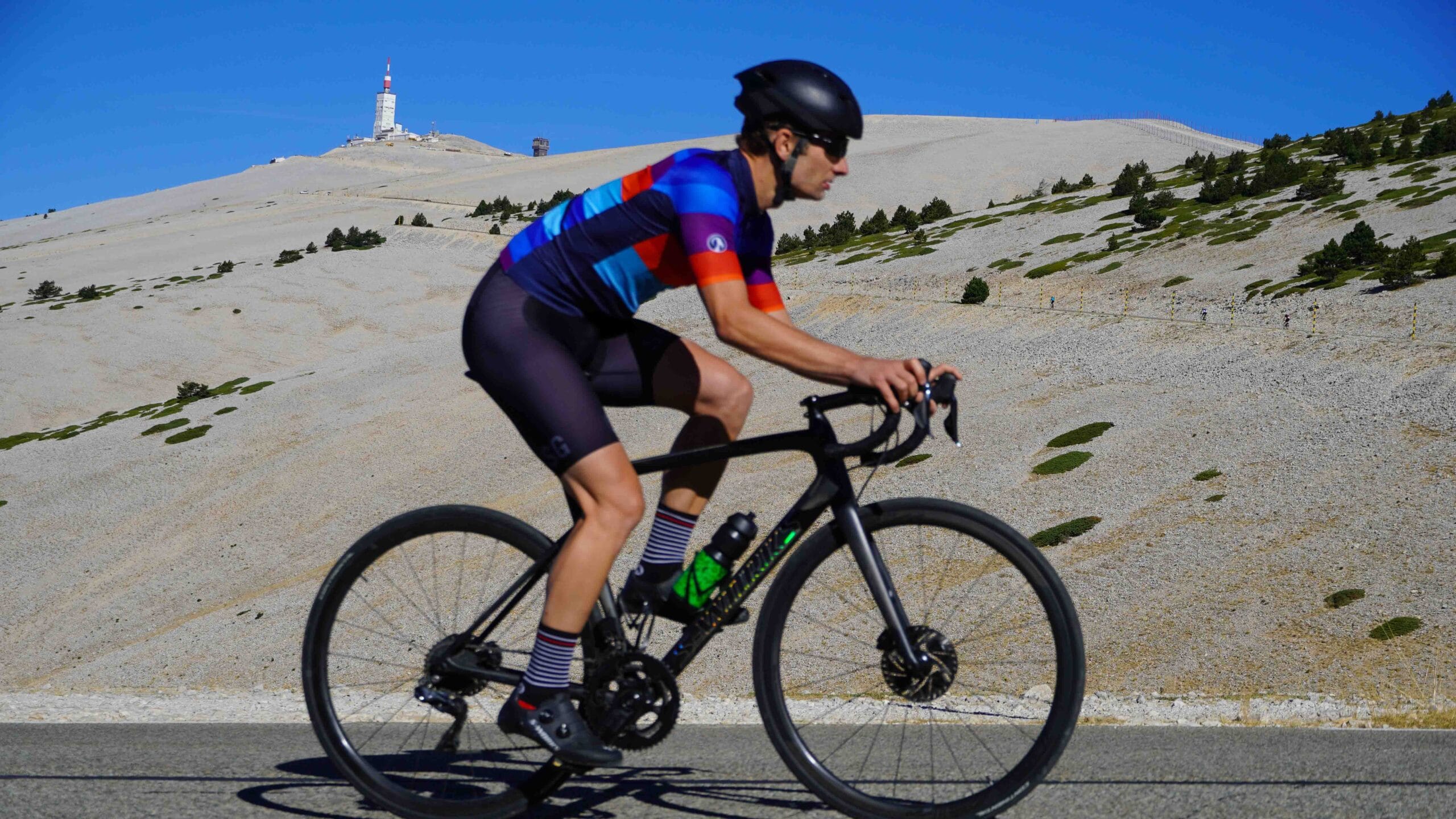
Climbing Mont Ventoux like the pros
Books and maps
Luberon and Mont Ventoux maps
If you like to look at bike routes on a physical map, consider this map of the Vaucluse department (which is where the Luberon and Ventoux are located). The IGN Ventoux map may also be useful.
Reference
Daniel Friebe’s coffee table sized Mountain High is an excellent addition to any cycling library. It covers a selection of Europe’s greatest climbs, including Mont Ventoux. It has four pages of the cycling history of Ventoux as well as good photos and profiles of the Bédoin and Malaucène routes.
Alternatively, Simon Warren’s (almost) pocket-sized 100 Greatest Cycling Climbs Tour de France gives a brief but practical description of Ventoux.
Ride a Stage of the Tour de France by Kristian Bauer is in a similar vein. It is a translation from the German original published in 2006, but don’t let that put you off. It’s in a slightly larger format than Warren’s book, and so has more room for detail. It includes ten pages on Ventoux, covering the Bédoin and Malaucène routes, and including maps, profiles, photos and history.
Biographies
Tom Simpson and Mont Ventoux are practically synonymous. His death on Ventoux is a prominent part of the mountain’s history. These books will fill you in.
- Put Me Back On My Bike: In Search of Tom Simpson by William Fotheringham.
- Cycling is my life, Tom Simpson’s autobiography.
- Mr Tom: The True Story of Tom Simpson by Simpson’s nephew, the cycling author Chris Sidwells.
If you would prefer something a bit lighter:
- In French Revolutions: Cycling the Tour de France, Tim Moore cycles Ventoux; and
- Ventoux by Bert Wagendorp, is a funny and poignant book which uses the mountain as its backdrop

Tom Simpson memorial on Mont Ventoux
Films
DVDs of Tour de France highlights will of course feature Ventoux. There is also Virtual Rides Ventoux Cycling Training if you want to have Ventoux as your backdrop as you train for your ride.
Things to do in Provence (when you’re not cycling)
If you’re looking for inspiration for what to do when you’re not cycling, this helpful article gives you 7 days of things to do and see in Provence.
There’s certainly no shortage of options if you want to combine riding with a wider Provence holiday. Isle-sur-la-Sorgue is worth knowing about for its waterways and markets, while Avignon offers a historic old centre that makes an interesting contrast to the smaller villages around Ventoux.
Saint-Rémy-de-Provence and the foothills of the Alpilles are another option if you’re exploring further south. The Alpilles are a low range of limestone hills surrounded by classic Provençal countryside, while Saint-Rémy is closely associated with Vincent van Gogh, who spent part of his life there.
The Pont du Gard, the huge Roman aqueduct west of Avignon, also makes a worthwhile day out or cycling destination if you’re staying on that side of the region.
Wine is another obvious part of a Provence trip. Châteauneuf-du-Pape is the famous name, but don’t overlook smaller independent producers. Around places such as Mormoiron, you’ll find locally made wines from vineyards on and around the slopes below Ventoux. Visiting a smaller producer can be a great way to see another side of the area once you’re off the bike.

Local craft beers
Great cycling cafés
Whether you’re cycling or not, it’s always good to know about the best little places to find coffee and croissants!
Mont Ventoux:
Chalet Reynard – this famous refuge sits where the Sault approach meets the Bédoin road, just before the exposed upper section of Ventoux. It’s not somewhere I’d visit purely in search of Provence’s finest café experience, but its cycling history, memorabilia and position on the mountain make it a place many riders will want to stop. It’s also a useful option for food and drink before or after the summit.
Mormoiron:
Cafe de la Liberte: (map) – another lovely spot.
Bedoin:
Mont Ventoux Cycling Club @ Pista Cafe (map) – great for coffee and cycling!
Le Flandrien (map) – an excellent place if you like great Belgian beers.
Ville sur Auzon:
Cafe du Soleil (map) – a great place to stop after riding Gorges de la Nesque.
Sault:
Hotel le Nesk (map) – it has a great cycling museum and nice terrace looking across at Mont Ventoux.
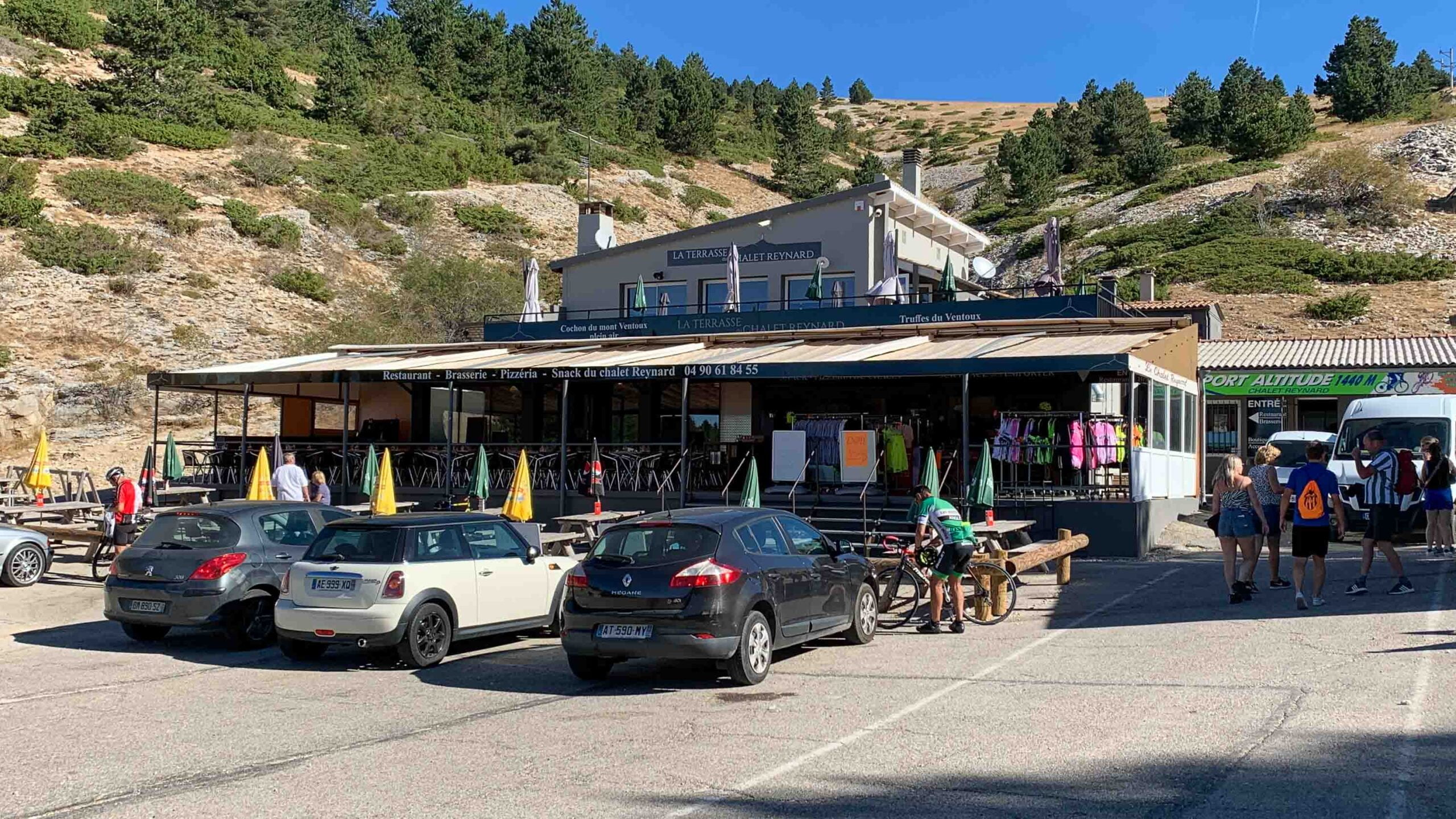
The famous Chalet Reynard
Good to know
Mont Ventoux: Tour de France history
- The Tour de France does not visit Ventoux very often; the 2016 tour was its 15th visit and 10th stage finish. All but 1 of these visits has used the Bédoin route. The exception was in 1951 when the Tour climbed from Malaucène.
- Britain’s Tom Simpson died on Mont Ventoux on July 13, 1967, during the Tour de France. Exhausted and dehydrated, he collapsed near the top of the climb. In a state of delirium, he was heard to utter “Put me back on my bike!” Sadly he died on the way to hospital. Alcohol and amphetamines were found in his blood. Thousands visit the memorial to Simpson on Ventoux each year. He was 29 and the first British rider to have a genuine chance of winning the Tour.
- In 2000, Armstrong said he gifted Pantani the win after the pair broke away together to the top of Ventoux. Pantani was suitably miffed, and a famous war of words ensued.
- Armstrong never won on Ventoux.
- In 2016, a motorcycle-induced crash damaged Chris Froome’s bike. He ended up running about 100m up the mountain until he was given a neutral service bike (his team car was too far back).
- In 2021, the Tour climbed Mont Ventoux twice during the same stage for the first time. Wout van Aert attacked during the second ascent and held his lead on the descent to win in Malaucène.
- The men’s Tour returned to Mont Ventoux on 22 July 2025. Stage 16 finished at the summit, where France’s Valentin Paret-Peintre beat Ben Healy to take the victory. He became the fifth French rider to win a Tour stage at the top of Mont Ventoux.
Interesting facts
- Ventoux is French for ‘wind’. Wind speeds as high as 320 kilometres/h have been recorded, and the wind blows at 90+ kilometres/hour for over 200 days a year. As a result, temperatures on Mont Ventoux can be as extreme. For more information read our tips on cycling Mont Ventoux article.
- The altitude of Mont Ventoux seems to be open to debate. You’ll see a range of heights for its summit – anything from 1,909 metres to 1,912 metres.
- Mont Ventoux was recognised as a UNESCO Biosphere Reserve in 1990. It also lies at the heart of the Parc naturel régional du Mont-Ventoux, which was created in July 2020.
- For information on the Cingles Ventoux challenge, see above.
- The fastest ascent of Mont Ventoux to date was Iban Mayo’s record Mont Ventoux climb of 55′ 51″ in the individual climbing time trial of the 2004 Dauphiné Libéré. The average time for cycling Mont Ventoux is a more moderate 1.5 to 4 hours, depending on which route you take, your fitness and the conditions.
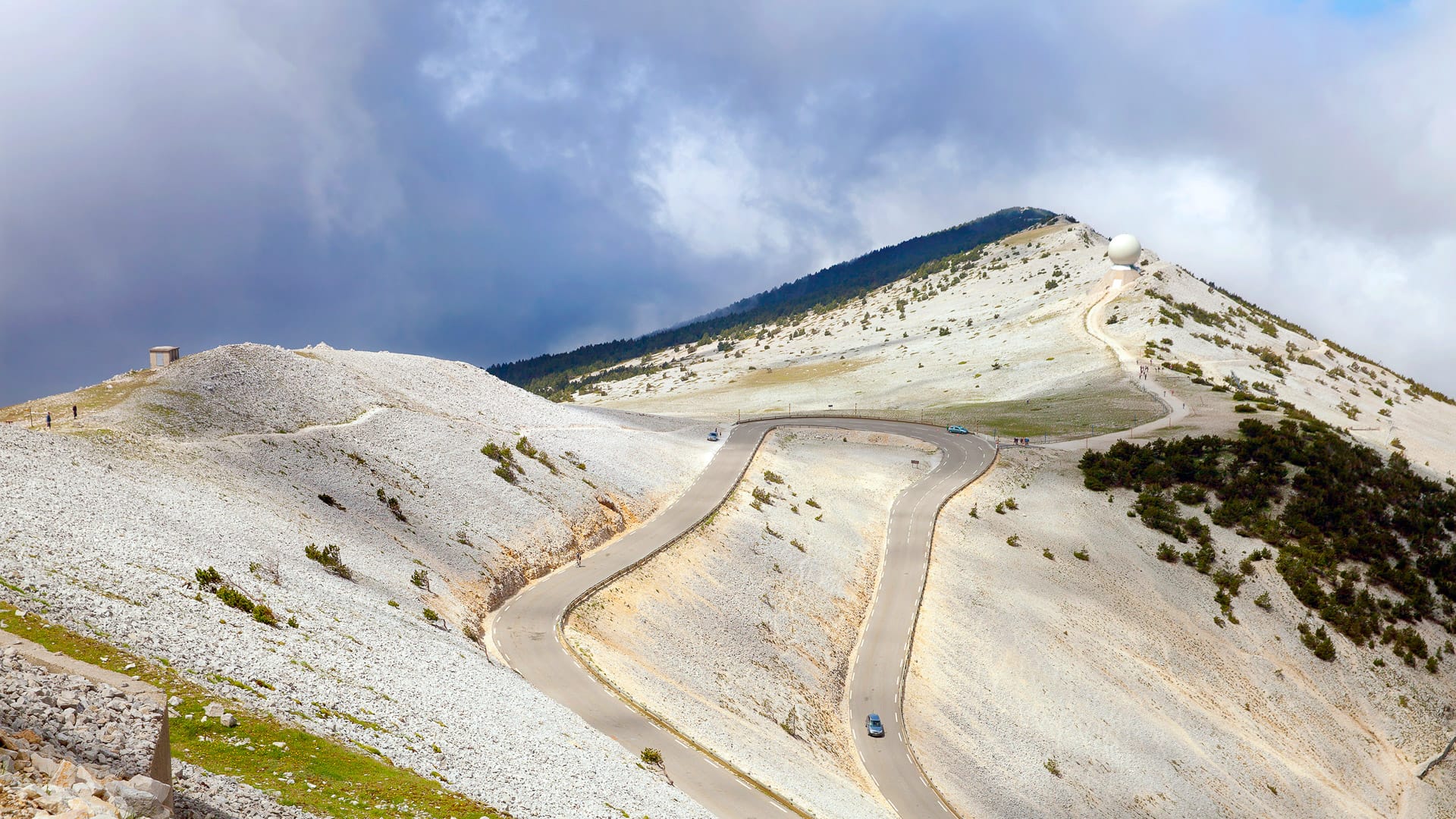
Famous road up Mont Ventoux, Provence
Over to you!
We hope you’ve enjoyed our guide to the Ventoux and Luberon/Provence region. Drop us a line or let us know your thoughts in the comments below.
Ventoux may be the ride that gets you here, but don’t make it the only focus of your trip. Pick your Ventoux day carefully, give yourself time to explore beyond the mountain and you’ll discover just how much riding this part of Provence has to offer.
Looking for more Mount Ventoux cycling inspiration?
- 19 essential tips for cycling up Mont Ventoux
- Mont Ventoux from Sault: the must-try gravel cycling tour of Ventoux
- Cycling Mont Ventoux: Malaucène route
- 11 best hotels near Mont Ventoux: accommodation for cyclists near Ventoux + Luberon, France
- Club des Cinglés du Ventoux: Q&A with Ben Davies
- Cycling Mont Ventoux: Bédoin route
- Cycling Mont Ventoux: Sault route
- Cycling in the Alps: an overview of the best Alpine cycling destinations
- 10 iconic Tour de France climbs + tips to ride them
Want to check out some other destinations? Search for more amazing cycling destinations and if you know when you want to travel, speed up the decision process by filtering by the month you want to travel.
Please support Epic Road Rides
A huge amount of time and effort goes into the article you’ve just read, all with the aim of helping you!
If you found what you’ve read useful, I’d really appreciate it if you dropped something in the tip jar here.
It’s a way you can say thank you and help us carry on creating top quality content with no annoying ads and no pay wall.
Looking for an organised cycling trip?
If you want someone to help you plan and book your cycling holiday, fill out this form. We aren’t a tour operator/agent but we work with lots of people who are and will do our best to put you in touch with someone that can help (within 24 hours where possible)!Clare Dewey is a cyclist with a passion for travel. She set up epicroadrides.com in 2018 to help make it easy for cyclists to explore the world by bike. Today her mission is still inspiring cyclists to discover new places on two wheels - and doing what she can to make sure they have the best possible time while they're there. Clare has visited 50+ destinations around the world, many of them by bike.
Want to connect with Clare? Find her over on LinkedIn.
All metrics in this article are approximate.
Last Reviewed: 08 June 2026
First Published: 16 April 2024
This article includes details of products and/or services that we have used ourselves or which we would consider using. Some are paid features or include affiliate links or referral codes which we may earn commission from. As an Amazon Associate we earn from qualifying purchases. Please read our disclosure policy for further information.
The contents of this website are provided for general information purposes only. It is not intended to amount to advice and you should not rely on it. You should carry out your own due diligence and risk assessments and take professional advice. Views expressed by interviewees or other users of this website do not necessarily represent our views. We make no representations, warranties or guarantees, whether express or implied, that the content on our website is accurate, complete or up to date. If you use any information or content on this website, download from, or otherwise obtain content or services through our website, it is entirely at your own discretion and risk. Epic Road Rides Ltd disclaims all liability and responsibility arising from any reliance placed on the information and content on this website. Find out more here.