
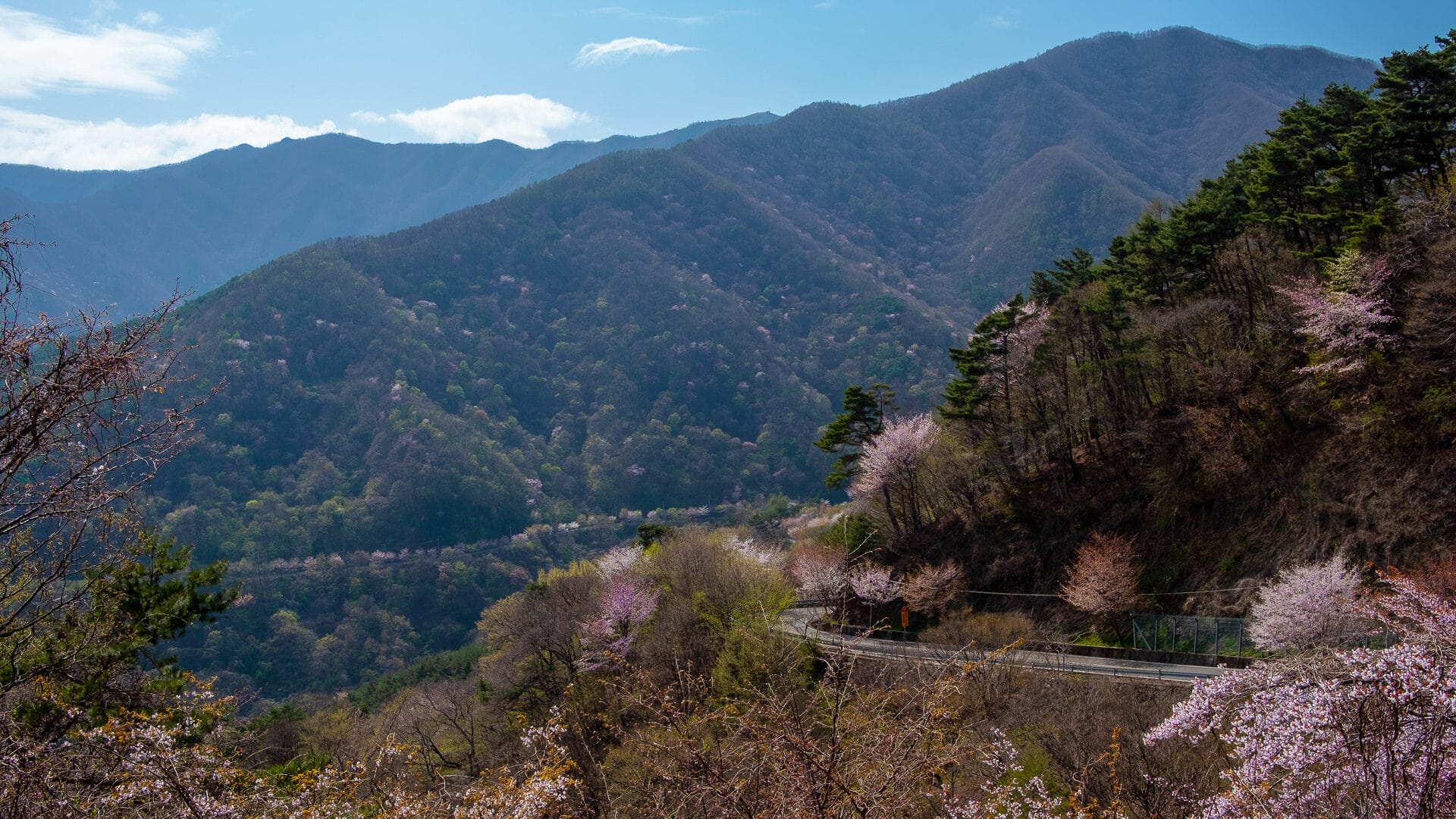
Cycling in South Korea may not currently be on your riding radar! But we hope this guide will convince you that it should be.
With a surprisingly vast nationwide network of well-marked cycling trails, soul-stirring scenery, and a welcoming cycling culture, South Korea is emerging as an underrated Asian destination for cyclists seeking something a bit different.
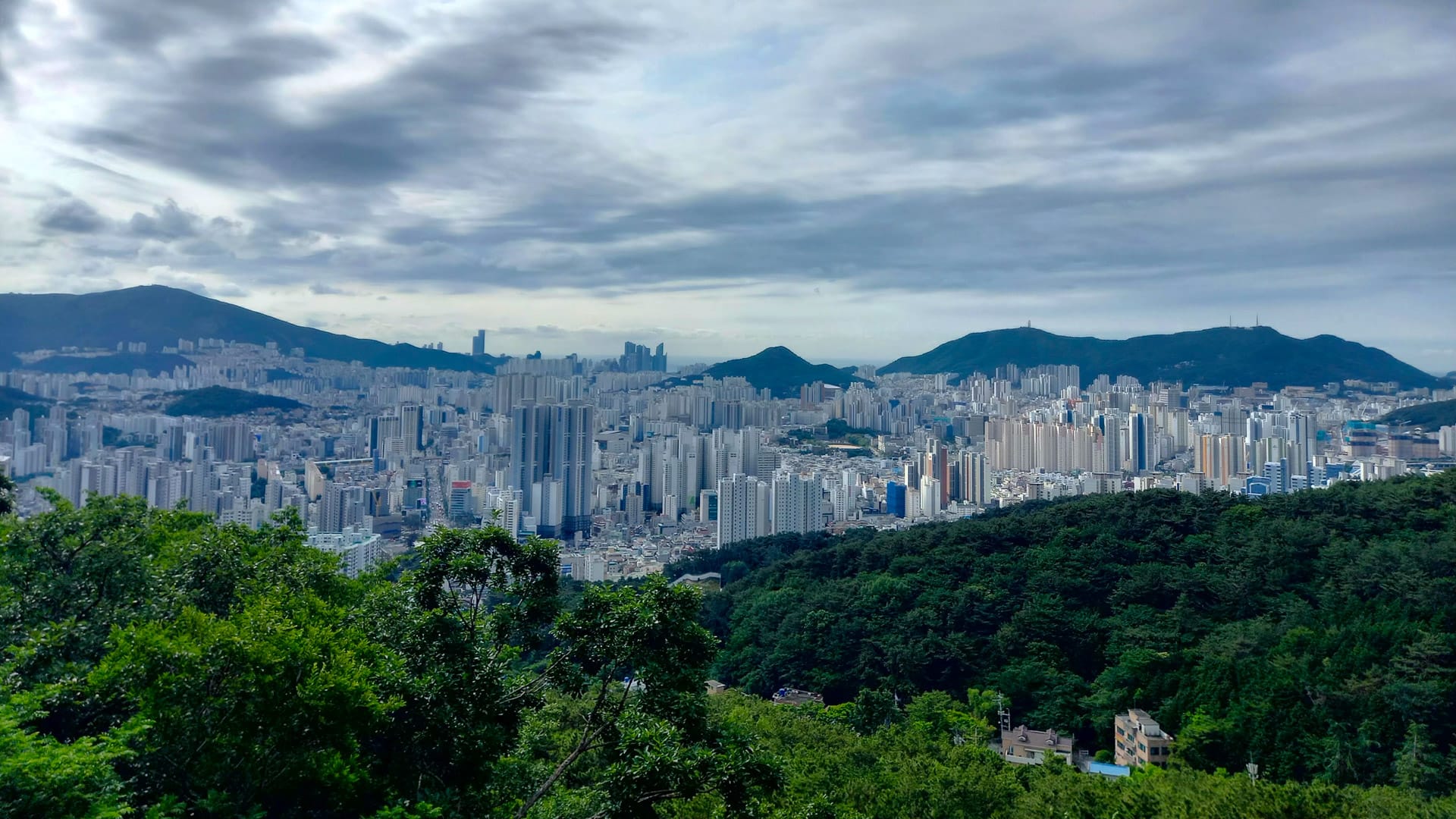
Riders can look forward to striking contrasts in South Korea. You’ll encounter tranquil riverside bike paths, rugged coastal roads, and lively cities buzzing with sights, sounds, and energy. Along the way, you’ll also discover historic villages that feel unchanged for centuries, golden rice paddies and seasonal forests bursting with colour. In short, South Korea combines culture, scenery and adventure to create an extraordinary cycling experience!
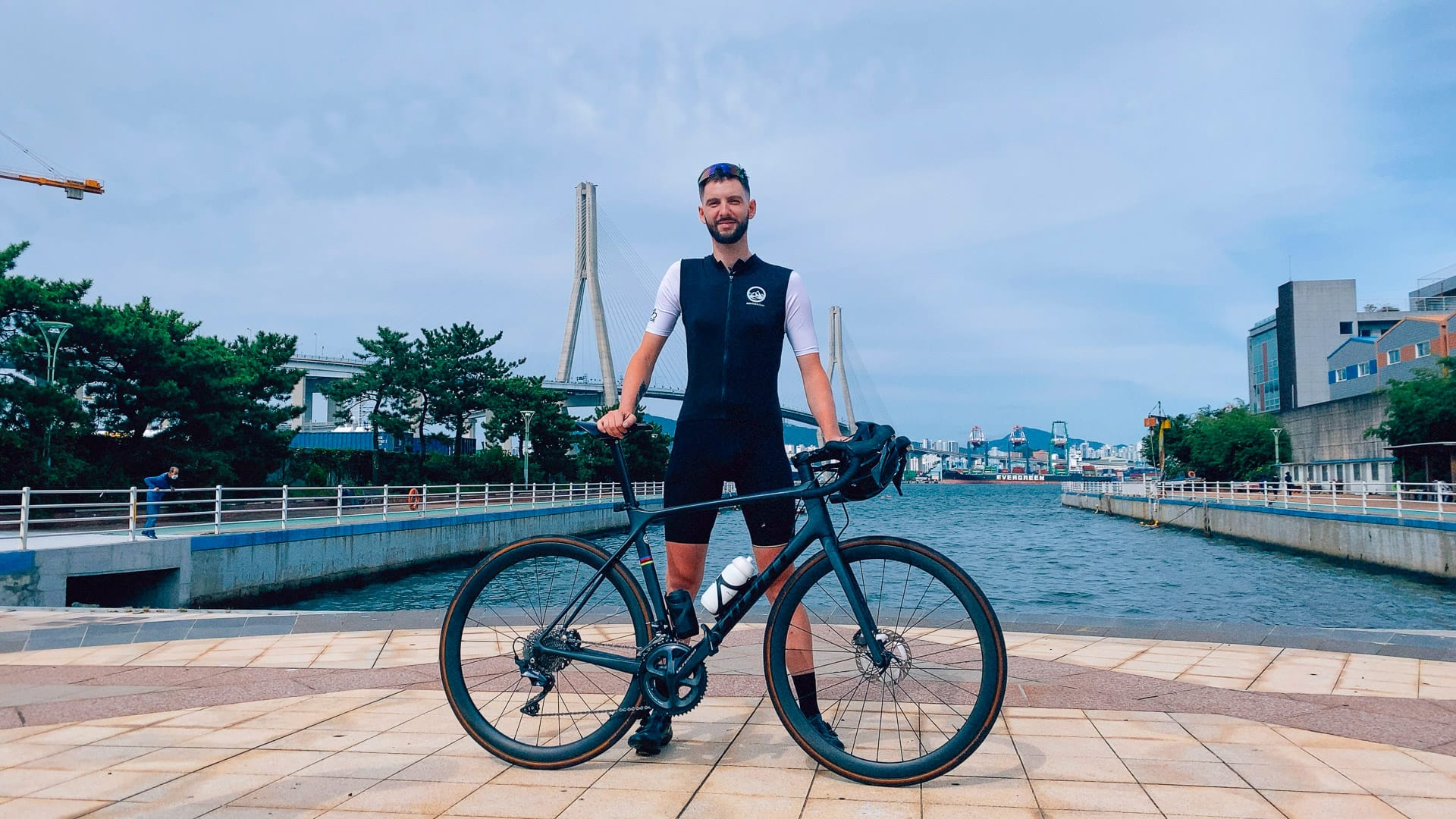
In this article, we hear from Bas Kragt the Community Manager at Epic Road Rides. Originally from the Netherlands, Bas has been based in and around the city of Busan since 2017. Over the years, he has explored South Korea by bike in remarkable depth and has helped build cycling communities for locals, expats, and visitors alike.
With his expert insider knowledge, this guide is your gateway to unforgettable cycling adventures in South Korea.
Let’s get started!
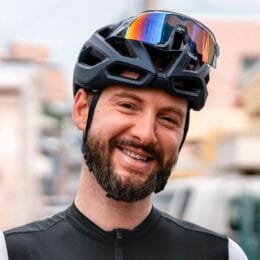
Bas Kragt is a passionate advocate for cycling in South Korea. Originally from the Netherlands - a country where cycling is part of everyday life - he has been based in and around Busan since 2017, exploring the country’s varied terrain on two wheels.
He plays an active role in South Korea’s cycling community, helping to organise events with the Korean Audax Federation (Korea Randonneurs). He also founded Routes Busan, a platform aimed at improving cycling safety and quality in the region, and supports visiting cyclists and expats through the Korea Cycling Community Facebook group.
With his deep local knowledge and enthusiasm for every aspect of the cycling world, Bas is passionate about helping others experience South Korea’s incredible cycling potential – from quiet coastal roads to challenging mountain climbs.
You might also recognise Bas from our social media community, as Bas supports Epic Road Rides with this.
(Photo credit: Garett L. Smith)
Part 1: Why should cyclists visit Korea?
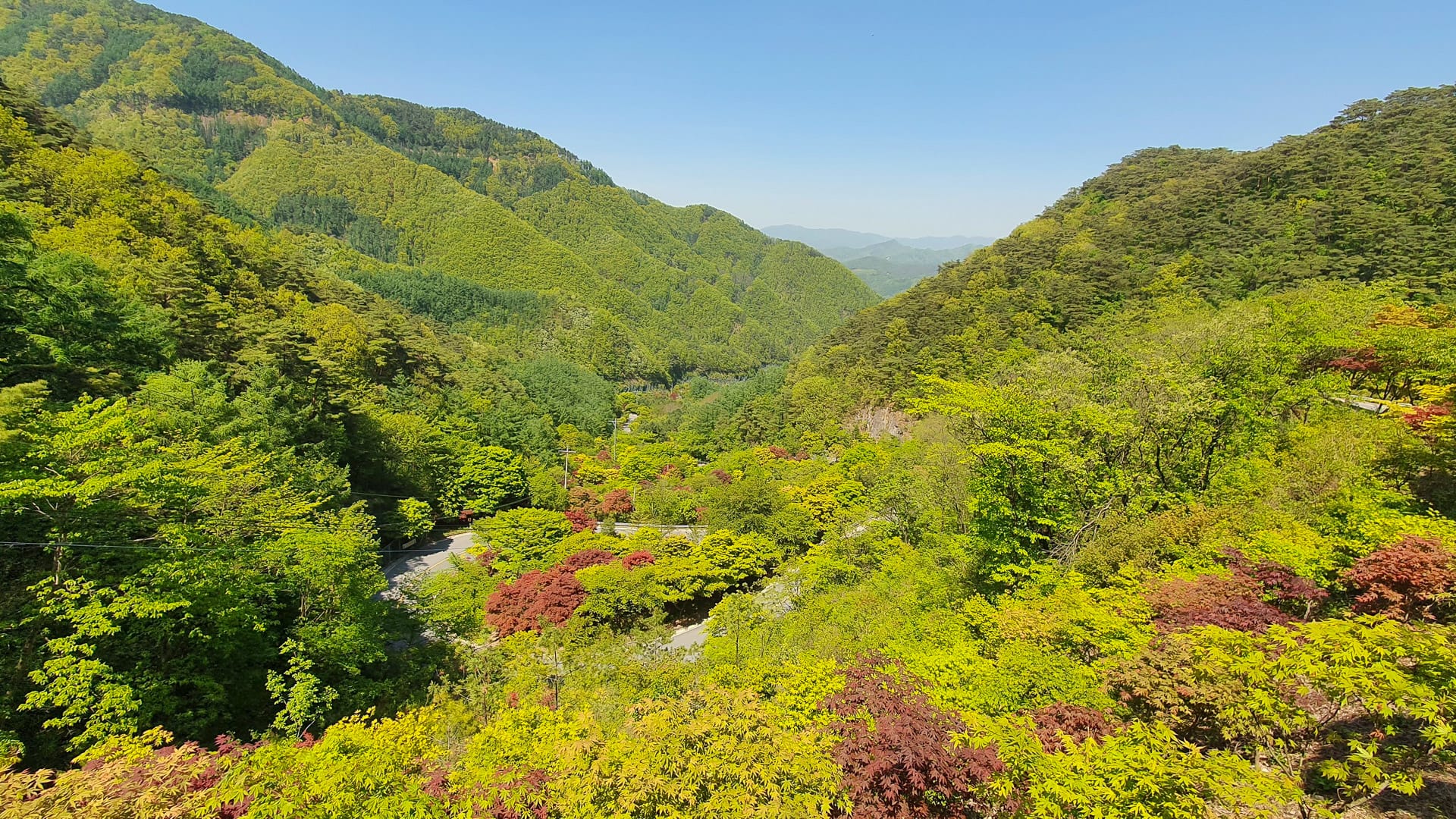
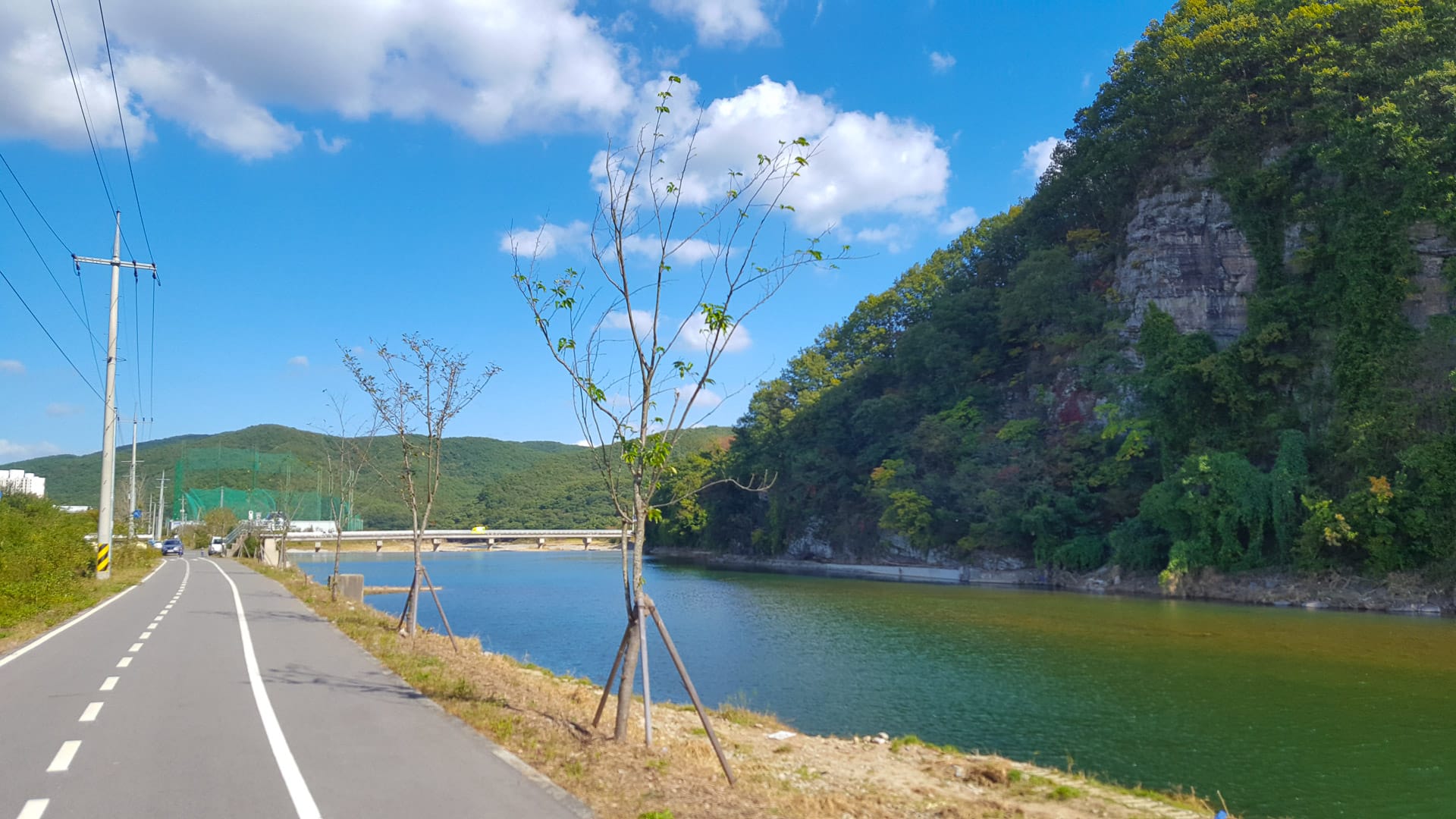
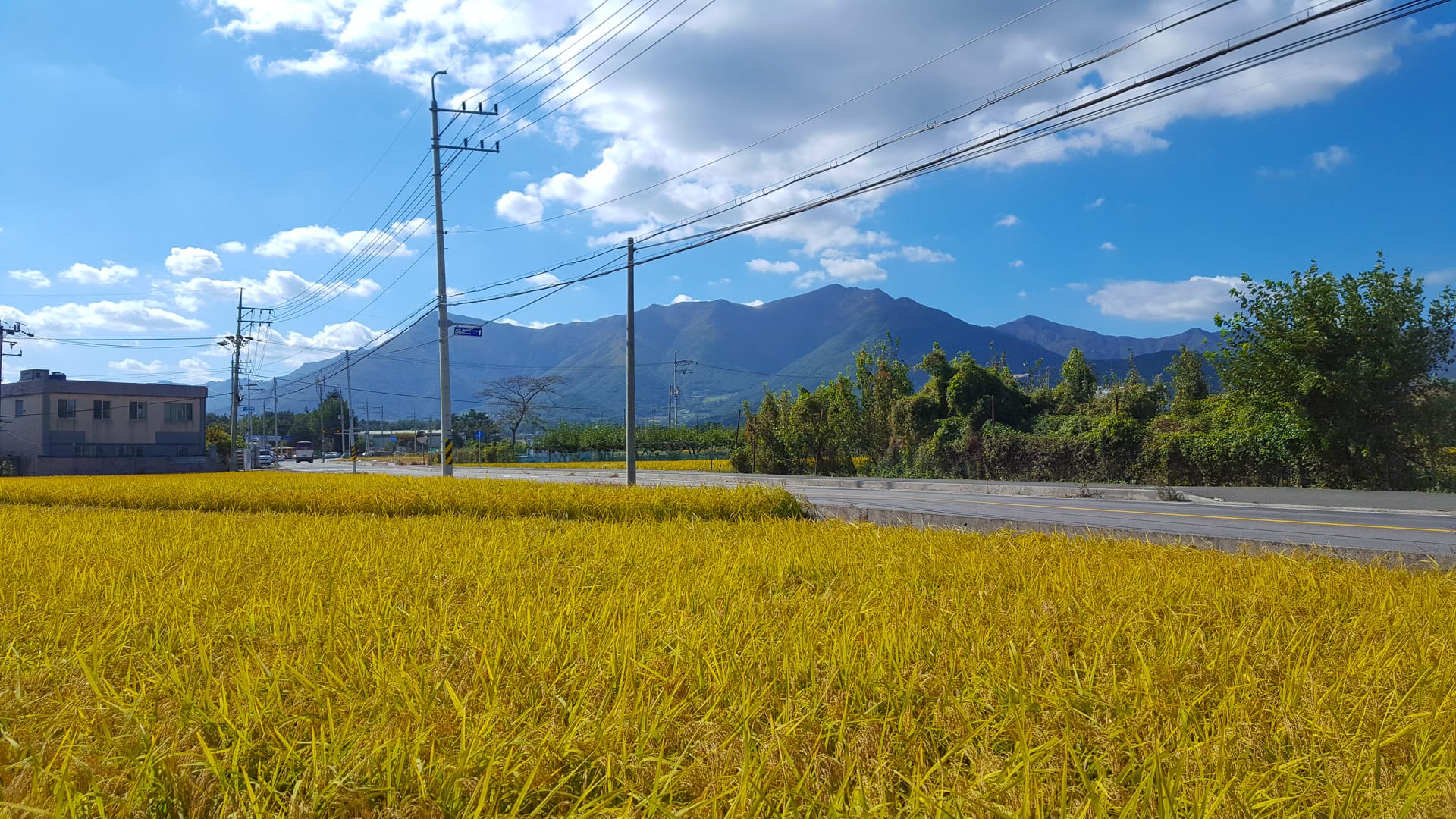
South Korea is a country of impressive contrasts: smooth riverside paths and rugged mountains, neon-lit cities and tranquil countryside. The South Korean bike path network stretches across nearly 2,000 kilometres (source), often traffic-free and surrounded by spellbinding scenery.
There’s also something for everyone with more gentle options along flat river trails and dynamic city rides, to hors catégorie climbs, and short, punchy coastal hills.
The country also hosts several amateur cycling events and festivals throughout the year. More on that below.
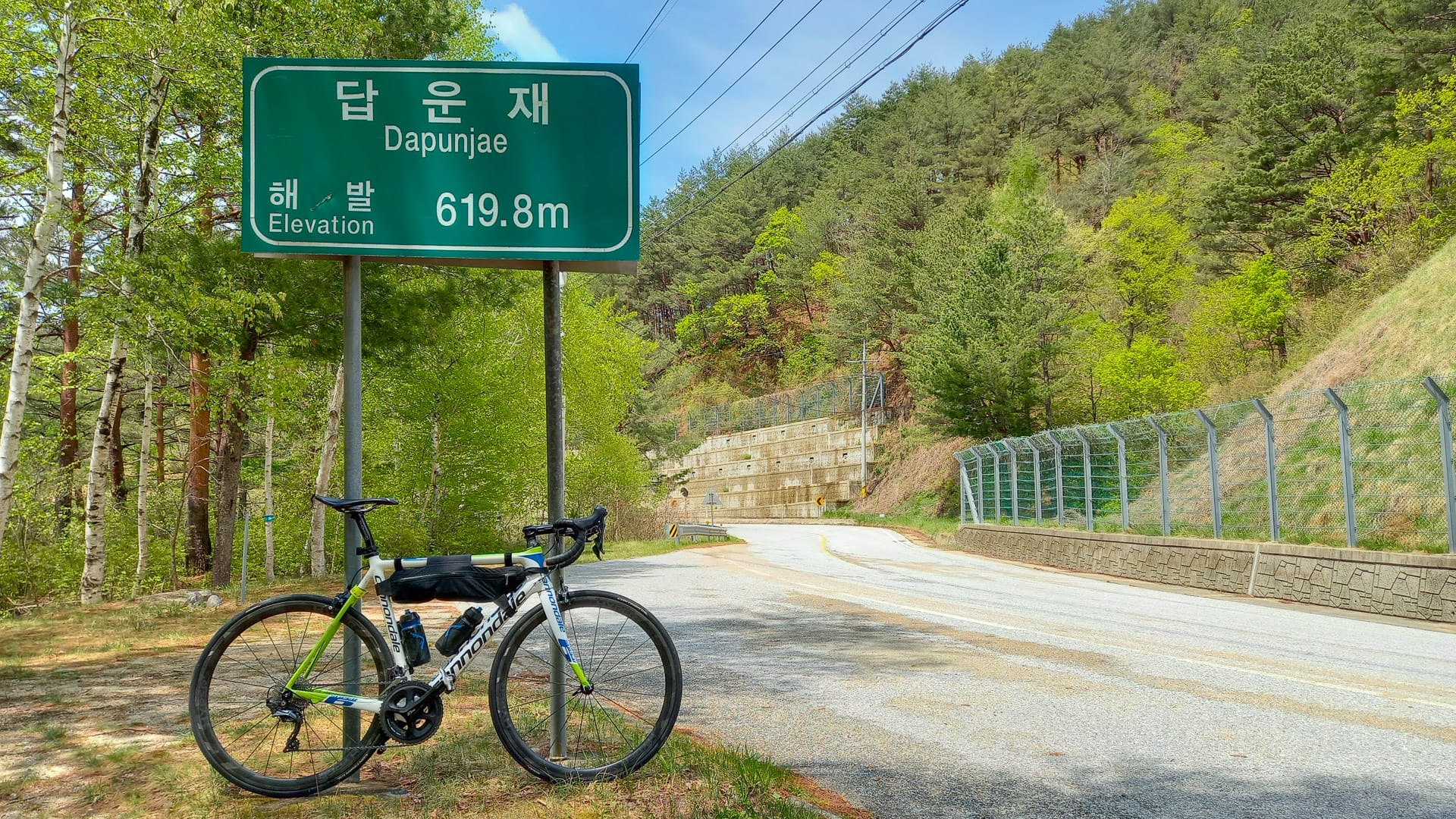
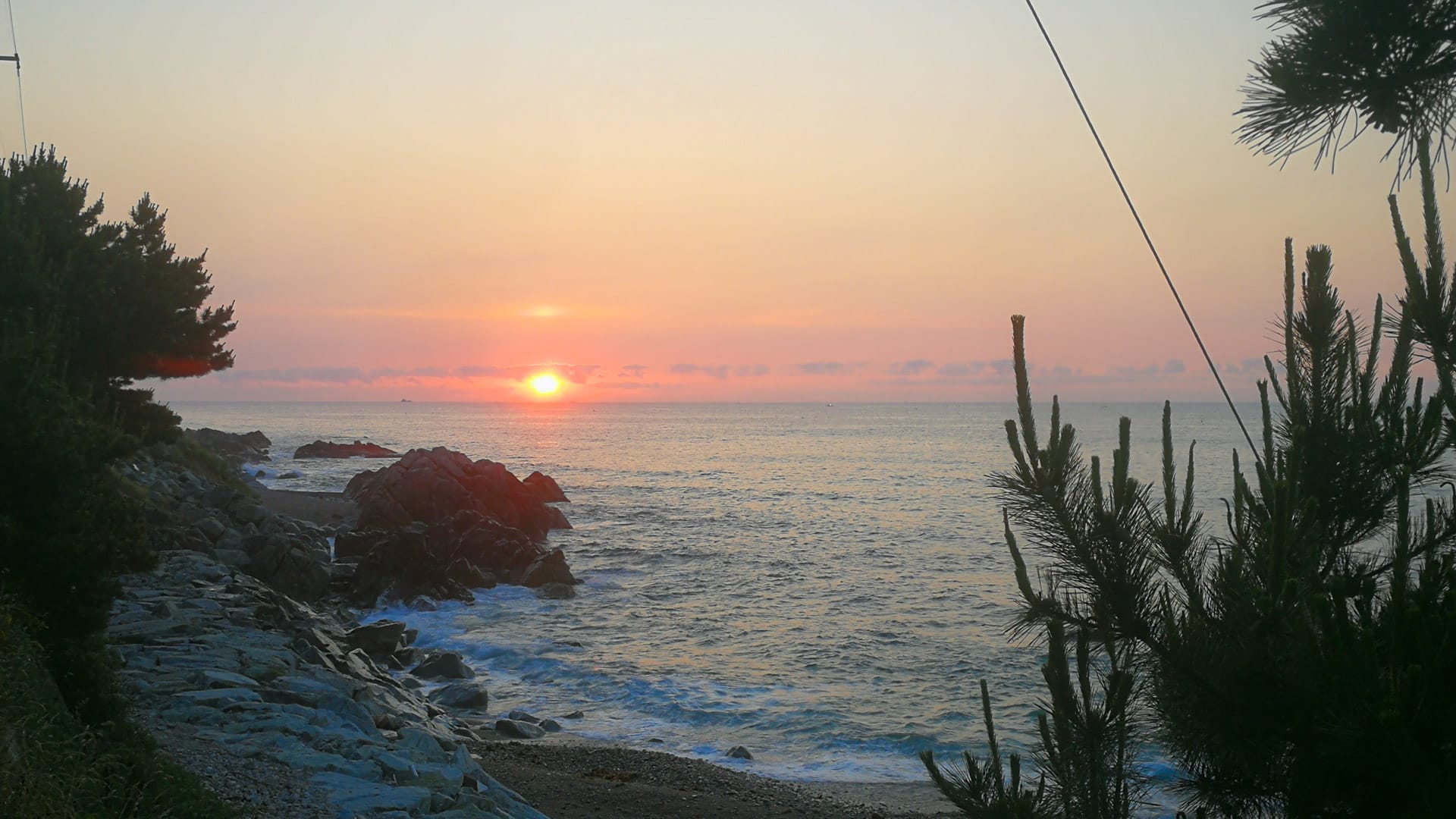
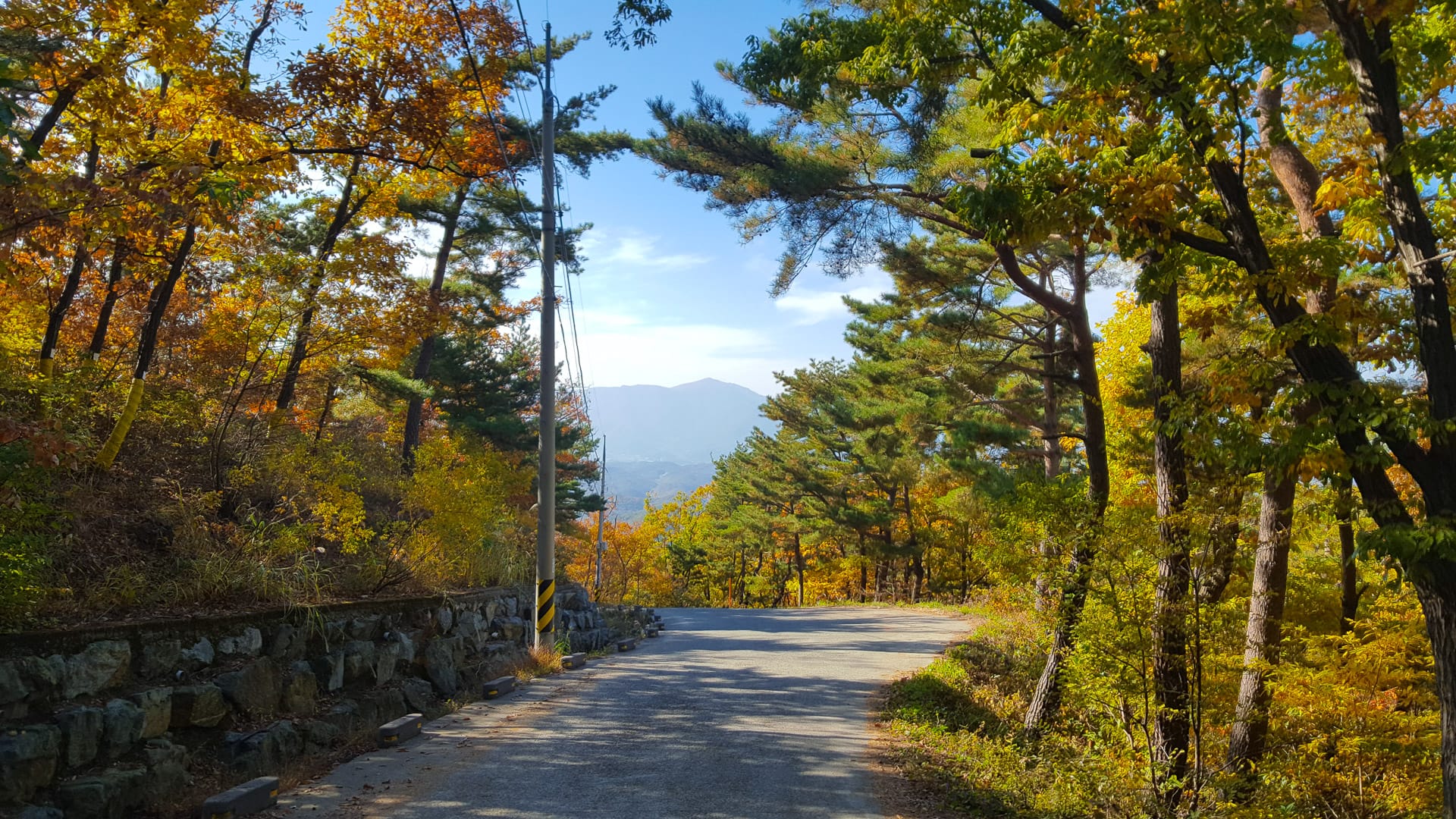
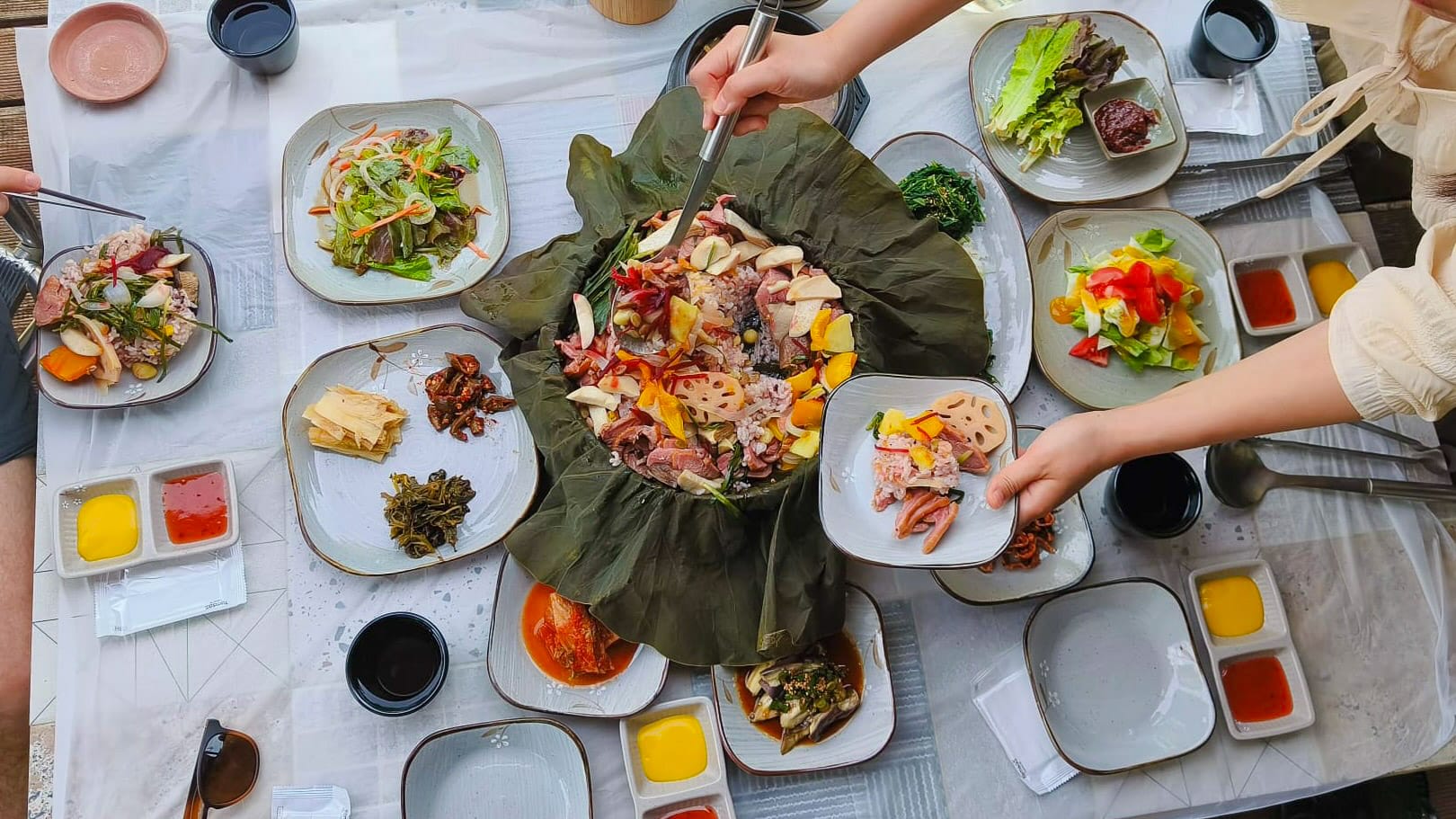
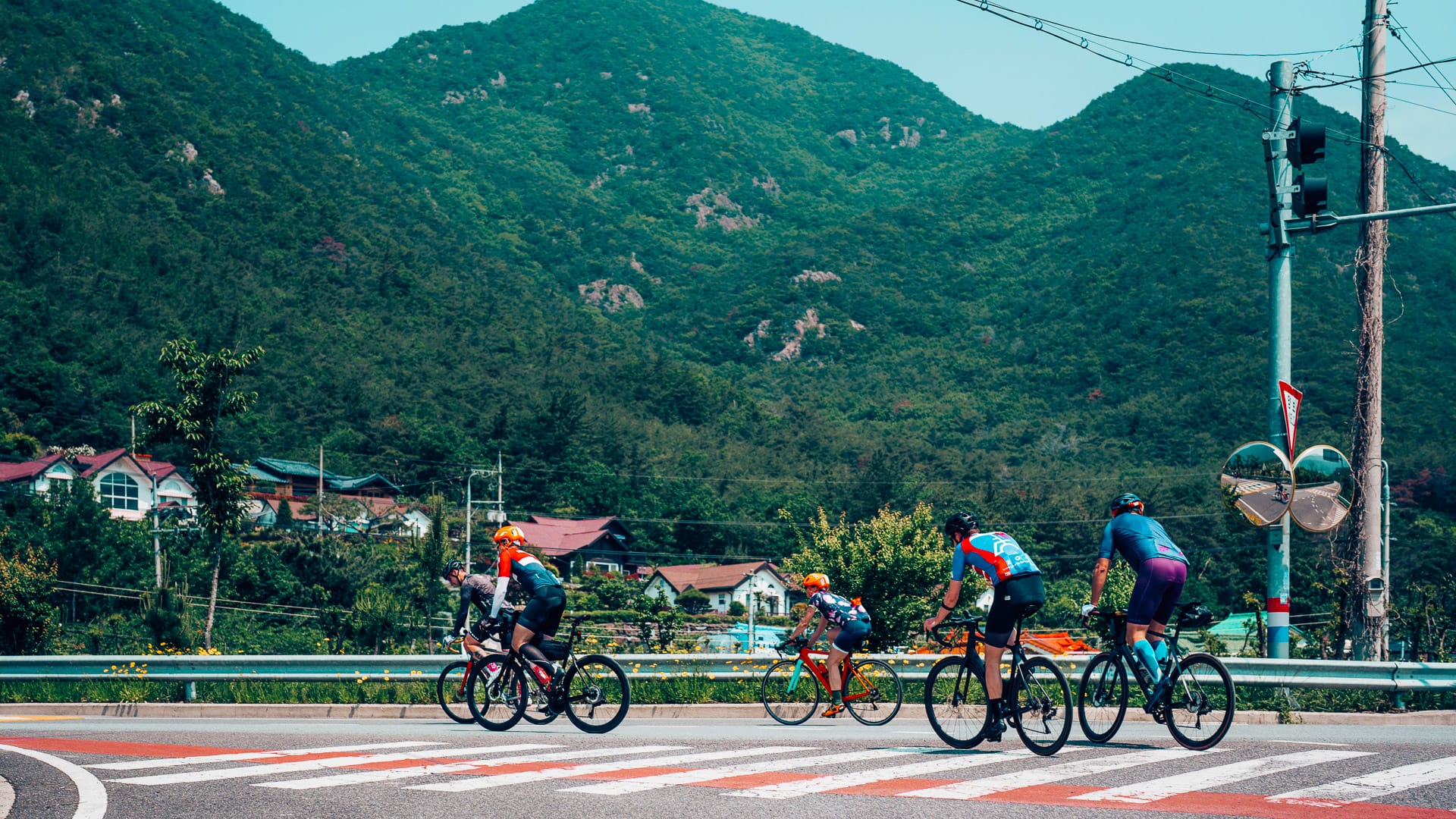
Challenging climbs
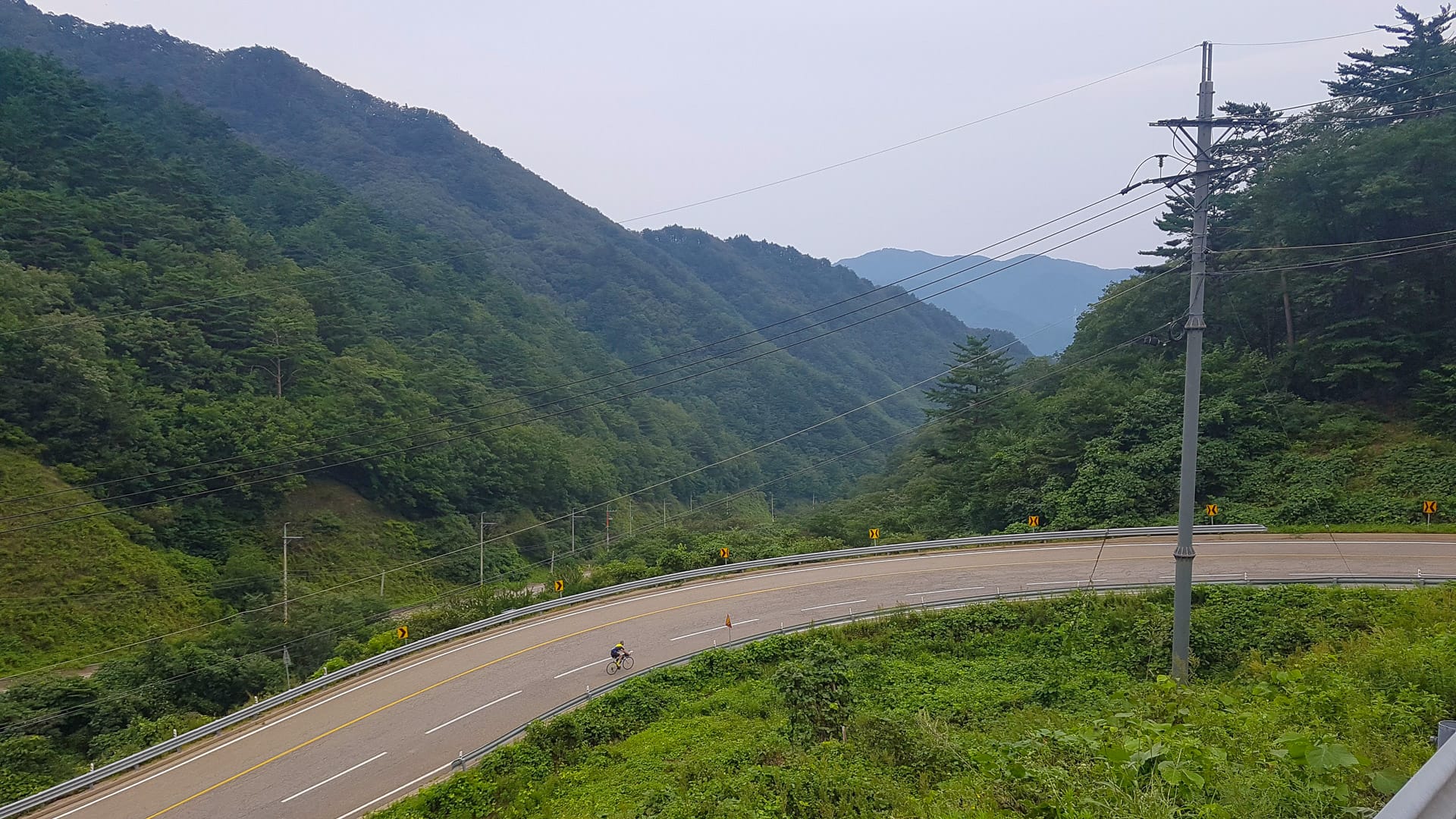
In South Korea, most climbs are medium to long (5-10 kilometres) with moderate to steep gradients that will challenge even experienced riders.
Unlike countries like Japan and France, where many roads were built before the car era (and thus feature more forgiving gradients and winding hairpins), many Korean roads were designed with motor vehicles in mind. As a result, gradients above 20% are not uncommon.
Top tip! While this guide avoids extreme climbs, if you’re venturing off the beaten track, it’s worth checking your cassette and derailleur! You’ll also want the largest possible gears.
Whilst there isn’t one universally recognised ‘must-ride’ climb in Korea, mountain goats will be in their element in and around:
- Seoraksan National Park: Famous for its dramatic granite peaks and deep valleys, Seoraksan offers cyclists challenging climbs paired with breathtaking coastal and mountain views.
- Jirisan National Park: Home to Korea’s highest mainland peak, Jirisan rewards cyclists with long, sustained climbs through remote landscapes steeped in cultural and historical significance. Jirisan National Park is very accessible with various small towns connected by intercity bus terminals on all sides. It is interesting from a tourism point of view because of its tea plantations and traditional markets on the west side of the park.
- Sobaeksan/Woraksan National Parks: These adjoining parks provide gentler gradients, where cyclists can enjoy rolling terrain, forested roads under 1000 metres of elevation.
- The Yeongnam Alps: This cluster of peaks near Busan is renowned for steep gradients and summit roads that push riders to their limits while offering sweeping panoramas of the surrounding mountains.
For the climbers out there, this guide features a personal favourite, a lesser-ridden area around Juwangsan National Park, which connects to the trail ending in Andong and the east coast trail. More on that below.
Facilities for cyclists
Facilities for cyclists in Korea are among the best in Asia: improving cycling infrastructure, 24-hour convenience stores even in small towns, bike-friendly budget hotels, and enough bike shops to sort most issues within a day. More on that below.
Vibrant culture and seasonal landscapes
Beyond the bike, Korea dazzles with vibrant cities such as Seoul, Busan and Daegu, outstanding food and warm hospitality.
Traditional Korean culture is easy to experience, from tranquil Buddhist temples to lively traditional markets. Visitors can also enjoy wandering through hanok (old-style Korean buildings) villages and seasonal festivals that highlight Korea’s deep-rooted customs. Alongside this, Korea’s modern culture is equally compelling: think K-pop, fashion districts and architecture, and the country’s vibrant cafés, galleries, and tech-driven lifestyle. It’s the contrast of old and new that many travellers find most fascinating.
Spectacular seasonal landscapes are also a huge draw, with cherry blossoms in spring and fiery foliage in autumn. See more on that below.
Whether you’re a performance-focused roadie, cultural explorer, or travelling as a family, South Korea is a brilliant choice. It’s also one of the safest countries in the world, ideal for solo travellers.
Part 2: Overview of Korea from a cyclist’s perspective
Location of South Korea
South Korea is located in East Asia, occupying the southern half of the Korean Peninsula. It is bordered by North Korea to the north, with the Yellow Sea to the west separating it from China, and the East Sea to the east, across from Japan. Its position between these two countries places it at a strategic and culturally rich crossroads in the region.
With direct flights to Seoul, it’s easily accessible from major Asian, European, and North American cities. More on this below.
See below a map of key places mentioned in this article. Hover over the map pins to see the names of places.
Terrain
Layout of the region
The east of South Korea is mountainous, while the west and river valleys offer more rolling or flatter terrain.
Cycling bases
Seoul, Jeonju, and Daegu offer access to flatter routes. Cities like Chuncheon and Gangneung are great for mountain rides, while for example, Busan and Jinju offer a mix of terrains. More on this below.
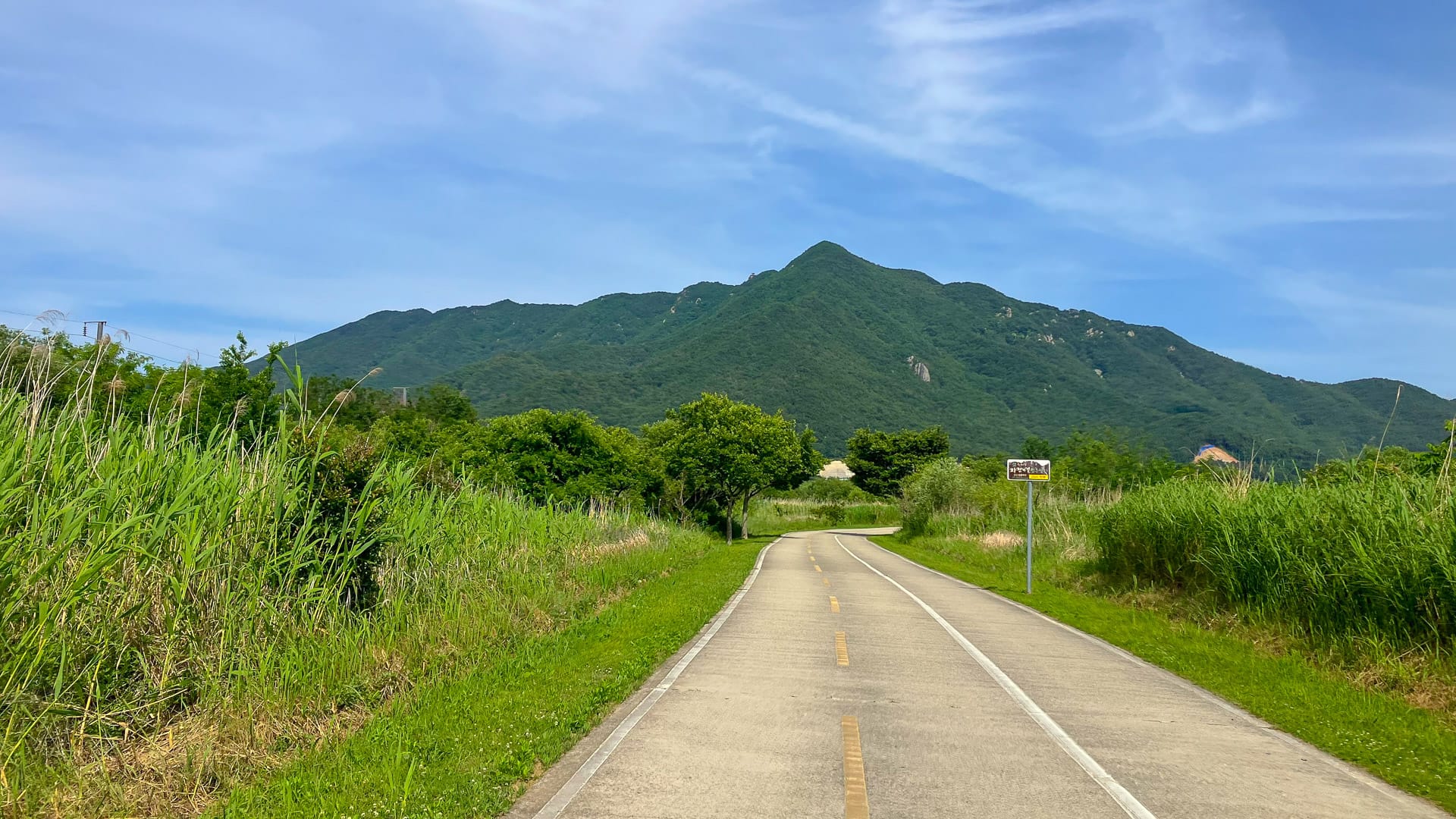
A bikepath in South Korea (photo credit: Bas Kragt)
Roads
Road quality varies. Dedicated bike paths are generally well-maintained, but some regions invest more in upkeep than others.
Roads are usually in good condition, though they don’t always have comfortable shoulders. Fortunately, South Korea’s dense road network means there are usually safer, quieter alternatives if you’re willing to detour slightly.
Be aware! Rather than maintaining old roads, Korea often builds brand-new wide roads next to the existing ones. This makes older provincial roads great for cycling, though tarmac quality can be inconsistent. Nonetheless, any road bike can handle Korean roads comfortably.
For planning, apps like Naver Map and Kakao Map are invaluable: both offer up-to-date street views to help assess road suitability. Bicycles are permitted on nearly all roads, except motorways, certain tunnels, and some bridges.
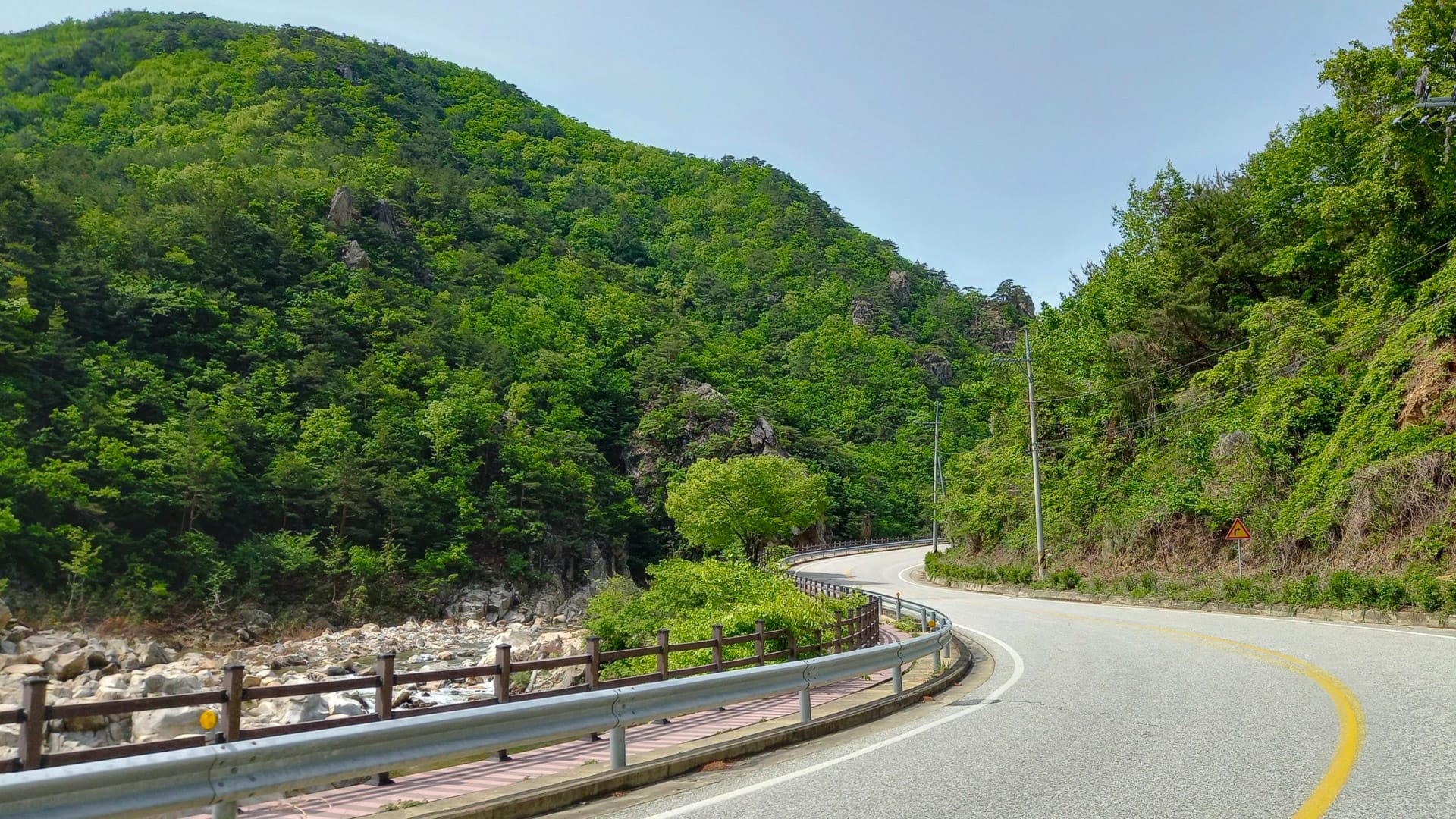
Juwangsan National Park (photo credit: Bas Kragt)
Cycling infrastructure
South Korea has excellent provisions for long-distance and recreational cycling, especially along major rivers. Urban infrastructure is improving, but still has room for better safety and connectivity in busy areas. Examples are:
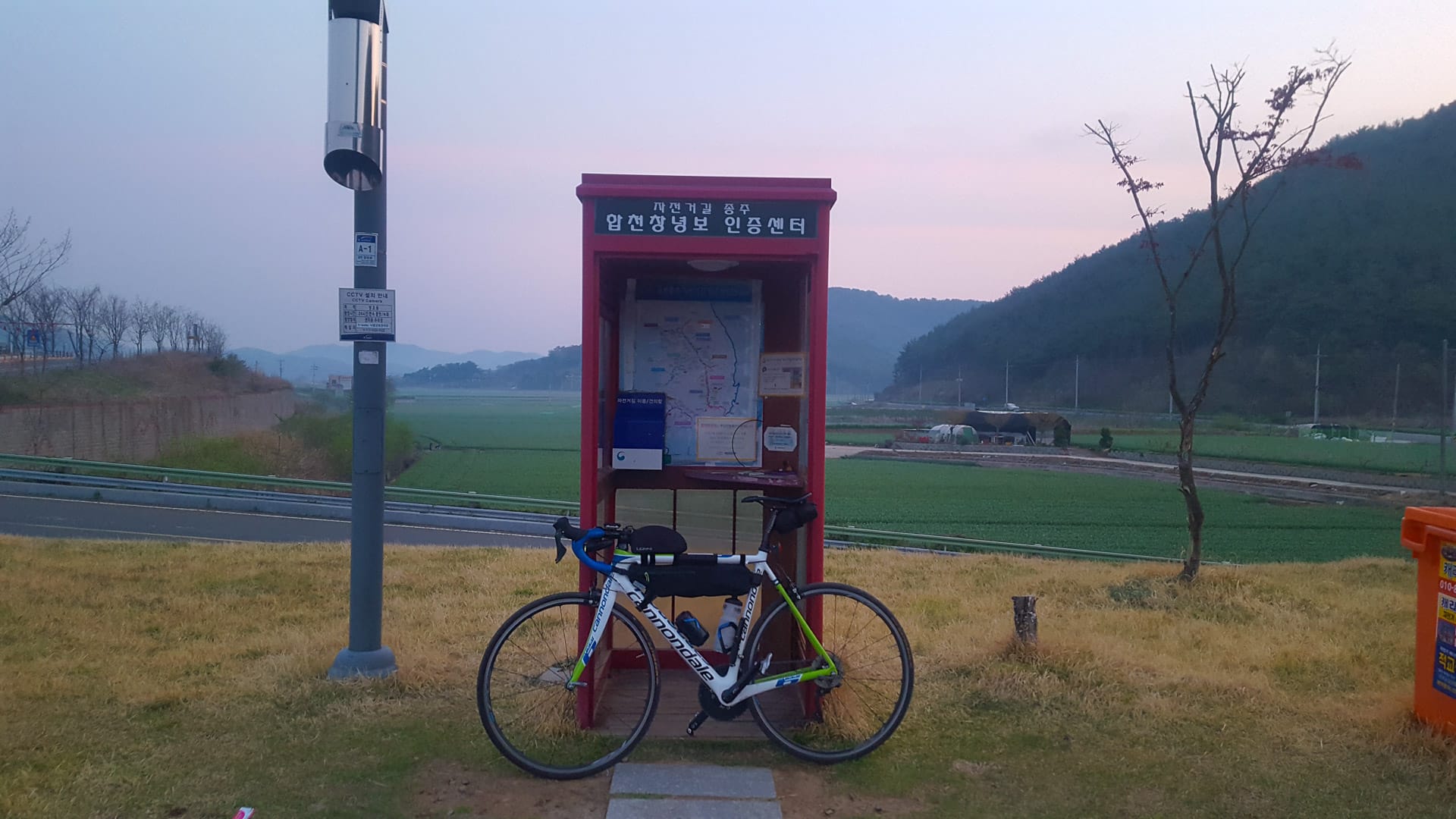
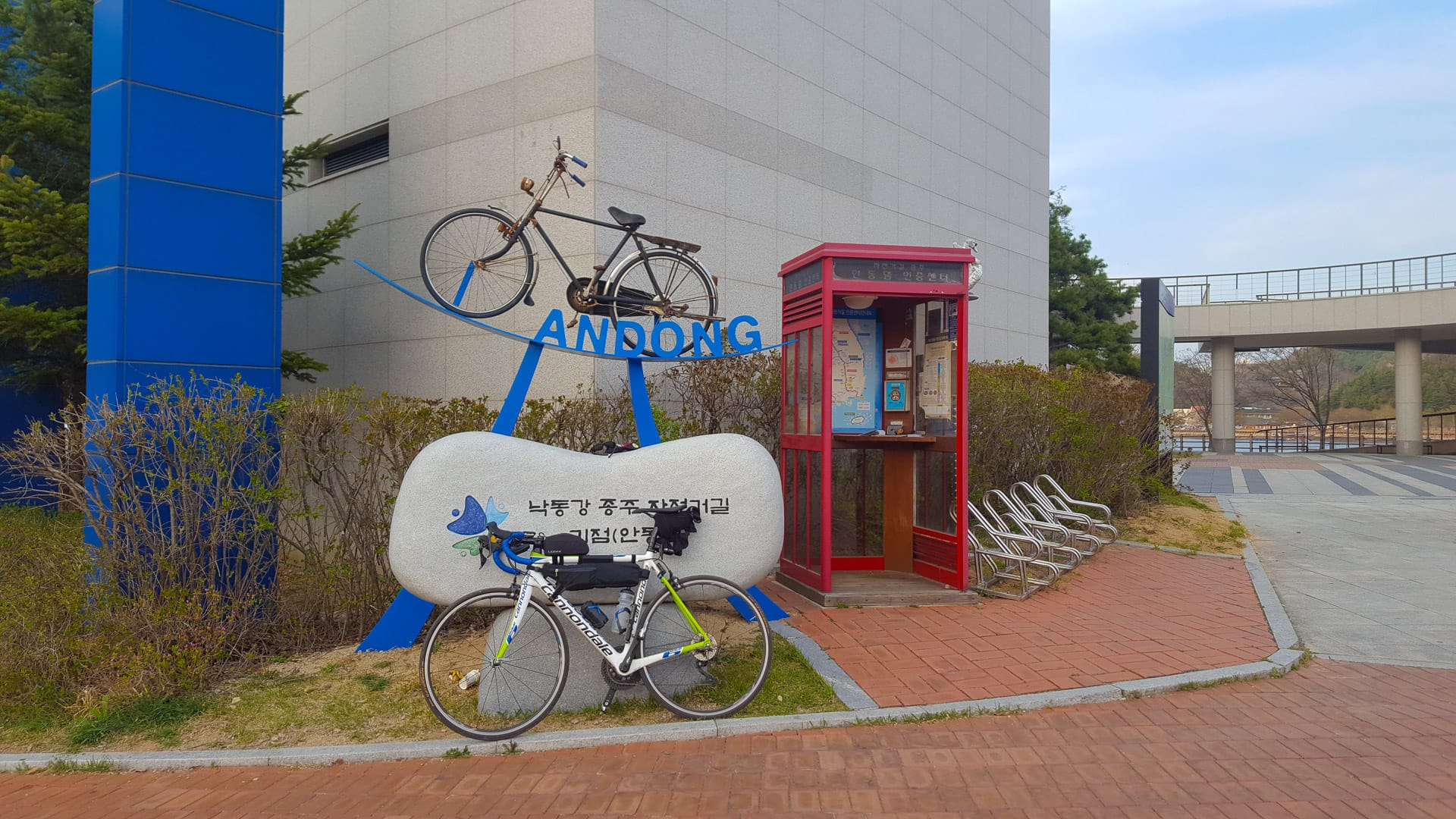
- The Four Rivers Bike Path follows South Korea’s major rivers (Han, Nakdong, Geum, and Yeongsan). Cyclists can collect stamps at designated stops, housed in classic British red phone boxes, and receive certificates or medals from the government.
- Seoul’s urban network: Well-maintained and a great way to navigate the city, a model for other major cities.
- Bike-sharing schemes: Becoming more common, though often tricky for tourists to access.
- Cycling facilities: Many subway and train stations and parks offer bike racks, repair stations, and rest stops. Cafés along key cycling routes often cater specifically to cyclists.
- Areas for improvement: While bikes can be loaded into the luggage compartments of intercity buses, trains and subways often restrict bikes depending on the city or day. Some parks and separated bike paths are not well connected, which can make urban navigation frustrating.
Cycling culture
Cyclists are generally treated with respect. South Koreans take pride in their country’s rapid development over the last 40 years and are usually pleased to see foreigners enjoying it.
What kind of cyclist is Korea for?
South Korea suits every type of rider: including roadies, leisure cyclists, adventurous tourers, and mountain bikers.
Whilst gravel cycling is also possible, trails are often extremely steep and rocky, and therefore better suited to mountain bikes. That said, there are some regions with more relaxed gravel terrain: for example, the Upo Wetlands. This region is featured in this guide and makes for a great experience if you’re on the Seoul–Busan trail with a gravel bike and one or two spare days.
The official Four Rivers Path is perfect for beginners and families. It’s largely flat, almost fully separated from traffic, and passes through many towns with plenty of amenities.
More remote or mountainous routes require moderate to high fitness levels.
Do you need to do a bike tour of Korea?
No, you do not need to join an organised bike tour to enjoy South Korea.
The country is safe, highly convenient, and much of the information is available in English. With Korea’s ‘can-do’ attitude, most logistics are manageable independently. As long as you’re not travelling during peak public holidays, you should find availability in accommodation, buses, and trains.
That said, depending on your budget and how much support, structure, and customisation you want, an organised South Korea bike tour can be a great option. Based on common posts in the Korea Cycling Community Facebook group, here are some challenges that a tour operator could help overcome:
- Transporting boxed bikes to/from airports
- Finding shops to assemble and repack bikes
- Storing bike cases or bikes during non-cycling days
- Renting quality bikes
- Navigating dietary restrictions
None of these are impossible to manage on your own. But they may require more time and effort! An organised tour that handles these logistics for you means you can enjoy stress free cycling in South Korea.
Part 3: What are the best South Korea cycling routes and places for cyclists to visit?
Top tip! If you are only likely to try cycling South Korea once, it is worth taking advantage of the country’s excellent cycling infrastructure. Rather than basing yourself in a single location, consider riding the Cross Country Trail, or linking it with the East Coast Trail, for an unforgettable journey across the country. You can mix and match sections depending on the time you have available.
For this guide, I have selected five routes that can be combined in different ways depending on your fitness, available time, and the type of bike you ride.
The first three routes form part of South Korea’s Grand Slam Bike Passport. In addition to these, I have added two more options, located in some of my favourite cycling areas. They connect neatly to the official trails and bring an extra element of challenge and authenticity to any Korean cycling adventure.
What is the Grand Slam Bike Passport?
The Grand Slam Bike Passport is South Korea’s most ambitious and celebrated cycling recognition, designed for riders who want to explore the full national network and earn multiple medals and official certificates. Whether you’re completing just a single trail or attempting the entire network, the system adds structure, motivation, and tangible mementoes to your cycling journey.
The Bike Passport is a small booklet bought at designated locations, which lets cyclists collect stamps along official bike routes. Checkpoints are typically red phone‑booth‑style stamp booths, spaced every 30 to 40 kilometres to allow you to stamp as proof of visiting each section.
More information about the Grand Slam, certification and the bike passport can be found on this website.
Seoul
Seoul, the capital of South Korea, sits in the north-west of the country, close to the border with North Korea. It is a vast, dynamic metropolis where ultra-modern innovation meets centuries of tradition. Sleek skyscrapers and neon-lit districts sit alongside royal palaces such as Gyeongbokgung and tranquil Buddhist temples.
The city is South Korea’s cultural, political, and economic heart, known for its role in technology, fashion, gastronomy, and the global K-pop scene.
Visitors can enjoy everything from Michelin-starred dining to buzzing street food markets. The Han River, lined with bike paths, and the surrounding mountains make outdoor escapes easy, while neighbourhoods like Hongdae and Gangnam showcase both youthful creativity and high-end lifestyles.
Seoul is a city that never stands still! It’s constantly evolving yet deeply rooted in its historical heritage.
Busan
Located on South Korea’s south-eastern coast, Busan is the country’s second-largest city and its busiest port. Known for its beaches, seafood, and lively cultural scene, it is a favourite summer destination for both locals and visitors. Haeundae and Gwangalli are among the most popular stretches of sand, while Gamcheon Culture Village and Jagalchi Fish Market showcase the city’s vibrant personality.
Busan also hosts the world-renowned Busan International Film Festival, which has helped cement its reputation on the global stage. Surrounded by mountains and the East Sea, the city offers excellent opportunities for hiking, hot springs, and sampling fresh coastal cuisine.
As South Korea’s maritime gateway, Busan blends cosmopolitan energy with a relaxed seaside charm. Its unique setting makes it both an exciting urban hub and a place to unwind by the water. For more suggestions in this area, take a look at this website.
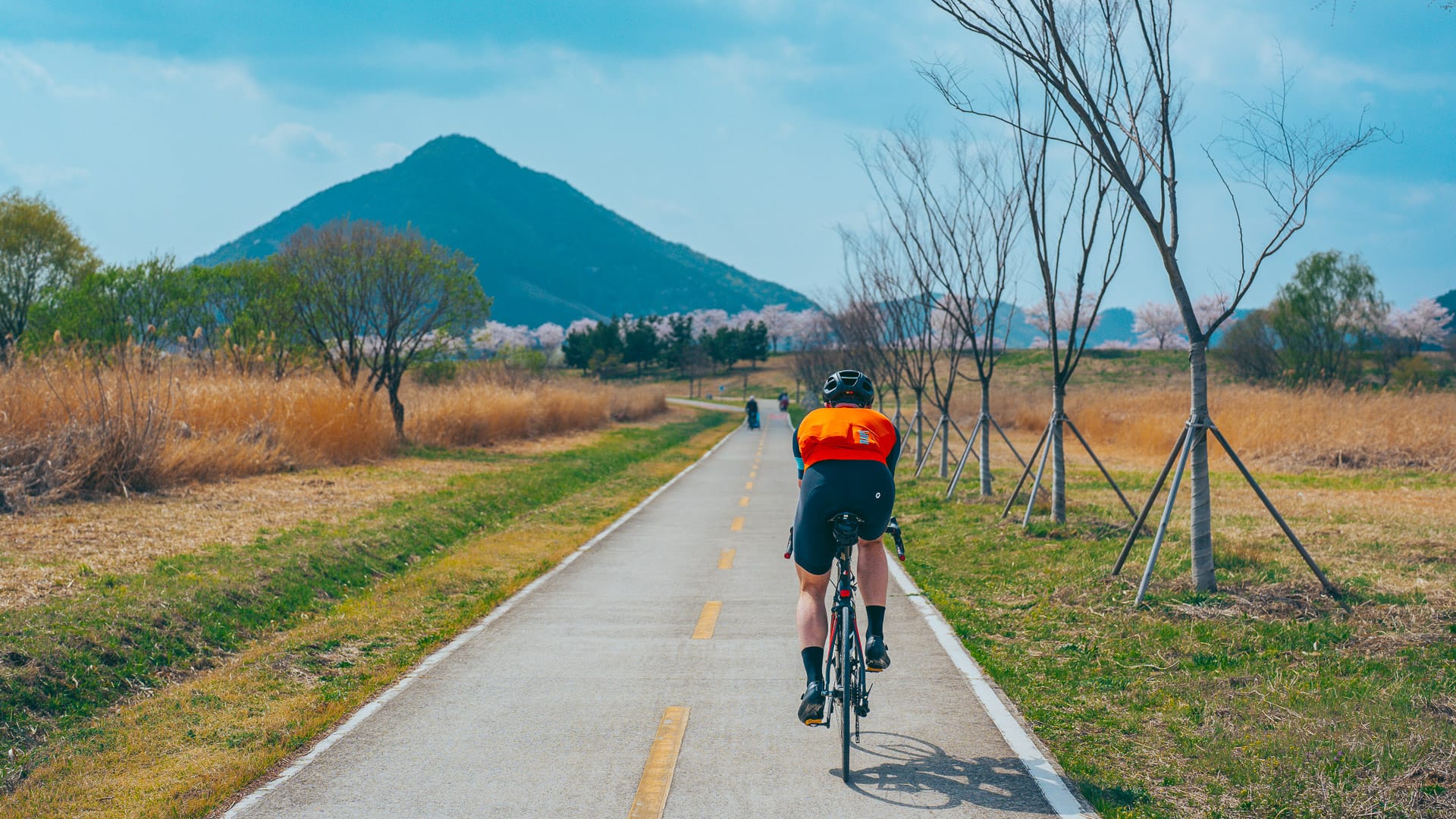
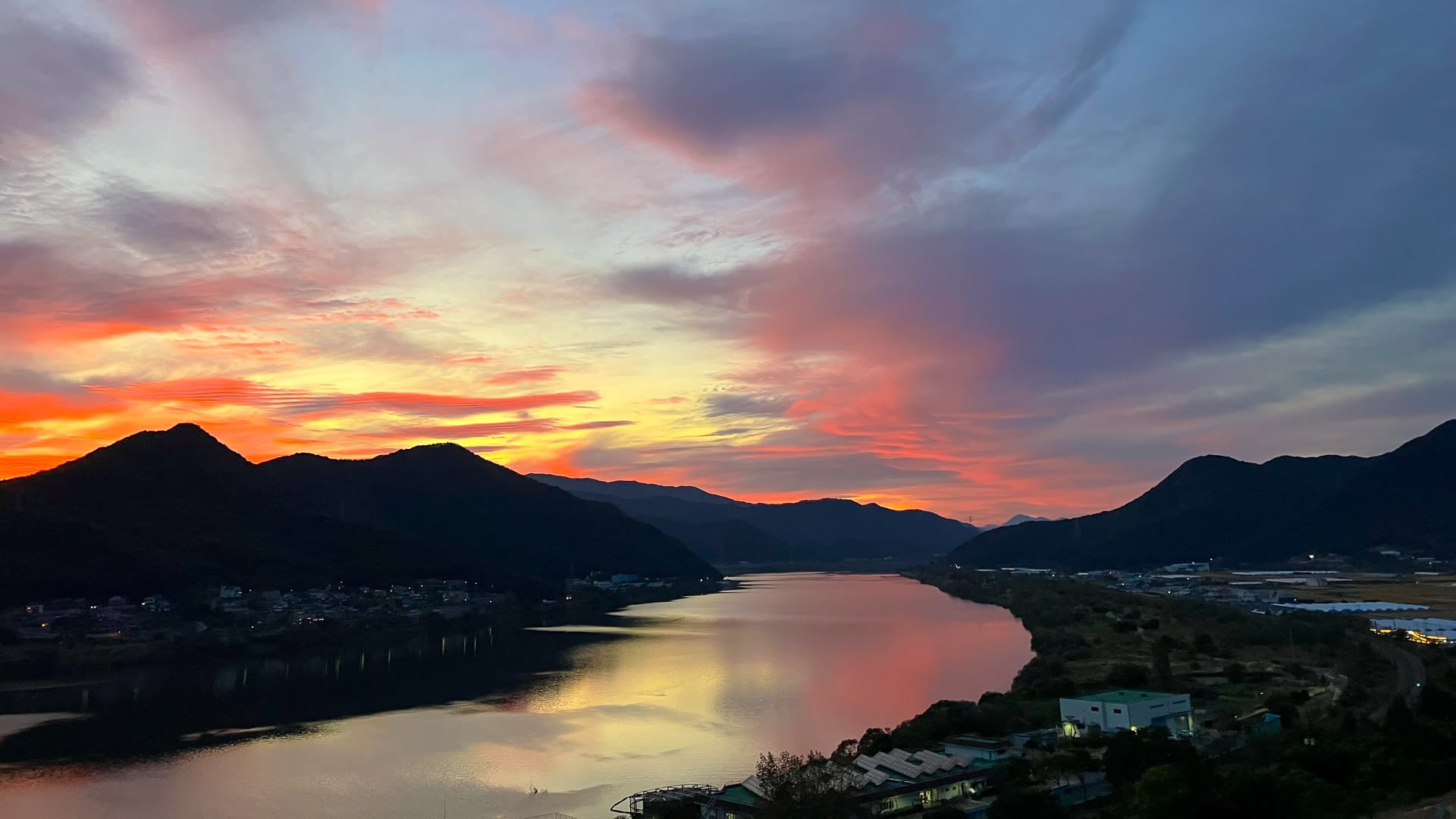
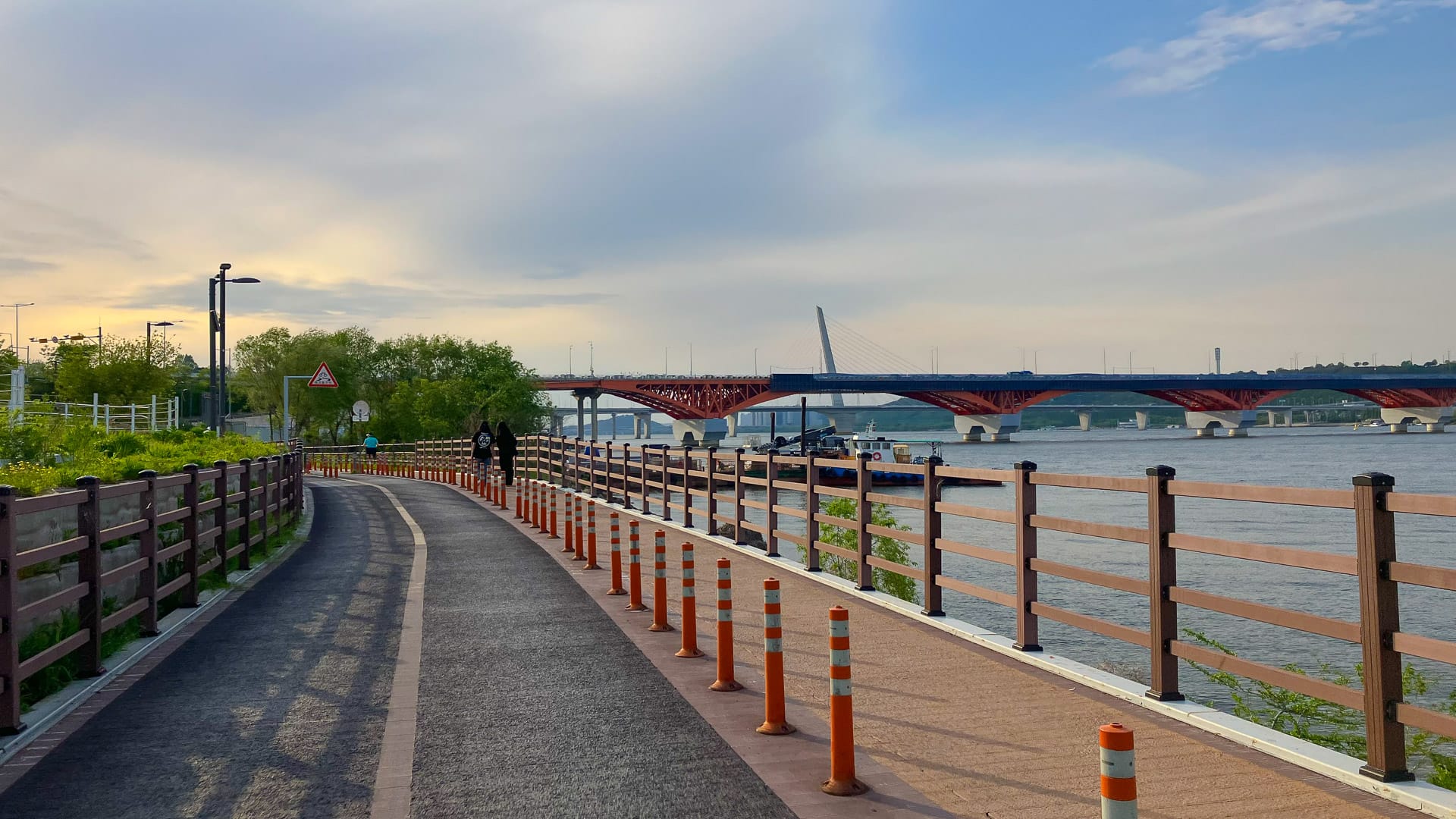
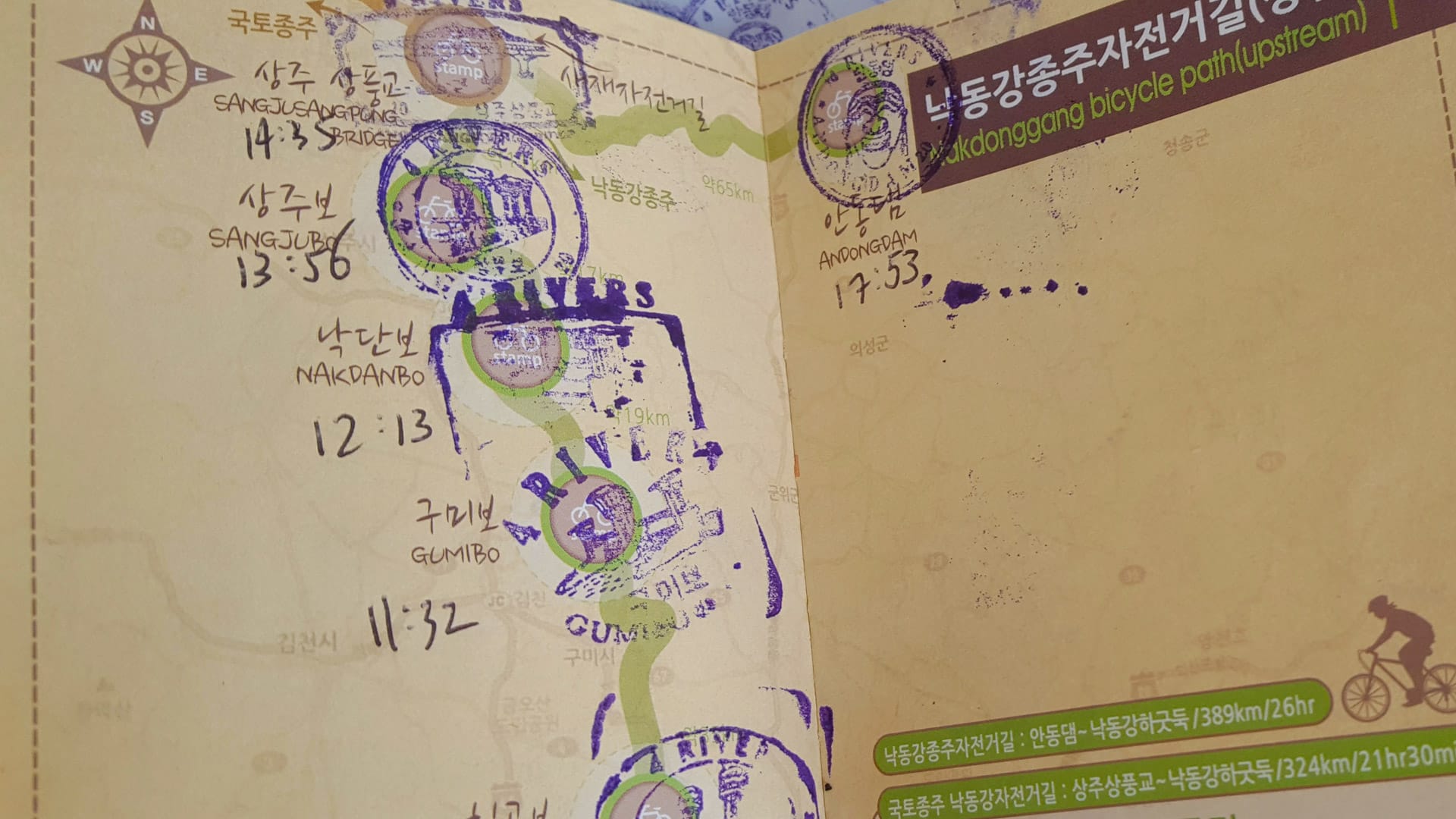
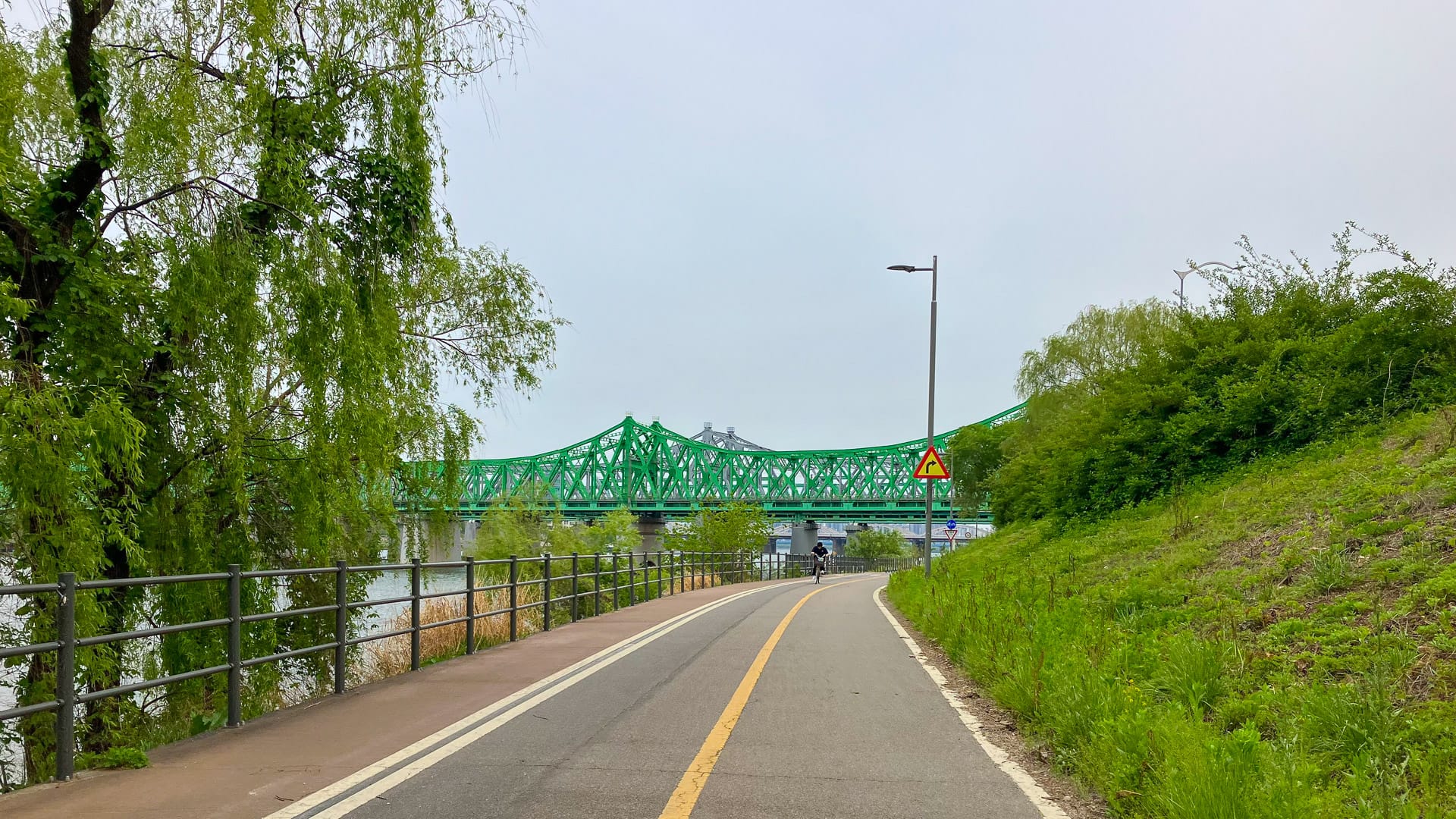
Suggested route: Cross-country cycling route (Seoul to Busan)
GPX DownloadTerms of use reminder
Key statistics
610 kilometres
Approx. 4,800 metres of elevation gain (the RWGPS route above shows more, but my experience of riding the route has been around this figure!)
Difficulty: 2/5
Summary
A cross‑country adventure with historic landmarks, peaceful nature, Korean hospitality, and a tangible sense of accomplishment. It’s an accessible route for most abilities and you can collect stamps at all certification centres on the way to receive a medal and certificate upon arrival in Busan.
Terrain
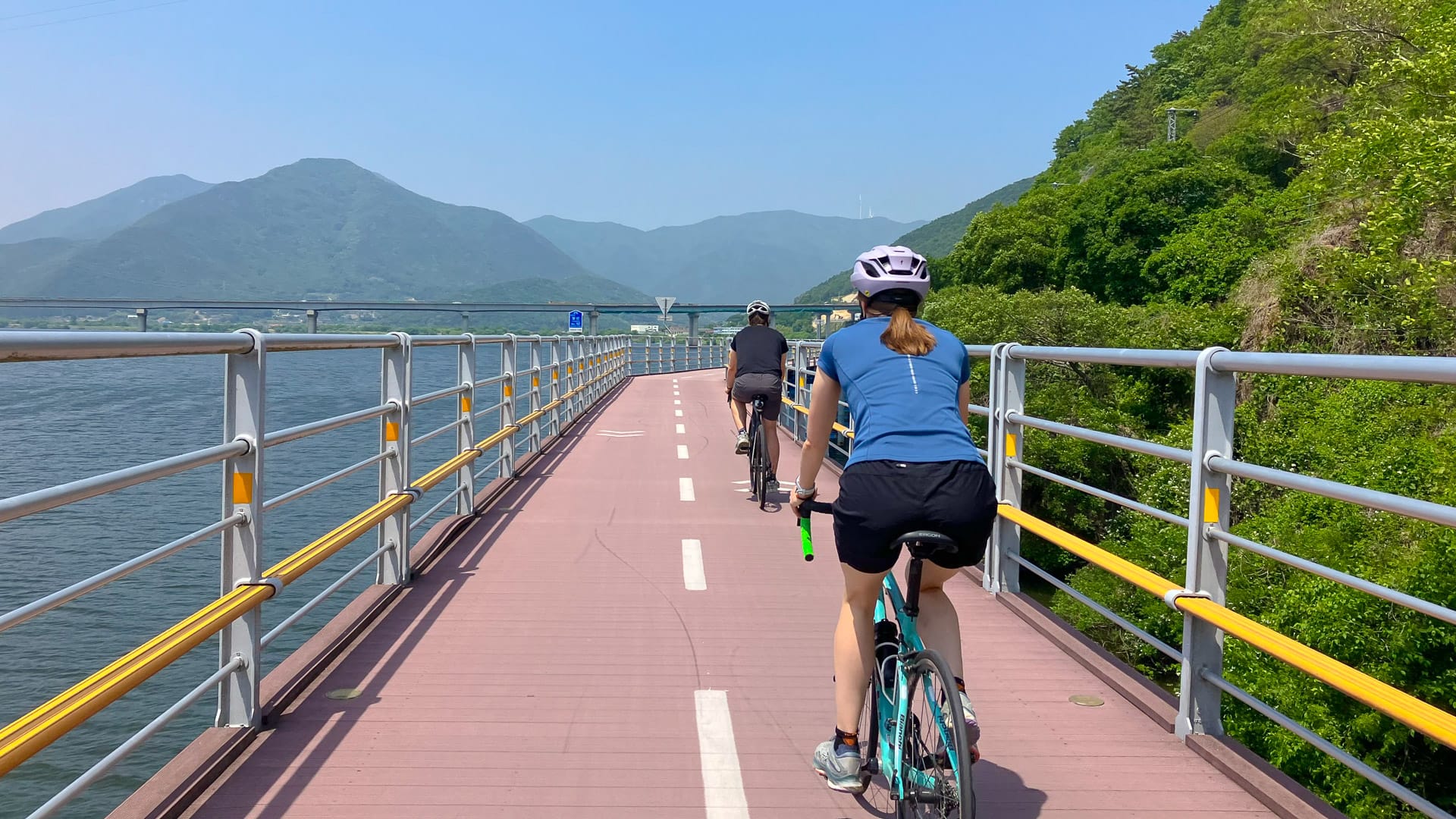
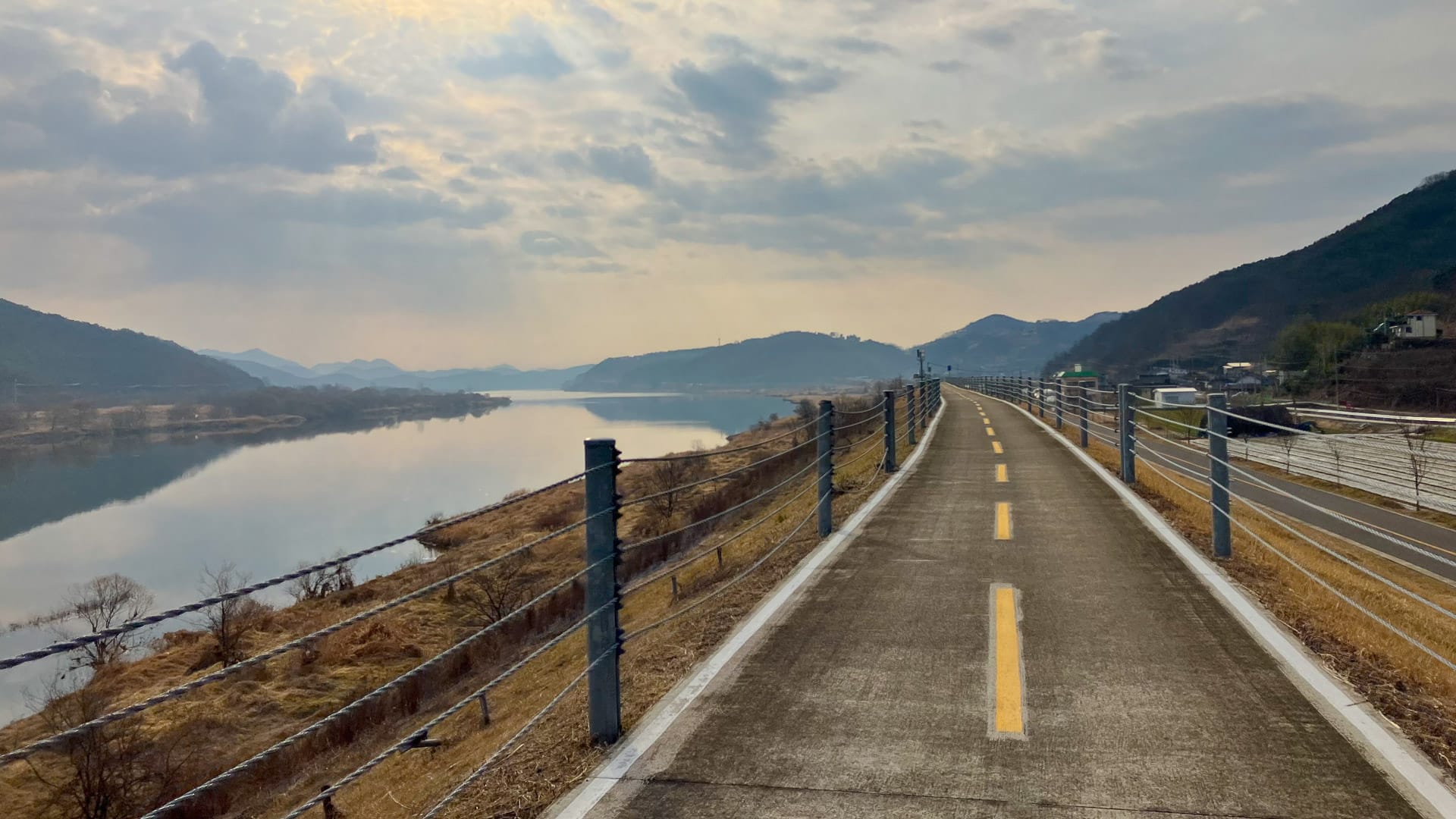
Most of the 600‑odd kilometre ride (technically Incheon to Busan) unfolds on flat, dedicated river‑levee bike paths along the Ara Canal, Han River, and Nakdong River. These bike paths are almost all separated from other traffic, with some stretches on provincial roads or farm roads.
The route is completely paved (mostly asphalt, with occasional wooden boardwalk) and offers smooth cruising. However, it’s not entirely flat. Besides a couple of smaller hills, you’ll encounter one major climb roughly halfway into the ride that takes you up to 540 metres.
What can cyclists expect?
This long-distance trail is one of South Korea’s most memorable cycling experiences. It combines well-marked, cyclist-focused paths with beautiful scenery, mild traffic, and excellent infrastructure. With certification centres, motels that welcome bikes, clean public rest stops, and clear signage, it can easily be ridden without navigation. Depending on time and pace, it takes between three and fourteen days.
The ride blends culture, nature, and authentic hospitality. In the countryside, locals often cheer on cyclists with fruit or water. Cultural highlights include Seoul’s Gyeongbokgung Palace, Bukchon Hanok Village, Seoul Tower, and Silleuksa Temple. Landscapes range from Han River views and pine-forested ridges near Ihwa Pass to Sangju’s orchards, the Upo Wetlands, and the bike-only boardwalks of the Nakdong River.
Food is central to the experience: try catfish stew in Chungju, dried persimmons in Sangju, apple makgeolli in Gumi, garlic dishes in Changnyeong, and fresh seafood in Busan. Discover more about the best food to try in South Korea below.
Highlights
- Ihwa Pass (Ihwa-ryeong): A five-kilometre climb at 6% that marks the highest point of the route. With pine-lined curves, scenic rest stops, and summit views over Yeonpung and Mungyeong, it is one of Korea’s most iconic climbs. The Ihwaryeong Certification Centre, café, and facilities add to the appeal.
- Omija in Mungyeong: After the descent, explore converted rail bike tracks and Omija-nara, where Korean cranberries (Schisandra berries) are made into wine, tea, and local products. A unique stop set around an old train tunnel. Find out more about these iconic destinations here.
- Busan skyline finish: Finish your ride on the west side of the river for unforgettable views of Busan from the west side of the river, it offers a fitting finale to the journey.
East Coast
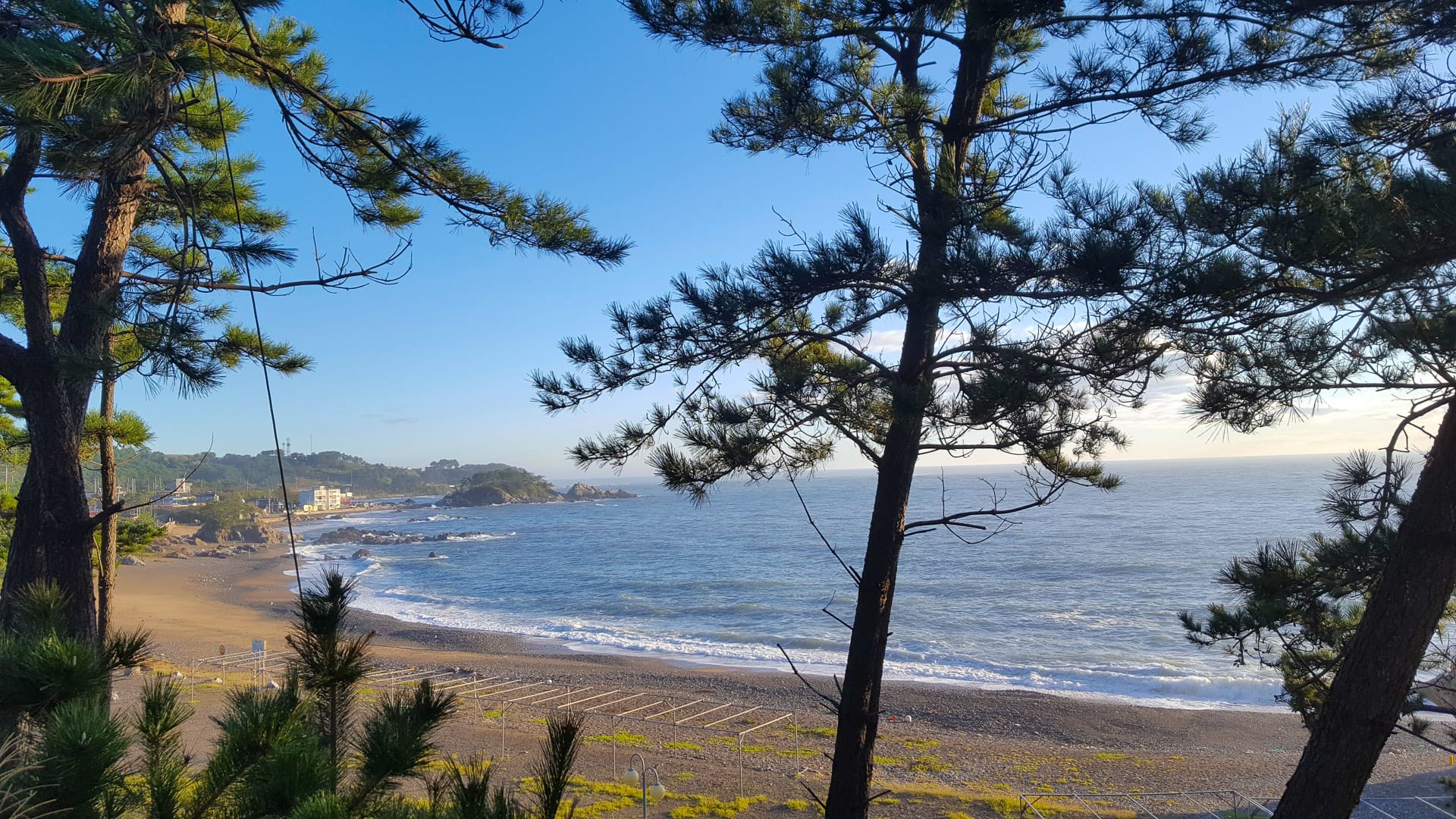
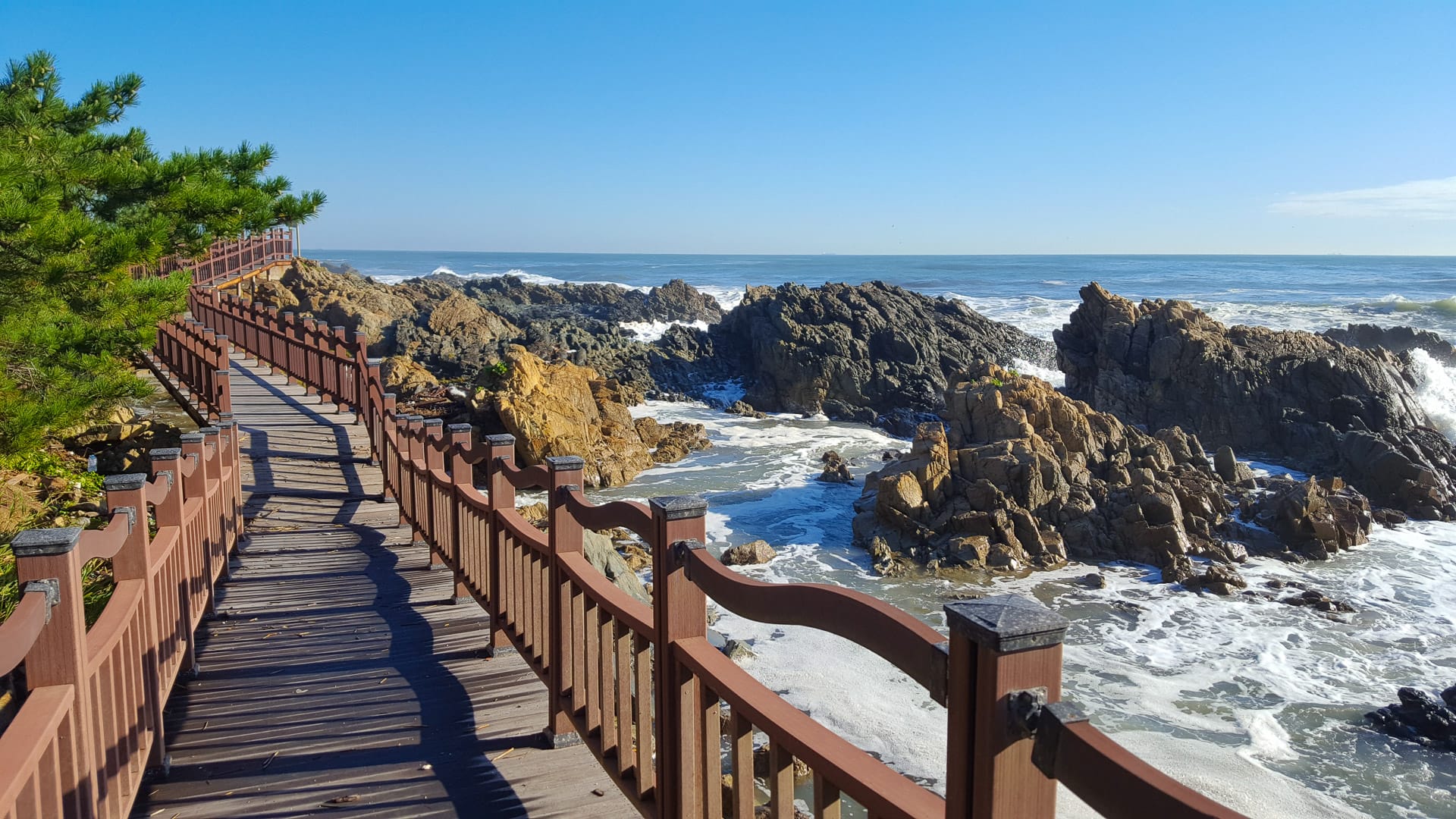
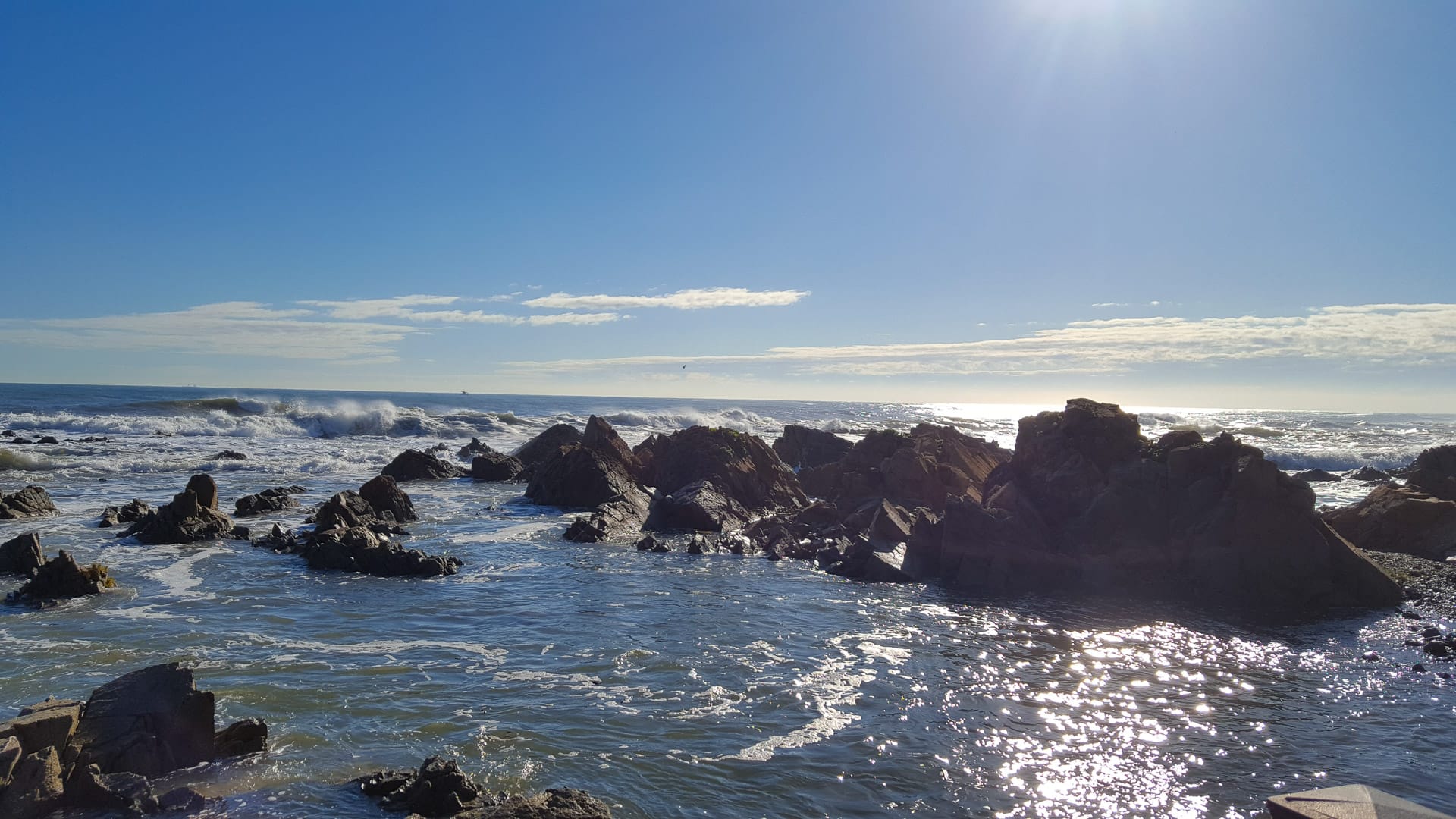
South Korea’s East Coast, stretching along the East Sea, is renowned for its unspoilt beaches, dramatic cliffs, and scenic mountain backdrops.
The region typically attracts (local) summer holidaymakers, surfers, and hikers, with coastal towns such as Sokcho and Gangneung famed for fresh seafood, lively fish markets, and traditional festivals.
Buddhist temples, including Naksansa and Woljeongsa, are found tucked within forests and coastal landscapes, adding cultural depth. In the colder months, ski resorts nearby make the area equally popular.
Suggested route: East coast bike trail (Yeongdeok to Goseong)
GPX DownloadTerms of use reminder
Key statistics
330 kilometres
2,832 metres of elevation gain
Difficulty: 4/5
Summary
An authentic journey by the coast passing through countless fishing villages, beaches and rocky coastal scenery. The wind and punchy hills make this a challenging ride!
Terrain
The Yeongdeok to Goseong stretch offers a challenging but scenic coastal cycling adventure characterised by steep coastal climbs, shared paved roads, and frequent views of the East Sea.
It blends tranquil seaside villages with seaside forests and beaches, making it ideal for experienced cyclists seeking variety and views. Even though the elevation profile of this ride doesn’t look too daunting, this is definitely not necessarily a flat, leisurely cruiser’s path.
What can cyclists expect?
The East Coast Bike Trail between Yeongdeok and Goseong is part of South Korea’s Grand Slam, with stamps collected in red phone booths along the way. Much of the route hugs the East Sea coast, offering wide ocean vistas, pine forests, and rocky headlands. Convenience stores, pensions, and minbaks (guesthouses) are available in towns, though some stretches have limited shade or resupply.
The terrain is rolling rather than flat, with frequent rises and descents that keep the ride engaging. Most climbs are short and manageable, though a few steeper gradients add challenge. The trail follows mostly paved rural highways, with occasional sandy or gravelly patches near ports and beaches.
Be aware! Unlike the Seoul to Busan trail, it is not a fully protected cycle path, so expect light to moderate traffic, especially around fishing villages.
Signage is clear throughout, and while the route can be ridden without GPS, a device is helpful in towns or for detours.
Highlights
- The ride passes through several points of interest like Goraebul Beach, Chuksan Port, and various harbour towns rich in local culture. For lovers of fish, crab and squid, this is an excellent trail.
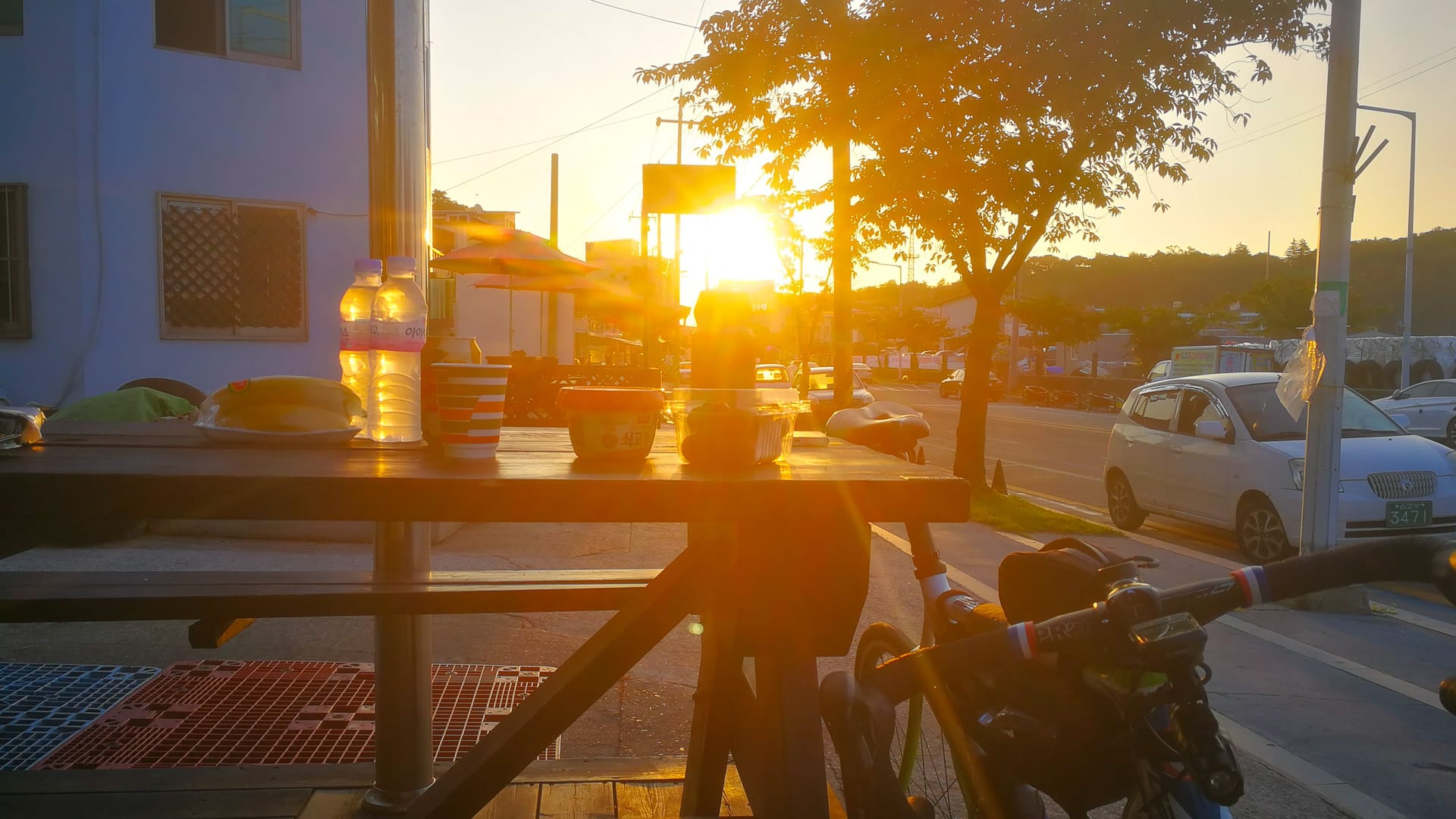
- For the early birds, seeing the sun come up over the East Sea in the early morning is a magical feeling.
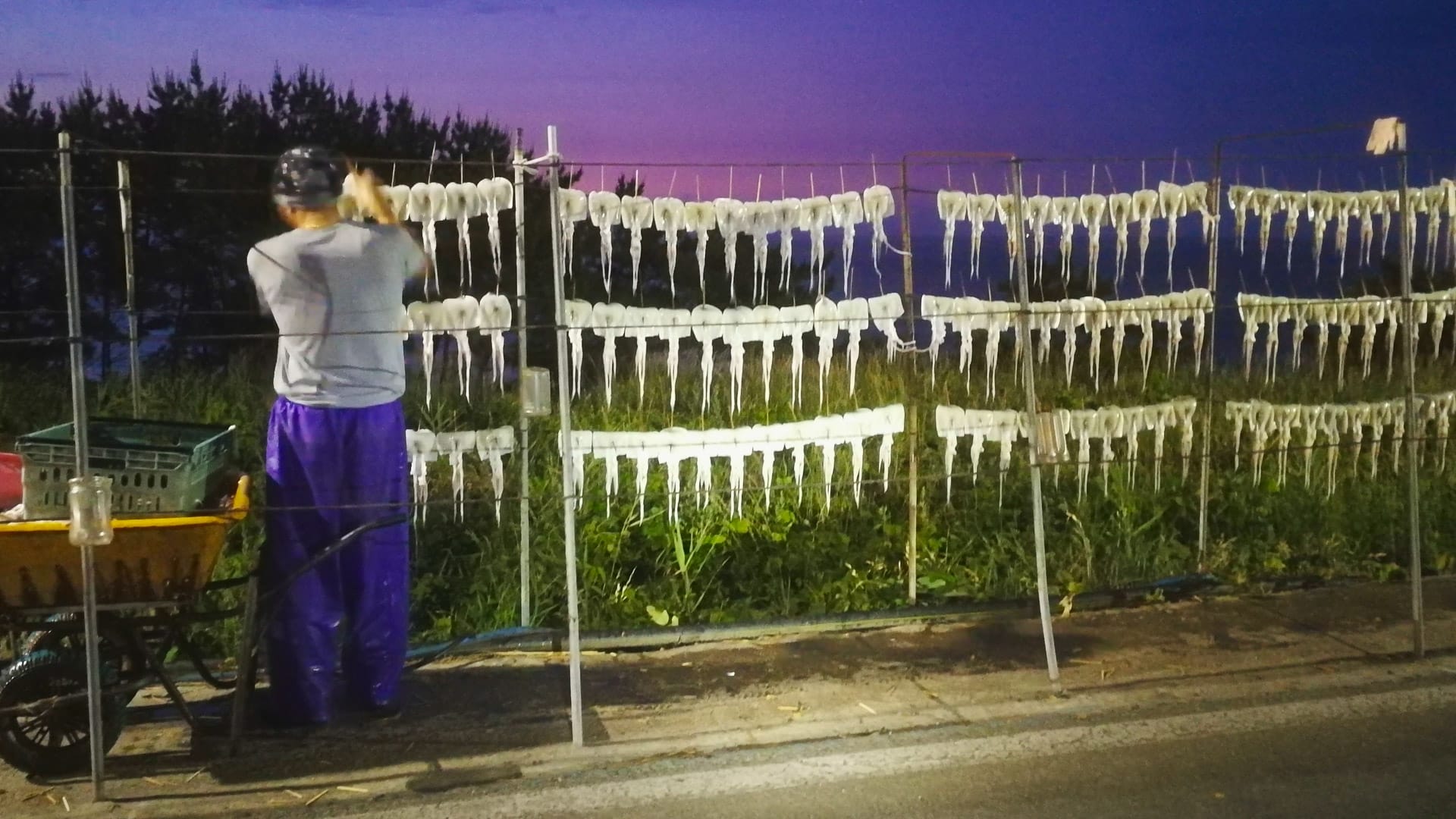
- One of my personal highlights of cycling around Korea in recent years was seeing fishermen drying their squid on drying lines whilst cycling with the sunrise on the East. You can see this phenomenon in pretty much any town on the coast, but you’ve got to be early (between 4am-5am) to see the squid being hung out!
- Some inland detours take you through pine groves, rice fields, and quiet valleys, adding diversity to the scenery. I thoroughly enjoyed these sections myself. Whilst even the smallest coastal villages or beaches have a little of that convenient ‘theme-park’ feel that is typical for South Korea, on these inland stretches you often really feel like you’re riding back in time.
Andong
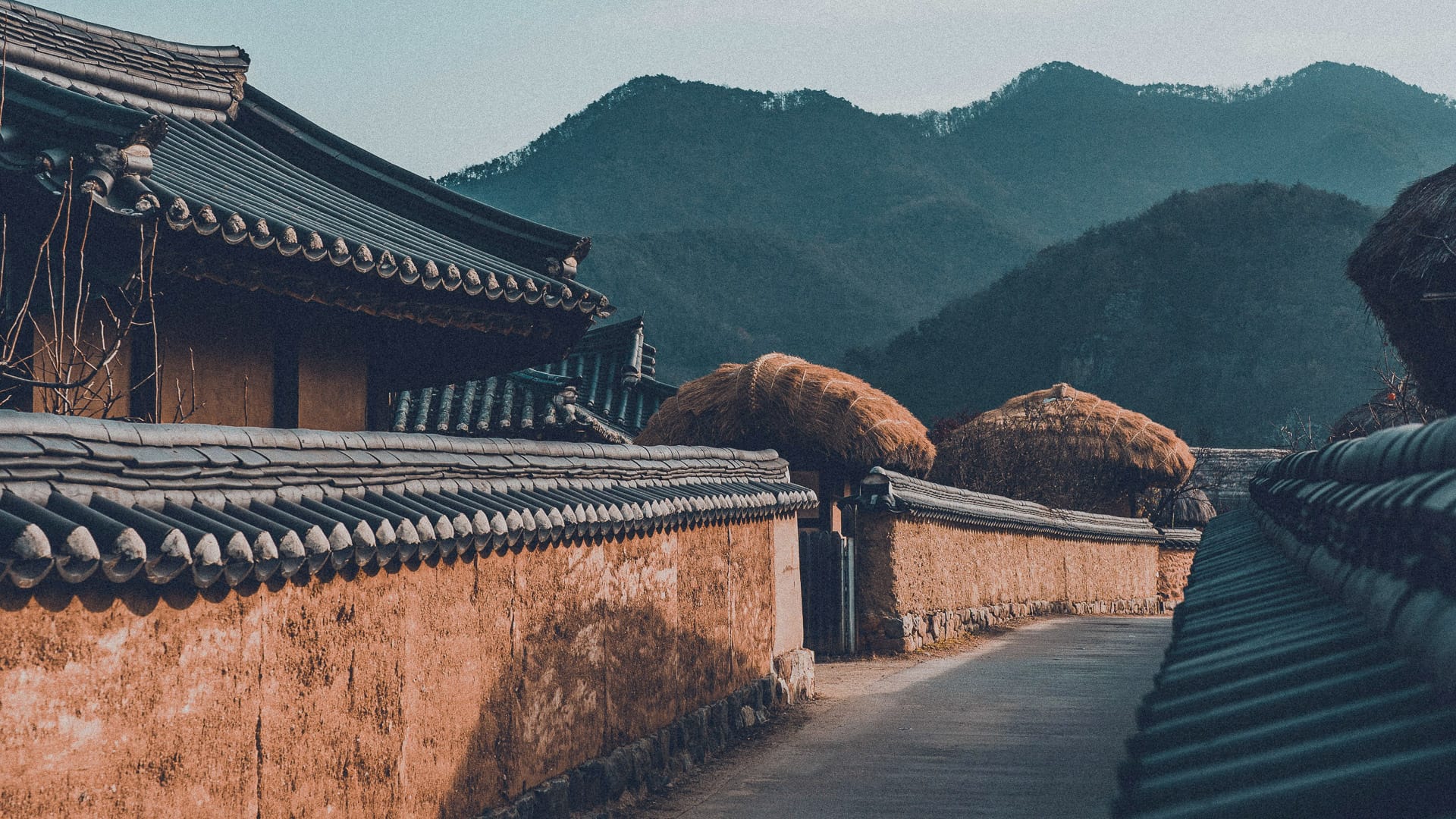
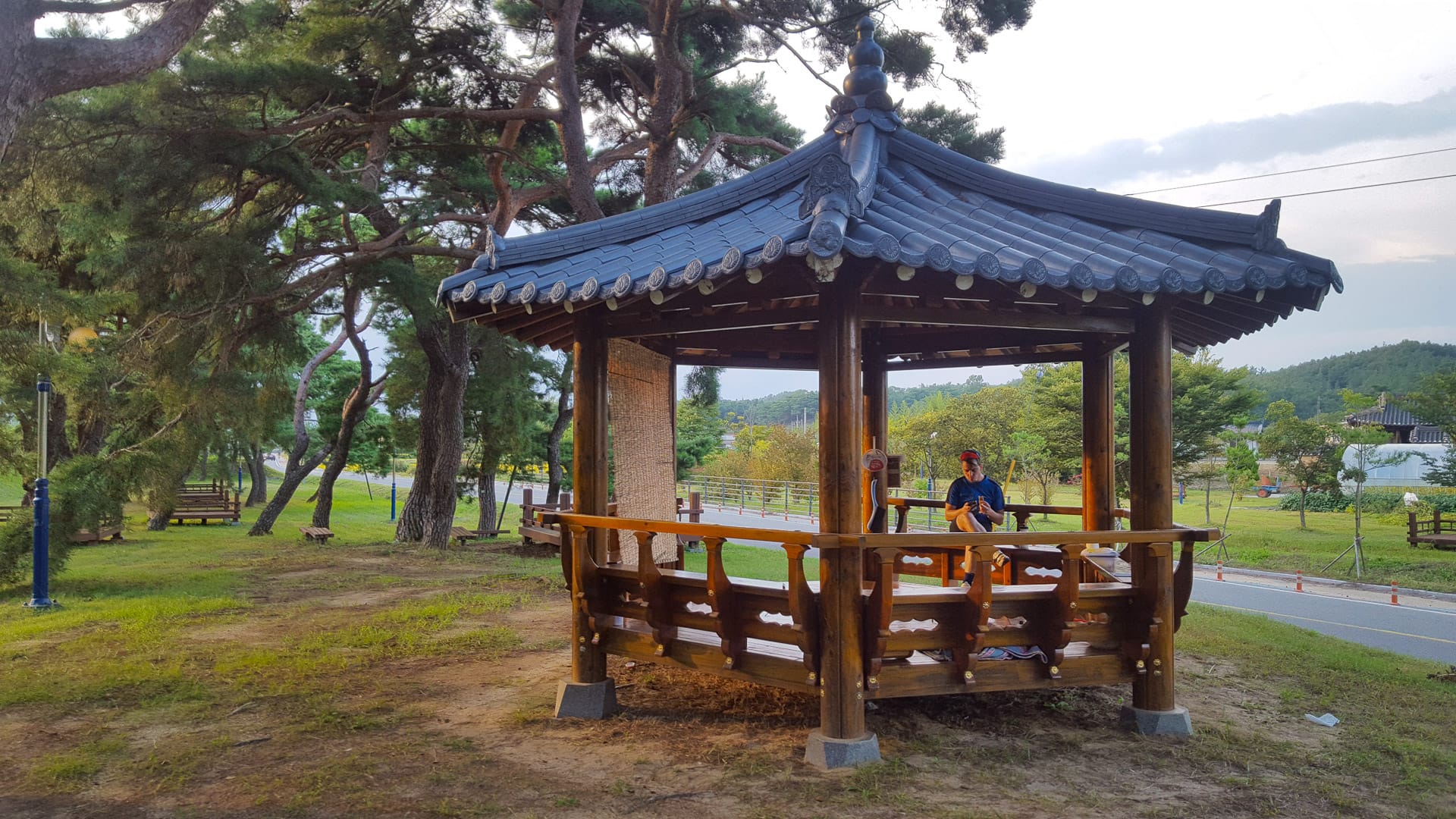
Located in North Gyeongsang Province in central South Korea, Andong is often described as the country’s spiritual capital. It is celebrated for its strong Confucian traditions and carefully preserved cultural heritage. The UNESCO-listed Hahoe Folk Village offers a living window into the past, with traditional hanok houses and time-honoured performances.
Andong is especially known for its masked dance festival and centuries-old Confucian academies, which highlight its role as a centre of scholarship and ritual. It is also a culinary stronghold: the city is the birthplace of Andong jjimdak (soy-braised chicken with glass noodles and vegetables) and produces a distinctive style of locally brewed soju.
With its unique blend of architecture, customs, and traditions, Andong offers a meaningful contrast to South Korea’s modern cities, giving visitors an authentic glimpse into the country’s cultural roots.
Suggested route: Sangju to Andong
GPX DownloadTerms of use reminder
Key statistics
69 kilometres
562 metres of elevation gain
Difficulty 1/5
Summary
This ride connects the first two routes featured in this article. It enables you to experience some of the most remote areas of South Korea.
Terrain
While much of the ride is relatively flat following the river, you can expect a few steep climbs, especially approaching Andong.
What can cyclists expect?
This ride is also part of South Korea’s Grand Slam route. Though relatively short, it is one of the most culturally rewarding stretches in the country. More than just a link between the Seoul–Busan Trail and the East Coast Trail, it includes a visit to the UNESCO-listed Hahoe Folk Village, which could well be a highlight of your trip.
Cyclists can look forward to beautiful views of the Nakdong River, gentle rolling hills, and rich agricultural landscapes. The trail is clearly signposted and part of the national cycle certification scheme, beginning at the Sangjunsangpoong Bridge and ending at the Andong Dam certification centre.
Along the way, you will find regular rest areas, bathrooms, and convenience stores, with bike pumps available at some points on the main path.
Highlights
- Hahoe Folk Village (near Andong): A UNESCO World Heritage site about 20 kilometres before Andong, this is a living village with centuries-old hanok homes still inhabited by descendants of the founding Ryu clan. Visitors can explore narrow stone paths, rice paddies, and traditional houses shaped by pungsu (Korean feng shui). Highlights include the satirical Hahoe mask dance performances and sweeping views of the village from Buyongdae Cliff.
- An authentic cultural experience: Unlike more commercial folk villages near major cities, Hahoe feels calm and genuine. It offers a deep dive into Confucian heritage, traditional architecture, and age-old customs.
- Don’t miss tasting Andong’s signature dish, jjimdak (soy-braised chicken with vegetables and noodles), in the village restaurants.
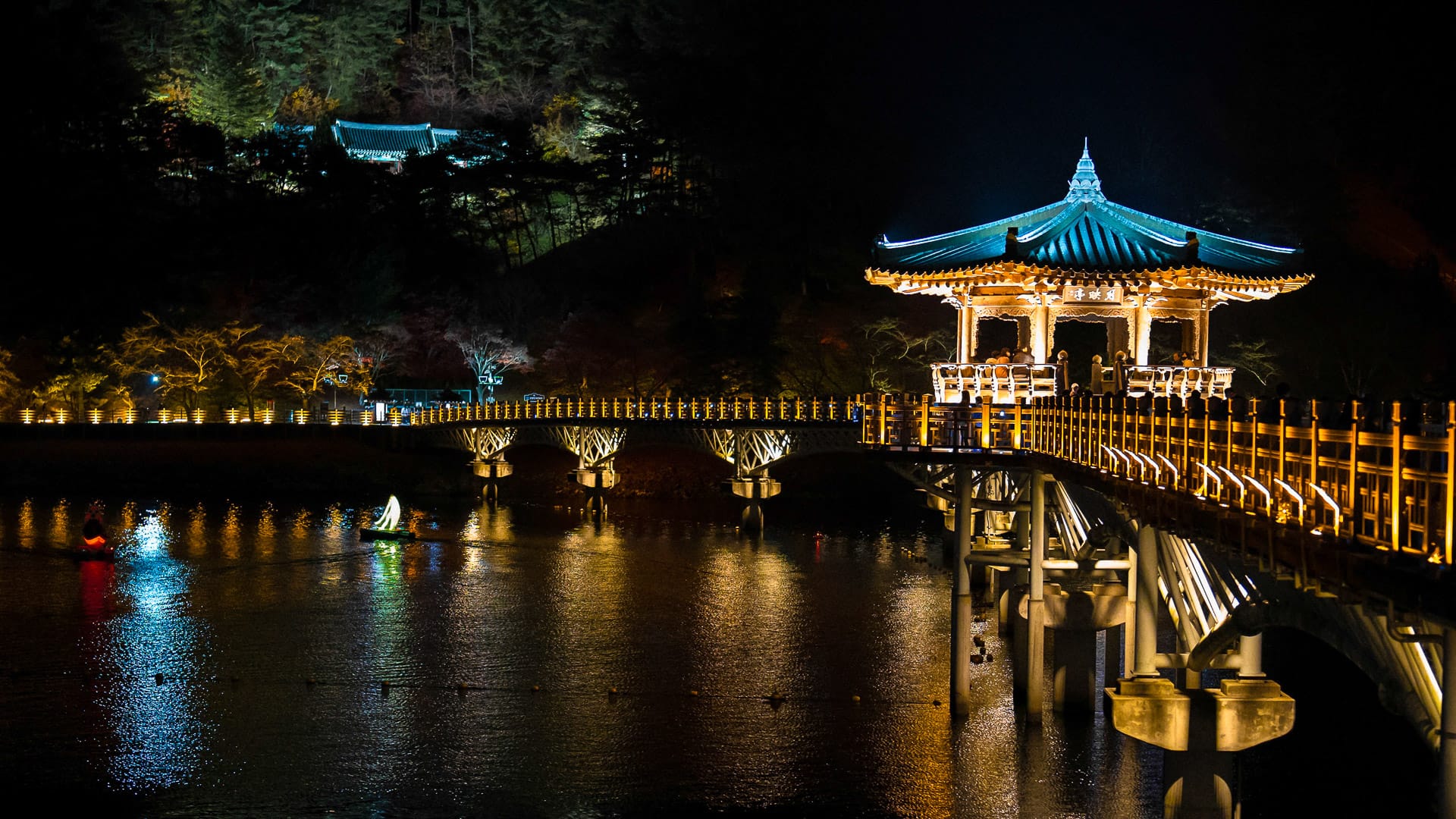
- Woryeonggyo Bridge (Andong): Located near the final Nakdong trail stamp booth, this riverside bridge and pagoda are especially beautiful at night. It’s a popular spot with locals, full of photo opportunities, street snacks, and a glimpse into everyday Korean way of life.
Suggested route: Andong to Uljin via Juwangsan National Park
GPX DownloadTerms of use reminder
Key statistics
300 kilometres
4,101 metres of elevation gain
Difficulty 4.5 / 5
Summary
This challenging route connects the Cross Country Cycling Route to the East Coast trail. You climb through the lesser-ridden area of the Gyeongsangbuk-do Province.
Terrain
The route combines valley roads, moderate hills, and mountain climbs near Juwangsan. The coast at Jinbo–Uljin features rolling terrain with coastal hills and occasional steep sections, but nothing extremely long.
What can cyclists expect?
This route is one for confident climbers. It explores an off-the-beaten-track part of South Korea that you won’t find in most cycling guides.
Unlike the more popular mountainous rides in Gangwon-do, around Jirisan, or on Jeju Island, this stretch from Andong to Uljin on the East Coast follows quieter roads. The climbs are lower in altitude but still tough and rewarding, with the flexibility to shorten or adapt the route if needed.
For those unfamiliar, South Korea has transformed dramatically in just a few decades. From one of the poorest nations in the 1970s and 1980s, it has grown into a global economic powerhouse, centred around Seoul.
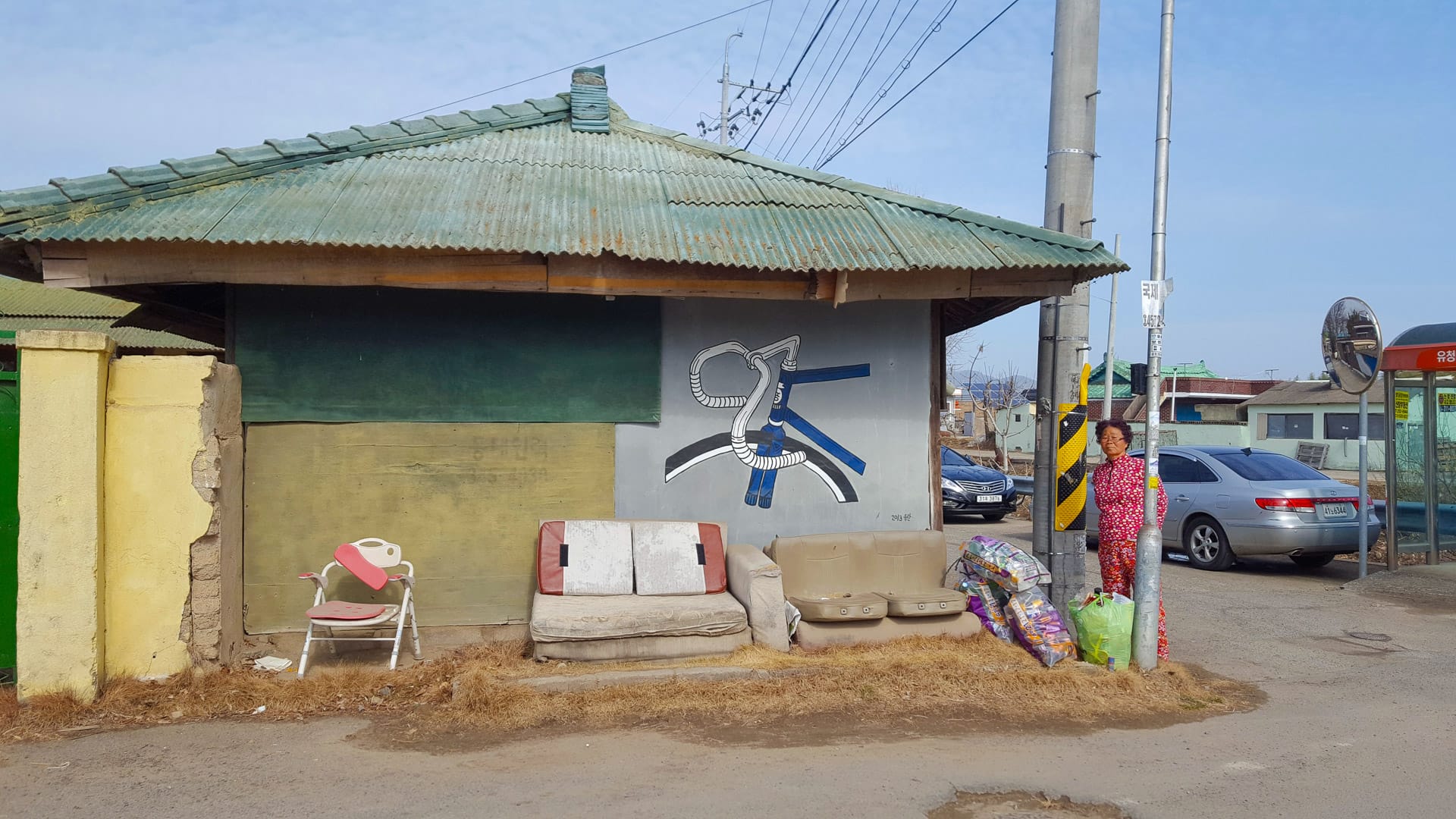
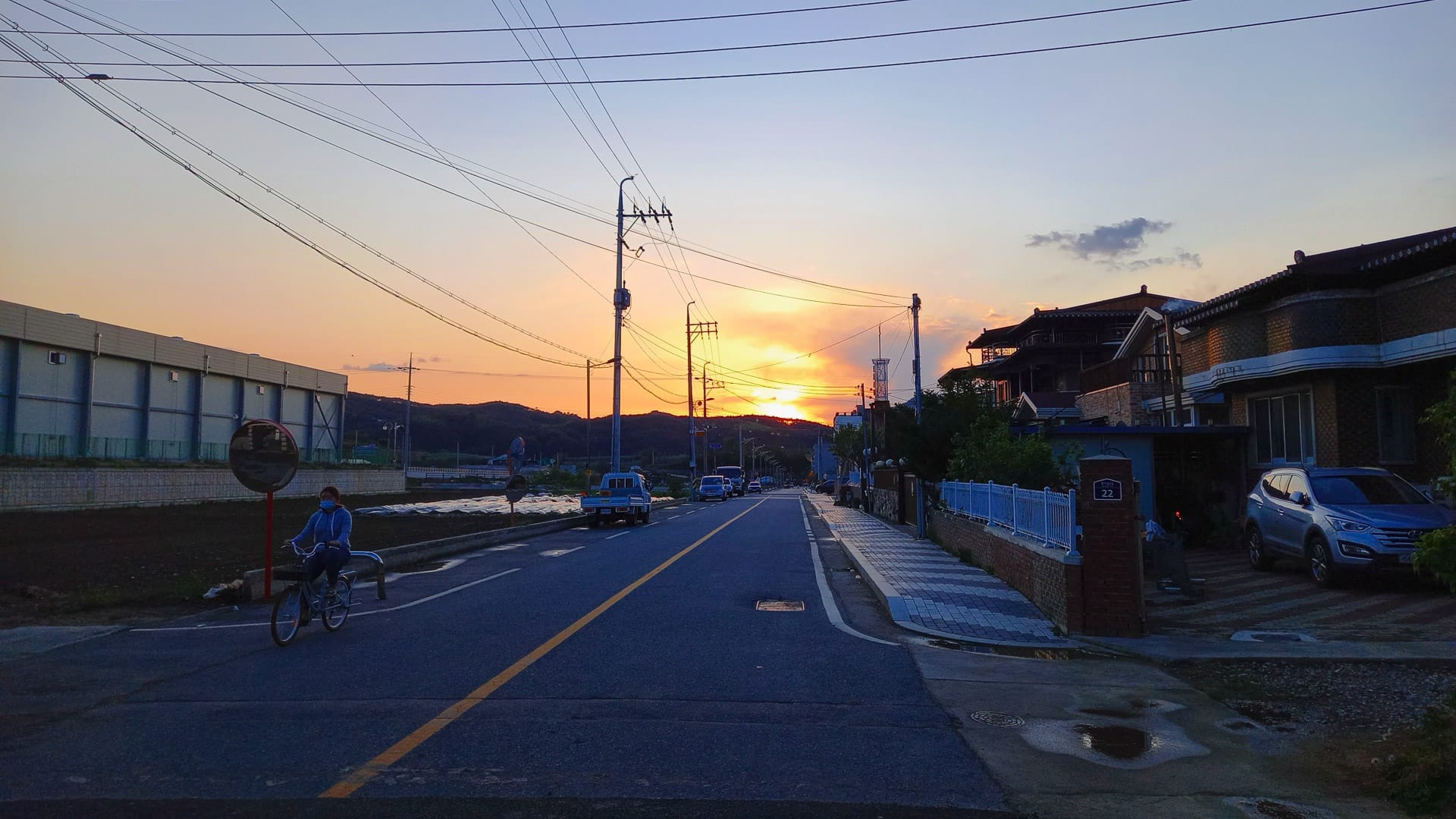
This shift has left many countryside towns increasingly quiet, with older infrastructure often replaced rather than restored. Cycling through this region offers a rare glimpse of rural Korea, one of the emptiest parts of the country, before more of its traditional character and landscapes fade away.
Highlights
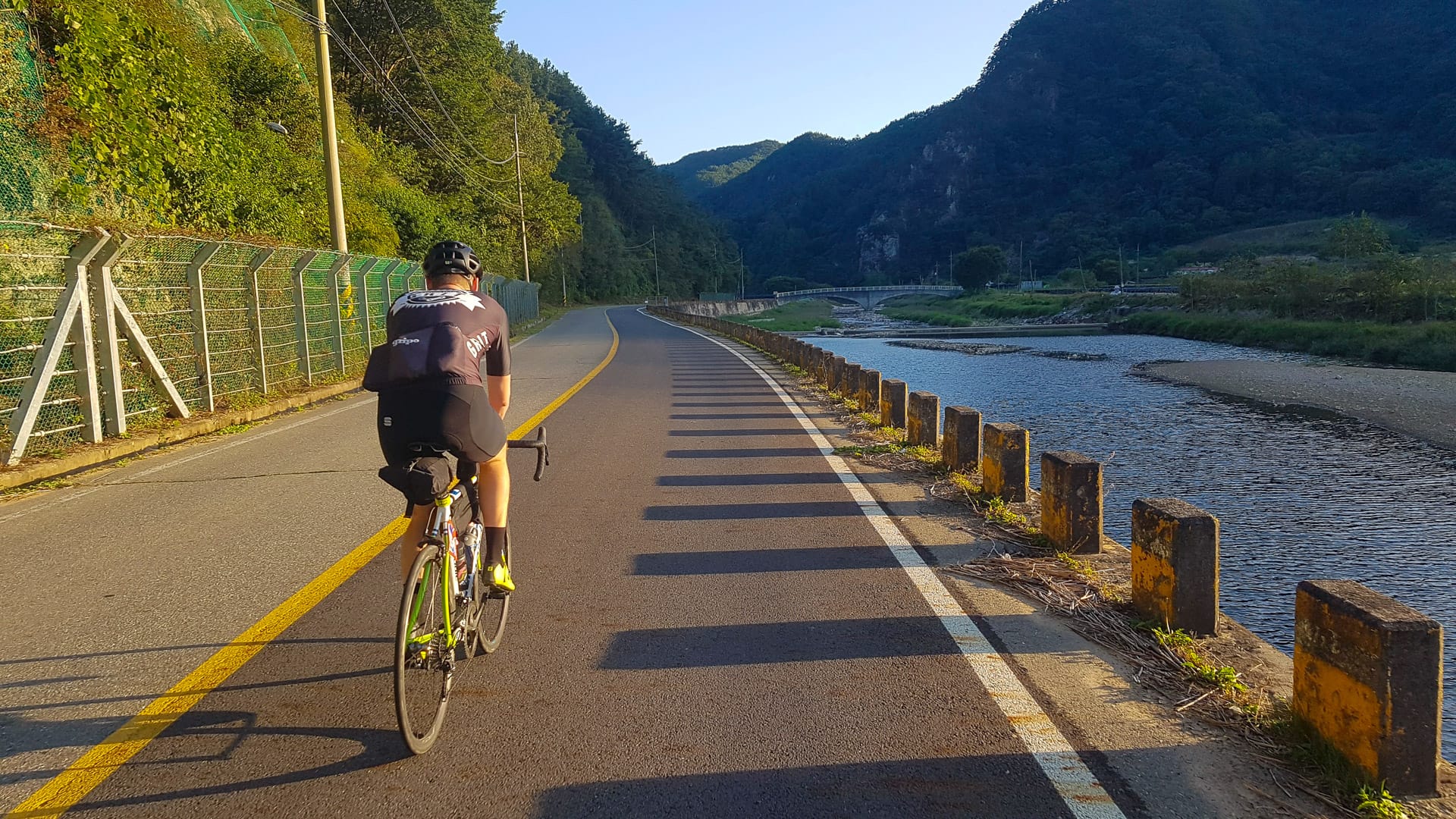
- Riding this route feels like riding through a time vacuum! You can still get an idea of what it was like to live in post-war South Korea: old road signs, sleepy towns, traditional restaurants, old bridges and quiet mountain passes. Every time I’ve ridden here in recent years, I’ve seen the area get quieter. It feels like a privilege to be able to experience an authentic hint of the past. This isn’t a route for someone seeking the convenience that is typical for most of Korea. Instead, peaceful solitude and lush valleys are your reward for putting in the climbing efforts.
- Make time to explore the Cheongseong National Geopark and Juwangsan National Park. These areas are famed in Korea for their mystical atmosphere, with Juwangsan even serving as the backdrop for the film Spring, Summer, Fall, Winter… and Spring (2003) – a great watch to set the mood for your trip. Expect valleys, caves, and observatories worth stopping for along the way. If you are visiting in winter, the Cheongsong Ice Valley is especially striking as its waterfall freezes into a dramatic ice wall, but it’s a beautiful spot in every season.
Tips
- Bring cash to this part of your trip, and plan carefully. As motels and hotels are not widely available, make use of Kakao Map and Naver Map to plan your trip, and expect an authentic, but low standard of lodging.
- Be aware! Motels and guesthouses can only really be found in places like small towns such as Giran, Jinbo, Yeongyang and Subi. See below for more information.
Changnyeong (Daegu)
Located in South Korea’s southeast, Daegu is a vibrant city known for its hot summers, textile industry, and strong cultural traditions. The city is home to bustling traditional markets and one of the country’s best-known oriental medicine districts, offering a glimpse into Korea’s healing heritage.
Just to the south, Changnyeong provides a striking natural contrast. It is home to the Upo Wetlands, the largest inland wetland in South Korea and an important habitat for diverse bird and plant life. Together, Daegu and Changnyeong combine urban energy, ecological significance, and deep-rooted history, making the area an engaging stop for cyclists.
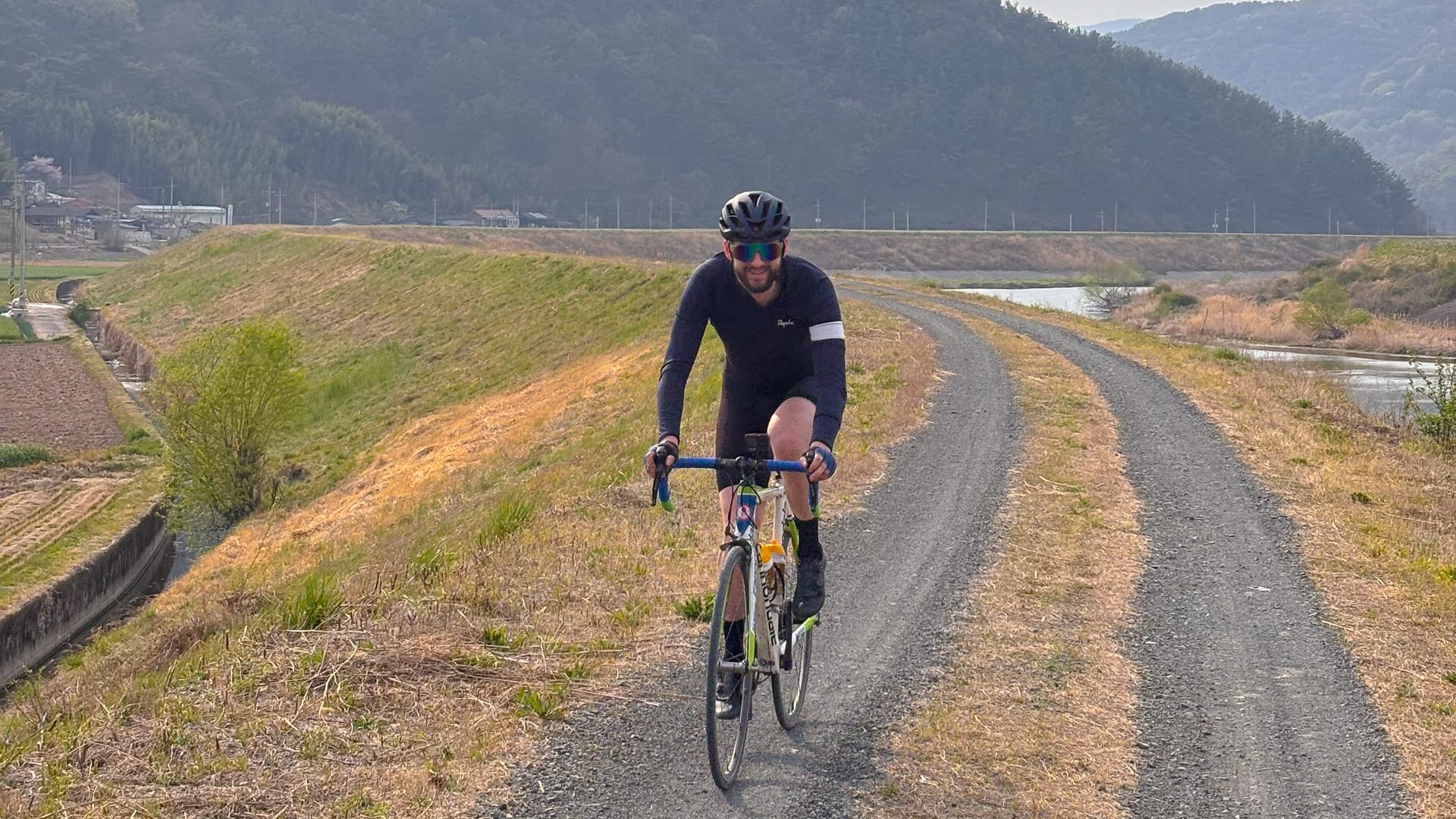
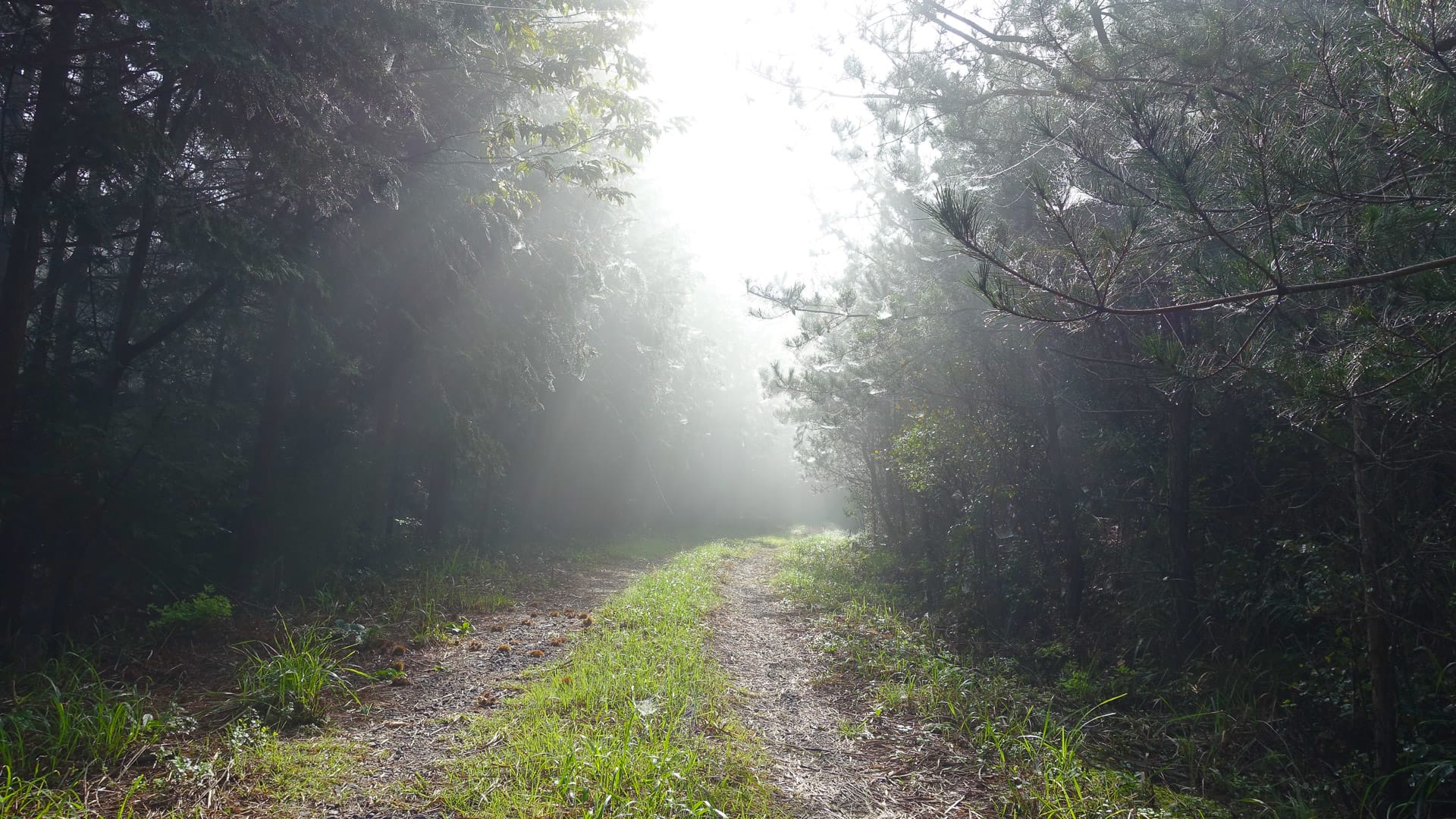
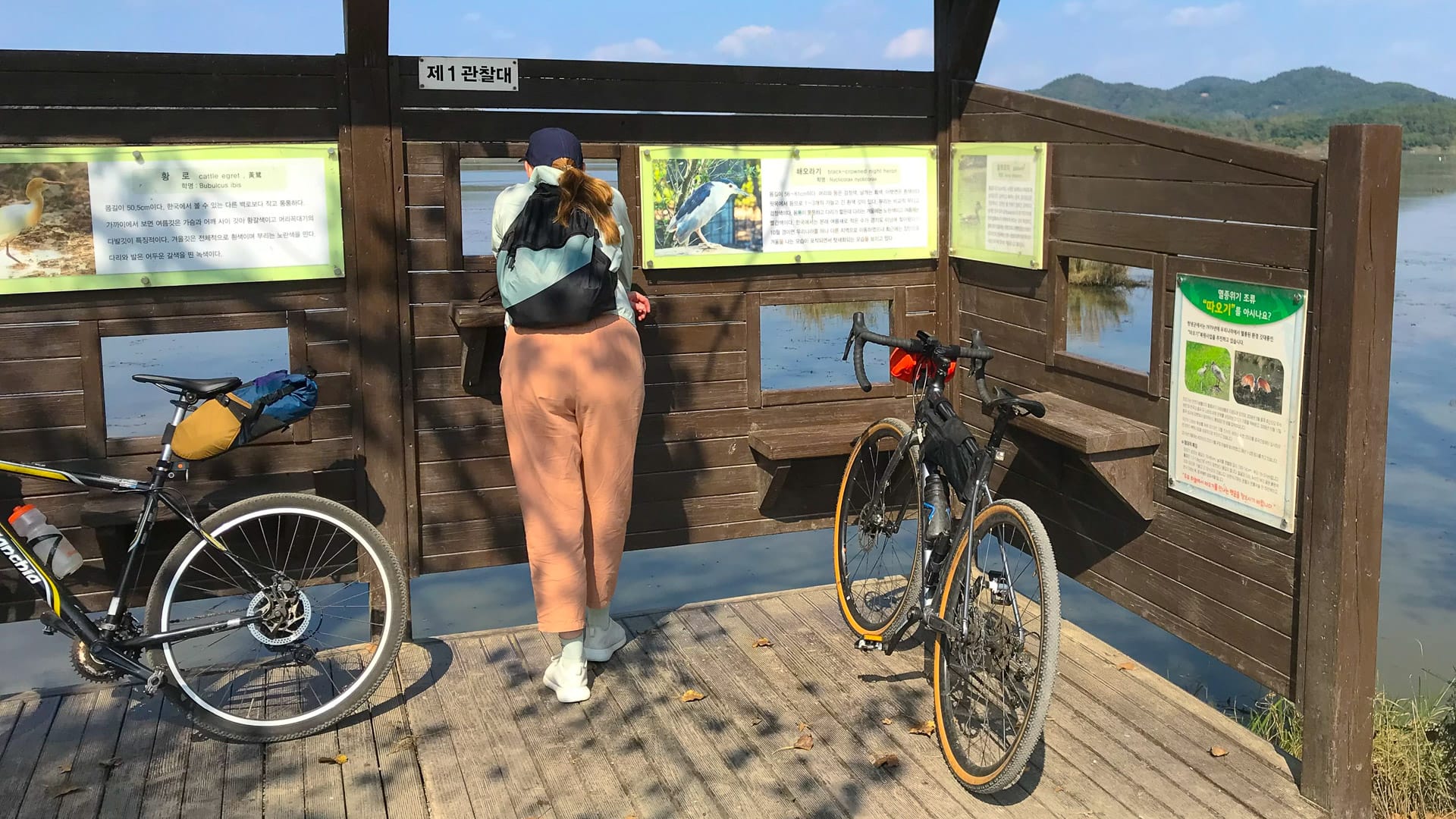
Suggested route: Upo Wetlands gravel ride
GPX DownloadTerms of use reminder
Key statistics
86 kilometres
600 metres of elevation gain
Difficulty 3/5
Summary
A great option for gravel riders taking on the cross-country cycling route, who have one to two days spare! This is one of the only areas in Korea that offers flattish gravel riding and is especially interesting for bird enthusiasts.
Terrain
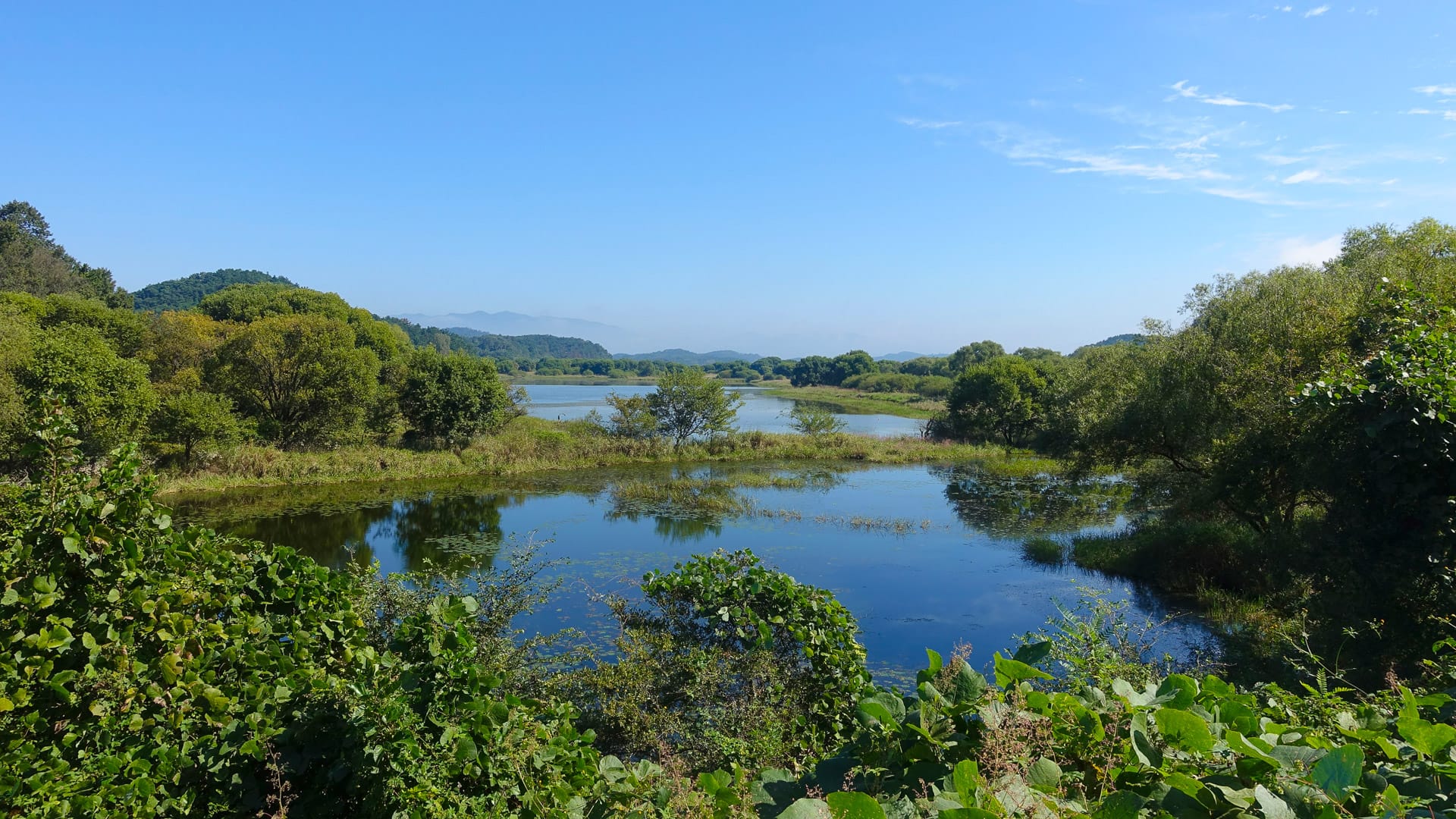
South Korea is full of brilliant gravel roads, but many lie high in the hills and mountains and demand strong fitness levels. By contrast, the area around Changnyeong offers much flatter terrain. The Upo Wetlands sit in a low-lying basin, where the ground is shallow and flat with minimal elevation changes.
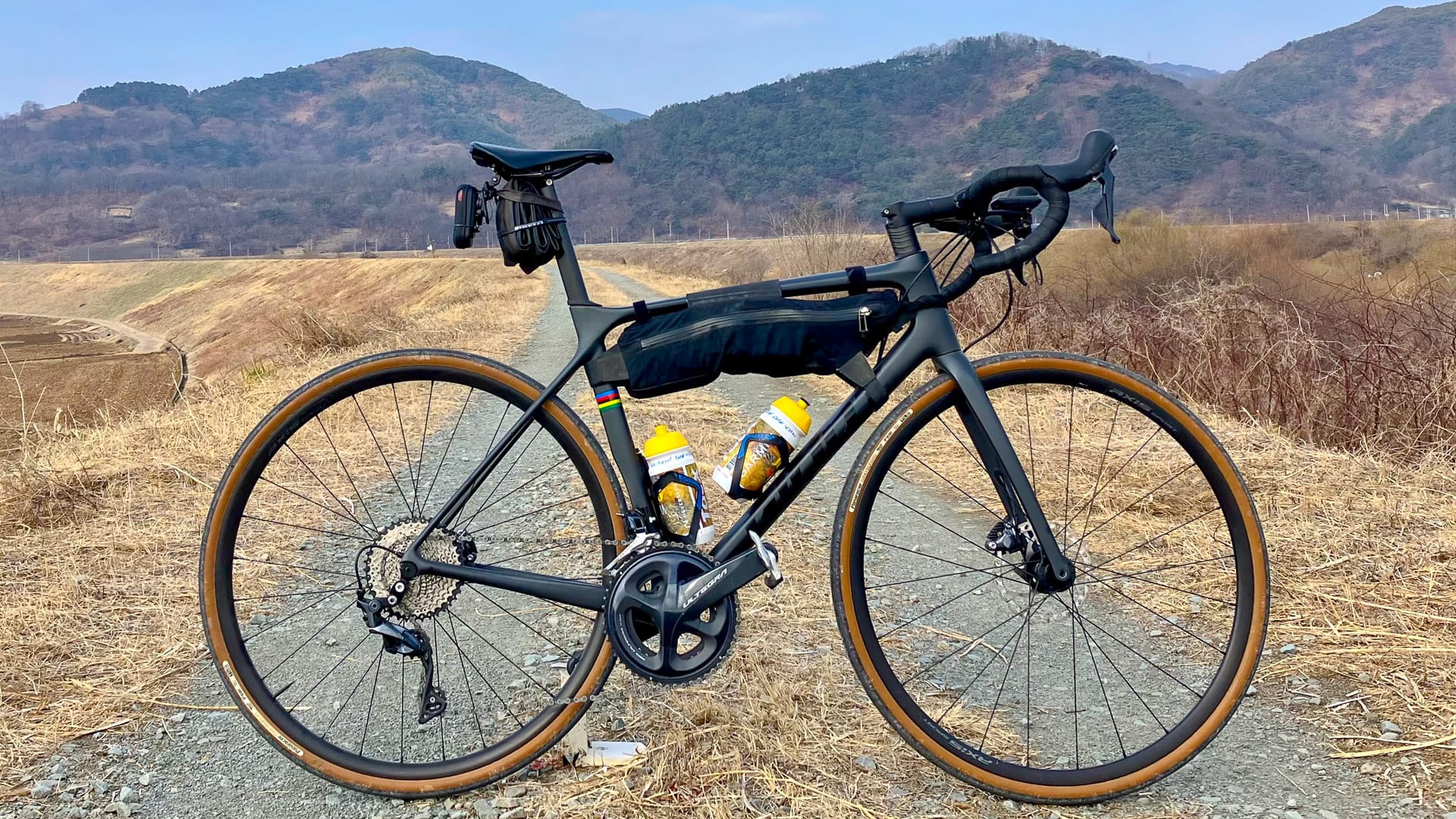
Cycling here takes you along narrow paved roads, farm tracks, and embankments that border the wetlands, passing through small villages and rural landscapes. It is ideal “n=1 bike” territory, whether you are on a road bike with wider tyres or a gravel bike, you will comfortably cover a mix of surfaces, including gravel, farm roads, tarmac, and cement.
While the western side of the route introduces some climbing, the gradients are far gentler and shorter than the long, steep ascents often found elsewhere in South Korea. This makes Changnyeong a rare chance for more relaxed riding.
What can cyclists expect?
The Upo Wetlands is one of my favourite cycling areas in South Korea.
Possibly because at times, it feels a little like riding through the Netherlands! It’s home to lots of flat farmland and waterways, with mountains only rising in the background. The terrain is well-suited to relaxed riding, with steady pedalling across gravel paths, farm roads, and quiet country lanes. It is also an excellent area for nature lovers, with birdwatching and photography opportunities.
Be aware! Google Street View coverage is limited here, so exploring feels a little more adventurous. This route can be ridden on a road bike with narrow tyres, for example, I have ridden it several times on 25c. However, wider tyres (32c or more) are suggested for comfort. The surfaces are generally manageable, but riders on very narrow tyres may find some sections challenging.
From late spring until the winter, some of the gravel paths might be overgrown. High water levels might also influence the rideability of the route. Alternative roads to rejoin the route are never far away!
This area has even hosted brevets (long-distance rides) with Korea Randonneurs, making it a proven and memorable destination for cyclists.
This vlog (in Korean, with English AI-generated subtitles) by one of our randonneurs gives a good impression of the riding here:
 There's a Youtube video here!
I'm fine with Youtube cookies
Video credit: Ui-jeong Lee and Sang-won Kim
Highlights
- Panoramic views of reeds, marshes, and open water. This natural habitat is home to 1,000+ species, including white-naped cranes, spoonbills, and prickly lotus. It is ecologically vital for water purification and flood control.
- The best time to visit is in spring and autumn, with misty landscapes and migratory birds. You can enjoy the magical early morning fog rising over the wetlands.
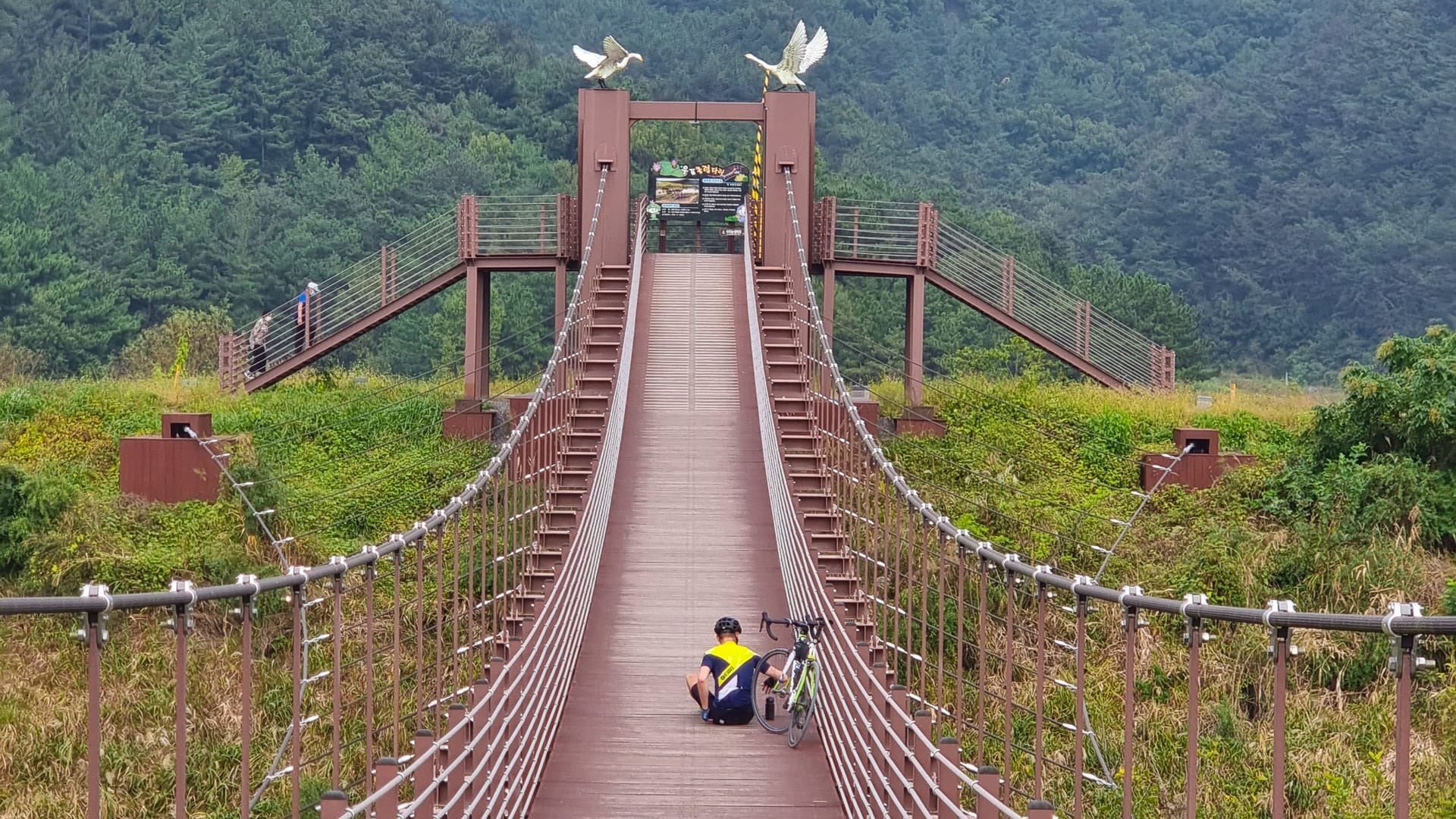
- There are many elevated platforms, boardwalks, and the Upo Suspension Bridge for scenic cycling pit-stops.
Tips
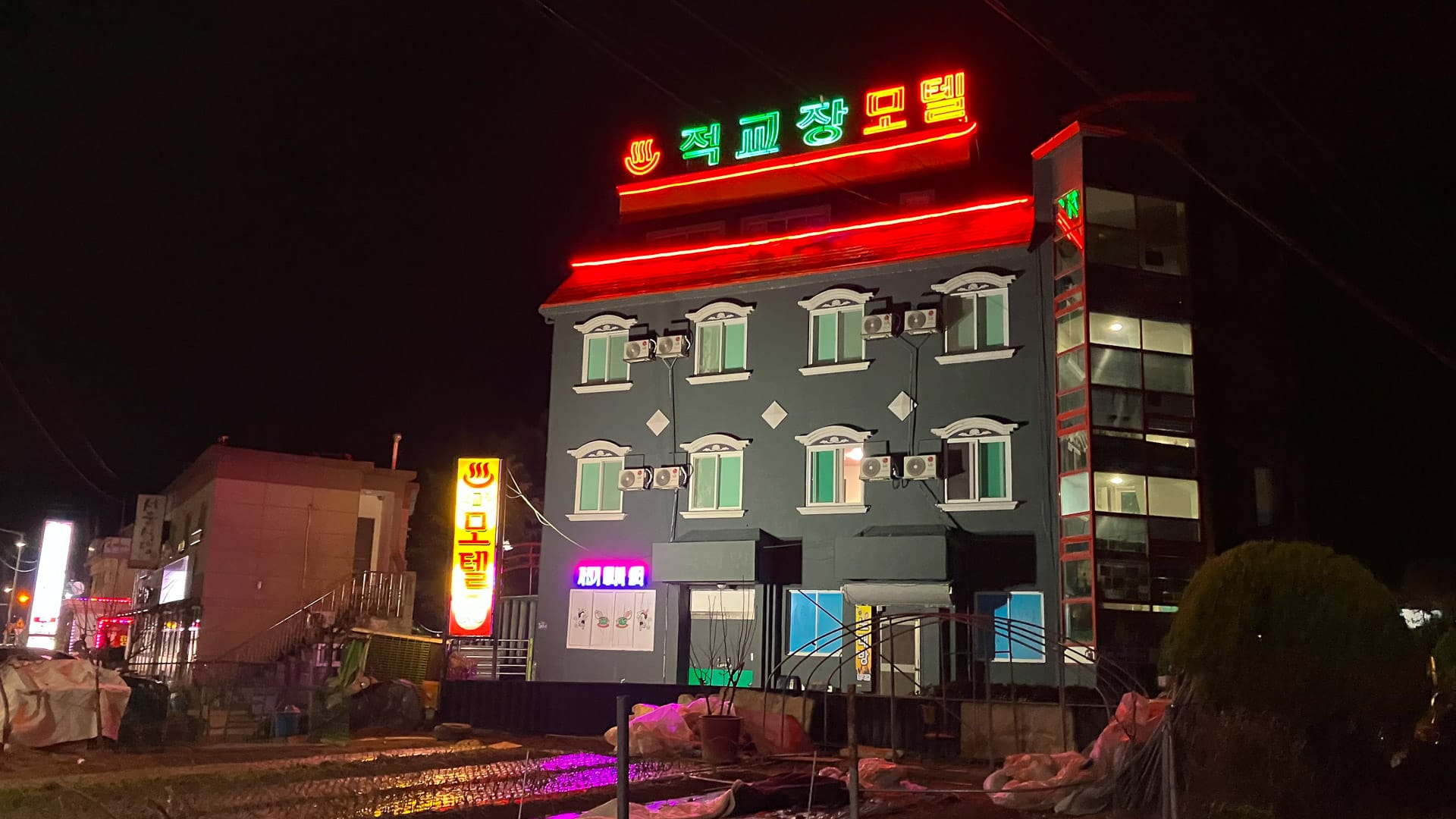
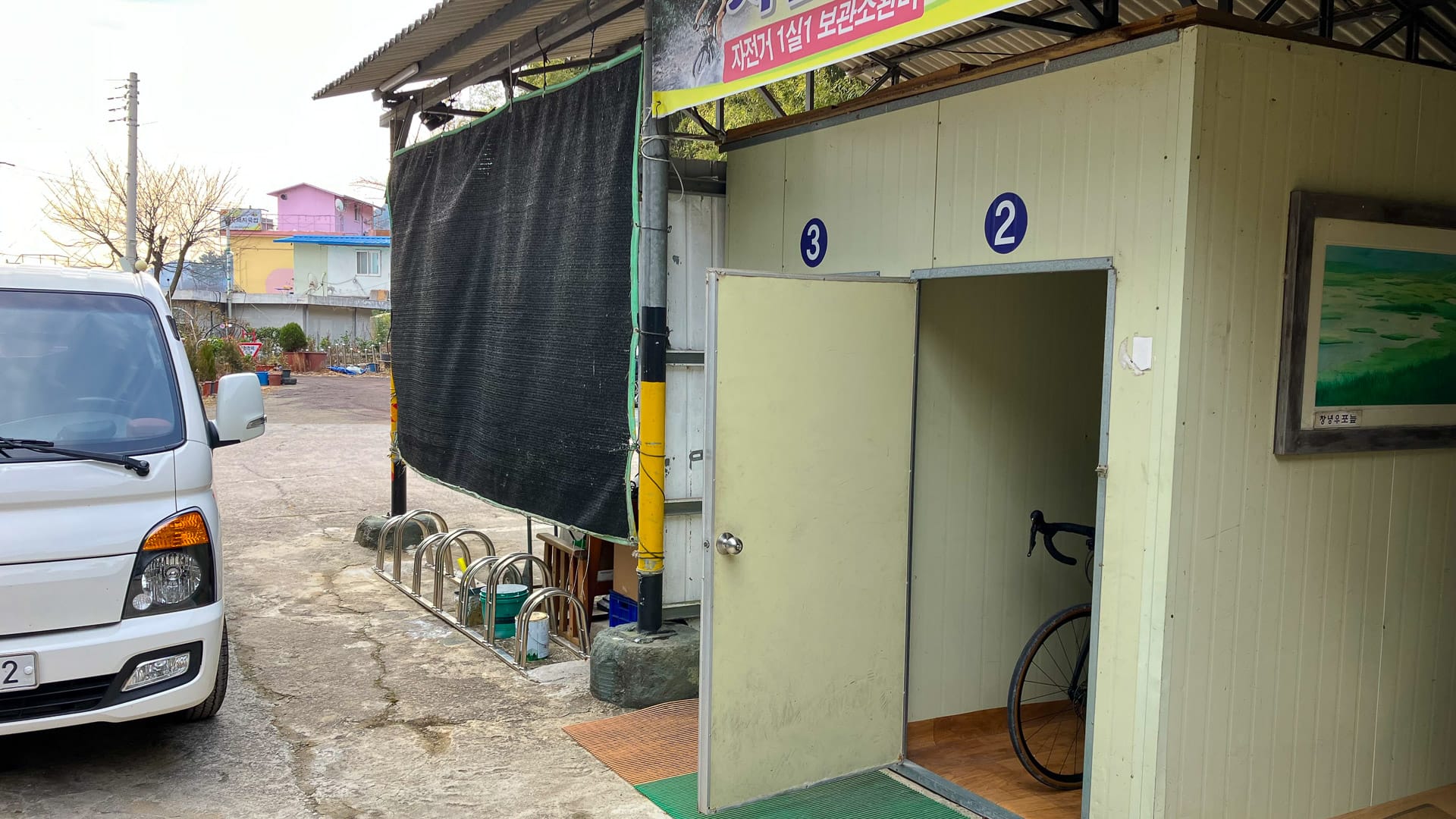
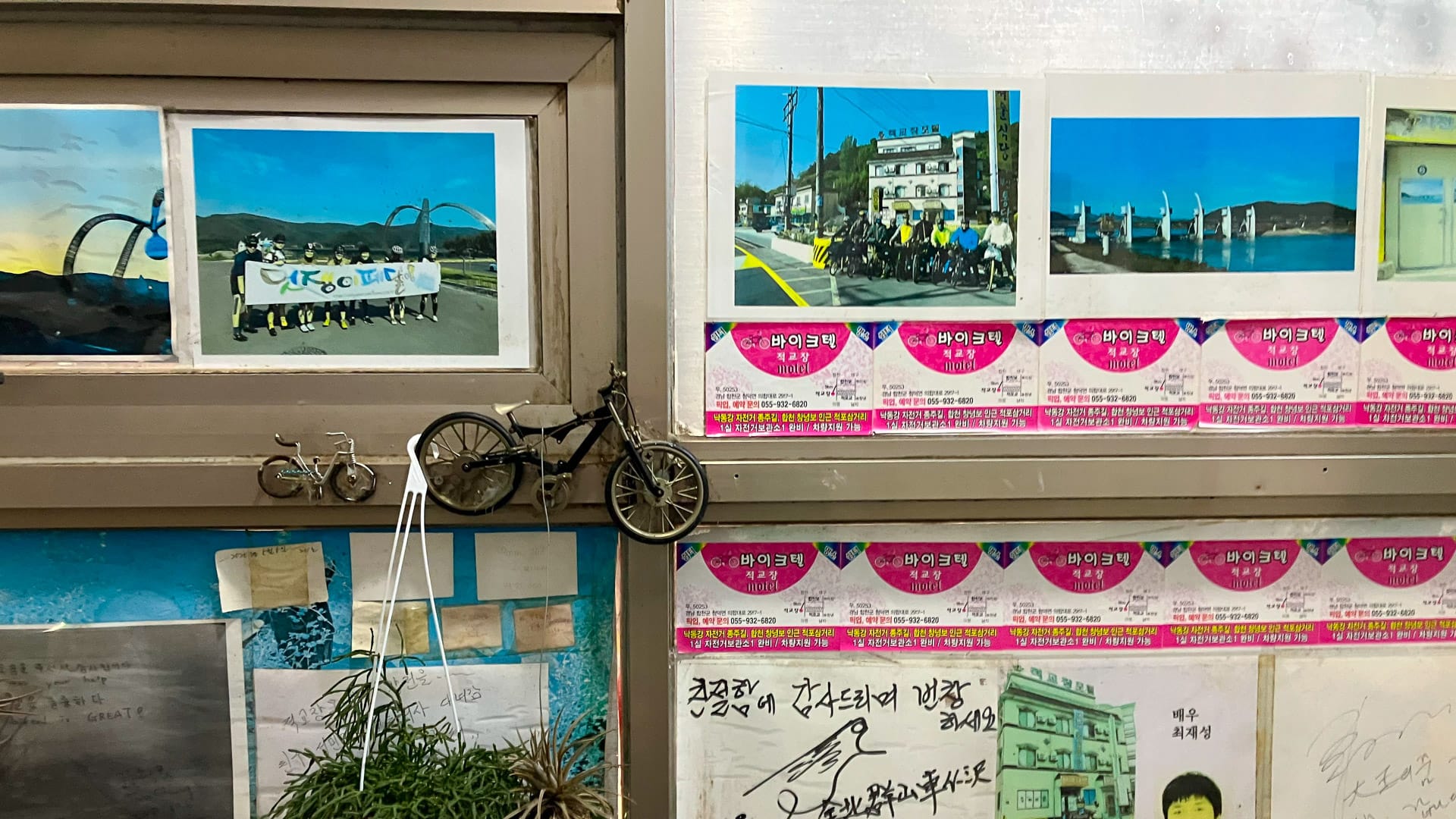
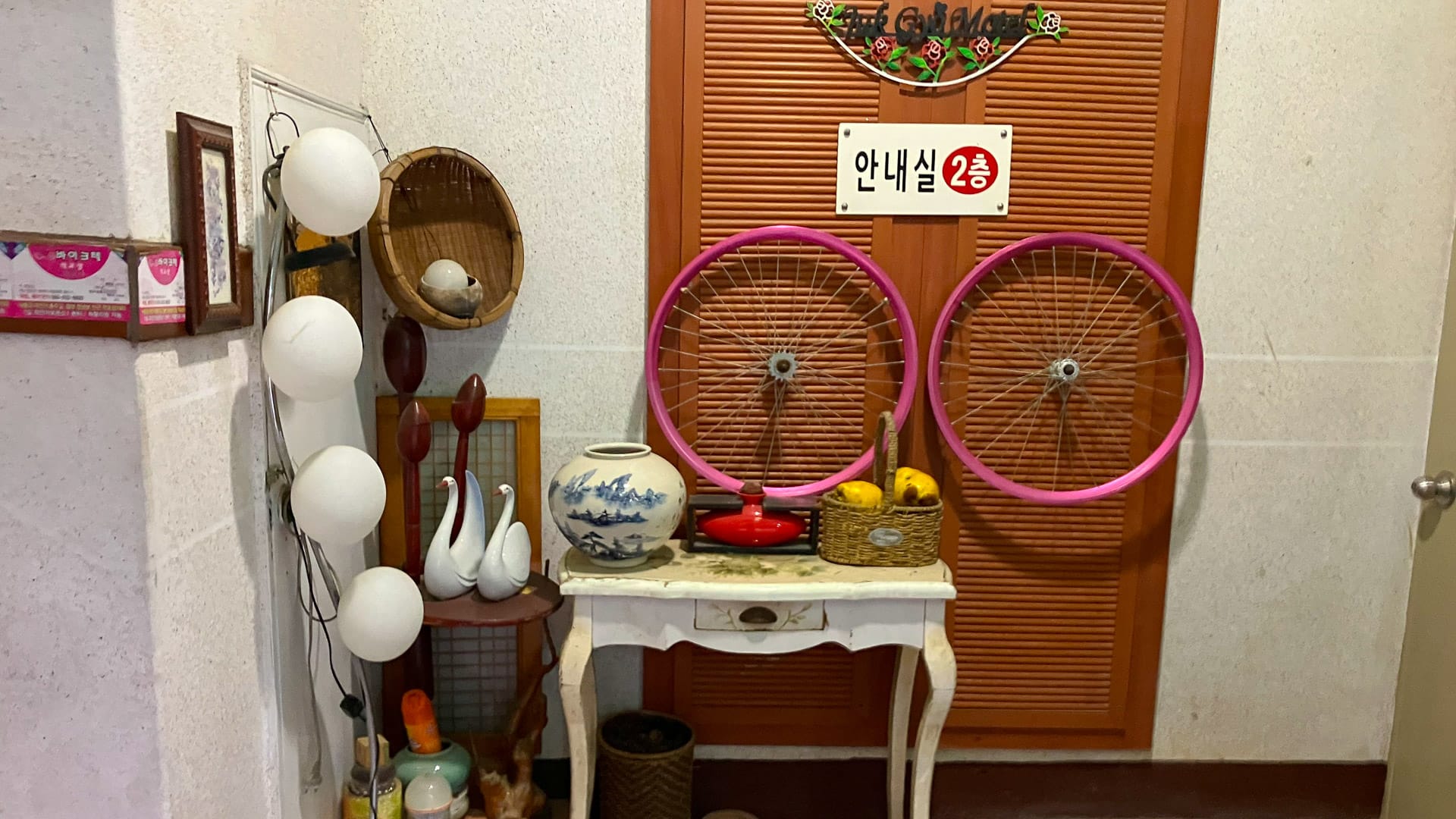
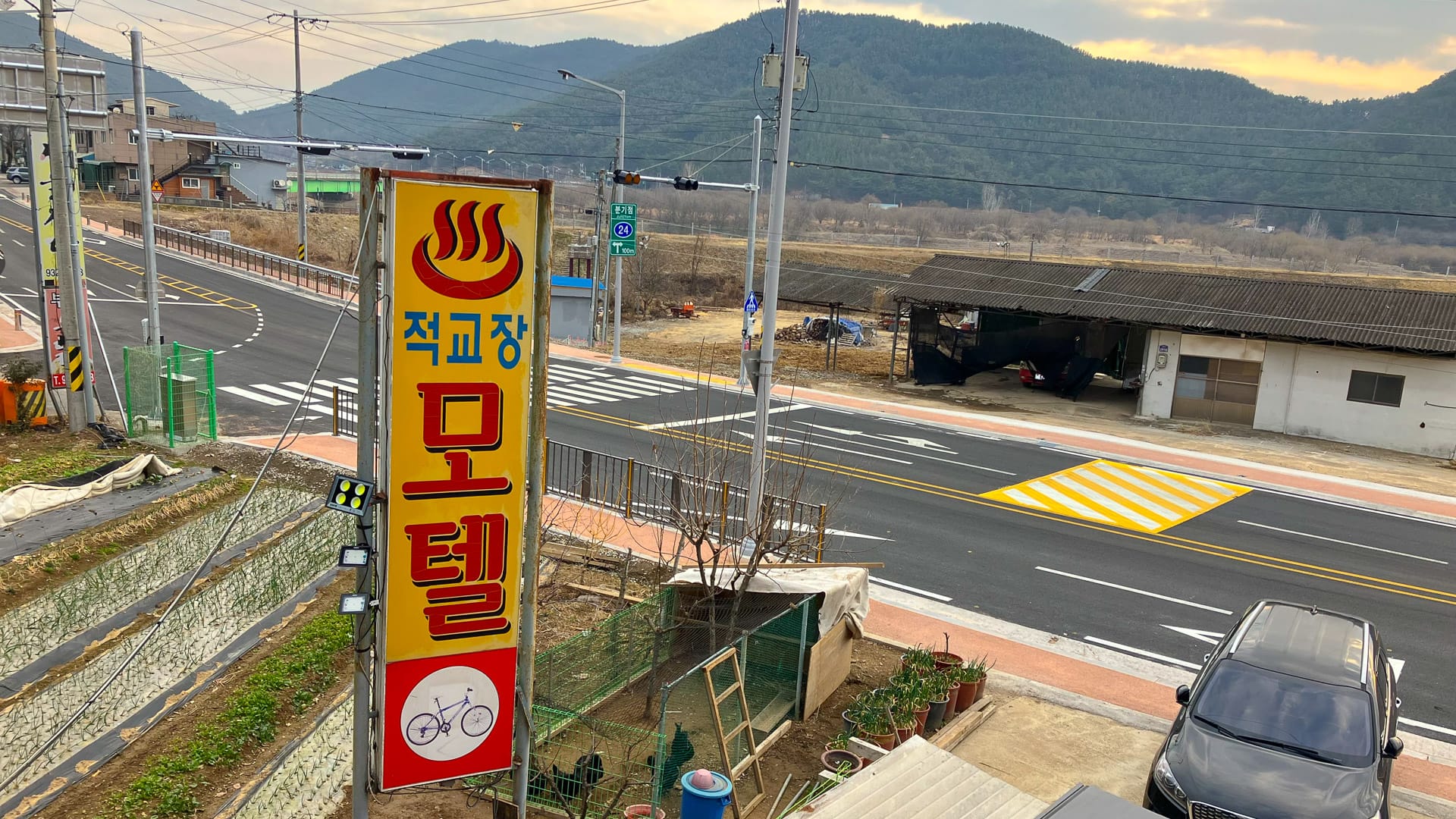
In Cheongdeok-myeon, you’ll find a traditional Korean bike-tel, an old-style cycling hotel that caters specifically to riders.
Each guest has a separate locker for their bike, and a free washing service is included. The owners are welcoming and have decorated the hotel with cycling memorabilia, giving it plenty of character.
While it is not luxurious, it is affordable, authentic, and perfectly located for exploring the Upo Wetlands and the wider Changnyeong area.
Part 4: Planning for cycling in South Korea
Practicalities of biking in South Korea
When is the best time to go cycling in South Korea?
- Autumn (September to early November): This is widely considered the best time to ride and my favourite season in Korea. Riders can expect cool, crisp air, low humidity, and daytime temperatures of 20 to 30 °C. Mid-October brings vibrant foliage, especially along rivers and in the mountains, while golden rice paddies cover the countryside. Skies are usually clear and dry, though typhoons can occur in September and October. However, the days before and after storms are often the most beautiful of the year. Be aware! Shorter daylight hours in November and cooler mountain nights mean warm layers are essential.
- Spring (late March – early June): Mild temperatures of 15 to 25 °C, beautiful cherry blossoms, and fresh green landscapes make this a lovely season to explore Korea by bike. However, spring is also known for “yellow dust” from China and the Gobi Desert, which can affect air quality. Checking pollution apps is important, especially for those sensitive to fine dust, pollen, or allergies.
Seasons to avoid
- Summer (July to August): These months are extremely hot and humid in South Korea. July also brings heavy monsoon rains, while August sees temperatures of 30 to 40 °C. Even at night it rarely drops below 25 °C, making cycling very uncomfortable.
- Winter (December to February): Cold but generally dry and sunny. Northern areas can reach –15 °C, with short days and frequent strong winds that often change direction midday. Air pollution levels can also be higher in winter.
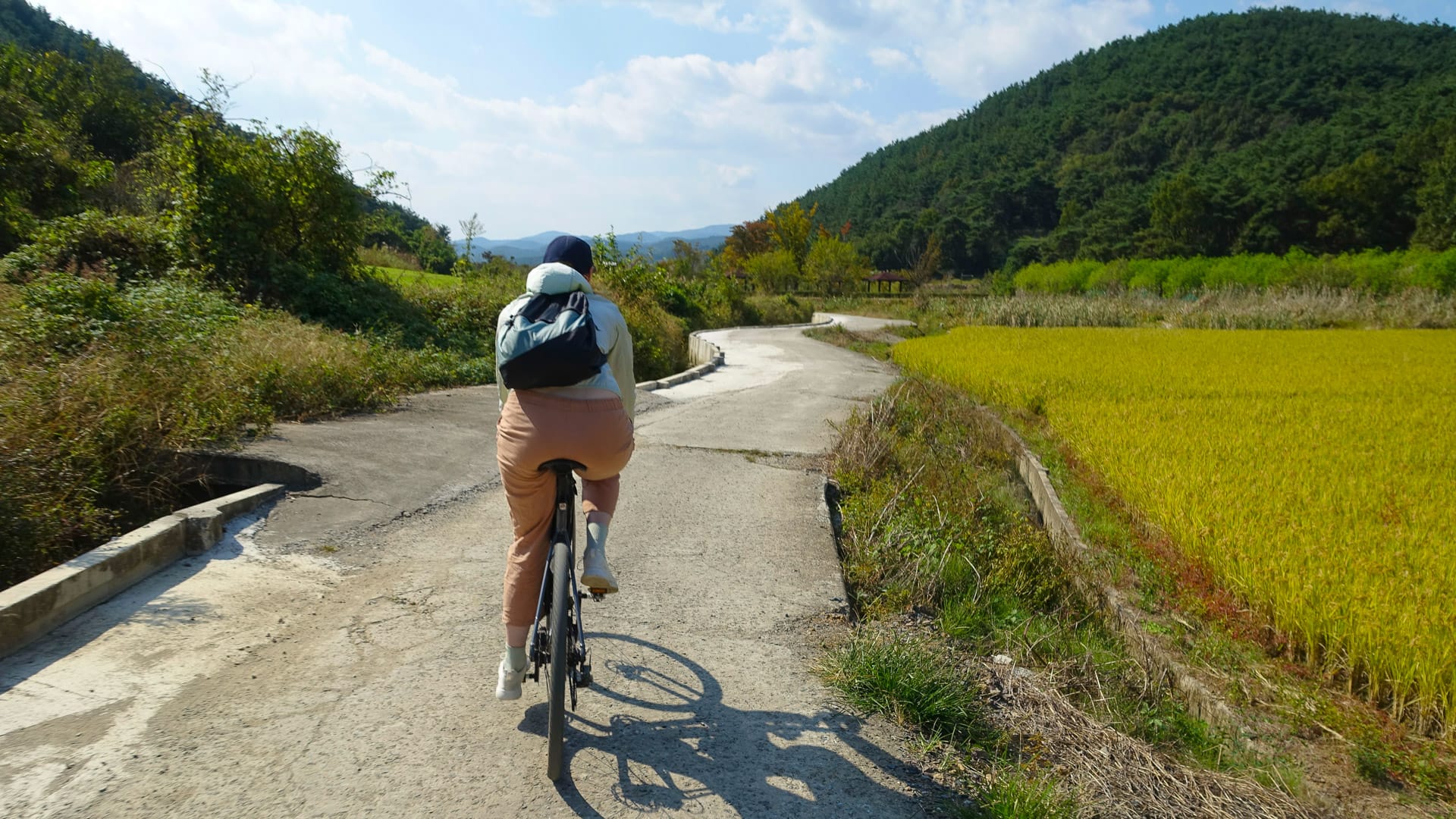
Cycling past rice fields Upo (photo credit: Bas Kragt)
What are the key cycling events in Korea?
South Korea currently doesn’t have any famous cycling races for professionals. However, the country has hosted professional races in the past, including:
- The Tour de Korea, a UCI race, was held between 2000 and 2019 but has not returned since the pandemic.
- In 2025, the Tour de Gyeongnam, in the south-eastern province of Gyeongsangnam-do, was also introduced, but it’s not clear if this will be repeated in the future.
For amateurs
South Korea has a growing Gran Fondo scene, typically split between tough climbing courses and rolling seaside routes.
The Seorak Gran Fondo (Gangwon-do), May
This is the country’s most popular event, held annually in May since 2010. Riders tackle HC climbs and stunning scenery in Seoraksan National Park. The Inje Riding Center, where the event starts, is open year-round. A gravel Fondo was also added in recent years.
The Muju Gran Fondo, June
This Gran Fondo has taken place since 2012 and is held in the Deogyusan National Park, it is another challenging, mountain-focused event.
Be aware! Event organisation can be fragmented. There is no central calendar, and English information is limited. For further event details, check The Bike Magazine’s event calendar or the Korea Cycling Community Facebook group, where organisers sometimes recruit international riders with free entries or packages.
Long-distance challenges
- Korea Randonneurs (Audax Federation): This is one of the most active randonneur communities in the world. They host events year-round ranging from 200 to over 1,200 kilometres, supported by an English-language website and more than 100 permanent courses available at any time. Their flagship 1,200-kilometre brevet is usually held in early June, and is especially popular with visiting cyclists.
- Korea Epic Ride: A self-supported, non-competitive bikepacking adventure designed for gravel enthusiasts. Riders navigate South Korea’s remote landscapes while managing their own meals, lodging (wild or commercial), and logistics. The ride is checkpoint-based, encouraging exploration, endurance, and resourcefulness.
Other initiatives
- Seoul Bike Fest: A popular annual non-competitive cycling celebration in the capital.
- Club rides: Flagship stores such as Rapha (with clubs across the country) and Pas Normal Studios in Seoul run regular group rides.
- White Crow Brewing Classic Ride: Based in Pyeongchang, host of the 2018 Winter Olympics, this event combines cycling with craft beer culture.
- Routes Busan spring rides: Organised in the Busan area, these rides showcase diverse terrain reminiscent of European classics like Flanders and Roubaix. Find out more here.
- Korea Cycling Community (Facebook group): A welcoming hub for locals, expats, and visiting cyclists, offering everything from casual coffee meetups to structured training rides. Find out more here.
- Monthly bikepacking rides: A relaxed series of gravel and adventure rides held in a different location each month, perfect for bikepackers and off-road enthusiasts. Find out more here.
What are the best hotels and accommodation options for cyclists in Korea?
Cyclists generally have no issues bringing bikes into hotel rooms in South Korea. Outside of major national holidays, accommodation is easy to find, with plenty of options across the country. Most can be located on Naver Map and Kakao Map by searching in Hangul.
Here are the common options available:
- Motels (모텔): The most common and convenient option, even in smaller towns. Prices range from £20 to £60 per night, depending on the standard. Be aware! Quality can vary, so it is worth checking the room before paying.
- Hotels (호텔): Widely available on booking platforms like Booking.com and Airbnb, operating much like Western hotels in terms of price and services.
- Minbak (민박): Similar to motels but without beds, guests sleep on floor mats. Usually cheaper than a motel, but with fewer facilities.
- Jjimjilbangs (찜질방): Traditional 24-hour bathhouses with communal sleeping areas. Basic, but a memorable cultural experience if you just need rest and a wash.
Are there places for bike hire/bike shops in Korea?
Bike hire is available in South Korea, though it is less common than in many other cycling destinations. Most visitors typically prefer to bring their own bike.
Rental prices are usually £20 to £40 per day or £80 to £150 per week. E-bikes are also an option, costing around £30 to £50 per day.
Top tip! If you’re tall (frame size 56+), always confirm availability before booking, as larger frames can be hard to find in South Korea!
Suggested providers
- Bike Nara, 1F, 19, Mapo-daero, Mapo-gu, Seoul, Korea: they offer standard and e-bike rentals, with one-way drop-off (e.g., Seoul to Busan). Luggage storage and forwarding available.
- Bike Rental Korea, 21 Daeheung-ro 2-gil: delivers to and collects from your hotel in Seoul. Touring gear also available.
- BikeTrip, 26-3 Yongmun-ro, Jeju-si (1543-3): offer affordable carbon/aluminium bikes, ideal for Jeju cycling tours.
How to get to South Korea
If you are flying to South Korea, these are the best airports to fly into:
- Incheon International Airport (Seoul): Consistently ranked among the world’s best airports by the Skytrax World Airport Awards. It offers daily direct flights from most major European and US cities, making it the easiest entry point to South Korea.
- Busan (Gimhae International Airport): Ideal if you prefer to ride the Seoul–Busan trail in reverse. Connections usually involve layovers in Seoul, Singapore, Guangzhou, or Tokyo.
Be aware! Since South Korea shares its only land border with North Korea, overland travel by bus or train isn’t possible. However, ferry services provide alternatives:
- From China to Incheon: Find out more information here.
- From Japan to Busan: Find out more information here.
Transfers with bikes
- Bikes are not permitted on the Incheon Airport subway. Keep your bike boxed until you reach your accommodation. Many hotels will store a case or box during your stay.
- Cardboard boxes are easy to recycle and can be replaced at bike shops in Seoul before your return flight.
- Hanjin Express, located in both Terminal 1 and 2, offers boxing services for £20 to £40. This option is popular with cyclists in the Korea Cycling Community.
Tips for riding in Korea
How safe is cycling in South Korea?
On the bike
Cycling is becoming more popular in South Korea thanks to an expanding network of bike paths.
However, gaps in infrastructure and strict liability laws favouring pedestrians mean cyclists need to ride carefully. Bicycles are legally classed as vehicles, so you must follow road rules and ride on the right side or in designated lanes. See more on this below.
Drivers are generally respectful but may pass close to riders. On provincial roads, always ride single-file. If there is an official bike path (marked by bike/pedestrian signs), you are expected to use it, even if it looks like a standard sidewalk.
If you are involved in an accident, take photos of the scene before moving on. Insurance representatives often arrive quickly and will cover damages if a driver is at fault.
Off the bike
- Everyday safety: South Korea is one of Asia’s safest countries, with very low violent crime. Bikes can usually be left outside shops without worry. Solo female travellers often report feeling safe and respected.
- Emergencies: Wildfires and landslides can occur, but the government sends SMS alerts, so warnings are hard to miss.
- Civil unrest: Demonstrations, especially in Seoul’s Gwanghwamun and Yeouido districts, can occasionally become disruptive. Stay informed and avoid protest zones.
- North Korea: While we are technically still at war with North Korea, daily life in South Korea is unaffected. Military tensions make headlines, but cities like Seoul and Busan continue as normal, with no impact on tourism.
What kit should you bring for cycling in South Korea?
As mentioned earlier, South Korea is a very convenient country for travel. So, there is no need to pack an emergency kit or extra food from home. Just make sure you have your essential cycling gear!
Some other things you may want to consider packing include:
- Bug protection: South Korea can have more insects than other destinations. Many riders carry bug spray, bite relief, or even a mosquito head net.
- Sun protection: The sun is strong year-round. UV arm sleeves, a neck cover, or SPF 50 sunscreen will help protect your skin on long rides.
- Pollution protection: If you’re sensitive to respiratory diseases or allergies, it might be worth bringing or buying a mask. In Korea, the certification ‘KF94’ is used for masks that filter out 94% of airborne particles. This type of mask is widely available in convenience stores. It’s not too comfortable whilst riding, but air pollution can be a problem, especially in the winter and spring months (see more information above.)
For more useful packing information, don’t miss our in-depth packing guide.
Which apps are most useful for cyclists in South Korea?
As mentioned earlier in this guide, apps are essential tools for navigating South Korea and making travel easier. Here are some of the most useful ones:
- Kakao Map: The most widely used navigation app in South Korea. Provides detailed maps, real-time traffic updates, public transport info, and walking directions. English is available.
- Naver Map: Another highly reliable navigation app with strong public transport coverage and street view functions. Also supports English.
- AirVisual: Tracks air quality with real-time AQI data, forecasts, and health recommendations, helpful for planning safe rides.
- Bustago: For intercity bus travel, this app lets you check schedules, routes, and availability. Tickets can be booked in-app, though it’s often easier to buy them at the terminal.
- Subway Korea: Covers subway systems in major cities, offering maps, real-time arrival info, and route planning.
Where can cyclists find the best maps of South Korea?
Good maps are invaluable for planning your rides in South Korea. Beyond apps, these cyclist-created resources provide reliable routes, local knowledge, and inspiration for both road and gravel adventures:
- Brian Grover’s 4 Rivers Map of Korea: Published by Mark Thorrowgood (admin of Korea Cycling Community), this map is an excellent resource for navigating the famous cross-country routes.
- Korea Randonneurs’ Permanents: A library of long-distance routes that can be ridden any time, perfect for Audax fans or as inspiration for multi-day tours. Find out more.
- Chris Hennessey’s Gravel Map of Korea: Created by one of South Korea’s most experienced gravel riders and founder of BUG (Busan Union of Gravel), this is the go-to guide for off-road exploration. Find out more.
- Routes Busan Intercity Map: Routes linking Busan with all the major cities in Korea, which can also be reversed to start elsewhere.
Are there books to help plan a cycling trip in South Korea?
Two excellent books stand out for cyclists interested in exploring South Korea:
- Korea’s Ultimate Bike Touring Adventure: The Grand Slam & its cross-country, river, and coastal paths by James Johnston. This book explains the official trails in a clear and accessible way, even for non-cyclists. It also weaves in Korean history to enrich the journey. The last update was in 2021, so some details may be outdated, but the Kindle edition is affordable and worth a look before your trip.
- The Elevation Game by Aaron Smart. A photographic celebration of South Korea’s greatest road cycling climbs, from Seoul to Jeju Island. It combines stunning images with detailed descriptions, cultural notes, and suggestions, perfect for riders who love mountains.
What aspects of Korean culture should you be aware of?
South Korea is at the centre of a rising global cultural phenomenon. K-pop stars like PSY, BTS, and Blackpink are household names, while K-dramas and TV shows such as Squid Game reach worldwide audiences. Cinema has also made its mark with Oscar-winning Parasite and cult classics like Train to Busan.
If you want to experience more of this culture before visiting, and glimpse a more authentic taste of daily life, try slower, scenic films such as Spring, Summer, Fall, Winter… and Spring (2003), Burning (2018), and Minari (2020).
Top tip! Korea is a country full of customs and traditions. Whilst you usually get a ‘pass’ as a foreigner, Koreans highly appreciate if you try and be respectful of their culture. Examples of this include:
- Respecting elders
- Removing shoes indoors
- Staying quiet on transport
- Queueing properly
- Avoiding tipping.
- At meals, wait for elders to start, don’t stick chopsticks in rice, and turn away when drinking with seniors.
- Dress modestly at temples
- Dispose of rubbish correctly (take rubbish with you and throw it away at home).
What food should you try in South Korea?
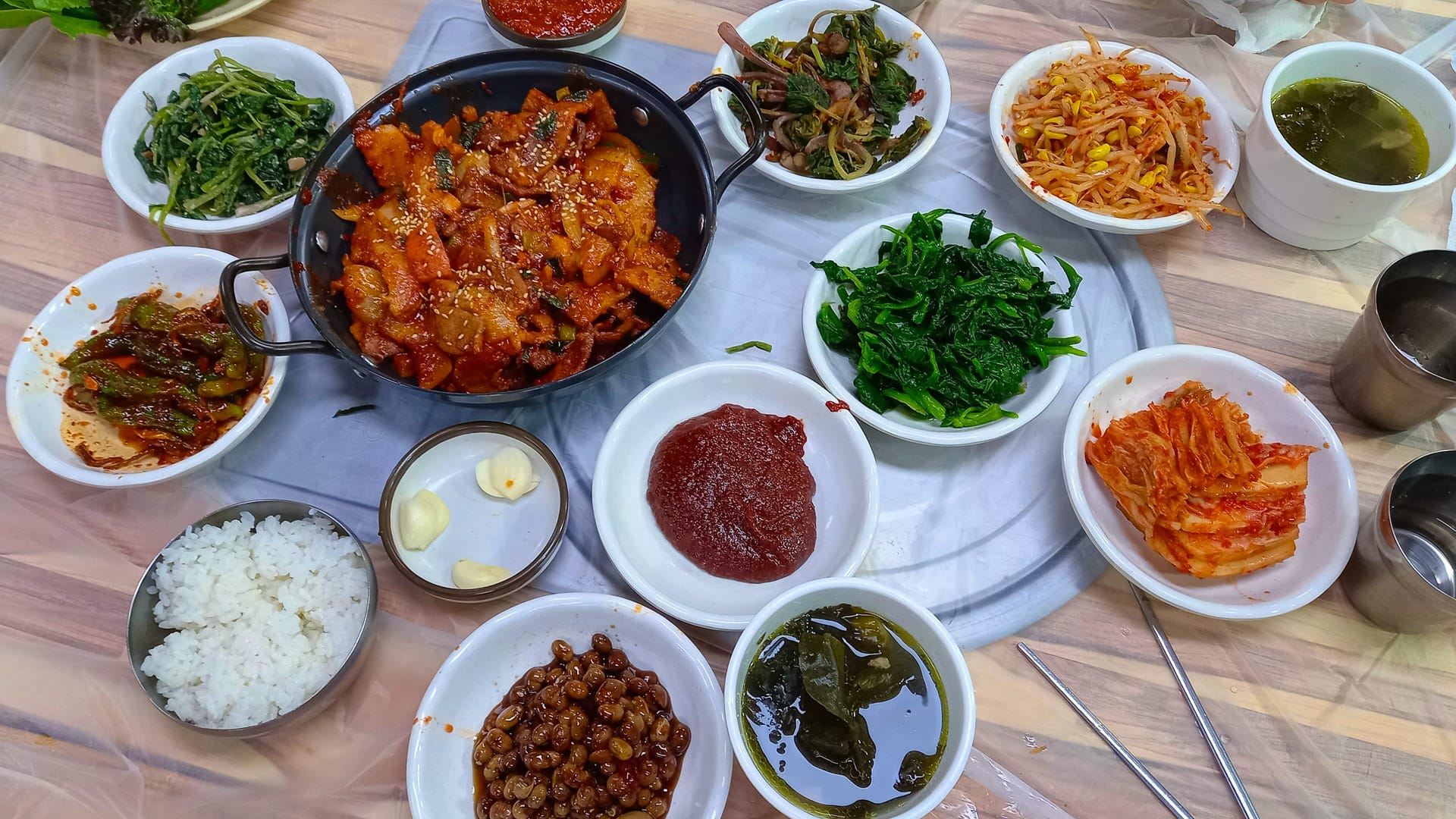
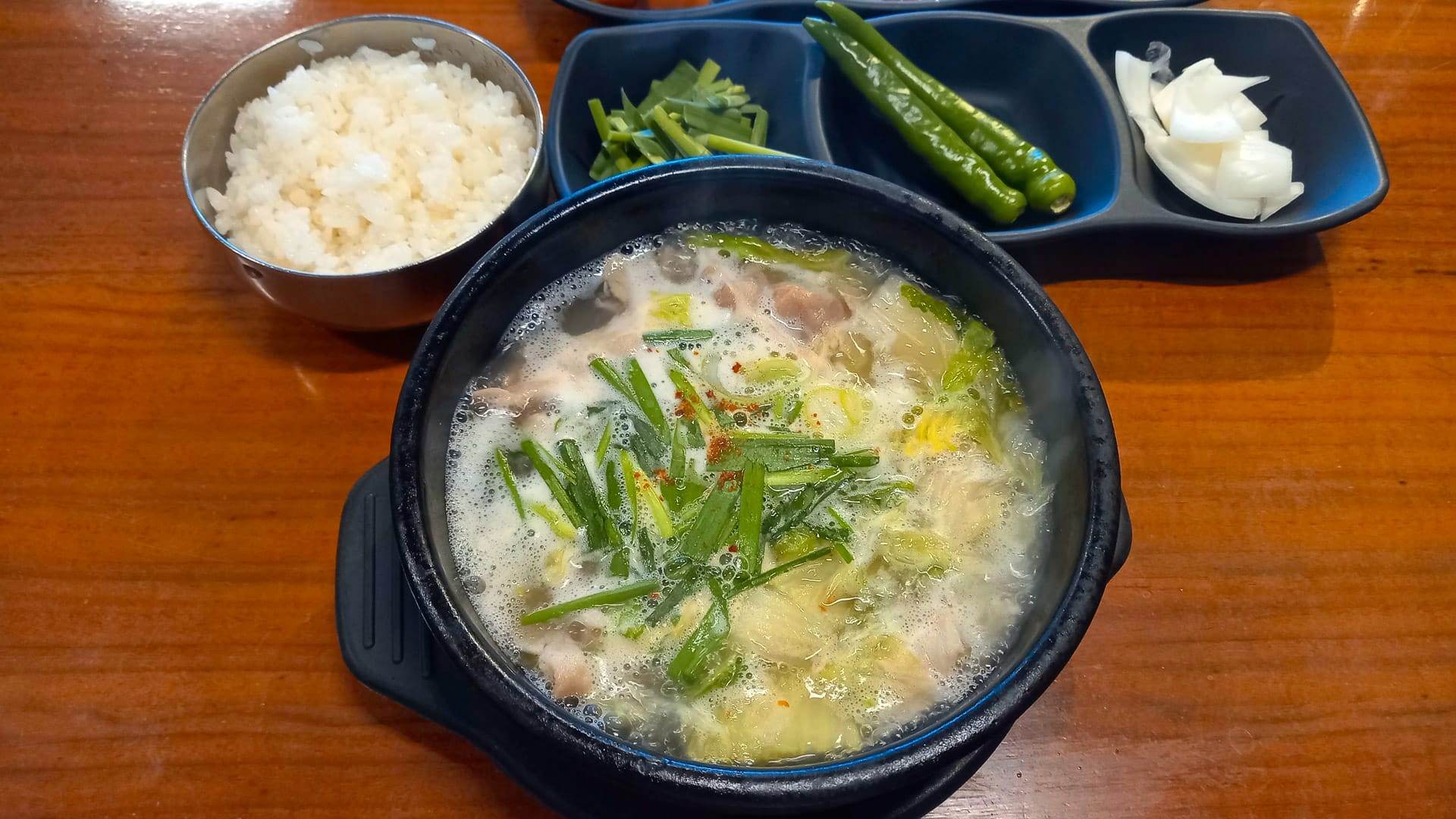
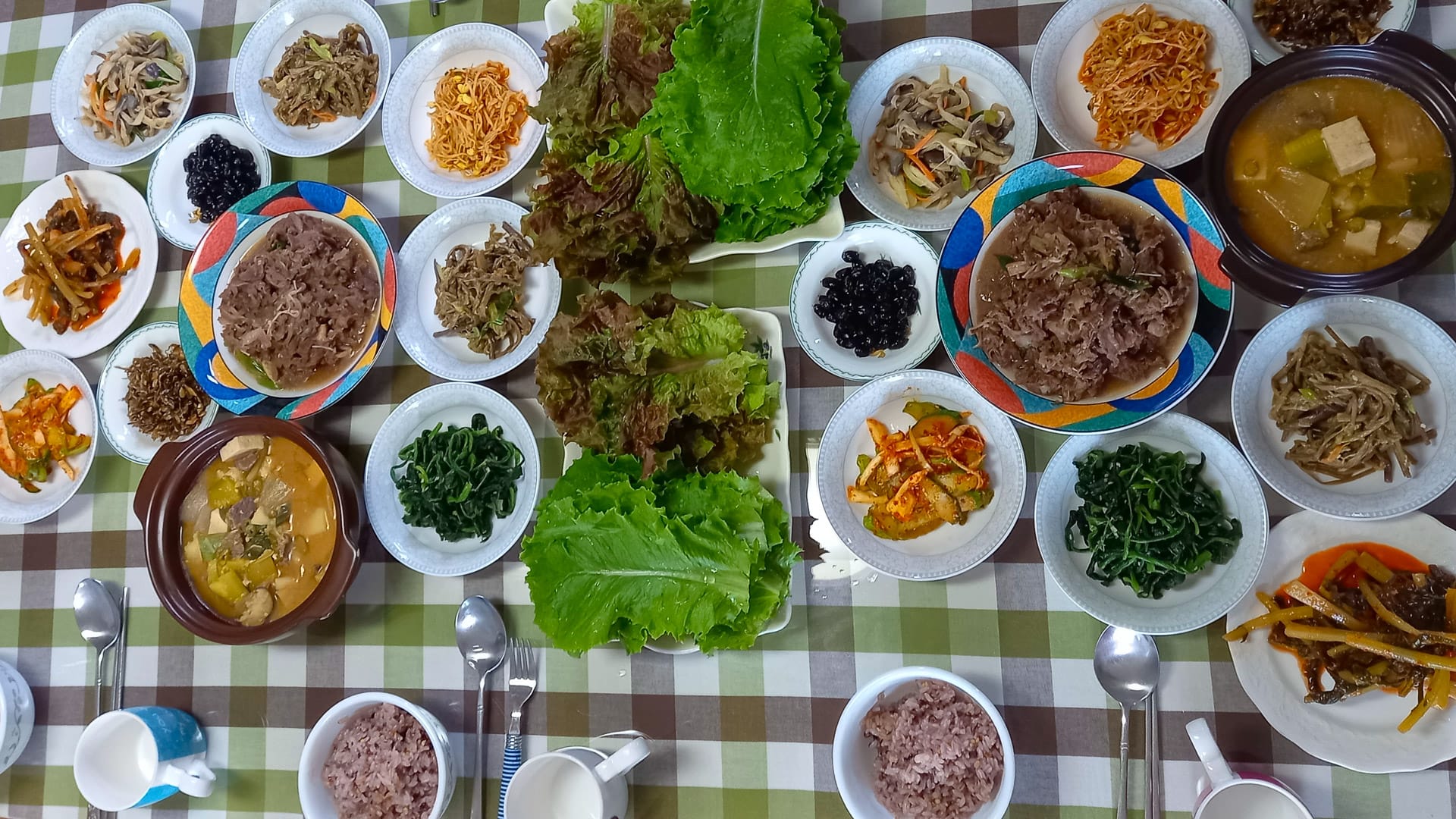
Korean food is reason enough to visit! Some local staples include:
- Kimchi (김치, fermented cabbage)
- Bibimbap (비빔밥, rice bowl with vegetables)
- Bulgogi (불고기, marinated beef)
- Samgyeopsal (삼겹살, (Korean BBQ)
- Tteokbokki (떡볶이, chewy rice cakes in spicy sauce)
- Korean fried chicken
For something special, don’t miss braised beef short ribs (galbi-jjim, 갈비찜) or jjimdak (찜닭), soy-braised chicken with glass noodles, potatoes, and vegetables. Jjimdak is a speciality of Andong and best enjoyed during route three featured above.
Are convenience stores easy to find?
Convenience stores are a cornerstone of cycling life in South Korea.
Much like in Taiwan and Japan, they are open 24 hours and found everywhere, even in small towns. You can easily stock up on snacks, meals, drinks, and basic essentials at any time of day.
Cyclists often rely on them for quick fuel, whether it’s rice rolls (gimbap), cold drinks, or even a refreshing ice cream.
Is water easy to find?
Yes, but with some caveats. While tap water is generally safe in newer urban areas, older pipes in smaller towns can make it less reliable.
Top tip! Mineral water is inexpensive and widely available in shops. Many certification centres also have water points. In restaurants, drinking water is always served for free.
How can cyclists get around South Korea without a car?
Public transport in South Korea is excellent and affordable, so there’s no need to rent a car. However, rules on taking bikes vary depending on the city and transport company:
- Subways: Bikes are generally allowed, but usually only on weekends.
- Trains: Not very bike-friendly. A few tourist trains cater to cyclists, but these operate only a handful of times each week.
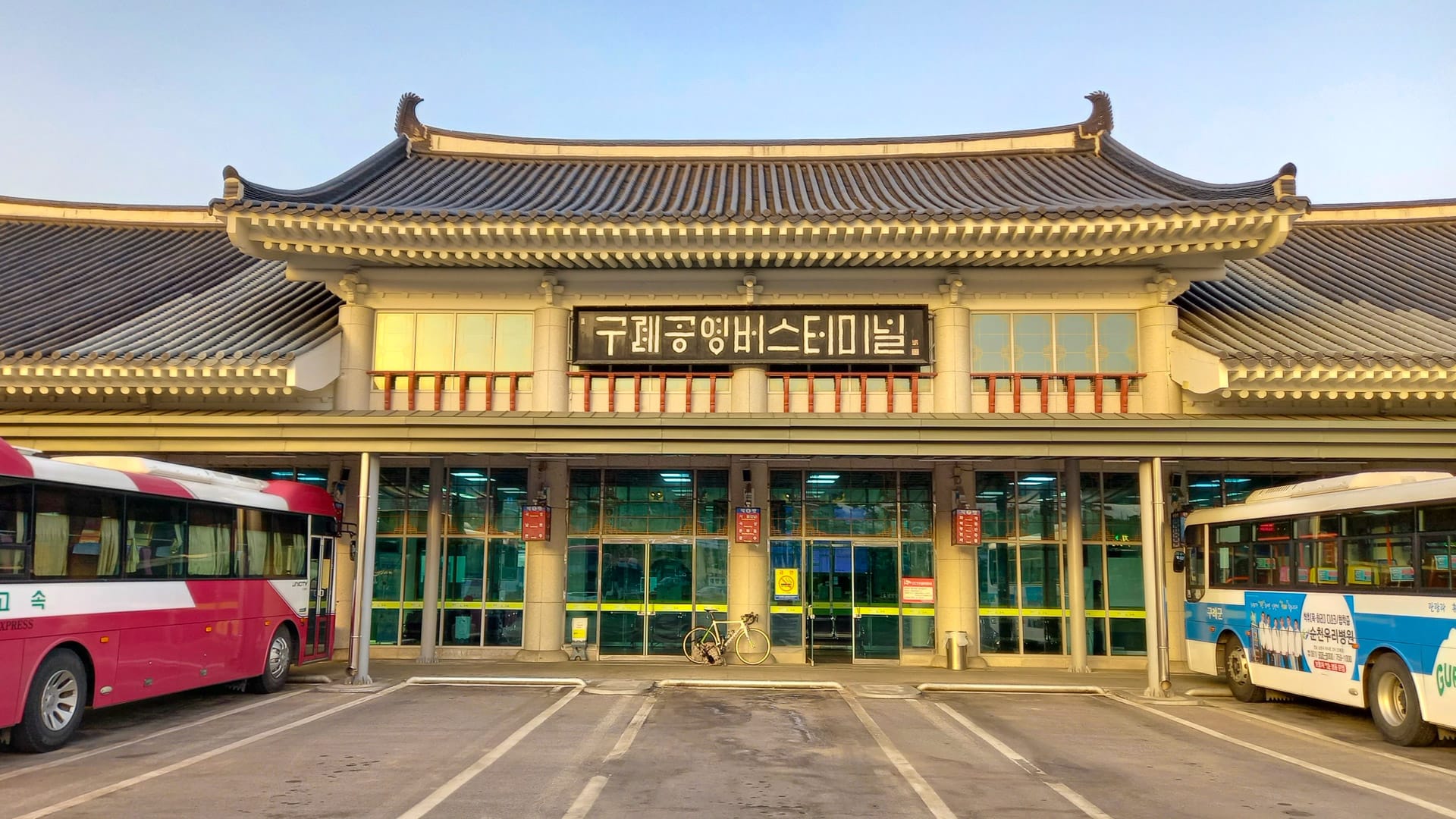
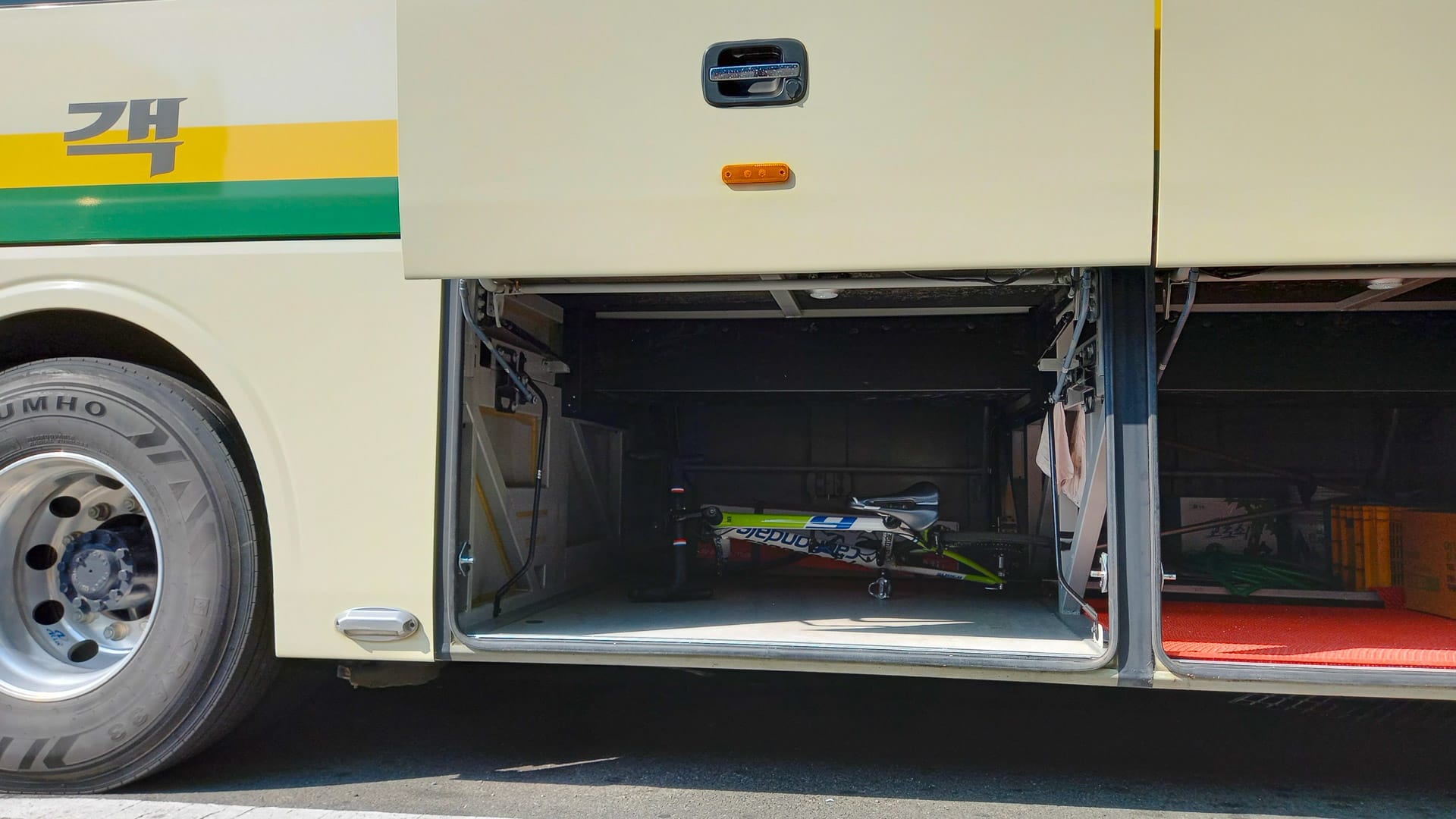
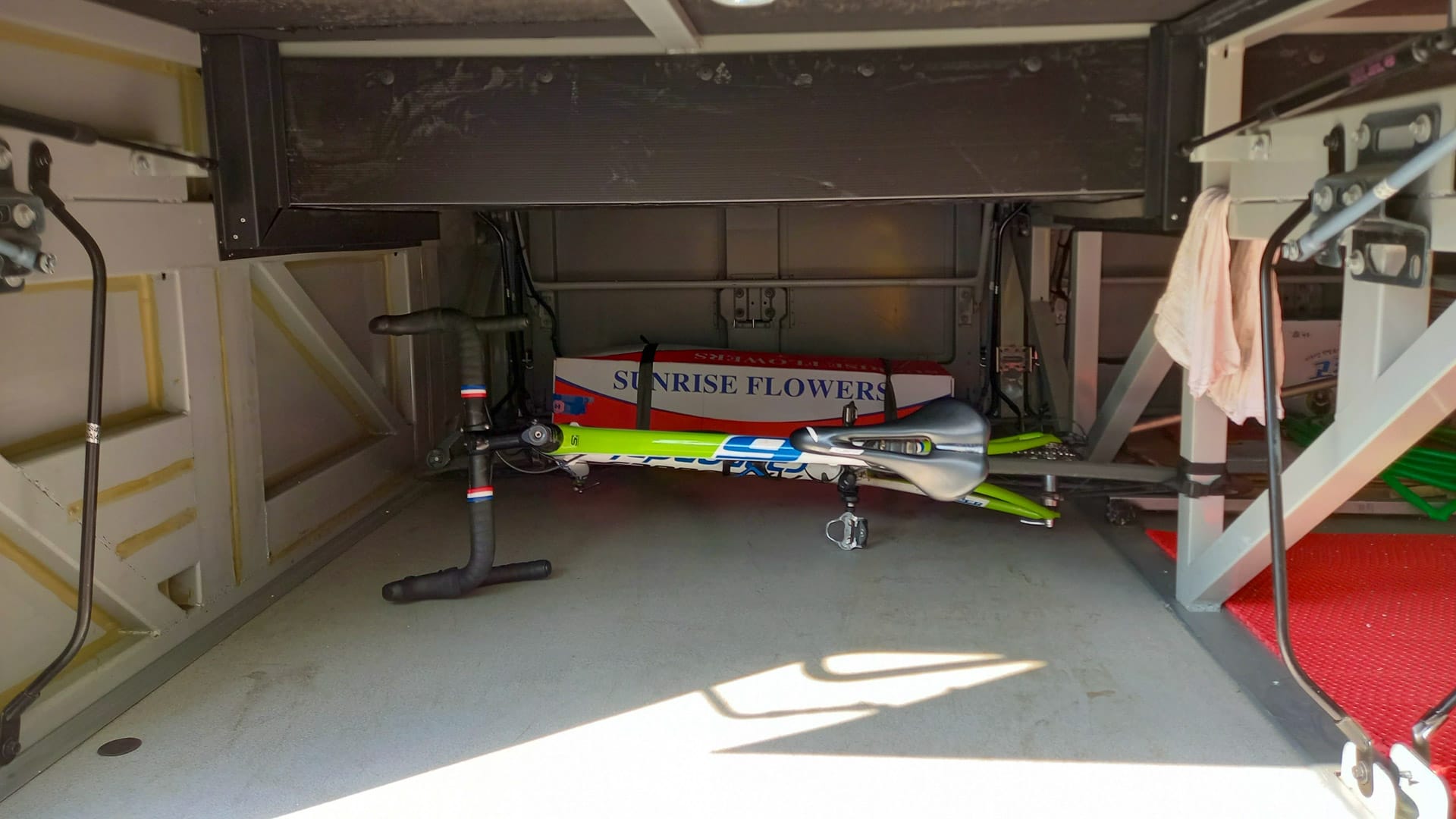
The most convenient option for cyclists is intercity buses. They run frequently, cover the whole country, and make travelling with a bike straightforward. You can load your bike into the undercarriage at no extra cost. Tickets are easiest to buy at the terminal, though schedules and routes can be checked through the Bustago app or website.
Do you need to train before cycling in South Korea?
Cycling in South Korea is accessible to riders of all levels. Even those without much training can ride and enjoy the Seoul to Busan trail at a comfortable pace. To help you choose, we’ve included a difficulty rating for every route in this guide.
Do you need to speak Korean (Hangeul) to go cycling in South Korea?
The short answer is no, but it definitely helps. In big cities like Seoul and Busan, you’ll find English spoken in hotels, some restaurants, and tourist areas. Once you’re out on the trails and in smaller towns, though, English is much less common.
That said, South Koreans are welcoming and will often go out of their way to help, even if communication is limited. Translation apps such as Papago or Google Translate are extremely useful, and many restaurant menus feature pictures, making it easier to order. Convenience stores also stock plenty of products with English labelling.
Knowing a few basic Korean phrases can really enhance your trip. Greetings like annyeong haseyo (“hello”), gamsahamnida (“thank you”), and simple words such as mul (“water”) are appreciated everywhere. On the road itself, bilingual signage on major cycling routes means navigation is usually straightforward without language skills.
Koreans are usually very curious about where you have come from. Learning your country name in Korean will help, for example, yeong-guk (England) or miguk (United States).
Highway code and travel information
As ever, it’s a good idea to check current travel information before you book and travel. For UK visitors, the UK government travel information pages for South Korea are here.
You should also read and follow South Korea’s highway code. Some important things to note on this are the fact that under South Korea’s Road Traffic Act, bicycles are legally classified as vehicles. This means cyclists must follow the same traffic rules as cars:
- Always use designated bike lanes where available.
- If no bike lane exists, ride on the far-right edge of the road.
- Bikes must have front and rear brakes (both required by law).
- At night, a front light and rear reflector are mandatory.
A key rule to note is the law around crosswalks. Even though bikes are vehicles, cyclists must dismount and walk across a pedestrian crosswalk. Riding through is not permitted, neither in the car lane nor on the pedestrian crossing.
For example, if you want to turn left on a provincial road, you cannot wait in the left-turn lane and ride across. Only when there is a designated bicycle crossing (usually marked in red) are you permitted to cycle through, and these are relatively rare.
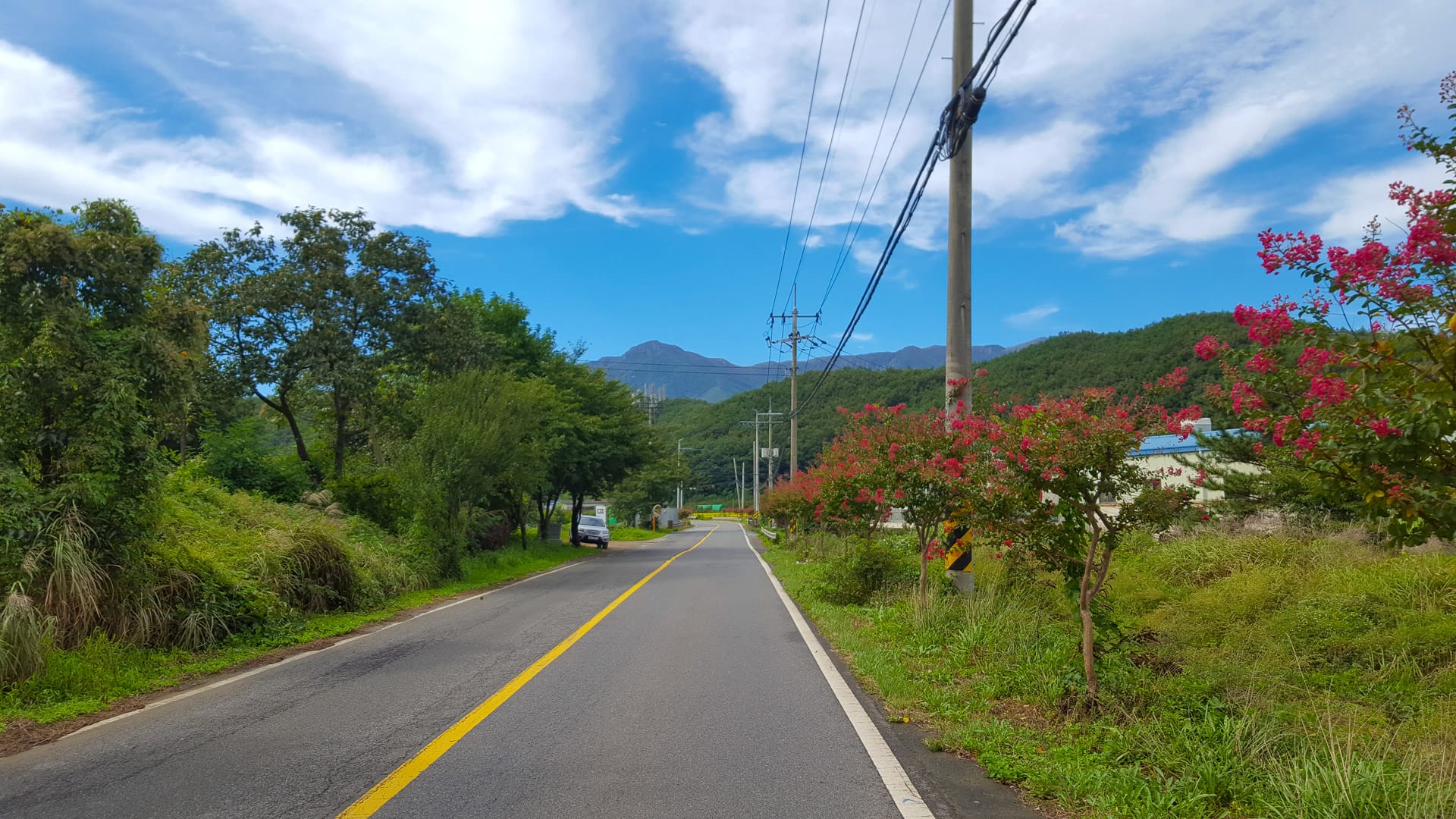
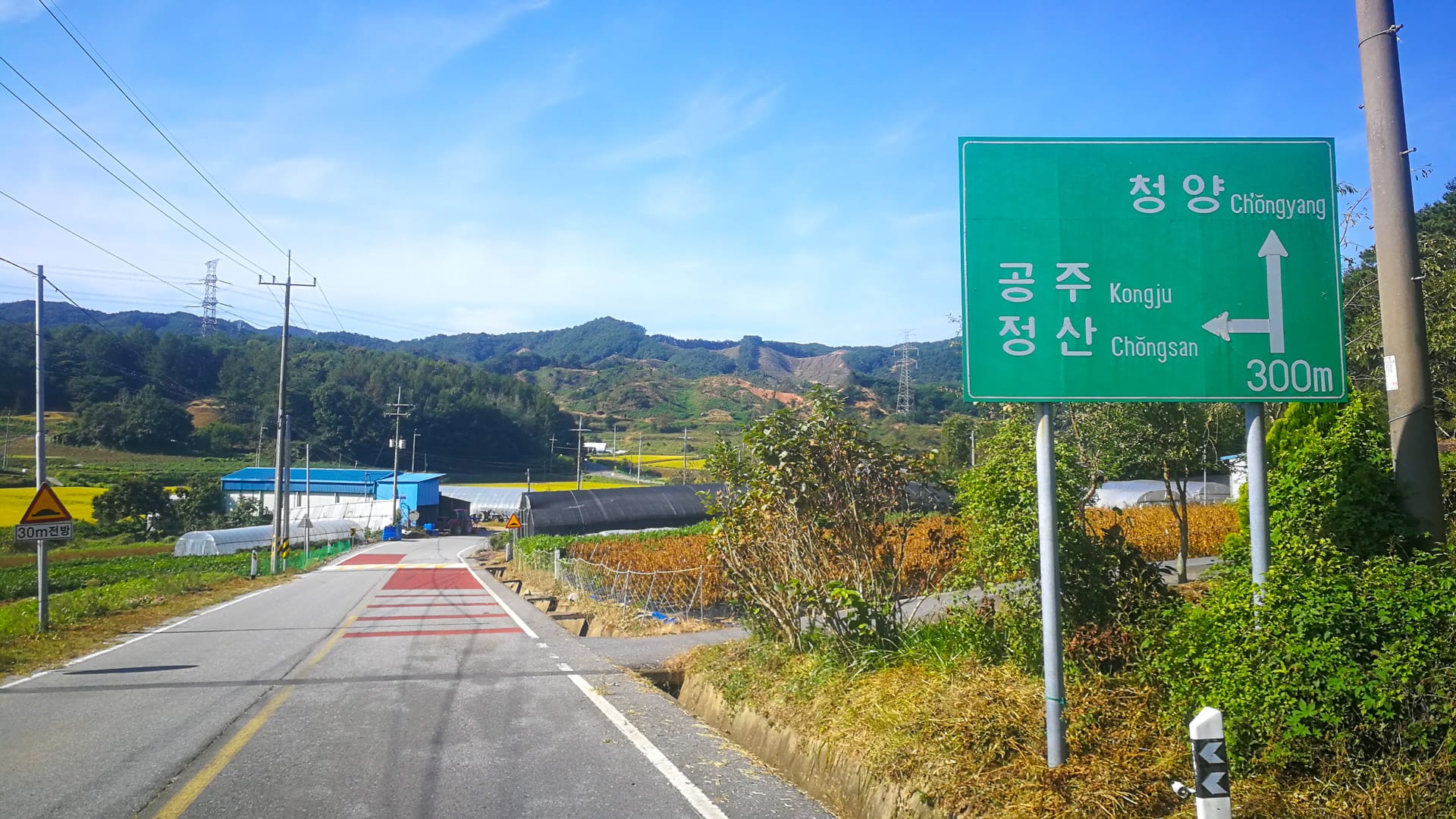
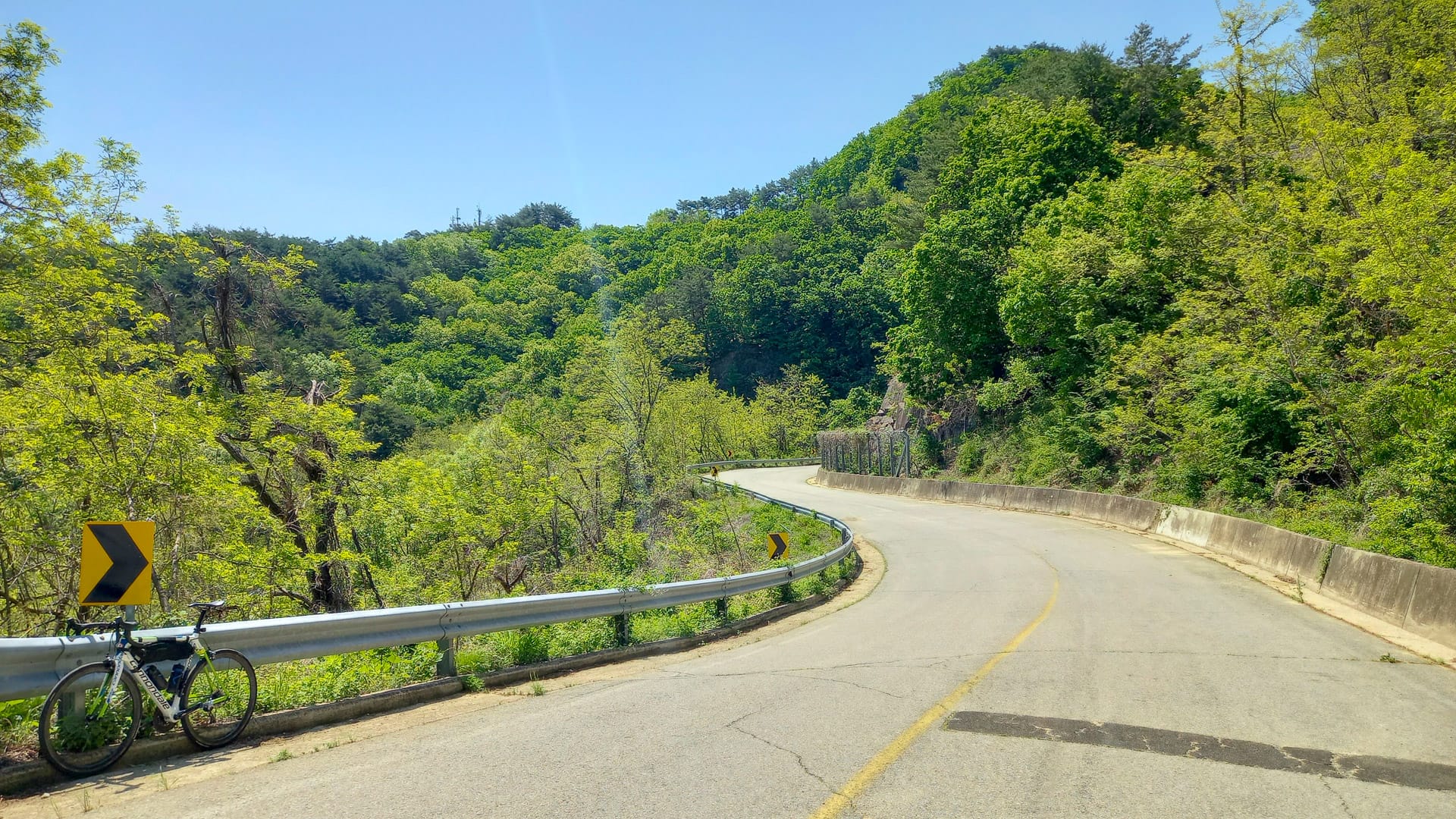
Provincial road in South Korea (photo credit: Bas Kragt)
Travel vaccinations and insurance
Make sure you have all the recommended travel vaccinations and consider whether malaria precautions are necessary.
Ensure you have comprehensive travel insurance that covers all the activities you plan on undertaking.
What’s next?
A huge thanks to Bas for sharing these detailed insights on cycling in South Korea.
Have you been on a South Korea cycling tour before? We’d love to hear from you in the comments below!
Looking for more inspiration? Don’t miss:
- Guide to cycling Singapore
- Guide to cycling Japan
- Guide to cycling Taiwan
- Guide to cycling Sri Lanka
- Guide to cycling in India
- 7 best cycling tours in Asia for more adventures in the Far East
- Northern Vietnam, for more inspiration in East Asia
- Thinking about Thailand? Check out our in-depth guide to Thailand
Please support Epic Road Rides
A huge amount of time and effort goes into the article you’ve just read, all with the aim of helping you!
If you found what you’ve read useful, I’d really appreciate it if you dropped something in the tip jar here.
It’s a way you can say thank you and help us carry on creating top quality content with no annoying ads and no pay wall.
Looking for an organised cycling trip?
If you want someone to help you plan and book your cycling holiday, fill out this form. We aren’t a tour operator/agent but we work with lots of people who are and will do our best to put you in touch with someone that can help (within 24 hours where possible)!Bas Kragt is a passionate advocate for cycling in South Korea. Originally from the Netherlands - a country where cycling is part of everyday life - he has been based in and around Busan since 2017, exploring the country’s varied terrain on two wheels.
He plays an active role in South Korea’s cycling community, helping to organise events with the Korean Audax Federation (Korea Randonneurs). He also founded Routes Busan, a platform aimed at improving cycling safety and quality in the region, and supports visiting cyclists and expats through the Korea Cycling Community Facebook group.
With his deep local knowledge and enthusiasm for every aspect of the cycling world, Bas is passionate about helping others experience South Korea’s incredible cycling potential – from quiet coastal roads to challenging mountain climbs.
You might also recognise Bas from our social media community, as Bas supports Epic Road Rides with this.
(Photo credit: Garett L. Smith)
Last Reviewed: 08 January 2026
First Published: 09 September 2025
The contents of this website are provided for general information purposes only. It is not intended to amount to advice and you should not rely on it. You should carry out your own due diligence and risk assessments and take professional advice. Views expressed by interviewees or other users of this website do not necessarily represent our views. We make no representations, warranties or guarantees, whether express or implied, that the content on our website is accurate, complete or up to date. If you use any information or content on this website, download from, or otherwise obtain content or services through our website, it is entirely at your own discretion and risk. Epic Road Rides Ltd disclaims all liability and responsibility arising from any reliance placed on the information and content on this website. Find out more here.
Comments