
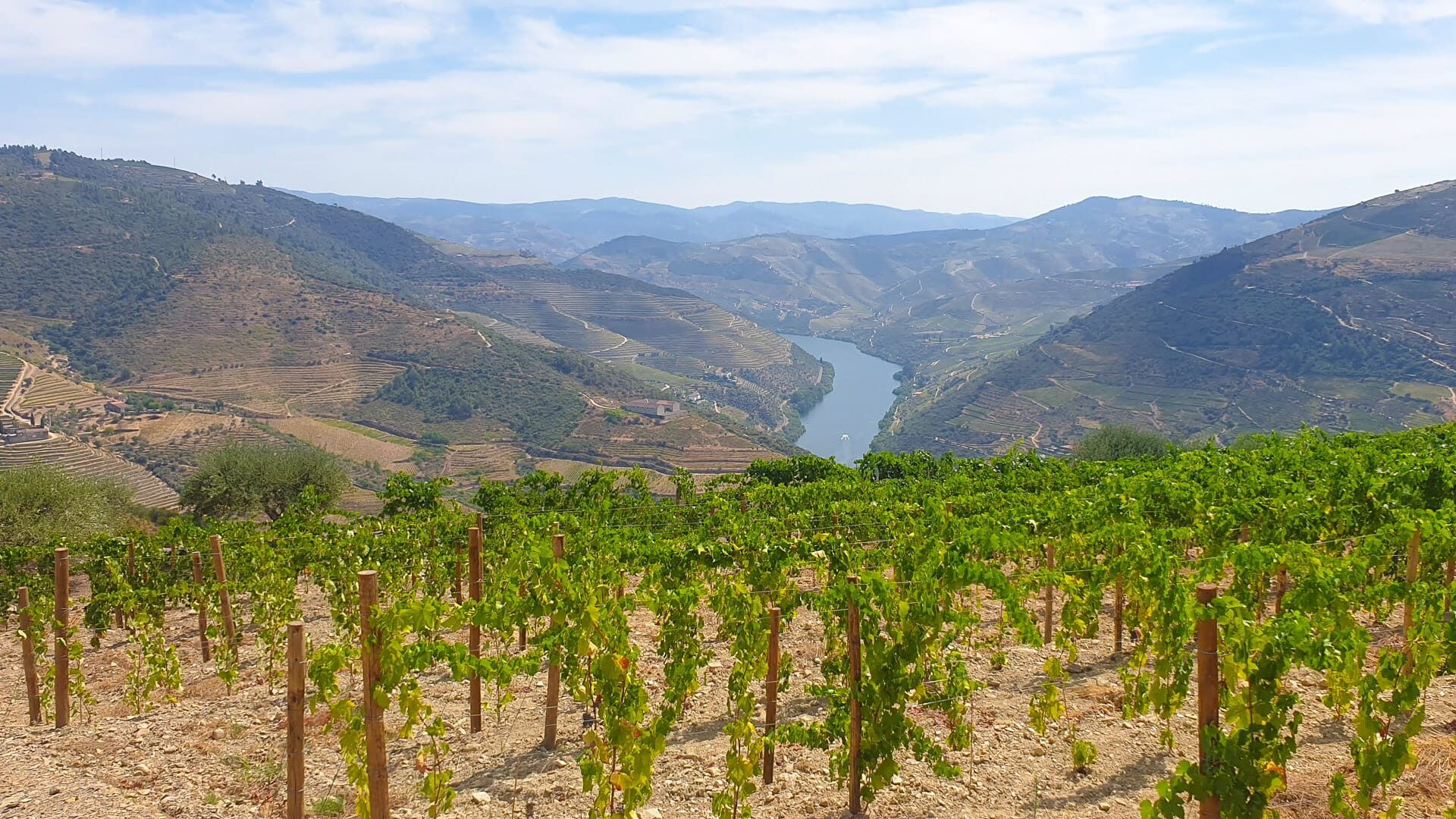

Cycling in the Douro Valley offers an unforgettable mix of dramatic landscapes, physical challenge and world-class wines.
This UNESCO World Heritage region in northern Portugal is best known for its terraced vineyards, winding rivers, and the production of Port wine. But for cyclists, it’s the terrain, scenery and authenticity that really stand out.
The roads sweep through steep hillsides and deep valleys, often clinging to the edge of cliffs or winding through picturesque villages where time seems to stand still. Riding here means embracing climbs, rewarding views and a strong connection to the land and its traditions.
Clare Dewey, founder of Epic Road Rides, spent a few days based in Peso da Régua in the Douro Valley in March 2025, and loved it. So, when Sérgio Marques, founder of Top Bike Tours Portugal, got in touch to share his local insights, we took this opportunity to write this guide to cycling the Douro Valley, weaving together Clare’s experience and Sergio’s knowledge.
Top Bike Tours Portugal offers two multi-day road cycling tours through the Douro Valley, helping riders to experience the beauty of this region by bike and avoid logistics. Read on to find out why it should be on your wish list!

Sérgio Marques is the founder of Top Bike Tours Portugal.
He has a background in accounting and a lifelong love of sport, including a particular passion for cycling. The idea for the company came after a life-changing ride with friends to Santiago de Compostela in 2012. From that journey, Top Bike Tours Portugal was born. Sérgio's aim was to share authentic cycling experiences.
Today, Sérgio manages the business and occasionally leads tours himself, especially for larger groups. He speaks Portuguese and English.

Clare Dewey is a cyclist with a passion for travel. She set up epicroadrides.com in 2018 to help make it easy for cyclists to explore the world by bike. Today her mission is still inspiring cyclists to discover new places on two wheels - and doing what she can to make sure they have the best possible time while they're there. Clare has visited 50+ destinations around the world, many of them by bike.
Want to connect with Clare? Find her over on LinkedIn.

We love to introduce our community to cycling businesses, destinations and ideas that we think are genuinely interesting. Top Bike Tours Portugal caught our attention because of its focus on these topics, which felt like a natural fit for Epic Road Rides and our readers. We were therefore pleased to work with the Top Bike Tours Portugal team on this article.
Top Bike Tours Portugal paid for this advertisement feature. Our decision to collaborate reflects our view that the brand is relevant to our readers; it is not a formal approval, audit or guarantee of its services. Unless we expressly say otherwise, we have not personally taken the trip described or independently verified information supplied by Top Bike Tours Portugal.
As with any travel purchase, please check the latest trip details, terms and customer protections directly with Top Bike Tours Portugal before booking. Any booking is made with Top Bike Tours Portugal, not Epic Road Rides.
Always check current travel information and advice. For visitors from the UK, the UK government travel information pages are here.
To get a feel for what cycling Douro Valley is like, take a look at this short video:
 There's a Youtube video here!
I'm fine with Youtube cookies
Table of contents
- Part 1: Why visit
- Part 2: Overview
- Part 3: Bases and routes
- Part 4: Practicalities
- Part 5: Tips
- Part 6: Top Bike Tours Portugal
Sponsor Message
Considering cycling in the Douro Valley?
Top Bike Tours Portugal has helped cyclists explore Portugal by bike since 2013.
Alongside bike tours in the Douro Valley, they also offer several self-guided and guided bike tours across Portugal, as well as other cycling holidays in Spain.
Head to their website to find out more.
Got a question for Sérgio Marques from Top Bike Tours Portugal?
Fill out this form and we will pass it to Top Bike Tours Portugal who aim to reply (within 24 hours wherever they can!)
Part 1: Why should you go cycling in the Douro Valley?
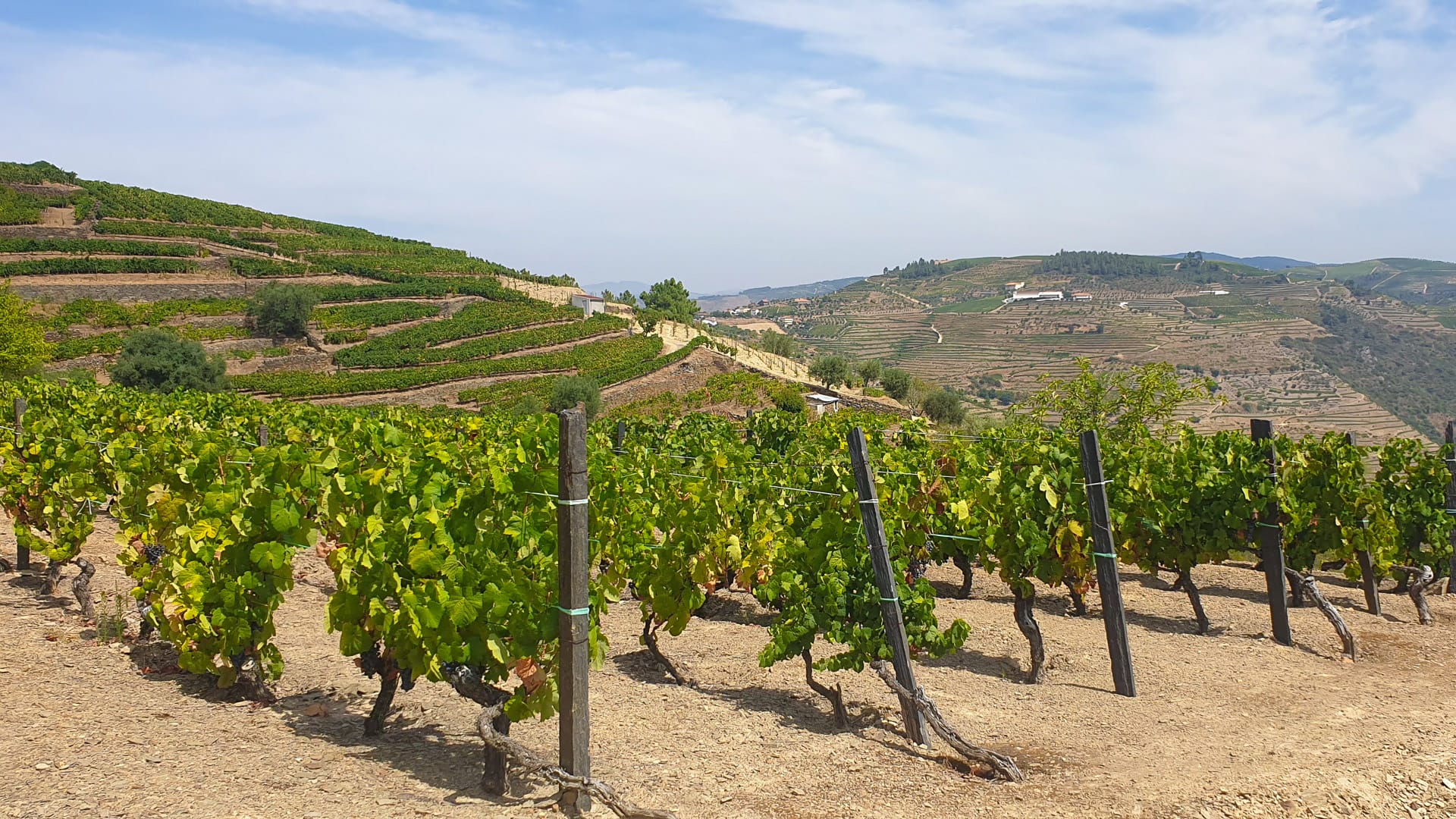
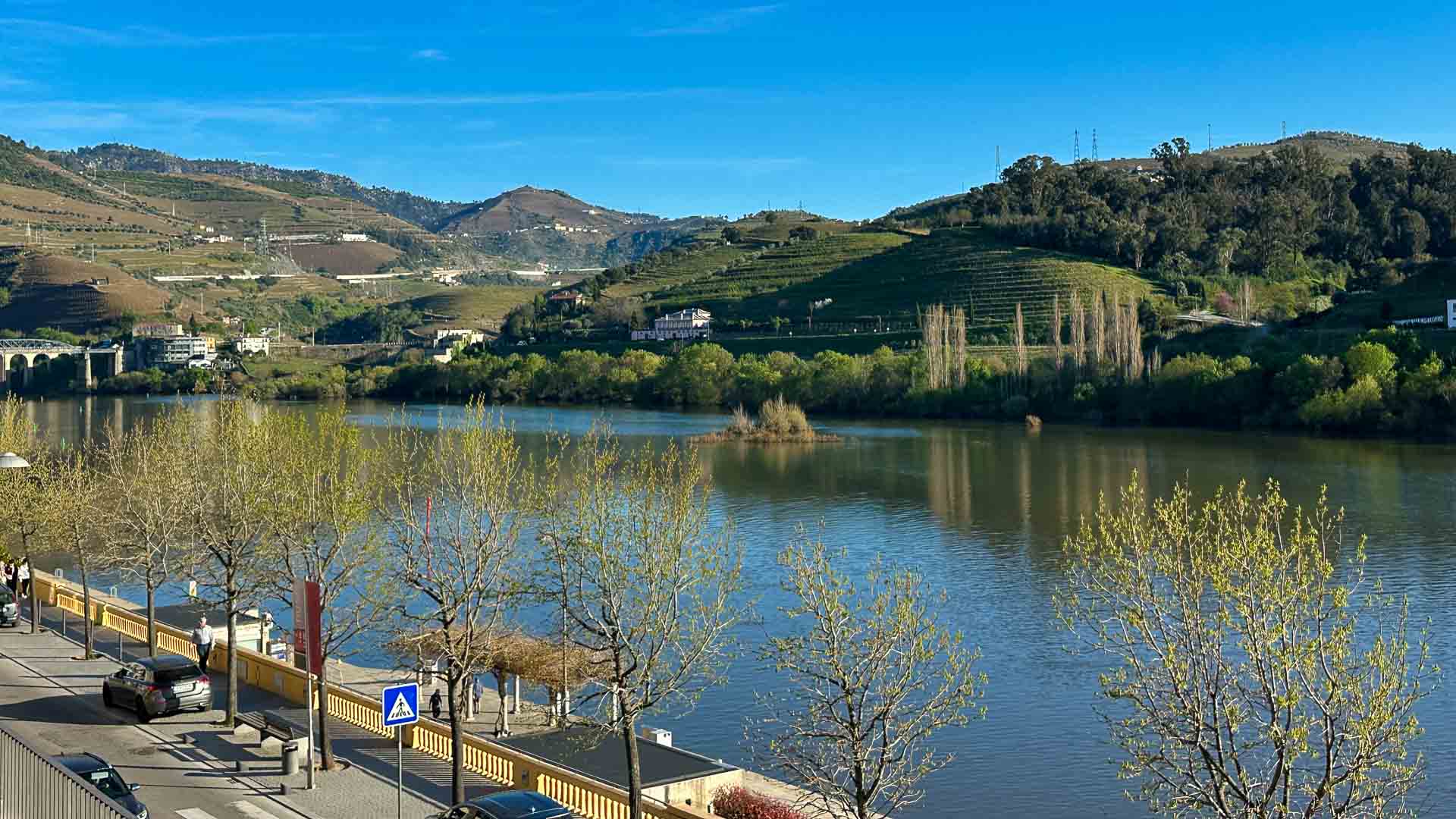
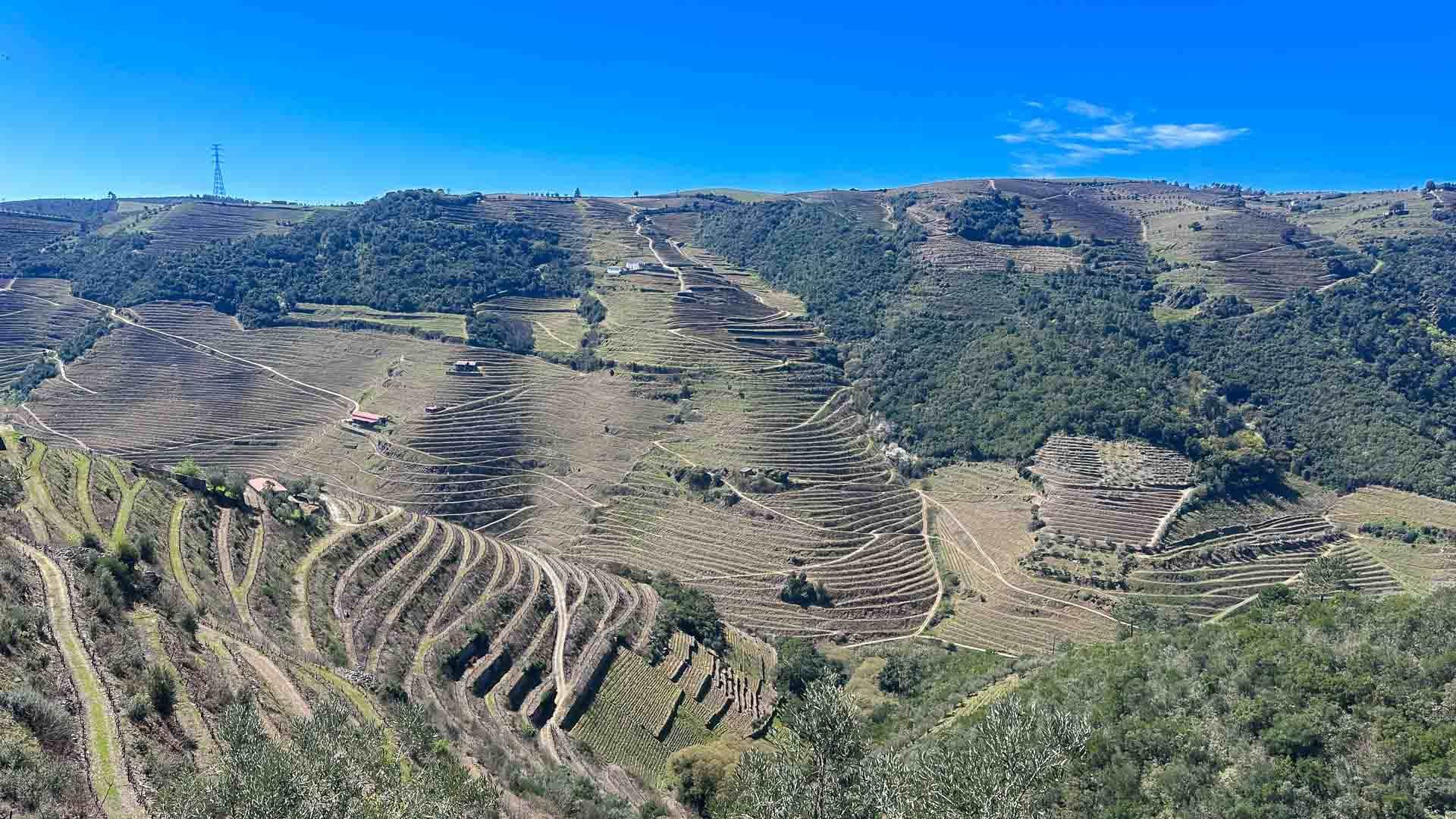
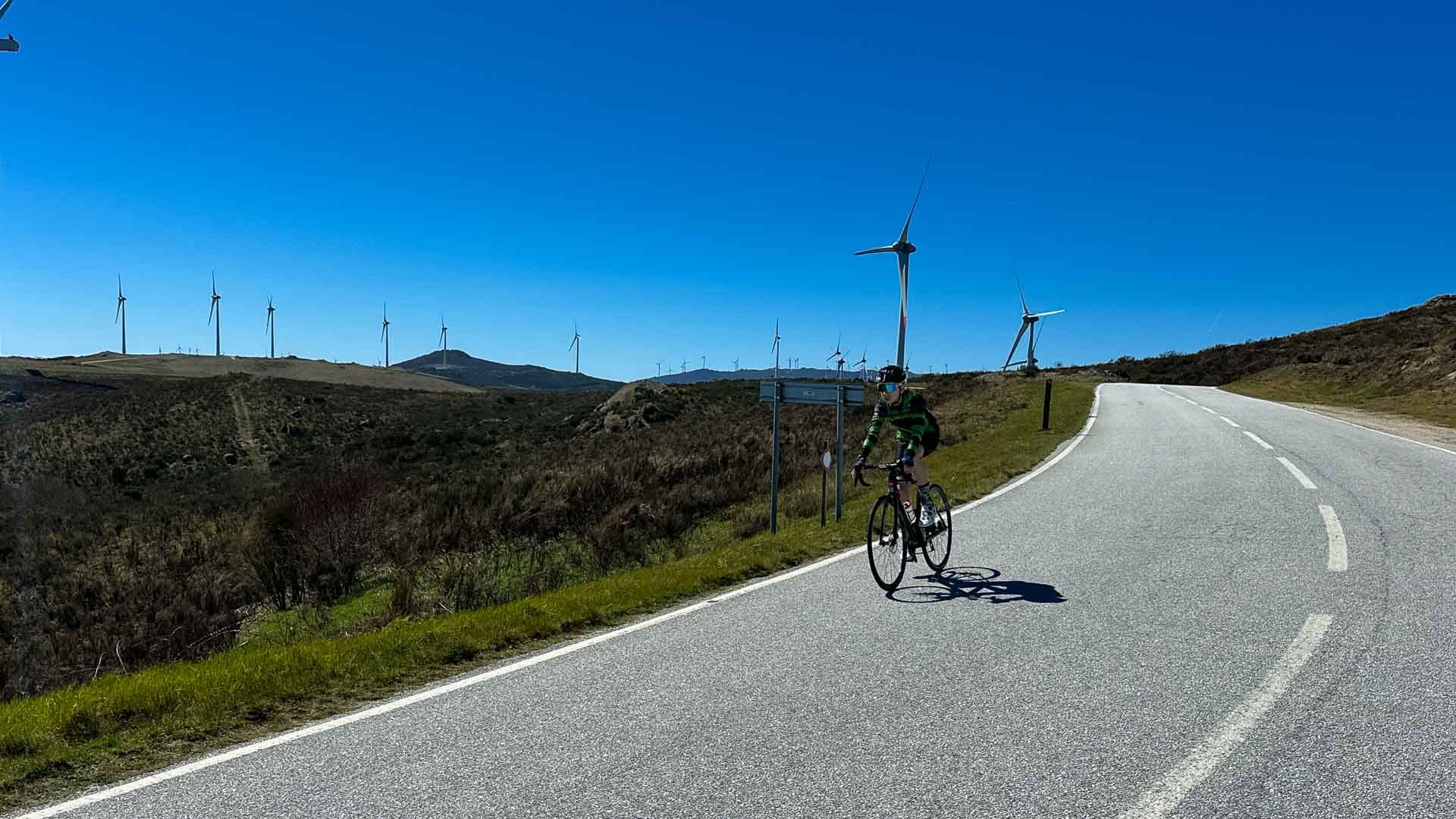
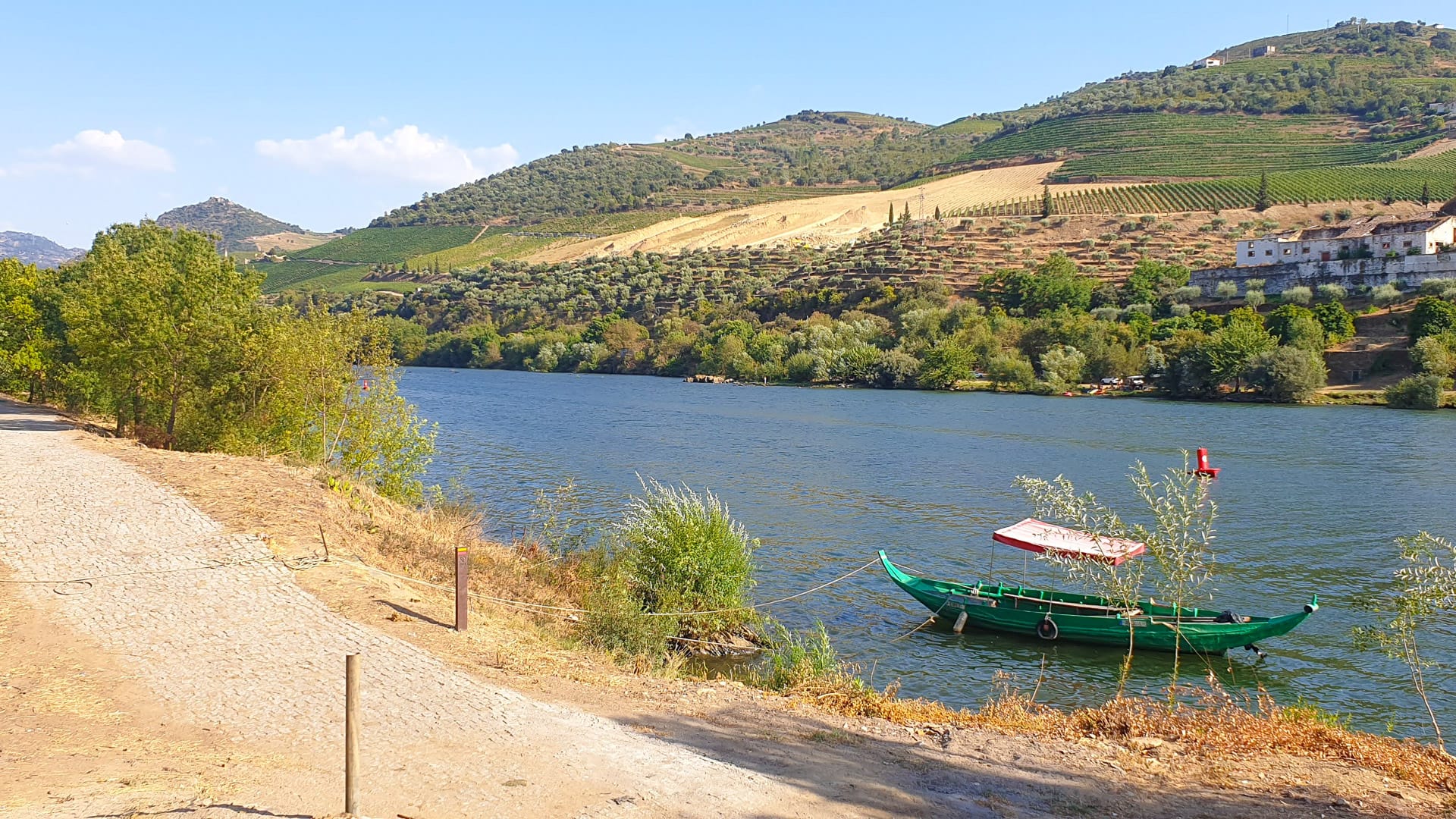
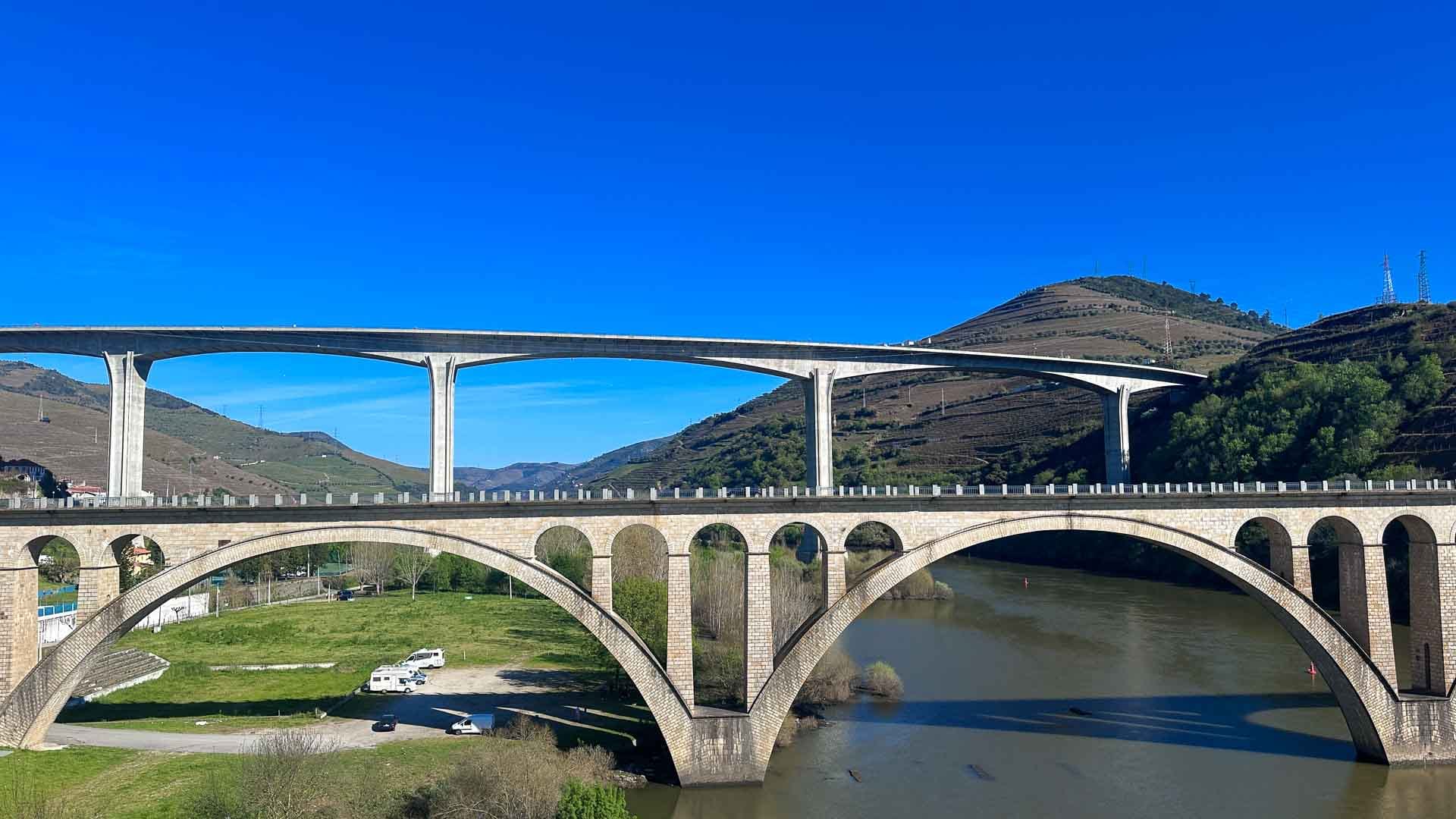
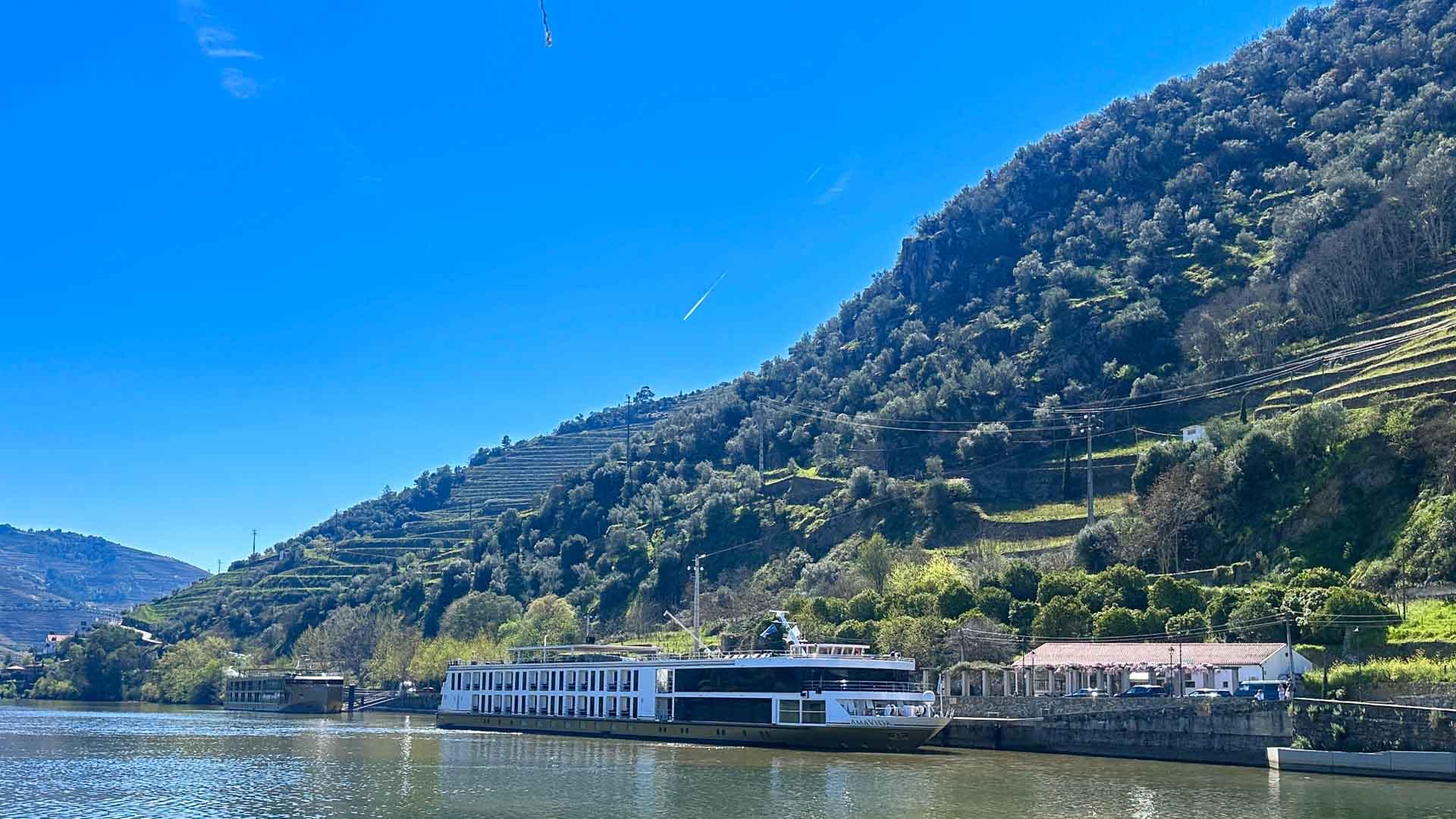
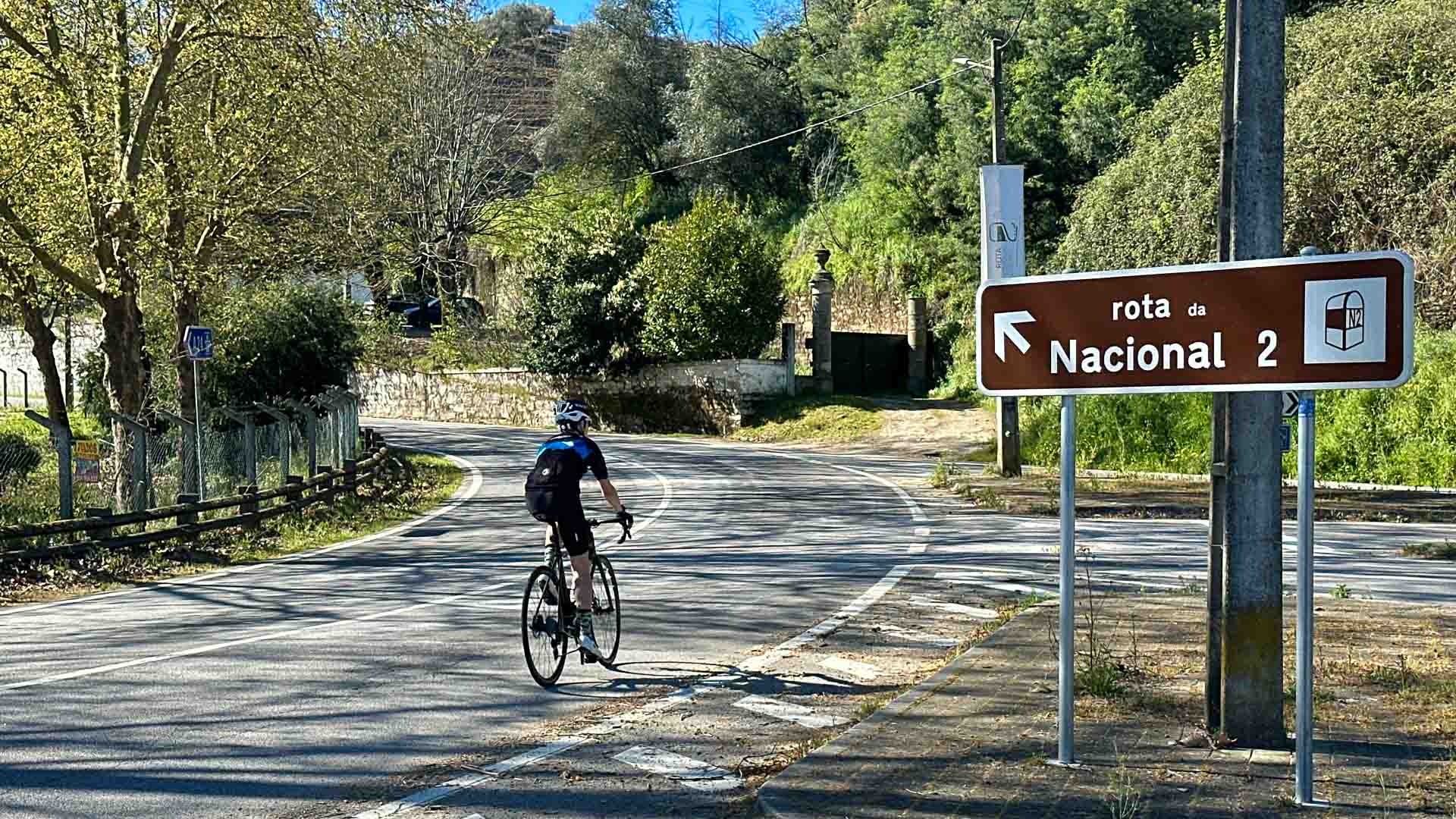
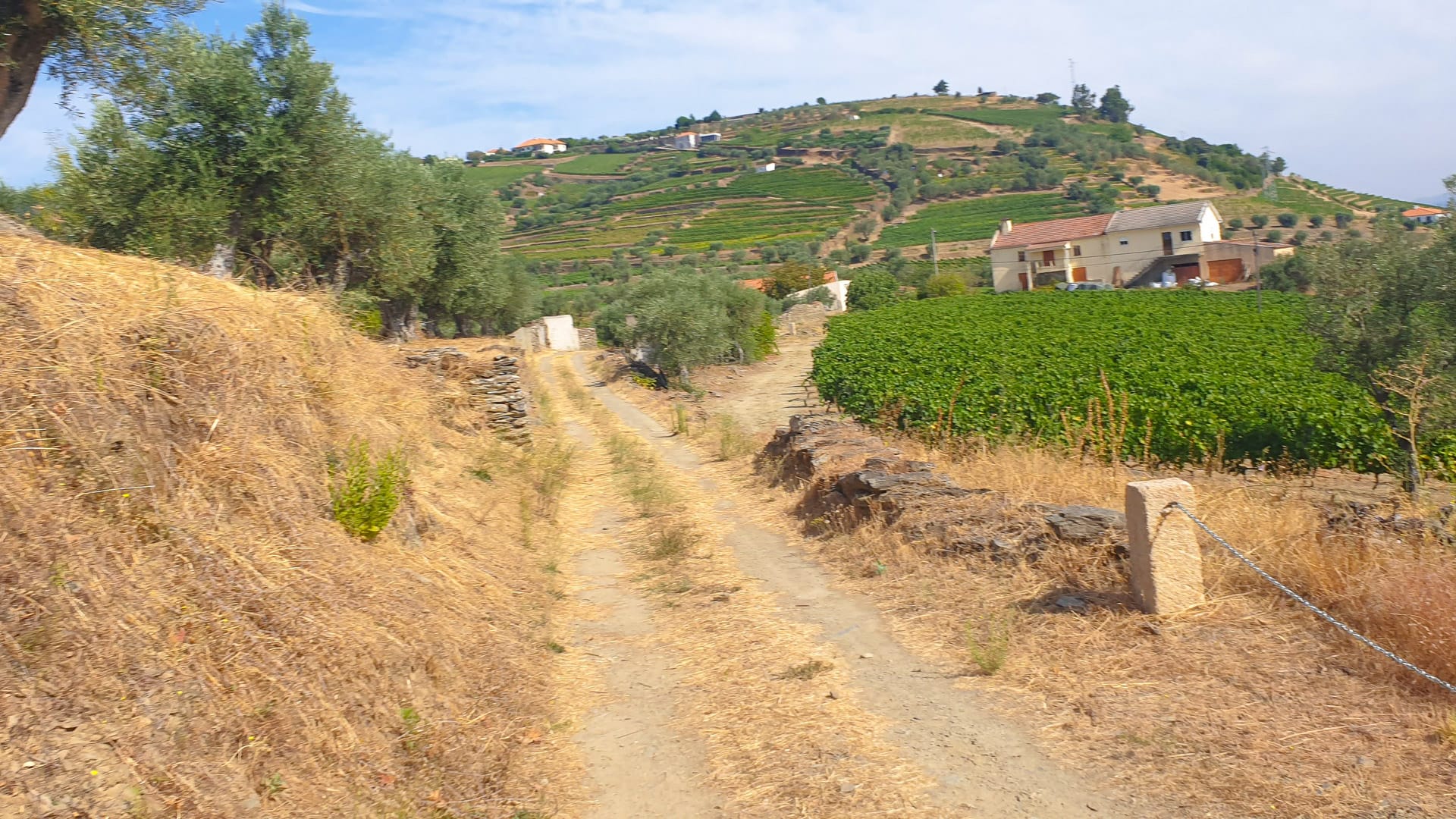
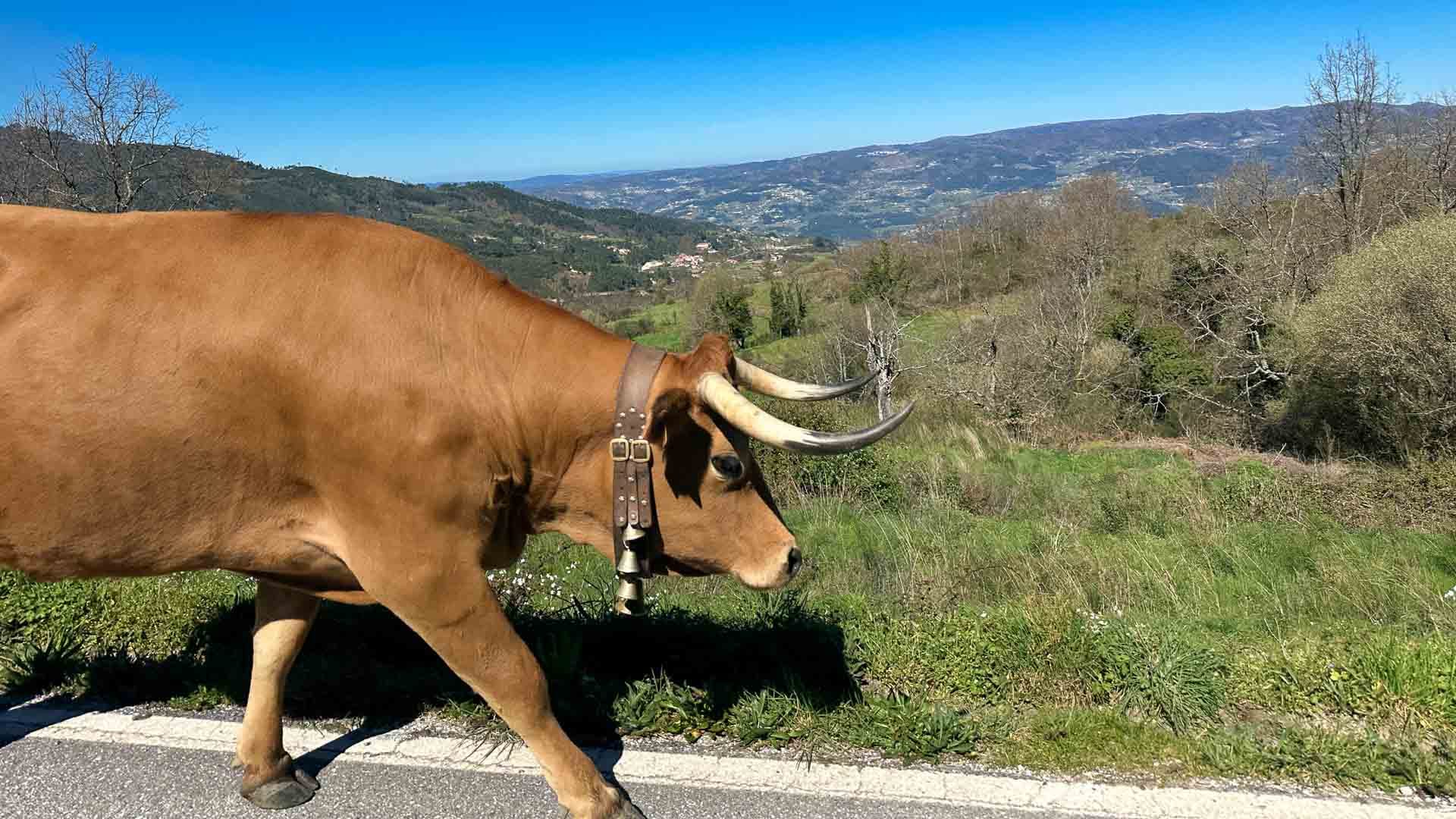
Challenging, scenic riding
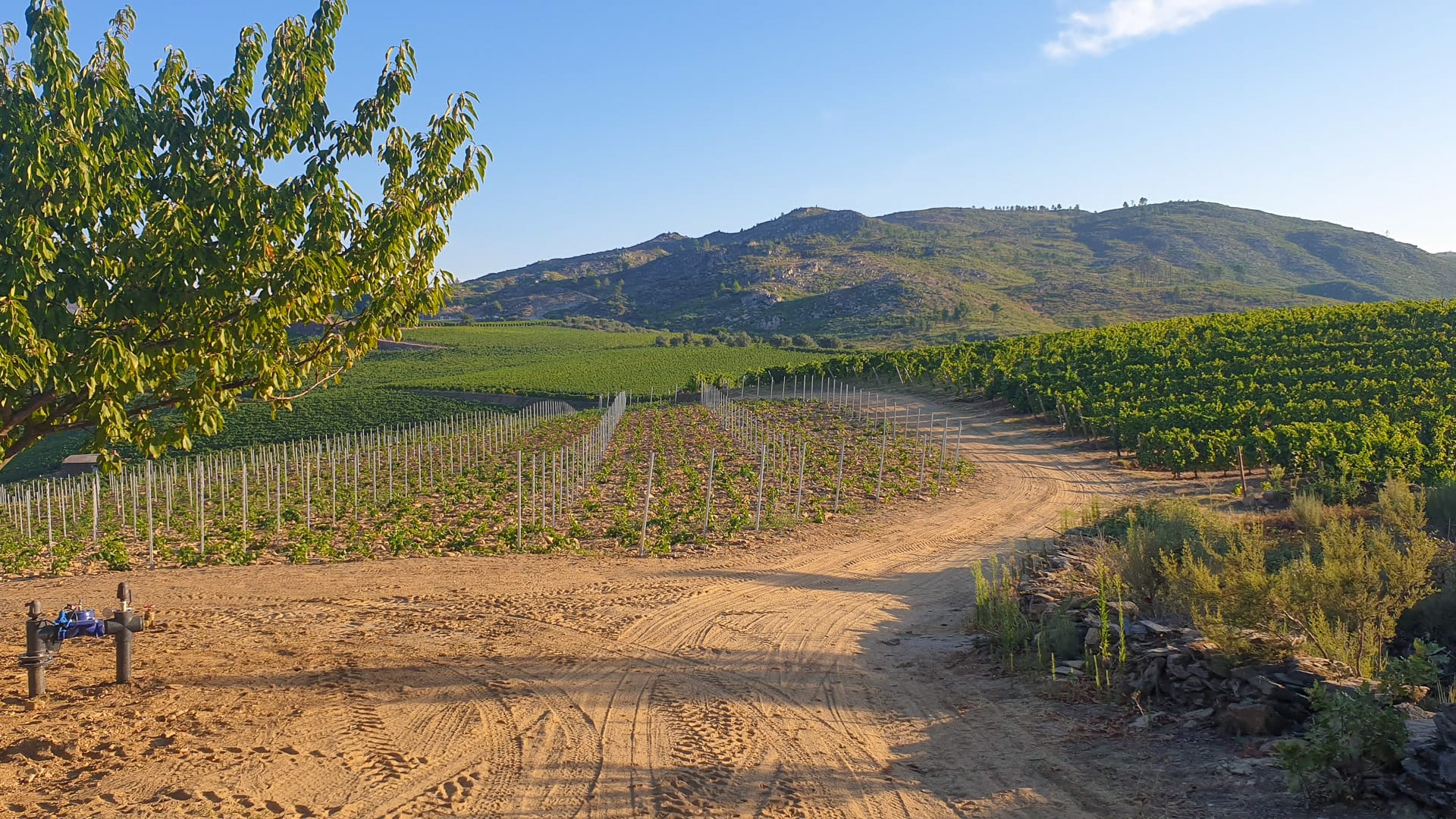
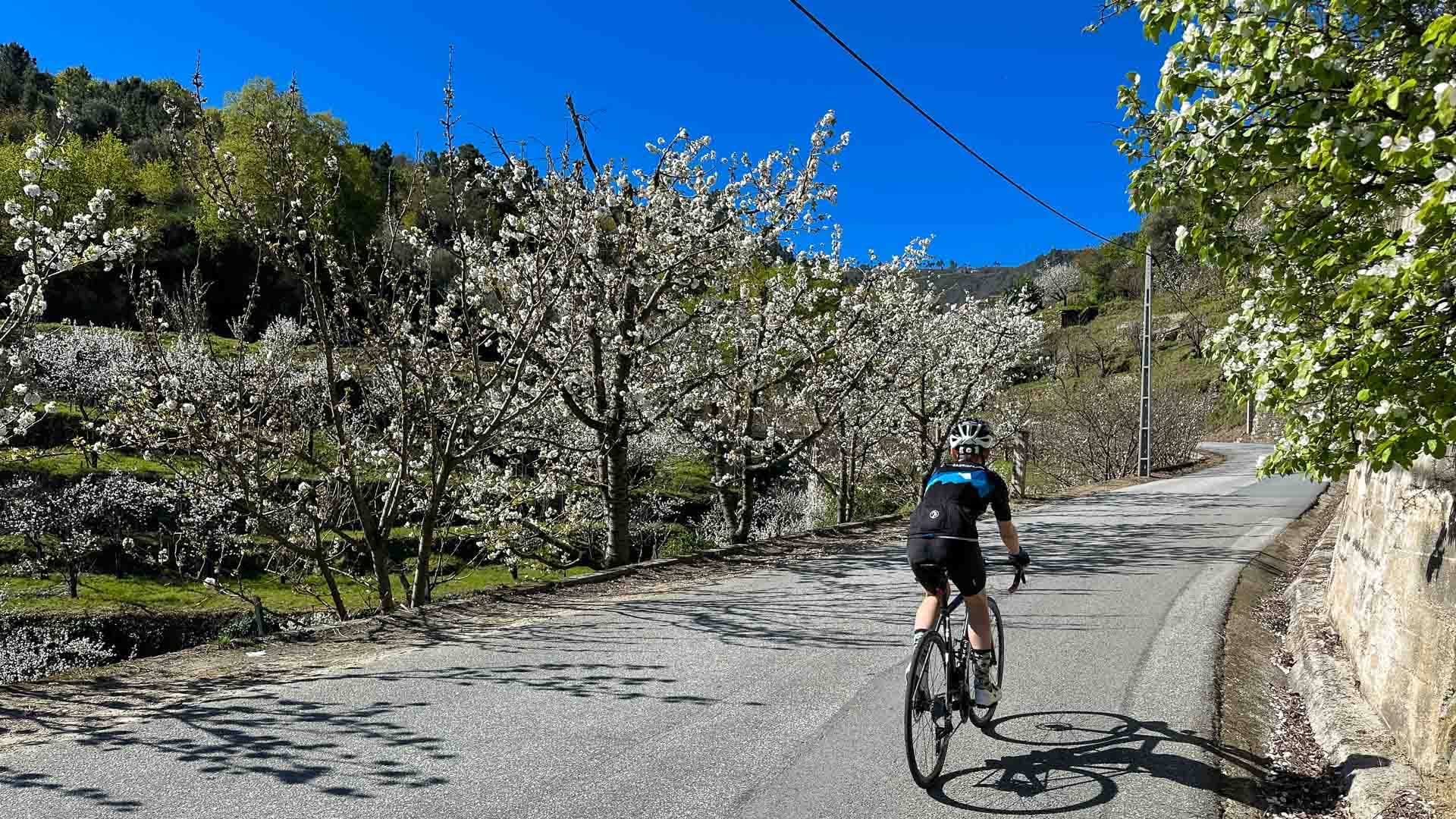
The terrain in the Douro is undeniably hilly, and that’s part of what makes it so special for road cycling. Expect long, steady climbs and technical descents, with quiet roads that twist through the vines.
These are not high mountain climbs in the alpine sense. But they are demanding, with gradients that frequently tip into double digits and very little flat ground to recover on. Find out more below.
Authentic Portuguese culture
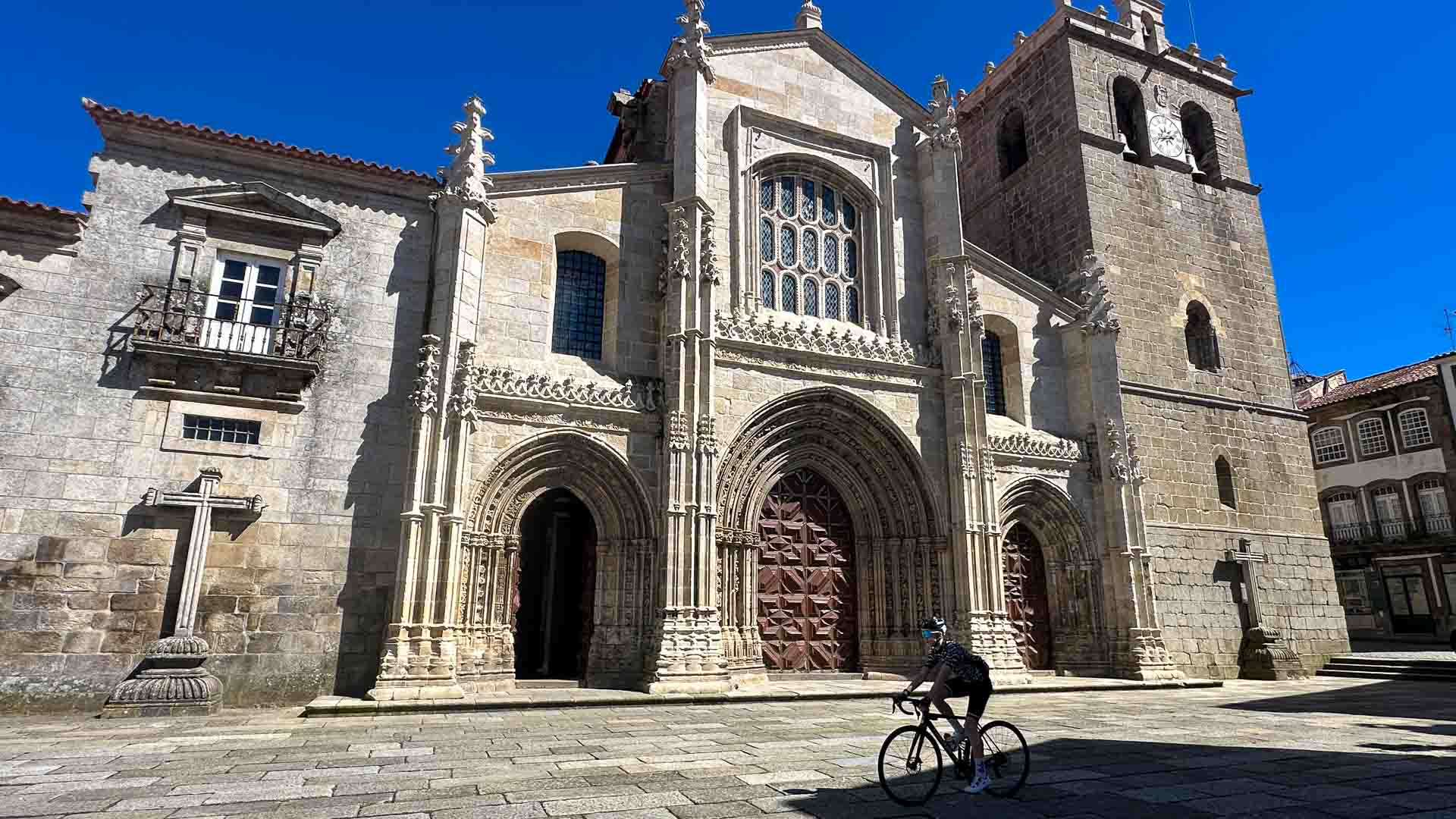
The region is rich in culture, with towns like Lamego offering baroque architecture and religious history. Meanwhile, Pinhão and Peso da Régua are perfect bases for wine tasting and boat trips on the river.
An emerging cycling destination
While the Douro Valley is not yet established on the global cycling map, it is a good option for those looking for great cycling, local culture and a less crowded cycling experience than in better known destinations.
Sergio from Top Bike Tours Portugal says, “Stages of the Volta a Portugal, the country’s national stage race, occasionally roll through the Douro’s challenging terrain (see more below). The iconic N2 north to south route through Portugal also comes through this region.”
Part 2: An overview of the Douro region from a cyclist’s perspective
Where is the Douro Valley located?
The Douro Valley is located in northern Portugal, stretching east from the city of Porto to the Spanish border. It follows the course of the Douro River, which flows from Spain through the heart of the valley before reaching the Atlantic Ocean at Porto.
The Douro Valley is roughly:
- 100 kilometres inland from Porto (about a 1.5 to 2-hour drive)
- 50 kilometres south of the Spanish border at its eastern end.
Below is a map highlighting some of the key destinations mentioned in this article. Hover over the map pins to see the place names.
What is the terrain like?
The most scenic and well-known section of the valley lies between the towns of Peso da Régua, Pinhão and Barca de Alva. Here, the river is flanked by steep, terraced hills covered in vineyards. This is known as the Alto Douro or Upper Douro. It’s the heart of the Alto Douro Wine Region, a UNESCO World Heritage Site (source) and the world’s oldest officially demarcated wine region.
The terrain of the Douro Valley is rugged, steep and dramatically beautiful. Carved over millennia by the Douro River, the landscape is defined by deep valleys, high ridges, and an endless series of terraces clinging to the hillsides. These terraces, built by hand from local stone, support the region’s famous vineyards and give the valley its distinctive and unforgettable appearance.
Sergio from Top Bike Tours Portugal says “Cyclists will find very little flat ground in the Douro. The roads climb and descend constantly, often in long switchbacks that wind up the slopes or plunge down toward the river. Gradients can be steep, frequently ranging between 8 and 12%, and climbs can be several kilometres long. The roads are generally narrow and twisty, with spectacular views but few opportunities for coasting or recovery. If this sounds a bit much, we can offer e-bikes to help!”
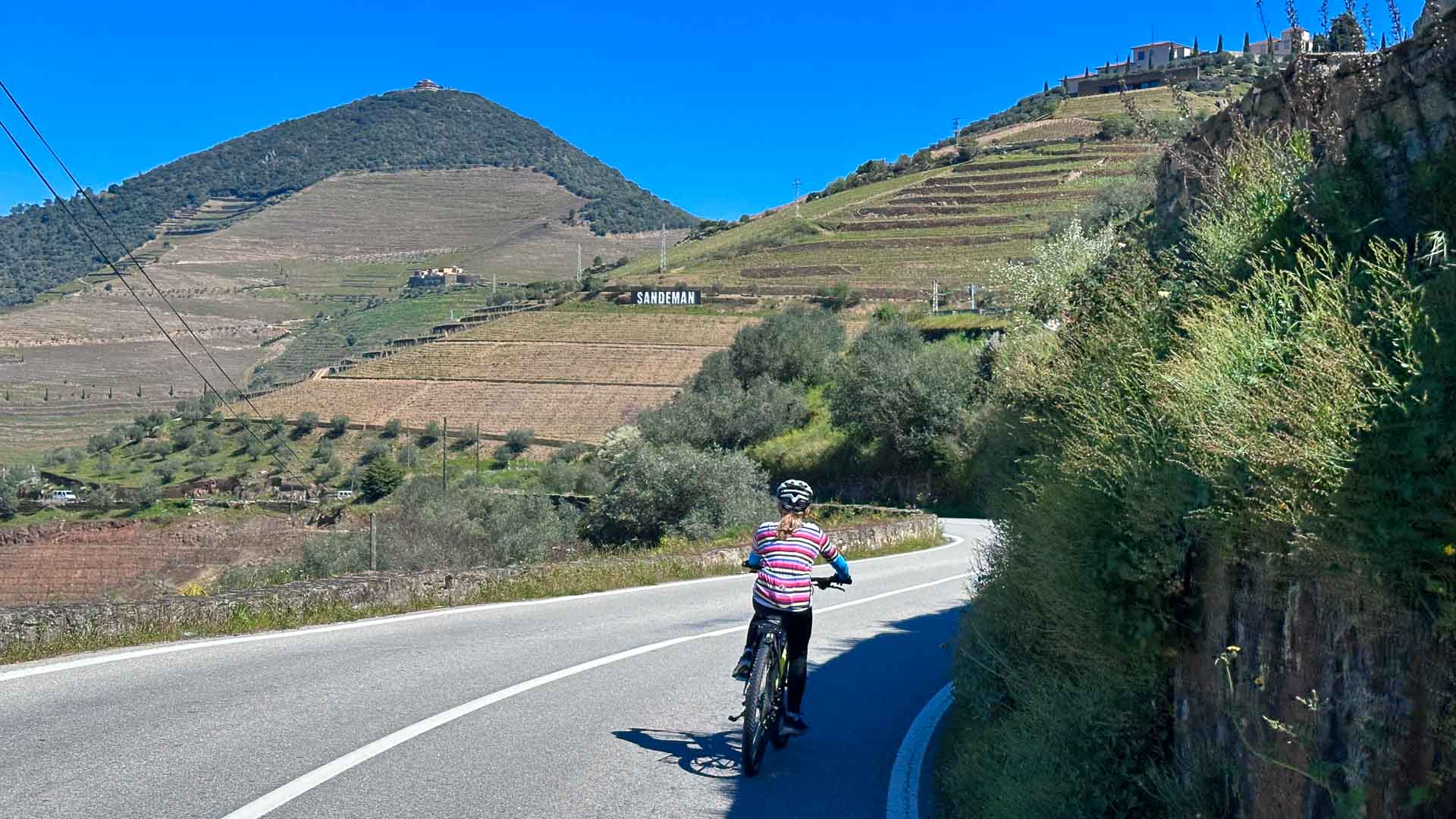
Cycling the EN222 road (one of the few flattish routes in the Douro!)
What are the roads like?
Inland
Despite (or perhaps because of!) the challenging profile, the roads up the valley sides are typically quiet and in good condition. Many follow the contours of the valley or trace ancient routes between villages and farms. Some roads rise high above the river, offering sweeping panoramas. While others hug the water’s edge, passing through tunnels, across small bridges, and alongside vineyards.
EN222 along the Douro Valley
The EN222 is a well-paved, tarmac road that offers a relatively smooth surface and very manageable gradients. Traffic varies depending on the season and time of day.
Be aware! At the end of March, we were certainly not alone. But we found that the volume of traffic was manageable; there were plenty of other cyclists out there, too. Things might be different in peak season.
Bike paths
Bike paths in the Douro Valley are very limited.
Sergio from Top Bike Tours Portugal says “There’s no dedicated bike path along the Douro river like the Danube or Loire. However, when you get away from the EN222 that follows the river, many of the roads , especially in the steep and vineyard-covered heart of the Douro, are extremely quiet, particularly during off-peak hours or in spring and autumn.” More details below.
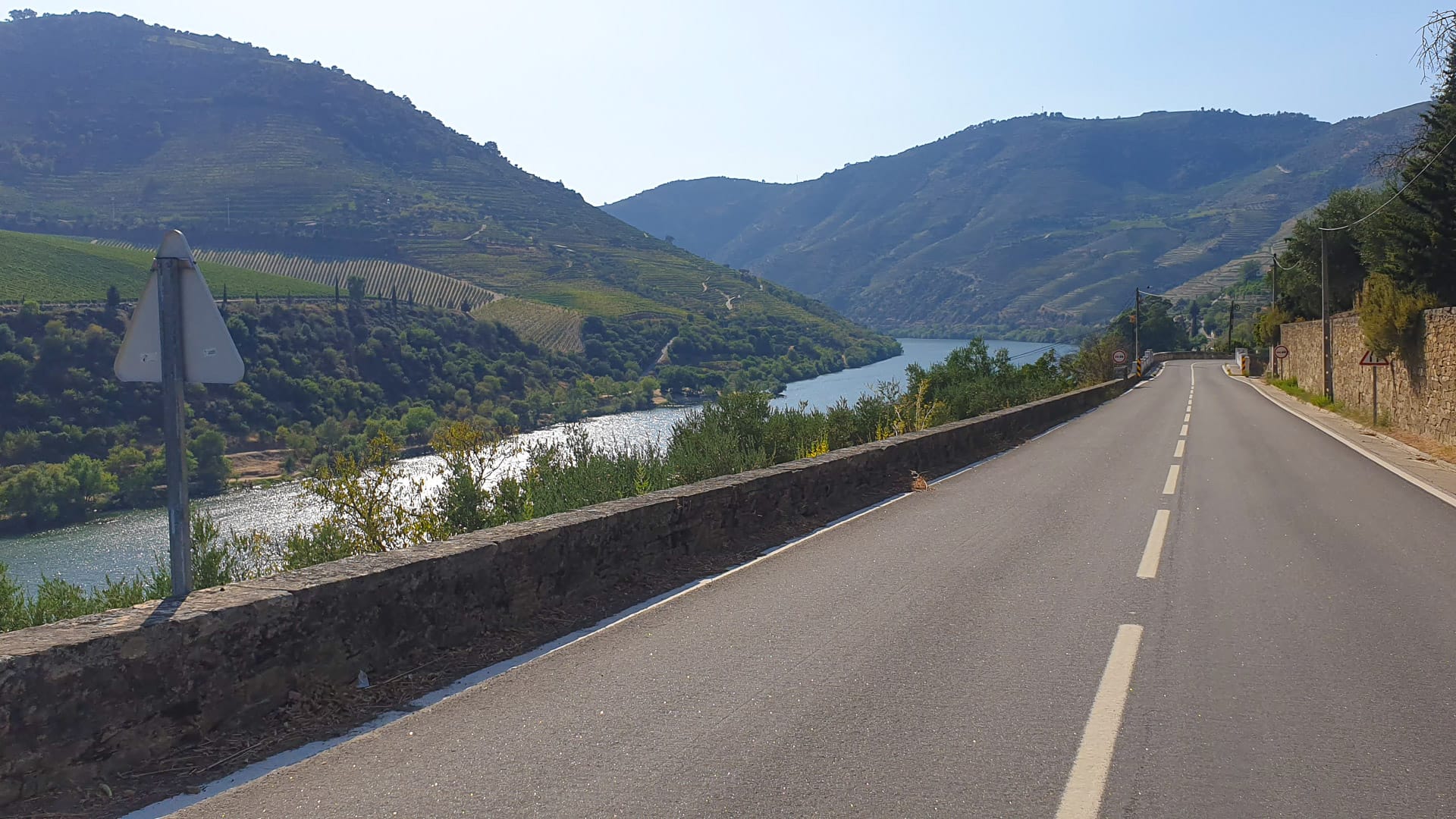
Peaceful road by the Douro River (photo credit: Top Bike Tours Portugal)
What kind of cyclist is the Douro Valley for?
The Douro Valley is perfect for road and touring cyclists who are confident riding on hills and narrow roads, with changing gradients and long climbs. It is also a good fit for cyclists who are interested in wine, food, and Portuguese culture.
With the growth of e-bike touring, the Douro is also becoming more accessible to leisure cyclists who want to explore its beauty without worrying about the tough terrain.
In addition to the main asphalt roads, the region also offers some gravel and dirt tracks, particularly in the upper hills or among less-developed vineyard trails. These are best suited to gravel bikes or mountain bikes.
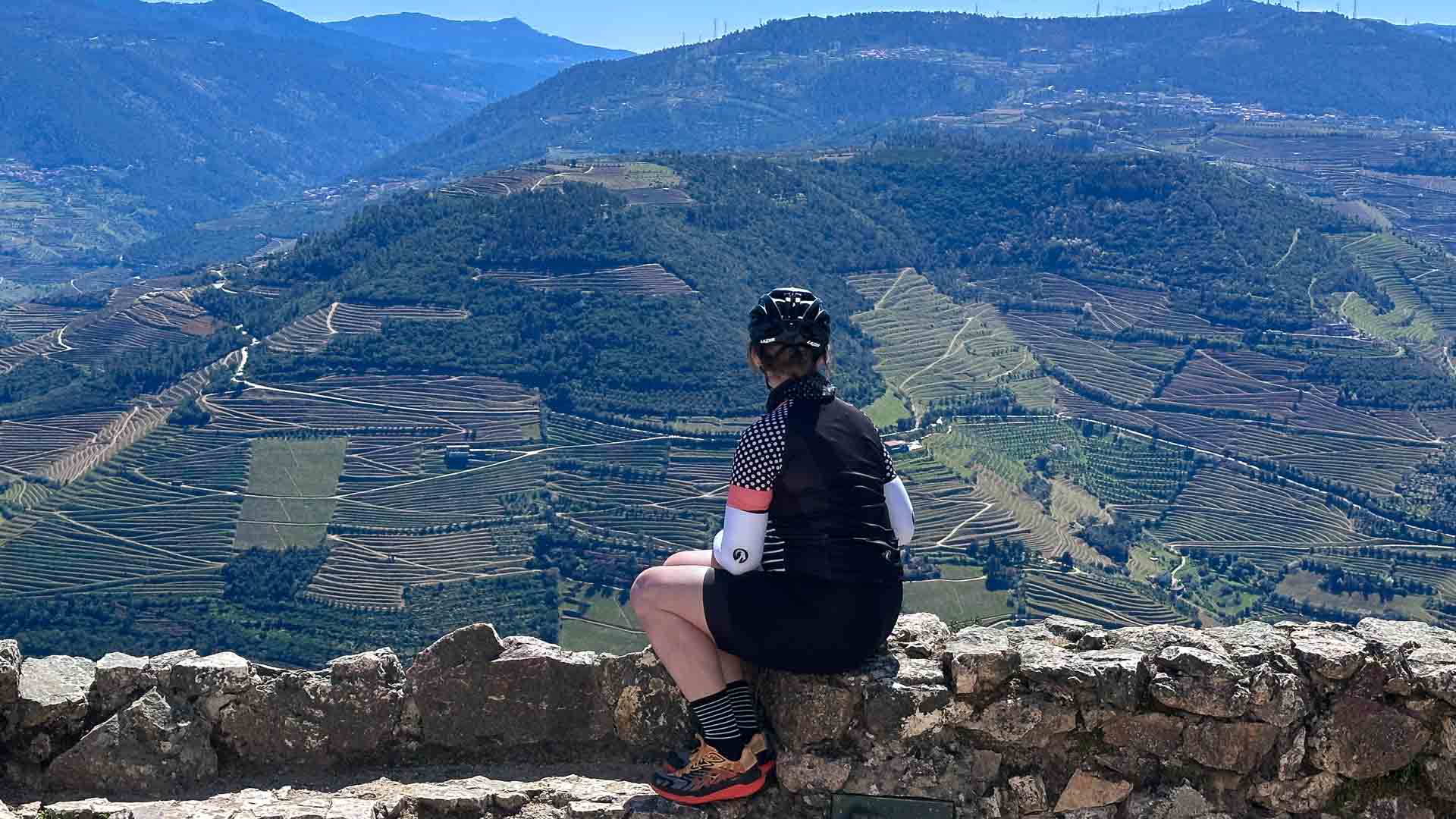
Admiring the view of the Douro Valley
Are there any cycling events in the Douro Valley?
Yes, there are several cycling events in the Douro Valley, ranging from amateur sportives to professional races.
While the region isn’t as saturated with cycling events as places like the Alps or Pyrenees, its breathtaking landscapes and challenging terrain are increasingly attracting cyclists and events.
Douro Granfondo (May)
This is the best-known amateur cycling event in the region. Held annually in and around Peso da Régua or nearby towns, the Douro Granfondo offers a choice of route lengths, typically between 80 and 160 kilometres, covering steep climbs, vineyard roads, and classic Douro views.
It attracts cyclists from across Portugal and beyond and is a well-organised event with feed stations, timing, and a celebratory finish. Expect a festival-like atmosphere and a challenging but beautiful day on the bike.
Volta a Portugal/ Tour of Portugal (August)
The Volta a Portugal is the country’s biggest professional stage race and Portugal’s answer to the Tour de France. While it changes route each year, stages sometimes pass through the Douro Valley.
The race typically takes place in August and is a fantastic way to see top riders in action on roads you may have ridden yourself. Locals turn out in large numbers, and it brings a buzz to whichever town it visits.
Sponsor Message
Considering cycling in the Douro Valley?
Top Bike Tours Portugal has helped cyclists explore Portugal by bike since 2013.
Alongside bike tours in the Douro Valley, they also offer several self-guided and guided bike tours across Portugal, as well as other cycling holidays in Spain.
Head to their website to find out more.
Got a question for Sérgio Marques from Top Bike Tours Portugal?
Fill out this form and we will pass it to Top Bike Tours Portugal who aim to reply (within 24 hours wherever they can!)
Part 3: What are the best bases and cycling routes in the Douro Valley?
Peso da Régua
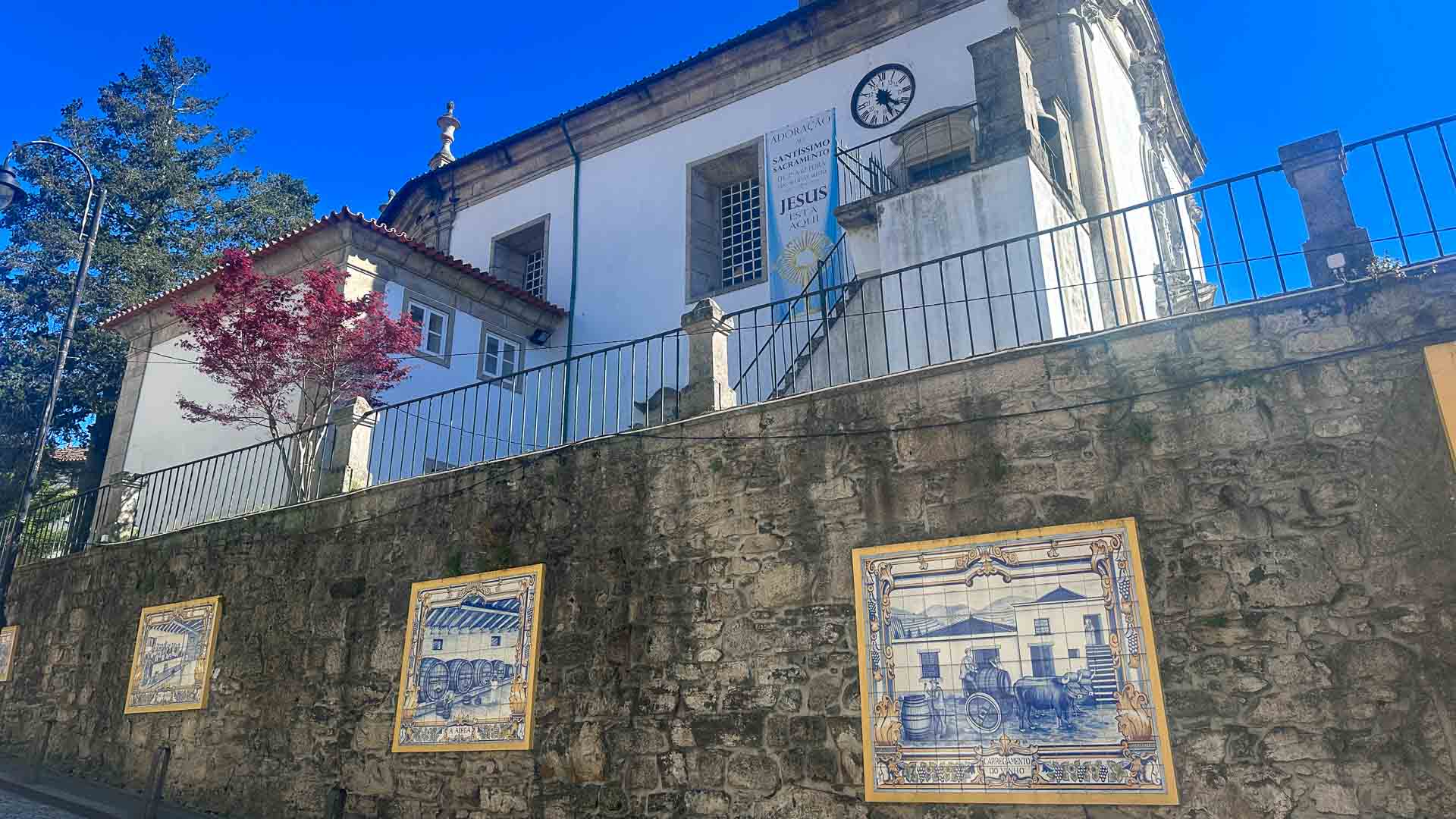
Pretty church in the centre of Peso da Régua
Régua sits at the heart of the Douro and is the most practical base for cyclists, with easy river access, train connections, and gentle warm-up routes before climbing into the vineyards. Aesthetically, it’s perhaps not as pretty as some of the other towns, but that’s not to say it is unattractive and it also has a lot of practical benefits, which is why I chose it as our base for three nights during our stay in the Douro Valley.
Here are the reasons I chose it – and what I particularly liked:
Varied rides
Geographically, Peso da Régua sits right on the banks of the Douro River, surrounded by terraced vineyards and hills that rise steeply on either side. This makes it a natural hub for exploring in all directions. You can head east toward Pinhão on the iconic EN222, which offers rolling terrain and breathtaking river views.
If you’re in the mood for climbing, you can ride south into the mountains toward Lamego or São João da Pesqueira. Head west and you’ll reach the Corgo River valley, with routes toward Vila Real and the upper Douro. The diversity of terrain means you can plan a different style of ride each day – rolling, hilly, steep, or scenic and gentle.
Cyclist-friendly services
Peso da Régua is one of the few towns in the region with a decent selection of bike-friendly accommodation, some offering secure storage, early breakfasts, and other cycling-specific services.
There are also bike hire options, including road bikes and e-bikes, and a growing number of guided or self-guided tour operators that use Régua as a starting point.
Trains, restaurants and more
You’ll also find good infrastructure in the town itself – cafés, restaurants, supermarkets, and train connections back to Porto. That makes it easy to ride out each day and return to a comfortable base without needing to change hotels or worry about logistics.
Wine culture
Régua is also a great place to soak in the Douro’s wine culture. You’re close to several working vineyards and wine estates where you can sample Port and Douro wines, either during a rest day or post-ride.
The riverside promenade is a great place to unwind, and the views from the nearby hills, such as the climb to São Leonardo da Galafura, are spectacular.
Cycling route: Peso da Régua to Pinhao, 72km
GPX DownloadTerms of use reminder
Overview
This is a route that lets you get to soak up the spectacular scenery without overly exerting yourself; you follow the EN222 the whole way, and it’s pretty much the only flat(tish) road in the Douro!
The road traces the course of the river, so for most of the time, you have the river in view. The road isn’t dead straight, so new vistas open up as you round the river’s corners, keeping things interesting.
There are plenty of quintas (vineyards) on the way, so lots of opportunity for wine tasting (though note that many involve additional climbing to get to them). The landscape isn’t pure vineyard – there are wilder rocky sections as well as olive trees, fig trees, orange groves and more.
Just bear in mind that you won’t have this road to yourself. It’s a popular driving route too, so start early if you aren’t keen on company.
Cycling route: Peso da Régua loop, 61km
GPX DownloadTerms of use reminder
Overview
This is a lovely ride that immerses you in the beauty of the Douro Valley. The climbs and descents are steep, so bring your climbing legs – or an e-bike!
The views from the mirador are fantastic and give you a sense of the scale of the Douro Valley and its vineyards. The descent from the viewpoint to the river is memorable: a steep descent down a narrow valley, amongst vines and on a quiet, winding road.
The section from Covelinhas to the dam is beautiful, beside the river but unhassled by traffic.
More information
Like the look of the region but want some support? Top Bike Tours Portugal’s 8-day Douro Valley Bike Tour, starts in Porto and finishes in Régua.
Pinhão
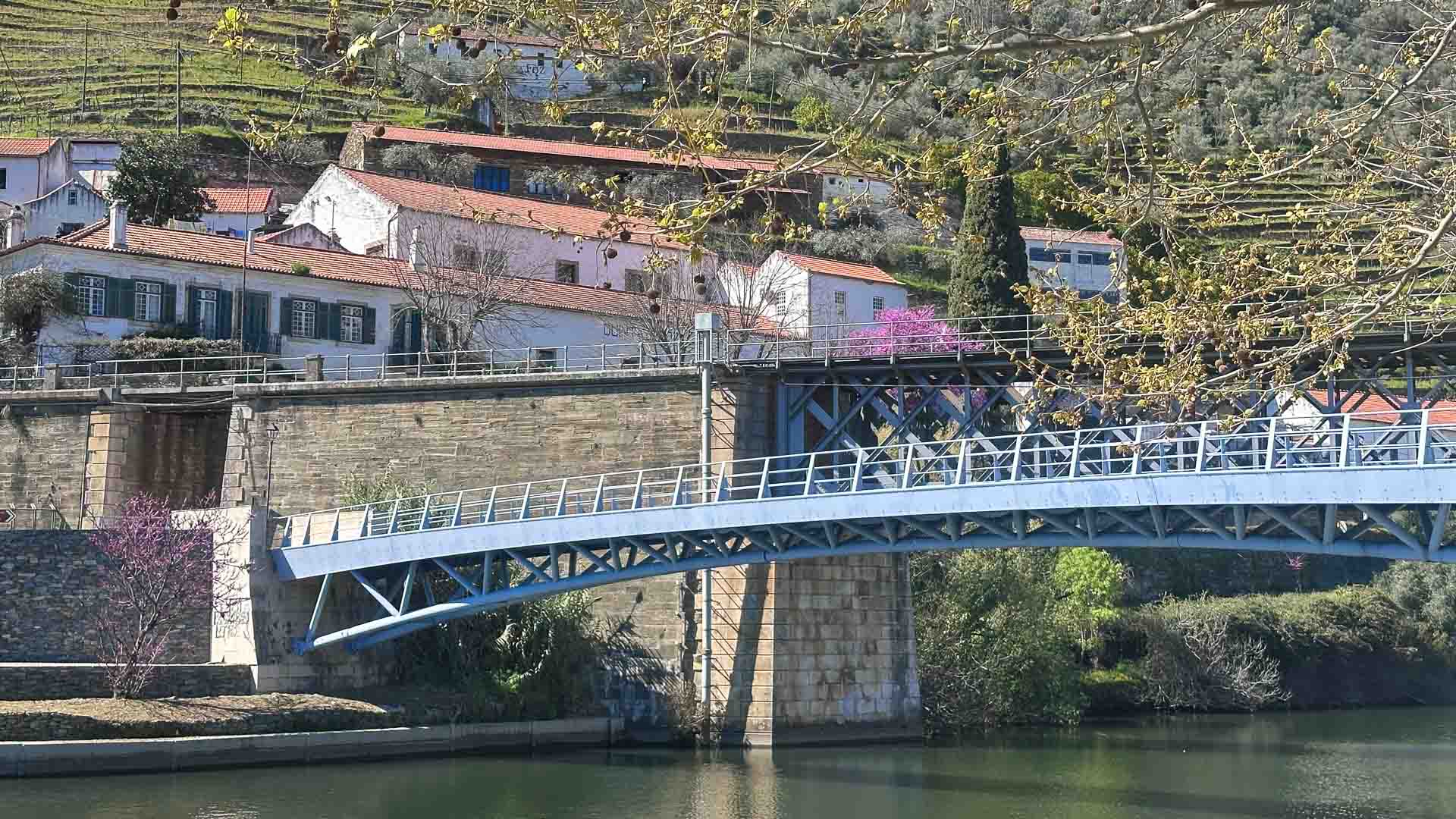
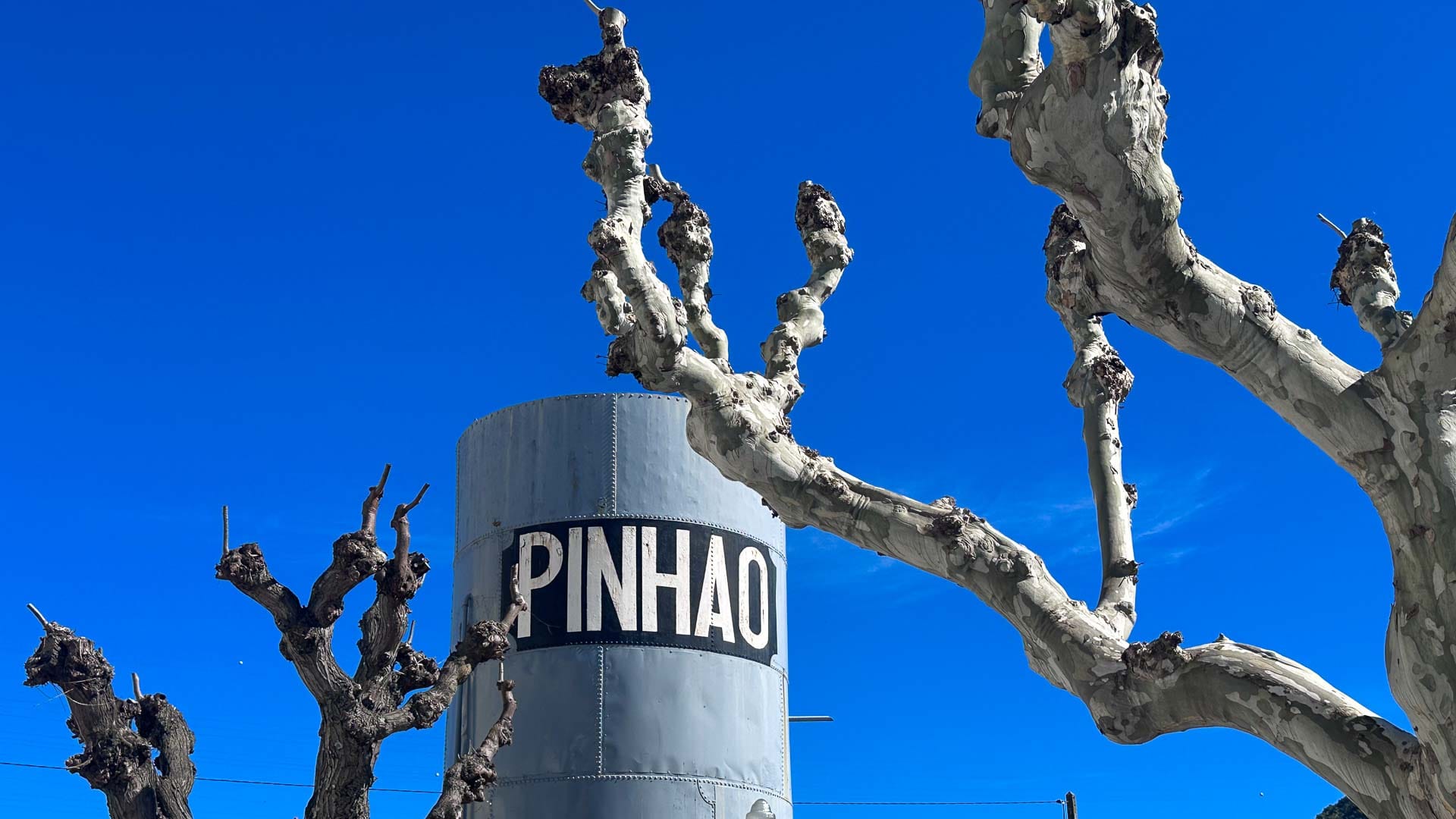
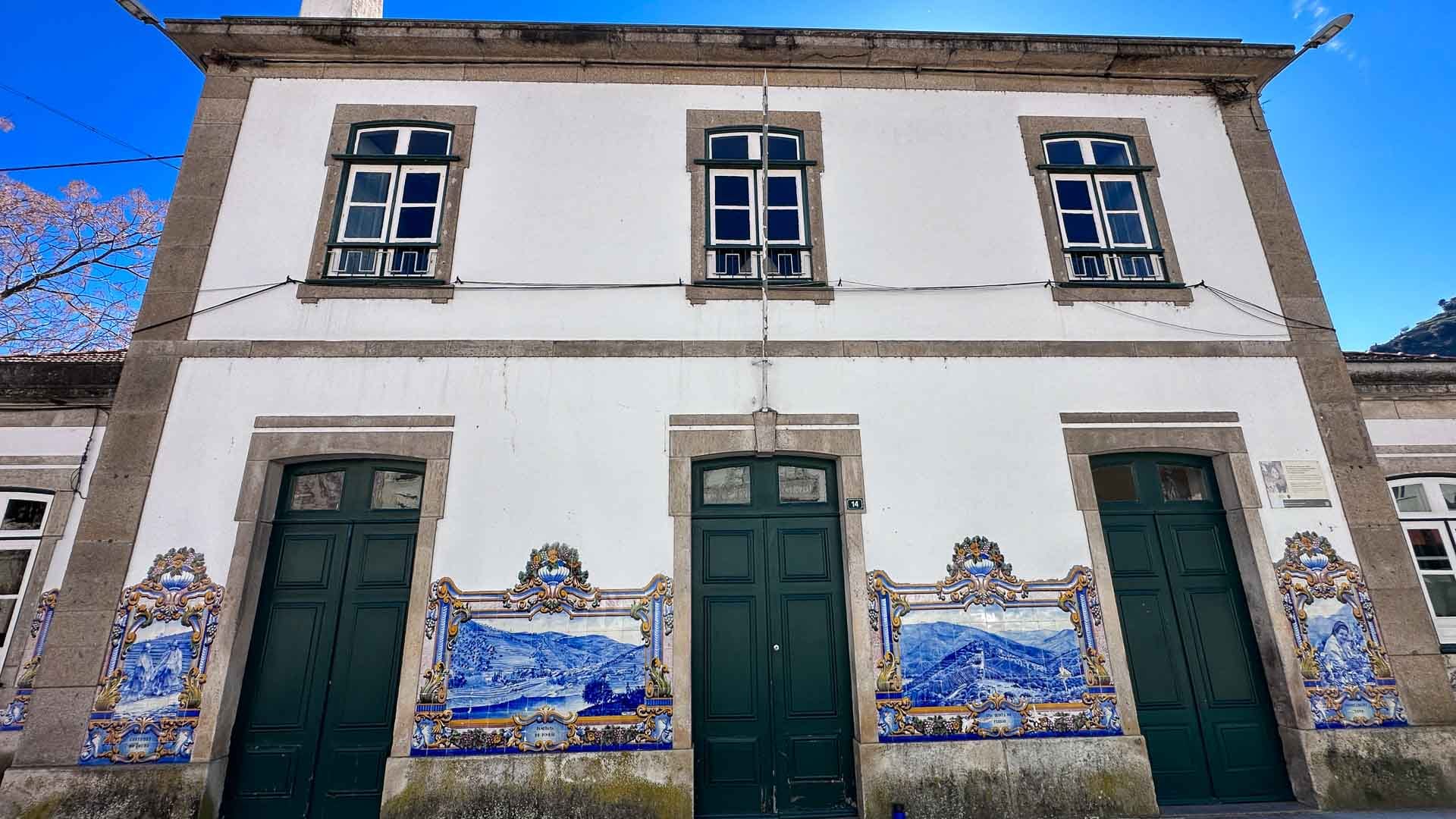
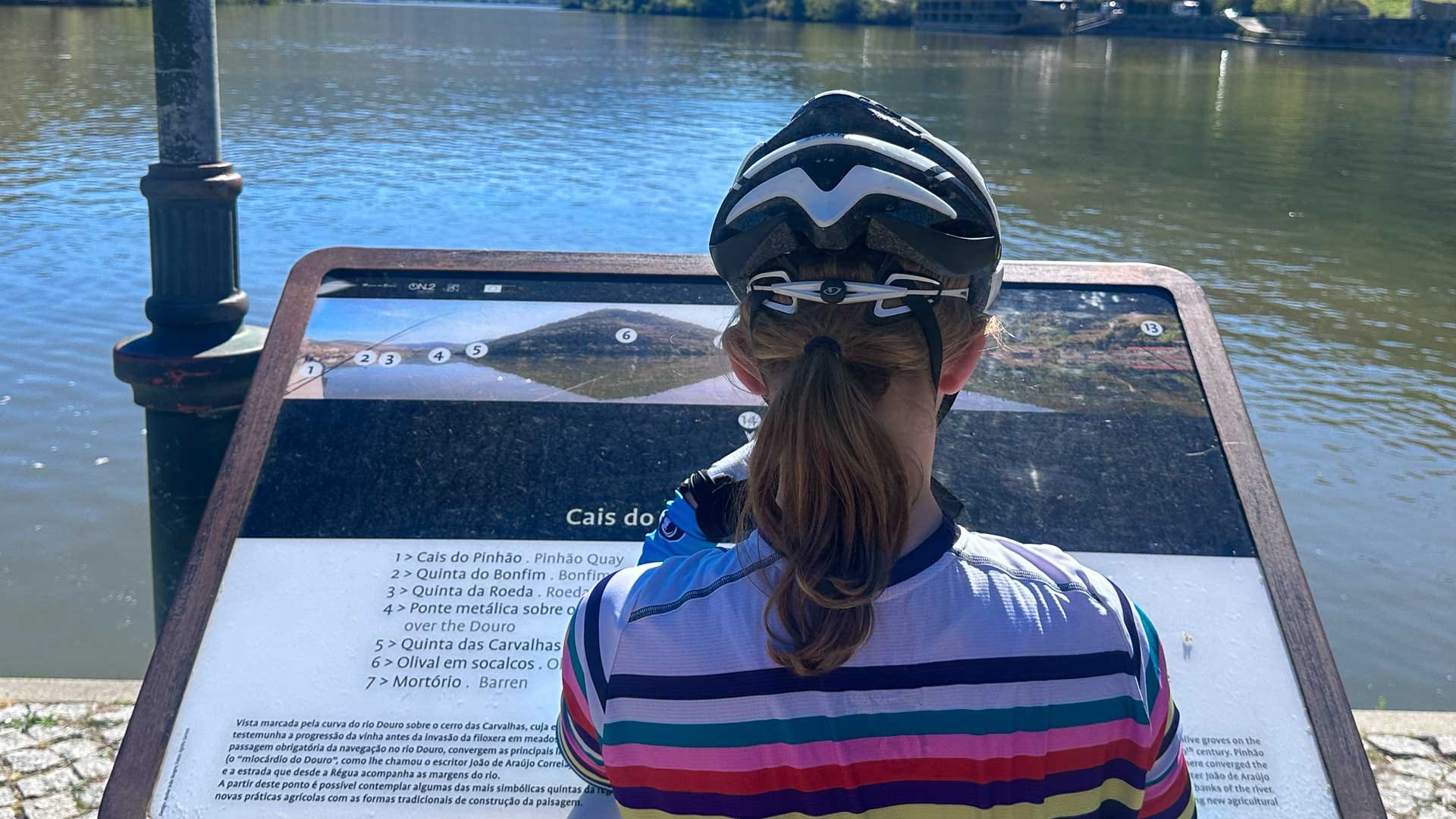
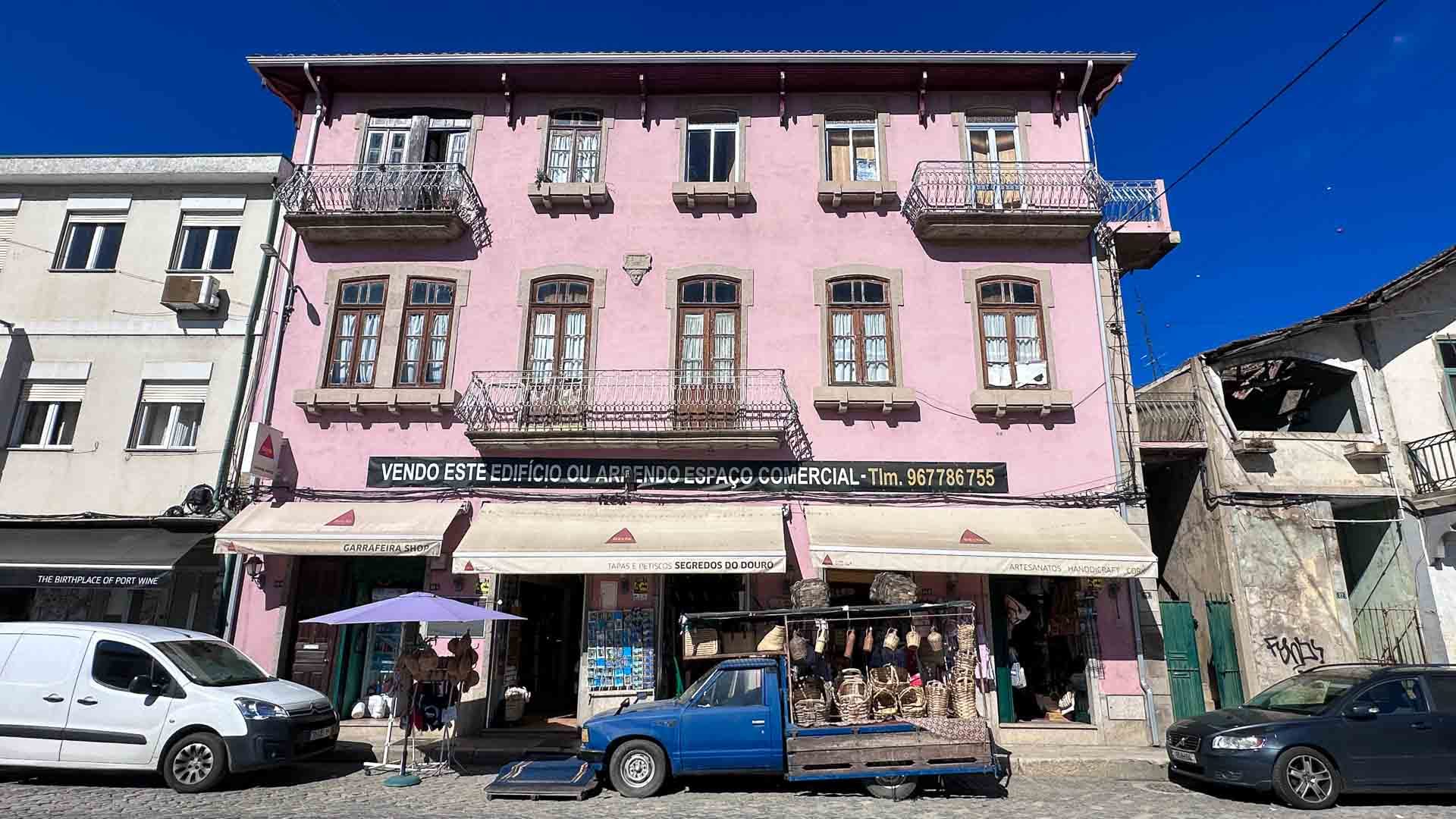
Set on a bend of the River Douro, Pinhão sits in the heart of the Alto Douro Vinhateiro (the valley’s most dramatic, terraced wine country). It’s roughly midway between Peso da Régua and the Spanish border.
Pinhão itself is a small wine village with a charming riverside setting – quiet, pretty, and genuinely laid-back. It feels authentic and unhurried, which makes it ideal if you’re here for scenery, good food and great rides rather than nightlife.
Sergio from Top Bike Tours Portugal says “don’t miss the azulejo-tiled train station, famous for its blue-and-white panels depicting Douro vineyard and harvest scenes, it’s one of the most distinctive little sights in the valley”.
Pinhão punches way above its size for riding variety, because the roads deliver two totally different styles of cycling almost from the same junction:
Steep terraced climbs immediately behind the town
Head uphill and you’re straight into vineyard lanes that kick up fast and don’t really let go.
The climbs to Provesende, Casal de Loivos, and Sabrosa are classic Douro riding – narrow, twisty, often steep, and absolutely worth it for the views and the sense of riding through the vines rather than just past them.
Riverside flat stretches on the N222
If you want something steadier (or a recovery spin), you can roll west or east along the N222, hugging the river with big scenery and far gentler gradients.
Cycling route: Pinhão loop, 55km
GPX DownloadTerms of use reminder
Overview
Sergio from Top Bike Tours Portugal says “This loop is a brilliant introduction to the central Douro’s iconic scenery. Leaving Pinhão, you climb straight into terraced vineyards, olive groves and schist-built villages, with constant glimpses of the river far below.
The highlight is Casal de Loivos, one of Portugal’s most breathtaking viewpoints, where the Douro’s horseshoe bends and vineyard patterns really come into focus. From here, the route rewards the effort with a fast, panoramic descent back into the valley.
Expect classic Douro riding: short, punchy climbs, quiet lanes, and big views that explain the region’s steepness and drama.
More information
Interested? This loop route can be ridden on Top Bike Tours Portugal’s 8-day Douro Valley Bike Tour, from Porto to Régua. It also features on the Trás-os-Montes and Alto Douro Valley Bike Tour. More details on these tours below!”
Foz Côa Region (Vila Nova de Foz Côa)
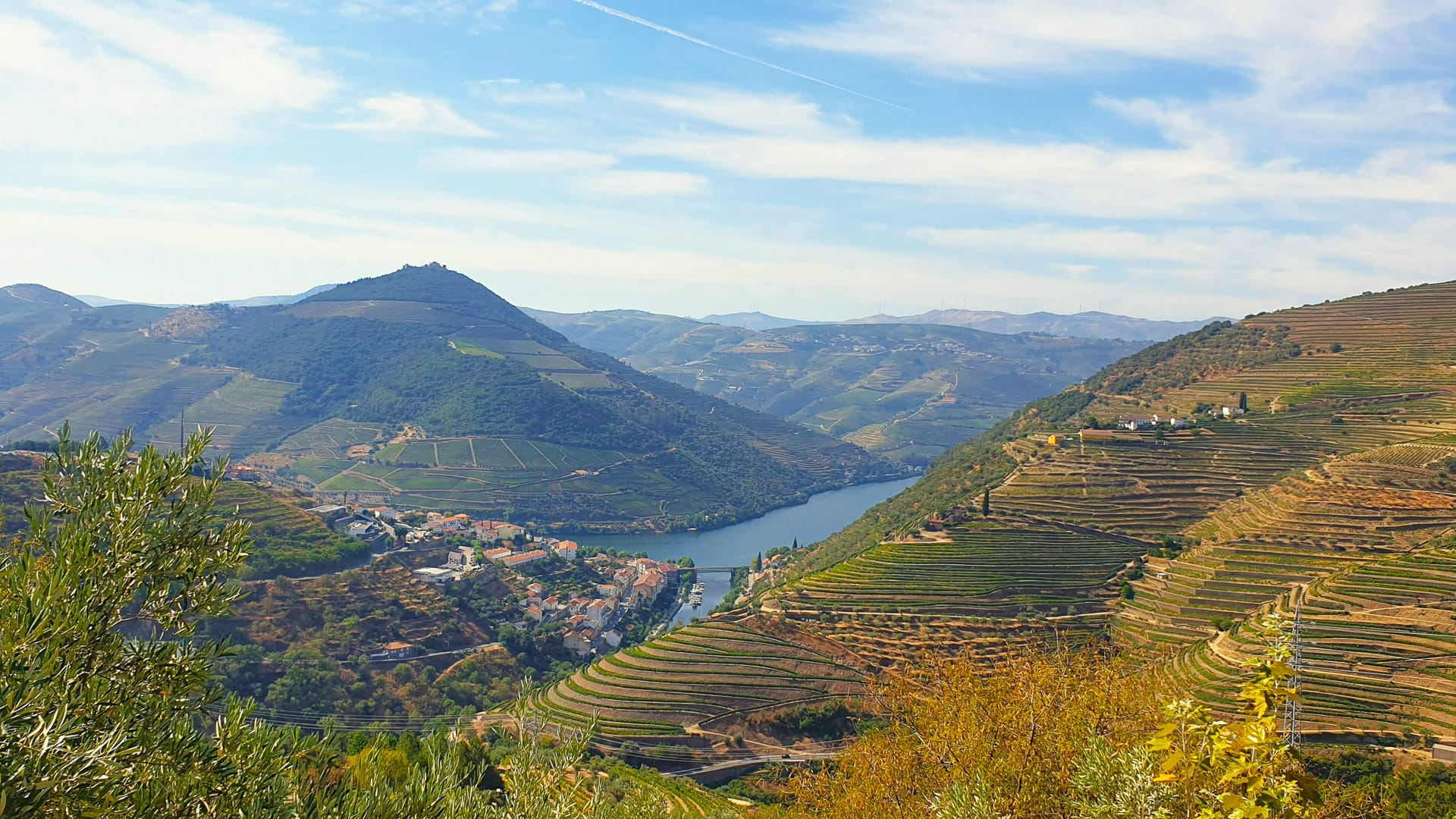
Foz Côa region landscape (photo credit: Top Bike Tours Portugal)
Sergio from Top Bike Tours Portugal says “Vila Nova de Foz Côa sits at the crossroads of the Douro River and the Côa Valley, and that location gives it a rare appeal for cyclists: classic Douro wine-terrace drama on one side, and open, high-plateau landscapes on the other.
It’s noticeably quieter and more remote than Peso da Régua or Pinhão, which makes it a good option for riders who like wild nature, archaeology, long-view scenery, and low-traffic roads.
One of the biggest strengths here is the variety. You’ve effectively got three different riding environments within easy reach:
Douro terraces
Expect the steep vineyard climbs you associate with the Douro, similar in feel to Pinhão, but with fewer vehicles and a more “out there” atmosphere. Roads are often narrow yet beautifully paved, running high above the river with huge views over terraced vines and classic quintas. It’s ideal if you want that iconic Douro scenery without the busier corridors.
Côa River Valley
Drop away from the Douro, and you enter the Côa basin: rolling roads, longer descents, and generally softer gradients than the main terraces. The riding feels expansive and quiet, with a real sense of distance between places, one of those regions where you can hear your tyres on the tarmac and not much else.
High plateaus above Foz Côa
Climb up, and the landscape opens right out. Up on the plateau, you’ll find wide horizons, big skies and gentle, undulating roads that suit endurance riding.
Visibility is excellent, the air often feels cooler, and the breezes can be a welcome relief on warm days. For steady mileage with constant scenery, this is hard to beat.
The town (Vila Nova de Foz Côa)
It’s functional, friendly and quiet, great for logistics, not gloss. You’ve got the essentials (supermarkets, cafés, ATMs, restaurants) and a very everyday, local feel rather than something built around tourism.”
Cycling route: Vila Nova de Foz Côa to Figueira de Castelo Rodrigo, 42 km
GPX DownloadTerms of use reminder
Overview
Sergio from Top Bike Tours Portugal says “This shorter day ride is packed with atmosphere and a big change of scenery. Leaving the Douro’s vine-covered slopes behind, you head towards the high plains near the Spanish border, weaving through quiet rural lanes, traditional farming villages and open, windswept landscapes.
The Côa Valley becomes your constant backdrop, famous for its Palaeolithic rock artm and the wide horizons give the ride a rare sense of space and silence. With low traffic and long views, it feels like cycling through untouched territory. The finish in Figueira de Castelo Rodrigo, one of Portugal’s most evocative historic villages, is a real highlight.”
Be aware! Public transport in this region is very limited, as it is a remote area, so returning to Vila Nova de Foz Côa with bikes by public transport is generally not a practical option. However, if the tour is booked with us as part of our six-day route, we guarantee the transfer back to the starting point for participants who prefer not to cycle the return section. However, we do not provide luggage transfers or transport services for independent riders who have not booked the tour with us. For those travelling independently, the most reliable alternative would be to arrange a local taxi service directly.
More information
Interested? This cycling route can be ridden on Top Bike Tours Portugal’s 8-day Douro Valley Bike Tour, from Porto to Régua. More details on this tour below!”
Part 4: What do you need to know before cycling in the Douro Valley?
When is the best time to go on a Douro Valley cycling holiday?
Sergio from Top Bike Tours Portugal says “Generally, the best time of year for cycling in the Douro Valley is spring (late March to the end of May) and autumn (mid-September to October).
These shoulder seasons offer the most comfortable weather, stunning landscapes, and fewer crowds, which makes them ideal times for exploring the region by bike.
My personal favourite is autumn, as the colours in the Douro Valley are spectacular and there are lots of festivals too.
Spring (end-March to end-May)
Spring is great if you want mild temperatures, blooming wildflowers, and fresh green vineyards. Daytime highs are usually between 18°C and 25°C, making for enjoyable riding conditions even on longer or hillier routes. The air is fresh, the light is clear, and there’s a sense of renewal throughout the valley.
We visited in March, and it was perfect riding weather. However, it’s worth noting that most organised cycling tours of the Douro Valley seem to start up in April.
Autumn (mid-September and October)
Autumn is magical, particularly around harvest time (vindima) in late September. The hills turn golden and rust-coloured as the vines change with the season.
It’s also a time of celebration in the valley, with wine estates in full swing and opportunities to sample new wines. Temperatures remain pleasant, typically between 20°C and 28°C early in the season, though mornings and evenings can be cool.
Summer (July and August)
Summer is possible, but it’s hot and often over 35°C, especially away from the river or in the higher valleys.
Riding is best done early in the morning to avoid the heat, and e-bikes can be a great option to ease the effort. Summer also brings more tourists to the area, though many of the roads are still quiet compared to more famous European cycling destinations.
Winter (November to March)
Winter is less suitable unless you’re prepared for cooler temperatures, rain, and shorter daylight hours. That said, some lower-elevation rides near the river can still be pleasant, especially on sunny days.
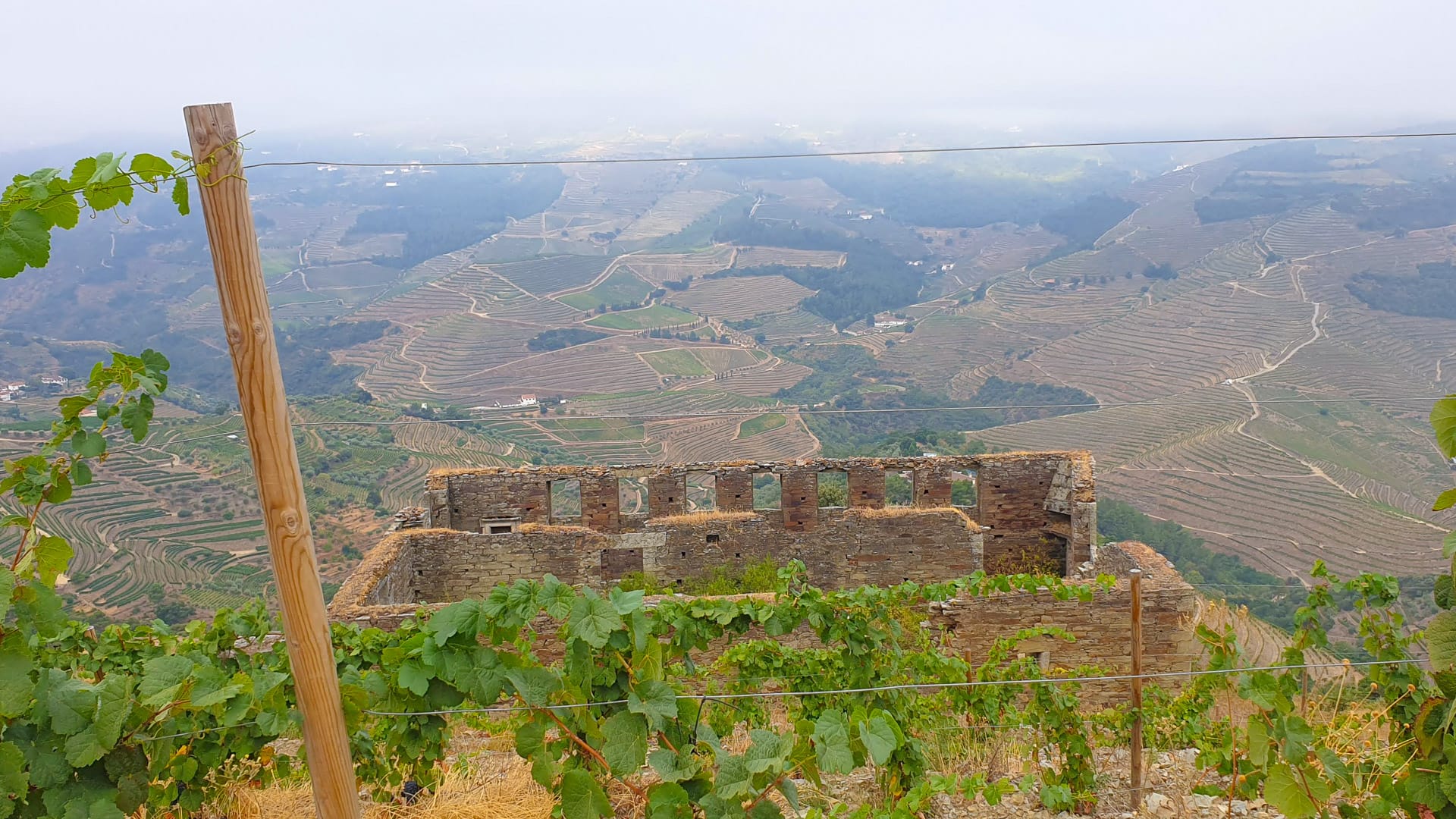
Misty view over the vineyards (photo credit: Top Bike Tours Portugal)
What are the best hotels and accommodation options for cyclists in the Douro Valley?
Remember to double-check bike storage arrangements (and any other services you need) before booking your accommodation as policies often change and they may charge for storage.
Peso da Régua
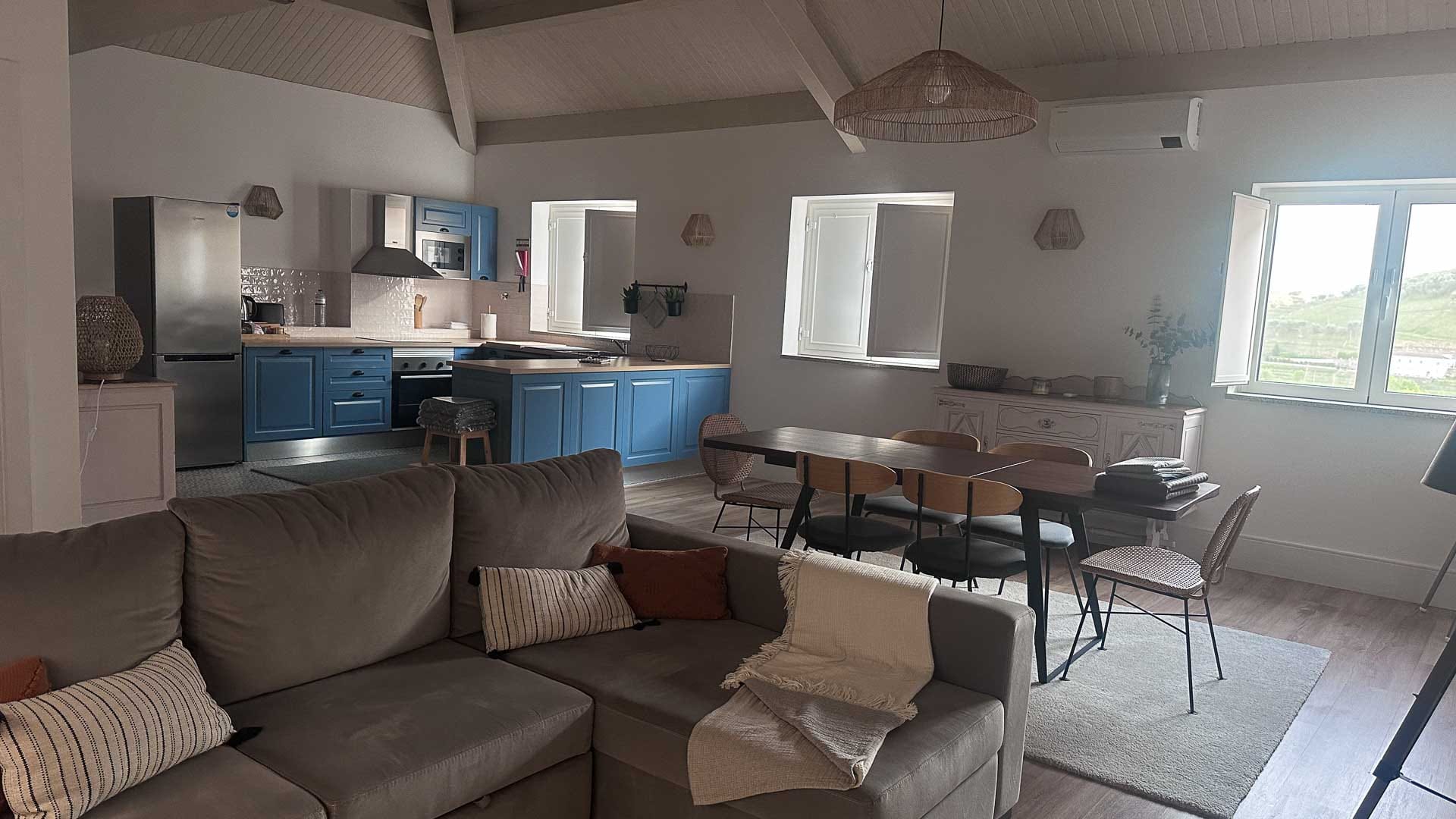
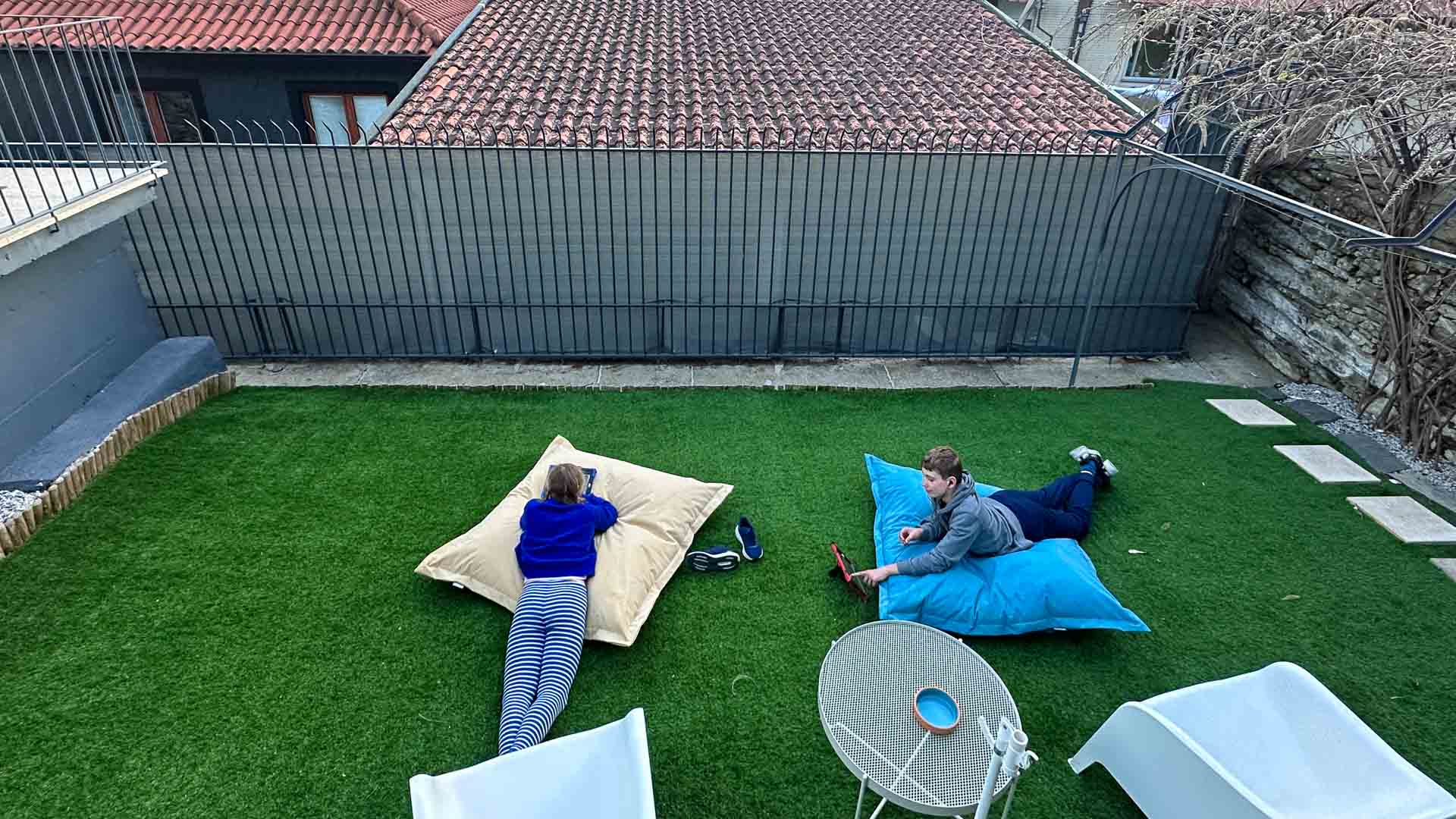
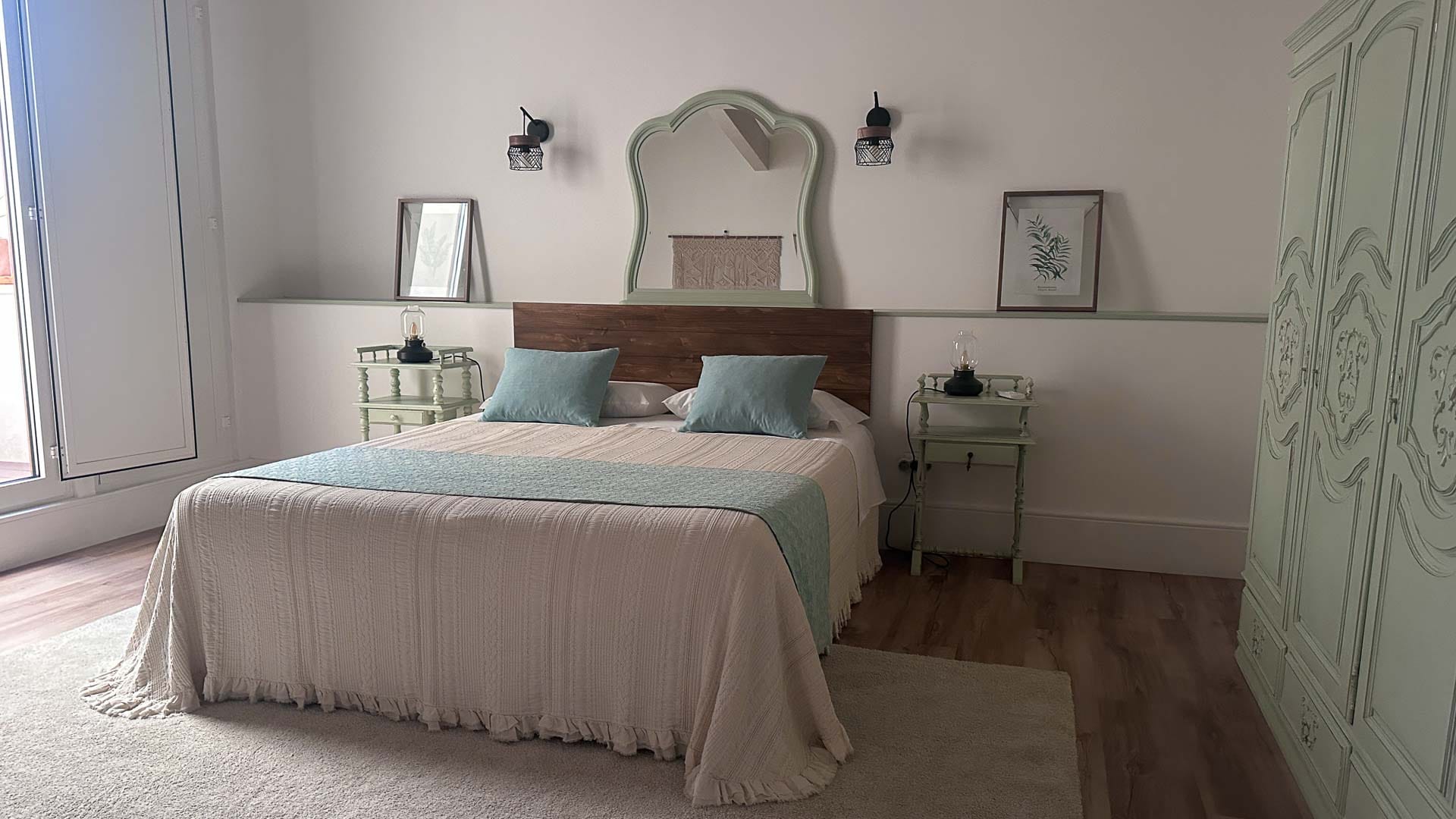
We stayed in one of the three self-catering apartments at the Feel Discovery Homes in Douro, which has a wonderful, central location in an old building in Peso da Régua.
Each apartment sleeps a maximum of six (including two on the soft bed), or you could take multiple apartments if you are a bigger group.
Things that were great
- Spacious duplex apartment, which was very quiet
- All three apartments have access to an upstairs terrace and small swimming pool, from where you can admire the sunset.
- High ceilings throughout the lower level make the apartment feel spacious.
- Excellent shutters ensure that not a chink of light disturbs your sleep!
- Tasteful decor, with pretty tiles in the kitchen and good quality fittings.
Things to be aware of
- There is a steep flight of stairs from road level up to the apartments; if you have an e-bike or can’t carry your bike for another reason, this might be an issue. However, there is a chair lift up the stairs; useful for you/your luggage!
- There’s no washing machine.
- If you have a car, note that the apartment is in the centre of the small town and there are parking restrictions. However, there’s a big, free car park within walking distance away.
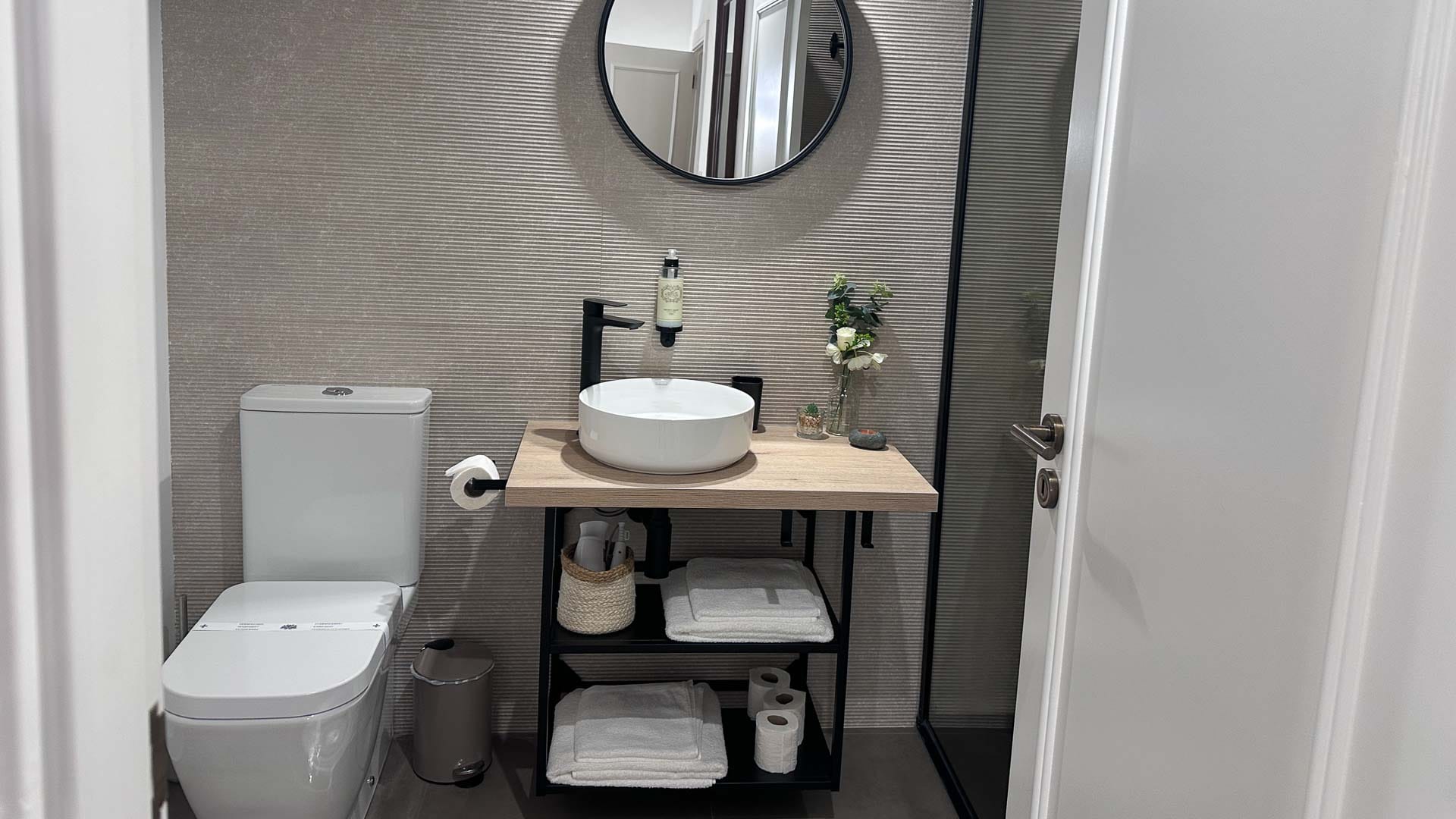
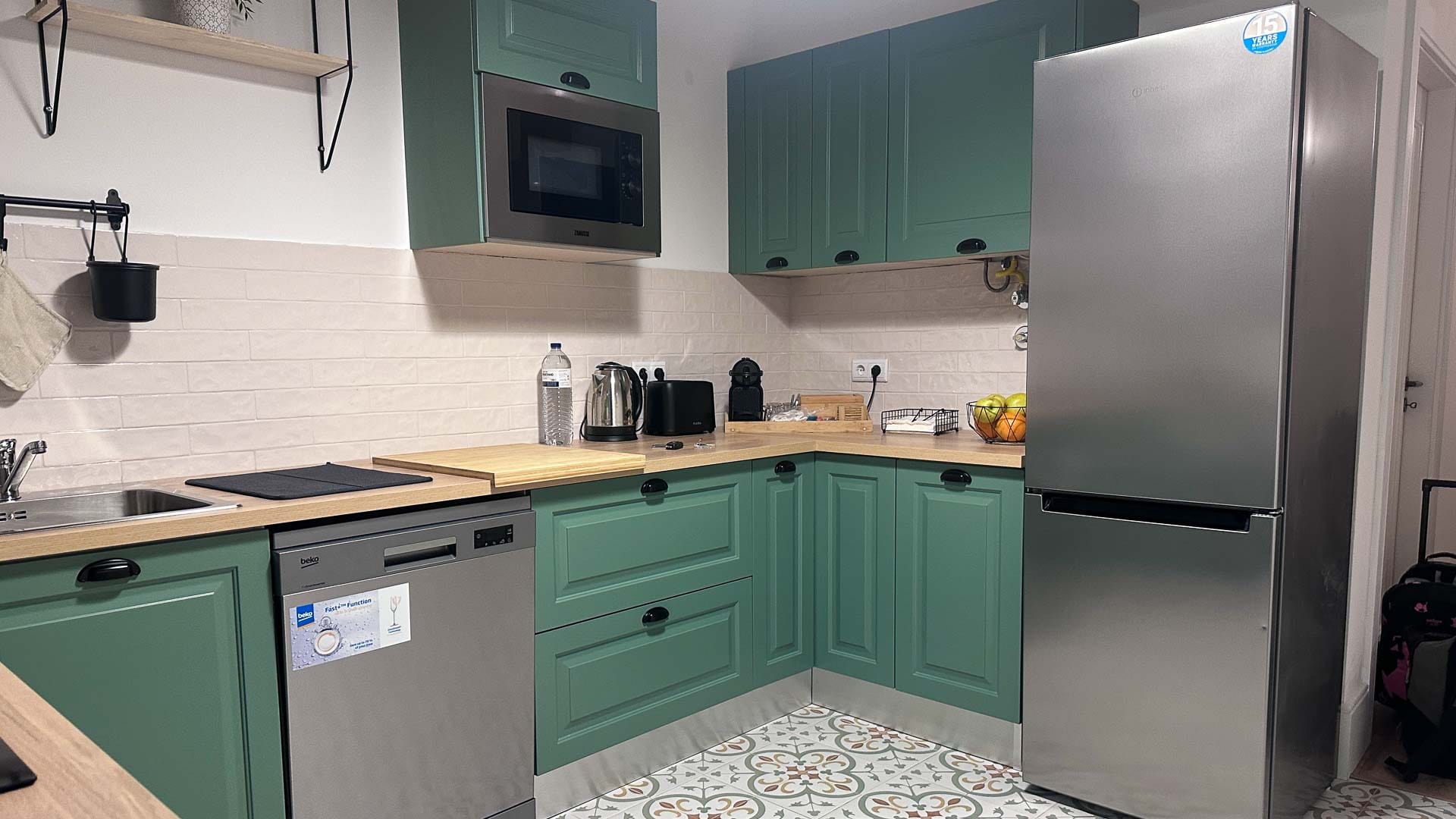
Other options
Here are some other options we considered:
Quinta do Vallado
This historic estate, dating back to 1716, combines traditional charm with modern amenities. It offers bike rentals and is situated near scenic cycling routes, making it convenient for riders looking to explore the valley.
Located just across the river in Lamego, this vineyard hotel provides a unique experience with its wine barrel accommodations. While primarily known for its wine tourism, its proximity to cycling routes makes it a suitable choice for cyclists seeking a blend of activity and relaxation.
Hotel Régua Douro
Situated in the heart of Peso da Régua, this hotel offers easy access to local cycling paths and amenities. Its central location makes it a practical choice for cyclists planning daily excursions in the region.
Top Bike Tours Portugal stay in a mixture of 3-4 * accommodation, ranging from comfortable, characterful farm stays to more modern hotels with spa facilities.
Top tip! Don’t forget to book ahead, especially in May and during harvest season in September.
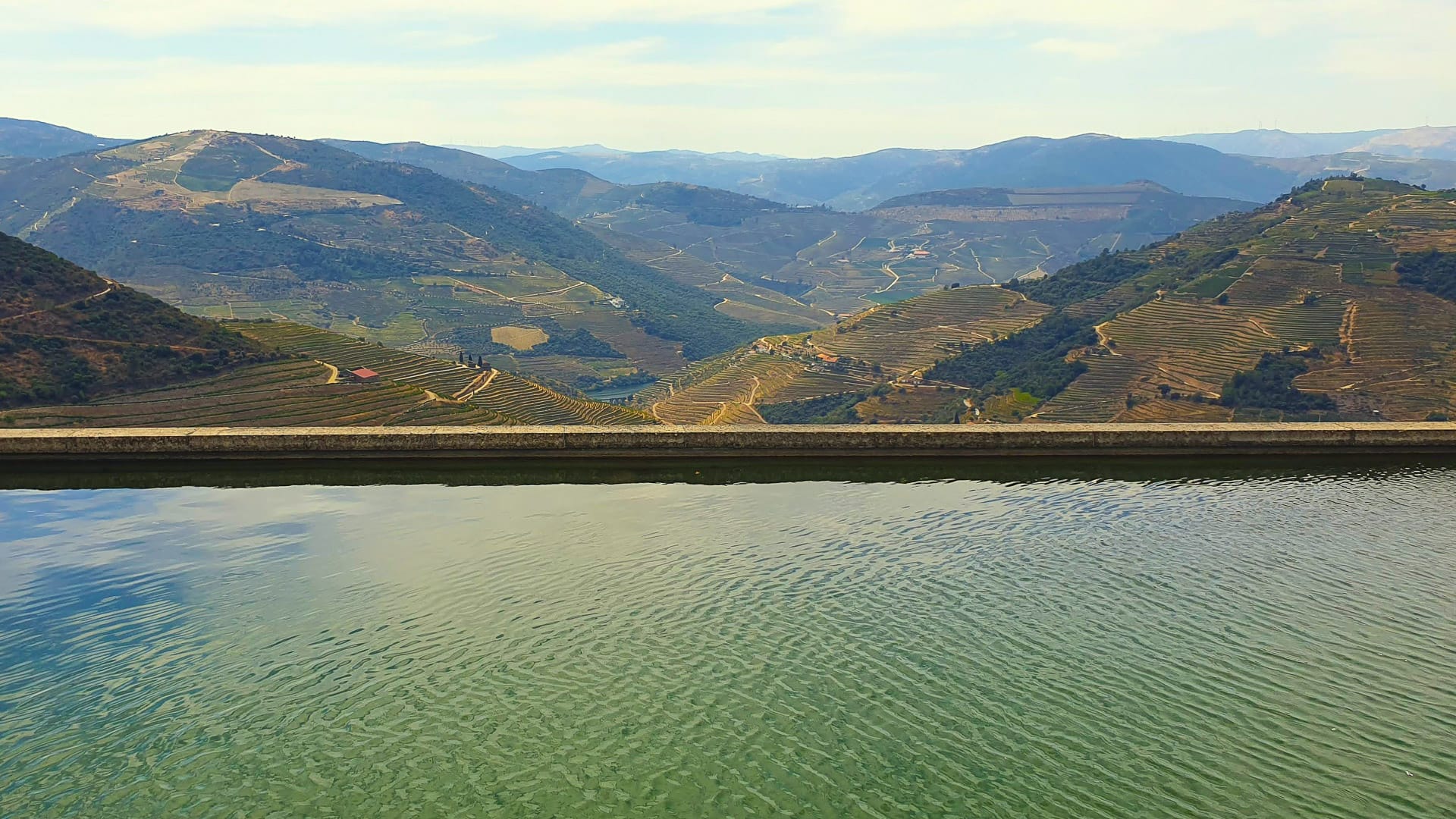
Rooftop pool overlooking the Douro Valley (photo credit: Top Bike Tours Portugal)
Are there places for bike hire/bike shops in the Douro Valley?
Prices, services and bike brands often change. Please let us know if anything is incorrect.
Tour companies offer cycling tours in the Douro Valley, but there’s less in the way of on-site bike shops/bike hire.
Options in/near Peso de Regua:
- Naturimont, Avenida da Galiza, Galerias Hotel Regua Douro, Loja 2, 5050-222 – Peso da Régua
- Douro Cycles, Edificio Barretos galerias, Av. de Ovar lt 5, , 5050-276 Peso da Régua
- Go On Bike – Rua Dr. José Mesquita 203, 5050-023 Fontelas – Peso da Régua (note that they are a few kilometres west of Peso da Regua)
Top Bike Tours Portugal includes hybrid bicycle hire as part of their bike tours in the Douro Valley. For an additional charge you can also hire e-bikes, carbon road bikes and gravel bikes.
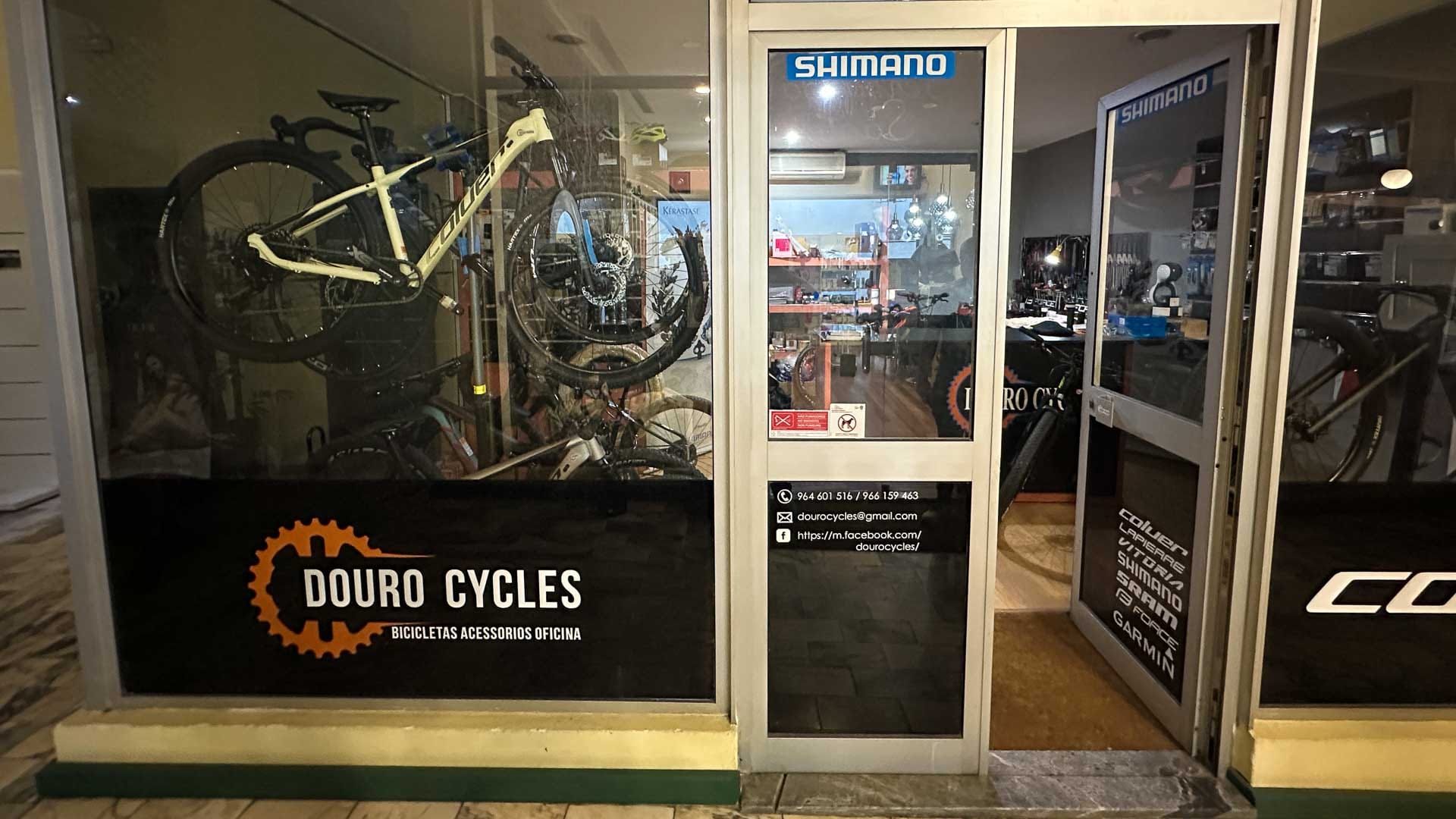
Douro Cycles bike shop exterior
How do you get to the Douro Valley?
Getting to the Douro Valley from Porto is relatively easy, and there are a few good options depending on your plans, budget, and whether you’re bringing a bike. The region is well connected from Porto Airport, which is typically the best option to fly into.
Top tip! If you’re heading to the Douro for cycling, Peso da Régua is one of the best-connected hubs. It has a train station, car rental options, hotels, and plenty of cycling routes nearby.
Pinhão is perhaps a touch more scenic and laid-back, with direct river access, wine estates, and quiet roads, but it’s slightly harder to reach by road from Porto as its further away. It also has fewer services.
By train: scenic, affordable, and bike-friendly
The most scenic and relaxing way to reach the Douro is by train. The Linha do Douro railway runs from Porto’s São Bento or Campanhã station to Peso da Régua, Pinhão, and as far as Pocinho, right along the river. It’s regularly voted one of Europe’s most beautiful train journeys (source).
Some things to be aware of:
- Duration: 2 to 3.5 hours, depending on the destination
- Cost: Around €10 to €15 one way
- Bike-friendly: You can take your bike on regional trains free of charge (you don’t need to book in advance, but try to avoid peak hours).
- The train runs several times daily, and the stretch from Régua to Pinhão is especially lovely, with the tracks hugging the river through vine-covered hills. It’s perfect for arriving rested and soaking in the scenery before your first ride.
By car: flexible and good for groups or bike transport
If you’re travelling with your own bike or in a group, hiring a car gives you total flexibility. The drive from Porto to Peso da Régua takes about 1.5 hours, mostly on the A4 and A24 motorways. From Porto to Pinhão, it’s closer to 2 hours, with the last section winding through beautiful, narrow roads.
A car is useful if you want to explore more remote climbs or transfer between different parts of the Douro. Just be aware that driving in the valley requires confidence – the roads can be narrow, steep, and winding, especially in the hills.
By guided transfer or tour
If you’re joining a cycling tour or wine experience, many companies offer pick up from Porto and transport directly to the Douro Valley. This is the easiest option if you want a no-stress arrival with luggage and bikes taken care of. Some cycling tour operators even offer bike delivery and route planning starting from your Douro accommodation.
Top Bike Tours Portugal includes transfers from Porto on their Douro Valley bike tours.
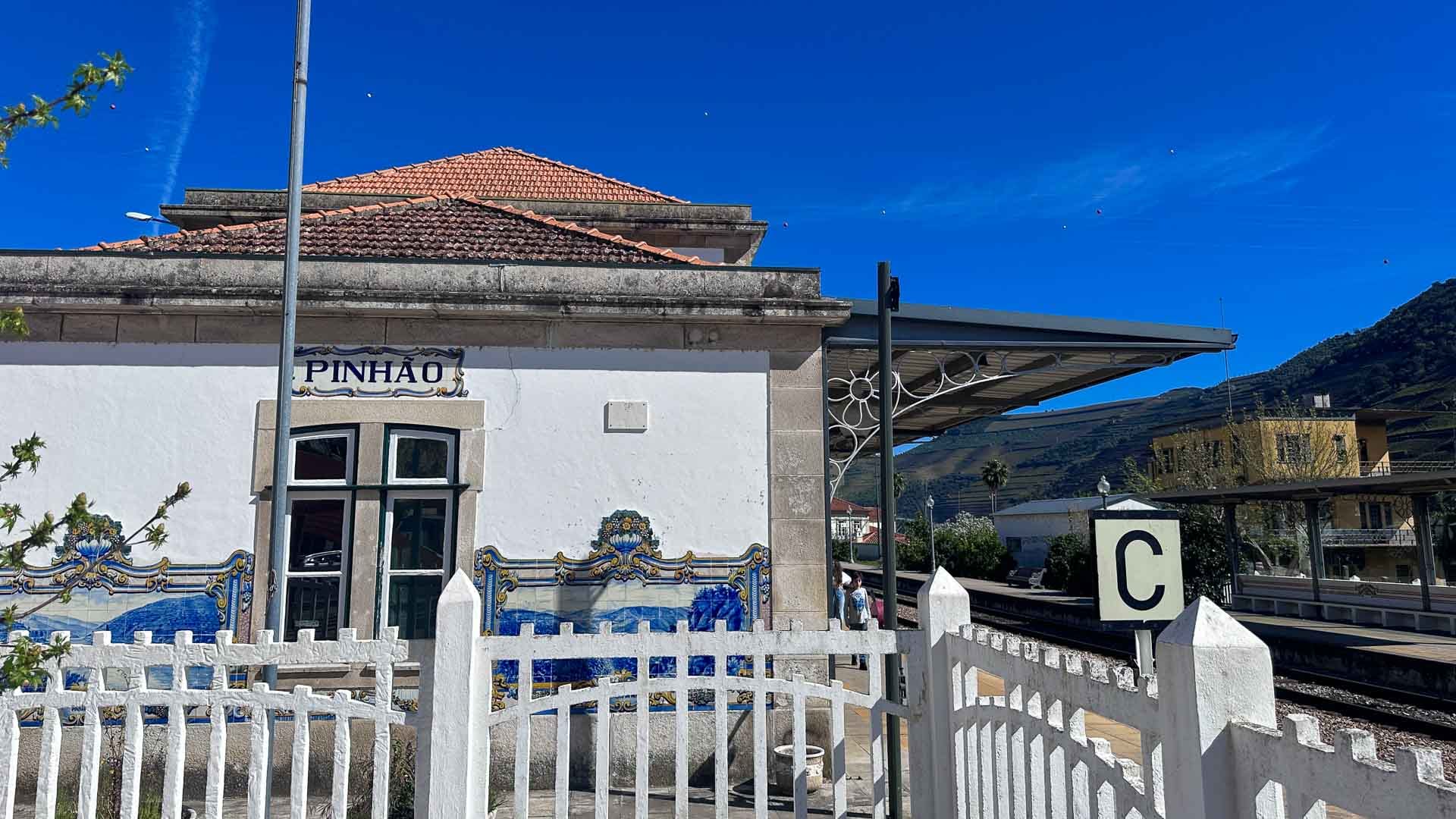
Pinhão Railway Station
Any highway code and travel information I should be aware of?
As ever, it’s a good idea to check current travel information before you book and travel. For UK visitors, the UK government travel information pages for Portugal are here.
You should also read and follow Portugal’s highway code.
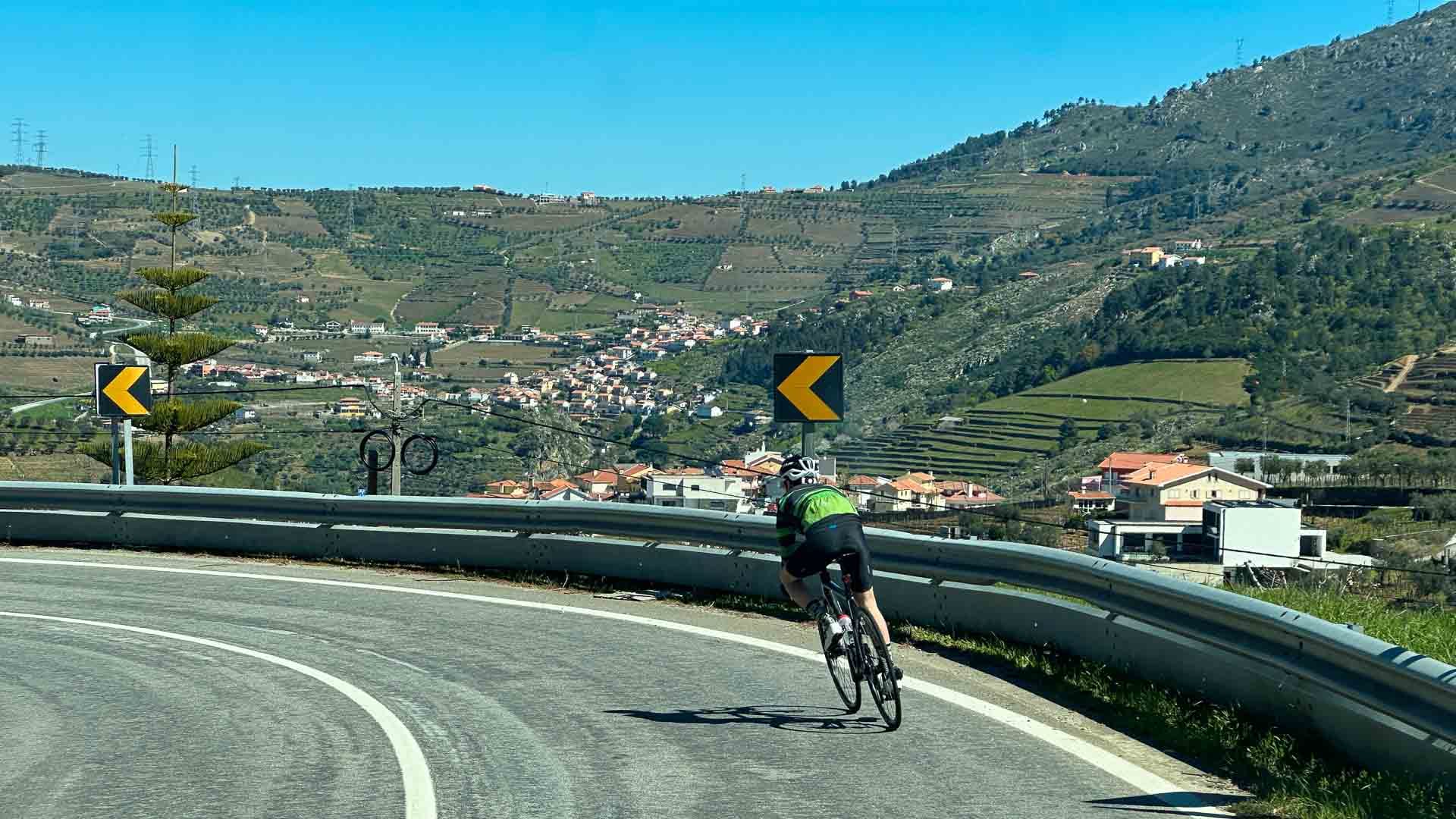
Cycling the N2 Loop
Part 5: What tips do you have for cycling the Douro Valley?
Is it also worth visiting Porto and the Viana region on a Douro Valley bike tour?
We cycled in the Douro Valley as part of a two-base week in northern Portugal. We spent four nights in the Viana region, a day in Porto (including a visit to the impressive Porto Cathedral) and then three nights in the Douro Valley.
What packing essentials do you need to bring?
Be aware! The terrain in the Douro Valley is demanding and often remote, so pack wisely. Bring a compact climbing gear setup (e.g. 34/32 or similar), as many climbs are long and steep. A well-maintained road bike is ideal.
Don’t miss our in-depth packing guide for more useful tips.
Is it easy to find food and water?
Sergio from Top Bike Tours Portugal says, “Outside main towns like Régua, Lamego or Pinhão, cafés and shops can be few and far between. Many villages look like they might have a café, only to be completely closed mid-week. Bring at least two water bottles, especially in warmer months, and a snack or two to keep your energy up between climbs.”
Especially at weekends, popular village restaurants can book up so you may need to reserve in advance (I found this to my cost!).
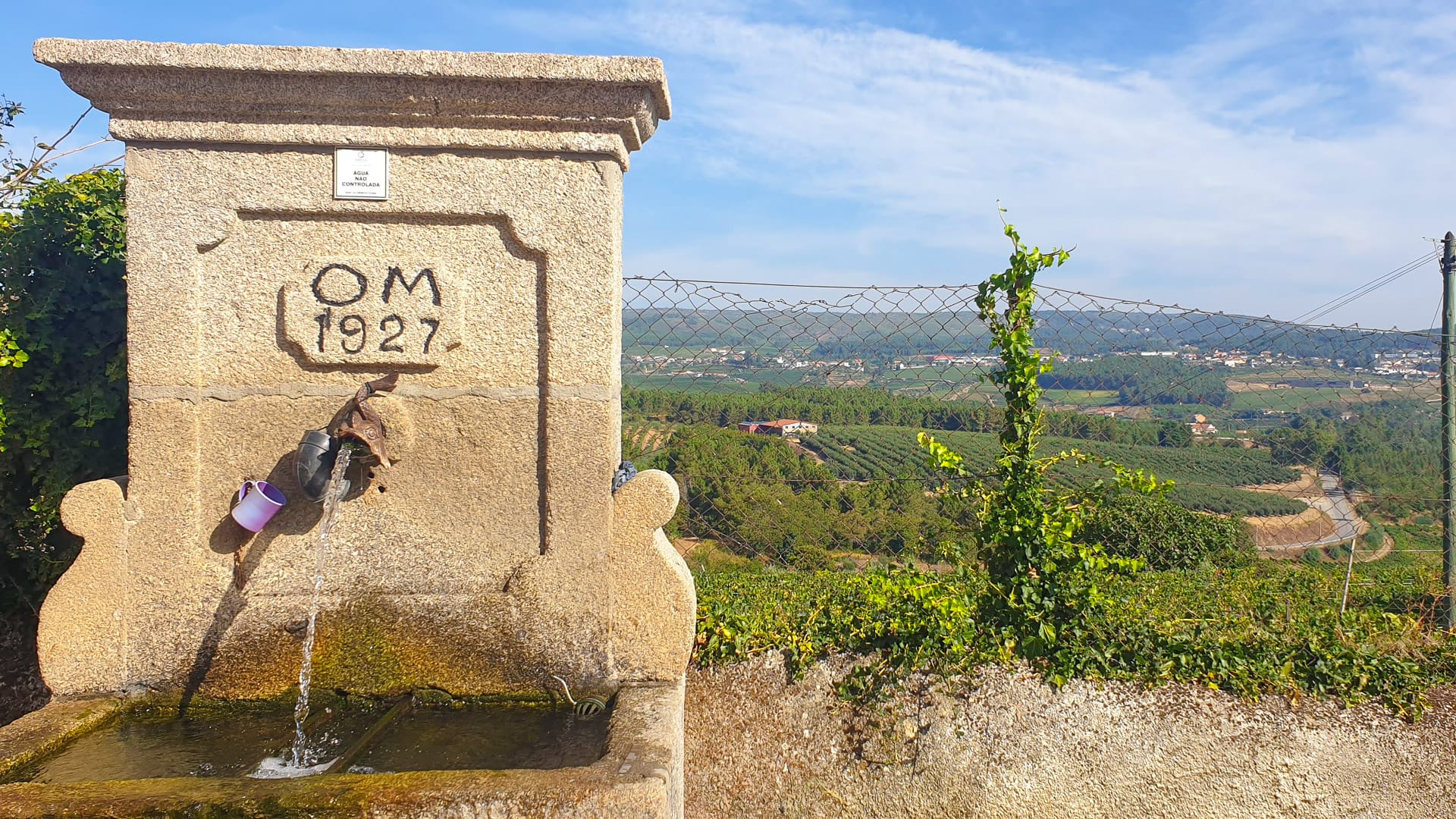
Free drinking water faucet (photo credit: Top Bike Tours Portugal)
What sort of weather can you expect?
The Douro sun gets fierce, particularly from early summer through to autumn. Temperatures can climb quickly, even in May and September.
At these times of year, start your rides early, ideally before 8:00 am, not just to avoid the midday sun but to enjoy the valley at its quietest. The soft morning light over the terraced vineyards is unforgettable, especially as mist lifts off the river.
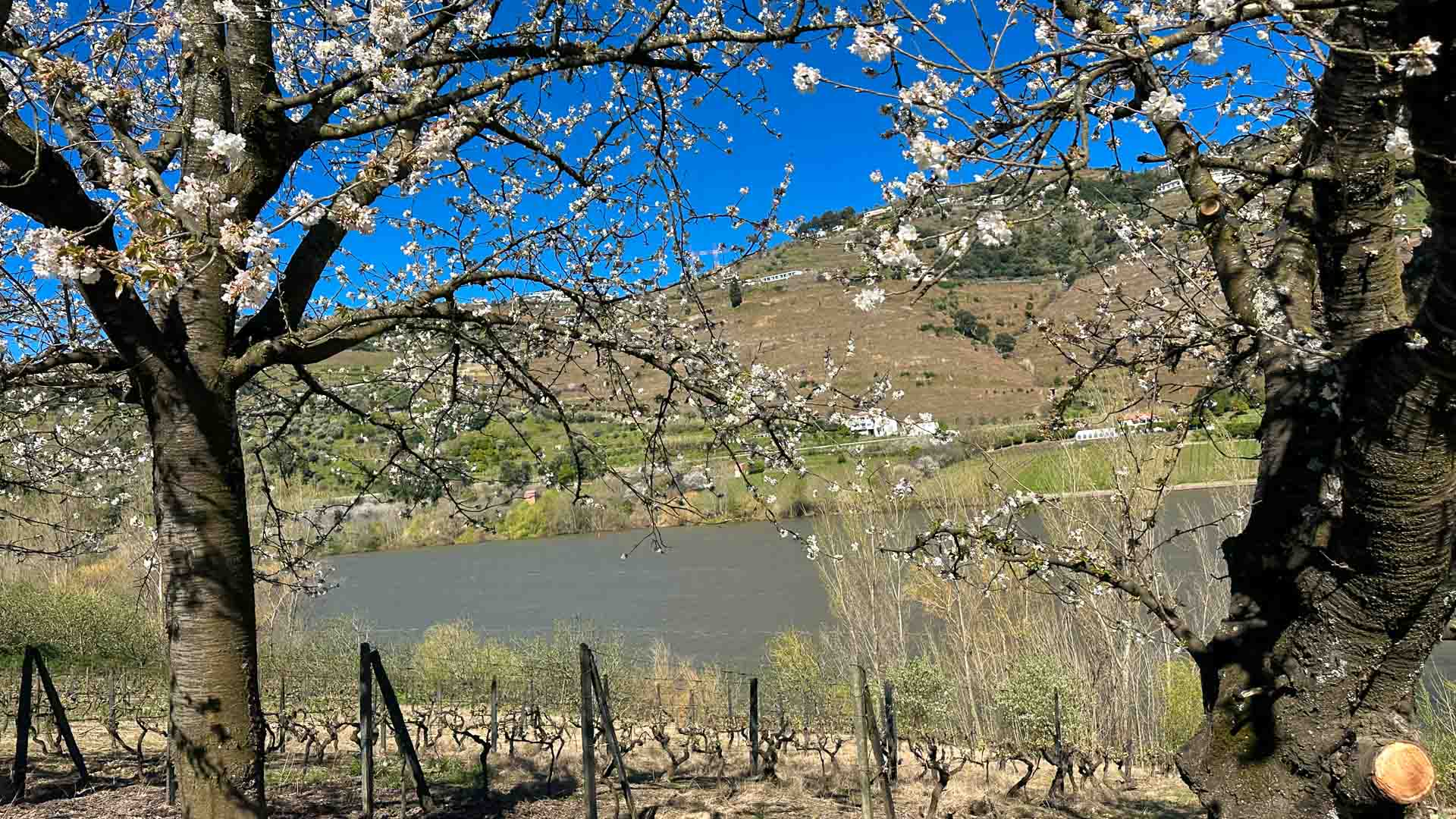
White flowers in full bloom
What food should you try in the Douro Valley?
The Douro has a rich culinary tradition that typically includes local and seasonal produce. Think slow-cooked stews, roasted goat, river fish, and hearty rice dishes. Try posta mirandesa (a thick beef steak, often grilled over fire), bacalhau à Brás (shredded salt cod with egg and onion), and arroz de pato (duck rice). Ask for local specialities, and don’t miss the sweet treats – Pastéis de nata (custard tarts) are a must!
Sergio from Top Bike Tours Portugal says, “Wine is central to life here: delicate Ports, Douro reds, and crisp whites like Rabigato and Viosinho are all worth tasting.” More on that below.
Meals are often long and social, especially lunch. Portions tend to be generous.
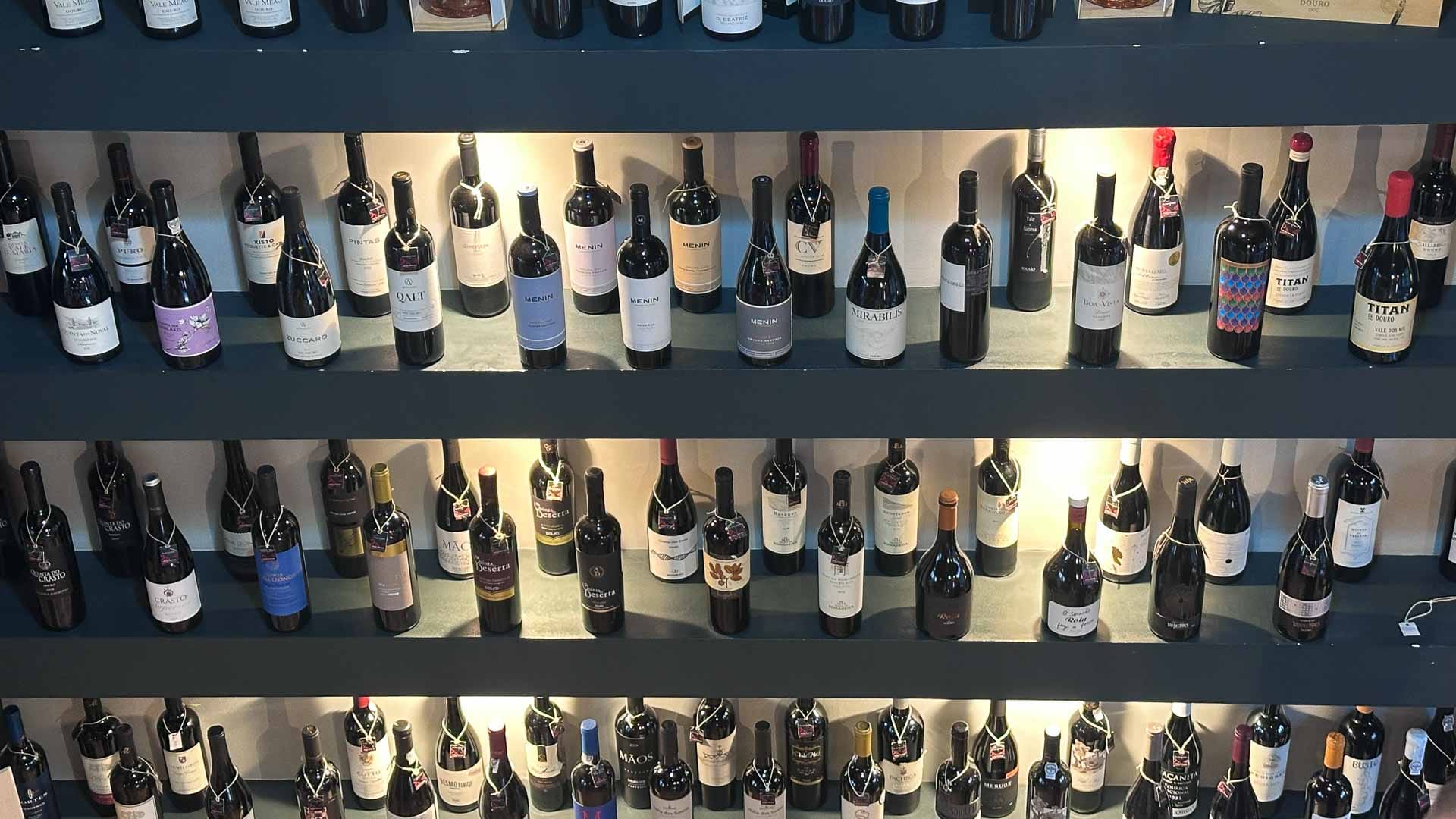
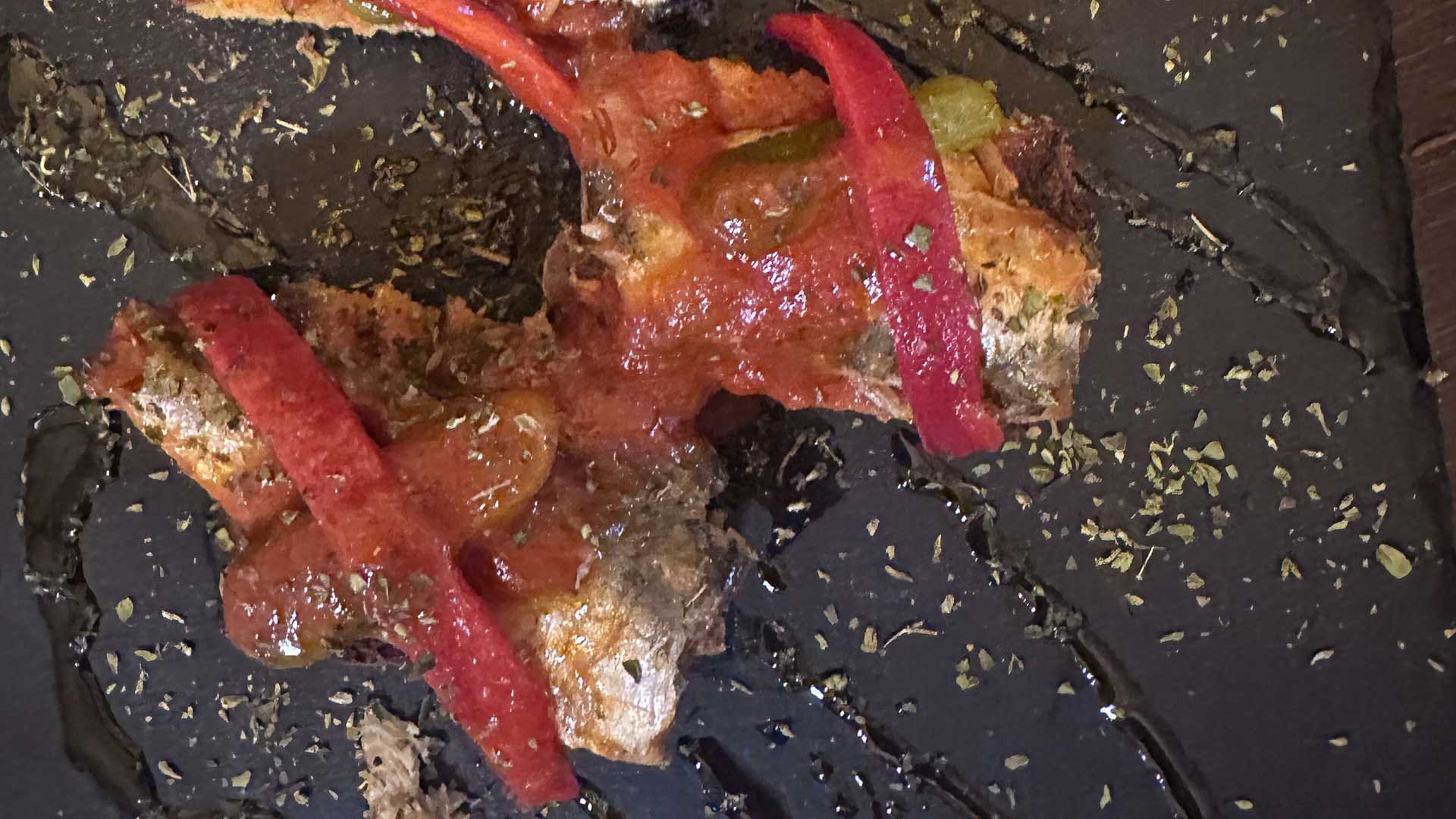
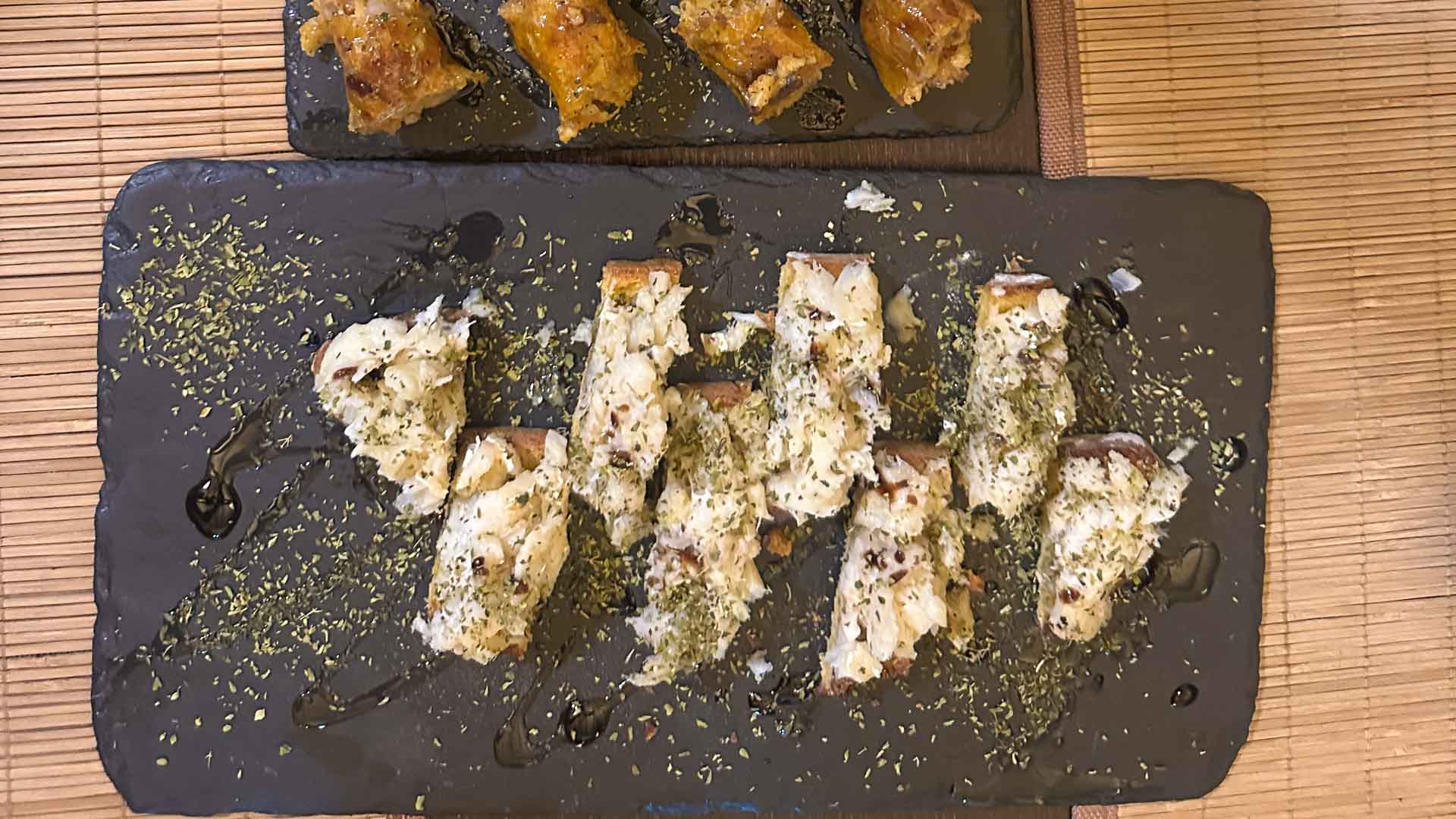
Should you visit a wine estate?
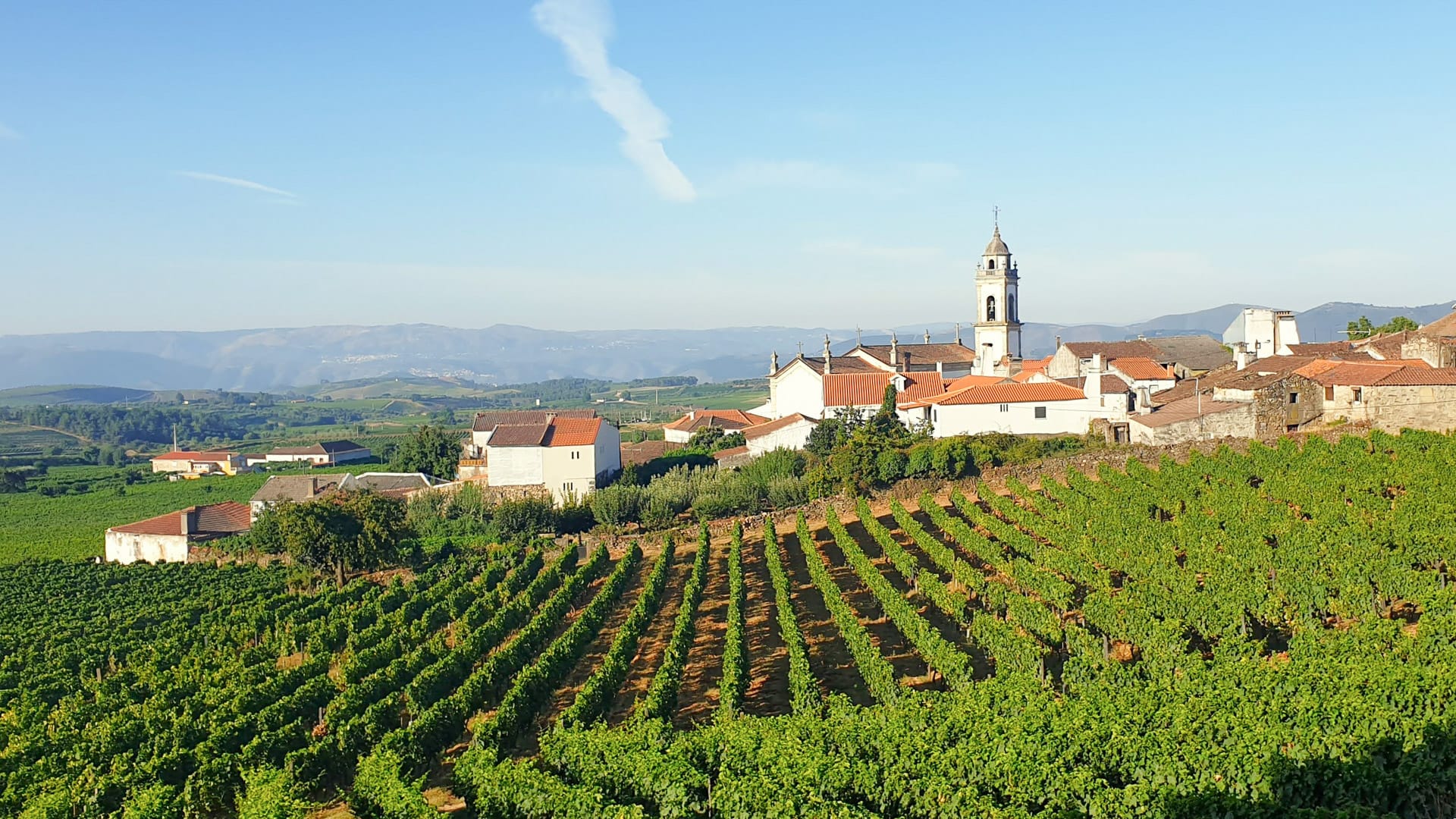
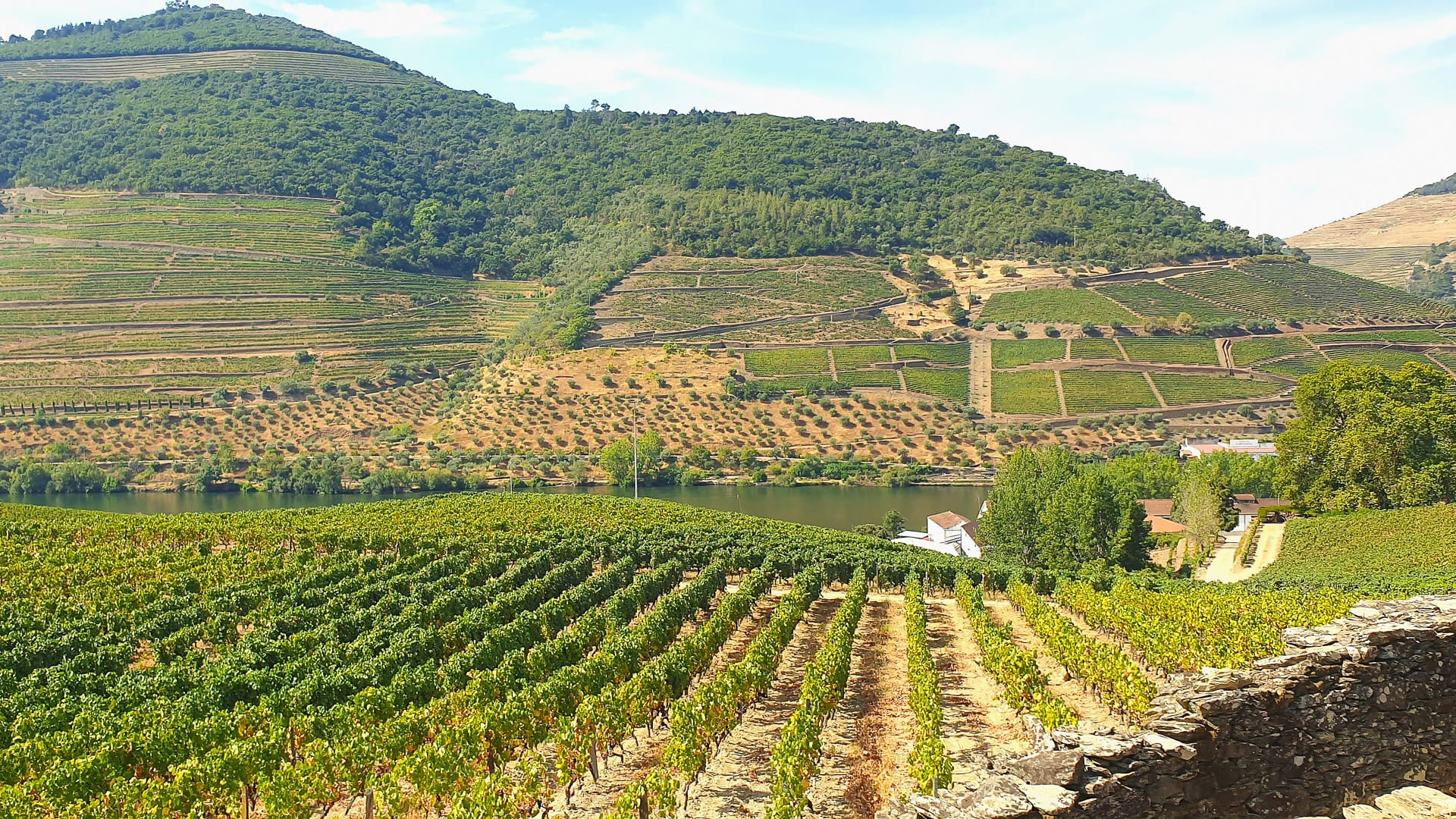
Many quintas offer wine tastings and vineyard tours, some even provide post-ride lunches or picnic options. Booking ahead is smart, especially at popular estates like Quinta do Bomfim or Quinta da Pacheca. A glass of chilled white Douro wine or Port, overlooking the very hills you’ve just conquered, is the perfect way to end the day.
Sergio from Top Bike Tours Portugal says “The Douro is one of the world’s only major grape-growing regions where the grapes are largely still harvested by hand.” The steep valley sides mean that modern machinery has been trickier for wine estates to adopt (source).
Top Bike Tours Portugal visits a wine estate on their Douro Wine bike tour. Find out more details on their Douro Wine Bike Tour webpage.
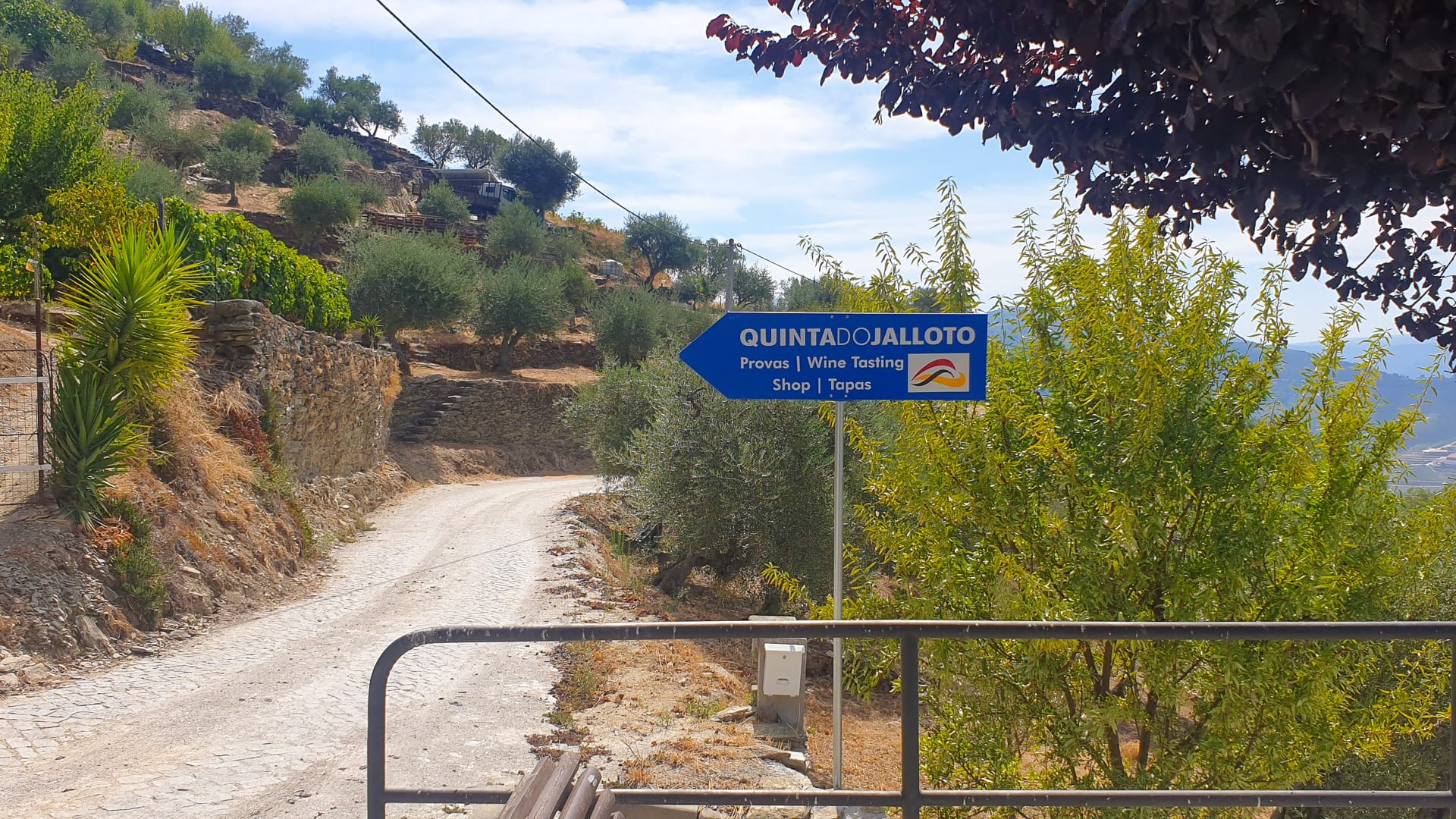
Do you need to bring cash?
While most hotels and larger restaurants take cards, many smaller cafés, wine estates and shops in rural villages still prefer cash. It’s wise to carry a bit of cash, especially if you’re venturing off the beaten track.
Do you need to speak the local language?
You don’t need to speak Portuguese fluently, but learning a few basics makes a big difference. Locals are friendly, but English isn’t widely spoken in small villages. Here are a few helpful phrases:
- Bom dia: Good morning
- Boa tarde: Good afternoon
- Por favor: Please
- Obrigado/a: Thank you (male/female speaker)
- Água, por favor: Water, please
- Pastel de nata: A yummy sweet tart that pairs perfectly with coffee
- Pode pagar com cartão?: Can I pay with card?
- Onde fica: Where is?
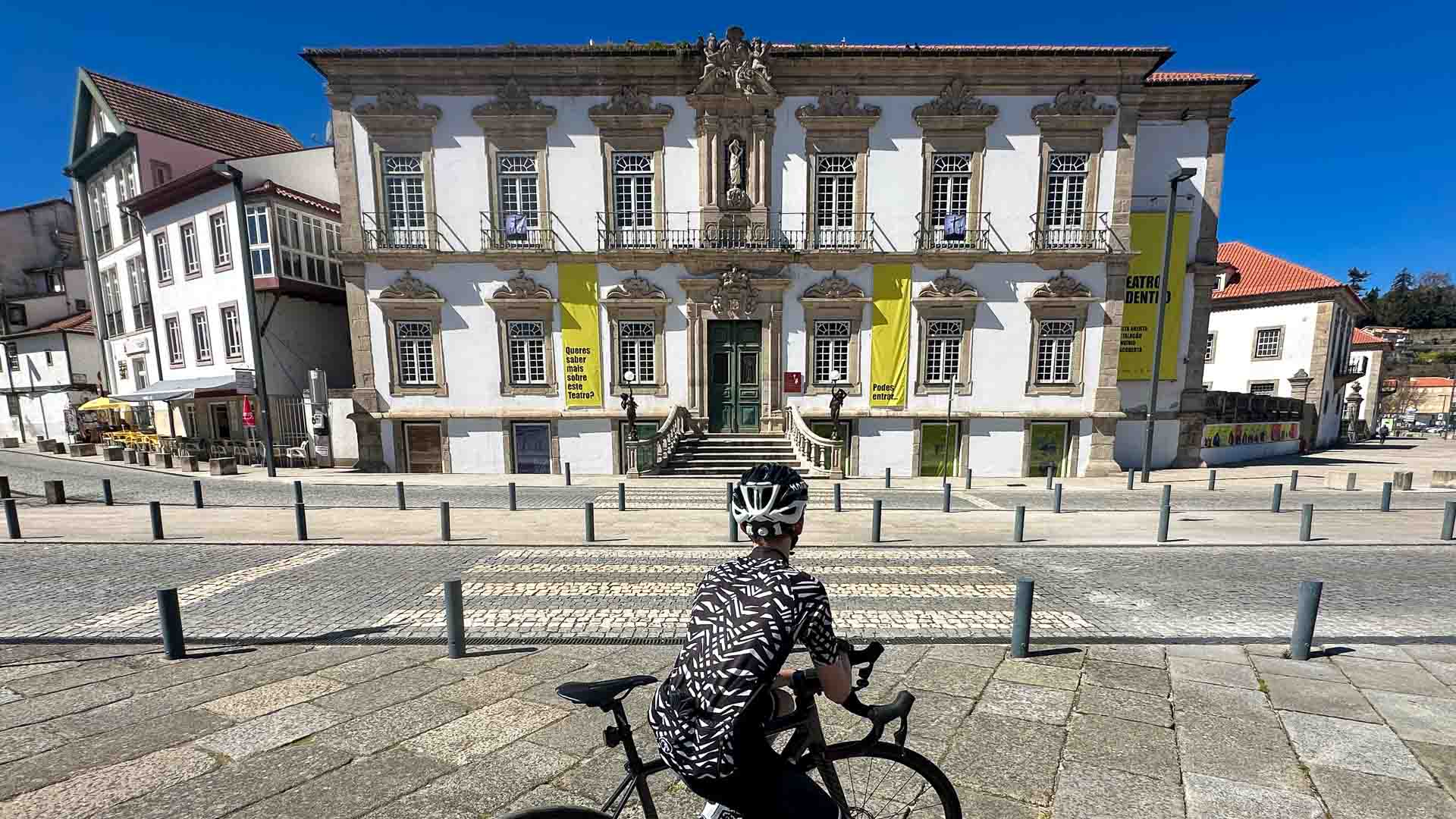
Historic theatre along the N2 route in the Douro Valley
Sponsor Message
Considering cycling in the Douro Valley?
Top Bike Tours Portugal has helped cyclists explore Portugal by bike since 2013.
Alongside bike tours in the Douro Valley, they also offer several self-guided and guided bike tours across Portugal, as well as other cycling holidays in Spain.
Head to their website to find out more.
Got a question for Sérgio Marques from Top Bike Tours Portugal?
Fill out this form and we will pass it to Top Bike Tours Portugal who aim to reply (within 24 hours wherever they can!)
Part 6: What do Top Bike Tours Portugal offer?
Top Bike Tours Portugal has operated cycling holidays in Portugal since 2017.
They offer two Douro Valley bike tours that take in this gorgeous wine region over seven days. Both are available as self-guided and guided cycling tours.
The self-guided tour includes airport transfers, hotel bookings with breakfast, bicycle rental, GPS with the route and an app with useful information, daily luggage transfer to the next hotel, and a transfer from the destination back to the starting point. This option allows you to ride at your own pace while they take care of all the logistics.
The guided tour includes everything provided in the self-guided tour, plus a professional guide and support van (minimum of 8 participants), water and snacks, transport for any dropouts, and organised group lunches and dinners. This option is ideal if you prefer a fully supported group experience.
Trás-os-Montes and Alto Douro Valley Bike Tour
Key statistics
270 kilometres
7,500 metres of elevation gain
Overview
Trás-os-Montes and Alto Douro stretches into northern Portugal, almost to the Spanish border, and the riding here is typically more challenging. Expect deeper valleys, longer climbs and a wilder, more remote feel, alongside the vineyard landscapes that define the heartland of Port and Douro wines.
More information
Interested in this Portugal bike tour? Head to the Top Bike Tours Portugal website for further details, including availability and price.
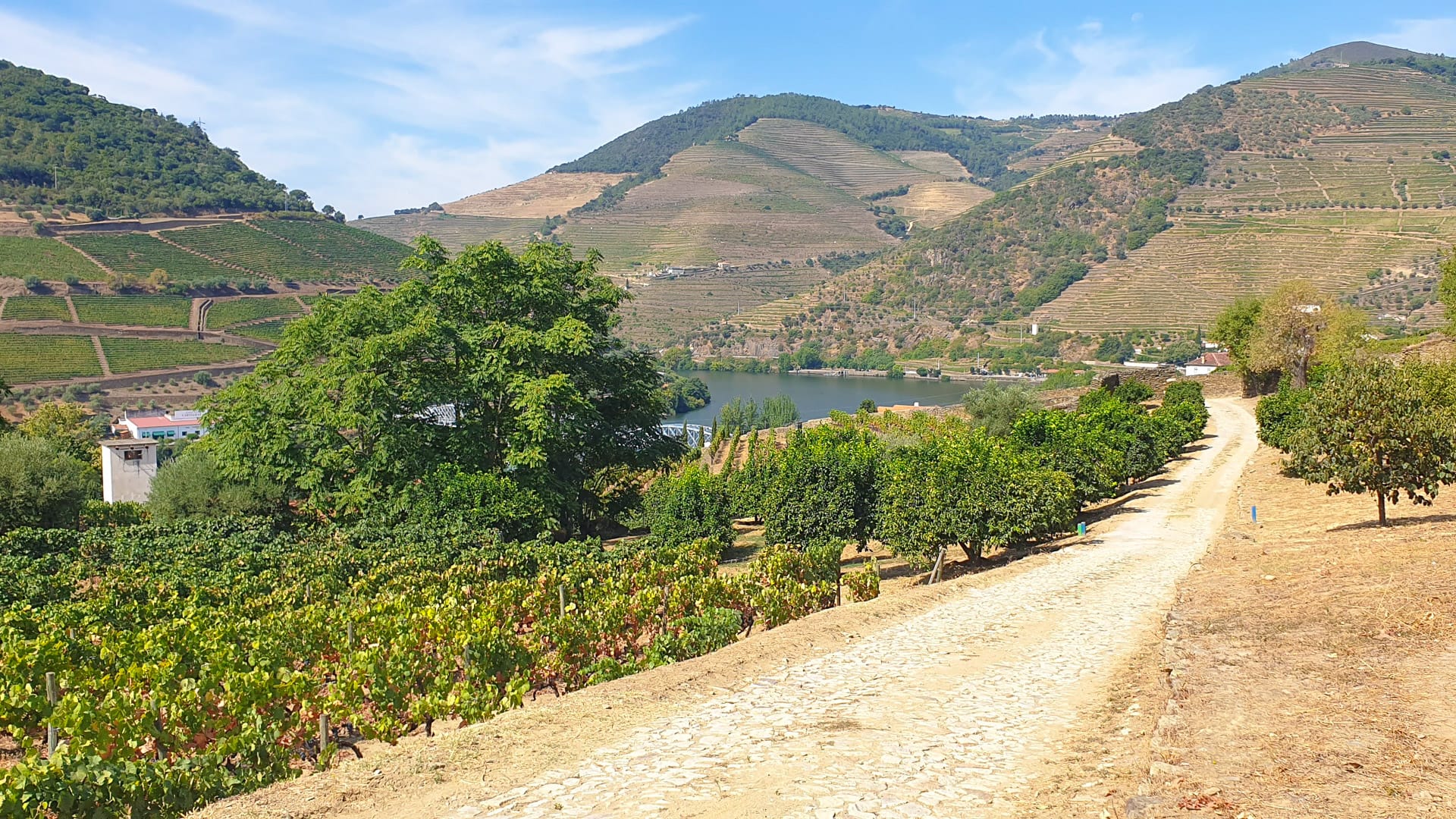
Gravel route by the Douro River (photo credit: Top Bike Tours Portugal)
Douro Wine Bike Tour
Key statistics
133 kilometres
1,895 metres of elevation gain
Overview
This gentler Douro Valley bike tour combines welcoming wine estates with rides through Douro vineyards and olive groves, plus a rest day to visit the Paleolithic rock art and museum in Vila Nova de Foz Côa. You’ll enjoy the iconic UNESCO scenery throughout!
More information
Interested in this Portugal bike tour? Head to the Top Bike Tours Portugal website for further details, including availability and price.”
What’s included in Top Bike Tours Portugal tours
- Handpicked accommodation (choose from three options: charm, superior or premium)
- Bike hire: premium hybrid bike or electric bike hire, as well as road bike hire.
- Daily luggage transfers between accommodation
- GPS navigation & mobile app with turn‑by‑turn routes
- Local experiences, such as wine tastings, cultural visits, and regional gastronomy
- 24/7 support from the professional team
- Personalised briefings before your ride
- Optional upgrades: premium bikes, extra nights, guided options, and more
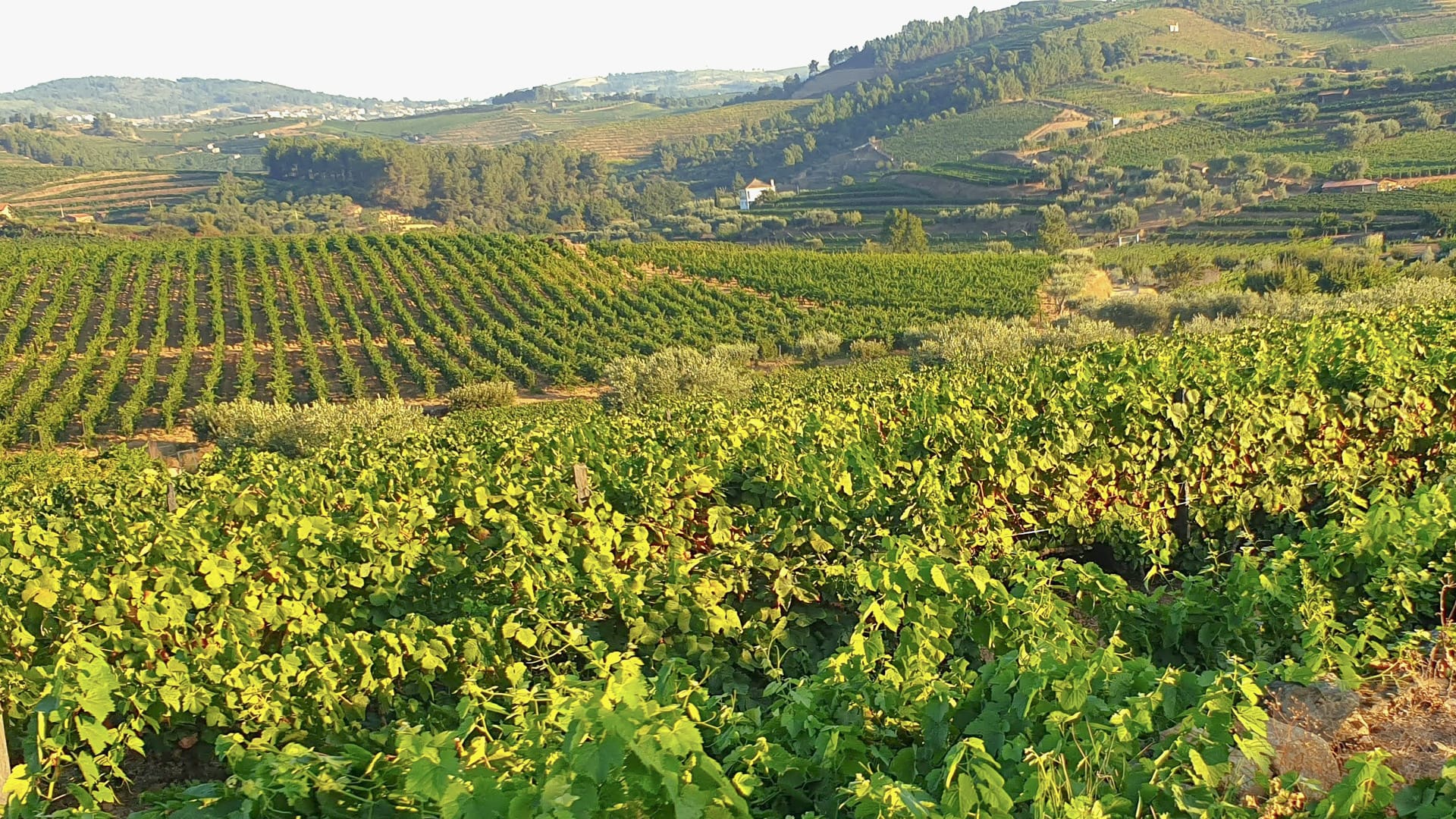
Beautiful vineyard landscape (photo credit: Top Bike Tours Portugal)
Local Portugal, seamlessly supported
Sergio from Top Bike Tours Portugal says “We pride ourselves on offering an experience that’s genuinely Portuguese, without the hassle of organising the details yourself. Our itineraries focus on real regional character, quiet rural villages, vineyard roads, coastal stretches, and UNESCO-listed highlights, paired with support to help make multi-day riding feel easy.
You ride at your own pace while the team handle the logistics, from luggage transfers to comfortable accommodation. We prioritise local cycling expertise via the route design: safe roads, standout viewpoints, and well-judged daily distances. We adapt each trip to suit you, tailoring mileage, kit and difficulty, whether you’re experienced or prefer a more relaxed ride.”
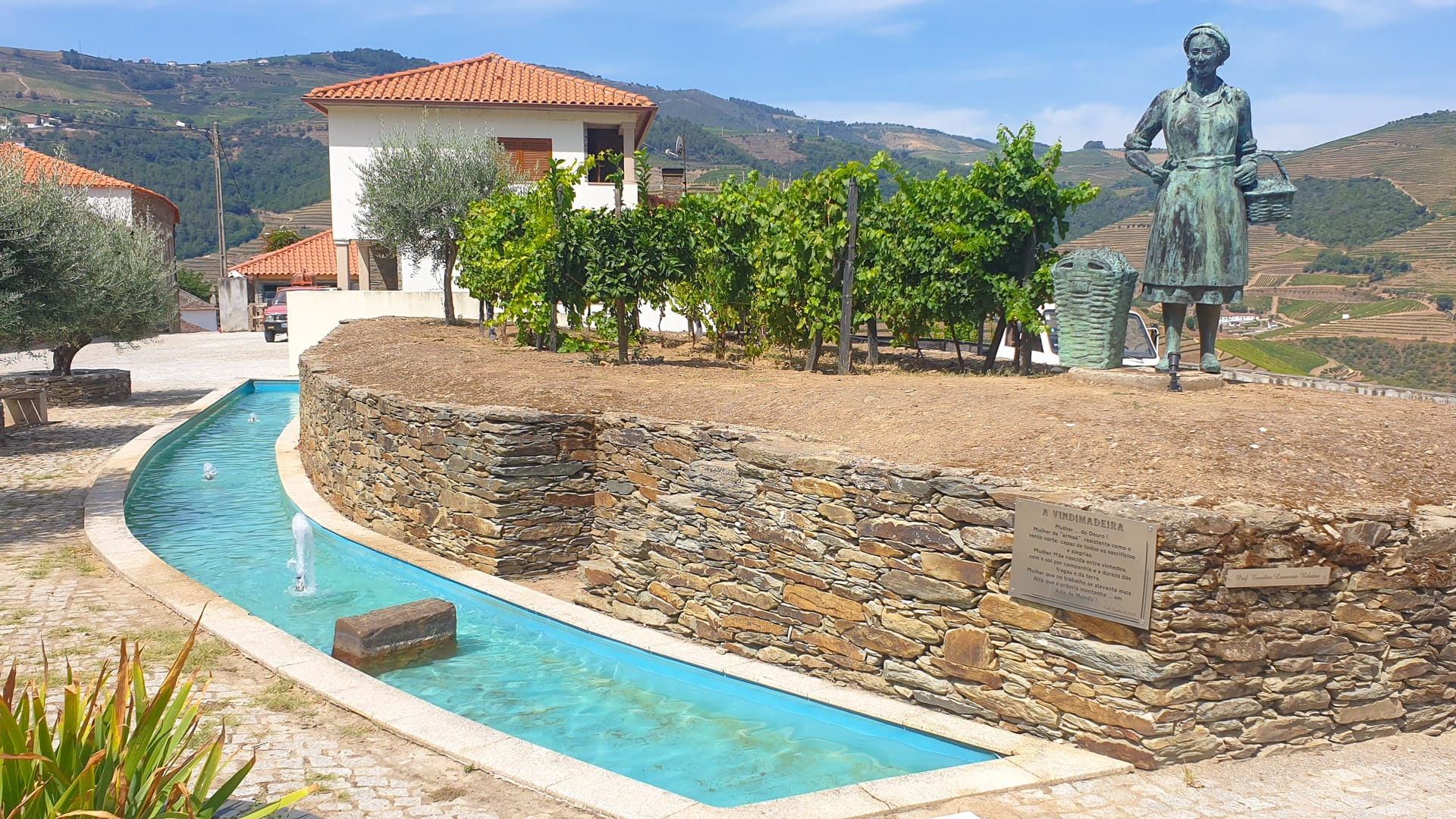
A statue celebrating the region’s rich vineyard heritage (photo credit: Top Bike Tours Portugal)
Where can you find out more information about Top Bike Tours Portugal?
Head to the website for more details and to see a full list of bike tours available in Portugal.
What’s next?
A huge thanks to Sergio Marques for sharing these practical tips on cycling in the Douro Valley.
Have you experienced Douro Valley cycling? Perhaps you have more Douro Valley cycling routes that aren’t featured above? We’d love to hear from you! Let us know in the comments below.
Looking for more inspiring Portugal cycling routes, rides and tips? Don’t miss:
- Cycling the Camino Portuguese, for an in-depth interview with Top Bike Tours Portugal
- Porto to Lisbon, for an in-depth interview with Top Bike Tours Portugal exploring the atlantic coast by bike
- Cycling Viana do Castelo region, for another great region to explore in northern Portugal
- Cycling Portugal: an overview, for our view of the best regions to consider
- Cycling tours in Portugal, for things to know before you book
- Best bike tours in Portugal, our pick of the best
- Off peak cycling in Portugal, for reasons to visit during the shoulder seasons
- Cycling Lisbon to Porto: the Altantic coast of Portugal, Serra da Estrela + more
Got a question for Sérgio and Clare?
Fill out this form and we will send it to Sérgio and Clare. We aim to get you an answer within 24 hours where possible!Sérgio Marques is the founder of Top Bike Tours Portugal.
He has a background in accounting and a lifelong love of sport, including a particular passion for cycling. The idea for the company came after a life-changing ride with friends to Santiago de Compostela in 2012. From that journey, Top Bike Tours Portugal was born. Sérgio's aim was to share authentic cycling experiences.
Today, Sérgio manages the business and occasionally leads tours himself, especially for larger groups. He speaks Portuguese and English.
Clare Dewey is a cyclist with a passion for travel. She set up epicroadrides.com in 2018 to help make it easy for cyclists to explore the world by bike. Today her mission is still inspiring cyclists to discover new places on two wheels - and doing what she can to make sure they have the best possible time while they're there. Clare has visited 50+ destinations around the world, many of them by bike.
Want to connect with Clare? Find her over on LinkedIn.
First Published: 13 March 2026
This article includes details of products and/or services that we have used ourselves or which we would consider using. Some are paid features or include affiliate links or referral codes which we may earn commission from. As an Amazon Associate we earn from qualifying purchases. Please read our disclosure policy for further information.
The contents of this website are provided for general information purposes only. It is not intended to amount to advice and you should not rely on it. You should carry out your own due diligence and risk assessments and take professional advice. Views expressed by interviewees or other users of this website do not necessarily represent our views. We make no representations, warranties or guarantees, whether express or implied, that the content on our website is accurate, complete or up to date. If you use any information or content on this website, download from, or otherwise obtain content or services through our website, it is entirely at your own discretion and risk. Epic Road Rides Ltd disclaims all liability and responsibility arising from any reliance placed on the information and content on this website. Find out more here.
Sponsor Message
Considering cycling in the Douro Valley?
Top Bike Tours Portugal has helped cyclists explore Portugal by bike since 2013.
Alongside bike tours in the Douro Valley, they also offer several self-guided and guided bike tours across Portugal, as well as other cycling holidays in Spain.
Head to their website to find out more.
Got a question for Sérgio Marques from Top Bike Tours Portugal?
Fill out this form and we will pass it to Top Bike Tours Portugal who aim to reply (within 24 hours wherever they can!)