
January in the Northern Hemisphere is a cold, hard month for many.
But if you’re willing to travel, there are some exciting options for cycling holidays in January; the best places to go cycling in January are perfect for some warm-weather training, letting you start the year in style as you seek out new destinations and get some serious mileage in your legs.
The team at Epic Road Rides loves kicking off the year abroad, and we’ve been fortunate to ride in several of the countries featured here. These destinations offer reliably good weather, quieter roads and big-ride potential at a time when much of the Northern Hemisphere is still deep in winter.
Whether you’re testing yourself on Gran Canaria’s volcanic climbs and sunny coastlines or exploring Patagonia’s wild frontier landscapes, January cycling holidays open the door to some of the world’s most inspiring cycling routes. They’re also ideal for anyone joining a cycling event later in the year, as they provide ample uninterrupted training time to prepare.
Want to escape the cold and chase a fresh adventure to launch your year? These are the places that shine brightest in January.

Clare Dewey is a cyclist with a passion for travel. She set up epicroadrides.com in 2018 to help make it easy for cyclists to explore the world by bike. Today her mission is still inspiring cyclists to discover new places on two wheels - and doing what she can to make sure they have the best possible time while they're there. Clare has visited 50+ destinations around the world, many of them by bike.
Want to connect with Clare? Find her over on LinkedIn.
Always check current travel information and advice. For visitors from the UK, the UK government travel information pages are here.
1. Gran Canaria
Best for warm winter sun, big mountain climbs and some of Europe’s most reliable January cycling conditions.
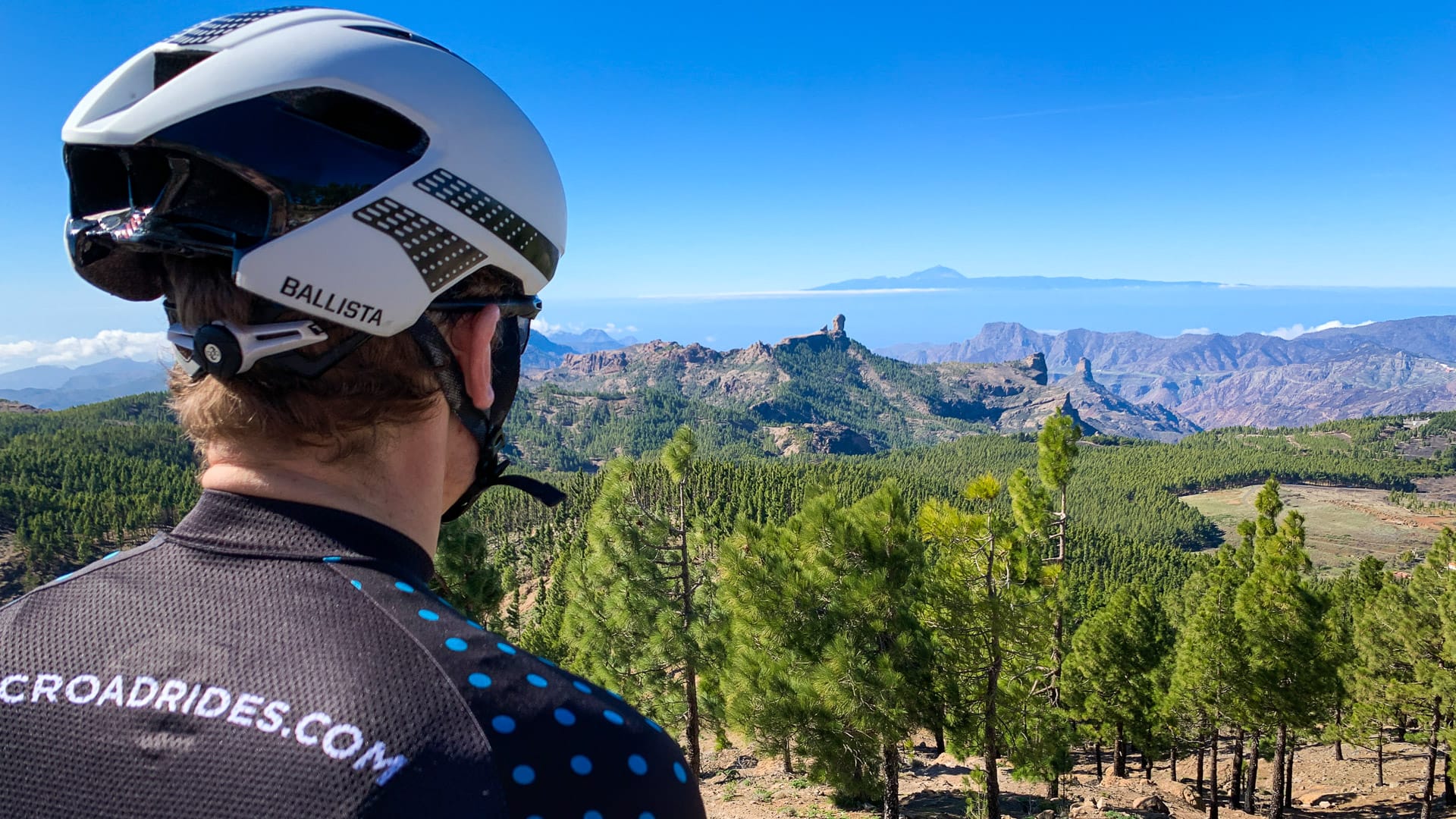
Admiring the epic views of Gran Canaria
Why cycle in January
Gran Canaria is one of Europe’s most reliable winter-sun destinations, and cycling holidays in January are popular here. Daytime temperatures in the south of the island typically sit between 18 and 23°C, with long, bright days, lighter winds and very little rain. It’s warm enough for summer kit, yet cool enough for long climbing days deep into the mountains.
The riding is spectacular and varied. January brings clear air and big visibility across the island’s volcanic interior, from the twisting GC-60 and GC-65 climbs to the pine forests around Ayacata and the huge views from Pico de las Nieves. Traffic is generally quieter inland, and compared with Tenerife, you’ll meet fewer bunches and less commercial bustle.
January is also a great month for structured training. The smooth lower-altitude roads are ideal for intervals, while the famous Valley of the Tears, the Serenity climb and the long ascent to Pico de las Nieves all offer serious opportunities for climbing. Gran Canaria is particularly well-suited to riders focusing on early-season endurance training, thanks to its long, steady gradients. With reliable conditions and a strong rental scene centred on Maspalomas, January is one of the very best times to explore the island on two wheels.
Other times to consider
Gran Canaria is rideable year-round, but October to April is the sweet spot, when temperatures are mild, and the mountains stay accessible. February and March bring similar conditions to January, though the summit of Pico de las Nieves can feel cooler.
Spring (April–May) is warm and settled, ideal if you want quieter resorts. Summer is hot on the coast and intense inland, so early starts are essential. Autumn (September–October) offers warm seas, long days and calm weather – another excellent window for a cycling holiday.
More information
- Cycling Gran Canaria: your ultimate guide for cycling routes, climbs, tips and everything you need to plan a January cycling trip.
- Where to stay in Gran Canaria (for cycling) to help you choose the best base for tackling the island’s major climbs.
- Valley of the Tears for a detailed guide to one of Europe’s toughest – and most spectacular – climbs.
- Cycling the Canary Islands to compare Gran Canaria with Tenerife, Lanzarote and the wider archipelago.
2. Patagonia, Chile
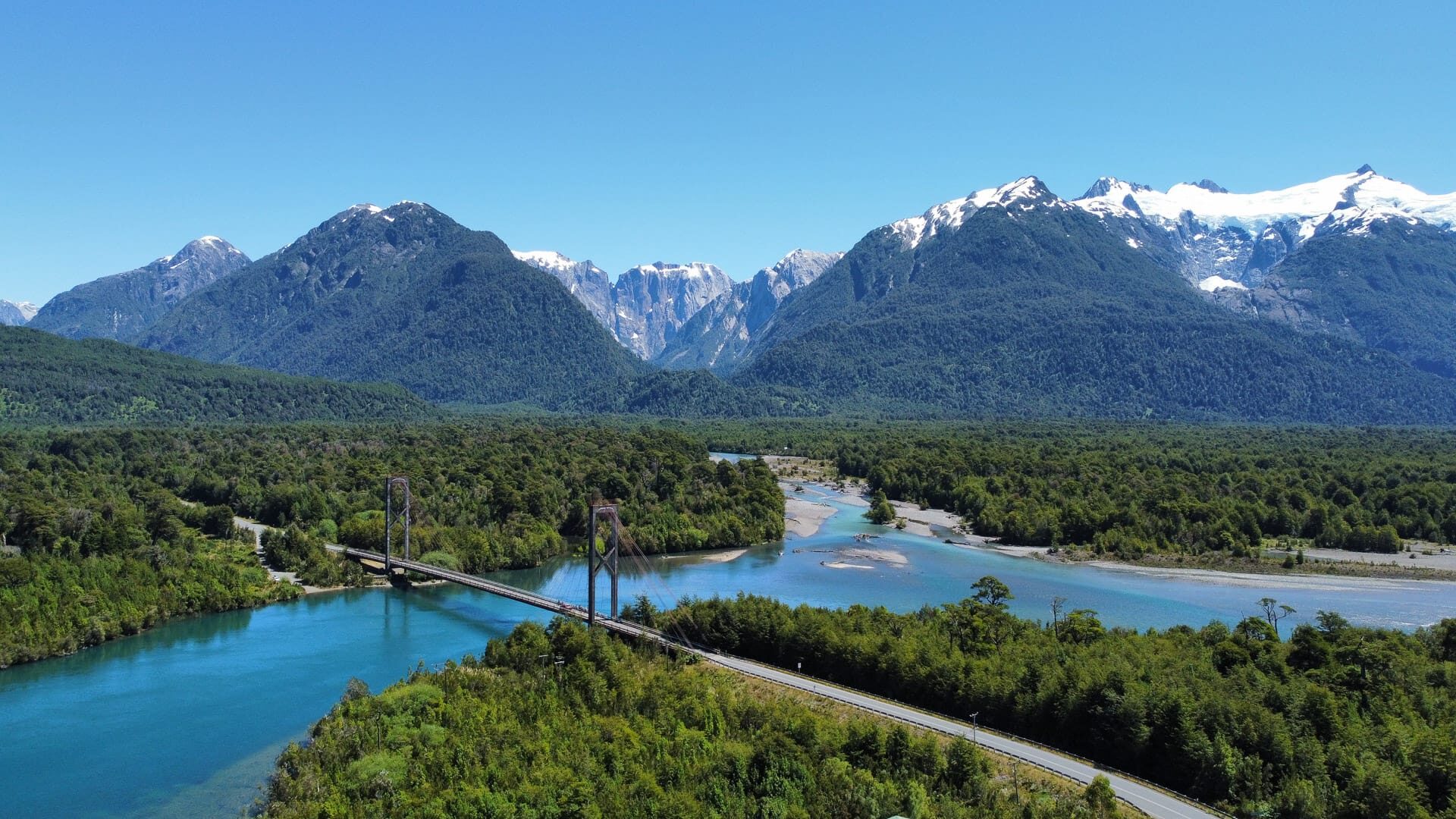
Best for wild landscapes and long, adventurous days on the Carretera Austral.

Heading towards General Carrera Lake (photo credit: Claudia Huepe via Cycloaustral)
Why cycle in January
If you want a real January cycling challenge, then Patagonia’s Carretera Austral is one to consider, as this is when it’s at its most rideable. Summer is in full swing, bringing longer days, milder temperatures and the most stable weather window you’ll find in this region.
While Patagonia never guarantees blue skies, January offers your best chance of avoiding the heavy rain, snow and strong winds that define the shoulder seasons. The forests are lush, the lakes glow deep turquoise, and national parks feel vibrant and full of life.
It’s also when the ferries tend to run reliably, more guesthouses stay open, and towns have enough services to support long days on the road. The route still feels remote and adventurous, but January adds a level of comfort and predictability, especially across the wild southern sections. It’s perfect for cyclists who prefer cycle routes that feel both epic and untouched.
Other times to consider
The wider riding season runs from October to March. October and November feel fresher and more unpredictable, but are quieter and beautifully green. February is similar to January but slightly busier around popular hubs.
March is a lovely alternative with cooler, calmer days and golden colours, though daylight is shorter and some services begin to close. Outside these months, winter conditions make much of the route unsafe or inaccessible.
More information
- Guide to cycling the Carretera Austral in Patagonia for a deep dive into this iconic route’s terrain, logistics and highlights.
- Cycling in Chile: the inside guide for a wider look at Chile’s landscapes, regions and riding conditions.
- How to plan a Chile cycling tour for practical advice on timing, route options and preparing for a Chilean adventure.
- Trans Andean for another inspiring long-distance cycling route in South America that takes place in January.
3. Ethiopia
Best for high-altitude adventure, Rift Valley scenery and immersive riding through vibrant rural cultures.
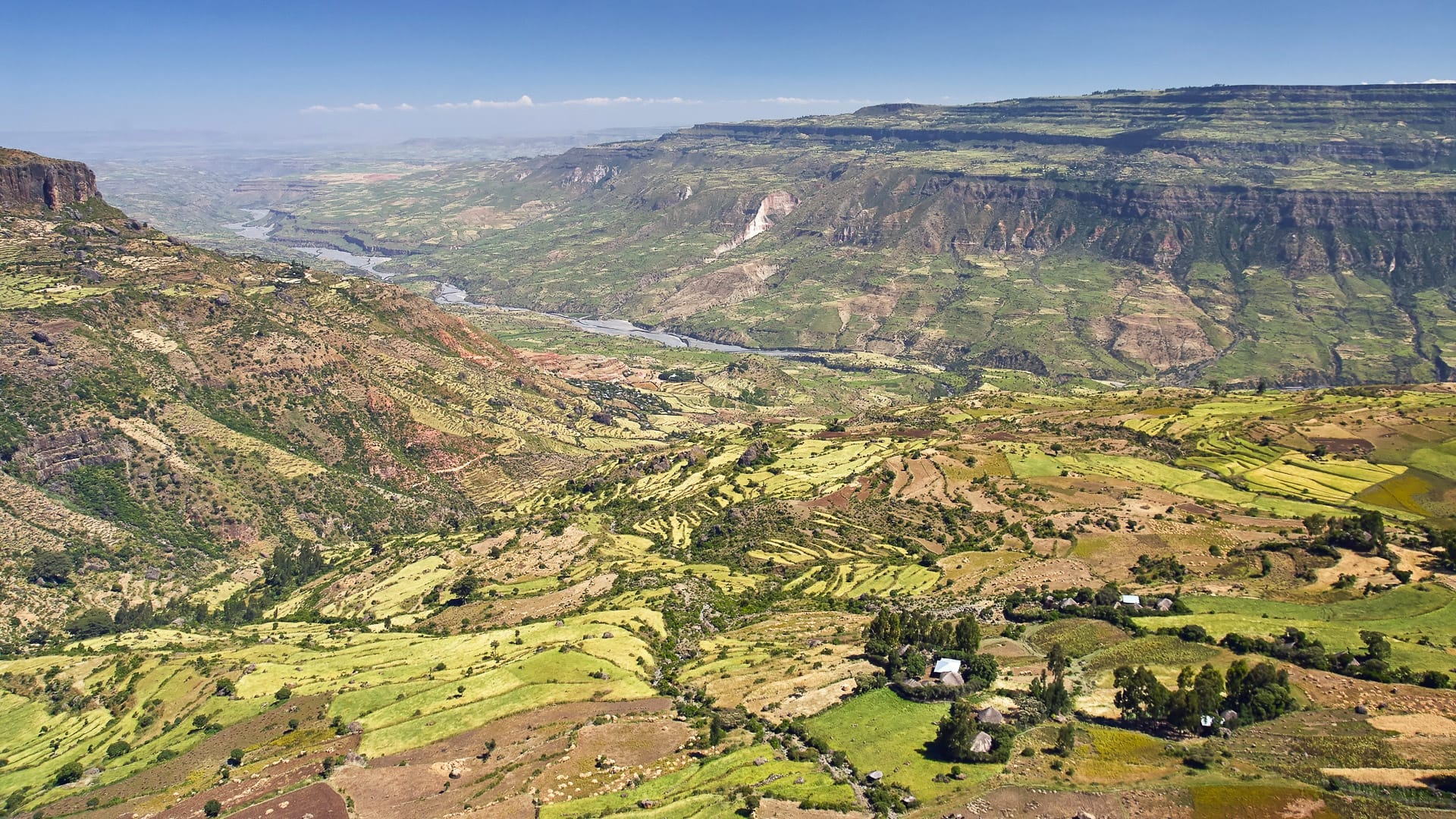
The Great Rift Valley
Why cycle in January
January is one of the best times of year to explore Ethiopia by bike, especially the Rift Valley and the highland regions. It falls in the middle of the long, dry season, when skies are clear, humidity is low and daytime temperatures are warm but comfortable for long days on the trails.
Mountain roads and gravel tracks are in their best condition, and visibility is superb – perfect for taking in the sweeping escarpments, volcanic ridges and terraced farmland that define Ethiopia’s dramatic landscapes.
This is also a culturally vibrant time to visit: January includes Timkat (Ethiopian Epiphany), one of the country’s biggest festivals, when towns and villages come alive with colour, singing and processions. How much of this you’ll see on a tour can vary, but if you do get to encounter it, it’s a lot of fun.
Add in friendly communities, quiet rural roads, and riding that ranges from fast gravel to technical mountain routes, and January becomes a rewarding balance of adventure, scenery and authentic local connection.
Other times to consider
The wider dry season runs from October to May, and most of these months offer good riding. October to December are typically cooler and wonderfully green after the rains, while February to March usually bring warm, settled days ideal for highland routes.
From June to September, the rainy season makes trails muddy and mountain areas unpredictable, so it’s best avoided for cycling.
More information
- Guide to cycling in Ethiopia, for an in-depth interview with the local experts at Ride the Rift.
4. Cambodia
Best for cool-season cycling, peaceful backroads and unforgettable routes to the temples of Angkor.

Angkor Watt
Why cycle in January
January is one of the very best months to explore Cambodia by bike. It sits in the middle of the cool, dry season, when humidity drops, skies stay reliably blue and daytime temperatures are warm without being overwhelming – ideal for long hours in the saddle.
Rural roads and unpaved tracks are at their most rideable, with little mud and excellent visibility across the rice plains, forested backroads and stilted villages that characterise western and central Cambodia.
It’s also a month when the country is buzzing with energy without being at its busiest. Trails around Angkor Archaeological Park are drier and easier to navigate, Tonle Sap’s floating communities are active, and countryside routes stay wonderfully peaceful. For travellers deciding between Asia’s winter cycling destinations, Cambodia offers beautifully gentle terrain and culturally rich routes.
Other times to consider
The wider dry season, from November to early April, offers similarly good conditions – November and December are cooler and freshly green, while February and March are hotter but still manageable with early starts.
From May to October, the monsoon brings heavier rain and flooding in low-lying areas; it makes rural exploration trickier but rewards cyclists with vivid landscapes, quiet trails and dramatic skies if you don’t mind the wetter conditions.
More information
- Guide to cycling Vietnam to Cambodia for an in-depth look at cross-border riding, terrain and cultural highlights.
- Cycling Cambodia for route ideas, practical tips and what to expect when exploring Cambodia by bike.
- 7 of the best cycling tours in Asia for more inspiration across Southeast Asia and beyond.
5. Melbourne, Australia
Best for summer coastal rides, lively cycling culture and access to iconic climbs in the Dandenong Ranges.

Cycling in Melbourne (photo credit: Chris Grabyn)
Why cycle in January
January is the height of Melbourne’s summer, making it one of the best months to explore the city’s huge cycling network. Long daylight hours, warm mornings and clear coastal views create ideal conditions for early rides before the heat builds. You can spin along the bay on Beach Road with hundreds of other riders, tackle the shady climbs of the Dandenong Ranges, or explore the Yarra Boulevard and inner-city paths that run right from the CBD. If you like structured sessions, you’ll also find plenty of opportunities for indoor and outdoor track racing that complement your road miles.
The atmosphere is buzzing too: cafés spill onto pavements, coastal suburbs are lively, and Melbourne’s cycling community is out in force. Whether you prefer scenic bike paths, fast bunch rides or hilly loops among towering eucalyptus, January gives you the full Melbourne cycling experience. It’s also the perfect moment to put new training gear to use after a festive season which sees many of us over-indulge!
January is a superb month to combine big summer riding with everything the city does best. There’s everything from relaxed coastal bunch rides to local track racing under the lights.
Other times to consider
March and April bring milder temperatures and calmer winds – perfect for longer days in the Dandenongs or exploring further afield into the Yarra Valley and Mornington Peninsula.
Spring (September to November) can be beautiful but unpredictable, with rapid weather changes. Winter is cooler and wetter, but still very rideable thanks to Melbourne’s extensive bike-path network and sheltered routes.
If you’re booking a guided trip, it’s always worth checking the trip status before you commit, understanding the tour difficulty rating and noting if there are limited places on popular January departures.
More information
- Guide to cycling Melbourne for detailed routes, where to stay, bike hire options and insider local tips.
- Cycling Victoria, Australia for exploring the wider region, from alpine climbs to coastal rides and country gravel.
What’s next?
- Cycling in February for our pick of the best destinations next month!
- 7 best places to go cycling in December – packed with winter-sun rides and festive escapes.
- 6 best places to go cycling in November for late-season sunshine, autumn colours and brilliant shoulder-season riding.
- 8 best places to go cycling in October with everything from warm Mediterranean roads to prime-time gravel.
- Spring cycling holidays if you’re already planning ahead for brighter days and big miles.
Please support Epic Road Rides
A huge amount of time and effort goes into the article you’ve just read, all with the aim of helping you!
If you found what you’ve read useful, I’d really appreciate it if you dropped something in the tip jar here.
It’s a way you can say thank you and help us carry on creating top quality content with no annoying ads and no pay wall.
Looking for an organised cycling trip?
If you want someone to help you plan and book your cycling holiday, fill out this form. We aren’t a tour operator/agent but we work with lots of people who are and will do our best to put you in touch with someone that can help (within 24 hours where possible)!Clare Dewey is a cyclist with a passion for travel. She set up epicroadrides.com in 2018 to help make it easy for cyclists to explore the world by bike. Today her mission is still inspiring cyclists to discover new places on two wheels - and doing what she can to make sure they have the best possible time while they're there. Clare has visited 50+ destinations around the world, many of them by bike.
Want to connect with Clare? Find her over on LinkedIn.
First Published: 23 December 2025
The contents of this website are provided for general information purposes only. It is not intended to amount to advice and you should not rely on it. You should carry out your own due diligence and risk assessments and take professional advice. Views expressed by interviewees or other users of this website do not necessarily represent our views. We make no representations, warranties or guarantees, whether express or implied, that the content on our website is accurate, complete or up to date. If you use any information or content on this website, download from, or otherwise obtain content or services through our website, it is entirely at your own discretion and risk. Epic Road Rides Ltd disclaims all liability and responsibility arising from any reliance placed on the information and content on this website. Find out more here.
Comments