
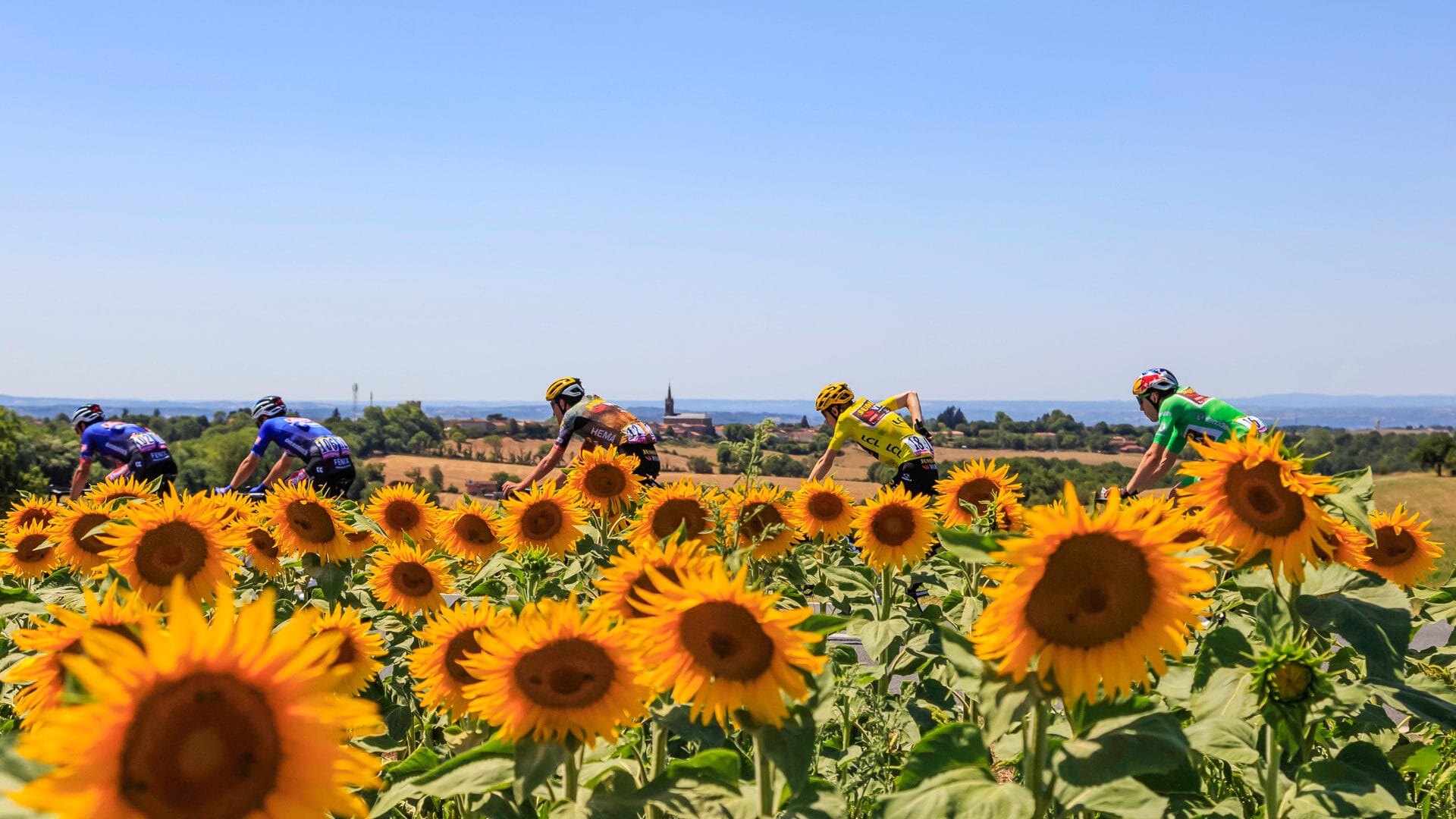
Are you considering a Tour de France cycling tour?
Wondering whether to go DIY or opt for a Tour de France tour package?
Or perhaps you’re just intrigued as to what it takes to plan a trip to the world’s biggest cycling event?
Consider this a playbook for a great Tour de France trip: where to base yourself, how to structure your days, and when to lean on premium operator access.
Enjoy!
Clare Dewey is a cyclist with a passion for travel. She set up epicroadrides.com in 2018 to help make it easy for cyclists to explore the world by bike. Today her mission is still inspiring cyclists to discover new places on two wheels - and doing what she can to make sure they have the best possible time while they're there. Clare has visited 50+ destinations around the world, many of them by bike.
Want to connect with Clare? Find her over on LinkedIn.
1. Why are Tour de France cycling tours so special?
The Tour de France is the world’s most famous bike race and watching it live is a magical experience. There’s simply nothing like seeing the icons of the sport at a summit finish or on the streets of Paris, in real life.
Of course there are lots of ways you can watch the spectacle, but if you want a really special experience of the Tour (the kind of unique experiences that are normally reserved for the pros), you need to go with an official Tour de France operator. I explain more about official operators for Tour de France tours below.
1.1 Experience the tour like a pro
A mountain-top finish is unlike anything else: space is tight, team buses line the road, and the atmosphere builds hour by hour. On curated trips, guests often ride a section of the closed course, cross the finish line for podium photos, and then head into a hospitality zone near the action. With riders, bikes and staff moving all around, it’s a rare chance to see the sport up close and to capture the kind of photos usually reserved for insiders.
1.2 Once-in-a-lifetime experiences
There’s nothing like the feeling of the buzz on the coach at the end of the day, after everyone’s had a really unique and special experience.
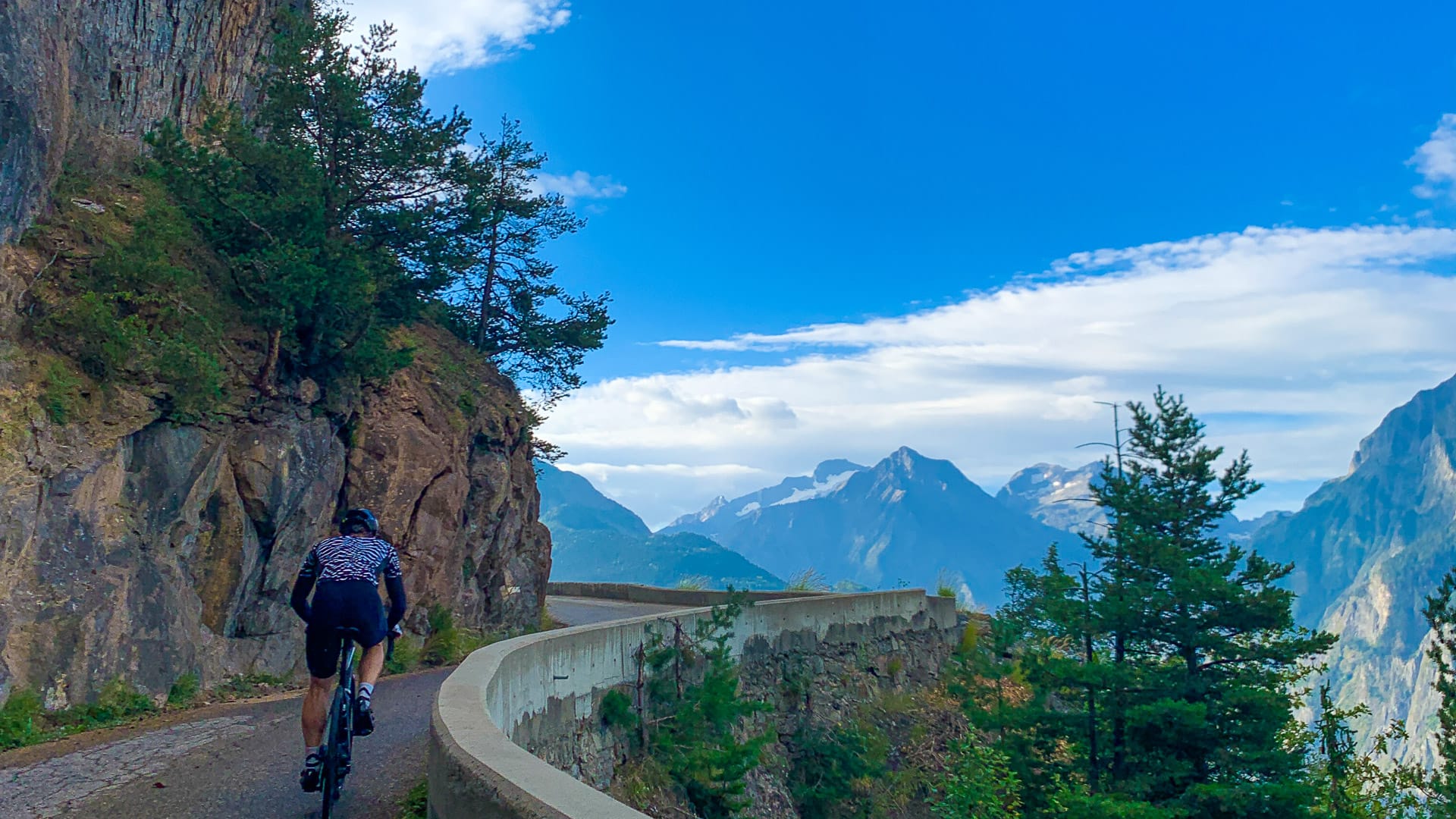
2. What kind of Tour de France bike tours are available in 2026?
There are several options for Tour de France official tours, typically covering all of the key stages of the Tour de France each year. Some operators offer both Tour de France spectator tours and trips where you can ride and watch.
Here are some of the key parts of the race that operators tend to cover:
2.1 Grand Depart
The Grand Depart in 2026 will start in Barcelona, marking the fourth time that the city will welcome the Tour de France for stages (previously, Barcelona featured in 1957, 1965 and 2009). The opening stage will be held fully within the city, starting along the beaches and passing landmarks such as Sagrada Familia before a final stretch that includes two climbs up to the Montjuïc Olympic Stadium.
Tour operators may offer tours that include hotel stays within the city to allow you to spectate during the Grand Depart, along with ride options from the city into Catalonia.
2.2 Alps
The Tour de France’s most memorable moments are often in the Alps.
Operators will often offer trips that will take cyclists from the Alps all the way to the finish in Paris.
2.2 Finish in Paris
As is the case on most years, the Tour de France will conclude in Paris in 2026. The final stage is extremely popular for spectators, so tours will sell quickly – but look for options that include spectator experiences along with the option to participate in rides out from the city.
2.3 Bespoke and custom getaways to the Tour de France
Some tour operators prefer to offer bespoke experiences – whether for a small group or 100 people.
Groups will either have a good idea of what they want, or will be looking to tour operators to provide inspiration. Either way, these operators will come up with an outline for what they can suggest.
Depending on the operator, that might even include a stage in an official Tour de France car, a Tour de France helicopter experience, access to the start village and stage finish or VIP finish hospitality.
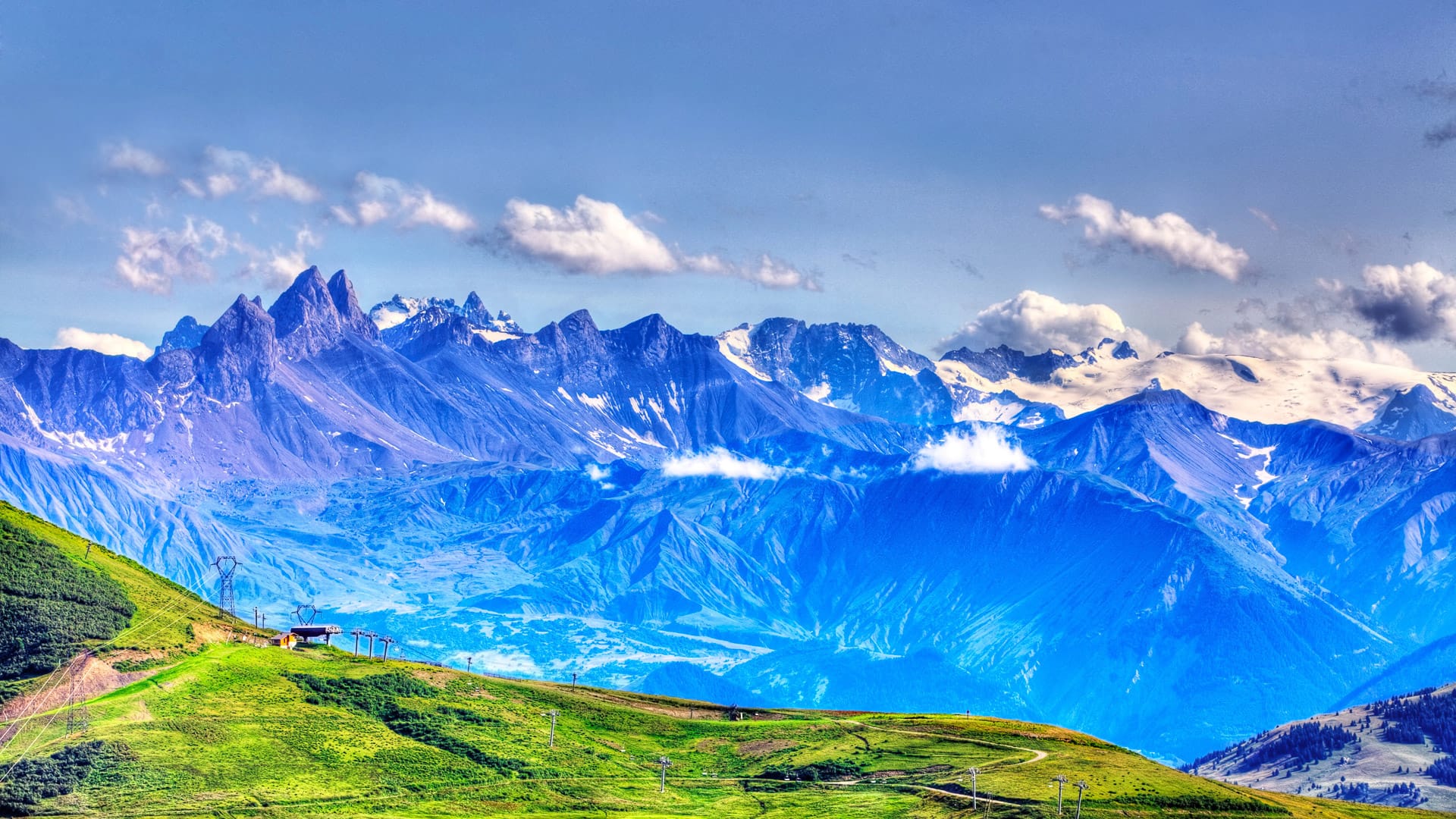
Classic French Alps mountain stage scenery
3. What does it mean to be an official Tour Operator of the Tour de France?
There are seven official Tour de France Approved Operators for the UK. Of these, four are Premium tour operators: Thomson Bike Tours, Custom Getaways, Sports Tours International, and Discover France.
The other three are Mummu Cycling, Trek Travel, and Grand Tours Project.
3.1 Approved Operators
Approved Operators get priority access to Tour de France experiences that non-approved operators can’t get.
VIP Hospitality
Approved Operators can book VIP hospitality areas at the stage starts, finishes, and along the racecourse.
An example is the Izoard VIP access area. It’s usually within 200m of the finish and centres around big food and drink trucks parked in a great spot with a VIP viewing area. There will also be a terrace, tables, chairs, free food, beer, champagne – and of course a TV to follow the race. Guests will be mixing with the sponsors, dignitaries and organisers.
There are also other hospitality experiences such as a high quality four course meal with wine, with the professional riders passing within the last five kilometres of the stage.
Riding closed roads
Approved Operators can also get permission to ride on the race route ahead of the pros when the road is closed to the general public and cross the finish line.
Some operators offer clients the experience of meeting the Tour de France organisers at the Flamme Rouge marker, with 1 kilometre before the finish. They then escort guests with the official car across the finish line just three hours or so before the pro race crosses.
Podium photos and other extras
Approved Operators can receive permission to take photos on the official podium.
There are also additional extras such as the option to ride in the Tour de France official car.
They mean that clients can do a lot more with their day – for example they don’t need to get to the race four hours early to make sure they can get a spot by the barriers.
It also means they’re not caught out by last minute changes to the road closures. For example when the police in Tignes made a last minute decision to close the road the night before, it sadly meant many people were caught out – but not guests with an Approved Operator.
3.2 Premium Approved Operators
The Premium Approved Operators enjoy unlimited access, and first call on the experiences mentioned above.
For example if there are a limited number of spaces at the hospitality area at a summit finish, like Alpe d’Huez that’s always really popular, these operators get first call on the places; this means clients don’t miss out on the best bits of the Tour.
In contrast, the standard operators might get given fewer tickets to an experience or be asked to pick a different stage finish. The premium-level operators get priority.
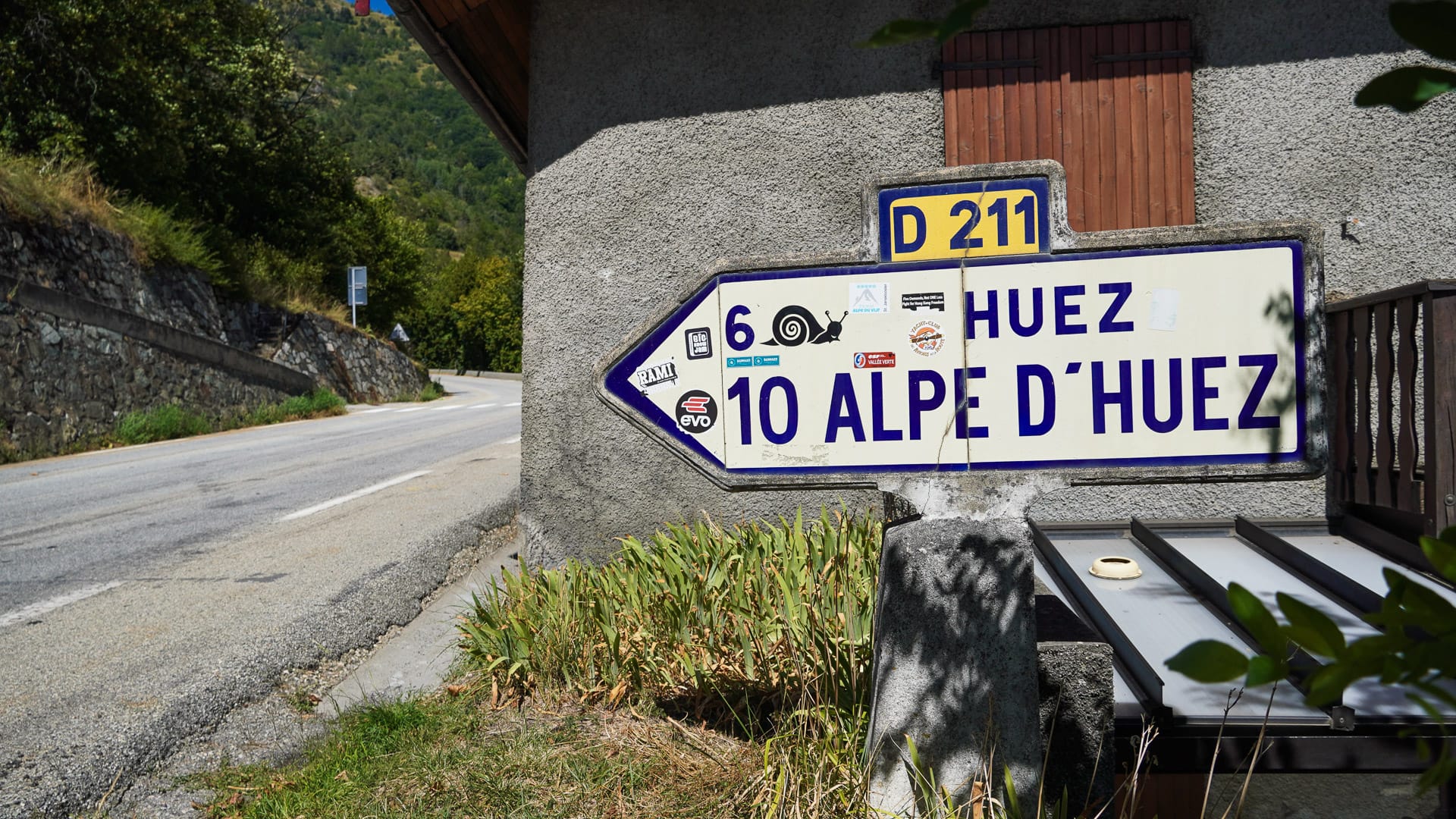
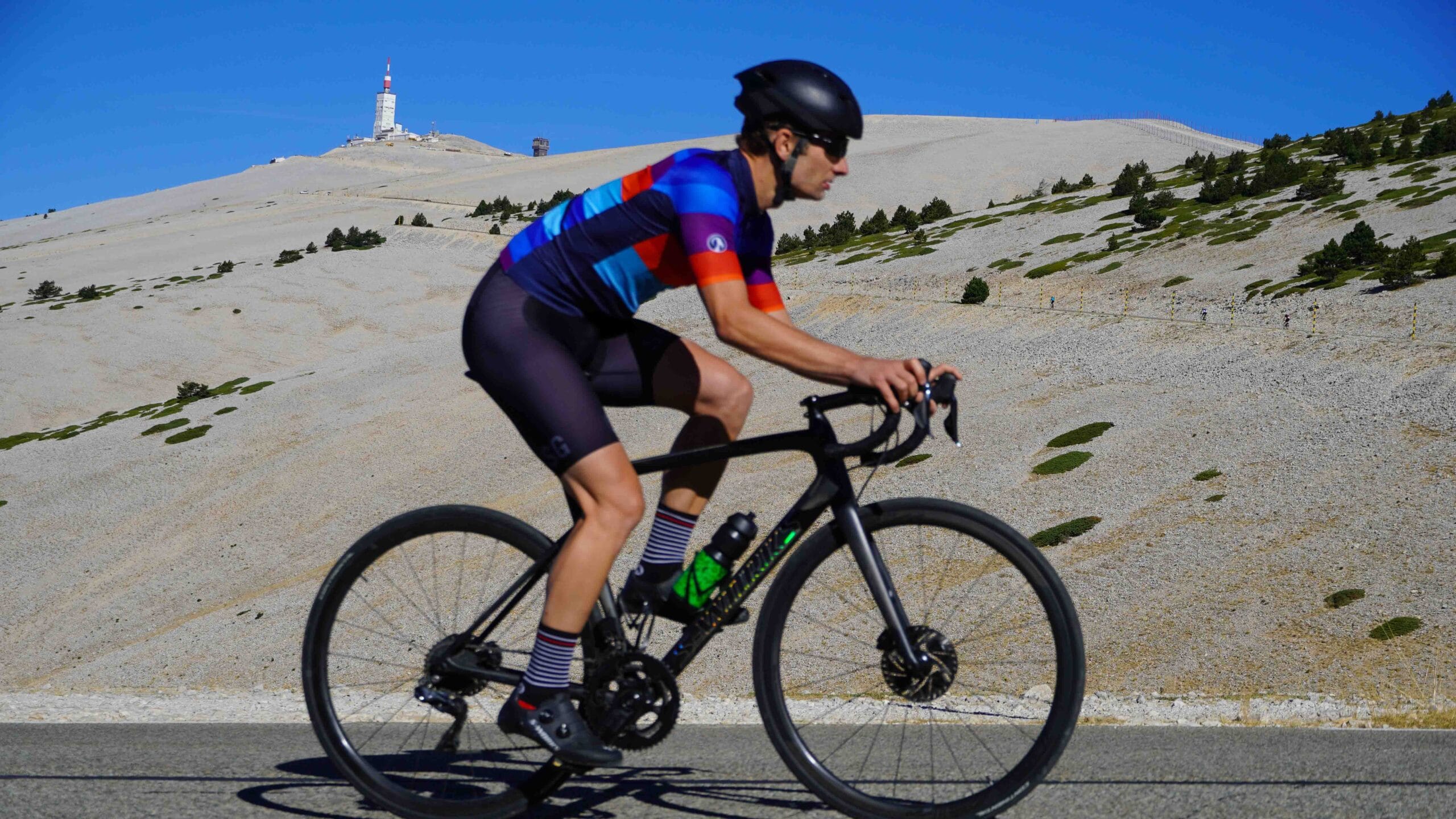
On the way up the legendary climb
4. What makes Tour de France cycling holidays special?
Tour operators work really hard to make sure they offer the best tour de France cycling tours on the market. These are the things you should look for in a Tour de France operator:
4.1 Staff
The staff who work for these tour operators typically have a huge amount of knowledge and experience of the Tour de France.
They have been planning Tour de France trips for many years now.
This really makes a difference in the end product. The route changes each year and it’s only because of these experts’ personal knowledge of the logistics for the Tour and connections that they can get the best accommodation and experiences for their guests.
Many are based in France and speak the language, which means they can have a very close relationship with the organisers and hotel owner. They have their own local knowledge of how things work in France that can really make the difference.
Finally, guides tend to be passionate cyclists who love the Tour and looking after guests. They make guest experiences unforgettable and deliver a first class service.
4.2 Support
Tour operators should be taking support seriously, making sure they are well-equipped with minibuses, vehicles with bike racks and trailers and more. It’s even better if the support vehicles are driven by locals who know the roads and communities well.
4.3 Larger numbers should bring benefits for clients
Using an established tour operator they should have access to more unique experiences, and allows them to justify extra costs that smaller operators can’t afford, such as more guides on the road with different speed groups.
They should also have more staff so can be more flexible, for example if someone wants to spectate instead of ride or ride a longer or shorter route.
4.4 Properly set up
Look for operators that have suitable financial protections, such as ABTA bonding, just in case things go wrong. Then you won’t lose money if the event doesn’t take place for some reason.
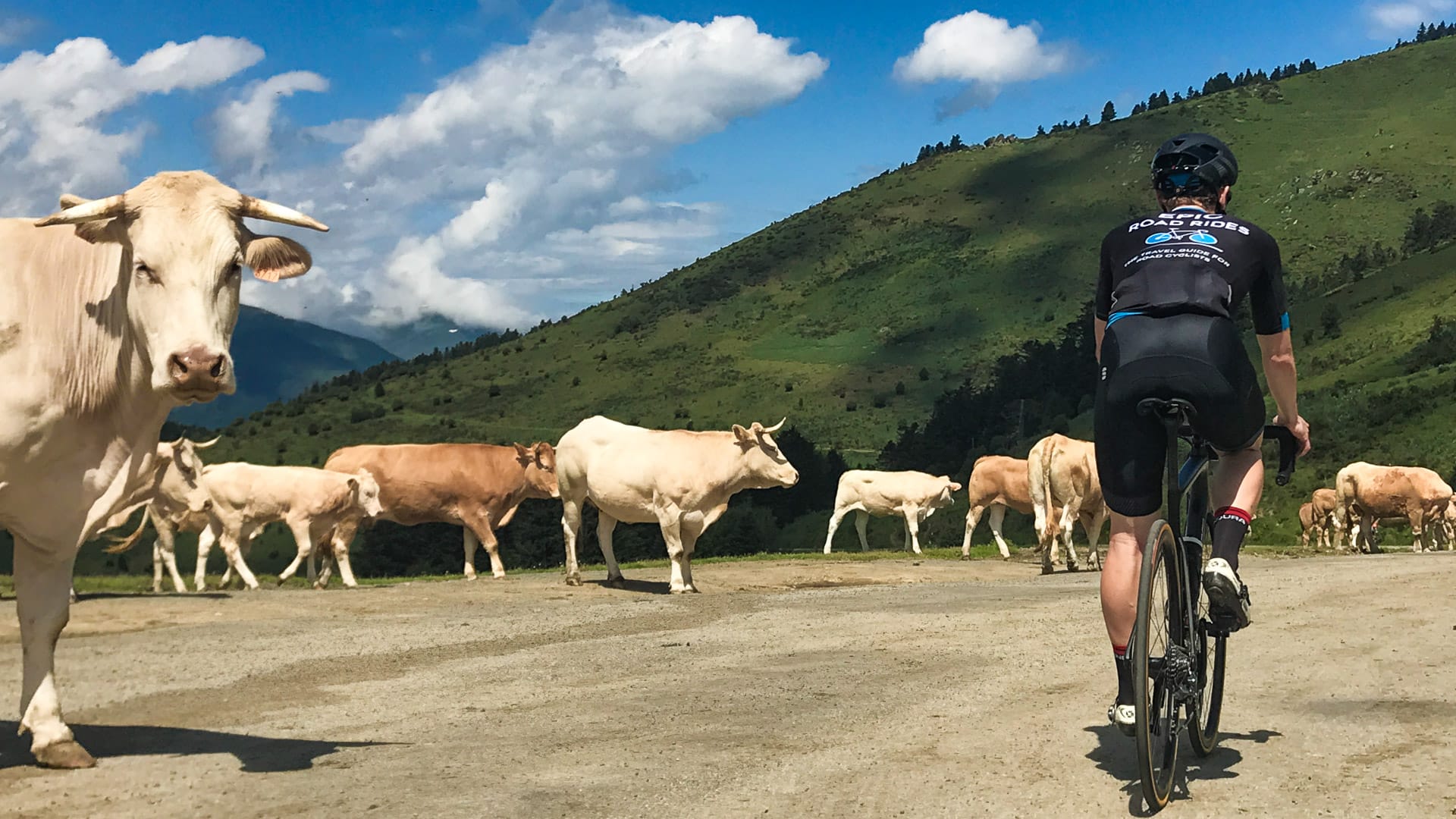
Rural charm on a Pyrenees climb
5. How does Tour de France trip planning process work?
Planning Tour de France bicycle tours is always a challenge because the route is different every year.
The upside is that it means people can book a trip every year and it will always be unique.
5.1 Finding the hotels
The first step in the planning process is to find the perfect hotels for trips.
This is one of the most complicated areas to sort out because operators can’t wait for the course to be announced to book the accommodation. If they did that, it would be too late and all the best places would have gone!
So instead they usually have to work on rumours of where the Tour de France route will go next year. They often have to take some risks and book hotels without having certainty on the route. It can be a bit stressful, but it’s mitigated by their extensive experience of planning these trips.
Operators get calls ahead of time from their friends on the ground – for example local French guides, hotel partners and contacts at tourist offices in the host towns. They tend to have the best knowledge about what’s likely to happen with the route and this means tour operators can book the best accommodation before everyone else!
5.2 Experiences
Once they’ve sorted out the hotels, operators will consider what hospitality and experiences they can build into the trip to ensure it’s really special for clients.
They’ll plan the best daily rides and climbs that cyclists can do to get to the Tour de France event, depending on clients’ level of experience and fitness. Operators will also plan unique activities for when it’s the Tour’s rest days.
Some clients ride, some don’t. If they ride, it’s up to them how far they go as tour operators can usually accommodate non-riders in support vehicles. Often it’s between 10 and 100km each day, but it’s up to them.
5.3 Transport and suppliers
After accommodation, it’s time to arrange all the logistics, transport and transfers.
Tour operators will work with suppliers like bike rental companies, book restaurants and plan Tour de France merchandising for clients.
They will also prepare a detailed staffing plan to ensure they’ve got the best team on hand throughout each trip.
5.4 Itineraries
With these things in place, tour operators can then create a detailed itinerary. The version clients see on a tour operator’s website is the brief version of the itinerary. A really detailed version typically sent to anyone who has booked about three weeks before the trip.

The picturesque Cirque du Litour road
6. Choosing the hotels for Tour de France holidays
Picking the right hotels is key to the success of these trips. Here are the things a good Tour de France tour operator will consider:
6.1 Location, location, location
Tour operators will often look for a central location compared to the Tour de France route. This avoids clients having to check in and out of a new hotel every day, which is not very relaxing and it’s very time consuming.
They’ll also look for hotels that are accessible from an international airport, have lots to see around them, great views and good guided ride options.
6.2 Good quality
Ideal hotels are good quality 3 or 4 stars with a secure room for the bikes. Tour operators will also look to find owners that have a better understanding of what cyclists need in terms of food, and those that are better at connecting with fans of the Tour.
6.3 Food
Tour operators will make sure that hotels offer an excellent breakfast and evening meal. In the morning it’s important for getting a busy day off on the right note and in the evening it’s got to be somewhere that’s good for a celebration!
6.4 Pro teams
Sometimes, tour operators are able to book clients into the same hotels as a Tour de France pro team, which is really exciting.
Operators are always on the lookout for where the pros will be staying and sometimes get tips from the hotel owners that they’re going to get a pro team.
Also in some towns, operators will know which teams were allocated which hotels the previous time the Tour visited and usually they get allocated the same hotels again. It’s one of the benefits of booking with an established tour operator that is familiar with the history of the Tour.
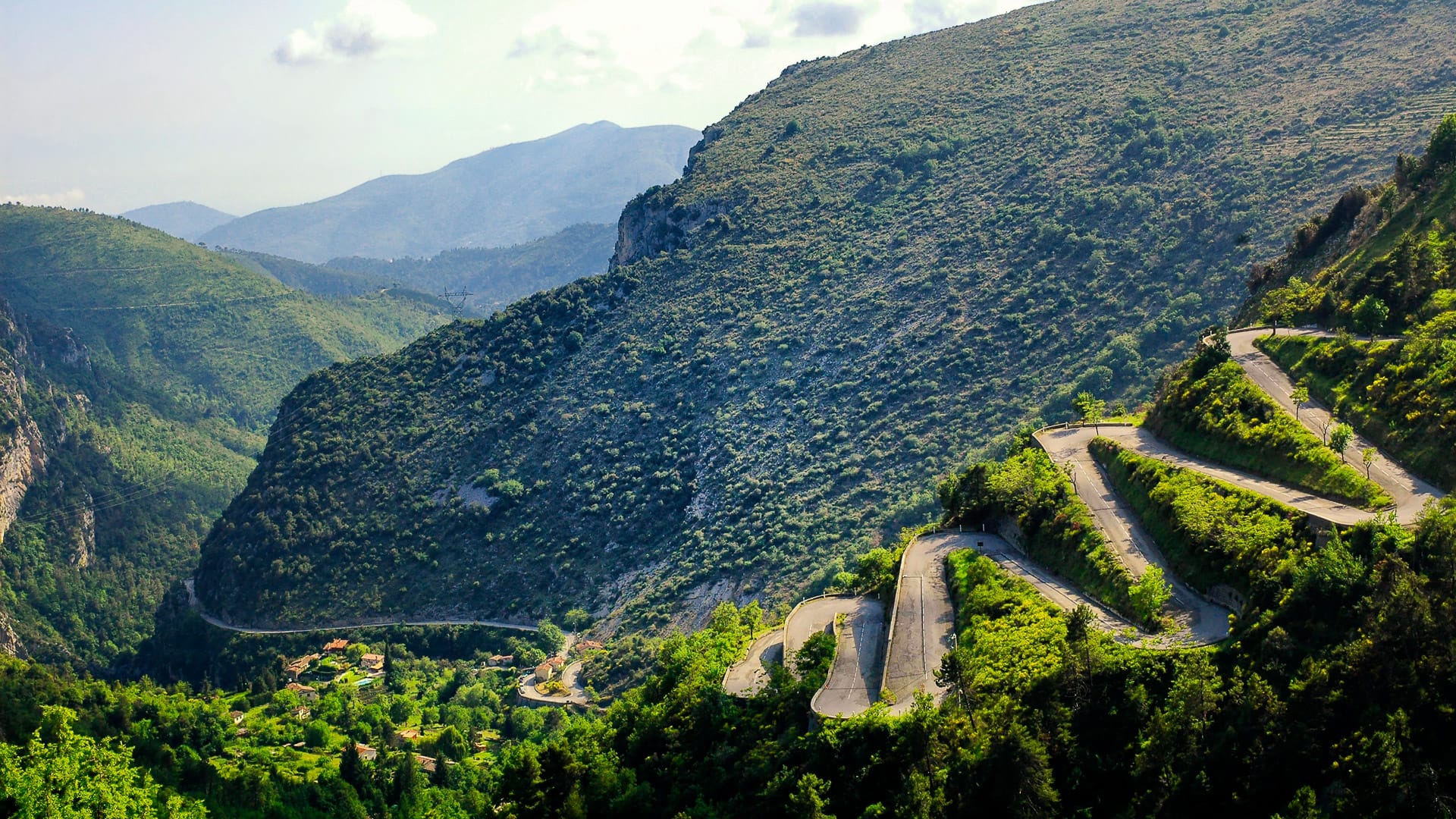
Endless mountain switchbacks
7. How to go to the Tour de France: DIY versus a Tour de France package trip?
It can be tempting to plan your own Tour de France cycling trip. That can work well if you’re happy to just watch a stage and don’t mind making getting there, waiting, watching and going home the sole focus for your day.
However if you’re looking to get more from this great annual sporting event, an organised Tour de France trip is the way to get the perfect trip.
There are so many things that you can do on a tour with an Approved Tour de France Operator that you can’t do alone. It’s things like having accreditation to ride the race route on closed roads, getting access to VIP areas and hospitality, having everything planned with the right information from the organiser which you can’t find online and having great hotels that are well-placed for the route.
A trip might only be three nights away in July, but you’re getting the benefit of a year’s worth of planning and many years of experience before that!
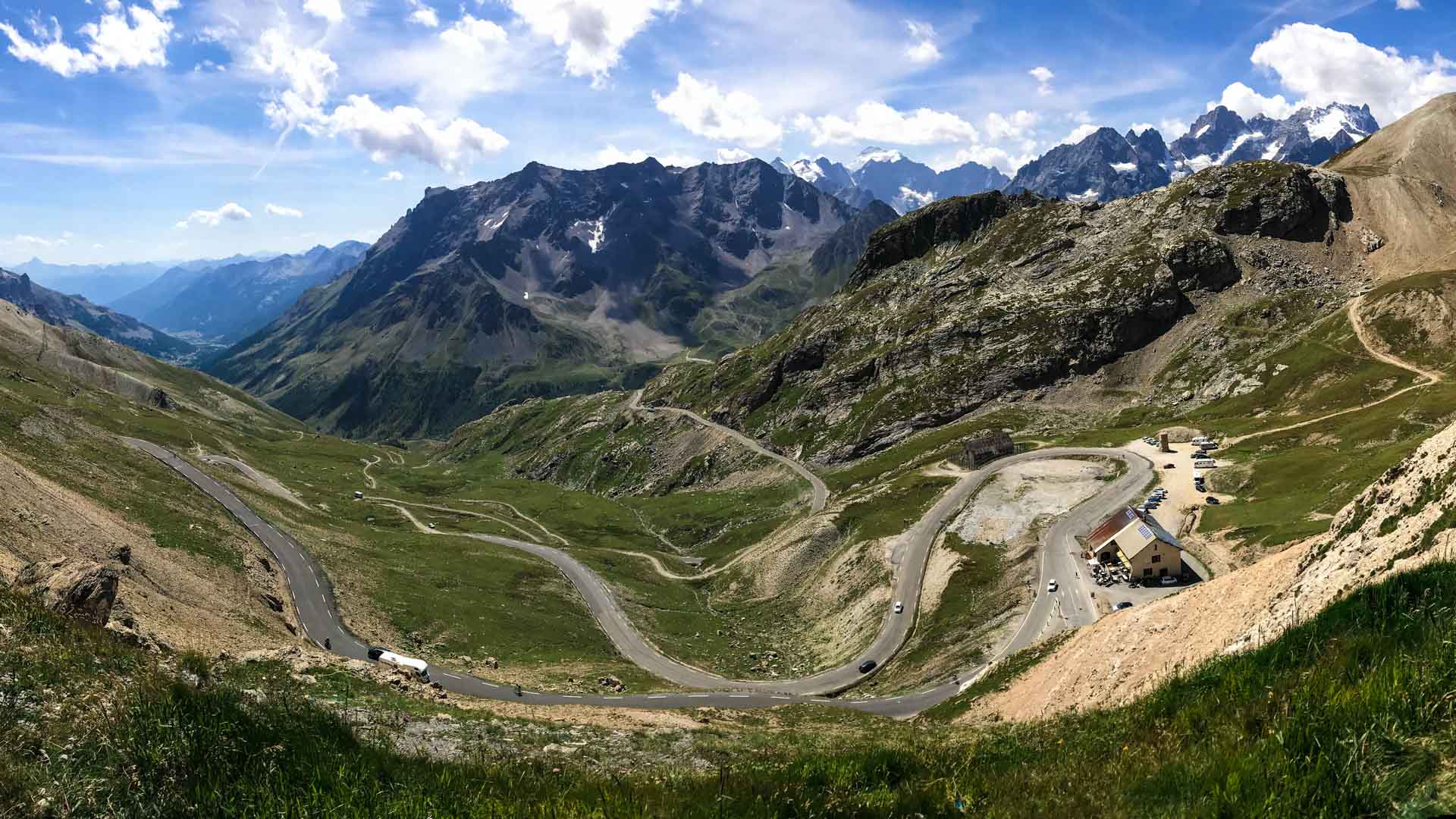
Scenic mountain road in the Alps
Have you been on a Tour de France bike tour?
If you’ve been to France to spectate the Tour de France, let us know how it went in the comments below!
For those coming into France by plane, you might find this website useful – it shares an overview of all flight routes worldwide.
Looking where to intercept the Tour de France, learn more about the best cycling tours in France and specifically the french alps in our other articles.
Please support Epic Road Rides
A huge amount of time and effort goes into the article you’ve just read, all with the aim of helping you!
If you found what you’ve read useful, I’d really appreciate it if you dropped something in the tip jar here.
It’s a way you can say thank you and help us carry on creating top quality content with no annoying ads and no pay wall.
Looking for an organised cycling trip?
If you want someone to help you plan and book your cycling holiday, fill out this form. We aren’t a tour operator/agent but we work with lots of people who are and will do our best to put you in touch with someone that can help (within 24 hours where possible)!Clare Dewey is a cyclist with a passion for travel. She set up epicroadrides.com in 2018 to help make it easy for cyclists to explore the world by bike. Today her mission is still inspiring cyclists to discover new places on two wheels - and doing what she can to make sure they have the best possible time while they're there. Clare has visited 50+ destinations around the world, many of them by bike.
Want to connect with Clare? Find her over on LinkedIn.
Last Reviewed: 15 January 2026
First Published: 05 September 2023
The contents of this website are provided for general information purposes only. It is not intended to amount to advice and you should not rely on it. You should carry out your own due diligence and risk assessments and take professional advice. Views expressed by interviewees or other users of this website do not necessarily represent our views. We make no representations, warranties or guarantees, whether express or implied, that the content on our website is accurate, complete or up to date. If you use any information or content on this website, download from, or otherwise obtain content or services through our website, it is entirely at your own discretion and risk. Epic Road Rides Ltd disclaims all liability and responsibility arising from any reliance placed on the information and content on this website. Find out more here.
Looking for dates around 7/9-15/2023
We’ve been in touch – have a great trip!
I would like to get information about doing a closed road tour of 2024 TDF stage 3 on July 1, 2024 before the professional riders. Do you provide this type of tour? Do you also provide the bikes and what is the cost?
Hi Michelle, thanks for this, I’ll send you an email now. Best wishes, Clare