
“You’re going cycling in Friuli Venezia Giulia? Where’s that?!”
With a name that’s difficult to pronounce and an absence of mass tourism, not many cyclists from the UK and North America currently get to this corner of northeast Italy.
That’s something we’re hoping to help change.
Because once you’ve learnt how to pronounce it (see below), you’ll find Friuli Venezia Giulia is one of the most spectacular places to cycle in Italy. It’s home to grand Alpine ranges, including the mighty Zoncolan and some of the most epic cycling of the Giro d’Italia. For less pacey cyclists, there are some fantastic cycle touring routes, including glorious Adriatic routes and the popular Alpe Adria trail.
In this guide, we share the best places for cyclists to base themselves in Friuli Venezia Giulia:
- Collio and Friulian Hills: Best for vineyard rides, rolling hills, wine stops and scenic villages.
- Grado and the Lagoon of Marano: Best for easy coastal rides, lagoon landscapes, beaches and birdwatching.
- Trieste and its surroundings: Best for coastal views, Karst landscapes, history and varied terrain.
- The Friulian Dolomites: Best for big mountain scenery, challenging climbs and alpine adventure.
- Ciclovia Alpe Adria: Best for multi-day touring, cross-border cycling and Alps-to-Adriatic landscapes.
So for those who love fine art, fine wine and fine cycling, but are less keen on tourist crowds, it’s time to get stuck in and find out more about cycling holidays in Friuli Venezia Giulia.

Clare Dewey is a cyclist with a passion for travel. She set up epicroadrides.com in 2018 to help make it easy for cyclists to explore the world by bike. Today her mission is still inspiring cyclists to discover new places on two wheels - and doing what she can to make sure they have the best possible time while they're there. Clare has visited 50+ destinations around the world, many of them by bike.
Want to connect with Clare? Find her over on LinkedIn.
Always check current travel information and advice. For visitors from the UK, the UK government travel information pages are here.
1. Overview of Friuli Venezia Giulia for cyclists
How do you pronounce Friuli Venezia Giulia?
Friuli is pronounced free-oo-lee, Venezia is vuh-net-see-uh, and Giulia is joo-lee-uh.
FVG is also acceptable.
Where is Friuli Venezia Giulia?
Friuli Venezia Giulia is located in the northeastern part of Italy. To the north it borders Austria, to the east is Slovenia, to the south is the Adriatic Sea and to the west is the Italian region of Veneto.
Friuli Venezia Giulia sits between high mountains and the sun-kissed waters of the Adriatic.
See below a map featuring some of the places mentioned in this article. Hover over the map pins to see the names of these places.
What kind of terrain can you expect in Friuli Venezia Giulia?
Thanks to its location between mountains and sea, there are tons of route options: for families, there are easy bike paths on flat terrain along the Adriatic Sea, for the more experienced, there are breathtaking climbs and curves in the mountains, and for those who want to combine both difficulty levels, there are several sections that transition from flat terrain to more challenging paths in just a few hours.
By staying in a mountain village in the foothills, you can reach the highest peaks in one day. As an example, Gemona del Friuli is a great cycling hub with bike paths and services for cyclists, such as charging stations, bike-themed playgrounds for families with children, and refuges for breaks. There are more details below.
The cities offer bike paths and mixed roads where you can alternate cultural visits with bike path based cycling. Trieste, Muggia, Monfalcone, Aquileia, Lignano, and Grado also provide the opportunity to alternate cycling and taking the ferry (with your bike) to admire other parts of the coastline.
What kind of cyclist is Friuli Venezia Giulia for?
There’s something for everyone. The most trained cyclists will choose the looping mountain roads. If they want, they could combine the hardest challenges of the Italian Alps (such as Monte Zoncolan) with a trip over the border to cycle in the Julian Alps and take on Triglav National Park.
Those looking for a more leisurely experience, including families or less experienced cyclists, can choose from one of the nine bike paths, which can be completed exclusively on mixed bike/foot paths. There’s more on this below.
What is Friuli Venezia Giulia famous for (amongst cyclists)?
Amongst cyclists, the two most famous things to know are
1. Friuli Venezia Giulia is home to famous Italian climbs such as Monte Zoncolan, Passo della Forcella and Monte Lussari; and
2. the Alpe Adria bike path, which leads cyclists to the spectacular Adriatic coast.
But there’s lots more to Friuli Venezia Giulia than just that. Which leads us to…
2. Why should cyclists visit Friuli Venezia Giulia?
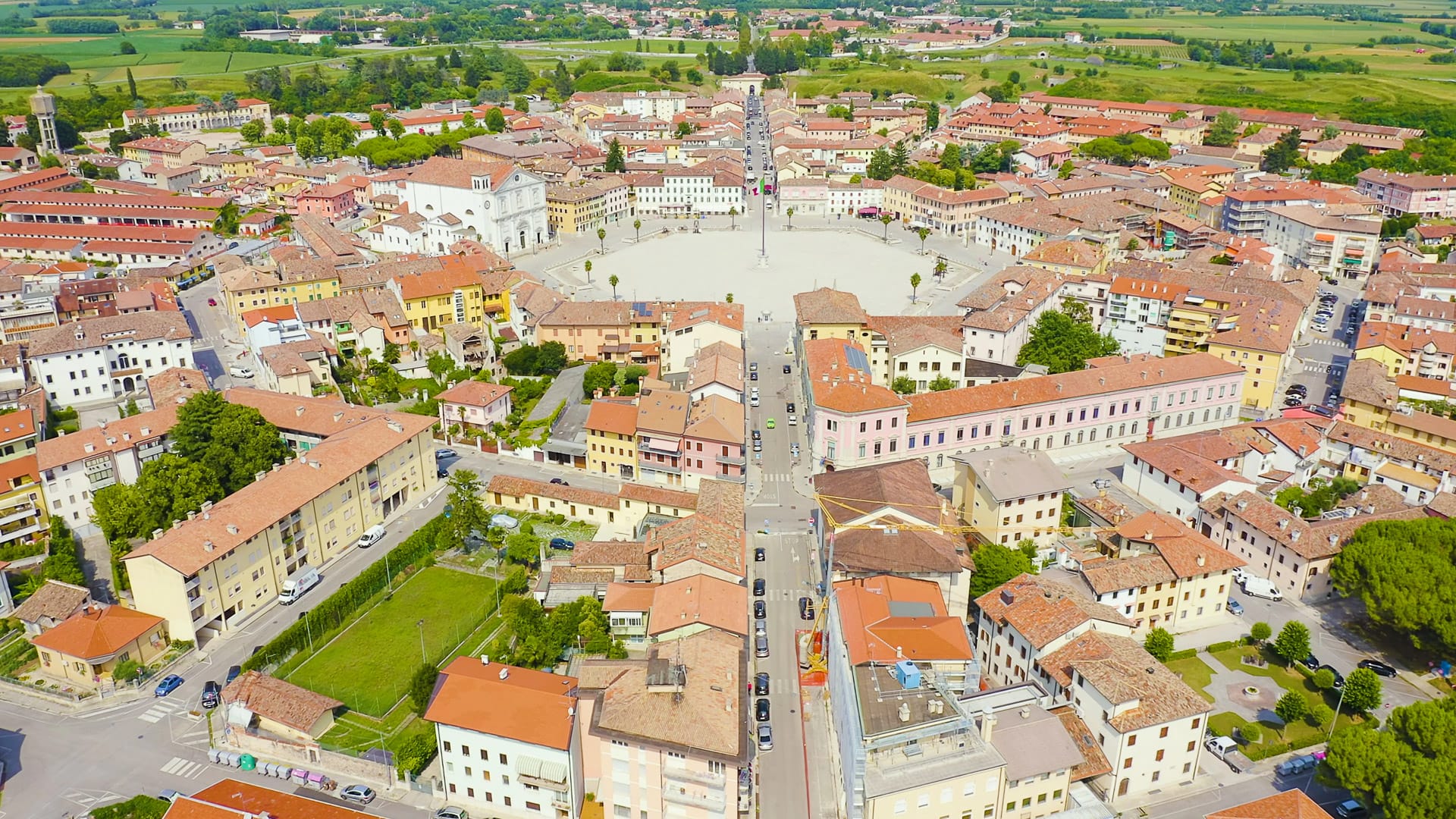
Friuli Venezia Giulia is a brilliant region for cyclists who want more than one kind of ride. In a relatively small area, you can climb towards the Alps, follow Adriatic coastal routes, ride through vineyard-covered hills and explore historic towns along the way.
Located at the heart of Europe
Friuli Venezia Giulia is located at the crossroads of Italy, Austria and Slovenia. It’s easily accessible from all over Europe by car and train. Most major European airports connect to Trieste, which offers direct access to the region.
Friuli Venezia Giulia’s location also means that it offers cyclists the opportunity to ride on routes that cross the borders of Austria and Slovenia. If you’re keen to see Venice, it’s only around one and a half hours car or train ride to the south.
A compact region with diverse landscapes
Friuli Venezia Giulia is small but beautiful: in little more than one hour’s journey, you can go from the sea to the mountains, with surprises around every corner. The scenery ranges from fishing villages like Muggia and Grado to natural havens such as the Marano Lagunare Lagoon and Cona Island, home to wildlife like white horses and pink flamingos.
Meanwhile, underground you find labyrinths of caves, ravines and canyons with waterfalls and fast-flowing rivers, thanks to the vast karst limestone plateaus. Gorgazzo Lake and Grotta Gigante are two highlights.
A vacation in Friuli Venezia Giulia means discovering diverse territories in a short amount of time. For instance, from the picturesque Fusine Lakes, you can quickly reach Udine for a stroll through its lively centre, with local shops and vibrant artisan displays.
Mountains
The Friuli Venezia Giulia mountains will impress you with their excellent services and lack of mass tourism. Notable spots include Monte Zoncolan, the Tarvisio area, the village of Sappada, the village of Sauris (awarded a Best Tourism Village award by UNWTO), and the Friulian Dolomites, a UNESCO World Heritage site.
Historic cities and cultural charm
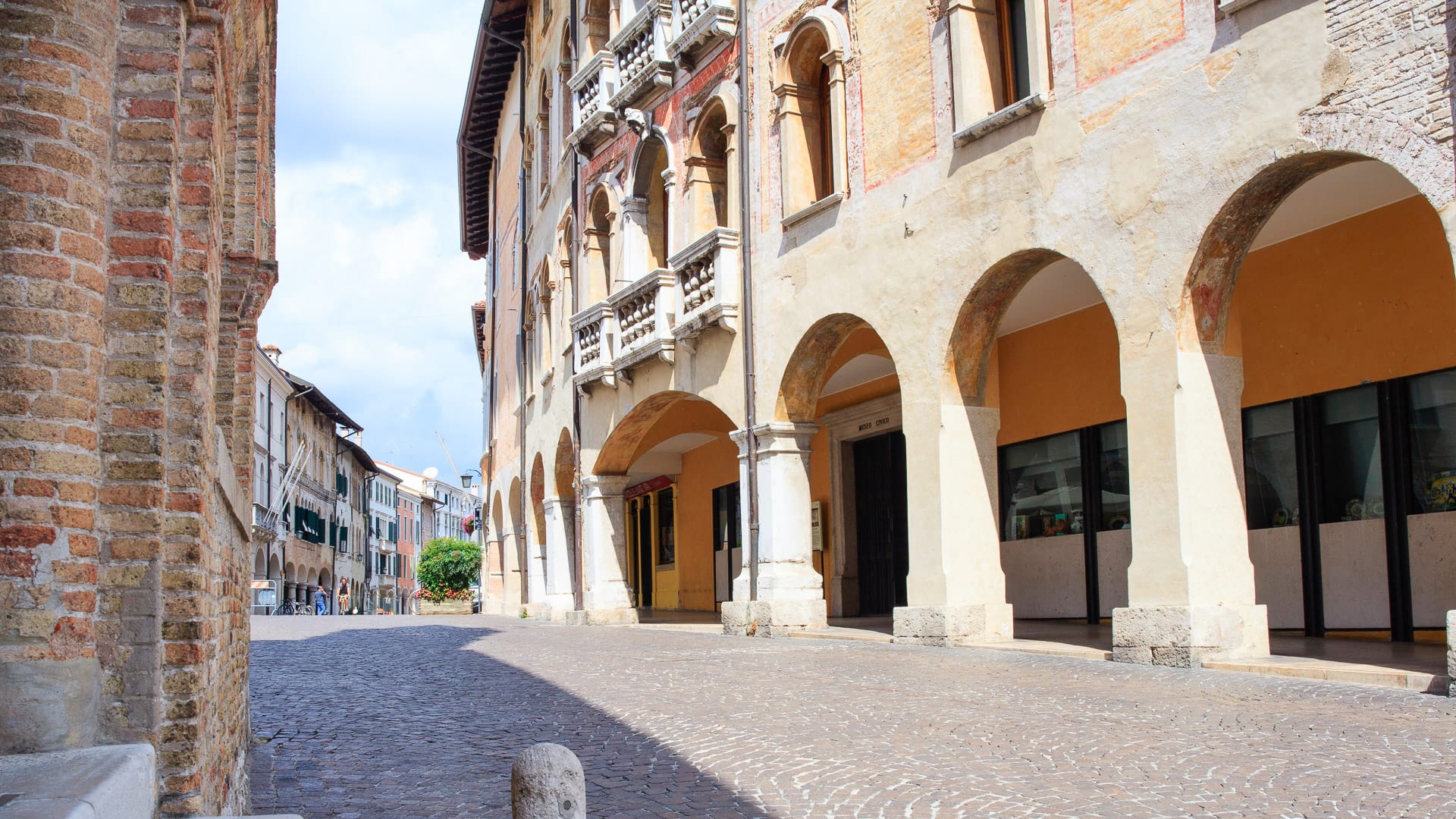
The region is also home to Austro-Hungarian-inspired cities like Trieste and Gorizia, two gems that shine in every season, with their white buildings, famous cafés and multicultural spirit. Trieste and Gorizia areas are dominated by the Karst Plateau, a rugged terrain home to panoramic views and wild nature bursting with colours.
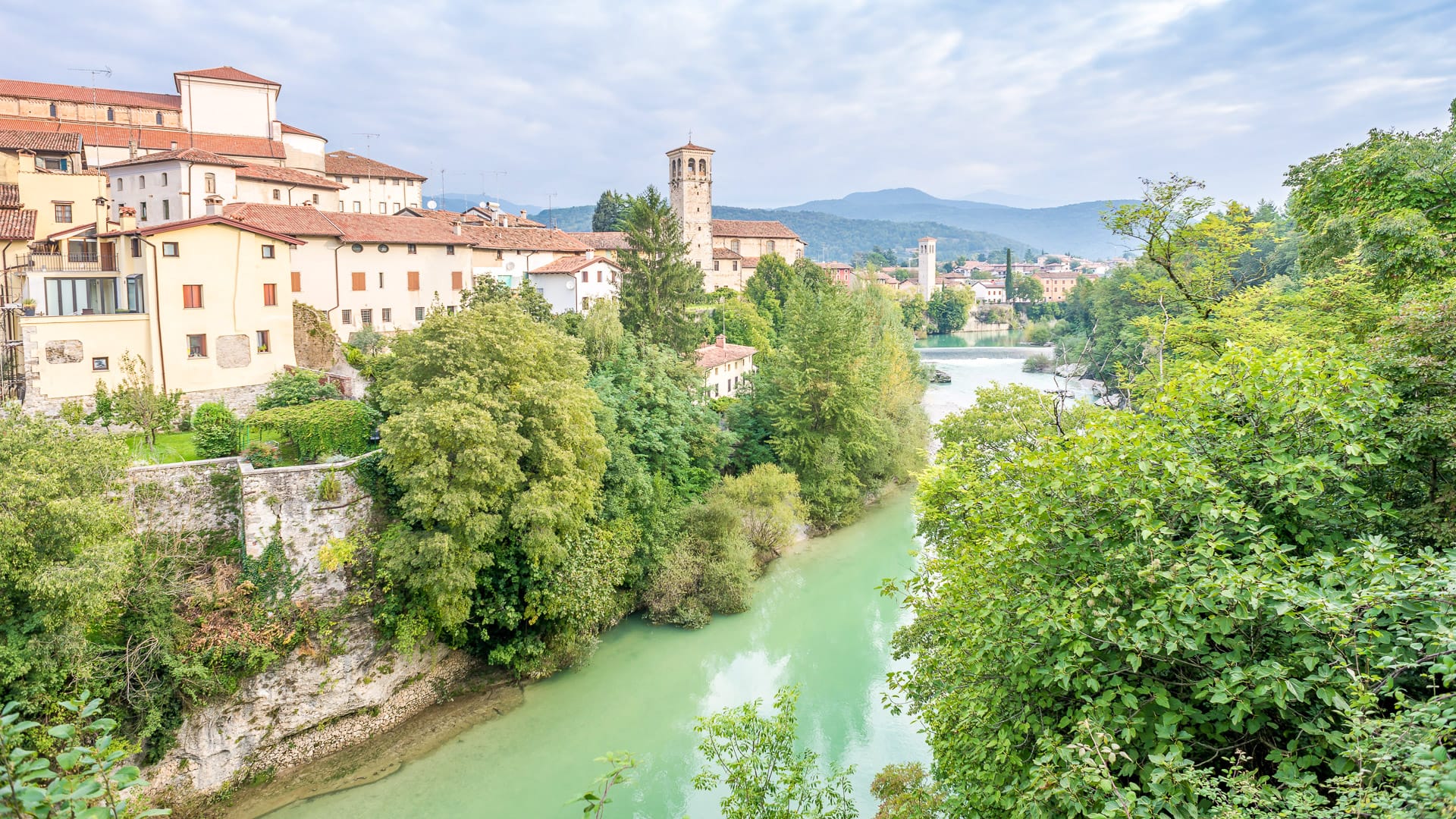
Aquileia offers a journey back in time to the days of the ancient Romans, while Grado and Cividale are home to striking early mediaeval buildings and Collio captivates visitors with its gentle vineyard-covered hills and exceptional local food and wine.
Its history of rule under the Austro-Hungarian Empire has also made for a fascinating mixing pot of cultures, languages and history.
Tranquillity
For mountain lovers, the region offers sports experiences throughout the year, without the overcrowding and high costs found in other more famous locations in Italy.
Meet the locals
Friuli Venezia Giulia has always embraced the motto “guests of unique people,” and it truly lives up to this. The region is known for its hardworking people, who never leave until their duties are done, but they also know how to have fun. The hospitality is warm and genuine, with locals eager to share tips on the best places to eat or drink or to call an acquaintance for a unique experience.
And for cyclists…
Friuli Venezia Giulia is a regular host of the Giro d’Italia and embraces cycling.
The authorities have developed nine well-marked, safe cycling routes, suitable for both experienced and beginner cyclists. These include:
- FVG1 – the Italian part of the Alpe Adria Cycle Route [Ciclovia Alpe Adria (Italian) or Alpe Adria Radweg (German)]
- FVG2 – Adriabike Cycle Route [Ciclovia del mare Adriatico (Italian) or Adriabike Radweg (German)]
- FVG3 – Alpine Foothills Cycle Route [Ciclovia Pedemontana (Italian) or Alpenrand Radweg (German)]
- FVG6 – Tagliamento Cycle Route [Ciclovia del Tagliamento (Italian) or Tagliamento Fluss Radweg (German)]
- FVG8 – Carnia Cycle Route [Ciclovia della Carnia (Italian) or Karnien Radwed (German)]
In many cities and towns, you’ll find bike shops offering high-quality rental bikes along with repair and support services. The towns along the cycling routes also feature bike-friendly hotels catering to your needs, from modern design hotels to agriturismos surrounded by nature, offering e-bike charging services and authentic culinary experiences with local produce.
3. What are the best places for cyclists to base themselves in Friuli Venezia Giulia?
FVG is divided into four provinces. From east to west, these are Trieste, Gorizia, Udine and Pordenone.
Below are five areas that work particularly well as cycling bases, depending on the type of riding you’re looking for. Many of the routes we mention below incorporate the FVG routes mentioned above. We’ve mentioned this where relevant, below.
Collio and Friulian Hills
Best for vineyard rides, rolling hills, wine stops and scenic villages.
Overview
Collio is known for its picturesque vineyards and rolling hills. It’s ideal for cyclists who enjoy moderate climbs and beautiful rural landscapes. The hills are dotted with quaint villages, and the roads are not busy, making it perfect for leisurely rides.
Highlights
Cycling through vineyards, wine tasting stops, scenic hilltop views of the Alps, and the charming villages of Cormòns, Gorizia, and Gradisca d’Isonzo.
Favourite route: Collio and Friulian hills: FVG3
The Pedemontana FVG3 cycle route won the Green Road Award 2024 and takes cyclists across the Friuli Venezia Giulia region. The route stretches for about 180 kilometres, following the line of the Alps in the region. It begins in Sacile and ends in Gorizia on the border with Slovenia.
Sacile is a picturesque town crossed by the clear waters of the Livenza River. The route continues through Maniago, a town famous for its cutlery production. Next is Gemona del Friuli, a medieval village featuring street art and modern architecture. Further along is Cividale del Friuli, a UNESCO World Heritage site .
This area produces renowned wines from the Grave, Colli Orientali del Friuli, Isonzo, and Collio DOC zones. Many wine cellars along the route offer the chance to stop and enjoy the local wines. The route also connects to other cycle paths leading to Polcenigo, Poffabbro, Venzone, and Gradisca d’Isonzo. These towns are listed among the “Most Beautiful Villages in Italy.”
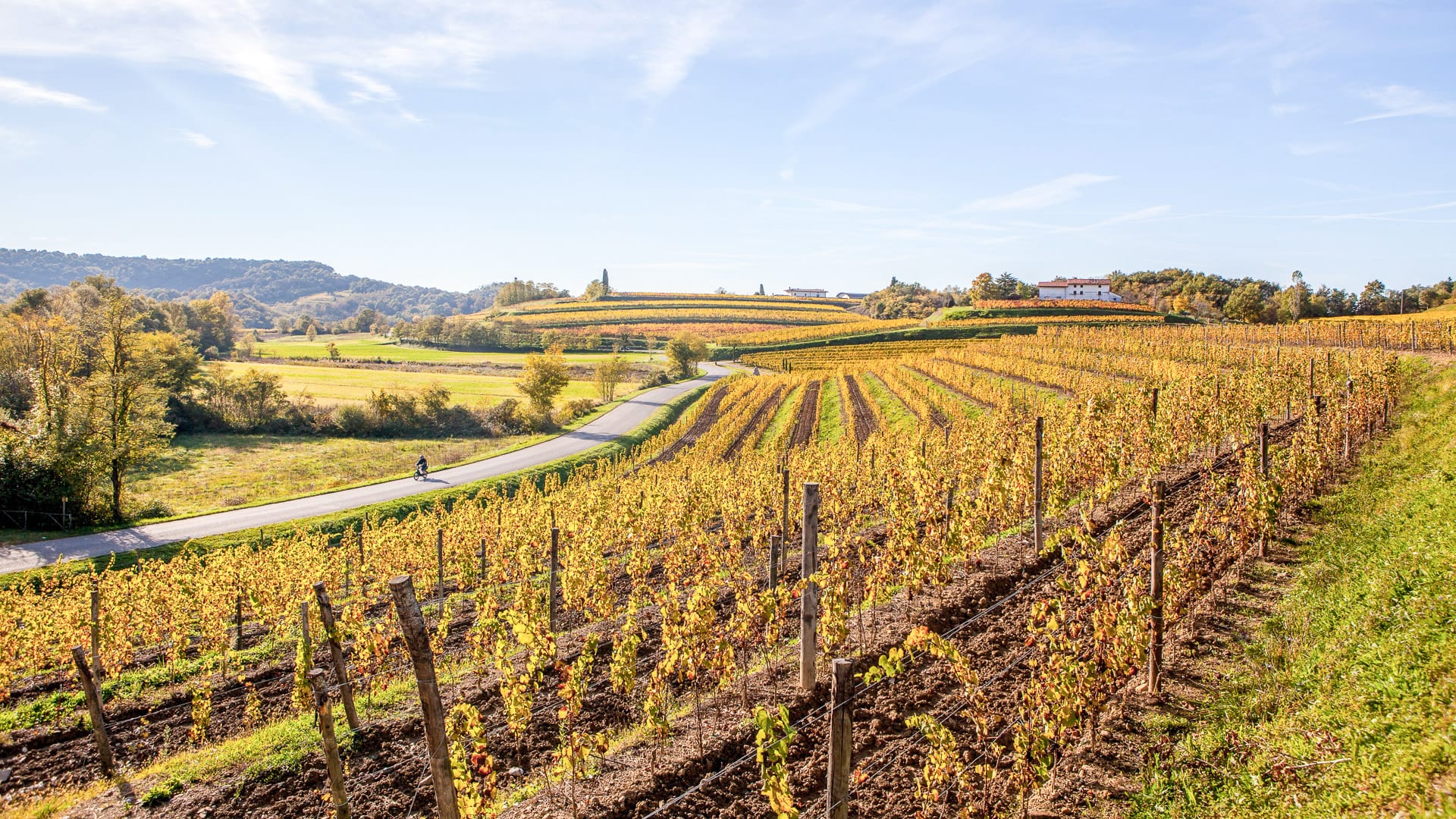
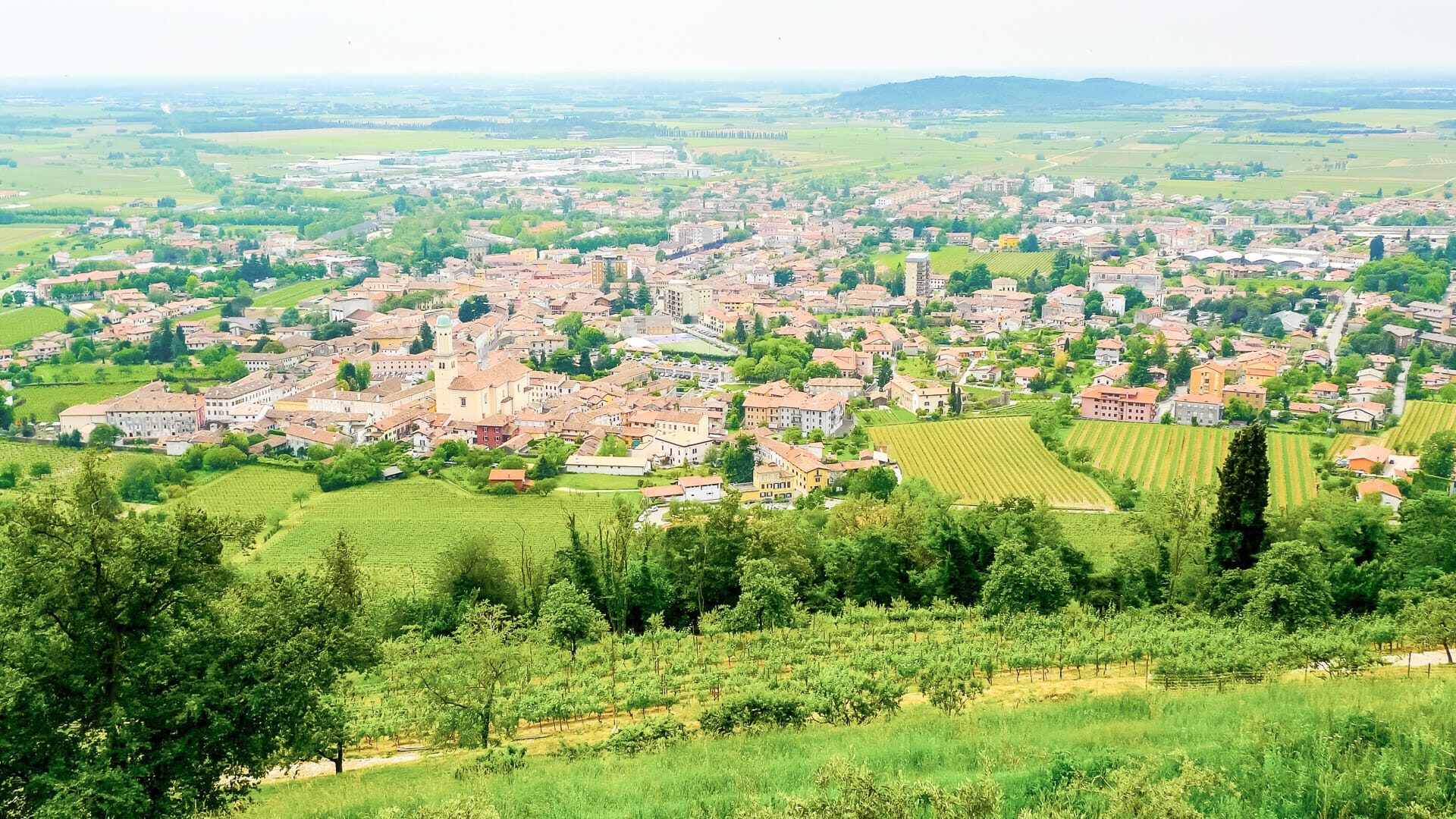
Beautiful rural landscape in Collio region
Grado and the Lagoon of Marano
Best for easy coastal rides, lagoon landscapes, beaches and birdwatching.
Overview
For those who prefer flat, coastal rides, the area around Grado and the Lagoon of Marano offers peaceful paths along the coast and through wetlands. The FVG1 route runs through this region.
Highlights
Serene landscapes, birdwatching opportunities, the historic town of Grado (which resembles a miniature Venice) with its beautiful beaches, and the nearby Lagoon of Marano.
Favourite route: Grado cycle circuit (R042)
This 11-kilometre Grado cycle circuit allows you to explore Grado, the City of the Sun, by bike and incorporates the old town centre, tourist marinas and gardens as well as Canale dei Moreri and Canale della Schiusa.
Highlights include:
- Byzantine Basilica of Saint Euphemia, a landmark with deep roots in history. Once a patriarchal and bishop’s seat, it stands as a testament to Grado’s ancient past;
- the narrow alleyways of the old town and beutiful beaches;
- Canale dei Moreri and Canale della Schiusa, lined with recreational boats. From the Canale della Schiusa, motor boats depart for the nearby islands and other seaside resorts in Friuli Venezia Giulia. Meanwhile, the historic fishing boat fleet anchors at Porto Canale in the residential part of the city.
Note: R042 refers to the regional cycle route number.
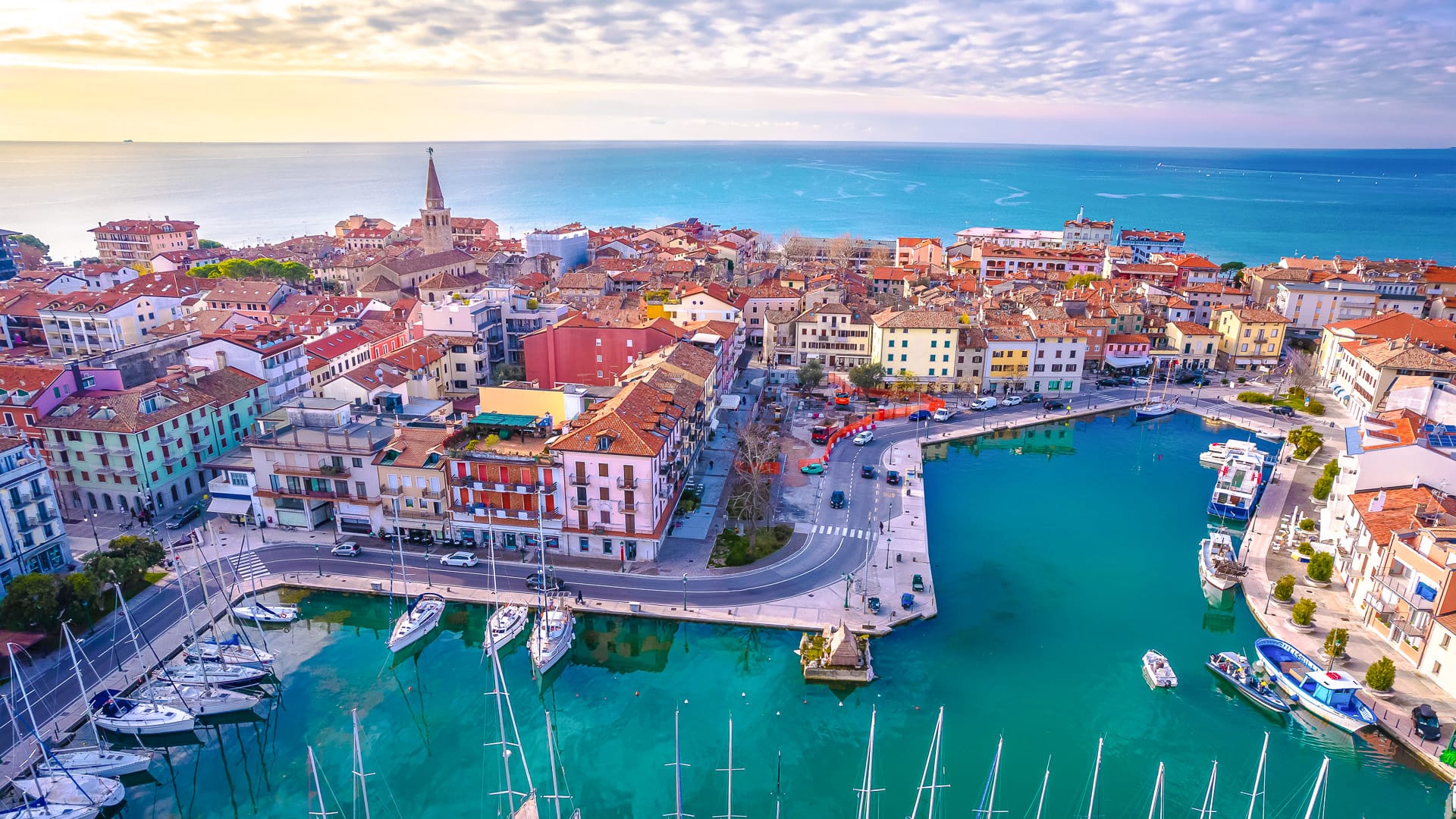
Town of Grado colorful central channel harbor aerial sunset view, Friuli-Venezia Giulia region of Italy
Trieste and its surroundings
Best for coastal views, Karst landscapes, history and varied terrain.
Overview
Trieste is a port city with a rich history; it’s sometimes called Italy’s Little Vienna due to its architecture and heritage. It also makes a great base for cycling around the region. The routes here vary from coastal paths to hilly terrain, offering something for cyclists of all levels. The FVG1 route runs through this region.
Highlights
The Carso Plateau, with its dramatic limestone landscapes, and the scenic coastal road from Trieste to Muggia. The area is also home to Sistiana Bay, offering beautiful views of the Adriatic Sea.
Favourite route: Challenge in Val Rosandra and back (P020)
This 17-kilometre route is suitable for families accustomed to cycling, with children aged 10 years and older. It takes you to Draga Sant’Elia, through old tunnels and canyons of the Rosandra Valley. The route traces the tracks of the old railway that once connected Trieste Campo Marzio station to Herpelje-Erpelle in Slovenia.
The route starts in Trieste. The first five kilometres are smooth and asphalted, making for an easy warm-up. After that, the path becomes unpaved, but the gentle 3% gradient keeps it manageable for everyone.
The ride takes you into Val Rosandra, a gorgeous valley with sweeping views that stretch from the Gulf of Trieste to the rugged Karst landscape. Old tunnels and dramatic canyons add a sense of mystery and history. The destination is Draga Sant’Elia, a quiet village just before the border with Slovenia. It’s a nice place for a break and perhaps some lunch before the return journey.
Note: P020 refers to the regional cycle route number.
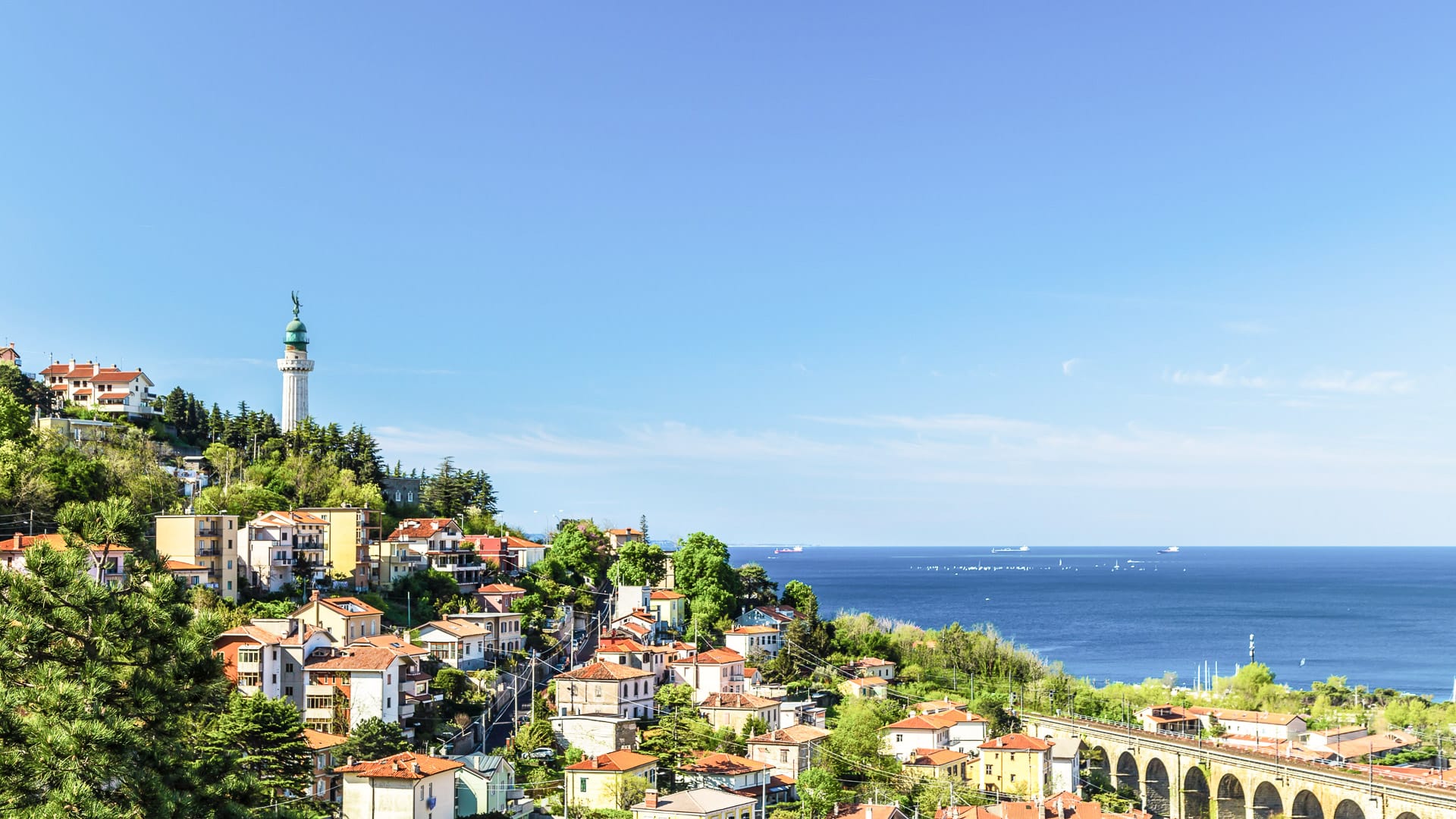
Bay of Trieste
The Friulian Dolomites
Best for big mountain scenery, challenging climbs and alpine adventure.
Overview
The Friulian Dolomites offer routes that challenge even seasoned cyclists. The reward is stunning alpine scenery and an unforgettable ride. The area includes some challenging climbs and winding roads that offer breathtaking views. The FVG2 route runs through this region.
Highlights
The Friulian Dolomites constitute the westernmost mountain area of Friuli Venezia Giulia and embrace the Cellina Valley, Tagliamento Valley and Tramontina Valley. Because of the high degree of wilderness they still preserve, they are considered the most unspoiled part of the entire Dolomite group, now a UNESCO Mondial Heritage Site.
Here you’ll find Monte Zoncolan, Sella Chianzutan, Passo di Monte Croce Carnico, and stunning mountain vistas.
Ciclovia Alpe Adria
Best for multi-day touring, cross-border cycling and Alps-to-Adriatic landscapes.
Overview
The Alpe Adria Cycle Path runs from Salzburg in Austria to Grado in Italy, passing through Friuli Venezia Giulia. It’s a long-distance route with a mix of terrain, making it a fantastic option for cyclists who want to take on a multi-day journey.
Highlights
A scenic, cross-border path with views of both the Alps and the Adriatic, passing through picturesque towns like Gemona del Friuli and Cividale del Friuli (which is UNESCO-listed).
More information on cycling Alpe Adria
Read our article on the Alpe Adria cycle route.
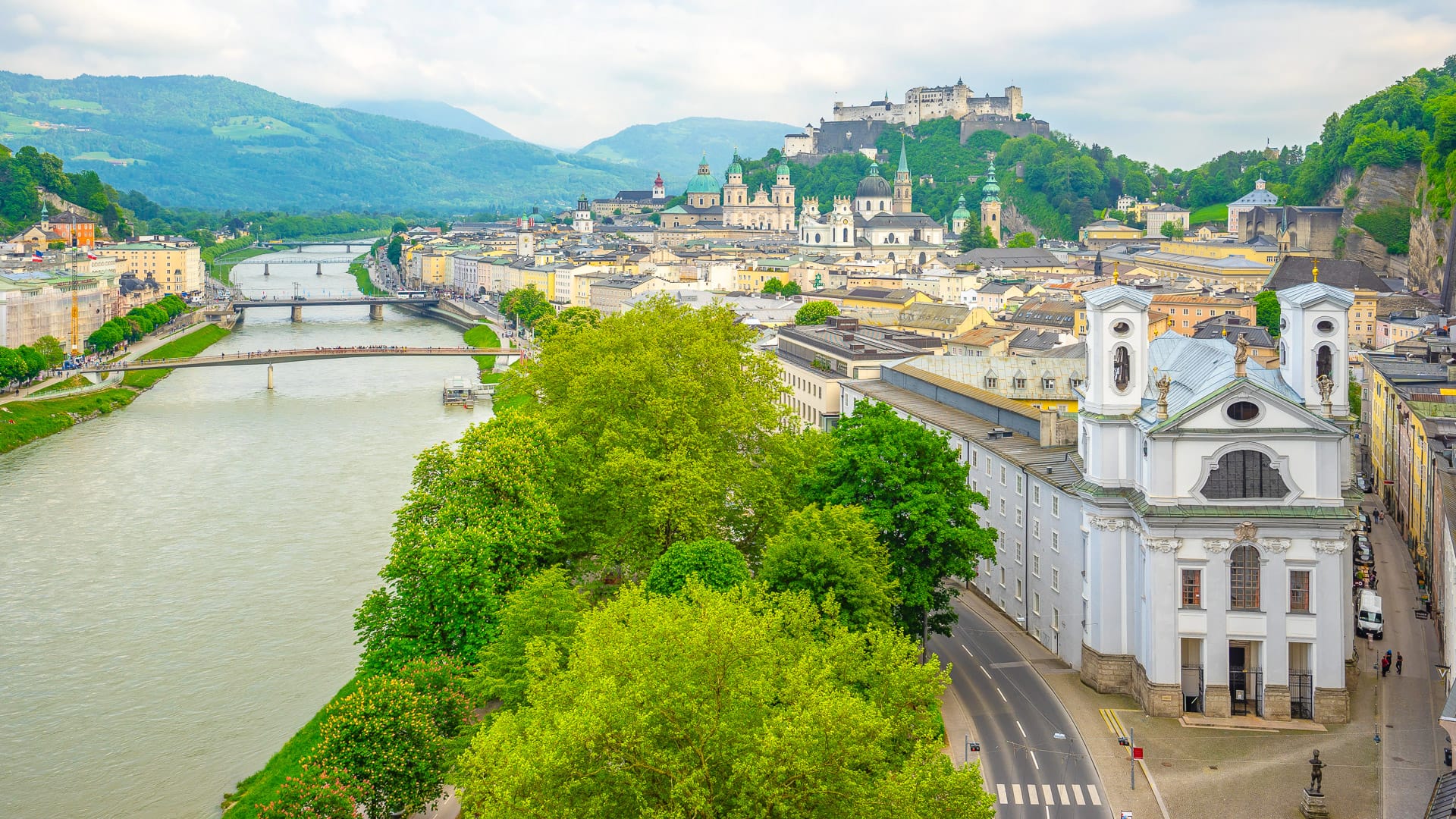
Salzburg skyline in Salzburg city
4. What are the key cycling events in Friuli Venezia Giulia?
Cycling events in Friuli Venezia Giulia range from professional road racing to bikepacking, night rides and mountain events. The calendar changes each year, so check the official event websites before planning your trip around a specific date.
Giro d’Italia
- When: 8 May 2026 – 31 May 2026
- Overview: One of the most prestigious cycling events in the world, the Giro d’Italia often includes stages through FVG, particularly in the mountainous areas such as the Friulian Dolomites and the Carnic Alps. The challenging climbs and beautiful scenery make this event a highlight for both professional cyclists and spectators.
- Notable areas: Gemona del Friuli, Piancavallo and the wider Friulian mountain areas.
Corsa per Haiti, Friuli Venezia Giulia
- When: Usually in spring. The 2026 edition took place on Sunday 17 May.
- Overview: Corsa per Haiti is a long-running amateur road cycling event in Friuli Venezia Giulia. The 2026 edition started and finished in Gemona del Friuli and offered mediofondo and granfondo routes. The longer route was around 125 kilometres with approximately 2,400 metres of elevation gain, making it a challenging event for experienced riders.
- Notable areas: The 2026 route included places such as Gemona del Friuli, Venzone, Bordano, Sella Chianzutan, Clauzetto, Travesio, Pinzano al Tagliamento, San Daniele del Friuli and Monte di Ragogna.
Alpe Adria Tour
- When: The 2026 Alpe Adria Tour included events from 26 April to 5 July. Its June events were the Kärnten Radmarathon in Bad Kleinkirchheim on 7 June and Maraton Franja in Ljubljana on 14 June.
- Overview: Alpe Adria Tour is a circuit of road cycling events with Granfondo and Mediofondo routes. In 2026, the series included events in Italy, Austria and Slovenia, including Corsa per Haiti in Gemona del Friuli and GF dei Templari in Pordenone.
- Notable areas: The 2026 series included event locations such as Valdagno, Verona, Gemona del Friuli, Bad Kleinkirchheim, Ljubljana and Pordenone. For Friuli Venezia Giulia specifically, the relevant events were Corsa per Haiti in Gemona del Friuli and GF dei Templari in Pordenone.
FVG Bike Trail
- When: The 2026 edition starts on Thursday 3 September, with the start window open until Saturday 5 September.
- Overview: FVG Bike Trail is a non-competitive bikepacking event in Friuli Venezia Giulia. It is designed for riders who want to explore the region by bike, without racing or rankings. The 2026 edition includes gravel/MTB and road options, making it suitable for riders looking for an adventurous, self-supported cycling experience.
- Notable areas: The 2026 edition departs from Udine and is designed to showcase Friuli Venezia Giulia’s varied landscapes, villages, border culture and food.
Lignano Sabbiadoro Cycling Race
- When: Usually held in spring
- Overview: While not a dedicated cycling event, the Lignano International Triathlon includes a bike leg and is a notable endurance event on the local sporting calendar. Based in the coastal resort of Lignano Sabbiadoro, it attracts athletes looking to combine swimming, cycling and running in a seaside setting.
- Notable areas: Lignano Sabbiadoro and the surrounding coastal roads.
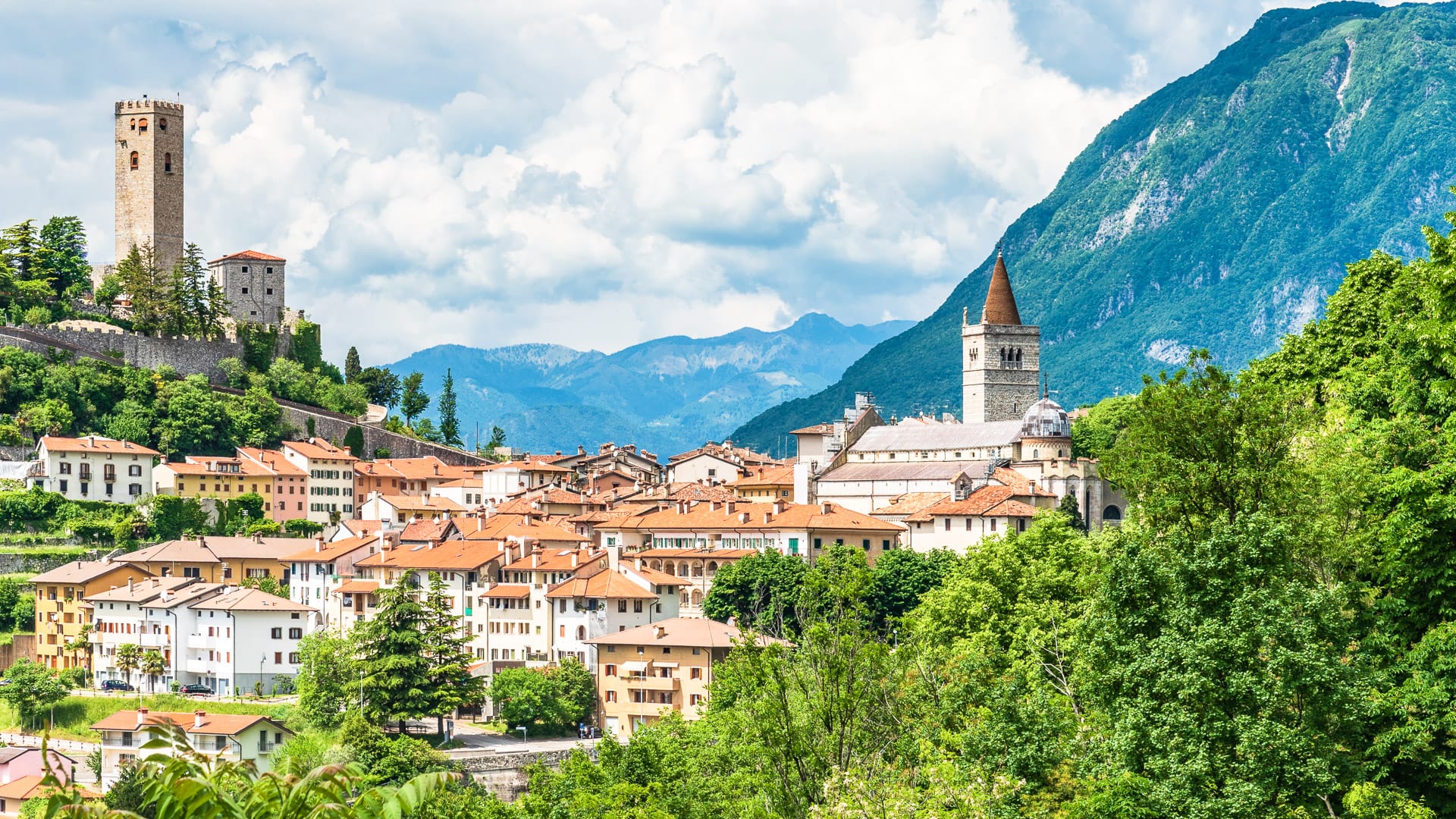
Historic town of Gemona del Friuli
5. What are accommodation options like for cyclists in FVG?
There isn’t a specific bike hotel accreditation scheme in FVG, but cyclists tend to be welcome at hotels.
From gorgeous castle hotels, such as Castello di Spessa, to campsites in Grado, you’ll find unique hospitality and will often find services such as bike rentals (if not available on-site, rentals can typically be arranged with transport directly to your hotel).
Many hotels have dedicated garages to store your bikes, with charging stations for e-bike batteries in designated rooms. Most luxury bike hotels offer a comprehensive service, while B&Bs and agritourismos are generally strategically located near bike rental shops offering mechanical services and assistance.
6. Are there places for bike hire in Friuli Venezia Giulia?
It’s relatively easy to find bike rentals in the region. All major cities and towns have equipped bike shops.
If you’re hiring for multi-day riding, confirm what’s included (lock, charger, repair kit) and whether the shop offers support if something goes wrong. Some providers can also deliver bikes to accommodation or arrange one-way hire, but availability varies by location and season.
7. When to go cycling in Friuli Venezia Giulia?
You can cycle 365 days of the year in Friuli Venezia Giulia, but it gets very cold in winter.
For most cyclists, spring and autumn (April to June and September to October) are the best seasons to visit Friuli Venezia Giulia, offering the perfect balance of mild weather, stunning scenery, and fewer people around.
Spring (April – June)
Ideal for mild weather, beautiful landscapes, and fewer crowds.
Autumn (September – October)
Perfect weather, scenic beauty with autumn foliage, and an authentic local atmosphere.
Summer (July – August)
Best for coastal rides and higher-altitude mountain routes, though it can be hot.
Winter (November – March)
These months are mostly for winter sports enthusiasts or those on the coast seeking quieter roads (average temperatures on the coast can be 10 degrees or more higher than in the mountains). In the mountains, there’s usually snow between December and March.
8. Any tips for riding in Friuli Venezia Giulia?
Bike maps for Friuli Venezia Giulia
Promoturismo FVG (the regional tourism promotion agency) has created detailed maps for each bike path. These can be purchased at the info points/tourist offices in tourist-focused towns for €2 each and are the most detailed guides for routes in the area. You can also check the routes online at BikeFVG.
Highway code and travel information
As ever, it’s a good idea to check current travel information before you book and travel. For UK visitors, the UK government travel information pages for Italy are here.
In Italy, cyclists must follow specific rules and regulations outlined in the Italian Highway Code (Codice della Strada) to ensure their safety and the safety of others on the road. Here are the key rules and guidelines for cyclists in Italy:
Equipment and safety
- Helmet: Wearing a helmet is mandatory for cyclists under the age of 18. While it’s not compulsory for adults, it is strongly recommended for safety.
- Lights and reflectors: Cyclists must use:
- A white front light and a red rear light when riding at night or in conditions with poor visibility.
- Reflectors on the front, rear, and pedals, and at least one reflector on each side of the bicycle (usually on the wheels).
- Bell: Cyclists must have a bell on their bike to alert others when overtaking.
- Clothing: While specific clothing requirements are minimal, cyclists are advised to wear bright or reflective clothing when riding at night or in low-visibility conditions.
Where cyclists can ride
- Cycle paths and lanes: Cyclists should use dedicated cycle paths (where available). If a cycle path is present, cyclists must use it. On roads without bike lanes, cyclists should ride as close as possible to the right edge of the road.
- Pedestrian zones: Cyclists are not allowed to ride on pedestrian-only areas unless explicitly permitted by road signs. However, cyclists can walk with their bikes in pedestrian zones.
- Riding on the pavement: Cyclists may ride on pavements only if the road is not suitable for cycling, such as when it’s too busy or dangerous. If riding on the pavement, cyclists must give way to pedestrians and proceed at walking pace.
- Roads and Highways: Cyclists cannot ride on highways or expressways, unless the road is explicitly marked as allowed for cyclists, or in certain exceptions where signs allow cyclists.
Traffic rules
- Right of way: Cyclists must respect the general traffic rules, including right of way at intersections and giving way to pedestrians at pedestrian crossings. They must obey traffic signals, stop signs, and other road signs.
- Overtaking: Cyclists should overtake other vehicles or cyclists on the left. They must ensure it’s safe to do so, especially on narrow roads.
- Positioning on the road: Cyclists should ride in single file on roads with heavy traffic. Riding side by side is only permitted on quiet roads with little traffic, but cyclists should always be mindful of traffic conditions.
Alcohol and drugs
Cyclists are subject to the same alcohol and drug limits as drivers. The legal blood alcohol limit is 0.5 g/l for cyclists, although it’s strongly recommended not to drink and ride at all. Penalties for cycling under the influence can include fines, and if an accident occurs, more severe consequences can apply.
Traffic signals and signs
- Cycling-specific signals: In some cities, you may encounter specific traffic lights and signals for cyclists (for example, a green bike signal at certain intersections).
- Pedestrian crossings: Cyclists should not ride through pedestrian crossings unless the crossing has been specifically designed for cyclists (i.e., marked with bike lanes).
Group cycling
If cycling in a group, cyclists must ride in single file unless there is no traffic, in which case it is allowed to ride side by side. Groups should be aware of their surroundings and be considerate of other road users.
Parking and stopping
- Parking: Cyclists should not block pedestrian pathways or park bikes in areas where they obstruct pedestrian or vehicular traffic. Many cities have bike racks and designated areas to park bikes.
- Stopping: If cyclists need to stop, they should do so on the right side of the road and should be mindful of other road users. It’s dangerous to stop suddenly without signalling or when visibility is poor.
Use of headphones
The use of headphones or earphones while cycling is generally not allowed when riding on public roads, as it can reduce awareness of traffic and surrounding hazards. It’s important to be able to hear vehicles or other cyclists around you.
Children and tandem bikes
- Children riding with adults: the Highway Code (Art. 182) lays down specific rules for children under 10 years of age. If this is relevant to you, check before you visit. For example,
– outside urban centres it is permitted to ride side-by-side provided that the child under 10 years of age is on the right of the person accompanying him/her;
– an adult driver is allowed to transport a child up to 8 years of age properly secured with equipment. - Tandem bicycles: Cyclists riding tandem bikes must also follow standard cycling rules and should ensure they are visible to others on the road.
Foods and drinks to try in Friuli Venezia Giulia
Drinks
- Spritz: Originally made with white wine and sparkling water during Austrian rule; now includes Aperol or Campari with Prosecco.
- Great wines: Local wines complement the region’s cured meats. The two top vineyard areas are the Collio and the Colli Orientali del Friuli.
Food
- San Daniele ham: Sweet prosciutto ham cured in Adriatic breezes and mountain air, known as the “king” of San Daniele.
- Smoked trout: Dubbed the “Queen of San Daniele.”
- Montasio and Asino cheeses: Handmade cheeses served in rustic Osmize taverns.
- Frico, a pie made of Montasio cheese, potatoes and onion
- Gubana cake found in the San Pietro al Natisone area
- ‘Gorizia rose’ a unique variety of radicchio. Throughout the area there are zero kilometre fruit and vegetable producers who also offer their kiosks for a stop for cyclists along the routes
- Pitina: Strong-flavoured salami made with goat, sheep, and venison meat.
- “Underground” cheeses: Aged in Karsic caves, prized for their unique flavour.
Languages
Italian is spoken in this area. In most of the border towns, Slovenian and German is also spoken.
English is well known due to the arrival of many tourists from all over the world on cruise ships!
In all tourist offices people will speak excellent English and German.
Interesting facts
- Well-known coffee brands, Illy and Hausbrandt, are based in Trieste. Grappa Nonino is a short distance away and it is possible to do tastings and tours in their centre.
- San Daniele ham is a speciality of the region.
- The Giant Cave located on the Karst Plateau is considered one of the largest caves in the world. The Karst is is a unique area, rich in caves and trails, sinkholes and a special soil that grants the production of unique wines (Teran and Vitovska for example the famous Kante and Zidarich) that are sold on farms and in the typical Osmize taverns.
- The city of Gorizia is divided into two parts: the Italian part Gorizia and the Slovenian part Nova Gorica (there are no borders, you can safely put both feet in both countries).
- The Collio area produces some of the best wine labels (such as the famous Felluga and Jermann).
- Every year in June, Trieste holds Bloomsday, which celebrates, recounts and relives James Joyce’s masterpiece Ulysses. In fact, it was here that he began writing the work.
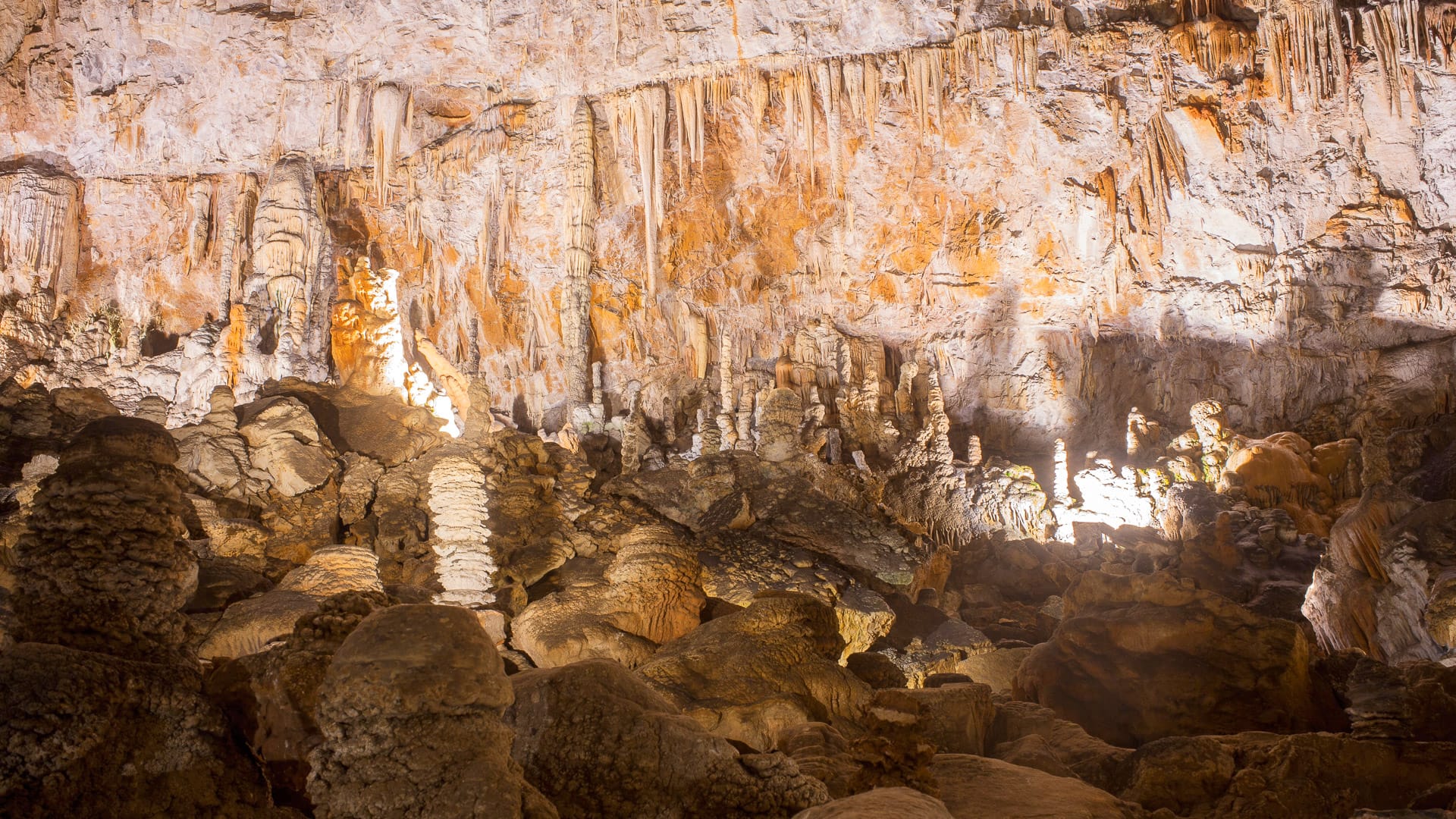
The Grotta Gigante (or the Giant Cave)
Getting around Friuli Venezia Giulia
The authorities are trying to make it easier for cyclists to take public transport. Promoturismo FVG (the regional tourism promotion agency) has useful information on their website.
In spring and summer, the Udine–Palmanova–Aquileia–Grado BiciBus service helps cyclists combine bike travel with public transport. For 2026, the service runs from 25 April to 13 September, with buses operating on Saturdays, Sundays and public holidays in May, June and September, excluding 1 May, and daily in July and August (source). The buses have bike trailers, and bicycle transport is included in the price of a single ticket. The route links Udine with Grado on the Adriatic coast, stopping at Palmanova and Aquileia along the way. It also ties in well with the Alpe Adria Cycle Route.
Arriving at Trieste airport, you can take the train that connects the airport with most of the cycling and mountain areas. Trains arriving in FVG are also well connected with most of the neighbouring countries: Slovenia, Austria, Germany, and through a change in Venice also with other European countries.
How to get to Friuli Venezia Giulia?
The main airport in FVG is called Trieste Airport, but it’s located in Ronchi dei Legionari in the province of Gorizia. It is connected to the train and bus stations, which can take you to any location in the region.
Some travellers arrive at Ljubljana Airport in Slovenia, from where buses head to FVG. Or you can rent a car to reach Trieste in under 2 hours.
The same applies to Venice and Treviso airports, which are less than two hours from the region and well-connected by rail.
9. Where can cyclists find out more?
If you want guided or self-guided support, there are several tour operators working across Friuli Venezia Giulia and the wider northeast of Italy.
When comparing options, it’s worth checking what’s included (accommodation, luggage transfers, route notes/GPS, bike hire, support level) and how flexible the itinerary is for different fitness levels.
We know several operators in this region, so if you’re looking for support, fill in this enquiry box and we will try and connect you.
Ready to cycle in Friuli Venezia Giulia?
We’re so pleased to have been able to share this magical corner of Italy with you.
Let us know in the comments below if this guide inspires you to visit – or helps you plan! Your feedback means a lot to us.
Looking for more Italian cycling inspiration? Don’t miss:
- How to plan a cycling holiday in Northern Italy
- A guide to the Alpe Adria cycling route in Austria and Italy
- The Parenzana bike trail
- 4 best cycling routes in the Dolomites
- Guide to gravel cycling in Austria
- Cycling Ljubljana (and surrounds): your ultimate guide
Please support Epic Road Rides
A huge amount of time and effort goes into the article you’ve just read, all with the aim of helping you!
If you found what you’ve read useful, I’d really appreciate it if you dropped something in the tip jar here.
It’s a way you can say thank you and help us carry on creating top quality content with no annoying ads and no pay wall.
Looking for an organised cycling trip?
If you want someone to help you plan and book your cycling holiday, fill out this form. We aren’t a tour operator/agent but we work with lots of people who are and will do our best to put you in touch with someone that can help (within 24 hours where possible)!Clare Dewey is a cyclist with a passion for travel. She set up epicroadrides.com in 2018 to help make it easy for cyclists to explore the world by bike. Today her mission is still inspiring cyclists to discover new places on two wheels - and doing what she can to make sure they have the best possible time while they're there. Clare has visited 50+ destinations around the world, many of them by bike.
Want to connect with Clare? Find her over on LinkedIn.
Last Reviewed: 30 June 2026
First Published: 28 November 2024
The contents of this website are provided for general information purposes only. It is not intended to amount to advice and you should not rely on it. You should carry out your own due diligence and risk assessments and take professional advice. Views expressed by interviewees or other users of this website do not necessarily represent our views. We make no representations, warranties or guarantees, whether express or implied, that the content on our website is accurate, complete or up to date. If you use any information or content on this website, download from, or otherwise obtain content or services through our website, it is entirely at your own discretion and risk. Epic Road Rides Ltd disclaims all liability and responsibility arising from any reliance placed on the information and content on this website. Find out more here.