

Barcelona is one of the world’s most popular city break destinations. But what about cycling in Barcelona and the region beyond the city?
The answer is that cycling in the Barcelona region is fantastic. In our opinion, it’s an area that should be better known amongst cyclists than it is.
In this guide we speak to Joaquin Vizcaíno, a keen cyclist who is passionate about making it easier for visitors to discover the cycling in and around Barcelona region.
When we refer to the Barcelona region, we generally mean Barcelona province: the wider area surrounding Barcelona city and stretching from the Mediterranean coast towards the Pyrenees.
To help you get started, we’ve picked out four areas that show the range of cycling on offer across the Barcelona region:
- Maresme county: Best for coastal riding, gentler climbs and winter cycling.
- Penedès county: Best for quiet roads, vineyards and easier rolling routes.
- Osona county: Best for peaceful mountain roads and moderately challenging rides.
- Berguedà county: Best for big climbs, mountain passes and challenging days on the bike.
Read on!
Always check current travel information and advice. For visitors from the UK, the UK government travel information pages are here.
Table of contents
This guide contains a lot of useful information. To help make it more digestible, we’ve broken it down into several parts:
- Part 1: Overview
- Part 2: Cycling routes
- Part 3: Cycling events
- Part 4: Accommodation
- Part 5: Bike hire/rent
- Part 6: Best time to visit
- Part 7: Tips
Part 1: What’s special about cycling in/around Barcelona?
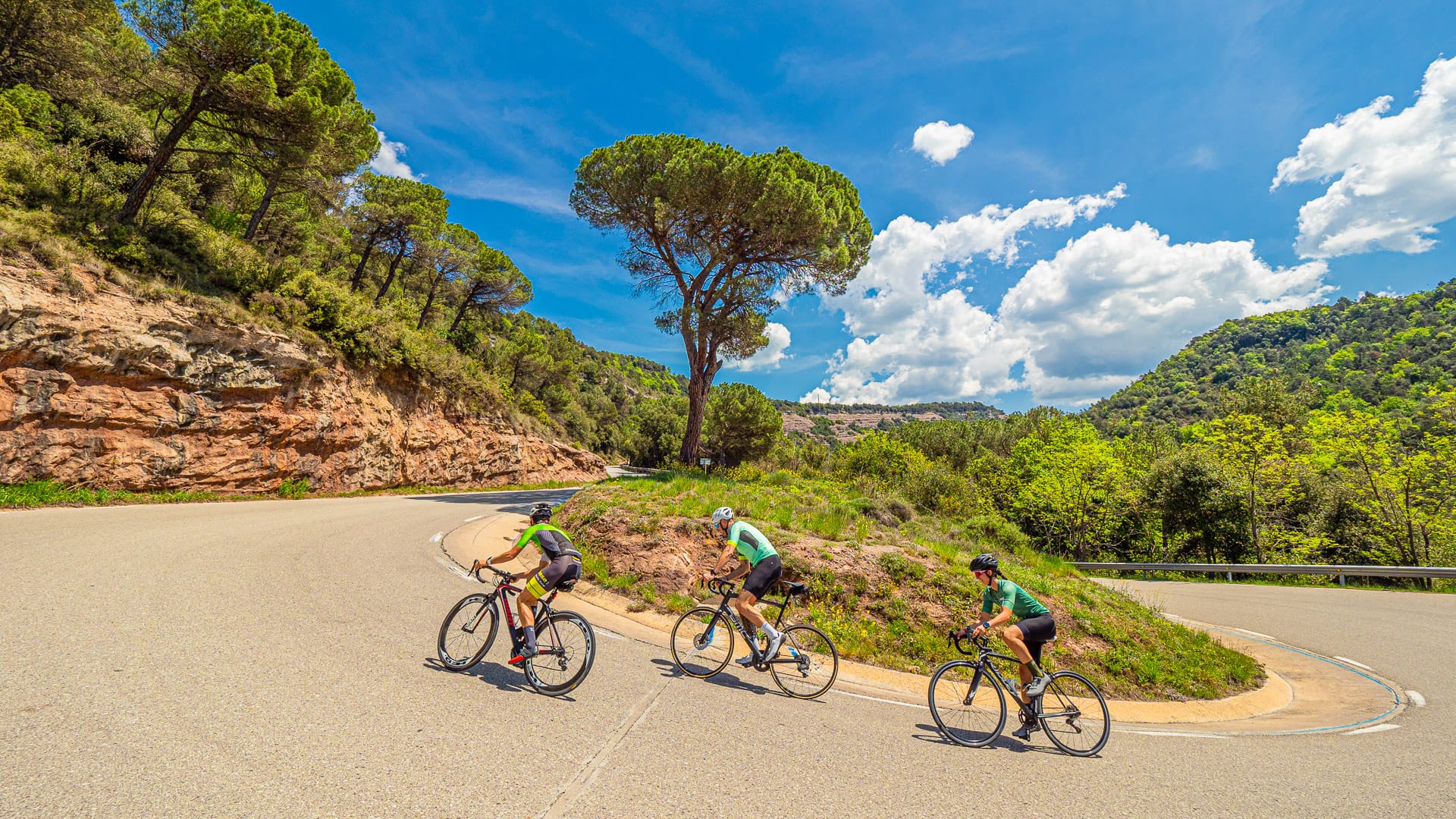
What makes cycling in and around Barcelona pretty unique is the variety of landscapes and cycling routes you find within a relatively small area. The cycling possibilities are infinite and you’ll find hospitable weather all year long. Due to Barcelona’s popularity as a city break, getting here is also extremely easy.
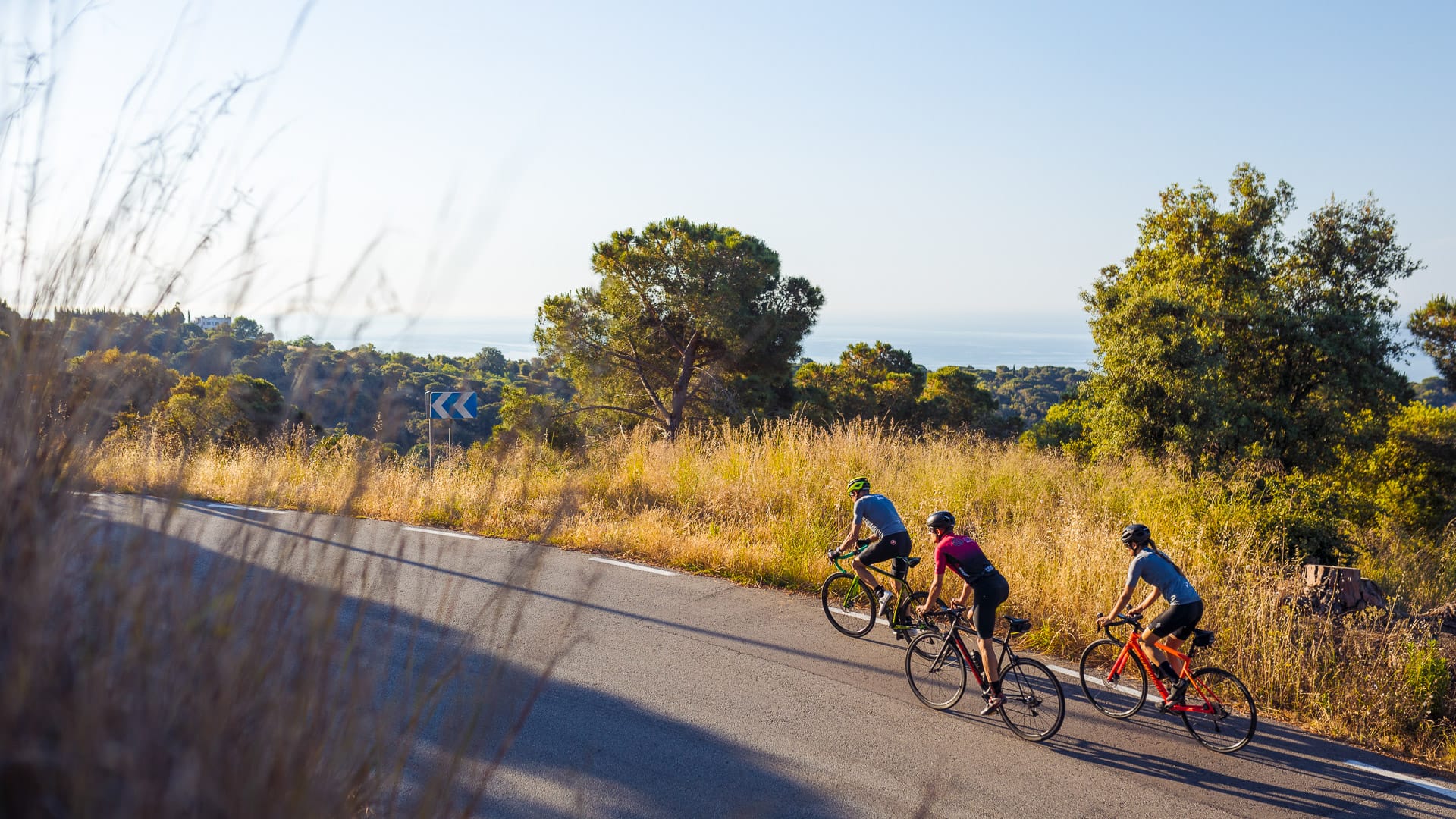
To give you a flavour, the routes just to the east of Barcelona, in Maresme county, are perfect for winter breaks, as temperatures are mild until summer, and the roads are quiet and peaceful. Head 100 kilometres north of Barcelona, to the foothills of the Pyrenees and you’ll find fantastic riding in spring, summer and early autumn. In between, there are the interior territories where there’s excellent cycling throughout the year.
In general, roads are well maintained, and there is a vast range of secondary roads connecting cities to villages or even Barcelona city.
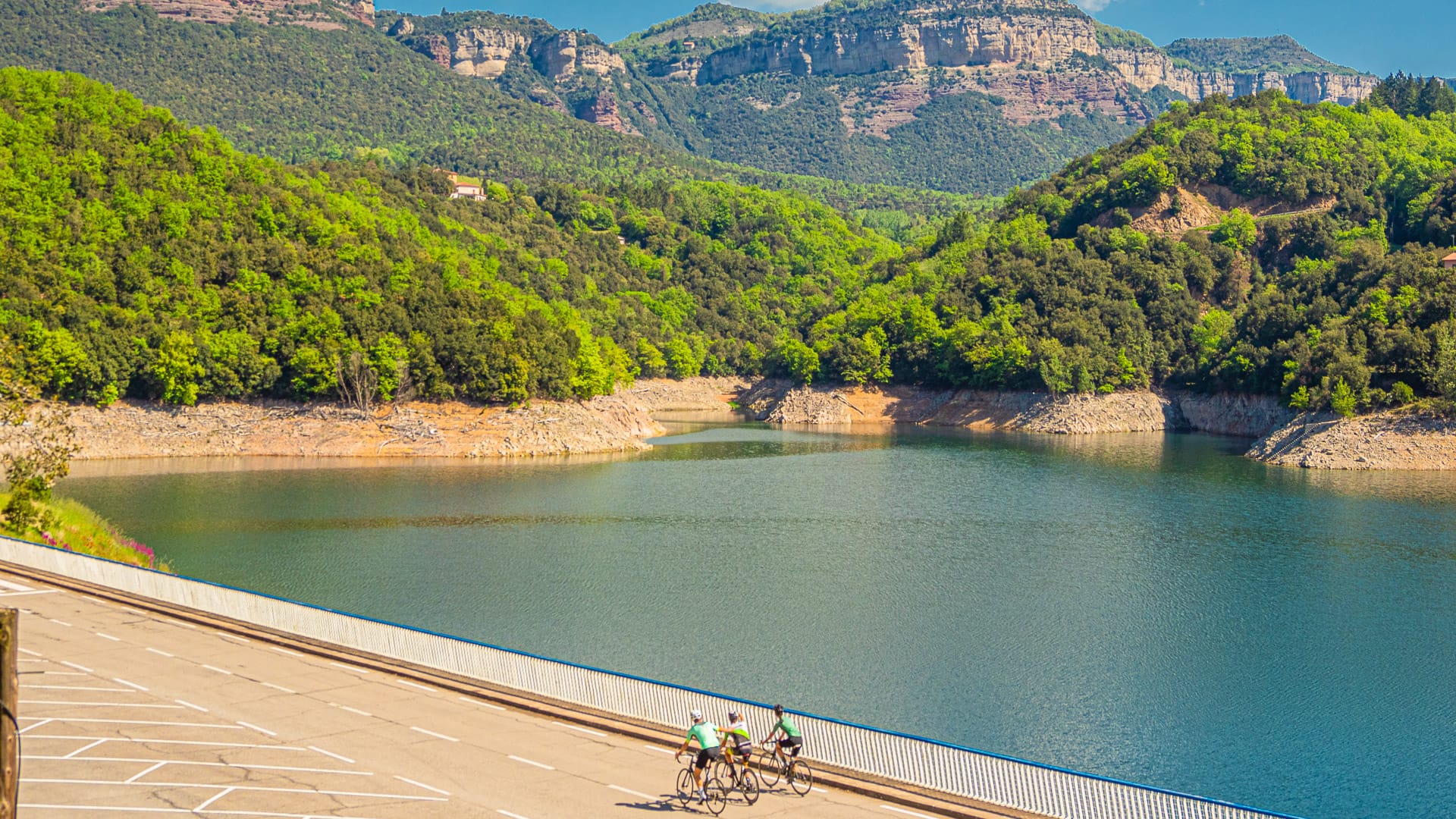
Layer on top of this Mediterranean forests, vineyards, cultural heritage, gastronomy and wine and you’ve got yourself an awesome cycling holiday destination!
If you need any further encouragement, how about tacking an easy day trip to Barcelona onto your bike trip? Could be one way to keep both the cyclists and non-cyclists in your life happy?!
Overview (from a cyclist’s perspective)
Barcelona province lies in the centre of Catalonia, one of the seventeen autonomous communities of Spain. It is located in the northeast of Spain. To the north of Catalonia lies the Pyrenees Mountains and the border with France. To the south, lies the autonomous region of Valencia. To the west is Aragón.
Barcelona is one of Catalonia’s four provinces. It occupies an area around Barcelona city and extends from the Mediterranean coast towards the Pyrenees. The province now includes 13 comarques (counties), following the creation of Lluçanès in 2023.
To download the cycling map of the Barcelona region, please visit this website.
Population
Barcelona province has just over 6 million inhabitants. Provisional official figures for 1 January 2026 put the population at 6,017,087. Barcelona city itself has around 1.73 million residents. The province covers approximately 7,726 square kilometres.
Population density varies enormously across the province. While Barcelona and its metropolitan surroundings are densely populated, many inland and mountain areas are considerably quieter and offer a very different riding experience.
Plains and mountains
Coastal plains rise towards a series of protected landscapes, including Parc del Garraf, Parc Natural de la Serra de Collserola, Parc de la Serralada de Marina and Parc del Montnegre i el Corredor.
Beyond the coastal relief lie the plains of El Vallès, El Penedès, El Pla de Bages and Osona. They are surrounded by gorgeous mountains such as El Collsacabra, Les Guilleries and the foothills of the Pyrenees.
Scattered throughout these plains and acting as natural borders between them are the breath-taking massifs of Montserrat Natural Park and El Montseny UNESCO Biosphere. The route to Turó de l’Home, the highest summit of the Montseny massif (1,706 metres), is one of the region’s classic climbs and it can be started right from the coast north of Barcelona city, or from the interior plain of Osona (more on that below).
The high mountains
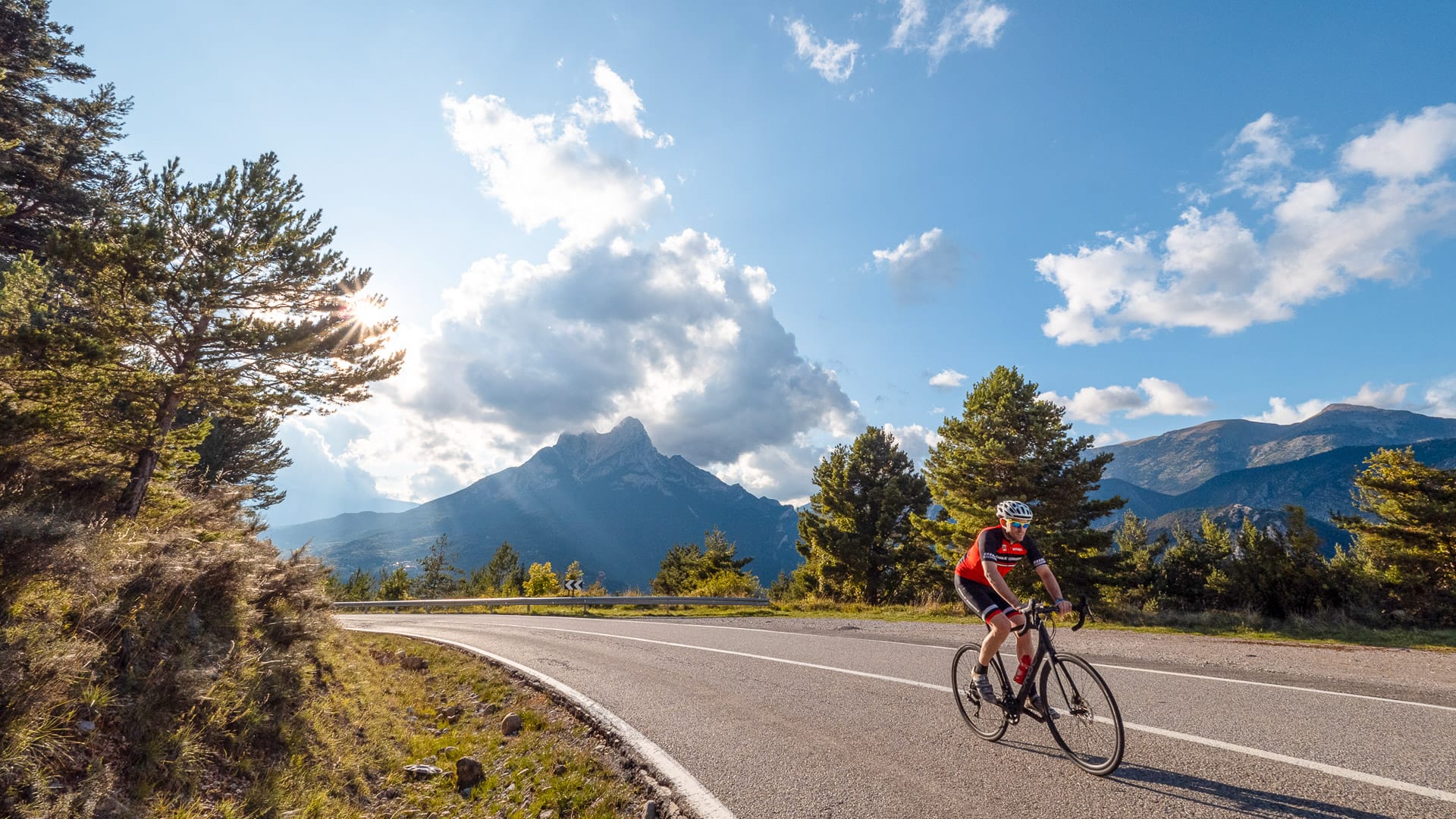
For those looking for an even tougher challenge, part of the Pyrenees is located in the Barcelona region. Just 100 kilometres from Barcelona, you’ll find summits that go all the way up to more than 2,500 metres. More on the Berguedà region below.
For further information on Barcelona’s regions please visit: https://www.barcelonaesmoltmes.cat/en/
Part 2: Cycling routes in Barcelona region
Barcelona is surrounded on all sides by potential cycling routes, but there are four areas where you’ll find especially great riding.
Below I’ve shared a brief overview of what to expect from each region as well as my favourite route in each, to give you a taste of what’s on offer.
Maresme county
Maresme lies east of Barcelona, it’s roughly 50 kilometres from the city to Calella, which is one of the main bases for cyclists. It has a superb location in between the Mediterranean Sea and coastal hill ranges. Here cyclists can enjoy flatter routes and gentle ascents. There’s also the Montseny massif for those that want to tackle a bigger challenge.
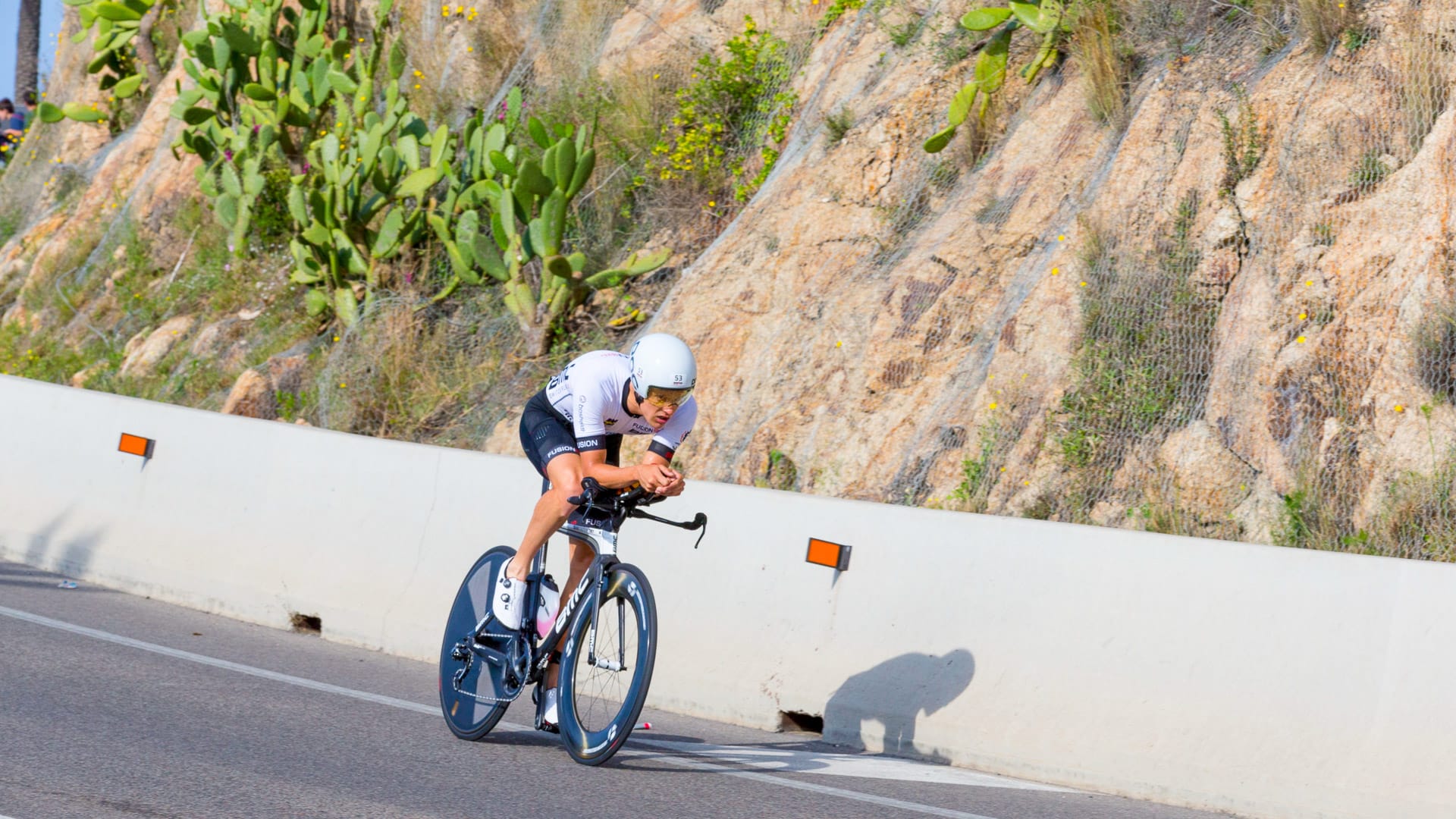
Within Maresme county I’d suggest staying in Santa Susanna or Calella, which are both sports and bike friendly destinations. Both are recognised Sports Tourism destinations with a strong cycling offer, and regularly host cycling and multisport events. Calella also hosts IRONMAN Calella-Barcelona.
Suggested route
Here’s my favourite route in Maresme:
Rides

Other routes
You can also check out these additional routes for further inspiration:
- Montseny – (per Collformic) – distance: 149 kilometres, elevation gain: 2,436 metres
- Ports del Maresme – distance: 101 kilometres, elevation gain: 1,104 m
- La Vallalta I La Carretera de Mata – distance: 43 kilometres. elevation gain: 548 metres
Penedès and Garraf county
The Penedès is a wider wine-growing and tourism area rather than a single comarca. Vilafranca del Penedès, roughly 60 kilometres west of Barcelona, is the capital of Alt Penedès and makes a useful inland base for cyclists. The coastal towns of Sitges and Vilanova i la Geltrú are in neighbouring Garraf, around 40 kilometres from Barcelona.
The Penedès region is a welcoming plain that extends to the coast. It is surrounded by the impressive mountain of Montserrat and the Garraf and Ordal hills. Cycling is the perfect way to discover the region’s culture, tradition, gastronomy and rich tradition of wine-making
El Penedès is perfect for those who prefer quiet and relatively easy riding. The plain ends right by the coast, where the picturesque cities of Vilanova i la Geltrú or Sitges are located. Come here to discover a territory of vineyards, mediaeval architecture and a gently rolling landscape.
Scattered throughout the region there are many villages and cities that might be perfect hubs for you to stay, relax and enjoy their peaceful atmosphere. For those who are after some more action, there is also the possibility to start and stay in bigger and vibrant cities like the ones located by the coast. I’d suggest taking a look at Vilafranca or the coastal towns of Sitges, Vilanova or Sant Pere de Ribes.
Suggested route
Here’s my favourite route in Penedès:
Rides

Other routes
You can also check out this additional route for further inspiration:
- La Clàssica del Penedès – 123 kilometres, elevation gain: 1,776 metres
- Sitges – Garraf – Sitges – 47.48 kilometres, elevation gain: 1,137 metres
Note: there is some overlap between this guide and our guide to cycling Costa Dauarda region to the south. That guide links to the El Vendrell ride within the Penedès region.
Osona county
To the northeast of Barcelona, lies Osona. It’s roughly 70 kilometres from Barcelona to Vic.
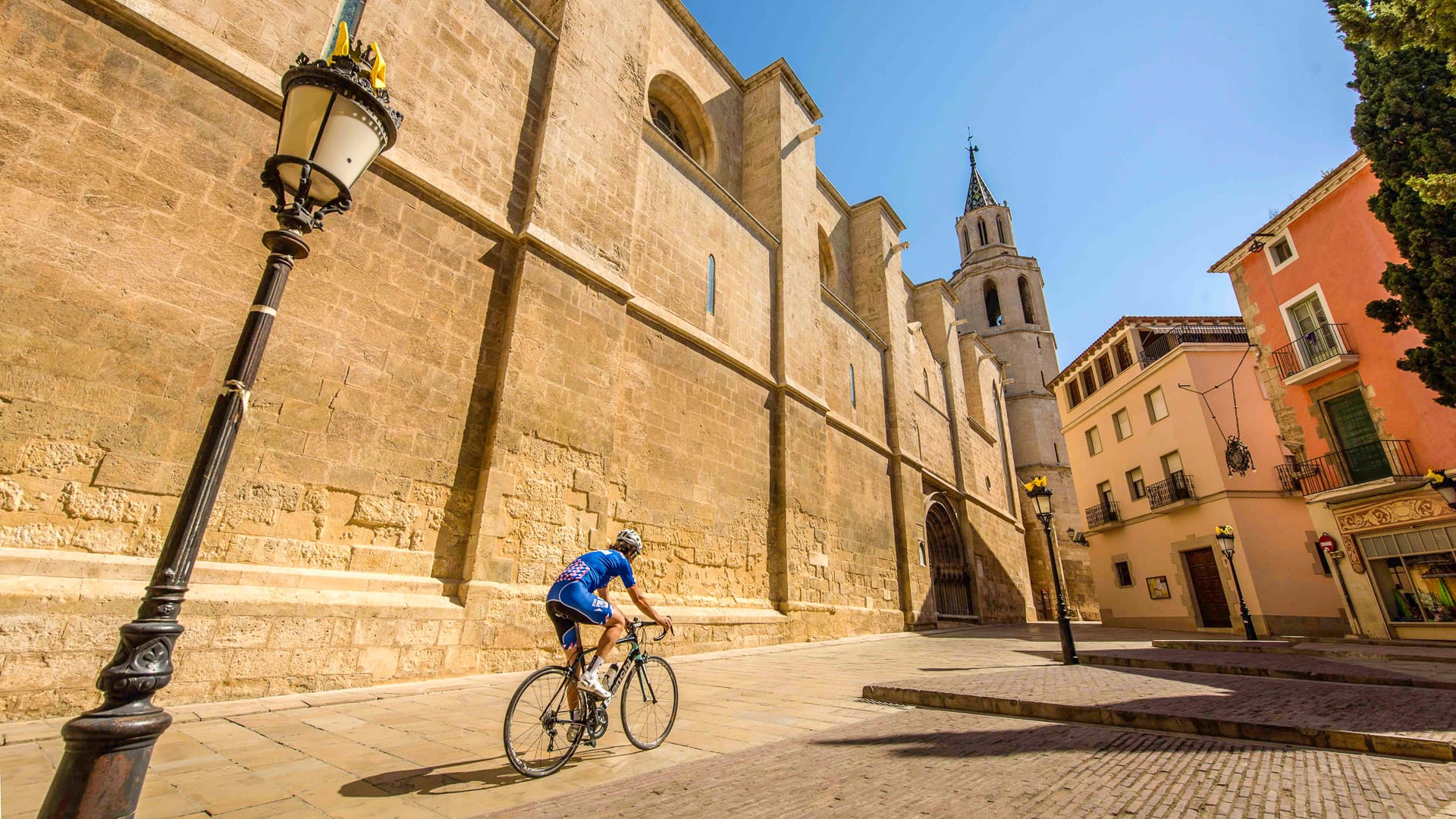
The charming city of Vic is full of history and provides riding throughout the mountainous surroundings to the north face of el Montseny, El Collsacabra and Espai Natural de les Guilleries-Savassona.
This region is great for moderately challenging riding.
Suggested route
Here’s my favourite route in Osona county:
Rides

Other routes
You can also check out these additional routes for further inspiration:
- Pedalant per Osona i el Lluçanès – distance: 76 kilometres, elevation gain: 1,173 metres
- Guilleries – Cabrerès – Bellmunt – distance: 107 kilometres, elevation gain: 2,501 metres
- Sau – Rupit – Condreu – Bracons – distance: 103.24 kilometres, elevation gain: 1,917 metres
- Volta a l’Estany – distance: 59 kilometres, elevation gain: 845 metres
Berguedà county
Challenge seekers will find their paradise in El Berguedà county. The town of Berga in El Berguedà county lies about 100 kilometres inland from Barcelona, towards the north.
The region is home to the steepest climbs near Barcelona. Within a small area there are no less than twelve mountain climbs. As an example, take a look at the climb to el Malpas de Capolat: 5.1 kilometres with 444 metres elevation gain, an average gradient of 8.7% and maximum gradient of 20%.
The town of Berga is the perfect location to explore these stunning mountains.
Suggested route
Here’s my favourite route in Berguedà county:
Rides

Other routes
You can also check out these additional routes for further inspiration:
- Volta a Alpens – distance: 98 kilometres, elevation gain: 1,725 m – this route allows youto connect to Osona county and its routes.
- Volta al Mortirolo – distance: 44 km, elevation gain: 1,304 metres
- Rasos de Peguera climb – distance: 13 km, elevation gain: 973 metres
- Volta al Cadí – distance: 167 km, elevation gain: 3,388 metres
- Berguedà’s 12 mountain passes
- Another great ride in the area, for gravel and MTB, is Camí dels Bons Homes (Path of the Good Men, or GR 107). The route was the former escape route across the Pyrenees through which many Cathars (also known as the perfects, good men or albigeoises) fled from southern France, where the French crown and the Pope started a crusade against them back in the XIII century.
Or why not try out multiple areas around Barcelona – the network of secondary roads means you can cycle from the Maresme region all the way to the Pyrenees on minor roads!
Road conditions
In general, road cycling in/around Barcelona is on roads that are well maintained, with a maze of peaceful and quiet secondary roads connecting the small towns and villages.
As is to be expected, some of the mountain roads might be in less good condition with the usual kinds of rough surfaces and small potholes you often find at altitude, due to the harsh conditions they are exposed to.
Bear in mind that while most of the time routes in this region are quiet and peaceful, there will be busier periods. For instance, expect that the roads nearby or close to the coast will carry heavy traffic in summer but they will be quiet in winter.
Also worth knowing is that in areas like El Penedès there are many paved rural paths, traditionally used to farm vines and transport the harvested grapes to the wine estates. The county’s administration has refurbished many of them, so they have become excellent cycling paths.
In recent years, the regional government has been implementing measures to improve cyclist safety such as widening roads, erecting specific traffic signs, adding alternative cycling paths along main roads, reducing the speed limit and applying a more bike friendly circulation code.
The Cyclocat app offers an online cycling map and route-planning tool for Catalonia, designed to help cyclists find quieter and safer connections. It is a private, non-profit project rather than an official road-safety rating, so use it as a planning aid alongside current road information.
Barcelona cycling paths
The region’s administration is committed to more bikes in Barcelona and making Barcelona a cyclist region, not only as a leisure practice but also as a sustainable means of transport. You’ll find bike paths within Barcelona but also many other towns and cities in the region.
One example is the Vies Blaves Barcelona project, which is planned to create more than 250 kilometres of walking and cycling routes alongside the Llobregat, Cardener and Anoia rivers. The first 19-kilometre section of the Via Blava Anoia, between Jorba and La Pobla de Claramunt, opened in 2025. The remaining sections of the wider network are not yet open to the public.
Cyclocat’s maps and bicycle route information, mentioned above, is also a valuable source of information.
Part 3: Barcelona cycling events
In terms of cycling events, the region’s calendar is pretty busy!
There are competitions in all categories: mountain bike, gravel and road bikes.
Here are a selection of events, sorted by county. Note that not all of these sites yet have an English language edition of their website (though many are working on it). As you’ll know, you can usually find a translation of a website, by right clicking on a page and selecting Translate into English.
Event dates change each year. Always check the organiser’s website before making travel plans.
Maresme county
Santa Susanna Bike Show – April
Gran Fondo Calella – March
La Ports del Maresme – May
IRONMAN Calella-Barcelona – October
Penedès and Garraf
La Clàssica Penedès – June
Osona county
Marxa Jufré Riuprimer – May
La Remences – Energy Tools – May
Berguedà county
Specialized Cadi Challenge – June
Retrotrobada Ciclista and Portal Attack – September
Tour De Lord – May To September
4 Cims – July (The event was postponed for 2026 and will return for its 10th anniversary in 2027.)

Part 4: Where to stay
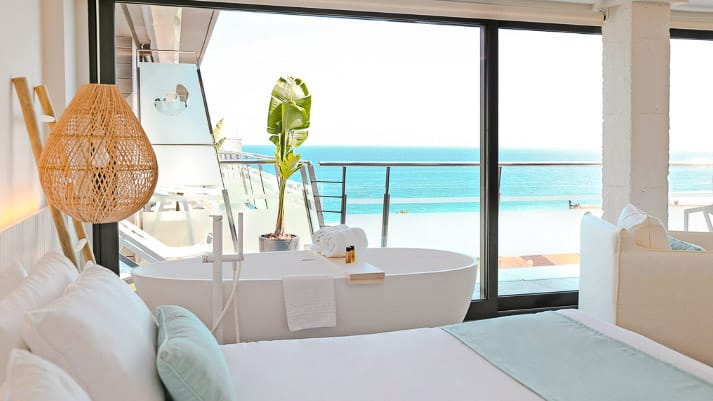
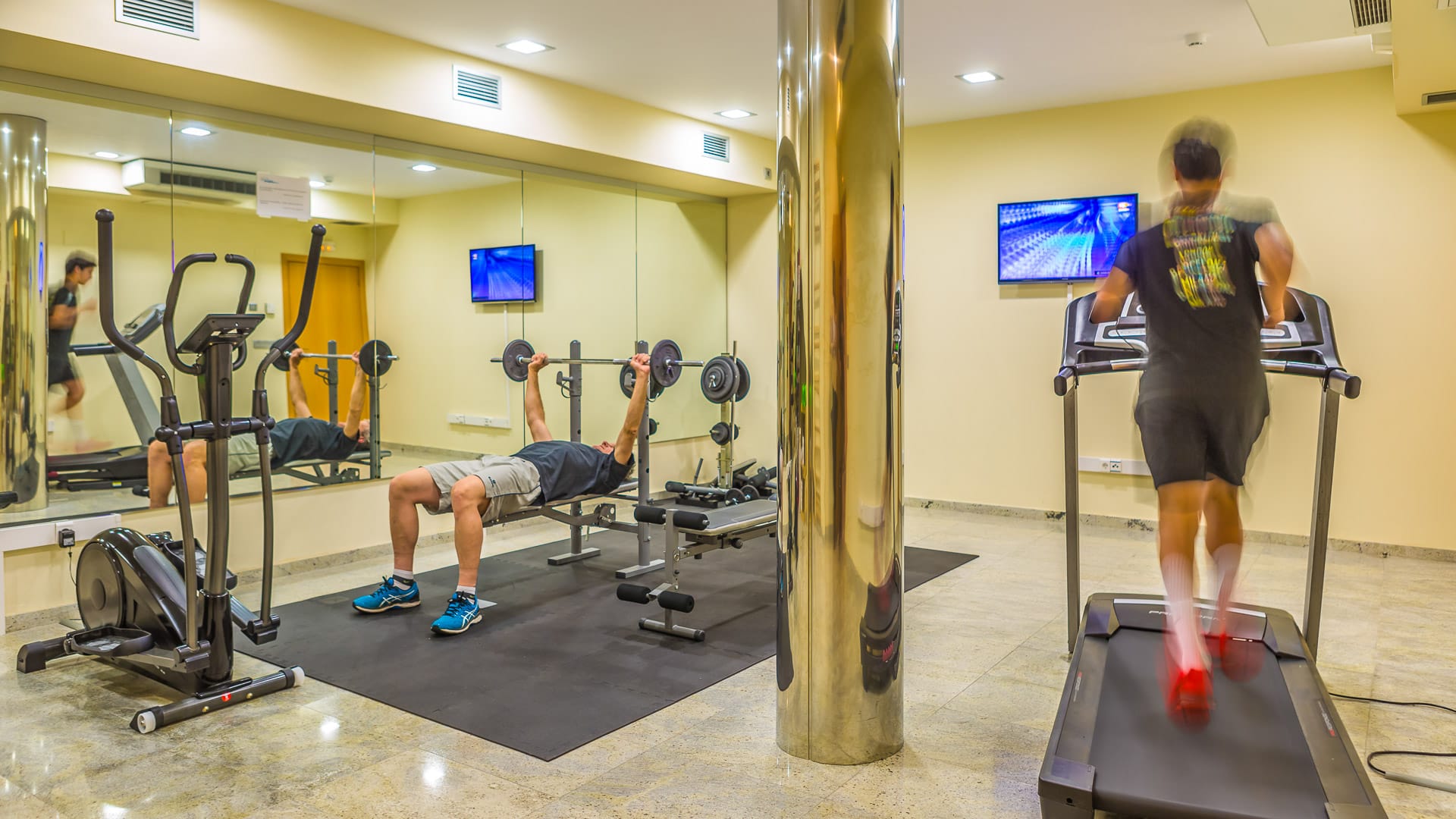
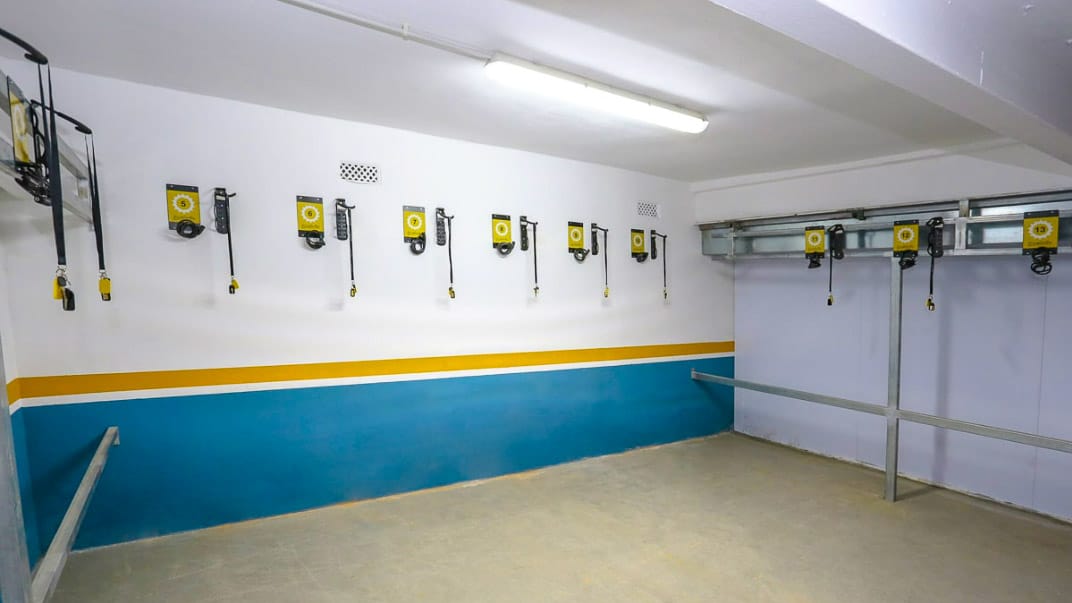
Remember to double-check bike storage arrangements (and any other services you need) before booking your accommodation as policies often change and they may charge for storage.
In an attempt to make it easier for cyclists to visit, there are various accreditation schemes – more information on that below.
This ensures there are many bike-friendly accommodation options, many of whom are certified or in the process of getting the recognition.
Moreover, in Barcelona’s region there are certified sports and cyclist destinations, as with the coastal towns of Calella, Santa Susanna and Castelldefels. Calella and Santa Susanna are currently recognised Sports Tourism destinations for cycling. Castelldefels is also a Sports Tourism destination, but its current specialist sports positioning is not cycling-specific.
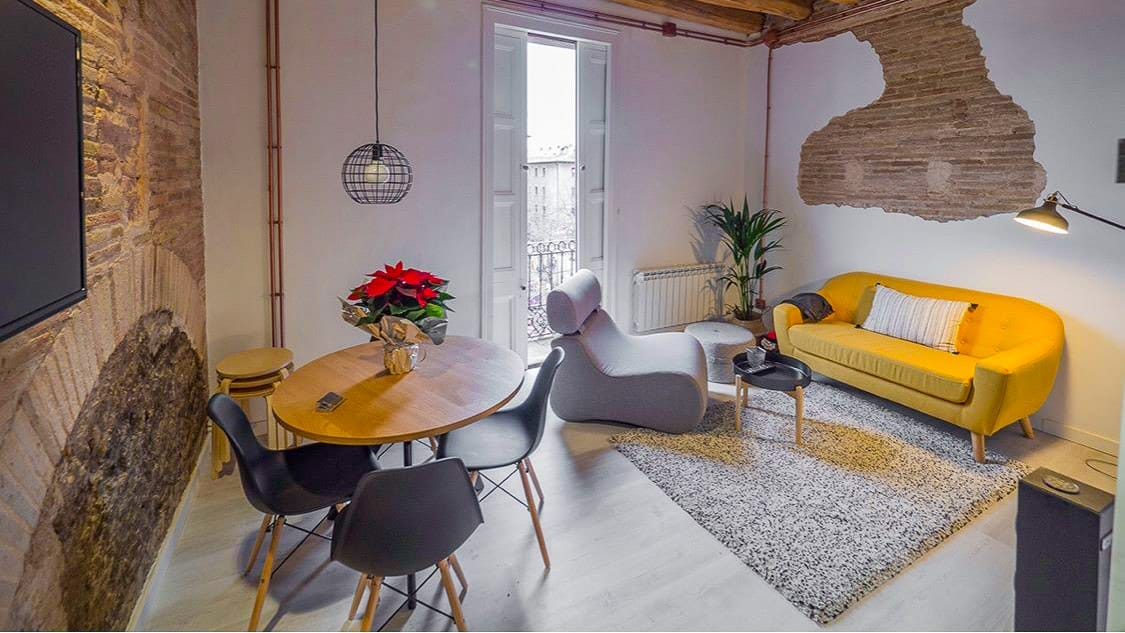
Depending on the area of Barcelona’s region you wish to explore, the number of accommodation options varies. But the good news is that there is a quite large number of certified bike friendly hotels.
I’ve listed some of my favourites below. All the hotels and accommodations suggested offer services to cyclists. The exact service level might vary but most of them offer:
- A safe space to store the bike
- An area to clean and maintain the bicycle, providing even a basic tool kit for maintenance and repairing.
- Auxiliary services such as luggage transfer
- Information on cyclist routes and services
- Information on bike hire/repair shops
- Flexible breakfast/lunch/dinner times or other alternatives such as picnic (these aren’t offered by self-catering apartments of course)
- Specific menus
- Flexible check in/out
Maresme
The coastal cities of El Maresme have a myriad of bike friendly hotels, and other accommodation options. For example:
Kaktus Hotel Volga, Calella
Hotel Kaktus Playa, Calella
ALEGRIA Florida Park, Santa Susanna
Mas Salagros, Vallromanes
Bike-friendly camping options include:
Camping El Pinar -Platja, Santa Susanna
Camping Bellsol, Pineda De Mar
Camping El Globo Rojo, Canet De Mar
Camping Del Mar, Malgrat De Mar
For further accommodation options, check out the Costa de Barcelona website and the Barcelona region website.
Penedès and Garraf
Scattered throughout the Penedès area there are many hotels and other accommodation options offering specialised services to cyclists.
I particularly like Hotel Desitges in Sant Pere de Ribes, Garraf, which is a hotel that has hosted many professional cyclist teams.
You’ll find other options here.
Osona
As in El Berguedà, Osona is full of rural accommodation options. Most of them were originally farmhouses or cottages that have been renovated recently. Great examples of this type of accommodation are:
For further accommodation options, check out the Osona Tourism website and the Barcelona region website.
Lluçanès
Berguedà
Accommodation options in Berga are a mix of hotels, mountain hubs, tourist flats and campsites. My favourite in the area that offers specialised services for cyclists is Campsite Berga resort.
However, for those who love to relax in the quietest locations, the region offers many rural accommodation options and campsites:
For further accommodation options, check out Berguedà tourism (elbergueda.cat) and the Barcelona region website.


Part 5: Bike hire and bike rent in Barcelona region
Prices, services and bike brands often change. Please let us know if anything is incorrect.
You’ll find bike shops in Barcelona region as well as companies offering bike hire services throughout Barcelona region. For example
Barcelona city
Montefusco Cycling – Rambla Fabra i Puig, 64 Barcelona – +34 607515782
Maresme county
42 Radis – Carrer De Romaní, 61, 08370 Calella – +34 937 66 19 27
Riera Bikes – Carrer De Valldebanador, 2, Local 1, 08370 Calella – +34 699 993 338
Descent – +34 637 877 997
Penedès county
Bikesitges.com – Josep Soler Tasis, 13, Sitges – +34 652 151 637
Esportec – Carretera de Puigdàlber a Can Cartró km 0.6, BV-2155, 08797 Puigdàlber – +34 973 059 128 / +34 650 051 630
Lets Velo – Avinguda Del Pla Del Diable, 1, 08720 Vilafranca Del Penedès, Barcelona – +34 607 97 76 72
Berguedà county
Pedratour – On Request – Carrer de la Ciutat, 16, Berga – + 34 93 821 51 11
Velo Berga – Carretera de Sant Fruitós, 13 baixos, 08600 Berga – +34 93 821 16 33 / +34 677 82 79 98
Part 6: Best time to visit Barcelona region
In general, thanks to the region’s variety of landscapes, and mild temperatures cyclists can ride all year round.
Obviously, conditions are optimal during spring and autumn.
However, winter could be a great time to cycle by the sea in the El Maresme region, or even in Penedès, where temperatures are milder.
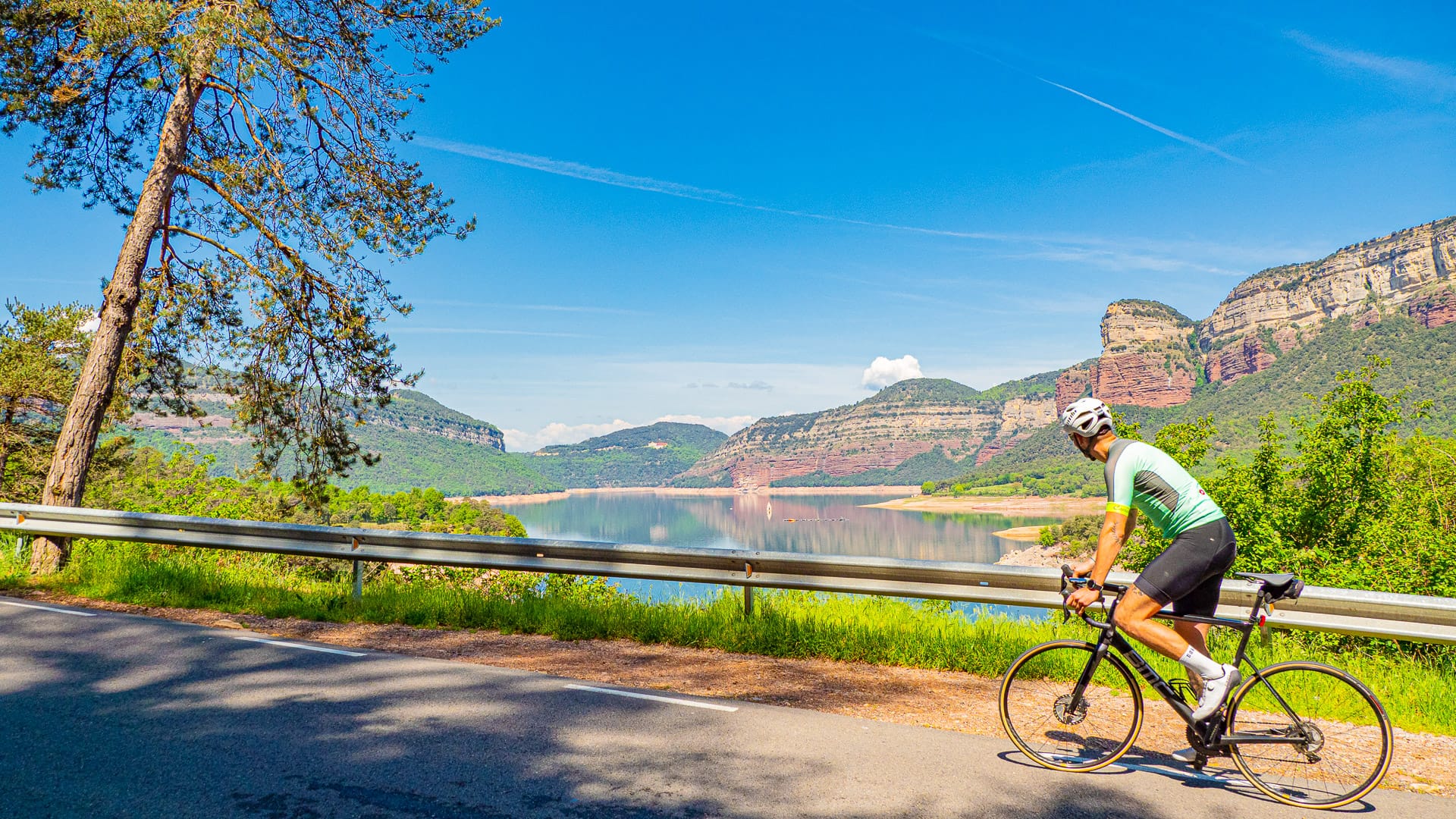
Summer is a great time to cycle in the Pyrenees, explore its mountain climbs and enjoy the remarkable landscapes around Pedraforca, or the shady routes of el Montseny, Guilleries or Lluçanès areas in Osona.
It’s worth bearing in mind that in summer, all the coastal cities and towns will be crowded, as they are well-known summer destinations, (especially Sitges, Calella, Vilanova). Inland areas such as Osona and Berguedà are much quieter at this time of year.
Note that during hot or dry periods, wildfire-risk restrictions can affect access to natural areas. Check official park information and the Generalitat’s Pla Alfa (Catalonia’s wildfire-risk alert system) before setting out.
In higher areas such as Berguedà and Montseny, winter snow, ice and temporary road closures are also possible.
Detailed weather information is available:
Part 7: Tips for cycling in/around Barcelona
Rules of the road
Cyclists are of course required to comply with all traffic regulations.
New Spanish cycling rules come into force on 1 October 2026 under Real Decreto 518/2026. The summary below reflects those rules.
On interurban roads, cyclists should use the right-hand shoulder where it is usable and wide enough. Where it is not, cyclists may use the minimum necessary part of the carriageway. Cyclists may ride two abreast, but should move into single file on stretches with poor visibility, where riding two abreast affects traffic flow, and between sunset and sunrise or in conditions of significantly reduced visibility.
When cyclists are riding as a group, the group has priority at an intersection or roundabout once the first rider has begun crossing or entered the roundabout.
Signal turns and stopping clearly and in good time. There is no requirement to repeat an arm signal exactly three times.
From 1 October 2026, helmets are compulsory for cyclists on interurban roads, with the previous exemptions removed. Children under 16 must wear a helmet on all roads. Cyclists riding on interurban roads between sunset and sunrise, or where visibility is significantly reduced, must also use at least one luminous or reflective element that is visible from 150 metres.
Additionally, drivers overtaking cyclists outside built-up areas must leave at least 1.5 metres of lateral clearance. Where there is more than one lane in the same direction, the driver must make a complete lane change. Drivers must also reduce their speed by at least 20 km/h below the applicable speed limit while carrying out the manoeuvre.
Other good practices on the road include:
- Slow down when you reach roundabouts, and group together as much as possible. Cars have an obligation to respect you as a “group unit”.
- Turns: the group leader must indicate changes of direction with their arm to the relevant side. Repeat the signal 3 times. The other members of the group will also make the signal.
- Stops: indicate that you are stopping, just like you indicate turns. Important: the leading group must provide a space for the whole group to get completely off the road.
- Objects on the road: objects on the road, stones, holes, dangerous objects and glass are pointed out with the arm diagonally towards the ground, on the side where the object lies.
- Rubbish: do not throw away energy bar wraps, gels or anything in general, either on stops or while riding.
- Parking: on stops, park your bicycles in a safe place and in places that cause no obstruction for other people.
For any further information about traffic regulations in Spain, please visit this website.
Keeping safe
Of course you need to make your own decisions on what safety precautions to take as on any ride, but my personal suggestions are
- Wear a properly fastened helmet. From 1 October 2026, helmets are compulsory for cyclists on interurban roads in Spain.
- Use suitable front and rear bicycle lights when required, and make yourself as visible as possible. On interurban roads after dark or in significantly reduced visibility, the rules coming into force on 1 October 2026 also require at least one luminous or reflective element visible from 150 metres.
- Use reflective elements and use a bright-coloured cycling apparel to make you as visible as possible for drivers.
- Make sure you have travel, health and liability insurance.
Regarding safety more generally, the region around Barcelona is considered as pretty safe – if problems occur, they tend to be in and around Barcelona city. As any other major city, Barcelona suffers from some issues, theft being the main one. However, a bit of caution and common sense will help you avoid unpleasant situations, (for example don’t leave anything unattended, wear your wallet in your front pockets and your backpack on your front too.)
Training before you arrive
It’s worth thinking about the characteristics of the area you want to stay in and routes you want to ride before you leave home.
This is especially relevant in the case of cycling most the routes of the mountainous Berguedà region. Bear in mind that most of them are mountain climbs, so they’re quite demanding. If you want to ride these routes, plan your training accordingly.
For easier riding, with less need to train before you come, consider the three other areas of the Barcelona region, mentioned above.
Bike friendly certifications for businesses
In order to promote and attract cyclists, there are many quality labels and certifications available for businesses that want to highlight their focus and specialised services for cyclists.
Some of these certifications were launched by public administrations, such as the Catalan Tourism Agency (Turisme Esportiu Labels), or using public money like the EuroVelo initiative. Other certifications are set up by private businesses (for example Bikefriendly, Cycling friendly, Bett+Bike).
In Spain, the two most common schemes are Cycling Friendly and Bikefriendly. In Catalunya many companies have also joined the Cicloturisme label.
Transport within the region
Barcelona region covers an area of 7,726 km2, so it’s worth hiring a car if you want to jump from one cycling region to another without relying on public transportation.
Alternatively, if you want to focus on riding in just one area, a car might not be necessary. Most of the towns we’ve mentioned are connected to Barcelona by public transport.
Bike rules depend on the type of train. For example:
- On Cercanías/Rodalies and other trains without reserved seating that accept complete bicycles, bikes can generally be taken on board free of charge without advance reservation, subject to available space.
- On Avant, Media Distancia and other reserved-seat services that accept complete bicycles, you may need to add the free ‘Tren+bici’ option when booking.
- AVE, AVE International, AVLO, Alvia, Euromed and Intercity services do not accept complete bicycles. Bikes must instead be folded or dismantled; dismantled bikes must be packed in a bag no larger than 140 × 90 × 40 cm, and the booking requirements vary by service.
Always check the conditions for your specific train before travelling.
If travelling by bus, most companies will charge an extra fee (about 10 euros).
Food and drink
Depending on the area of Barcelona’s region you wish to ride in, the local gastronomy can vary a great deal.
For instance, Maresme area is known for its white wines (pansa blanca is the local grape), peas, strawberries, fish and seafood. The Penedès region on its turn is another top wine region, famous for its wines and Cava, (the Spanish sparkling wine made following the traditional method, also known as Champenois). Cava is protected by the Cava Designation of Origin (D.O.) Other local products are the red prawns from Vilanova, the Ordal’s peaches, the duck and black rooster amongst many other.
Those who dare to ride the slopes of the Pyrenees, in el Berguedà or the routes in Osona, will be able to enjoy a more powerful cuisine based on meats, beans, stews. Make sure, when in Osona to try their mouth-watering cured meats, chestnuts and cocas (sweet bread). The gastronomic highlights of el Berguedà would be cheese, mushrooms (during late summer and fall), black peas and mountain potatoes.
All routes suggested pass by numerous villages where you will be able to stop to get some food, drinks or anything else you might need during the route. In some areas, especially the mountainous ones you might find spring fountains to fill up your bottles, but only refill where the water is clearly marked as potable. Therefore, you can keep your body hydrated and full of energy at all times.
Language
In the areas close to Barcelona, English is widely spoken. That is especially true in the coastal areas such as Maresme and Penedès, where tourism is an important economic activity. In the region’s interior, English-speakers are less common but in nearly every village and town, there will be some English-speaking people (even if they’re not very fluent!).
If you want to win local people’s hearts, learning a few words of Catalan will go a long way!
Crash course of Catalan Language
- Hello! – Hola!
- Good morning – Bon dia!
- Thank you – Gràcies or merci
- Please – Per favor/ Si us plau
- No problem – Cap problema
- I’m sorry – Ho sento
What to do off the bike
Barcelona province has an extensive network of protected landscapes. The Diputació de Barcelona’s Xarxa de Parcs Naturals currently includes 14 protected natural spaces covering more than 102,000 hectares.
Sports
The region’s mountains are perfect to practise almost all sorts of adventure sports like rock-climbing, hiking, canyoning or even cross-country skiing. Summits such el Pedraforca, el Montseny or even Montserrat are true paradises for mountain lovers.
On Barcelona’s shores you can practise aquatic sports such as sailing, stand up-paddle, kitesurfing, windsurfing or even surfing when conditions are appropriate.
This is one of my favourite things about the region; it offers it all, allowing you to make the most of both the sea and the mountains. The only trouble is that makes you picky when visiting other places which don’t have everything!
Culture
The region has an extremely rich cultural background created over the centuries by many civilisations and cultures, including the Iberians, Romans, Visigoths and Arabs. Each one of them left something behind, creating the melting pot you find today.
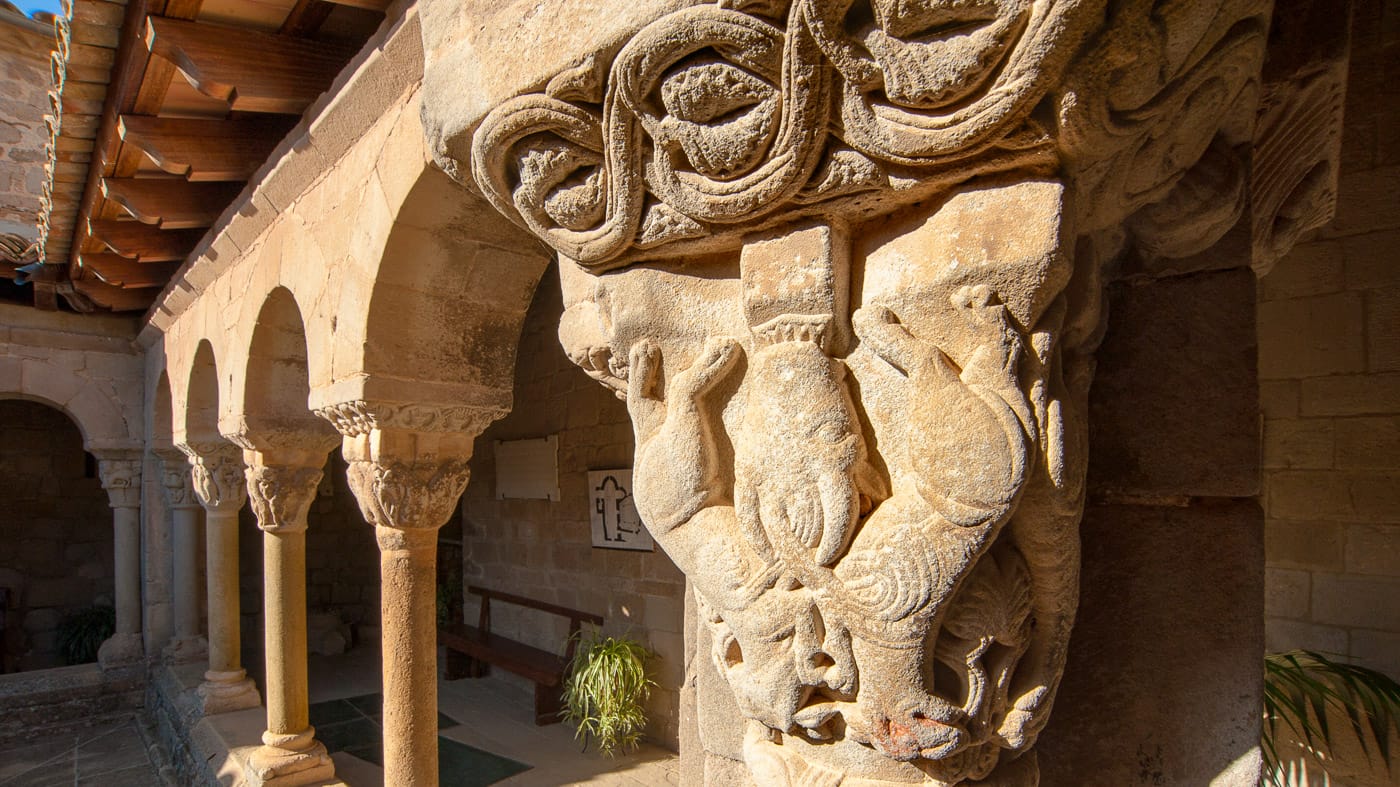
Culturally speaking, the region stands out due to its Catalan Modernista architecture, including works by Antoni Gaudí, Lluís Domènech i Montaner and Josep Puig i Cadafalch, the three most relevant Catalan art nouveau architects. Also, there’s plenty of mediaeval architecture that is worth visiting and many Romanesque small churches and monasteries all over the region such as Sant Pere de Casserres and Sant Quirze de Pedret.
Barcelona and its surrounding area contain two UNESCO World Heritage properties comprising nine component sites: seven components of the Works of Antoni Gaudí, together with the Palau de la Música Catalana and Hospital de Sant Pau.
Traditions
Interesting traditions cyclists might encounter during their visit (depending on the period and area) are: Mercat Medieval de Vic, La Festa de la Filoxera (VIlafranca del Penedès), Les Santes, Festes de la Verema (Sitges/ Penedès/ Alella).
From springtime until October, many cities and towns house music festivals of various styles (Vida Festival, Canet Rock, Mercat de Música Viva de Vic, Vi-jazz, etc.)


How to get to Barcelona
Getting to Barcelona region is easy, as Barcelona’s airport is a very important international hub. There are many airlines offering direct flights to different cities such as London, Birmingham, Manchester Edinburgh and Bristol. Barcelona-El Prat Airport (BCN) is a major international airport with extensive connections across the UK, Europe and further afield. Individual routes and frequencies change seasonally, so check current airline schedules for your travel dates.
The city is also very well connected by train and Barcelona’s port is one of the most active ones in the Mediterranean Sea.
Once in Barcelona, you can reach each one of the cycling destinations we’ve mentioned by train, bus or car. The Vies Blaves Barcelona project is also gradually creating new walking and cycling links alongside the region’s rivers but check their plans at the time of your travel to see where they are with completion of the project.
As previously mentioned, bicycles are allowed in Spain’s railway service, Renfe, without cost, and bus companies charge a small extra to carry your bicycle.
Train from Barcelona
- R4 to Vilafranca del Penedès
- R2 Sud to Sitges and Vilanova i la Geltrú
- R1 to Calella and Santa Susanna
- R3 to Vic.
For further information on railway timetables and more, head to https://rodalies.gencat.cat/en/inici/index.html
Bus from Barcelona
Barcelona – Berga Line – https://www.alsa.com/en/web/bus/bus-schedules
What’s next?
A huge thank you to Joaquin for this hugely useful information about cycling around Barcelona. We hope it helps inspire your next trip!
Have you cycled in the Barcelona region? We’d love to hear about your experience and any routes or places you particularly enjoyed. Let us know in the comments below!
Looking for more exciting content on cycling in Spain? Don’t miss:
- Cycling in Catalonia, for our overview of cycling across Catalonia including Barcelona, Girona, Lleida, Costa Daurada and Terres de l’Ebre.
- Cycling in Girona, for a guide to one of Europe’s best-known cycling destinations.
- Cycling in Lleida, featuring Pyrenean climbs and the plains of western Catalonia.
- Cycling Costa Daurada, for the best routes and cycling holiday ideas
- Cycling Terres de l’Ebre, featuring three must-do cycling routes and key road cycling events
- Best cycling climbs near Girona, including where to stay and practical tips
- Easy cycling routes in and around Girona + Costa Brava, including six tour operators in the region
- Best long-distance cycling routes in Spain, featuring our top picks
- Cycling in Spain: Browse all our Spain cycling guides, routes and trip ideas.
And we have more info on the Pyrenees too! Check out these:
- Cycling the Spanish Pyrenees, for road cycling itinerary and tips
- Cycling in the Pyrenees, an overview of the Pyrenees from a road cyclist’s perspective
- Pyrenees cycling holidays, an inside guide for gravel cyclists planning a trip
We think you might also enjoy this in-depth guide to cycling in Andorra.
Please support Epic Road Rides
A huge amount of time and effort goes into the article you’ve just read, all with the aim of helping you!
If you found what you’ve read useful, I’d really appreciate it if you dropped something in the tip jar here.
It’s a way you can say thank you and help us carry on creating top quality content with no annoying ads and no pay wall.
Looking for an organised cycling trip?
If you want someone to help you plan and book your cycling holiday, fill out this form. We aren’t a tour operator/agent but we work with lots of people who are and will do our best to put you in touch with someone that can help (within 24 hours where possible)!Last Reviewed: 04 September 2026
First Published: 08 August 2024
This article includes details of products and/or services that we have used ourselves or which we would consider using. Some are paid features or include affiliate links or referral codes which we may earn commission from. As an Amazon Associate we earn from qualifying purchases. Please read our disclosure policy for further information.
The contents of this website are provided for general information purposes only. It is not intended to amount to advice and you should not rely on it. You should carry out your own due diligence and risk assessments and take professional advice. Views expressed by interviewees or other users of this website do not necessarily represent our views. We make no representations, warranties or guarantees, whether express or implied, that the content on our website is accurate, complete or up to date. If you use any information or content on this website, download from, or otherwise obtain content or services through our website, it is entirely at your own discretion and risk. Epic Road Rides Ltd disclaims all liability and responsibility arising from any reliance placed on the information and content on this website. Find out more here.