
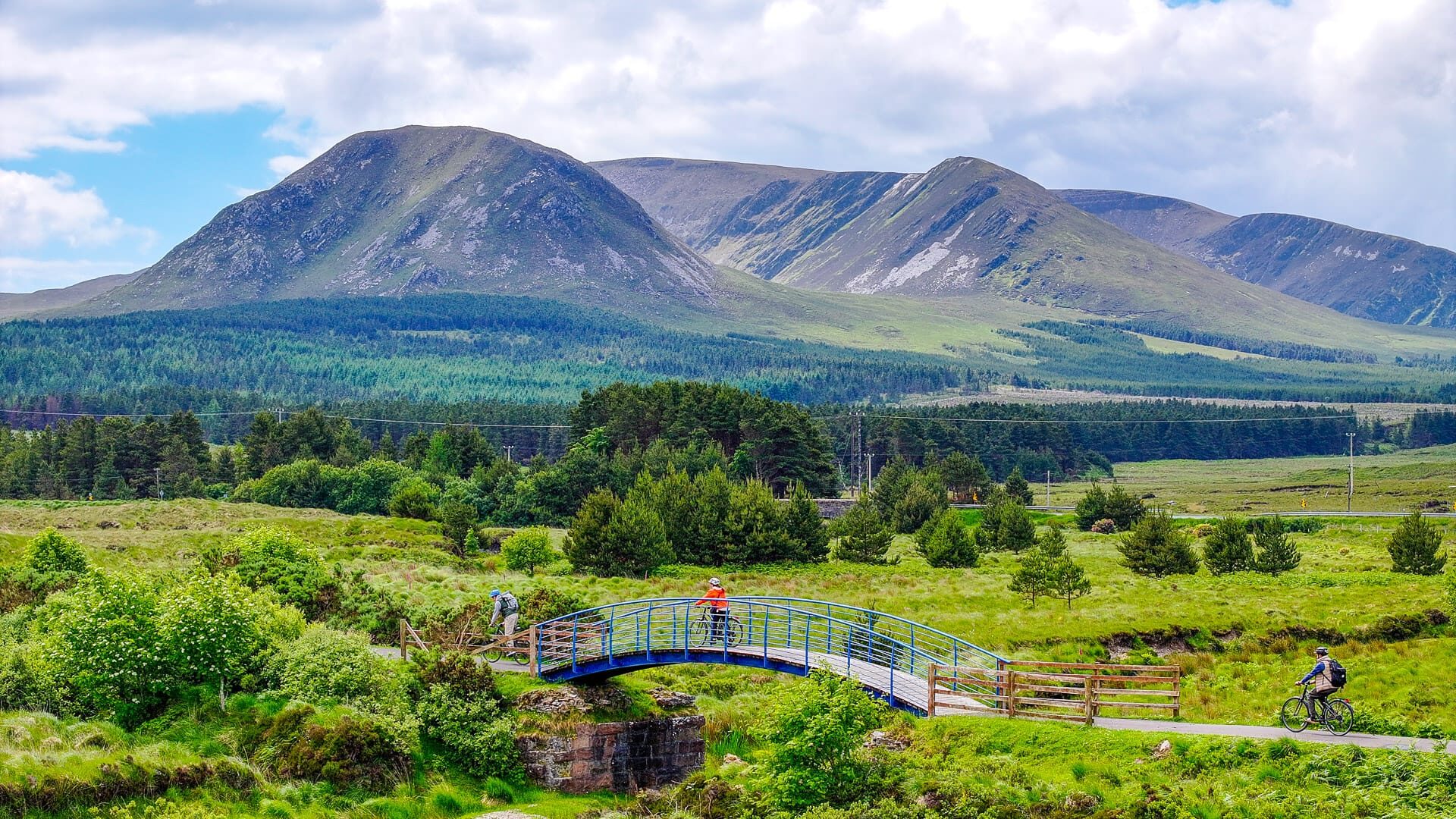

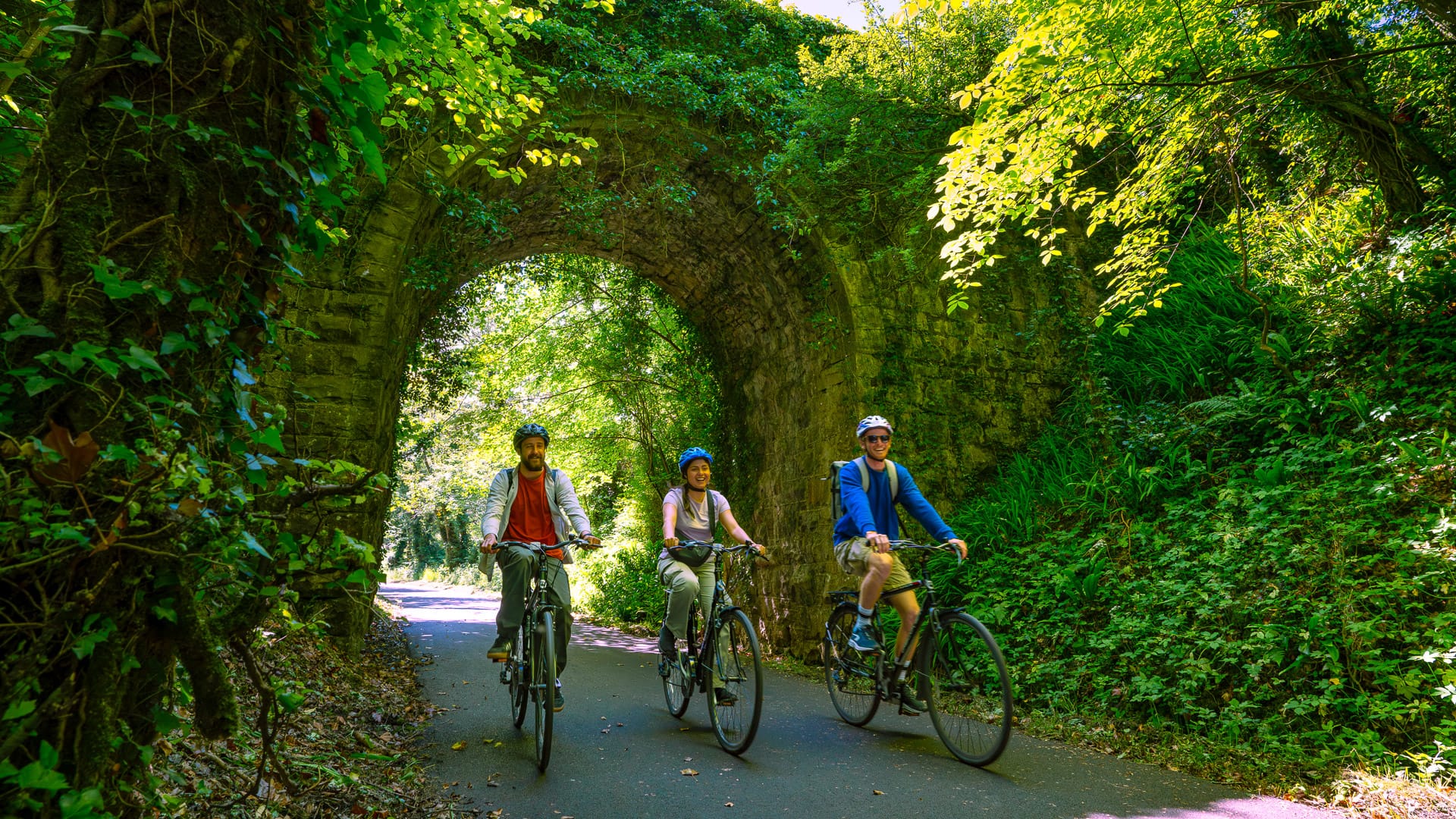
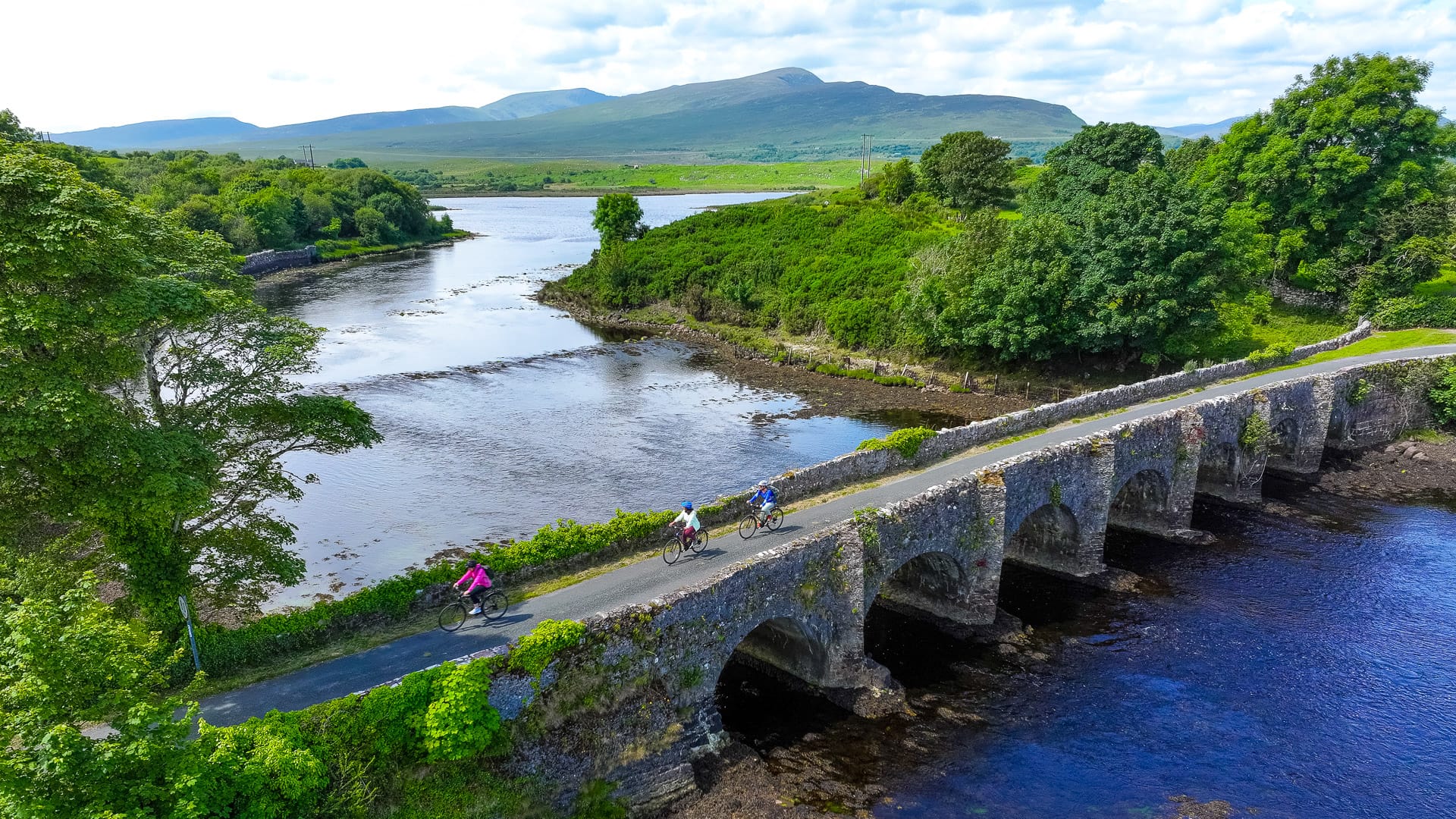
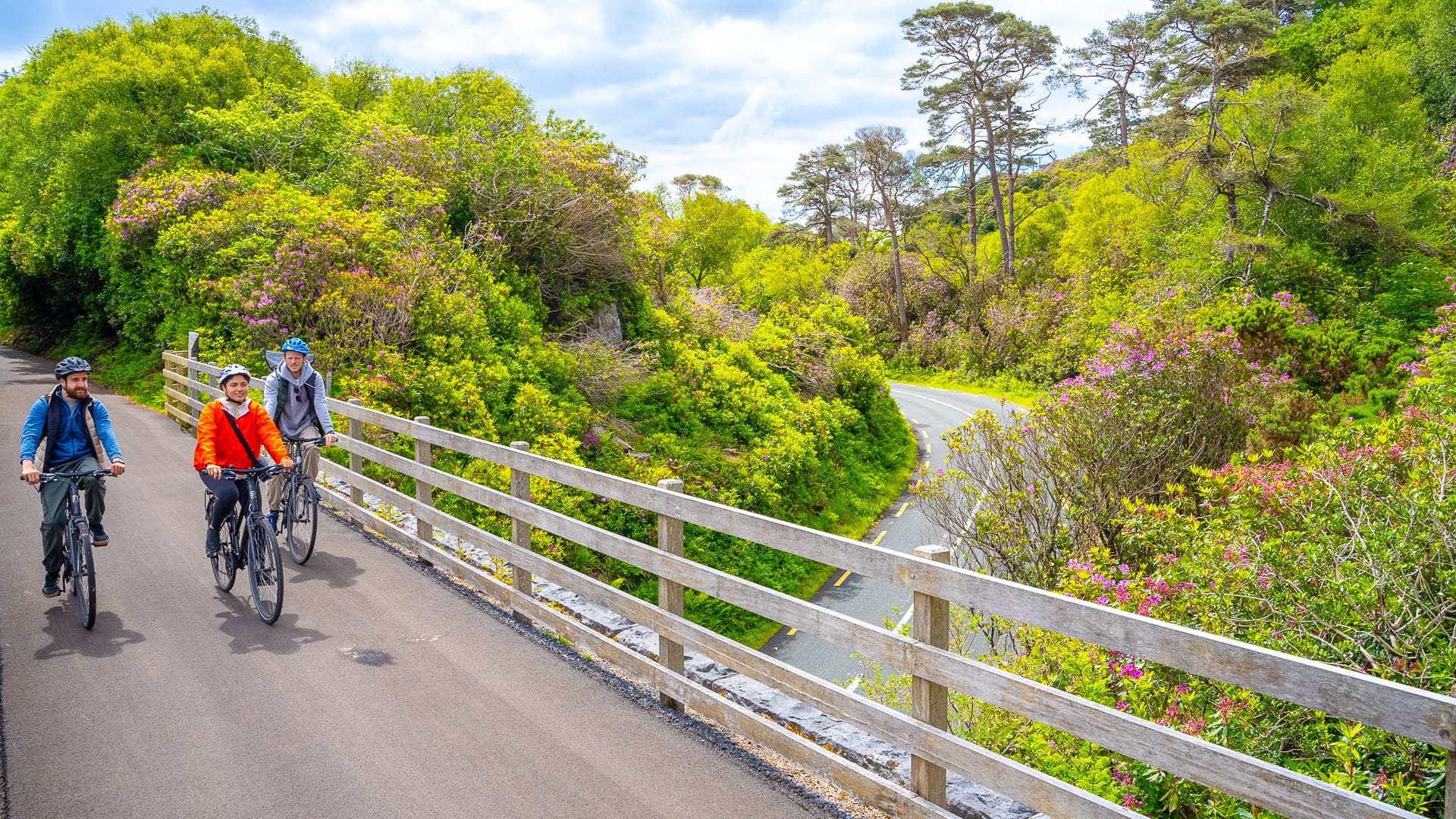
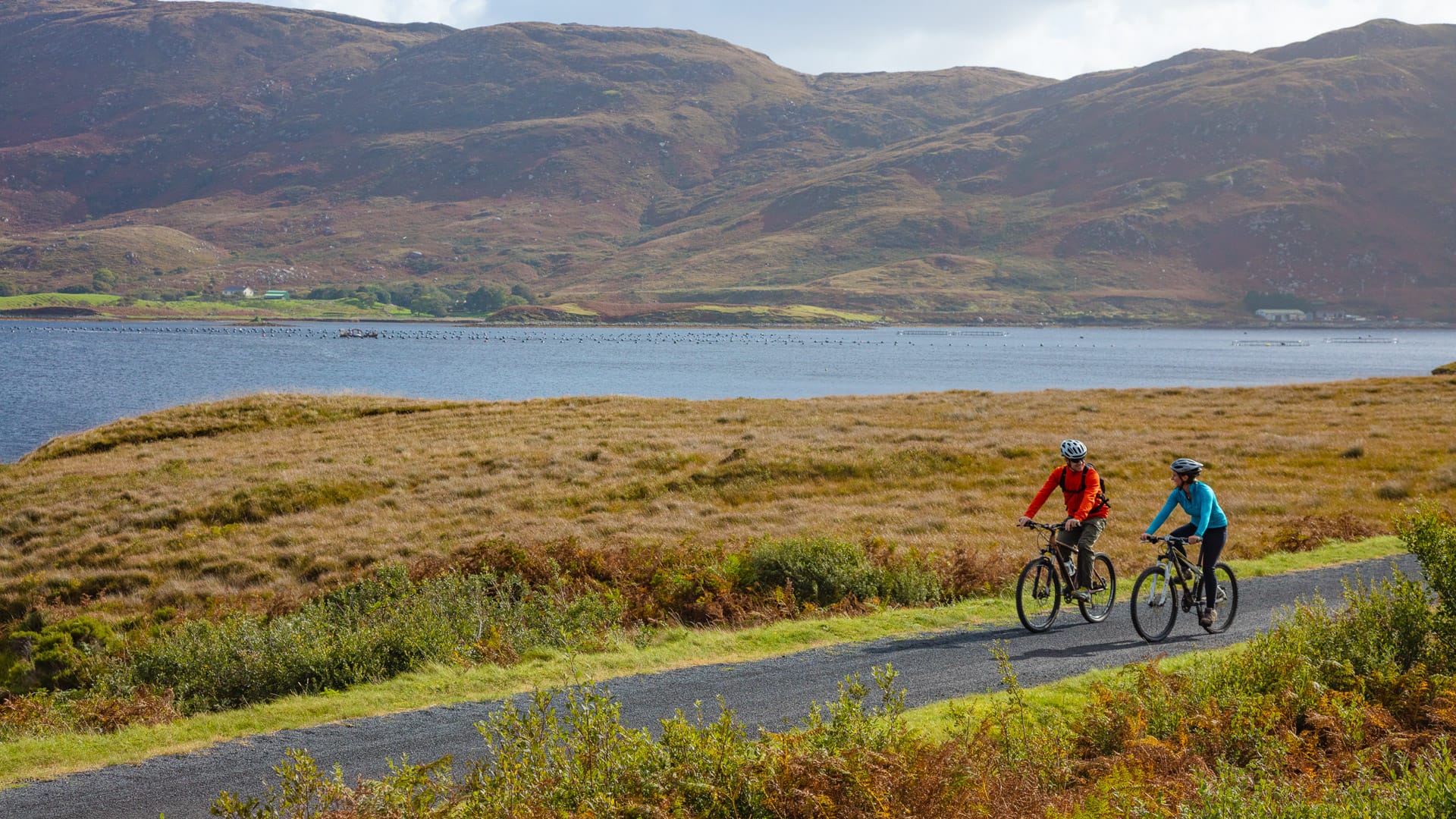
The greenways in Ireland are one of the best ways to explore Ireland by bike and experience the beauty of the ever-changing landscapes the country has to offer. Rugged cliffs, dramatic mountain peaks, expansive countryside and sweeping Atlantic coastal views. This gorgeous, verdant island has it all!
Ireland’s greenways are a fantastic network of dedicated cycling paths and trails, often converted from old railways and canal towpaths. To help you discover more about cycling Ireland’s greenways, Tourism Ireland put us in touch with Maurice Whelan from Ireland Walk Hike Bike and Tralee Bike Rental.
With over 20 years’ experience facilitating cycling tours in Ireland, Maurice has plenty of expert tips and useful insights which will help you to get the most out of your cycling holiday in Ireland. In this article, we hear from him to find out more!

With over 20 years of experience facilitating cycling tours in Ireland, Maurice Whelan leads Ireland Walk Hike Bike as Managing Director and co-owner. He ensures every guest enjoys a well-supported and memorable experience.
Maurice was born and raised in Ireland and is now based in Kerry. When he’s not in the office or out guiding, you’ll most likely find him surfing or hiking with his dog, Jade.
To get a feel for what cycling the greenways in Ireland are like, take a look at this short video:
 There's a Youtube video here!
I'm fine with Youtube cookies
Table of contents
This guide to cycling the Greenways in Ireland is packed full of useful information, so we’ve broken it up into sections. Here’s what to expect:
Part 1: Why is cycling the greenways in Ireland a must-do?
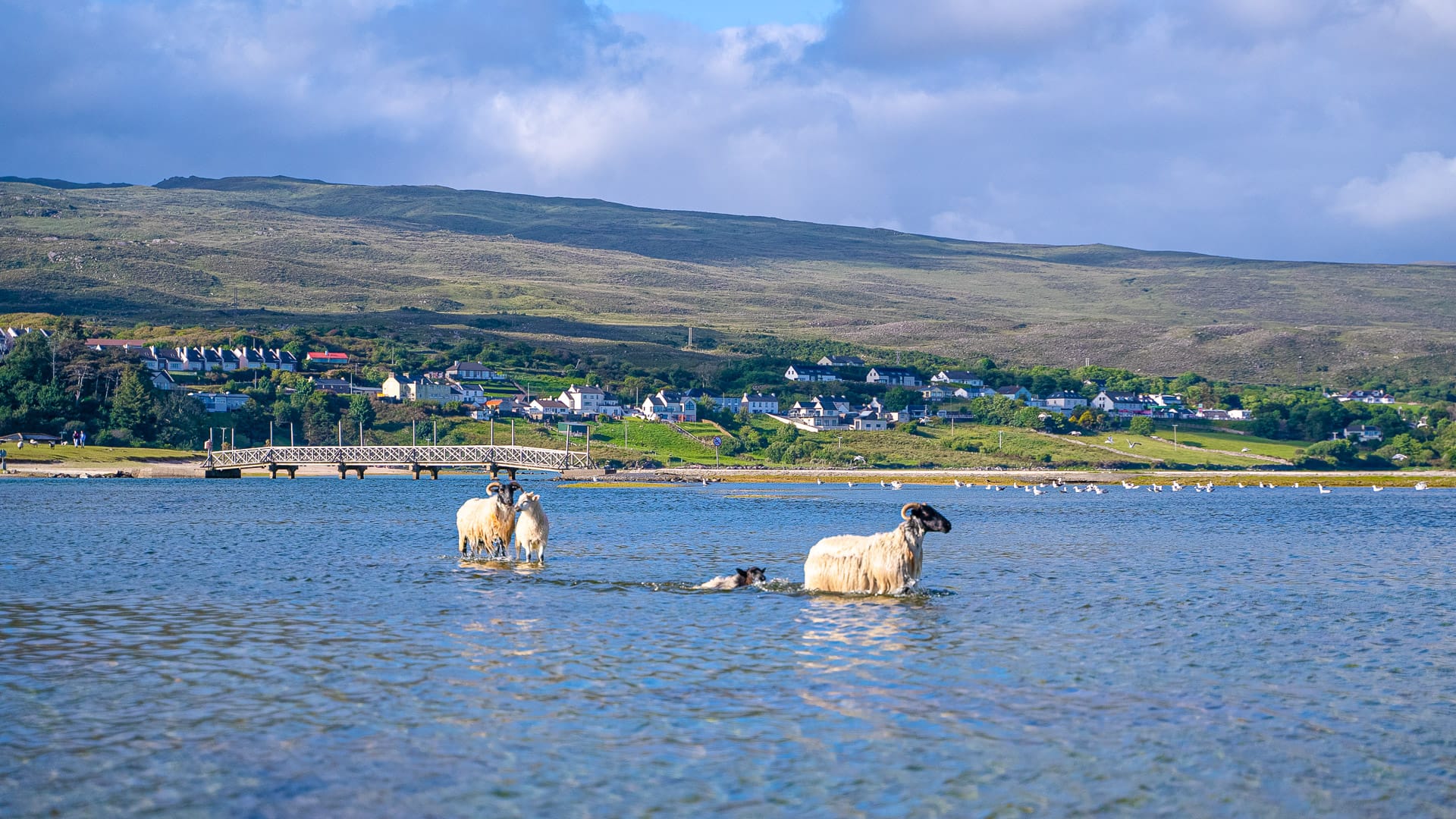
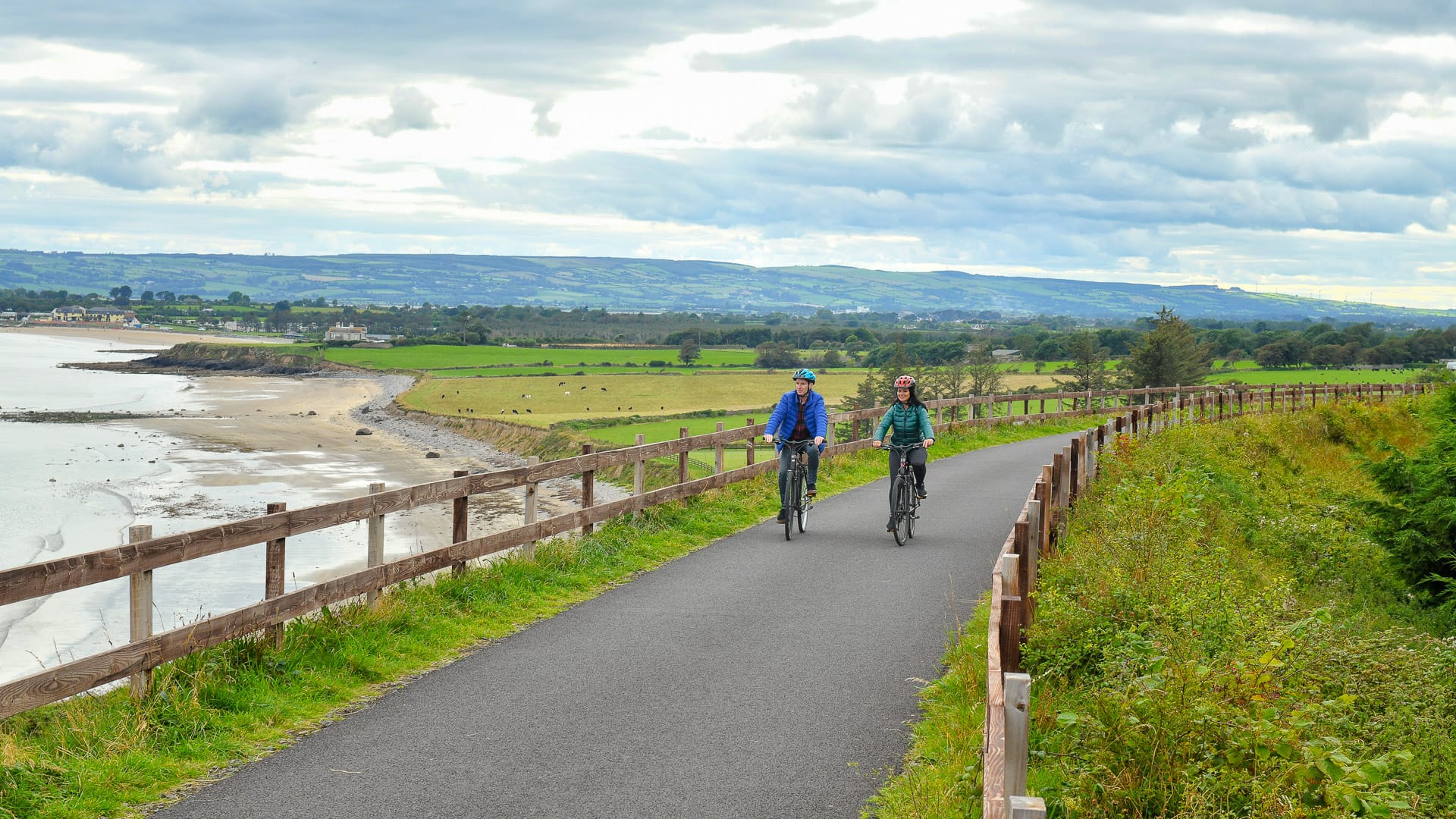
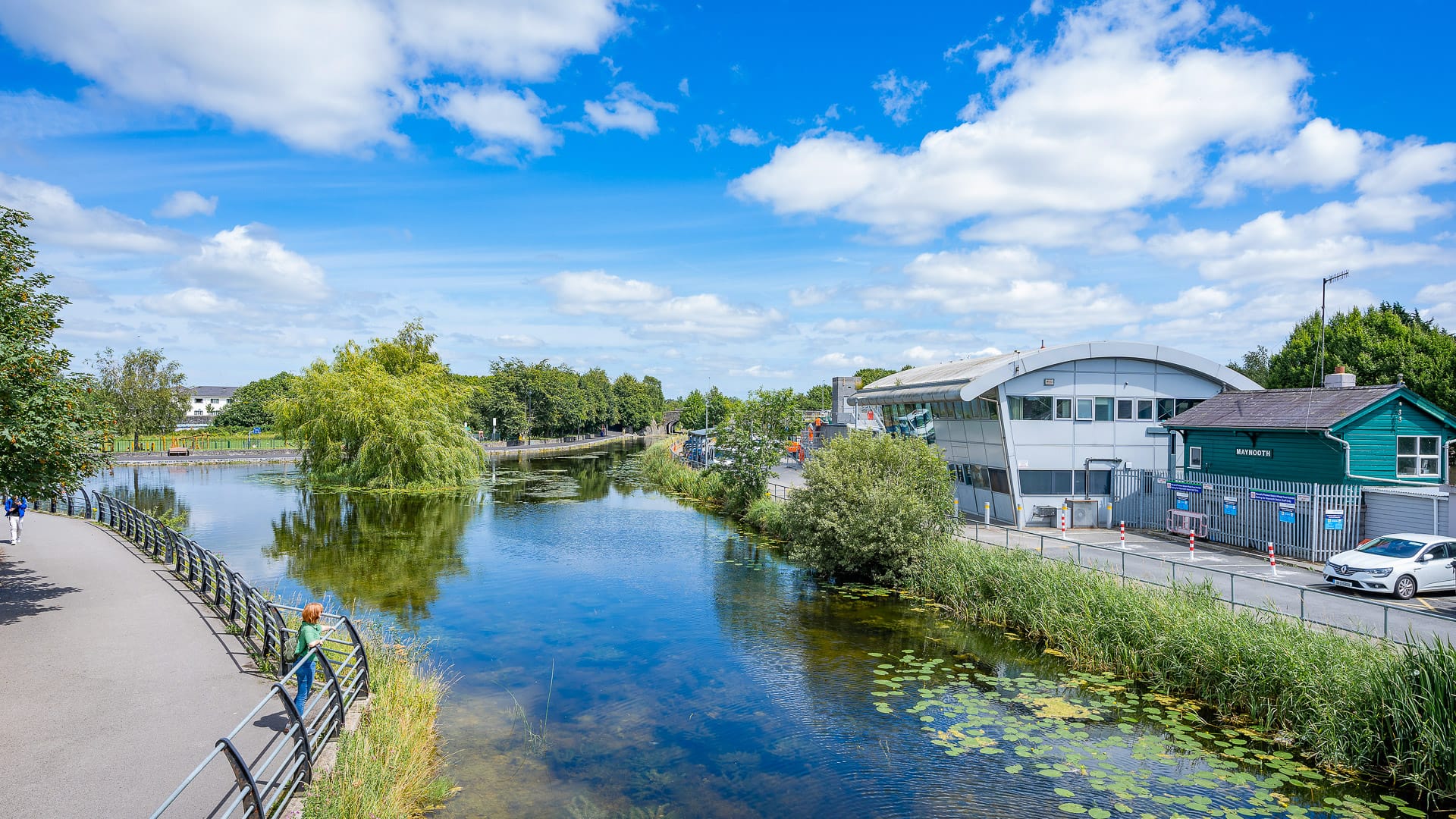
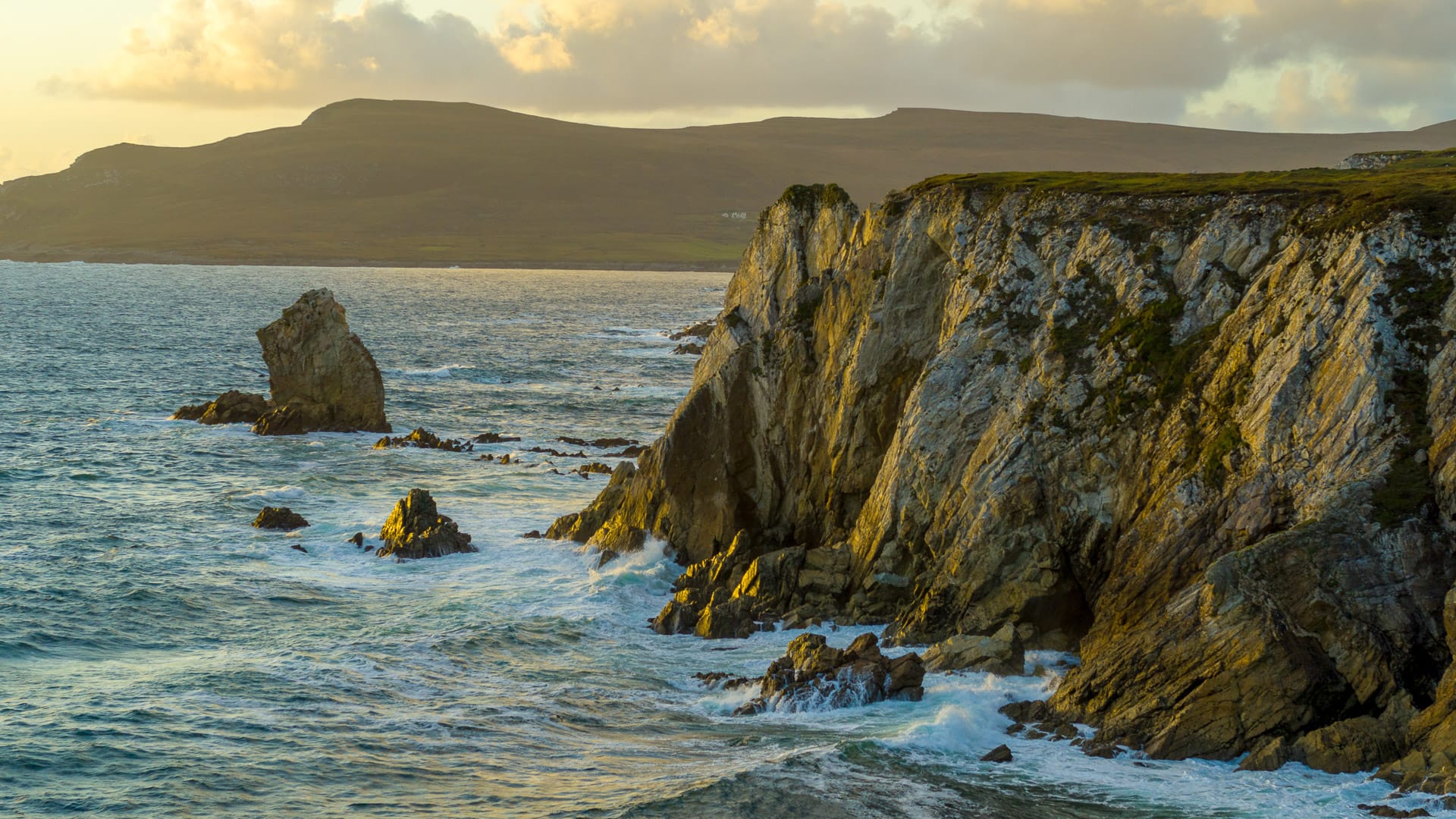
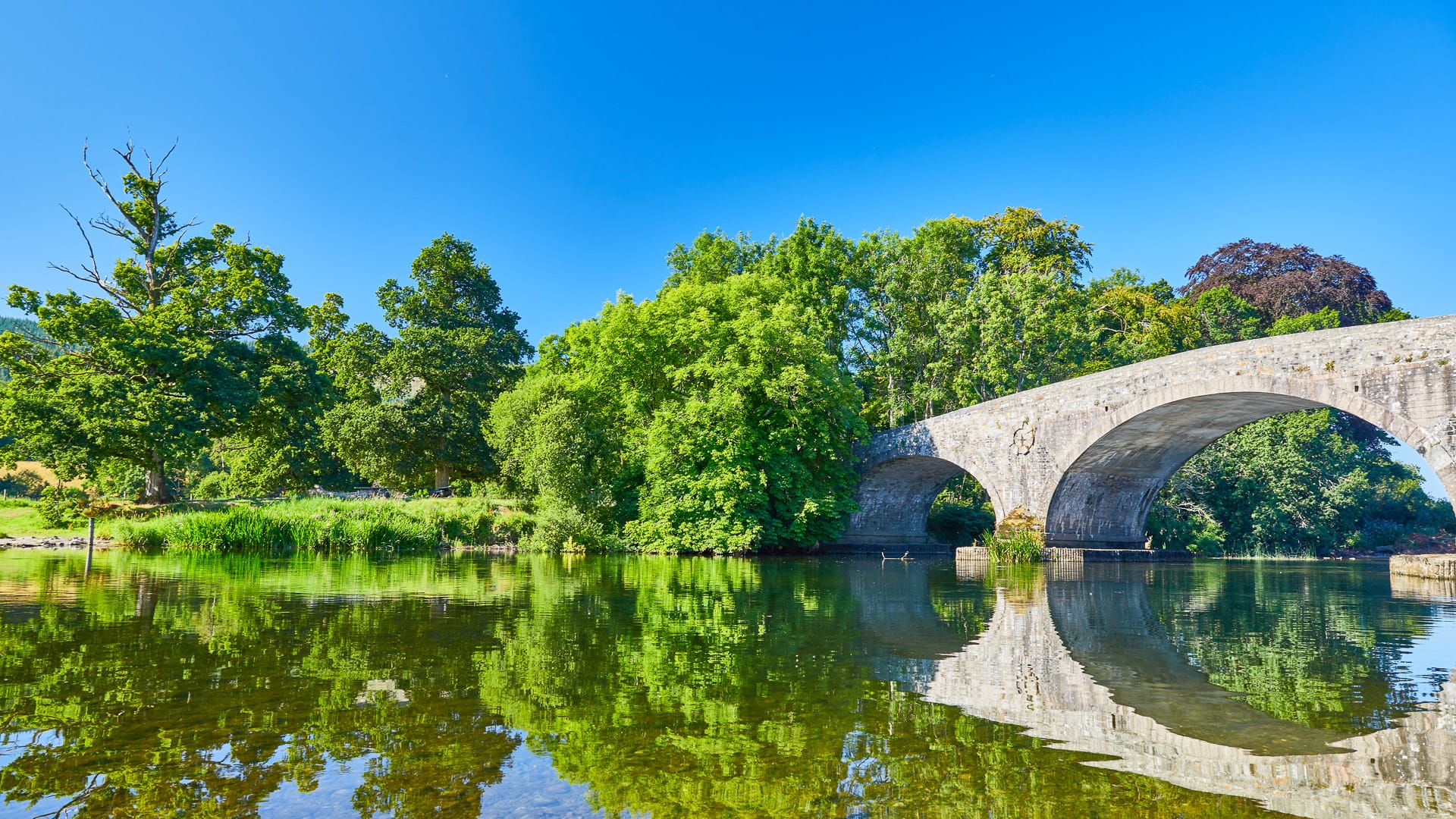
Why cycle in Ireland?
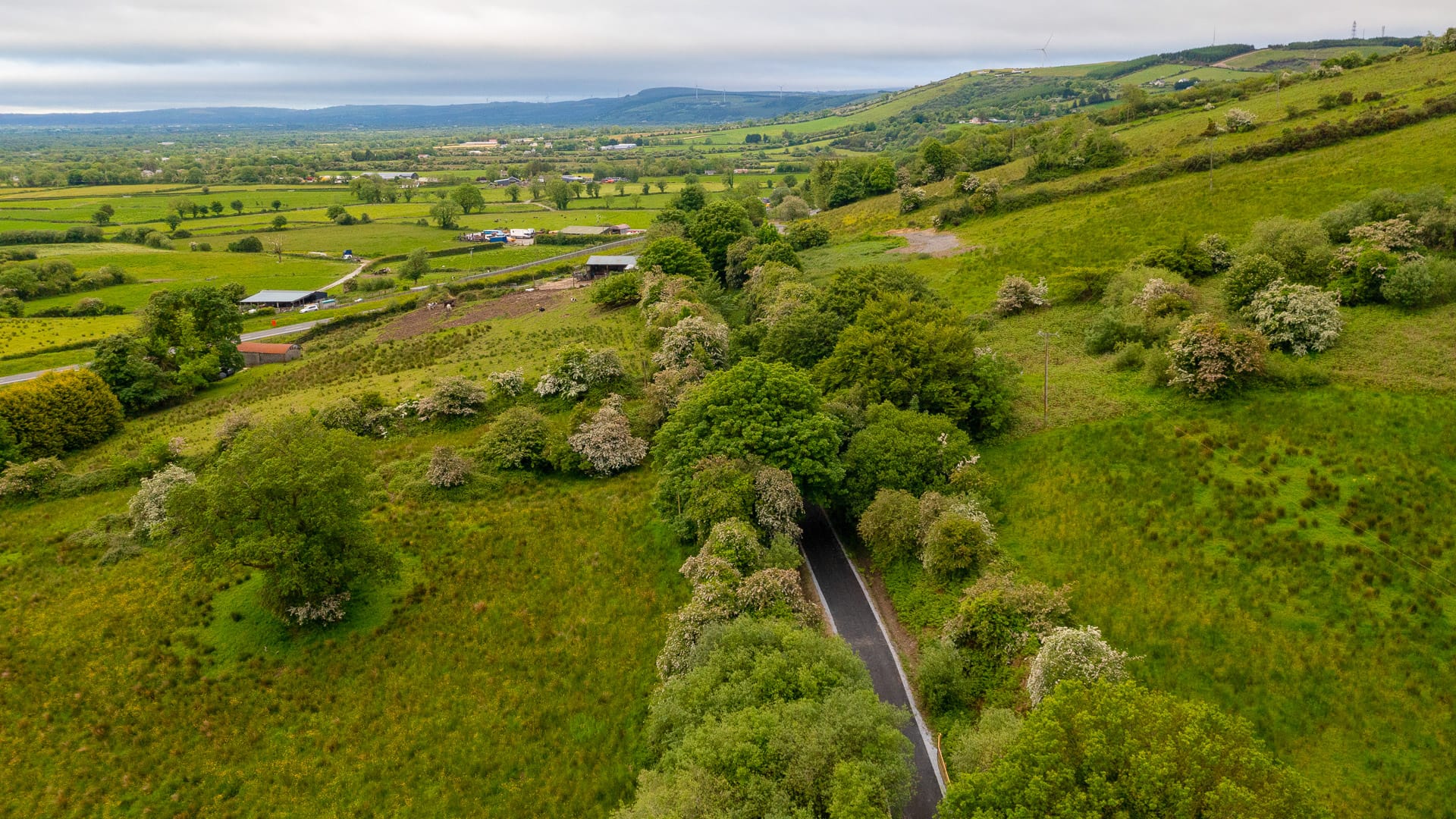
Cycling in Ireland offers riders the chance to experience the country’s dramatic scenery, rich history, unique character and friendly culture. Wild landscapes and changeable weather creates a true sense of adventure. Ireland offers a huge amount of geographical diversity with a whole world of different cycling experiences all within a relatively compact network of cycling routes and regions.
This, alongside a famously warm welcome, makes cycling in Ireland a lovely cycling getaway for all types of riders. Here’s what you can expect:
Incredible scenery
Enjoy peaceful riding as you traverse the ever-changing landscapes Ireland has to offer. From rugged cliffs and mountain passes, to rolling farmlands and the awe-inspiring ocean views of the Wild Atlantic Way.
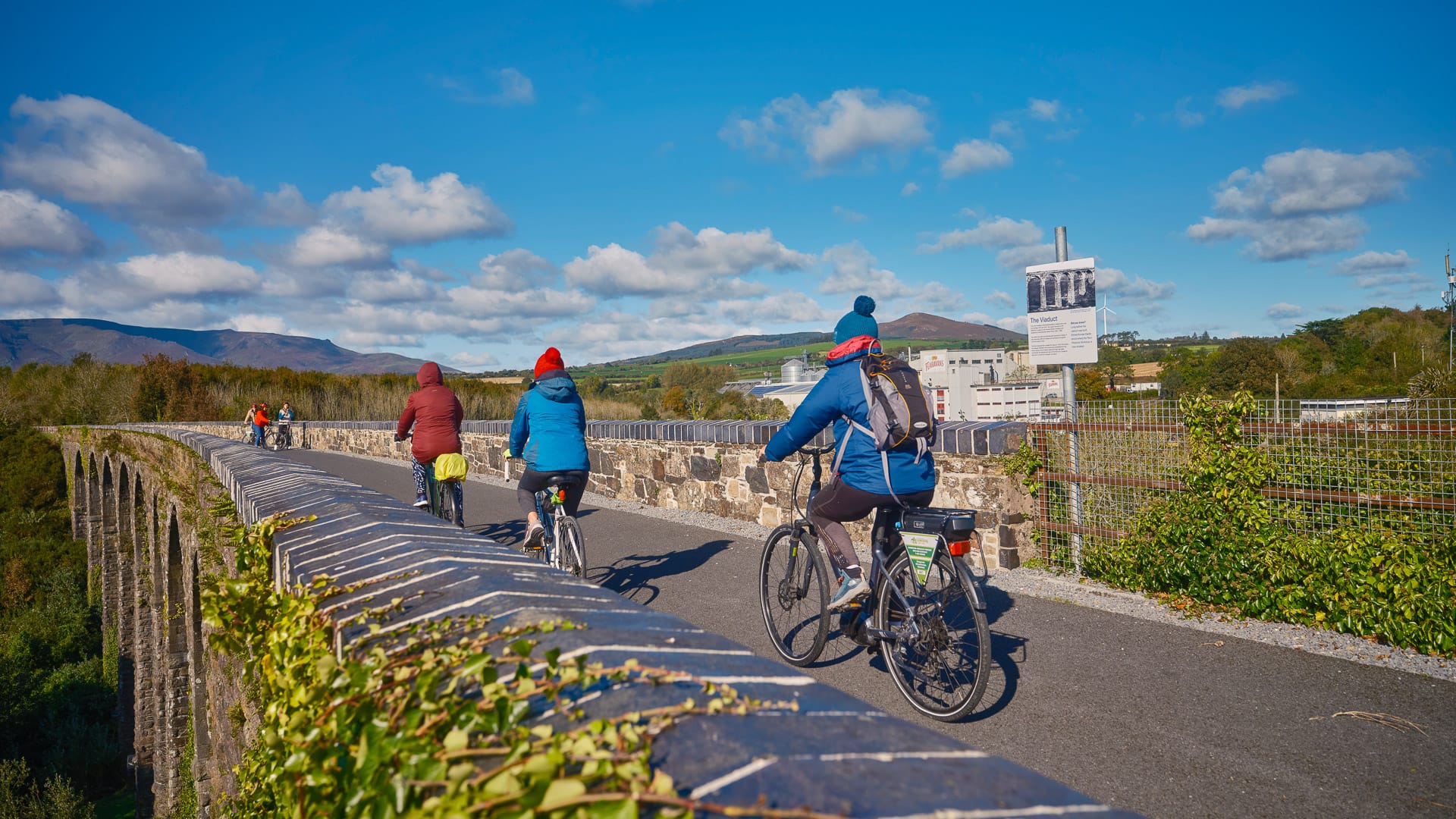
Ireland’s greenways bring a different side of the country into view, with rugged coastline, mountain backdrops, quiet canals, ancient viaducts and island vistas. On the Waterford Greenway, cycle tourers pass viewpoints over the Copper Coast and sections of historic railway architecture, including the Durrow Tunnel. The Great Western Greenway serves up clear views towards Croagh Patrick, plus Achill Island and the Clew Bay islands. The Suir Greenway also runs by Cahir Castle, one of Ireland’s largest and best-preserved castles, built in the thirteenth century.
Ride through history
Cycling routes wind past castles, stone forts, ancient churches and ruins of famine-era villages. They create a sense of connection with Ireland’s heritage as you ride through history.
A few stops in particular bring Ireland’s past into focus:
- Desmond Castle: A 15th-century fortress once home to the Earls of Desmond, with impressive scale and preservation that gives a clear sense of feudal Ireland
- Belvedere House: Built in 1740 for the “Wicked” Earl, who is said to have imprisoned his wife for 31 years after accusing her of an affair. It’s also home to the Jealous Wall, Ireland’s largest and most dramatic folly, built as a spite wall in a family feud and one of the most famous tales in Georgian Ireland.
- Askeaton Castle: Dating to 1199, this site has been a fortress, a friary and, by reputation, a den of iniquity. The surrounding ensemble includes a Hellfire Club building, adding an atmospheric and slightly mysterious edge
- Swiss Cottage, Cahir: An ornamental cottage located south of the heritage town of Cahir and close to the River Suir, offering traditional Irish views in a more decorative setting
Famously friendly culture
Travelling from near or afar, Ireland is known for its friendly culture. Visiting cyclists can count on a warm welcome, whether it’s a friendly wave, a café stop chat or helpful local tips to help you on your way.
What are the Ireland greenways?
Ireland’s greenways are trails designed for cyclists. They were developed through collaboration between the Irish Transport Authority, county councils and Fáilte Ireland, with support from the EU. Their creation was prompted by the discovery that parts of the old rail network were publicly owned, which opened the door to repurposing these corridors for cycling and other active travel.
Stretching across the island, these cycling trails cover many of the country’s most memorable landscapes and must-see sights. From the rugged Copper Coast along the Waterford Greenway, to the 130-kilometre-long Royal Canal Greenway, which stretches all the way from Dublin to Longford. They were launched in stages, starting with the Great Western Greenway in 2011 and most recently the Royal Canal Greenway in 2021.
The greenways are often built on disused railway lines and along river or canal towpaths. They offer a quiet and peaceful way to explore Ireland by bike, whether you just cycle a section of it or take on a multi-day tour and clock up the kilometres. The Irish Transport Authority is investing €60m a year in greenways, the National Cycle Network and national road active travel up to 2030, supporting local authorities to deliver 990 kilometres of the National Cycle Network alongside other selected projects.
What makes them so special?
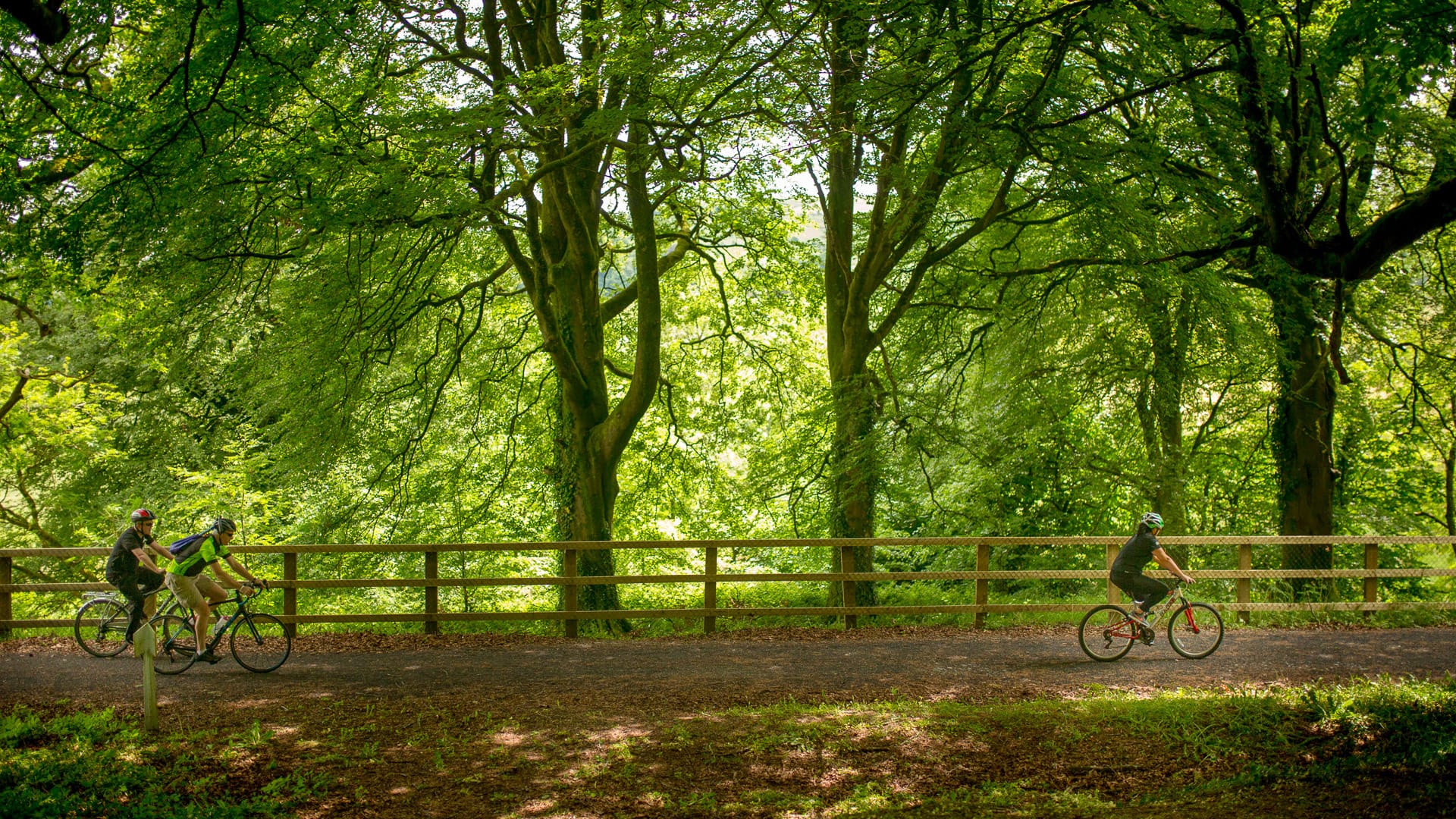
The greenways in Ireland are generally traffic-free, creating an incredible network of cycling routes which are suitable for a range of abilities and experience levels.
The greenways cover some of Ireland’s most iconic landscapes, and in a single day, you might cycle past sandy beaches, rugged cliffs, mountain passes, rolling farmland and lakes, all within relatively short distances. A standout example is the Great Western Greenway in Mayo. In a single ride, you can pass Atlantic beaches and island-dotted bays, with mountain views, farmland and lakes along a traffic-free continuous route.
The majority of the greenways aren’t long, and they’re never repetitive because they follow former transport corridors and sit fairly close together. This means cycle tourers can use the greenways to plan out a multi-day cycling trip in Ireland, without long transfer stages using direct connections, quiet roads or rail services.
How many greenways are there in Ireland?
There are currently six greenways in Ireland (check out the map below). These are:
- Suir Blueway. Find out more below.
- Limerick Greenway. Find out more below.
- Great Western Greenway. Find out more below.
- Old Rail Trail. Find out more below.
- Waterford Greenway. Find out more below.
- Royal Canal Greenway. Find out more below.
Be aware! The greenways continue to be developed, with expansion of the existing trails and work on creating new trails in progress (source).
How long are the Irish greenways?
The majority of the greenways in Ireland are between 40-50 kilometres long. However, the Royal Canal Greenway offers up a much longer day in the saddle, with 130 kilometres of riding making it the longest off-road greenway in Ireland (source).
Which regions of Ireland do the greenways cover?
Below is a map of the Greenways mentioned in this article. Hover over the map pins to see the names.
- County Tipperary: The Suir Blueway runs from Carrick-on-Suir to Cahir, via Clonmel, in County Tipperary. Find out more below.
- County Limerick: On the west coast, the county city of Limerick is a buzzing contrast to the rest of the county, which is quiet and rural. The Limerick Greenway is located in this region. Find out more below.
- County Mayo: Located on the rugged west coast, County Mayo sits at the heart of the Wild Atlantic Way. The Great Western Greenway is located in this region. Find out more below.
- County Westmeath: In the centre of Ireland, County Westmeath is home to Ireland’s ‘hidden heartlands’, known for medieval landmarks and ‘lakes of legend’ which are steeped in Irish fables and folklore. The Old Rail Trail Greenway is located in this region. Find out more below.
- County Waterford: Located in the southeast of Ireland, home to Ireland’s oldest city of Waterford, known for its Viking heritage (source). The Waterford Greenway is located in this region. Find out more below.
- County Kildare, Meath, Westmeath and Longford: The Royal Canal Greenway stretches east to west from Maynooth in County Kildare (near Dublin) to Cloondara in County Longford, along the historic 200-year-old canal. Find out more below.
How challenging are the greenway routes?
Ireland’s greenways are suitable for cyclists of all abilities. The routes are predominantly traffic-free and mainly follow canal paths and trails, so the terrain isn’t too technical.
Most of the Irish greenway cycling routes tend to be relatively short, with multiple access points, so you can adapt to your current fitness level. The longest route is the Royal Canal Greenway (130 kilometres), but this can either be split up over multiple days, or you can choose to ride shorter sections within the full route. Find out more below.
What type of cyclist are the routes suitable for?
The trails are best suited to leisure cyclists who prefer a steady, traffic-free route. They also work well for gravel cyclists. The surface depends on the section you’re riding. The Cahir Castle to Swiss Cottage stretch is tar and chip (4 kilometres). The Clonmel Suir Side to Carey’s Slip section has a smooth, compacted gravel, asphalt-like surface (2.5 kilometres).
Part 2: The 6 “must-ride” greenways in Ireland
At the time of writing (January 2026), there are six established greenways.
Below you can find in-depth details on each route, ordered from the shortest to the longest and including the distance, terrain, bike-friendly accommodation options and other useful information. You can also learn more about the new greenways in Ireland in progress on the Greenways Ireland website.
1. Suir Blueway (County Tipperary)
GPX DownloadTerms of use reminder
Key statistics
21 kilometres
The Suir Blueway Greenway does not have significant elevation changes. It runs along the River Suir, following a historic towpath, which is naturally flat and low‑lying.
Start/finish
Gashouse Bridge, Clonmel
Carrick-on-Suir
Surfaces/terrain
The 21-kilometre stretch of the Suir Blueway, suitable for cyclists and pedestrians, features well-maintained towpaths.
Overview
Amphibious types will love the Suir Blueway! This unique route joins up with a 32-kilometre waterway along the River Suir, which can also be canoed or kayaked. This is why this is known as a blueway rather than a greenway. The river is the third longest in Ireland (source) and runs from the Borrisnoe Mountain through Tipperary.
The river adventure is, of course, optional. The 21-kilometre bike route through the river valley, has gorgeous views of the Golden Vale.
Top tip! Keep your eyes peeled for wildlife; you might spot otters and herons along the way. The Suir Blueway is shared with pedestrians and anglers, so you should slow down when needed and use a bell when passing. Most cycle tourers ride it as an out-and-back, or pre-arrange a private pick-up, as regular shuttle or rail links are not yet in place for a simple one-way return.
What are the highlights?
- Cahir Castle: This is one of the largest medieval castles in Ireland, located on an island in the River Suir. In its day, it was a defensive stronghold, and now you can enjoy an audiovisual show and guided tours. Well worth a visit to learn more about the history and heritage of the area before you start your Suir Blueway adventure!
- Ormond Castle: This Elizabethan manor needs to be seen to be appreciated. It also has excellent riverside cafés and local hospitality, making it a delightful endpoint. You’ll find Ormond Castle in Carrick-on-Suir, which is the end town of the Suir Blueway.
- Butler Trail: Close to the Suir Blueway, the Butler Trail is a self-guided route which tells the tale of the powerful Butlers of Ormand, a dynasty that shaped the history of the area.
- Wildlife encounter: Along the route, you can enjoy riverside scenery and may spot wildlife such as otters, herons, kingfishers and swans.
These attractions are all on the route, so it’s easy to build them into your ride without needing detours.
Where to stay near the Suir Blueway?
Cahir House Hotel is ideally located near the start of the Blueway. It’s a historic hotel in the town centre close to Cahir Castle.
Hotel Minella is located in Clonmel, offering serene riverside accommodation with beautiful views of the Suir.
Where are the best places for food near the Suir Blueway?
The Carraig Hotel restaurant in Carrick-on-Suir serves a hearty carvery lunch every day from 12.30-2.30pm. You can also get dinner here if you’re in town between Friday and Sunday, and the menu features locally produced ingredients.
Just out of Carrick-on-Suir in the scenic Tipperary countryside is the Kilkieran Cottage restaurant, serving quality contemporary Irish cuisine in a beautiful setting.
What are the best Suir Blueway bike hire options?
For bike rental, I’d suggest Treacy’s Blueway Bike Hire. They’re open seven days a week with a large range of bikes available, and you can also pre-book prior to arrival.
More information
Learn more about Ireland’s Blueways and take a look at this in-depth Suir Blueway cycling route guide.
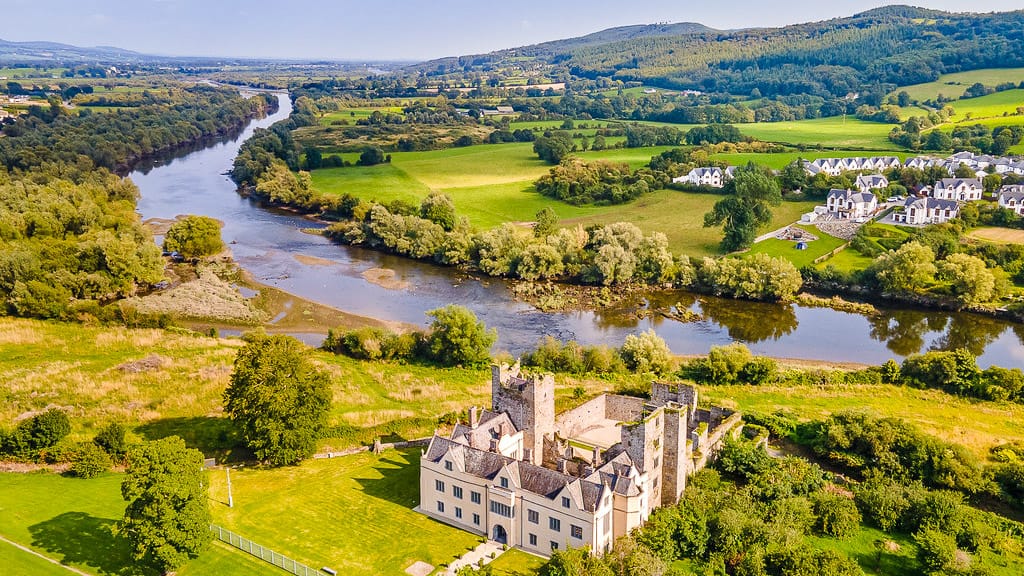
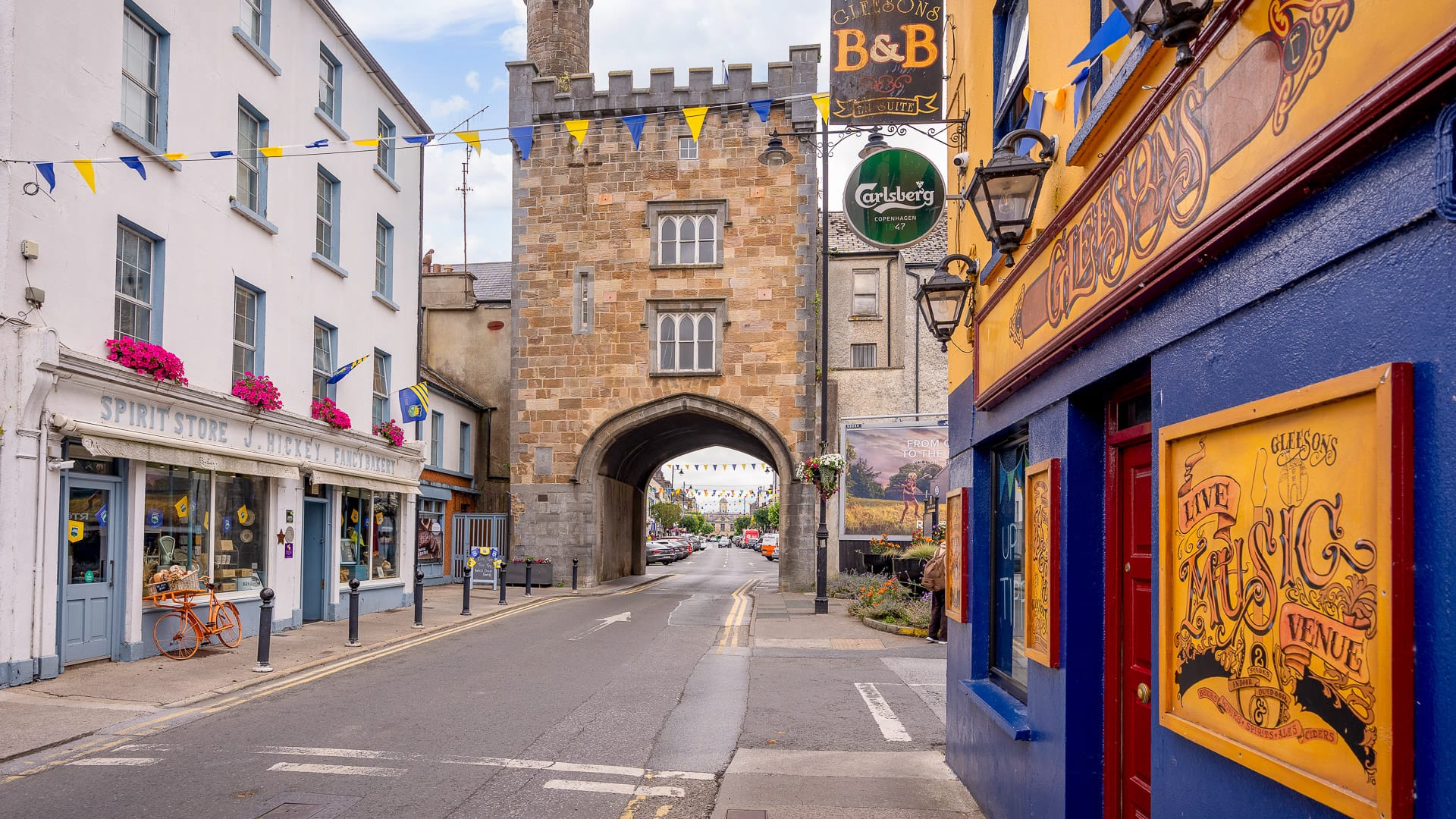
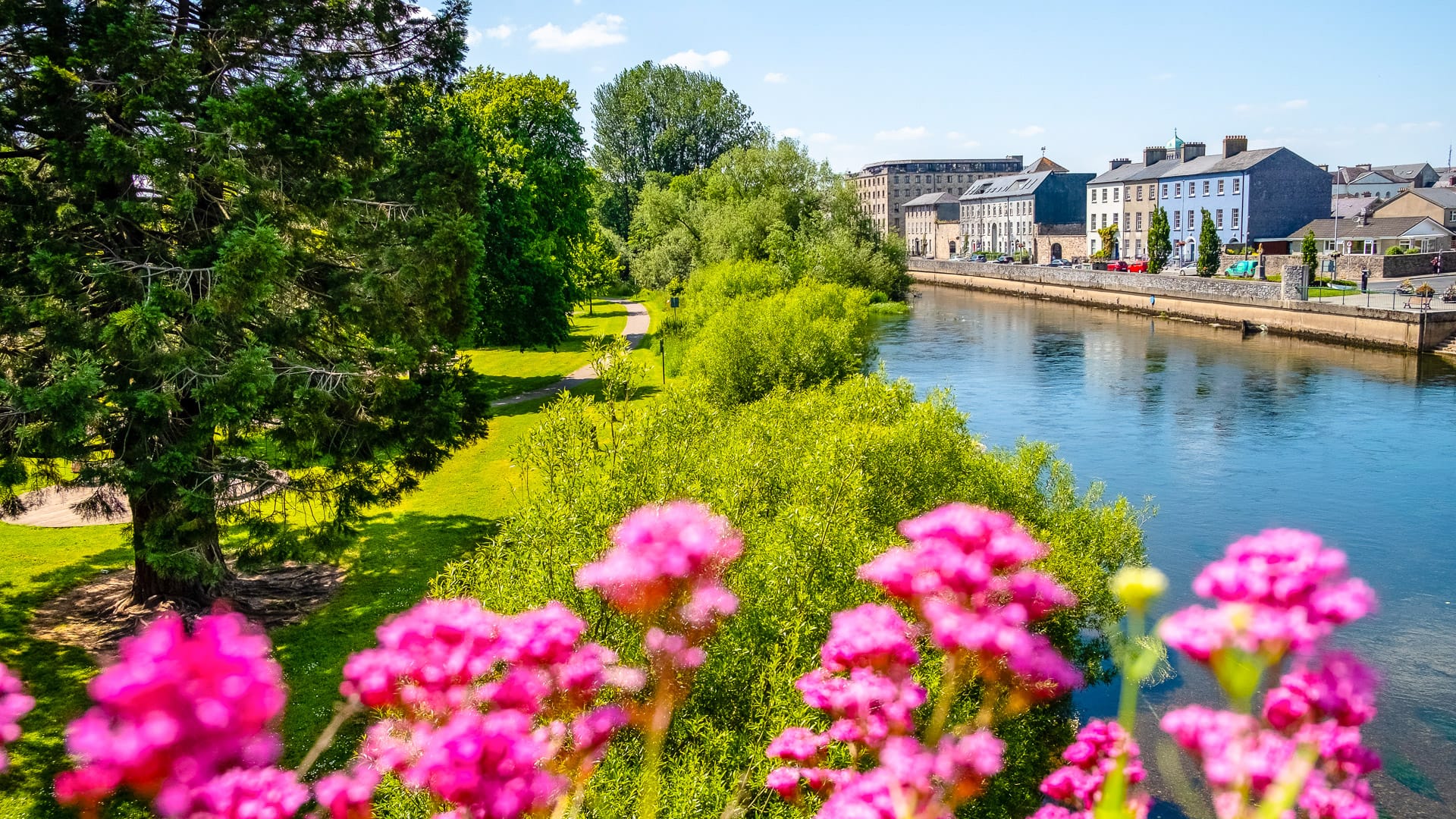
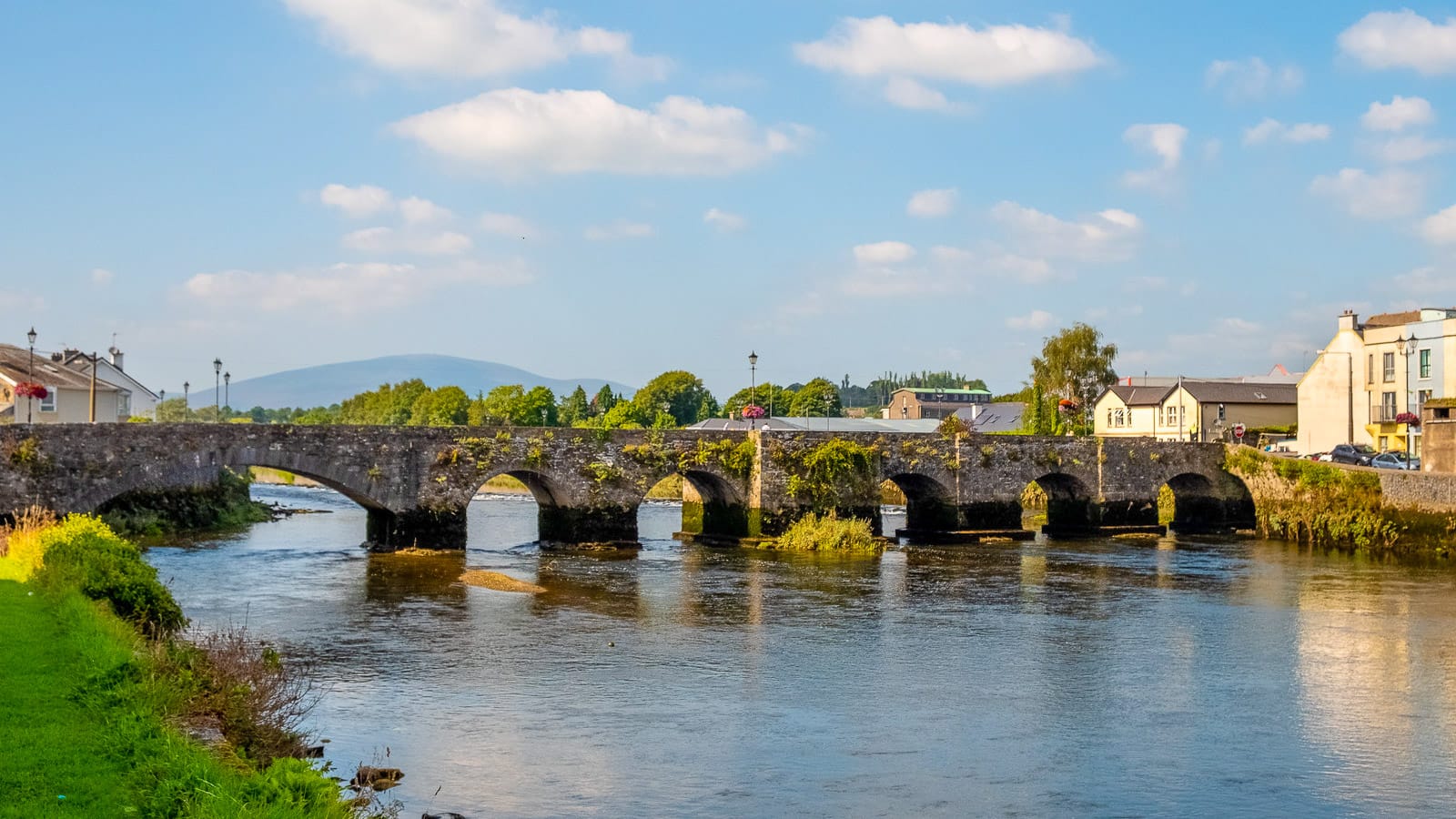
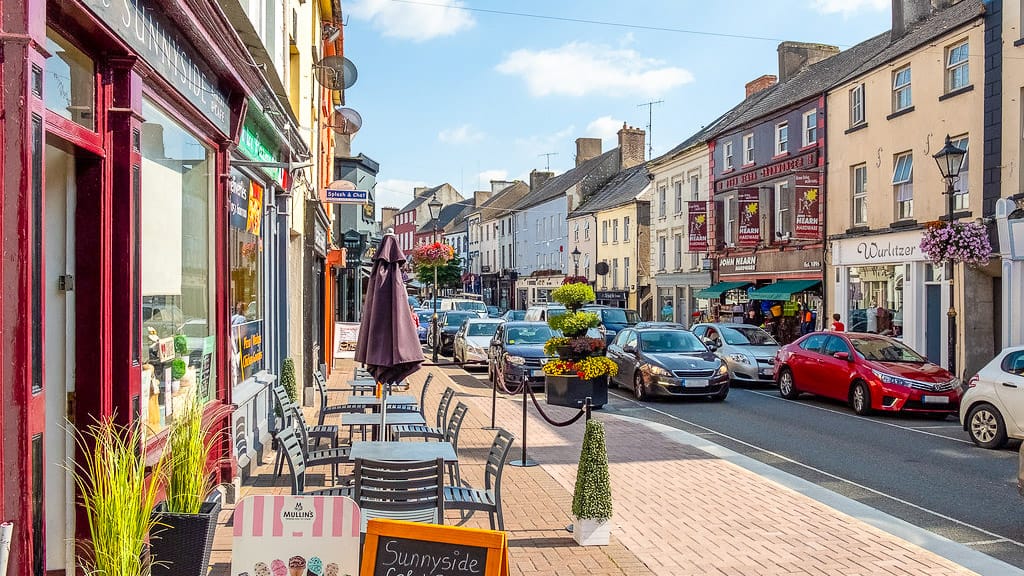
2. Limerick Greenway (County Limerick and County Kerry)
GPX DownloadTerms of use reminder
Key statistics
49 kilometres
Approximately 300 metres of uphill gradient
Start/finish
Rathkeale, County Limerick
Listowel, County Kerry
Surfaces/terrain
Mostly traffic-free on paved surfaces, suitable for those with a moderate level of fitness.
Be aware! Some sections of the route involve crossing the main N21 road. Caution will be required.
Overview
The Limerick Greenway Trail was developed along a stretch of the 85 kilometres Limerick to Tralee railway line, which operated for nearly one hundred years, opening in the late 1880s and closing in the 1970s.
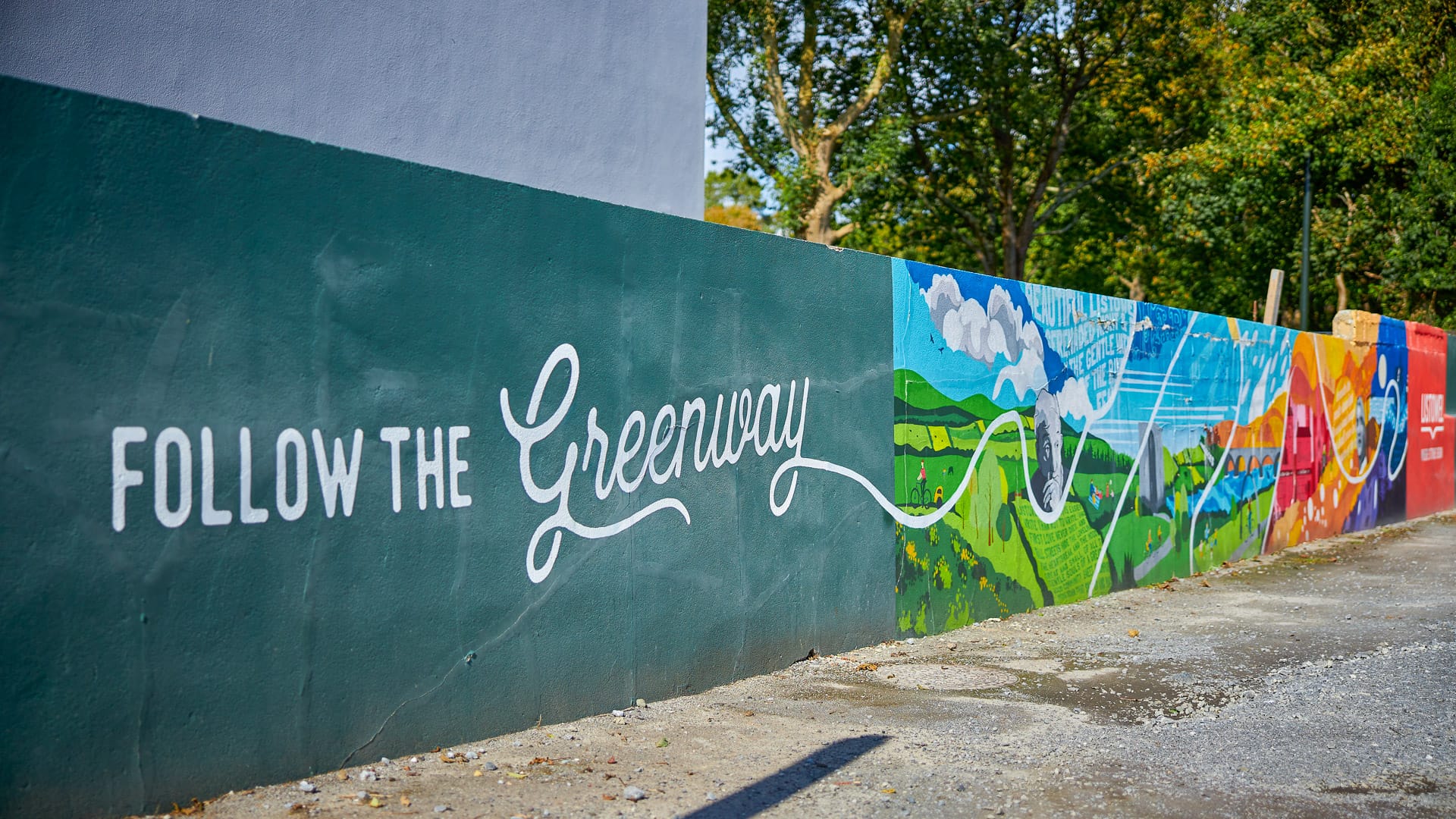
The trail can be split into five distinct sections, which are all waymarked for easy navigation. Along the way, you’ll encounter Norman castles, medieval ruins, abbeys and famine graveyards. Pass under beautiful cut stone bridges and enjoy the rolling hills as you ride through farmland, tranquil woodlands and head up into the Rooskagh hills, where you can enjoy incredible views over the Limerick Plains and the Golden Vale.
Top tip! The Limerick Greenway includes Barnagh Tunnel, and it can feel cold inside even on a mild day. Bringing a warm layer makes the tunnel section more comfortable. A one-way ride is possible if you pre-arrange a lift or shuttle, as standard buses are not guaranteed to take bikes. There is a shuttle bus service from 12pm to 4pm between Rathkeale, Newcastle West and Abbeyfeale.
What are the highlights?
There are several hidden gems to discover along the Limerick greenway that are well worth a small detour to see, especially if history is your thing. These include:
- Askeaton Castle: Well worth a visit; it sits 10.5 kilometres from the Limerick Greenway in Rathkeale! Askeaton Castle is more than just a castle, it’s actually a fortress, a friary and used to be home to the local ‘Hell Fire Club’, one of many infamous mid-18th century gentleman’s clubs surrounded by rumours of excess. The medieval fortress was built by William de Burgo in 1199 and dismantled by Cromwellian forces in 1652. The eery ruins are a must-see for history lovers.
- Desmond Castle & Banqueting Hall, Newcastle West: Another impressive 12th-century fortress, this castle withstood numerous sieges and bloody battles in its time. Built by the Earls of Desmond, it stood until the 1930s. These days, you can still visit the castle’s beautifully conserved banqueting hall. You’ll find it on the Limerick Greenway, which makes it an easy stop.
- Boyce Gardens, Foynes: An award-winning garden overlooking the River Shannon, designed for year-round colour. A tranquil stop to enjoy during your cycling trip, just 16 kilometres from the Limerick Greenway in Rathkeale.
Where to stay to cycle the Limerick Greenway?
Those looking to experience the vibrant energy of Limerick can stay at the Radisson Blu Hotel and Spa.
Be aware! Limerick city is approximately a 45-minute drive away from the start of the Limerick Greenway cycle route in Rathkeale. If you’d rather stay closer to the route, Rathkeale House Hotel is a family-run boutique hotel near the start of the greenway. It has on-site bike hire and has recently been refurbished. It’s a handy spot to begin the day on the greenway, or return to afterwards.
What food stops are available?
The Limerick Greenway passes through three lovely market towns: Abbeyfeale, Newcastle West and Rathkeale. Here you’ll have your pick of restaurants and coffee stops for your mid-ride refuel.
I’d suggest taking a break at one of these spots:
- Platform 22: A café halfway between Newcastle West and Abbeyfeale, known for its delicious baked goods
- Greenway Café 1709: Right at the Rathkeale trailhead, which works well for a pre- or post-ride stop
- The Arra Café: At the Newcastle West end, with breakfast and light meals
What are the best Limerick Greenway bike hire options?
If you’d prefer to hire a bike, there are three bike rental options I’d suggest:
- Limerick Greenway Bike Rental is located at the Barnargh Greenway Hub, approximately a 15-minute drive from the route starting point in Ardargh.
- Pedals Pursuit offers bike hire and they’re based just outside Newcastle West.
- Alternatively, Like Bikes have bike hire hubs in Rathkeale and Abbeyfeale which are both convenient for the Limerick Greenway.
More information
Head to the Greenways Ireland website for more details on the Limerick Greenway cycling route, and visit Tourism Ireland for more information on the town meets country county of Limerick.
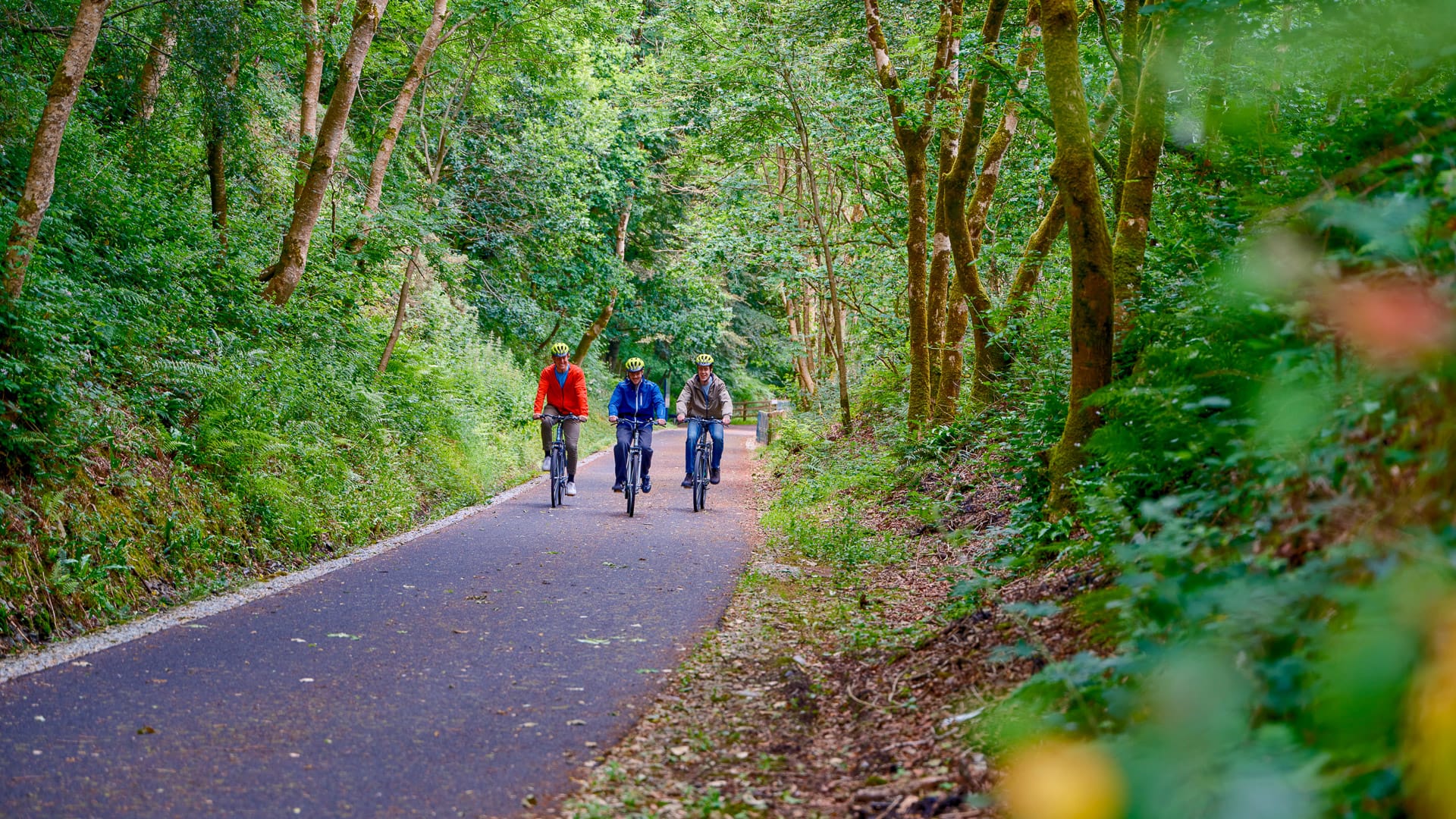
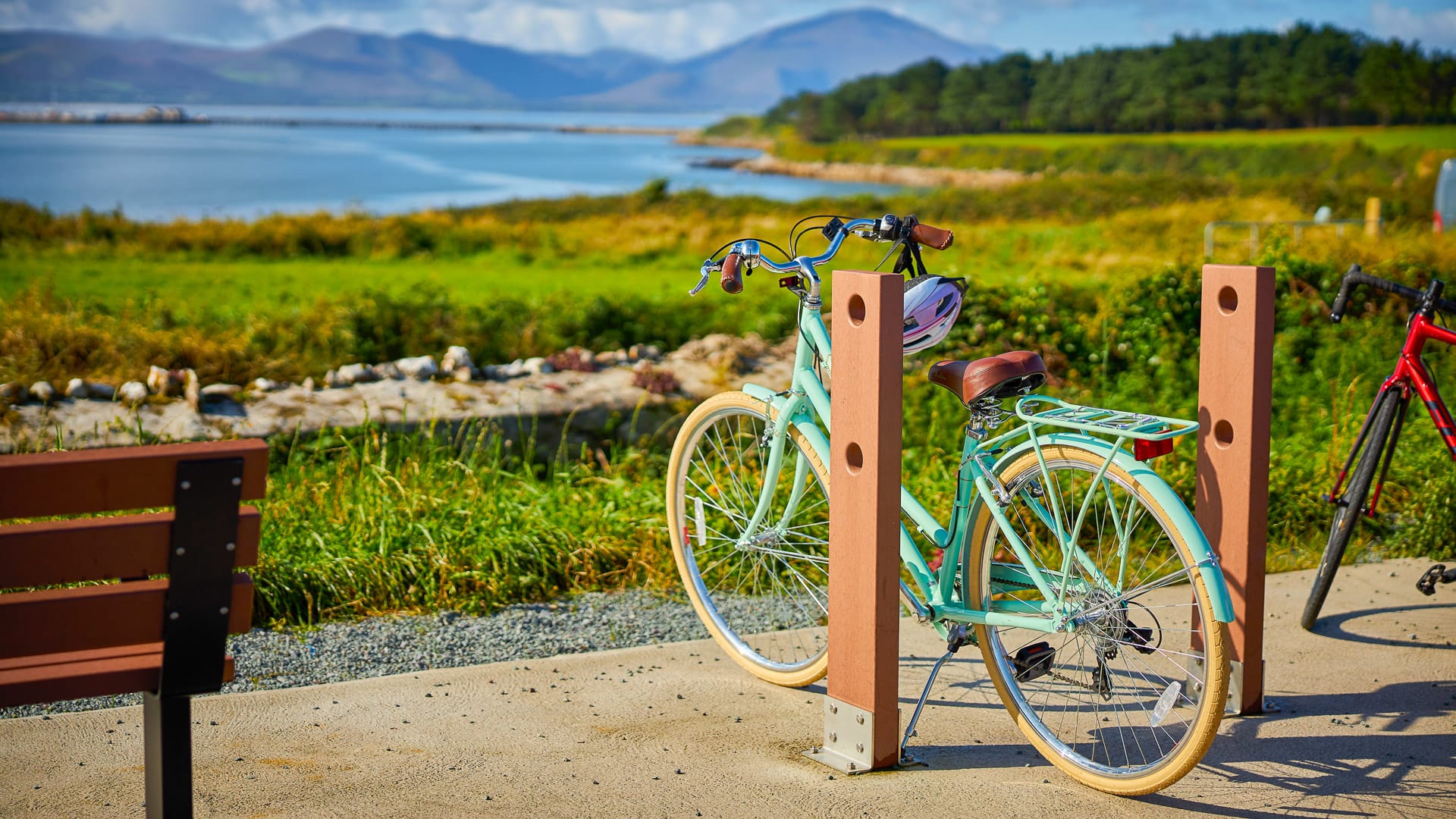
3. Great Western Greenway (County Mayo)
GPX DownloadTerms of use reminder
Key statistics
42 kilometres
448 metres of elevation gain and 439 metres of elevation loss over 44 kilometres
Start/finish
Achill Sound
Westport Quay
Top tip! There’s an official access point to start the Great Western Greenway cycling route at Óstán Oileán Acla /Achill Island Hotel at the gateway to Achill Island.
Follow the finger post signage onto the Great Western Greenway. You can also start at the Mulranny Trail head. The official access point is located to the right, just off the N59 travelling to Bangor. There’s another access point located to the rear of the Mulranny Park Hotel in the old Railway Station House.
Surfaces/terrain
The Great Western Greenway is mainly compacted stone and gravel, with a few asphalt sections near towns. The route has 448 metres of elevation gain.
Be aware! The first 800 metres of the path from Achill Sound hasn’t been specifically designed for bikes, so you’ll need to take care. Here, the path is narrower and can feel more uneven than the rest of the greenway. You may also come across driveway entrances, pedestrians and road crossings. It’s not dangerous, but it does call for extra caution.
The route also passes through working farmland, so you will need to dismount for gates and ride with caution over cattle grids.
Overview
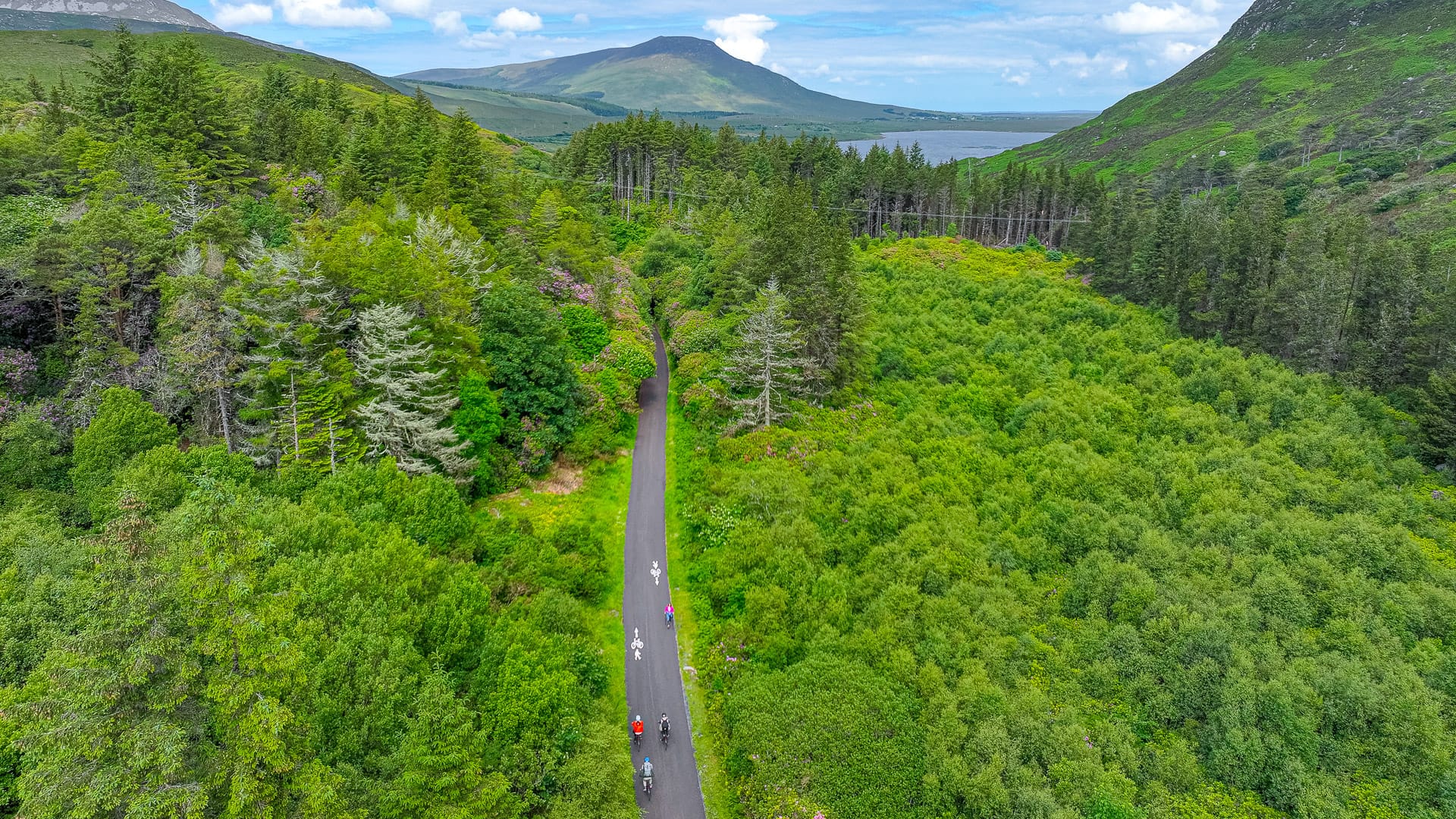
The Great Western Greenway is a panoramic cycling route winding along the coast of Clew Bay in County Mayo. The scenery is a real highlight, with sweeping views of the dramatic Atlantic coastline, sprawling moorland and the imposing peaks of the Nephin Beg Mountains.
Top tip! This route can feel very different depending on the wind. Atlantic headwinds can be strong, so riding west to east can make the day more comfortable. It’s also a good idea to bring food, as services are limited once you leave the towns. Many cycle tourers book a shuttle and start at Achill via local operators, and Westport Bike Hire offers this service. Public bus carriage of bikes is limited and varies by service.
What are the highlights?
- Clew Bay and the hundreds of little islands which decorate it: These sunken drumlins were deposited here during the last Ice Age over 10,000 years ago, creating a truly unique landscape. It borders the Great Western Greenway, so these views are part of the ride.
- Croagh Patrick: Nicknamed ‘The Reek’! Croagh Patrick is considered to be a holy mountain (source). The sight of the Atlantic Ocean shimmering against the mountain backdrop is one of the most iconic in Ireland. It sits eight kilometres from the Great Western Greenway, but it’s visible along the route.
- Achill Island: The Great Western Greenway ends at the gateway to Achill Island. But I’d suggest taking the time to visit the island itself. Follow the trail to the renowned Deserted Village, offering dramatic Atlantic seascapes and rich cultural heritage.
- Mulranny: Cycling through Mulranny is beautiful, with coastal views and mountainous backdrops. It is one of the three Great Western Greenway towns, so it sits directly on the route. This section also gives a nod to the greenway’s railway heritage, with the restored Mulranny Railway Station.
- Nephin Mountains: On this stretch, the Nephin Mountains sit on the horizon and provide a strong mountain backdrop as you ride.
Where to stay near the Great Western Greenway cycle route
The Mulranny Park Hotel overlooks Clew Bay and offers bike storage as well as gourmet dining. There’s also the Clew Bay Hotel nearby which is family-run, bike-friendly and centrally located. If you’re after a more luxurious stay after your ride, the Westport Plaza Hotel is a relaxed four star spa hotel.
What are the best places to eat along the Great Western Greenway?
- Kate’s Café on Achill Sound is a favourite, with tea, coffee, sandwiches and cakes along with a warm welcome.
- The Creel Café at Westport Quay is a great spot for artisan coffee. Enjoy brunch, gourmet sandwiches and homemade cakes while you take in the amazing Clew Bay and Croagh Patrick views.
- For a heartier refuel, head to the Amethyst Bar in Keel, Achill. It’s a modern gastropub with locally sourced dishes including fish and chips plus a range of vegetarian options.
What are the best Great Western Greenway bike hire options?
There are a couple of noteworthy options for bike rental near the Great Western Greenway:
- Greenway Bicycle Hire is located in Newport and offers a shuttle service if you want to cycle the route one way.
- Achill Bikes has a fleet of electric bikes, hybrid touring bikes and children’s bicycles for hire.
More information
Check out the Great Western Greenway in depth guide and find out more about other places to visit in County Mayo.
4. Old Rail Trail Greenway (Country Westmeath)
GPX DownloadTerms of use reminder
Key statistics
44.7 kilometres
Approximately 737 metres of total elevation gain
Start/finish
Athlone, near the River Shannon and Athlone Castle
Mullingar
Surfaces/terrain
As you might guess from the name, the Old Rail Trail cycling route is a bike path on a converted stretch of the Midlands Great Western Railway. The terrain is mostly flat, with just a few gentle slopes.
Overview
The Old Rail Trail Greenway takes you on a journey through the heart of Ireland. Connecting the two cultural hotspots of Athlone and Mullingar, this converted railway line carves through farmland past restored station houses and under stone-arched bridges.
Top tip! The Old Rail Trail is one of the smoothest and fastest greenways, which can make it easy to cover more distance than expected. Services are not evenly spaced, so it helps to plan your stops before you set off. You can return by train from Athlone or Mullingar, and it’s worth checking booking rules for InterCity versus Commuter services using the Bicycle Information for Rail Travel guidance. Ethical Tours bike hire also offers guided tours and collection for riders who hire from them.
What are the highlights?
- A journey through Ireland’s rail history: Keep an eye out for the restored 19th-century railway stations, signal boxes, tunnels and the beautiful stone-arched bridges as you make your way along this former railway line.
- Immersed in nature: The Old Rail Trail Greenway connects the River Shannon and the Royal Canal. This creates a unique east to west corridor through the heartlands of Ireland. The tranquil midlands landscapes are rich in biodiversity, so you can switch off and enjoy a peaceful ride through nature.
- Dún na Sí Amenity and Heritage Park: A must-see attraction, this 27-acre parkland right beside the Old Rail Trail Greenway at the Moate section is ‘the fort of fairies’. It is a two-minute walk from the greenway path, so it’s easy to include as a quick stop along your ride. It features everything from ring forts and stone circles to a pet farm and a fairy island. There’s even a Genealogy Centre to explore any Westmeath roots you might have.
Where to stay near the Old Rail Trail Greenway?
There are plenty of four-star hotels to choose from in Athlone, including the Sheraton Hotel, Radisson Blu, Hodson Bay and Athlone Springs. But for something a little different, I’d suggest taking a look at the Magical Lakeside Yurt, a beautiful hand-crafted wooden yurt just four miles outside Athlone town and right beside Lough Ree.
Another real standout is the Bastion Bed and Breakfast, with its eclectic style and quirky spaces.
Where to eat while cycling the Old Rail Trail?
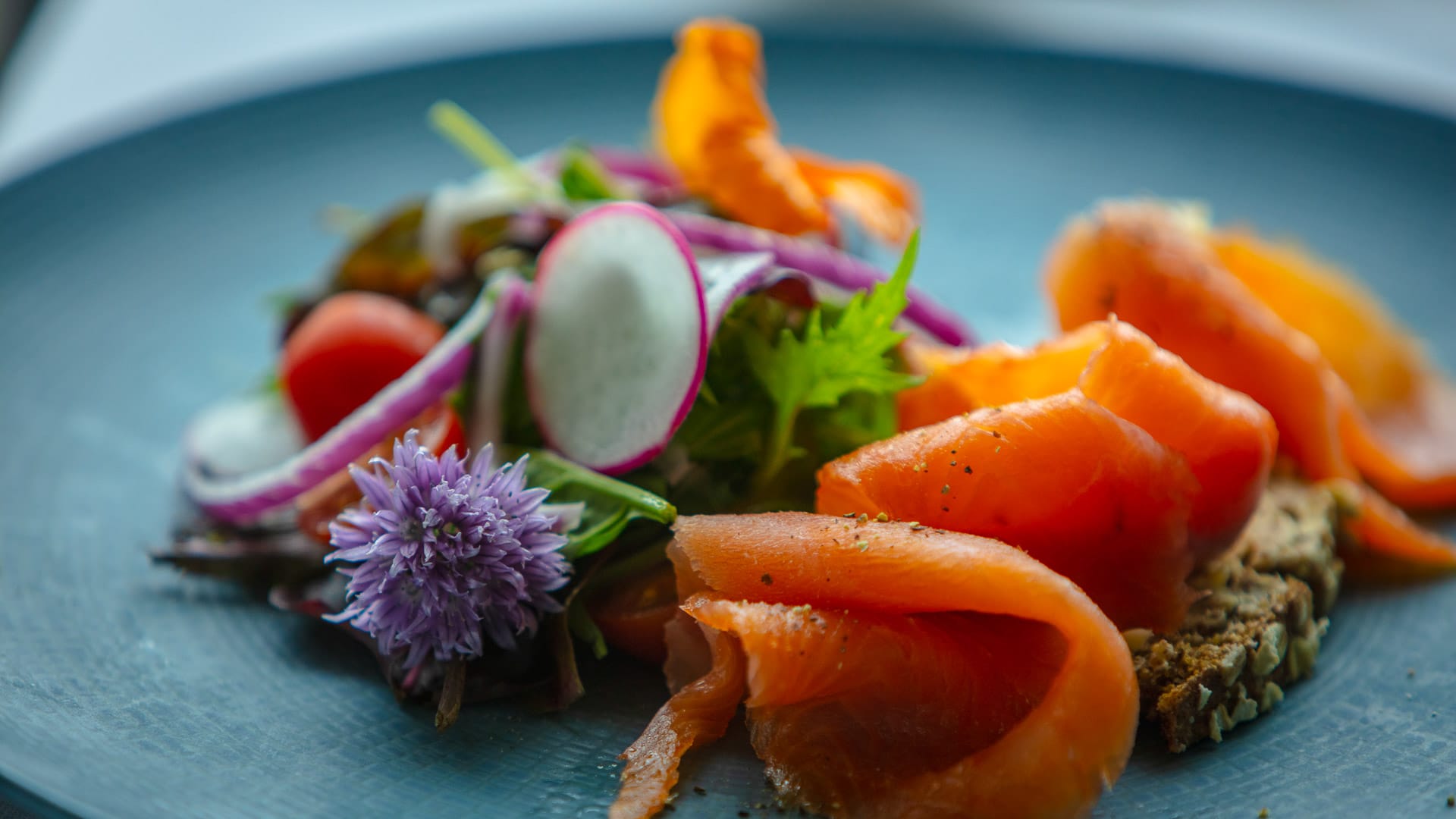
There are some great spots to eat in Athlone. The Left Bank Bistro is a stylish location for brunch, lunch and coffee with a choice of Mediterranean and Asian-inspired food and fresh local produce. There’s also Il Colosseo, which provides an authentic Italian experience. Kin Khao has been featured in the Michelin Guide, and everyone raves about the authentic Thai food here.
What are the best Old Rail Trail Greenway bike hire options?
There are a few bike rental options for this cycling route, including:
- Buckley Cycles in Athlone
- Mullingar Bike Hire
- Outdoor Escape Mullingar
More information
There’s an in-depth guide to the Old Rail Trail on Greenways Ireland, and useful information about visiting County Westmeath.
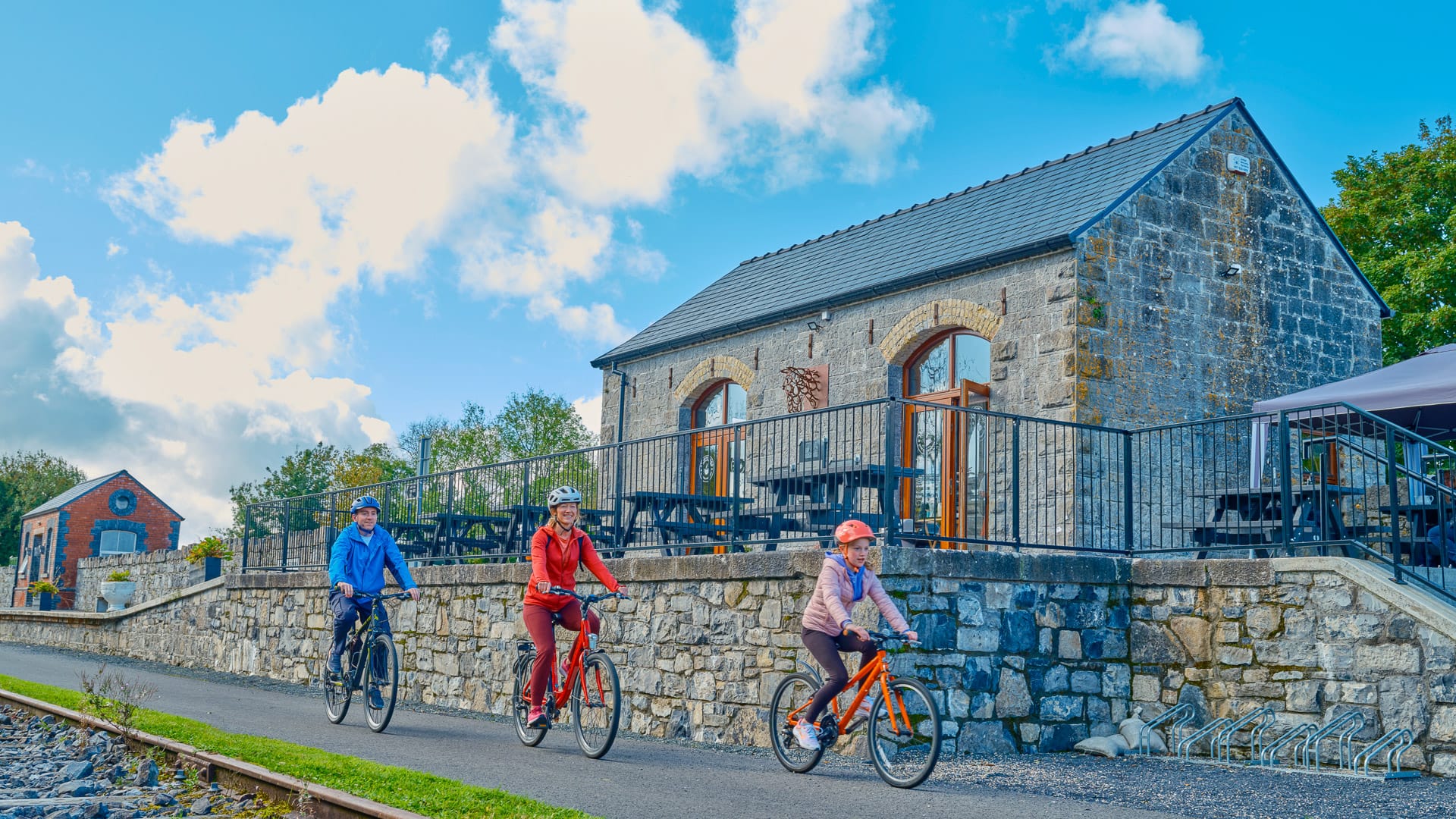
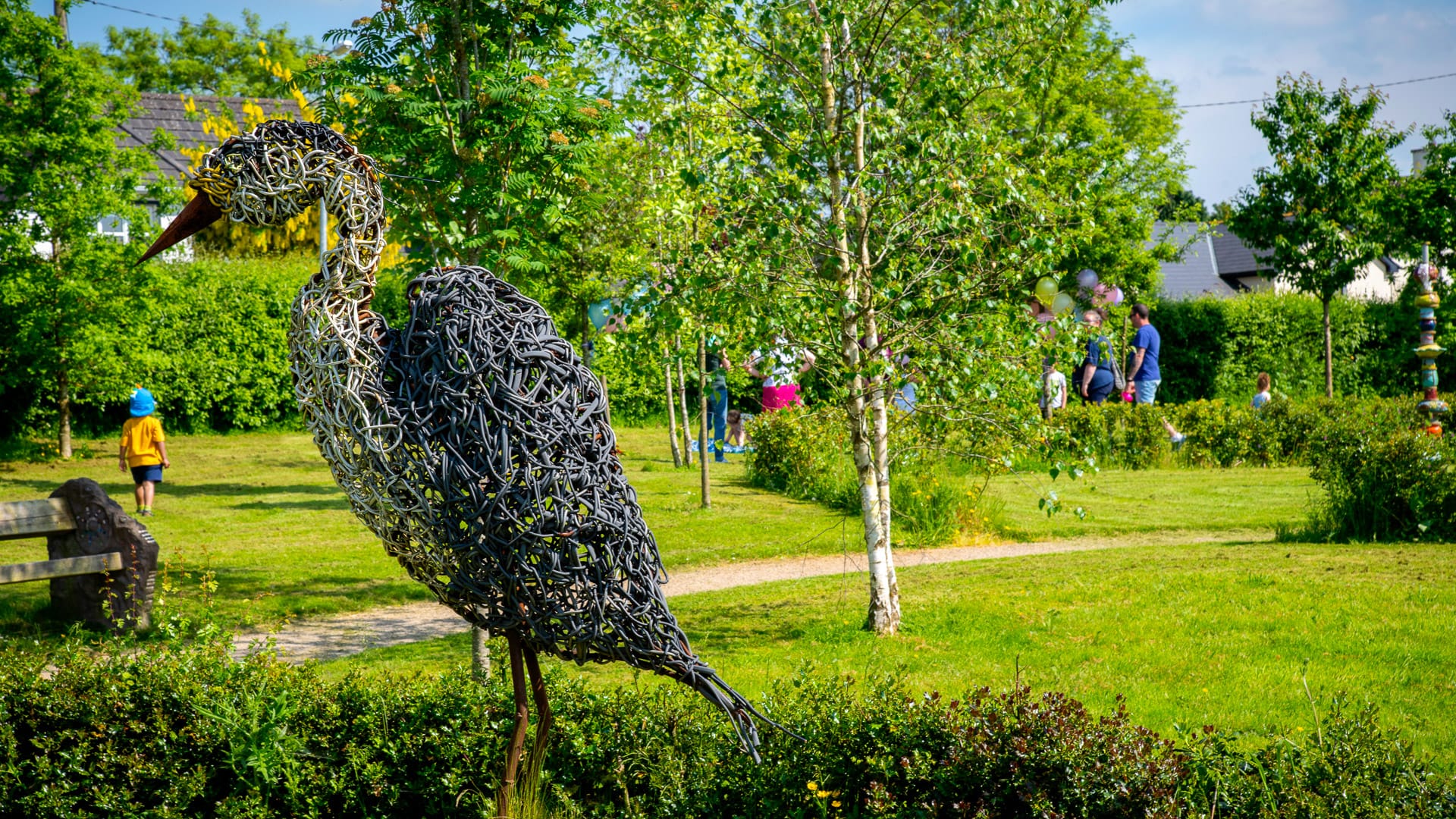
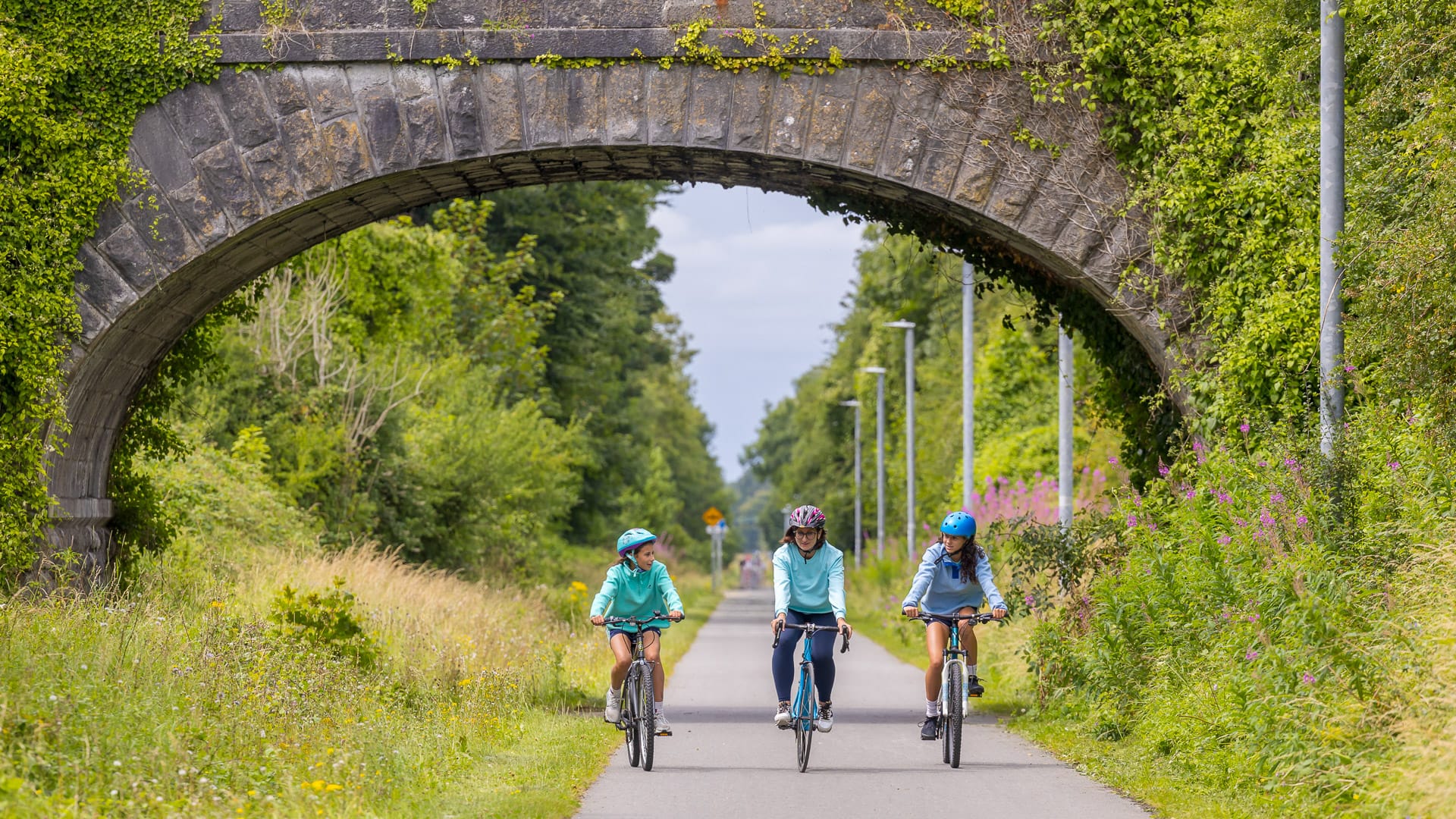
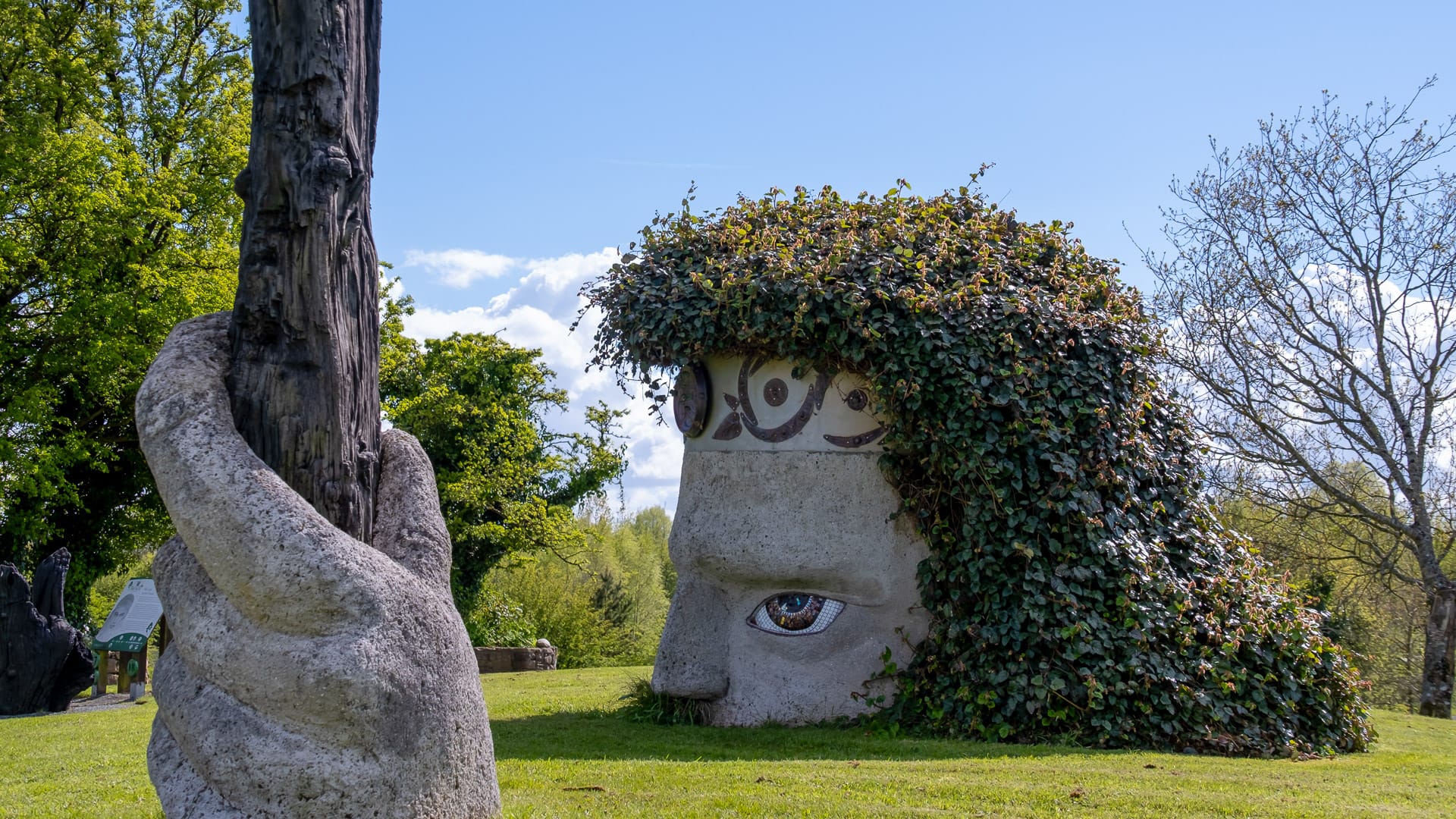
5. Waterford Greenway (County Waterford)
GPX DownloadTerms of use reminder
Key statistics
46 kilometres
287 metres of elevation gain
Start/finish
Killoteran, Waterford City
Dungarvan
Surfaces/Terrain
Car-free pathway, predominantly paved/asphalt.
The Waterford Greenway cycle route follows the old railway. It is mainly flat with only gentle climbs to contend with, making it suitable for all abilities.
Overview
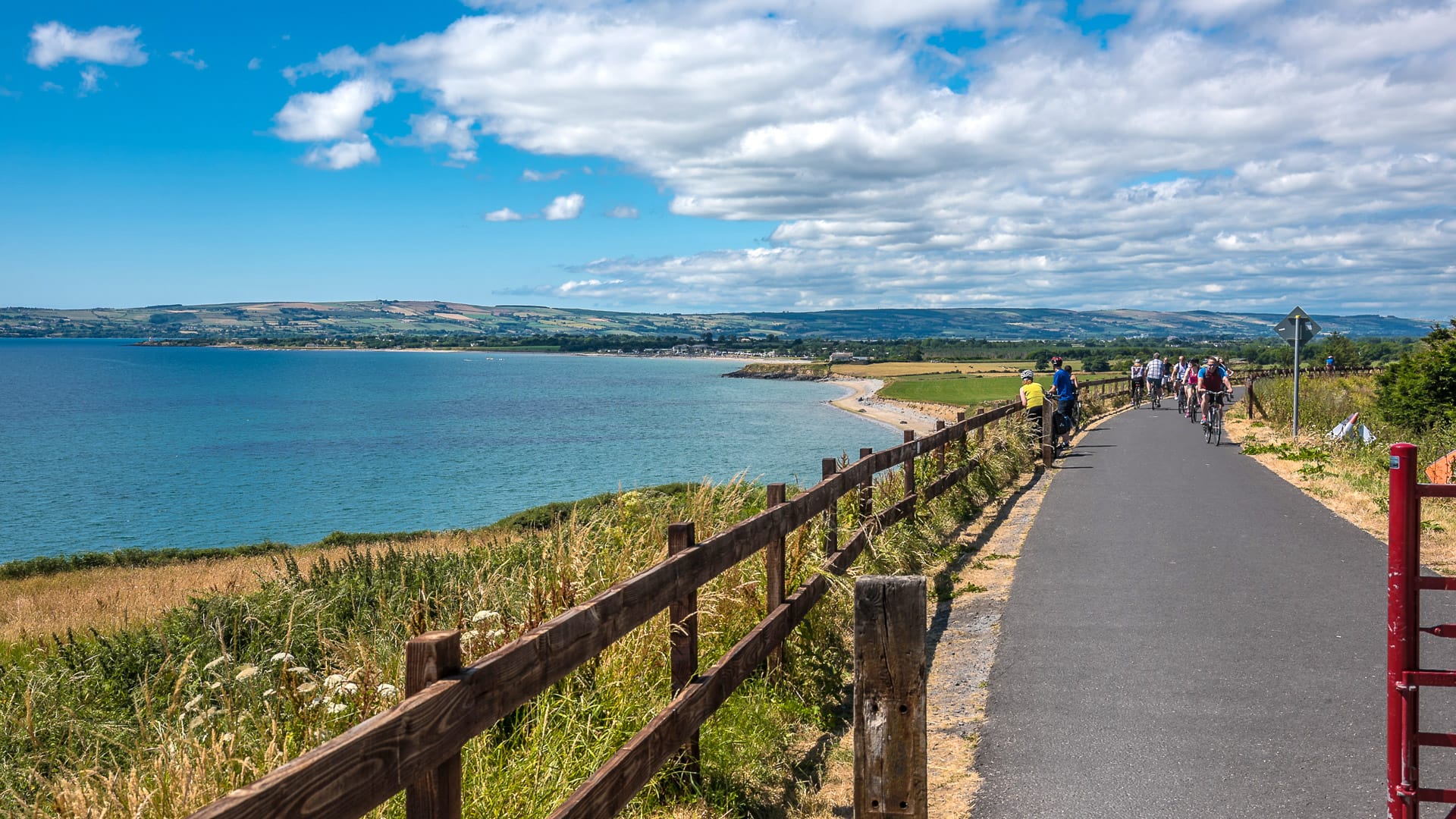
Experience 46 kilometres of glorious, traffic-free pathways which stretch all the way from the historic Viking city of Waterford to the beautiful seaside town of Dungarvan.
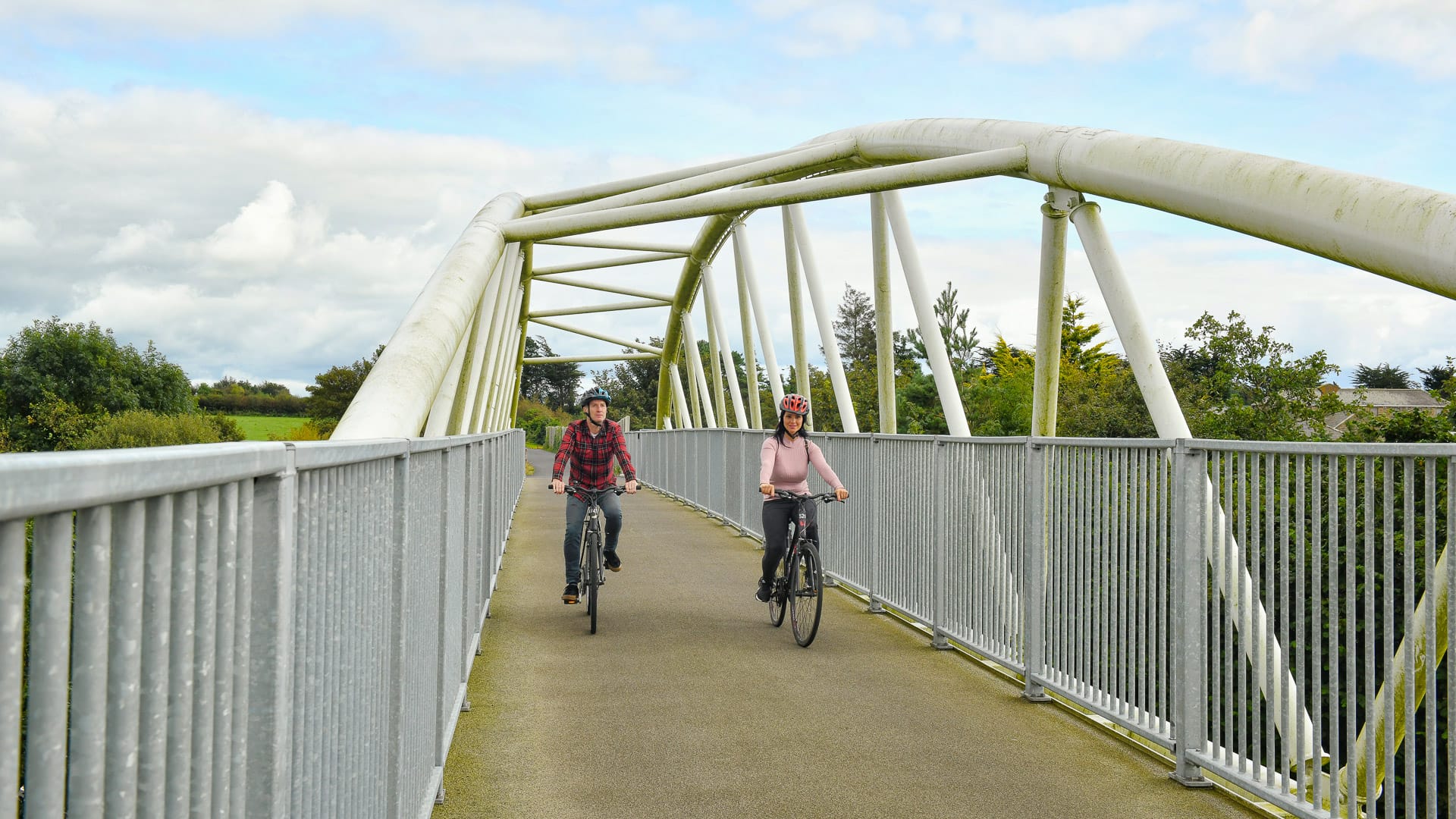
Cycling the Waterford Greenway gives you the chance to enjoy an exciting journey along the old railway, crossing eleven bridges, three viaducts and even a 400-metre long tunnel.
The route meanders along the lush banks of the River Suir, with the Comeragh Mountains providing an inspiring backdrop as you make your way towards the scalloped beaches of the famed Copper Coast.
Top tip! It’s worth stopping little and often here. The route is smooth and fast, so it can feel easier than it is until fatigue kicks in. In summer, there is often high pedestrian traffic, so a bell is useful and should be used early. Most riders cycle back to the start or arrange a private pick-up. If you rent from Waterford Greenway Bike Hire, they run free shuttle buses between Waterford, Kilmacthomas and Dungarvan for customers.
What are the highlights?
- Kilmacthomas Viaduct: This is one of three viaducts you’ll encounter along the Waterford Greenway cycling route. It’s an elegant and multi-arched structure which spans the River Mahon, offering a soaring viewpoint over the neighbouring countryside. Well worth stopping to appreciate the view!
- Durrow Tunnel: Embrace your sense of adventure as you experience the atmospheric/Durrow Tunnel, a 400-metre-long brick-lined tunnel which runs through the heart of the Waterford Greenway.
- Waterford & Suir Valley Heritage Train: The views of the valley you’ll enjoy during your bike ride are rather special. But I’d also suggest taking the time to catch the heritage train from Kilmeadean Station, as this provides some incredible views, only accessible by train. You can also explore the nearby Mount Congreve Gardens. Be aware! The Waterford & Suir Valley Heritage Train runs parallel to the Waterford Greenway.
- Keep an eye out for wildlife: This stretch features beautiful views of the River Suir and you might even spot heron, otters or the vivid blue flash of a kingfisher.
- Dungarvan Castle: Once you reach Dungarvan, take the time to explore the 12th-century castle, where you’ll find a great exhibition to learn more about its history and the local area. Dungarvan Castle is 0.3 kilometres from the Dungarvan trailhead on the Waterford Greenway.
Where to stay near the Waterford Greenway?
There’s a huge selection of hotels to choose from in Waterford City, especially along the quays. I’d suggest the 15th-century Waterford Castle hotel for a spot of luxury. Or the Granville Hotel for something a little more budget-friendly.
Where are the best places to eat on the Waterford Greenway?
Coach House Coffee is a great halfway stopping point, located in the heart of the historic Kilmacthomas Workhouse. You’ll notice the influence of the building’s history on the design and character today. Enjoy hand-roasted coffee and delicious food to set you up for the rest of the ride.
The Local is a must-visit pub in Dungarvan Town, the perfect end to your ride. Run by Donnchadh Gough, a member of the traditional music band Danú, you’ll find live music bouncing off the stone floors at the weekend. Browse the hearty food menu and pick from homemade soups, filling sandwiches, or delicious seafood platters.
What are the best Waterford Greenway bike rental options?
There are several bike hire options for the Waterford Greenway; you can see Tourism Ireland’s curated list here.
Top tip! I’d suggest considering where you want to start and finish the ride. Check if the bike rental has another drop-off point after you’ve finished, or if you’ll have to return to the original pick-up point.
More information
There’s an in-depth guide to the Waterford Greenway on the Greenways Ireland website, and Tourism Ireland have useful information on the best places to visit in County Waterford.
6. Royal Canal Greenway (County Kildare, Meath, Westmeath and Longford)
GPX DownloadTerms of use reminder
Key statistics
130 kilometres
Approximately 150 metres to 200 metres of total elevation gain
Start/finish
Leixlip, County Kildare
Cloondara, County Longford
Surfaces/terrain
The Royal Canal Greenway is predominantly a mix of grassy towpaths and gravel, though there are some asphalt canal-side roads. At 130 kilometres, cyclists looking to tackle the full route in one day will need a good level of endurance. However, there are multiple access points and options to split the route up into several shorter stages (more on this below), and the route profile is generally flat.
Be aware! Some sections of the towpath can be quite muddy, and directional signs can be lacking.
Overview
The Royal Canal Greenway is the longest off-road greenway in Ireland (source), stretching 130 kilometres along the 200-year-old Royal Canal which is steeped in history.
Along the way, you’ll encounter bridges which are more than two centuries old, and buildings that date back almost 800 years. Tales of haunted locks and superstitions still weave their way alongside the canal even today.
Winding from Leixlip to Cloondara, the Royal Canal Greenway cycling route passes through the counties of Kildare, Meath, Westmeath and Longford. Riders looking to experience more than one of Ireland’s greenways could join up the Royal Canal with the Old Rail Trail at Mullingar.
The Royal Canal Greenway is still being further developed, with plans to take it as far as Galway. Once completed, it’s set to become part of the EuroVelo long-distance cycling route network. (Source)
Expect meandering countryside, picturesque villages and abundant wildlife on this tranquil waterside cycling adventure across Ireland.
Top tip! The surface on the Royal Canal Greenway is not consistent all the way, so a bike with slightly wider tyres can help with comfort and stability. You should also be on narrow bridges and blind bends. If you want to ride one-way, you can take the train back from the finish. It’s best to check booking rules for InterCity versus Commuter services using the Bicycle Information for Rail Travel guidance.
What are the highlights?
- Impressive waterway infrastructure: The Royal Canal Greenway features rich heritage at every turn. You’ll come across 90 stone bridges, four aqueducts, 33 working canal locks (rumour has it the 13th lock is haunted!) and 17 small harbours along the route.
- Corlea Trackway visitor centre: Discover an inspiring relic from Ireland’s ancient past, approximately 1.5 kilometres from the Grand Canal Greenway corridor. Just outside Kenagh village, the centre has a preserved, 18-metre stretch of what would have been part of an Iron Age Road built in 148 BC on display. It’s the largest of its kind to be uncovered in Europe, and historians agree it was part of a highly important routeway.
- Belvedere House and Gardens: Just five kilometres south of Mullingar, you’ll find this impressive 160-acre lakeside estate with a fully restored Georgian house, a Victorian walled garden and an 18th-century designed parkland. You can reach it from the Mullingar trail section of the Grand Canal Greenway.
Can you split the route into shorter sections?
There are multiple access points along the route, making it easy for cyclists to choose between riding the full route or shorter sections. Some suggested shorter routes along the Royal Canal Greenway include:
- Mullingar to Abbeyshrule (25 kilometres)
- Mullingar to Meath Boundary (22 kilometres)
- Meath Boundary to Abbeyshrule (47 kilometres)
- Mullingar to Ballynacargy (18 kilometres)
Where to stay along the Royal Canal Greenway?
There are plenty of hotels to choose from along the greenway. Below are three suggestions covering different points of the route, ideal for those looking to ride only a section or those interested in splitting the route over a few days as part of a bikepacking trip:
- Carton House, Maynooth: This is a luxury Fairmont-managed estate close to the start of the route, perfect for a relaxing night’s sleep before you set off.
- Annebrook House Hotel, Mullingar: Ideal as a stop-off point or a place to stay for those ticking off a shorter route along the greenway starting in Mullingar.
- Keenan’s Hotel Bar and Restaurant: Located just outside Cloondara, this is a great option for cyclists seeking riverside lodging with hearty gastropub fare and secure bike facilities.
Best places to eat on the Royal Canal Greenway?
Drop in to Jack’s Stop halfway along the trail. This café is housed in a restored station at Streamstown, offering good coffee and delicious homemade food. There’s plenty of seating, bike parking and even a playground so it’s ideal for families.
The Fatted Calf in Athlone is a relaxed yet stylish restaurant, which is a great place to sample a modern take on Irish cuisine.
What are the best Royal Canal Greenway bike hire options?
Bike rental is available from Mullingar Bike Hire and Outdoor Escape Mullingar, or you can book an organised tour through Cycletours Ireland, which includes bike hire.
More information
You can find an in-depth guide to the Royal Canal Greenway on Greenways Ireland.
Part 3: What do you need to know before cycling Ireland’s greenways?
When is the best time to cycle the greenways in Ireland?
For most visitors, the best times of year to cycle in Ireland are either late April to June, or September. During these times, conditions offer the ideal balance of a mild temperature, long daylight hours and quieter roads. In the spring, you’ll enjoy the fresh green landscapes, and later in the season, there are the soft golden autumn tones.
Be aware! July and August can be great for cycling the Irish greenways, especially the coastal routes. But the summer season brings with it busier roads and higher demand for accommodation, so book early to avoid disappointment.
Top tip! If you want to avoid the summer tourist crowds, you could consider the shoulder seasons of early April and October. Just be prepared to deal with the weather being less predictable. Waterproofs and warm layers are a must.
What is the weather like for cycling in Ireland?
April to June
From April to June, Ireland eases from spring into early summer. You can look forward to longer days, greener landscapes and generally mild (but changeable) weather. Typically, this is a mix of sunshine, passing showers and a soft Atlantic breeze rather than anything extreme. This is a great time for cycling Ireland’s greenways because the temperatures are comfortable and the high summer crowds have yet to arrive!
- April: Cool to mild (8–13°C). Fresh spring growth, fewer visitors, and a higher chance of showers mixed with bright spells. Evenings can still feel chilly.
- May: Often one of the best months (10–15°C). Longer, brighter days, blossoming hedgerows and generally drier conditions, though light rain is still part of the picture.
- June: Early summer warmth (14–18°C, occasionally higher). Long daylight hours (up to ~17 hours), milder evenings and a good balance of sunshine and cloud, with occasional coastal breezes.
Top tips
- Dress in layers and always carry a light waterproof.
- Expect changeable conditions in a single day: sun, cloud and showers can all appear.
- Coastal and upland areas are cooler and breezier than inland towns.
- Daylight increases significantly, especially from May onwards, perfect for longer cycles.
July to September
Ireland is at its warmest and most settled between July and September. The bright days of midsummer shift into softer, calmer early autumn conditions as September approaches.
There’s a great atmosphere in Ireland during the summer months. Expect lively towns and festivals through July and August, followed by the quieter roads and the onset of rich autumnal tones in September. As ever, the weather can still be changeable, but rain tends to be passing rather than prolonged spells. Here’s what to expect:
- July: Warmest month on average (15–20°C, occasionally higher). Long daylight hours, greener landscapes and a lively feel, especially in popular coastal areas. Showers are possible, but there are often plenty of dry, bright spells.
- August: Similar temperatures to July, but slightly more humid at times. Seas are at their warmest and wildflowers still colour the hills. The evenings remain mild. However, it’s peak season, so popular areas will feel busier.
- September: Cooler but often beautifully settled (13–18°C). Fewer crowds, softer light, and a more relaxed pace. Rainfall can increase later in the month, but many days are crisp, dry and ideal for active travel.
Top tips
- Bring light layers plus a packable waterproof.
- July and August can be very busy.
- Coastal routes can be breezy. Inland valleys tend to feel warmer.
- Be aware! Daytime conditions are often superb for cycling, but September evenings cool off quickly.
You can find more tips on what to pack for cycling the greenways in Ireland below.
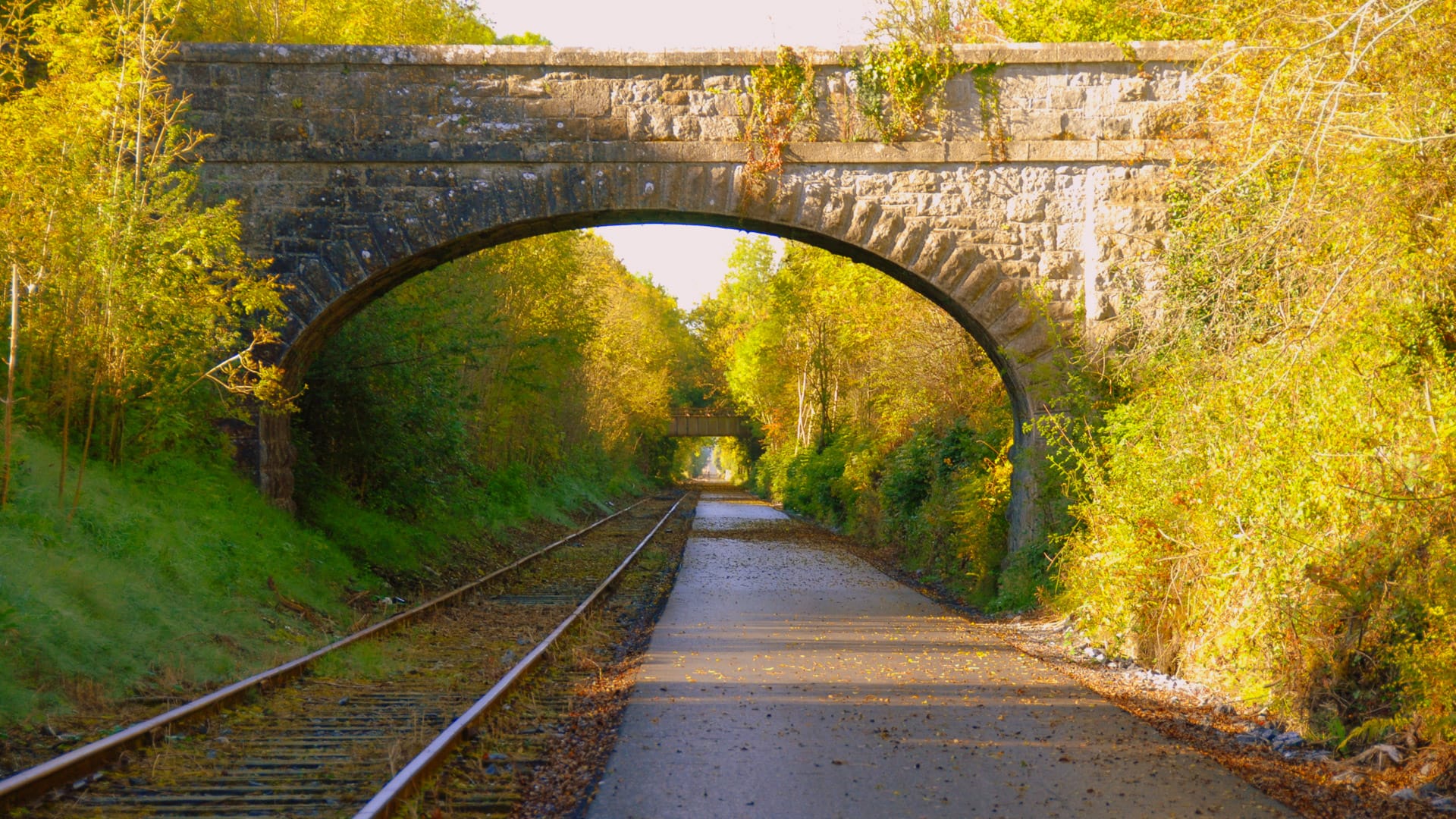
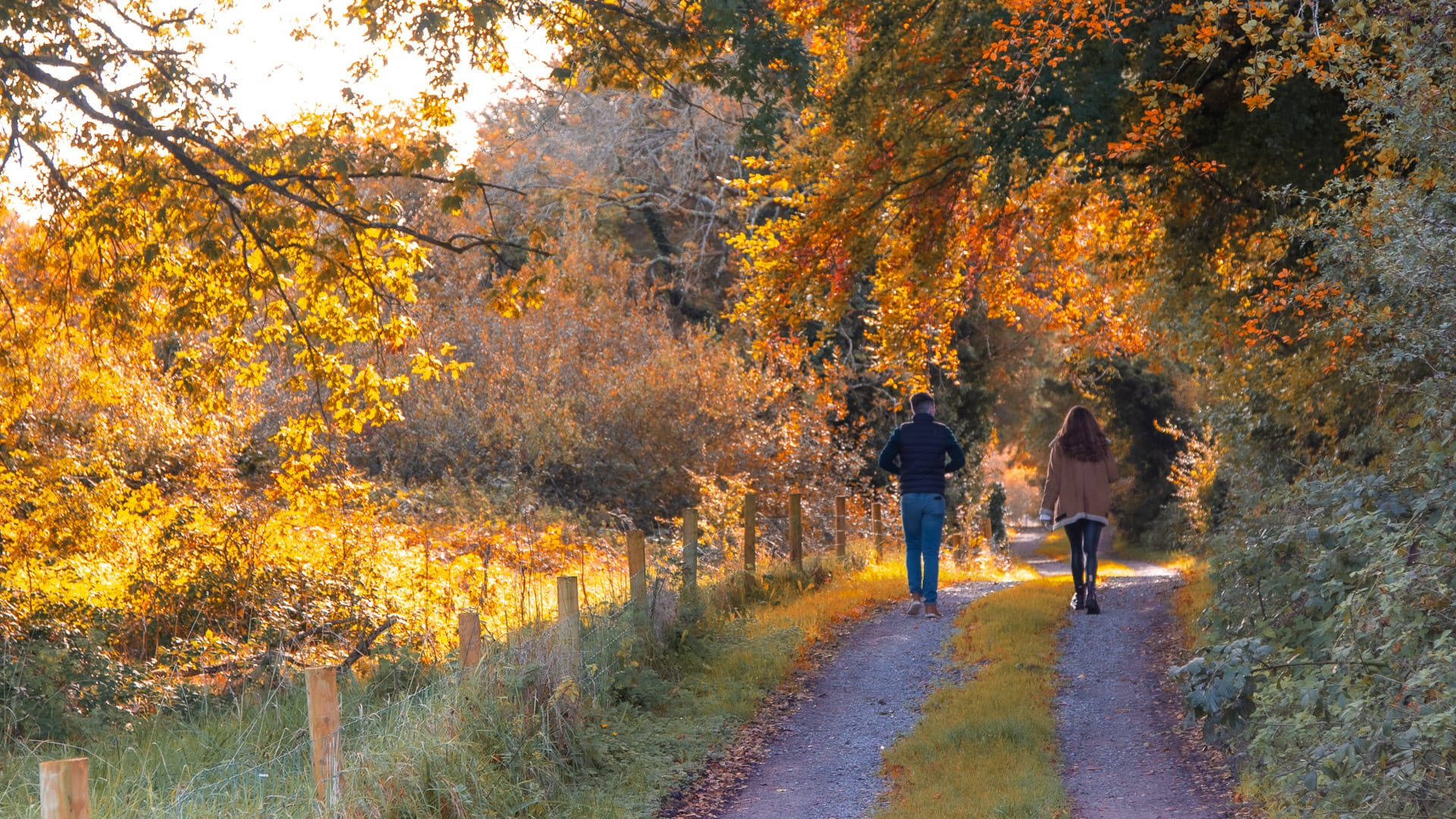
Autumn on the Old Rail Trail, Westmeath (photo credit: Tourism Ireland)
How fit do you need to be to cycle the Ireland greenways?
The Irish greenways are perfect for an accessible cycling trip. Most of the routes are relatively short and feature gentle climbs as they follow old railway tracks and canal towpaths. There are usually multiple access points, so you can easily cut a route down by choosing which section you want to ride.
Those looking to take on the longer routes such as the Royal Canal Greenway will need a good base of cycling fitness and experience of long days in the saddle. But for the most part, you can make cycling the greenways as challenging or as relaxed as you’d like.
What to pack for cycling in Ireland?
A cycling trip in Ireland is best enjoyed when you’re prepared for changeable weather, cool breezes and varied road conditions. You don’t need any specialist expedition kit, but the right essentials will keep you comfortable, dry and confident on the bike. Think layers, waterproofs and practical gear rather than heavy or bulky equipment.
Below you’ll find my suggestions for the essential gear and the practical extras you might want to consider taking with you.
What is the essential gear for cycling in Ireland?
- Helmet: Always suggested for safety on rural roads and downhill sections.
- Waterproof jacket: A lightweight, breathable and packable waterproof cycling jacket is key/ Showers can appear at any time of year!
- Cycling layers: Short-sleeve jerseys or base layers, a lightweight long-sleeve top or thermal layer for cooler mornings and a windproof gilet for exposed coastal sections
- Padded cycling shorts or tights: Comfort is crucial on multi-day rides.
- Waterproof overtrousers: Optional, but these can be very welcome on wetter days.
- Gloves: Full-finger or lightweight gloves help with grip and warmth.
- Good-quality cycling shoes: Suitable for road or hybrid pedals; avoid anything brand new.
- Daypack or pannier bag: For snacks, camera, sunscreen and spare layers
- Water bottles: Even on cooler days, hydration matters.
- Sunglasses: Useful for sun, wind and road spray.
- Sunscreen: UV levels can still be strong, especially from May to September.
What are the practical extras to consider?
- Small repair kit: Inner tube, tyre levers and mini pump (often provided on organised tours).
- Phone mount or GPS device: Helpful for navigation and ride stats.
- Casual evening clothes: Comfortable layers for pubs and restaurants after riding.
- Lightweight shoes or sandals: To give your feet a break off the bike.
Top tips! Layering works better than carrying heavy winter gear. Guided or supported trips can be a good option to keep packing simple, as they often provide bikes, helmets, panniers, repair kits and arrange luggage transfers.
Looking for more packing essentials? Don’t miss our in-depth guide.
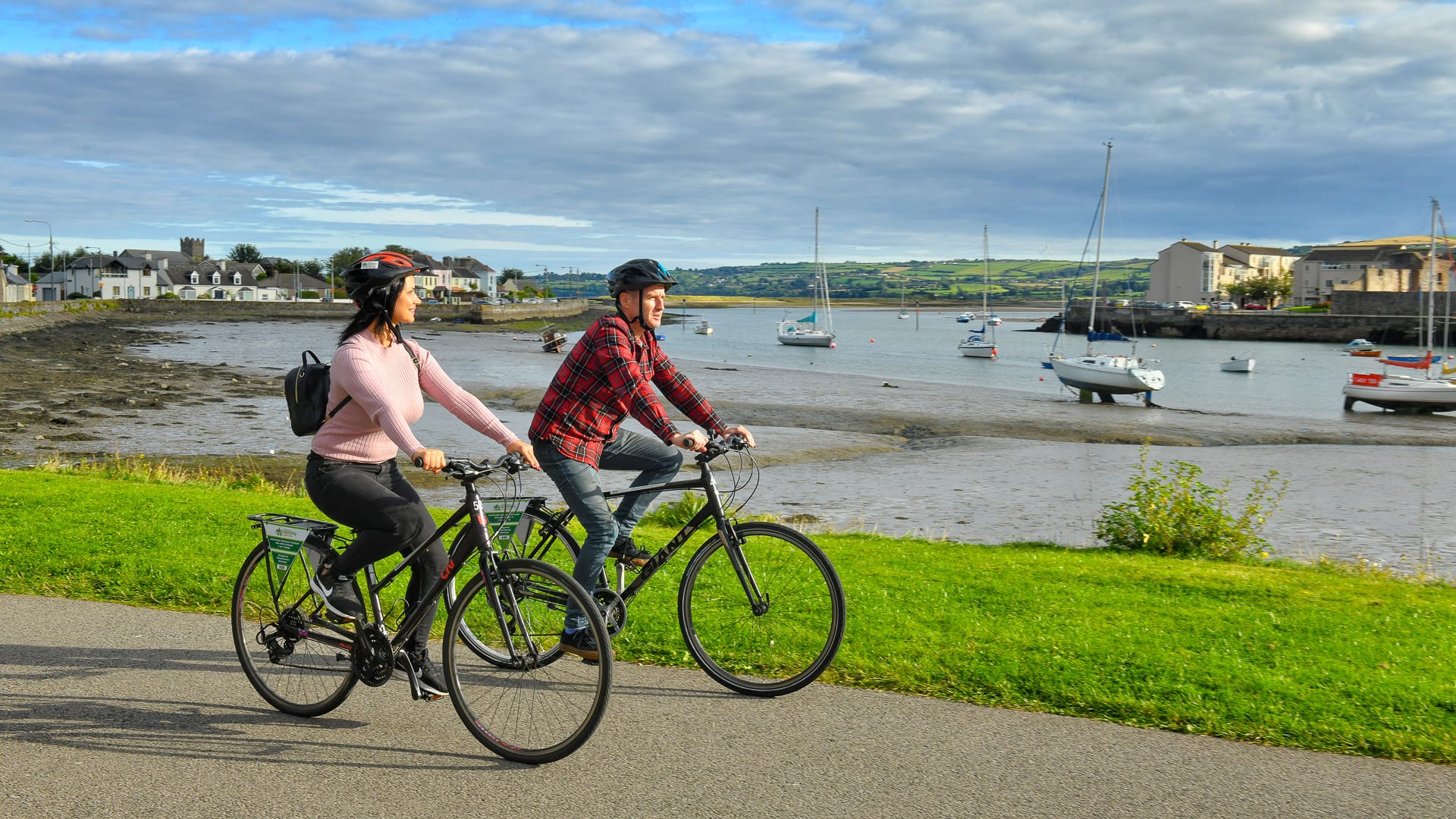
Cycling through Dungarvan (photo credit: Tourism Ireland)
Can I hire a bike to cycle the greenways in Ireland?
Yes! There are plenty of bike hire and rental options in Ireland, particularly in the towns and regions that are popular with cyclists. Many of them allow you to pick the bike up from one location and drop it at another. You can find my suggestions for the best bike rental places for each of the six Irish greenway routes above.
Be aware! Most bike hire providers focus on leisure cycling, so commuter-style bikes and basic touring bikes are the most widely available. However, road bikes can also be hired from some of the rental shops, and you may find that higher-end providers can also offer full carbon road bikes. If you’d prefer to hire a gravel or a mountain bike, these are usually easier to find in areas where off-road or mixed terrain riding is popular
For off-road riding, the Slieve Bloom Mountains in County Laois are a great option. You’ll head into the heart of an ancient mountain range, with three routes that all start and finish in Kinnitty village. Ticknock in the Dublin Mountains is another favourite, with official off-road trails. It’s also close to the city, so it works well for a weekend, and you can even see the city from the mountains.
At Tralee Bike Rental, based in Kerry, we offer premium e-bikes, hybrid bikes and Boardman road bikes. We also have a GPS app for all our riders, which has route maps and other useful information on dining options and activities nearby.
On my tours, I can transport your luggage between accommodation stops. That means you can ride point to point and finish in a new place each day, rather than cycling back to where you started.
After your adventure on the Irish greenways, you can also explore some of the cities with city bike schemes.
Is it easy to find bike mechanical support?
Yes, there is a strong network of bike hire shops and servicing options available should any issues arise.
A guided or a supported tour can also be a great option with support on hand if you need it. More information on guided tours below!
Where are the best places to stay?
You can find my suggestions for the best accommodation for each Ireland greenway routes above.
However, a couple of standouts include Keenan’s Hotel Bar and Restaurant for the Royal Canal Greenway, which is just outside Cloondara. Here you’ll find hearty food and secure bike storage. On the Old Rail Trail Greenway, the Magical Lakeside Yurt is worth considering for something a little different! It’s a beautiful hand-crafted wooden yurt, just four miles outside Athlone town.
A couple of bike-friendly bases worth considering are the Camden Court Hotel in County Dublin, which offers secure bicycle storage and nearby access to the Royal Canal Greenway. In County Donegal, Harvey’s Point is located close to the cliffs of Slieve League and provides a shed for storing bikes, with support available to arrange bike hire for guests.
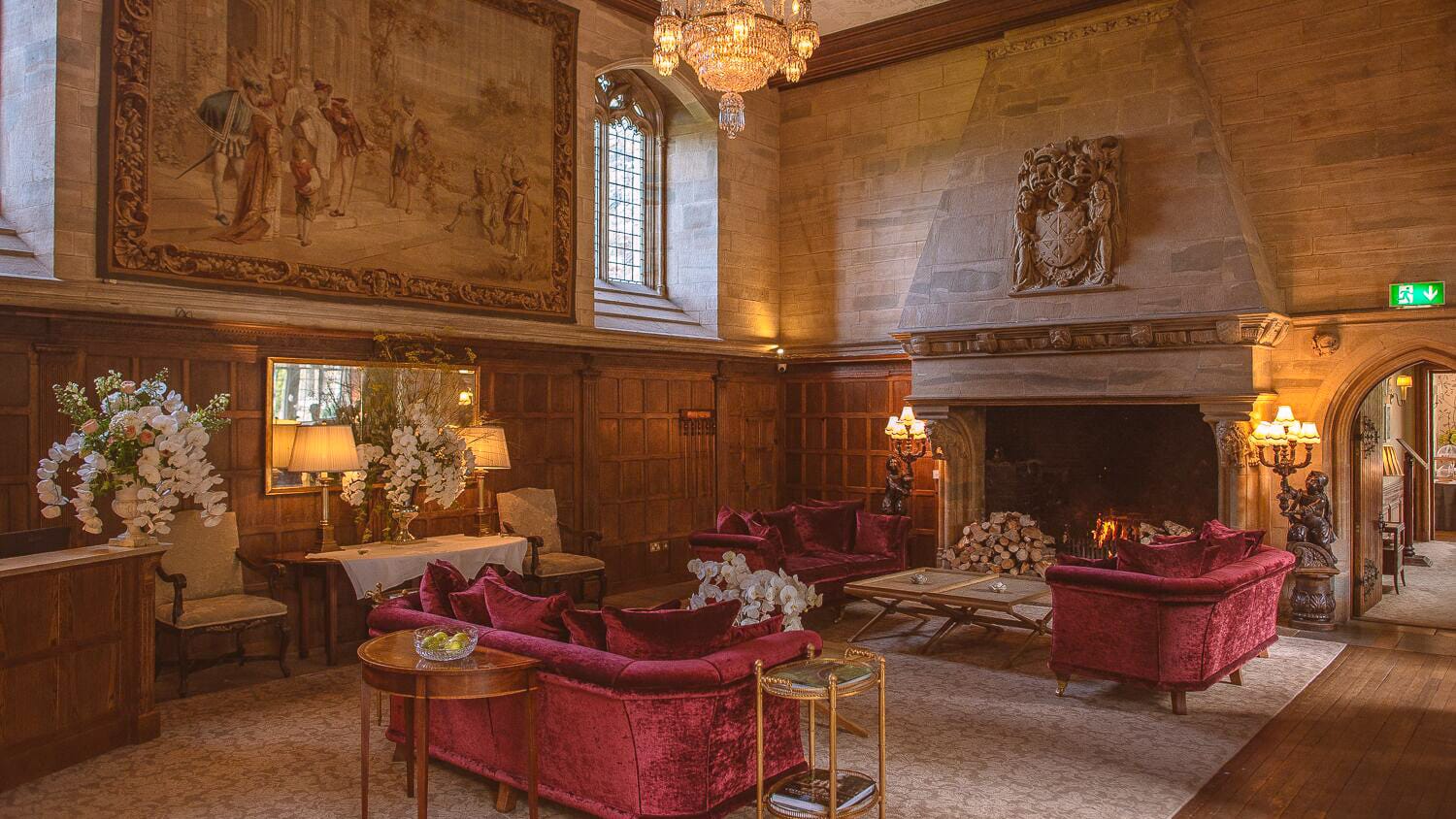
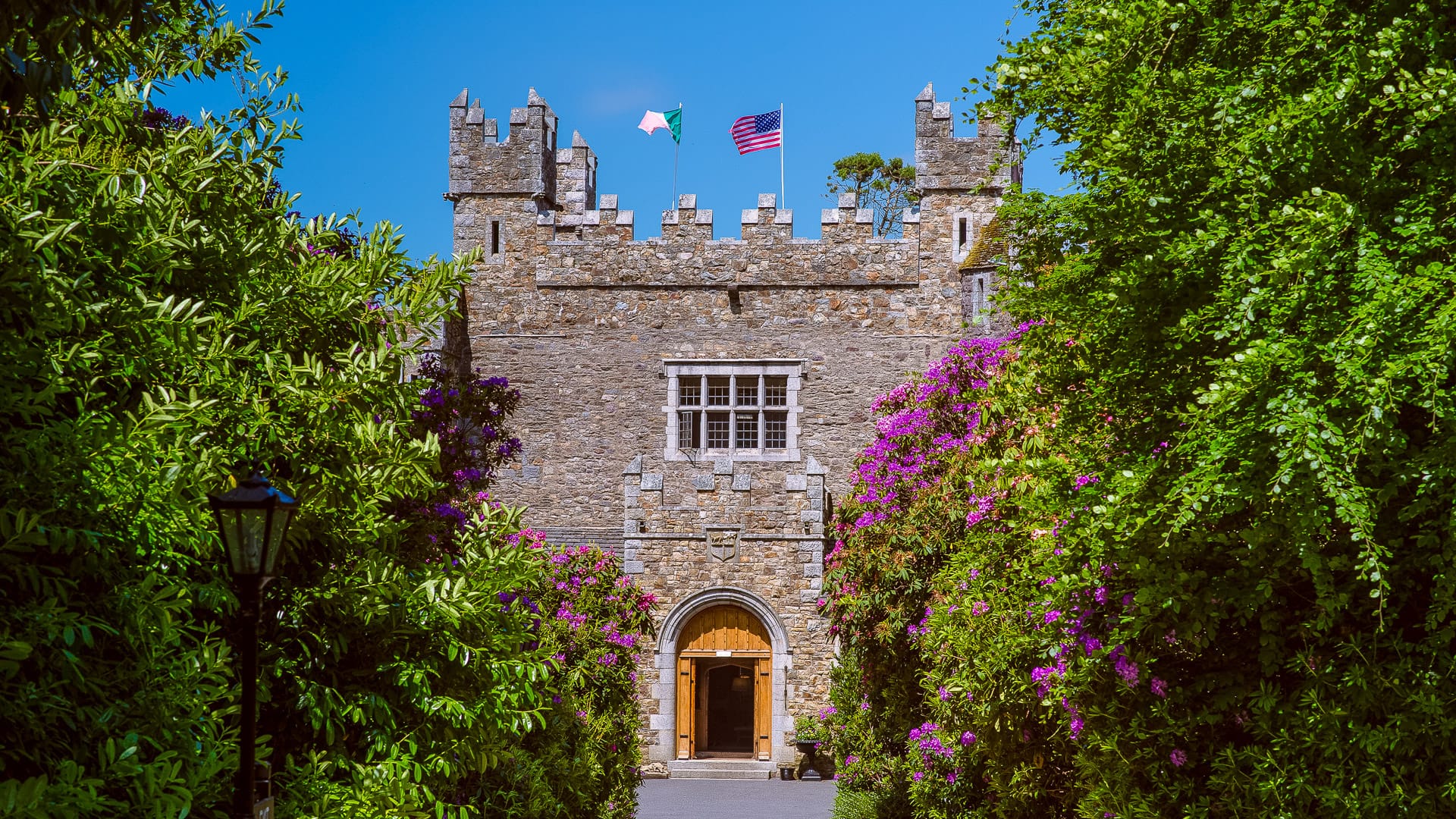
Interior of the Waterford Castle Hotel & Golf Resort (photo credit: Tourism Ireland)
Do cyclists need a car to get to the start of the greenways?
A car can be handy, but it isn’t essential for every greenway. Public transport serves most routes in some form, although availability and bike rules differ by provider. It’s worth checking Irish Rail and local bus services before you set off. For some routes, booking a shuttle with a local operator is the easiest way to sort your return.
Top tip! During off-peak times, you can take your bike on public transport in Ireland free of charge.
Are there guided cycling tours for the Irish greenways?
The greenways in Ireland tend to be well-marked and easy to navigate on a self-supported cycling trip.
But choosing a guided or a supported cycling tour takes away the stress of travelling independently, so you can relax and fully enjoy the landscapes, the culture and the ride.
At Ireland Walk Hike Bike, we offer a wide range of hiking and cycling tours in Ireland. This includes fully guided group tours, or self-guided tours with logistics such as accommodation, luggage transfers, bike hire and route navigation taken care of.
Whilst we don’t offer bookable guided tours of the greenways, we can create custom private tours of Ireland that include greenway sections. We also offer guided tours of the Ring of Kerry. You can find the options here:
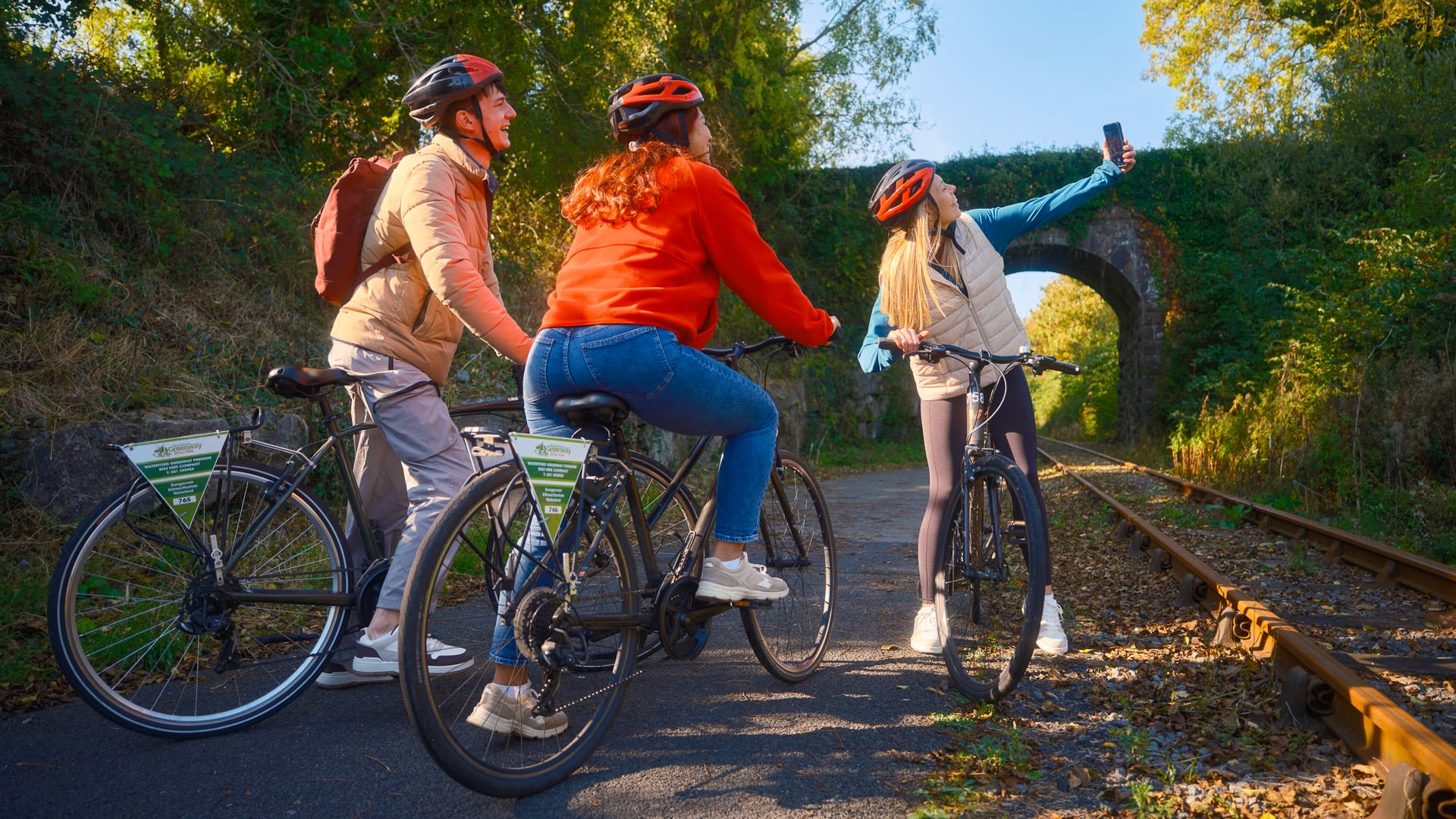
Taking a group photo along the Waterford Greenway (photo credit: Tourism Ireland)
Are there any rules for cycling the Irish greenways?
The greenways are strictly for walkers and cyclists only. Cyclists are also requested to yield to pedestrians. You shouldn’t enter any adjoining farmland along the trails, and it’s important to respect the natural habitats you’re exploring. Leave no trace and make sure you take your litter with you!
If you’re heading out onto the roads while cycling in Ireland, remember that cyclists should travel with traffic on the left-hand side of the road.
How to get to Ireland?
There are plenty of options for travelling to Ireland, including flights, ferries and even ‘rail and sail’. From Great Britain, there are eight airports with direct flights, and you could be touching down in just two hours. Dublin Airport is the largest airport with both domestic and international flights.
If you want to bring your own car, the ferry can be a great option with routes from multiple locations in Great Britain, alongside Spain and France for those travelling over from the continent.
Those planning a bikepacking tour could also consider ‘rail and sail’: a combined train and ferry ticket.
Visit the Tourism Ireland website to find out more about travelling to Ireland and getting around once you arrive.
Any highway code and travel information I should be aware of?
As ever, it’s a good idea to check current travel information before you book and travel. For UK visitors, the UK government travel information pages for Ireland are here.
You should also read and follow Ireland’s highway code.
Part 4: Where can I find out more about cycling the greenways in Ireland?
The Greenways Ireland website is jam-packed with information on each of the Irish greenways. Tourism Ireland is also useful to learn more about what’s on offer in the different cities and counties of Ireland, and the must-see sights while you’re visiting.
What’s next?
A huge thank you to Maurice for sharing his in-depth knowledge and years of insights on how to get the most out of cycling the Irish greenways!
Have you cycled the greenways in Ireland? Drop us a comment to tell us all about your experience and any hidden gems you discovered along the way!
If you’re inspired to plan a cycling tour or holiday in Ireland, don’t miss:
- Guide to cycling in Ireland
- Cycling the Wild Atlantic Way for everything you need to know about Ireland’s most epic cycling challenge
- Ireland’s Wicklow Mountains routes and tips
- The best cycling routes in the UK and Ireland for even more inspiration
- Top cycling holidays in the UK and Ireland to make the most of your time off work
- Six of the world’s safest countries for cycling in 2025/26
Got a question for Tourism Ireland?
Fill out this form and we will pass it to Tourism Ireland who aim to reply (within 24 hours wherever they can!)
Got a question for Maurice?
Fill out this form and we will send it to Maurice. We aim to get you an answer within 24 hours where possible!With over 20 years of experience facilitating cycling tours in Ireland, Maurice Whelan leads Ireland Walk Hike Bike as Managing Director and co-owner. He ensures every guest enjoys a well-supported and memorable experience.
Maurice was born and raised in Ireland and is now based in Kerry. When he’s not in the office or out guiding, you’ll most likely find him surfing or hiking with his dog, Jade.
First Published: 10 February 2026
This article includes details of products and/or services that we have used ourselves or which we would consider using. Some are paid features or include affiliate links or referral codes which we may earn commission from. As an Amazon Associate we earn from qualifying purchases. Please read our disclosure policy for further information.
The contents of this website are provided for general information purposes only. It is not intended to amount to advice and you should not rely on it. You should carry out your own due diligence and risk assessments and take professional advice. Views expressed by interviewees or other users of this website do not necessarily represent our views. We make no representations, warranties or guarantees, whether express or implied, that the content on our website is accurate, complete or up to date. If you use any information or content on this website, download from, or otherwise obtain content or services through our website, it is entirely at your own discretion and risk. Epic Road Rides Ltd disclaims all liability and responsibility arising from any reliance placed on the information and content on this website. Find out more here.
Sponsor Message
Got a question for Tourism Ireland?
Fill out this form and we will pass it to Tourism Ireland who aim to reply (within 24 hours wherever they can!)
Comments